
2027 Most Valuable Online Master's in Elementary Education Degree Programs Ranking in Missouri

Co-Founder and Chief Data Scientist
Choosing the right online master's program in elementary education can feel overwhelming, especially with so many options available. To help Missouri students navigate this important decision, this article presents the 2027 Most Valuable Online Master's in Elementary Education Degree Programs Ranking in Missouri, developed by the Research.com team of data scientists.
By exploring this ranking, you'll discover which programs truly stand out in value, quality, and career impact. Pursuing an advanced degree in elementary education opens doors to rewarding teaching careers and growth opportunities. Let this guide support your journey toward making a confident, informed choice for a brighter future.
Key benefits of getting online elementary education degree in Missouri
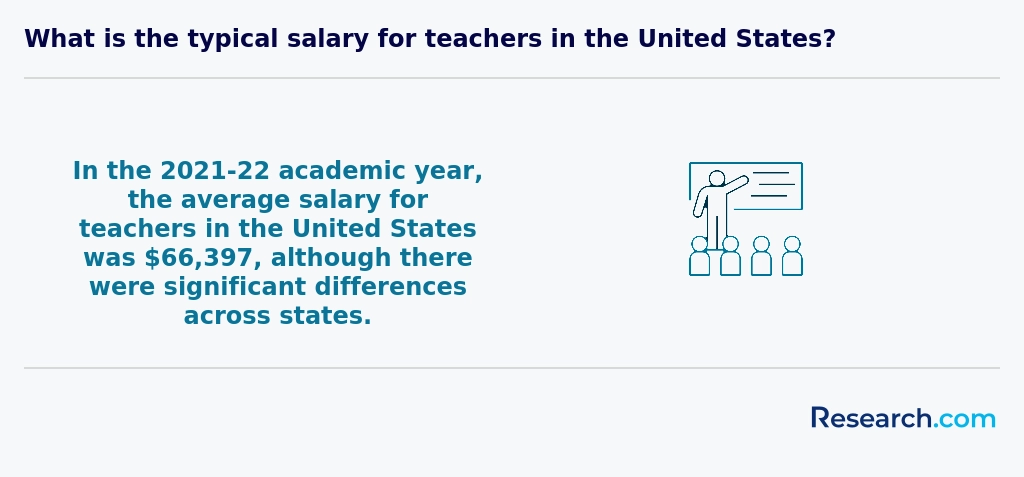
- Elementary education graduates in Missouri can expect a rewarding career with average annual salaries around $60,000 based on national averages for similar roles, offering financial stability and opportunities for growth.
- Graduates from Missouri State University often find diverse career paths, including classroom teaching, educational support roles, and curriculum development, providing flexibility to match personal passions and strengths.
- Completing an elementary education degree online from institutions like the University of Missouri offers convenience and flexibility, allowing students to balance work and life while gaining a respected qualification.
What can I expect from online elementary education degree in Missouri?
When considering the average cost of an online elementary education degree in Missouri, it's encouraging to know that many public universities-such as the University of Missouri and Missouri State University-offer competitive tuition rates for online learners. Graduates often share how these programs make earning a degree accessible without overwhelming financial strain, thanks in part to discounted online tuition and available state aid.
For residents, programs often range between $8,000 and $15,000 per year, which can feel manageable compared to traditional on-campus expenses. Many students find that pairing this with the A+ Scholarship Program significantly lowers out-of-pocket costs, easing the journey toward certification.
Graduates recall balancing study with work and family, appreciating how cost-effectiveness allowed them to stay motivated. The financial support combined with a flexible online format opens doors for aspiring teachers across Missouri, proving that investing in your education doesn't have to come with overwhelming debt.
Where can I work with online elementary education degree in Missouri?
With an online elementary education degree from well-regarded institutions like the University of Missouri or Missouri State University, graduates find themselves ready to step into classrooms across the state. Imagine starting your teaching career in vibrant districts in St. Louis or Kansas City, where you'll inspire young minds from kindergarten through sixth grade, sometimes even up to eighth grade. These graduates often share how rewarding it is to shape the futures of children in both urban and rural Missouri settings.
Beyond traditional public schools, many graduates explore rewarding roles in private and charter schools, which value certified teachers eager to bring fresh, innovative lessons in reading, math, and social studies. Working in a charter school with a unique curriculum or a tight-knit private school community can make your teaching career even more fulfilling.
Many alumni also find satisfaction expanding their roles into support positions like instructional coaching or curriculum development. Some contribute to local nonprofits or community colleges, supporting literacy and afterschool programs, especially in underserved neighborhoods. These opportunities reflect the diverse paths your degree can open in Missouri's education landscape.
How much can I make with online elementary education degree in Missouri?
Graduates from online elementary education programs in Missouri often start their teaching careers with salaries ranging from $38,000 to $42,000 annually. Those who studied at well-known institutions like the University of Missouri or Missouri State University find that advancing their degrees, such as earning a master's, can significantly boost their earnings and open doors to leadership roles in schools.
Many graduates share how working in districts in Kansas City or St. Louis brings rewarding experiences not only professionally but financially, with salaries sometimes surpassing $60,000 for seasoned educators. These urban districts recognize dedication and provide opportunities to grow, making the journey worth every effort.
Beyond the paycheck, benefits such as health insurance and retirement add real value to the compensation. Missouri's system truly encourages continuous learning and service, rewarding teachers who pursue certifications or advanced endorsements. This approach empowers many graduates who began studying online to feel confident and prepared to impact children's lives while enjoying a stable, fulfilling career.
- Key benefits of getting online elementary education degree in Missouri
- What can I expect from online elementary education degree in Missouri?
- Where can I work with online elementary education degree in Missouri?
- How much can I make with online elementary education degree in Missouri?
- How do we rank schools?
- 2027 Most Valuable Online Master's in Elementary Education Degree Programs Ranking in Missouri
- What online elementary education degree graduates have to say
- Key Findings
- How long does it take to complete online elementary education degree in Missouri?
- What's the difference between online and on-campus elementary education degree?
- What is the average cost of online elementary education degree in Missouri?
- What financial aid is available to online elementary education degree students in Missouri?
- What are the prerequisites for enrolling in online elementary education degree program in Missouri?
- What courses are typically in online elementary education degree programs in Missouri?
- What types of specializations are available in online elementary education degree programs in Missouri?
- How do you choose the best online elementary education degree in Missouri?
- What career paths are available for online elementary education degree students in Missouri?
- What is the job market for online elementary education degree in Missouri?
- Frequently Asked Questions About elementary education
- Top Trending Elementary Education Rankings
How do we rank schools?
Investing in your education is a significant decision that can shape your future, and the Research.com team understands the importance of making informed choices. To assist prospective students in Missouri, we have meticulously crafted the "2027 Most Valuable Online Master's in Elementary Education Degree Programs Ranking in Missouri." Our commitment to quality, credibility, and accuracy is reflected in the extensive research and analysis conducted to compile this ranking.
We utilized the following reputable data sources to ensure a comprehensive evaluation of online master's in elementary education programs:
By exploring this ranking, readers will gain valuable insights into the best online master's programs in elementary education available in Missouri, helping them make well-informed decisions about their educational paths. For more details on our methodology, please visit our Research.com methodology page.
2027 Most Valuable Online Master's in Elementary Education Degree Programs Ranking in Missouri
# 1 position

Southeast Missouri State University offers an 18-month master's program focused on Elementary Education. The program has a graduation rate of 58% and is less selective with a 74% acceptance rate. Approximately 1,300 students enroll online. The average total cost is $10,341. A high 96% of students receive financial aid, making support widely accessible for candidates pursuing this degree.
# 2 position

Missouri State University offers a Master's program focused on Elementary Education and Education with an open admission policy, accepting 91% of applicants. The program has a graduation rate of 58%, reflecting moderate completion success. Approximately 95% of students receive financial aid, indicating high support levels. There are 12,351 online students enrolled, and the average total cost for the program is $24,948.
# 3 position
Missouri State University-West Plains
Master
Missouri State University-West Plains offers a Master's degree focused on Elementary Education. The program has a graduation rate of 41%, indicating the proportion of students successfully completing their studies. A significant 94% of students receive financial aid, reflecting a high level of assistance available. Other details such as program length, cost, acceptance rate, and online enrollment are not available.
What online elementary education degree graduates have to say
- Studying at the University of Missouri online gave me the flexibility to balance work and family while earning my elementary education degree. The interactive classes and supportive faculty made learning engaging, and I feel fully prepared to inspire young minds. Truly a rewarding journey. - Emma
- At Missouri State University, the online program's practical approach helped me develop real classroom skills from home. Their excellent resources and community support made every step enjoyable and motivating. Getting my degree here was the best decision for my career and confidence. - David
- The online elementary education program at Webster University exceeded my expectations with its personalized attention and strong curriculum. I loved how they fostered collaboration despite the distance, making each lesson meaningful. This experience empowered me to become a passionate educator. - Sophia
Key Findings
- Online elementary education degrees in Missouri include bachelor's and master's programs with virtual coursework and local student teaching placements.
- Tuition for undergraduate programs ranges from $7,000 to $15,000 per year for in-state students, while graduate programs cost between $10,000 and $20,000 annually.
- Entry-level salaries for graduates average $40,000 to $45,000 per year, with experienced teachers earning $55,000 to $60,000 depending on the district.
- Certified elementary teachers in Missouri must pass the Missouri Educator Gateway Assessments (MEGA) to become fully licensed.
- Online programs often offer flexible scheduling and provide access to academic advising and career services for students.
How long does it take to complete online elementary education degree in Missouri?
Completing an online elementary education degree in Missouri typically takes about four years for full-time students, mirroring the traditional on-campus timeline. Many graduates from well-known institutions like the University of Missouri and Missouri State University share how balancing coursework with family or work commitments made pacing flexible but required discipline.
Some motivated students accelerate their progress by enrolling in summer sessions or taking heavier course loads. These options, common at Missouri's accessible online programs, can shorten completion to about three years, allowing you to enter the classroom sooner and begin impacting young lives.
Master's candidates often complete their degrees in 18 months to three years, depending on prior credits and part-time study choices. Remember, all programs must include student teaching, which this state's education board requires and often schedules separately, adding a valuable practical experience that influences your timeline.
Embracing these flexible paths allows you to tailor your journey to fit your unique goals and life obligations while joining a vibrant community of Missouri educators.
What's the difference between online and on-campus elementary education degree?
Choosing between an online and on-campus elementary education degree in Missouri often comes down to how you learn best and what fits your lifestyle. Graduates from the University of Missouri who studied on-campus fondly recall the energizing classroom discussions and instant feedback from professors, which helped deepen their understanding. Those who pursued online programs from institutions like Missouri State University appreciate the flexibility to balance coursework with jobs or family commitments, studying through video lectures and engaging on discussion boards at their own pace.
Both paths require completing student teaching locally, ensuring hands-on experience within Missouri's schools. This means whether you attend in Columbia or study from home in St. Louis, you'll gain real classroom skills under teacher supervision. While tuition rates between formats are often similar, online students save on commuting and housing costs, lightening financial strain.
Imagine fitting study time between your workday or parenting duties, all while progressing steadily toward your certification. This adaptability is a game-changer for many aspiring educators ready to make a positive impact in Missouri's classrooms.
What is the average cost of online elementary education degree in Missouri?
The average cost of earning an online elementary education degree in Missouri varies but typically centers around $11,424 for in-state students. Many graduates from institutions like the University of Missouri or Missouri State University share how the affordability of these programs made it possible to pursue their passion for teaching without overwhelming financial stress. These programs often require around 30 to 40 credit hours, and tuition is charged per credit, allowing students to manage expenses more effectively.
For students who live outside Missouri, costs tend to increase-averaging around $17,644-yet even out-of-state learners find value in the quality education provided by well-known colleges. Considering the online elementary education tuition and fees Missouri imposes, public universities offer significant savings compared to private alternatives, which can be two or three times more expensive per credit hour.
Many students appreciate that flexible payment plans and financial aid opportunities help spread out costs. Additionally, Missouri residents frequently benefit from discounted tuition, which really lifts some financial burdens. Graduates often mention that combining their degree with additional resources like state grants or loan forgiveness makes their investment in education truly worthwhile.
When exploring your educational path, also consider exploring options like an online masters in instructional design, which might complement your teaching skills and expand career opportunities.
What financial aid is available to online elementary education degree students in Missouri?
Students pursuing an online elementary education degree in Missouri can tap into a variety of financial aid sources that truly make a difference. Many graduates from institutions like the University of Missouri and Missouri State University recall how filling out the FAFSA unlocked federal grants and low-interest loans, easing the burden of tuition fees that can otherwise feel overwhelming.
State aid programs such as the Access Missouri Financial Assistance Program often provide grants tailored specifically for future teachers, helping to lower upfront costs. One graduate shared that this support was crucial in balancing work and study without excessive debt.
Scholarships are another valuable resource. Prestigious awards like the Missouri Dean's Scholars program and scholarships from education foundations provide both merit-based and need-based opportunities. Many students credit these for allowing them to focus more fully on their teaching practicum without financial stress.
Additionally, loan forgiveness programs aimed at educators who serve in rural or high-need districts often become lifelines post-graduation, offering tangible relief while encouraging a meaningful career in Missouri's schools.
What are the prerequisites for enrolling in online elementary education degree program in Missouri?
To start your journey toward an online elementary education degree in Missouri, you'll first need a high school diploma or GED as the foundational step. For those aiming at a master's level, having an undergraduate degree in education or a related field is essential. Many students from well-regarded institutions like the University of Missouri or Missouri State University have shared how meeting these requirements gave them a solid launchpad for deeper learning and confidence.
Expect to handle standardized tests such as the SAT or ACT for bachelor's programs, although some schools may waive these if your college GPA is strong. For graduate programs, maintaining about a 3.0 GPA will help you meet admissions criteria. Remember, passing Missouri's DESE content test is a key milestone-it's not just about admission but about preparing you to excel in classrooms across the state.
Additional hurdles like background checks, fingerprinting, and foundational courses in English and math reflect the real-world standards you'll face as a future educator. Graduates often describe these steps as empowering, ensuring they're truly ready to inspire and protect their students. Reliable internet access and tech readiness for online classes complete the list, helping you stay connected and engaged throughout your program.
What courses are typically in online elementary education degree programs in Missouri?
When pursuing an online elementary education degree in Missouri, you'll engage deeply with courses that build your confidence and expertise as a future teacher. Graduates from well-regarded institutions like the University of Missouri often recall how foundational classes in educational psychology helped them understand young minds and tailor lessons to meet diverse learning styles. Imagine preparing lesson plans focused on literacy and math that align perfectly with Missouri's rigorous state standards-this is what curriculum planning courses guide you to achieve.
Practical skills come alive in classroom management and assessment classes, where students learn to create nurturing, engaging environments and track student growth effectively. Many graduates highlight their practicum experiences, arranged virtually in collaboration with local school districts, as pivotal moments when theory met practice. Courses on technology integration prepare you to bring interactive tools into your virtual or physical classroom, ensuring your teaching stays fresh and impactful. These courses collectively prepare you not just to teach, but to inspire and uplift every child you encounter.
What types of specializations are available in online elementary education degree programs in Missouri?
When exploring an online elementary education degree specializations Missouri offers, you'll find several practical paths that align with local classroom needs and personal passions. Graduates from renowned institutions like the University of Missouri or Missouri State University often mention how specializations such as Reading and Literacy empower them to tackle issues like improving early reading skills-an essential focus since many Missouri students score below proficiency in reading.
Others have chosen Special Education, a specialization that prepares teachers to support children with diverse learning challenges-vital in a state where 13% of elementary students receive special education services. Meanwhile, a Bilingual or English as a Second Language (ESL) concentration reflects Missouri's rising linguistic diversity, helping educators connect and engage with English language learners.
For those passionate about STEM, options in Mathematics or integrated STEM education help future teachers inspire young learners in critical science and tech skills. These specialized concentrations available through Missouri colleges prepare you to confidently enter diverse classrooms.
If cost is a concern, looking into the cheapest online EdD options can be a smart move while building expertise tailored to your career goals.
How do you choose the best online elementary education degree in Missouri?
Choosing the best online elementary education degree in Missouri means focusing on programs that are accredited by the Missouri Department of Elementary and Secondary Education (DESE). Graduates from well-regarded universities in the state often express how accreditation gave them confidence their training met state standards, ensuring smooth licensure. When you explore affordable online teaching programs Missouri offers, look closely at how each curriculum embraces multicultural education and classroom management, preparing you to meet the needs of diverse young learners.
Flexibility is key for many students balancing work or family commitments. Programs with asynchronous courses allow you to study when it suits your life, a feature praised by graduates from popular Missouri colleges. Don't overlook practical details like licensure exam pass rates in Missouri-they reveal a program's effectiveness in truly readying you for a teaching career.
Many online candidates also benefit from strong technical support and student services; having access to tutors or mentors can make all the difference. If you're looking ahead to further studies, consider exploring online doctoral programs without dissertation that can complement your path in education leadership.
What career paths are available for online elementary education degree students in Missouri?
Graduates with an online elementary education degree in Missouri find themselves well-positioned for a variety of rewarding career paths. Many begin their journey as licensed classroom teachers in public or private elementary schools, where they nurture young minds and inspire a lifelong love of learning. Others discover fulfillment working in special education programs or curriculum development, crafting lesson plans that ignite creativity and accommodate diverse learners. Graduates from well-known institutions in Missouri often report how balancing flexible online study with real classroom experiences helped them confidently step into roles such as literacy coaches or tutors, supporting students beyond traditional instruction.
Exploring teaching jobs with online elementary degree Missouri opens doors beyond K-6 classrooms, too. Some graduates advance toward administrative roles or become involved in community outreach and educational policy, applying their knowledge to shape broader learning environments. For those interested in mental health alongside education, discovering online school psychology programs NASP approved offers a complementary path worth considering, blending passion for child development with practical skills.
What is the job market for online elementary education degree in Missouri?
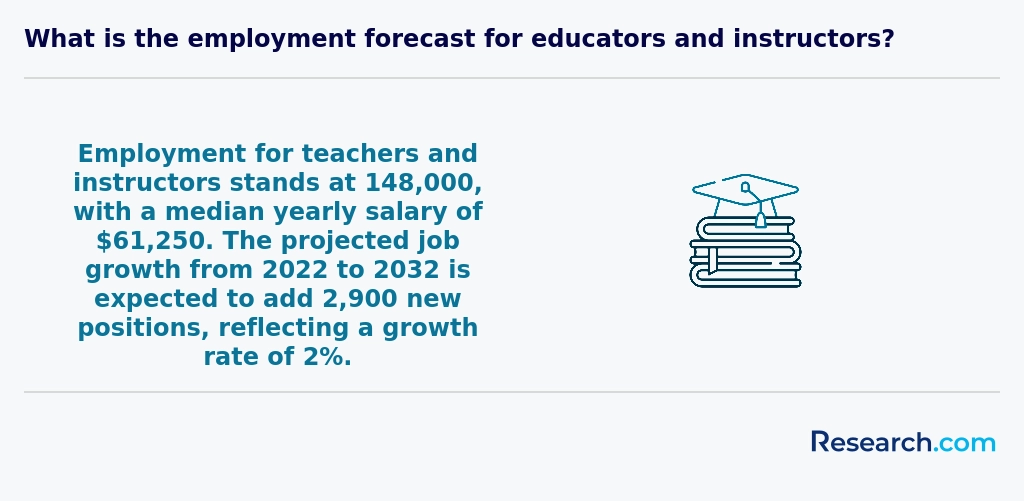
The job market for graduates with an online elementary education degree in Missouri remains strong and promising. Many who studied at well-known state universities share how their comprehensive online programs, often paired with the Teacher Residency Program, provided invaluable classroom experience that made job placement smoother in districts around St. Louis and Kansas City. With about 50,000 elementary teachers currently employed statewide, and steady demand driven by suburban growth and ongoing retirements, graduates find rewarding opportunities throughout Missouri. Though rural areas may have fewer positions, they often offer attractive incentives like loan forgiveness and signing bonuses to bring in qualified educators, making it easier for new teachers to feel valued and secure.
Graduates have found that Missouri's certification requirements align well with online curricula, allowing them to confidently compete for roles in both public and private schools. Salary levels around $54,200 annually, combined with the lower cost of living, give many a comfortable lifestyle. Considering tuition, it's wise for prospective teachers to compare costs, and many have also explored related fields by pursuing an online mathematics degree to diversify their skills and opportunities within education.
Frequently Asked Questions About elementary education
Students pursuing online elementary education degrees in Missouri can maximize their learning experience by engaging actively with digital course materials and participating in virtual discussions. According to the Missouri Department of Elementary and Secondary Education, practical application through student teaching or internships remains essential to complement theoretical knowledge.
It is beneficial for students to seek programs accredited by the Council for the Accreditation of Educator Preparation (CAEP), which ensures rigorous standards aligned with Missouri's licensure requirements. Additionally, leveraging local school district partnerships for hands-on experience can improve job prospects post-graduation.
Time management is critical; balancing coursework with teaching practice enhances retention and skill development. Missouri's commitment to supporting teacher education includes access to online tutoring and professional development resources that students should utilize.
Emerging niches within the elementary education field in Missouri reflect broader national trends emphasizing specialized skills and inclusive teaching. One growing area is STEM (Science, Technology, Engineering, and Math) education, where elementary teachers are increasingly trained to integrate technology and inquiry-based learning into their classrooms. According to the Missouri Department of Elementary and Secondary Education (DESE), schools are expanding support for STEM initiatives to better prepare students for future careers.
Another niche gaining attention is special education, particularly focused on early intervention and inclusive practices. Missouri schools face a rising demand for teachers skilled in supporting students with disabilities within general classrooms.
Additionally, bilingual and English as a Second Language (ESL) teaching is important due to increasing diversity in Missouri's student population, outlined by recent census data. These specialties help educators meet varied student needs effectively.
After completing an online elementary education degree in Missouri, preparing for the job market involves several key steps. First, obtaining Missouri state certification is essential to qualify for teaching positions. The Missouri Department of Elementary and Secondary Education (DESE) oversees certification requirements, including passing the Missouri Educator Gateway Assessments (MEGA).
Networking through local school districts and education job fairs can improve employment opportunities. Missouri schools reported an increasing demand, with over 1,000 elementary teaching vacancies annually according to DESE data from 2023.
Additionally, gaining practical experience through student teaching or substitute teaching helps build skills employers seek. Maintaining updated resumes and preparing strong teaching portfolios also enhance job prospects.
Employers in Missouri highly value elementary education degree graduates who demonstrate strong classroom management skills and adaptability. According to the Missouri Department of Elementary and Secondary Education, effective communication with students, parents, and colleagues is essential for success in local schools.
Missouri schools prioritize graduates who can develop inclusive lesson plans that meet diverse student needs, including those with special education requirements. Critical thinking and problem-solving abilities are also important, as teachers frequently adjust instruction based on student progress.
Furthermore, a solid understanding of Missouri's state curriculum standards and proficiency in educational technology tools strengthen a candidate's appeal to employers. These skills are vital for contributing positively to student achievement and classroom environments.
Finding internships in Missouri relevant to an elementary education degree involves several strategic steps. Start by exploring partnerships between online programs and local school districts, as many universities collaborate with Missouri public schools to provide fieldwork opportunities.
The Missouri Department of Elementary and Secondary Education (DESE) offers resources that can help students locate approved internship placements. Schools in urban districts like St. Louis and Kansas City often have staffed programs for student teachers and interns.
Additionally, joining professional organizations such as the Missouri National Education Association (NEA) can provide networking chances and leads on internships.
Online students should also contact their university's career services to access internship databases and receive guidance tailored to Missouri's licensure and teaching standards.
Obtaining an online elementary education degree in Missouri can significantly enhance career mobility and advancement opportunities for educators. Missouri requires teachers to hold state certification, which most accredited online degrees help fulfill, meeting standards set by the Missouri Department of Elementary and Secondary Education (DESE).
Graduates with such degrees are often eligible for roles beyond classroom teaching, including curriculum development and administrative positions. According to DESE, the average teacher salary in Missouri increased by 3% in recent years, with advanced degrees contributing to higher pay scales.
Additionally, online degrees offer flexibility, enabling working professionals to gain credentials without interrupting their current employment. This flexibility supports timely career advancement and eligibility for leadership roles within schools or districts.
Studying for an online elementary education degree in Missouri equips students with skills that extend beyond traditional teaching. Programs emphasize interdisciplinary approaches by integrating subjects like literacy, math, science, and social studies, preparing graduates to adapt lesson plans across these fields effectively. Missouri's Department of Elementary and Secondary Education (DESE) highlights that licensed teachers must demonstrate competency in multiple content areas, ensuring broad expertise.
Courses often include training in special education and technology integration, fostering collaboration with specialists and enhancing problem-solving skills. This interdisciplinary focus helps educators meet diverse student needs and align with Missouri's educational standards, which promote holistic learning experiences.
Research from the Missouri Economic Research and Information Center (MERIC) shows that elementary educators with versatile skills improve classroom engagement and contribute positively to school communities.
When choosing between a thesis and a non-thesis elementary education degree program in Missouri, consider your career goals first. Thesis programs typically focus on research skills and are suitable for those interested in educational leadership or pursuing a doctoral degree. Non-thesis options often emphasize practical teaching skills and classroom experience, which align well with K-6 teaching positions.
Missouri's Department of Elementary and Secondary Education reports a steady demand for qualified elementary educators, with over 12,000 licensed teachers currently employed. A thesis may provide an edge for administrative roles or curriculum development, while non-thesis programs usually require additional coursework or internships.
Cost and time also matter: thesis tracks can take longer to complete due to research requirements. Always check program accreditation and state licensure alignment before deciding.
Students based in Missouri interested in studying elementary education abroad have limited direct online options due to accreditation and licensure requirements within the U.S. Generally, Missouri educators must graduate from programs approved by the Missouri Department of Elementary and Secondary Education (DESE) to teach locally.
Though many foreign universities offer elementary education degrees, Missouri students often pursue international study experiences through exchange programs or study abroad components integrated within U.S. institutions. These options combine global exposure with compliance to Missouri's academic standards.
Data from DESE highlights that graduates of approved Missouri programs have higher employment rates in the state, reinforcing the importance of program accreditation for licensure and certification.
Missouri students seeking global perspectives should consider U.S.-based online programs with international study opportunities rather than fully foreign online degrees.
Part-time job opportunities in Missouri that complement an elementary education degree often involve direct interaction with children and educational environments. Positions such as teacher's aides, after-school program assistants, and tutors are common roles that provide practical experience aligned with classroom teaching.
These jobs help develop skills in lesson planning, classroom management, and student engagement. According to the Missouri Department of Elementary and Secondary Education, gaining such hands-on experience can improve employment prospects post-graduation.
Additionally, Missouri libraries and community centers frequently seek education-focused part-time staff for literacy programs and youth activities, offering useful exposure to diverse learning styles.
These roles also provide flexible schedules, supporting students enrolled in online degree programs.
Online elementary education students in Missouri can access valuable networking opportunities through university-sponsored virtual events and education-focused organizations. Many Missouri institutions partner with local school districts, providing students chances to engage with practicing educators virtually.
The Missouri National Education Association (MNEA) offers student memberships that connect future teachers with statewide professionals. This helps students build relationships and attend conferences or webinars designed for Missouri educators.
Additionally, students often participate in virtual student teaching placements or internships within Missouri schools. These experiences offer direct interaction with mentors, helping students establish local professional contacts.
Research from the Missouri Department of Elementary and Secondary Education emphasizes the importance of professional networks in improving employment prospects within the state's education system.
Alumni networks offer significant advantages to students pursuing online elementary education degrees in Missouri. These networks connect current students with graduates who work in local schools, providing valuable insights into the state's education system. According to the Missouri Department of Elementary and Secondary Education, such connections can improve job placement rates for new teachers in the region.
Members often share job openings, classroom resources, and mentorship opportunities, which is essential for those entering Missouri's competitive teaching job market. Additionally, alumni networks enable ongoing professional development, helping teachers stay current with state standards and educational best practices.
These supportive communities also foster collaboration that benefits both novice and experienced educators, contributing to the overall quality of elementary education across Missouri.
Customizing an online elementary education degree in Missouri allows students to align their studies with specific career goals. Many Missouri institutions offer flexible course selections, enabling future educators to focus on areas such as special education, literacy, or educational technology. According to the Missouri Department of Elementary and Secondary Education, personalization often includes choosing electives that prepare candidates for diverse classroom settings or advanced state certification requirements.
Students can also select programs that incorporate practical experiences through virtual fieldwork or internships. This helps build skills tailored to Missouri's unique educational standards and diverse student populations. Additionally, some schools offer accelerated tracks or endorsement options, allowing candidates to specialize further and enhance employability.
Online elementary education students in Missouri often face challenges related to balancing coursework with personal and professional responsibilities. Many students juggle teaching jobs or family duties while completing demanding online classes. Internet accessibility can also be an issue; rural areas in Missouri report lower broadband availability, which may disrupt participation in live sessions.
Additionally, students must navigate the state's certification requirements, which include supervised field experiences that can be difficult to arrange from a distance. The Missouri Department of Elementary and Secondary Education (DESE) requires specific practicum hours that may not easily align with an online schedule.
Retention rates for online education programs nationally tend to be lower, reflecting challenges in time management and motivation. Students also express a need for strong technical support and clear communication from faculty to succeed in these programs.
Graduates with an online elementary education degree in Missouri can pursue several key professional certifications that enhance their teaching credentials and career prospects. The primary credential is the Missouri Initial Teaching Certificate, which authorizes candidates to teach in elementary classrooms across the state. To obtain this, candidates must complete an approved teacher education program, like an accredited online degree, and pass the Missouri Content Assessment for elementary education.
Additionally, teachers may seek endorsements in specialized areas, such as English Language Learners (ELL) and special education, by completing extra coursework and exams. According to the Missouri Department of Elementary and Secondary Education, these endorsements increase employability and are in growing demand due to diverse student populations.
For experienced educators, the Missouri Advanced Professional Certificate offers further career advancement after three years of teaching with a satisfactory evaluation. Maintaining certification also requires ongoing professional development to stay current with education standards in Missouri.
Writing a winning application for an online elementary education program in Missouri requires clear focus and preparation. First, highlight your passion for teaching younger students and your commitment to education. Missouri's Department of Elementary and Secondary Education values candidates demonstrating strong communication and leadership skills.
Include any relevant experience with children, such as tutoring or volunteering, to showcase practical understanding. Missouri schools emphasize practical knowledge alongside theory, so programs often look for this in applications. Address your goals and how the program aligns with improving education in Missouri's diverse public schools.
Additionally, meet all application requirements carefully, including transcripts, letters of recommendation, and any required standardized tests. Missouri's teacher preparation programs typically expect a solid academic record to ensure readiness for graduate-level study.
Elementary education careers in Missouri reflect broader global trends valuing skilled teachers who can adapt to diverse classrooms. Internationally, elementary educators are recognized as foundational to children's academic and social development, a view shared in the U.S. education system. Missouri, like many states, sees steady demand for qualified elementary teachers, with the Bureau of Labor Statistics projecting a 5% national growth through 2031.
Globally, there is increasing emphasis on cultural competence and technology integration in teaching. Missouri's education programs, including online degrees, align with these trends by preparing educators for evolving classroom environments. According to the Missouri Department of Elementary and Secondary Education, the state prioritizes fostering educators skilled in inclusive practices and digital tools, critical for 21st-century learning.
Furthermore, international comparisons by organizations like the OECD highlight the importance of teacher training quality, an area where Missouri's institutions continue to invest. For students pursuing elementary education degrees online in Missouri, understanding these global perspectives can broaden career opportunities and instructional impact.
Gaining practical experience while pursuing an online elementary education degree in Missouri is essential for teacher certification. Most Missouri programs require students to complete field experiences, including supervised student teaching in local schools. These placements provide hands-on learning opportunities under the guidance of certified mentors.
The Missouri Department of Elementary and Secondary Education (DESE) mandates at least 600 hours of clinical practice for licensure candidates. Online students typically arrange placements close to home to meet this requirement.
Additionally, some programs collaborate with nearby districts to facilitate practicum opportunities tailored for remote learners. Supplementary classroom observations and tutoring may also support skill development.
Choosing the right concentration within an online elementary education degree in Missouri involves aligning your interests with workforce demands. Missouri offers several specializations, including special education, reading instruction, and early childhood. According to the Missouri Department of Elementary and Secondary Education, programs focusing on special education continue to see strong demand due to increasing enrollment of students with disabilities.
Consider your career goals and classroom setting preferences. For example, a reading specialist concentration may prepare you to address literacy challenges, a skill highly valued in Missouri schools as literacy rates directly impact federal funding eligibility.
Additionally, check that the program is approved by Missouri's educator certification board to ensure your concentration meets licensure requirements. Review each school's curriculum for relevant practicum opportunities that can offer practical, hands-on experience remotely or locally.
Top Trending Elementary Education Rankings
References
- Education majors play a role in keeping local elementary schools going | Features | nwmissourinews.com https://www.nwmissourinews.com/features/article_128d39e8-0c1d-11eb-af86-d31b952583b8.html
- Chapter 75: Factors Influencing Deciding For A Career In Education As Second Career Option https://www.europeanproceedings.com/article/10.15405/epsbs.2018.06.75
- Adult Degree Completion Program--Online Elementary Education https://www.mssu.edu/academics/education/teacher/degree-completion-program-elem-ed.php
- Elementary Education - Option Grades 1â6, BSE https://www.ucmo.edu/academics/programs/majors/elementary-education-grades-1-6-bse-41-285/index.php
- How to Leverage Alumni Networks https://www.nordangliaeducation.com/news/2021/04/27/how-to-leverage-alumni-networks
- International teaching and education jobs https://www.tes.com/jobs/search/international
- 10 Reasons Why Education Helps to Advance Your Career - Insight Training https://insight.edu.au/blog/career-advancement-through-education/
- Online networking opportunities for teacher educators https://www.teachingenglish.org.uk/professional-development/teacher-educators/taking-responsibility/online-networking-opportunities
- Why Teacher Networking is So Important https://heartandart.ca/why-teacher-networking-is-so-important/
- How to Choose a Concentration for Your Master of Education 3 Questions to Consider https://www.aiuniv.edu/degrees/education/articles/how-to-choose-an-education-specialization


