
2027 Fastest Online Master's in Elementary Education Degree Programs Ranking in Missouri

Co-Founder and Chief Data Scientist
If you're considering advancing your career with a master's degree in elementary education, this article is here to guide you. Our 2027 Fastest Online Master's in Elementary Education Degree Programs Ranking in Missouri offers a clear, data-driven look at the best programs available. Created by the Research.com team of data scientists, this ranking helps you make a smart, informed decision about which programs truly stand out.
Whether you want flexibility, speed, or quality, the right degree can open doors to rewarding opportunities. Explore your options and take a confident step toward impacting young learners' lives.
Key benefits of getting online elementary education degree in Missouri
- Elementary education graduates in Missouri can expect competitive salaries, with related teaching positions in the US often earning around $60,000 annually, providing financial stability and growth potential.
- Graduates from Missouri State University's elementary education program have pursued rewarding careers as classroom teachers, curriculum coordinators, and education specialists, showcasing diverse opportunities.
- Obtaining an online elementary education degree from the University of Missouri offers flexibility, allowing students to balance work and family while gaining the same respected credentials as traditional programs.
What can I expect from online elementary education degree in Missouri?
The average cost of an online elementary education degree in Missouri can vary, but many public universities offer in-state tuition rates that make this rewarding career path more affordable for residents. Graduates from well-known Missouri institutions often reflect on how manageable tuition fees combined with financial aid options, scholarships, and employer tuition reimbursement allowed them to focus on their studies without overwhelming financial stress.
Imagine balancing your coursework from home while knowing your tuition costs are kept reasonable, giving you confidence to invest in your future. Students at popular universities have shared how the blend of online learning and affordable tuition helped them stay motivated and succeed without compromising their family or work commitments.
These programs are designed to offer flexibility and support, with many graduates appreciating the value of pursuing their passion for teaching while benefiting from costs that respect their budget. Such positive experiences underscore Missouri's commitment to accessible, high-quality elementary education preparation online.
Where can I work with online elementary education degree in Missouri?
Graduates with an online elementary education degree in Missouri often find rewarding careers as licensed elementary school teachers in countless public schools statewide. Whether teaching in bustling urban districts or close-knit rural communities, these educators bring joy and knowledge to young learners every day. Many alumni from popular institutions like the University of Missouri or Missouri State University report how their online degree opened doors to classrooms filled with eager students and supportive colleagues.
Beyond public schools, private elementary schools across Missouri welcome these graduates, valuing their accredited online education and state certification. Imagine shaping young minds in a nurturing private school in St. Louis or Springfield, where flexibility and innovation thrive. Additionally, some graduates embrace roles in educational administration or curriculum development, contributing to the future of teaching in school districts or nonprofit education centers.
Others find fulfillment in tutoring or community education programs, especially in neighborhoods where formal teaching opportunities are limited. These paths allow them to inspire and support children's learning journeys while staying connected to their passion. Missouri's diverse educational landscape ensures that an online elementary education degree can lead to a fulfilling and impactful career.
How much can I make with online elementary education degree in Missouri?
Graduates with an online elementary education degree in Missouri can anticipate a rewarding career with competitive salaries that grow as experience and education advance. Starting out, many new teachers in districts near vibrant cities like St. Louis or Kansas City earn between $38,000 and $45,000 annually, reflecting the value of their hard work in dynamic communities.
As you deepen your expertise through programs offered by respected institutions such as the University of Missouri or Missouri State University, your earning potential increases. Mid-career teachers with a master's degree or additional certifications confidently move into a salary range of $60,000 to $70,000, gaining financial recognition for their dedication.
This progression not only elevates your income but creates opportunities to inspire students in various settings-from bustling suburban schools to nurturing rural classrooms. Many graduates find joy in knowing their compensation grows alongside their impact, supported by benefits like the Missouri Public School Retirement System that secure their future.
For those ambitious educators ready to step beyond the classroom, roles such as curriculum coordinators or administrators offer salaries exceeding $75,000, rewarding leadership and commitment to shaping education across the state.
- Key benefits of getting online elementary education degree in Missouri
- What can I expect from online elementary education degree in Missouri?
- Where can I work with online elementary education degree in Missouri?
- How much can I make with online elementary education degree in Missouri?
- How do we rank schools?
- 2027 Fastest Online Master's in Elementary Education Degree Programs Ranking in Missouri
- What online elementary education degree graduates have to say
- Key Findings
- How long does it take to complete online elementary education degree in Missouri?
- What's the difference between online and on-campus elementary education degree?
- What is the average cost of online elementary education degree in Missouri?
- What financial aid is available to online elementary education degree students in Missouri?
- What are the prerequisites for enrolling in online elementary education degree program in Missouri?
- What courses are typically in online elementary education degree programs in Missouri?
- What types of specializations are available in online elementary education degree programs in Missouri?
- How do you choose the best online elementary education degree in Missouri?
- What career paths are available for online elementary education degree students in Missouri?
- What is the job market for online elementary education degree in Missouri?
- Frequently Asked Questions About elementary education
- Top Trending Elementary Education Rankings
How do we rank schools?
Investing in your education is a significant decision that can shape your future, and the Research.com team understands the importance of making informed choices. To assist prospective students in Missouri, we have meticulously developed the "2027 Fastest Online Master's in Elementary Education Degree Programs Ranking in Missouri." Our dedication to quality, credibility, and accuracy is demonstrated through thorough research and analysis in compiling this ranking.
We utilized the following reputable data sources to ensure a comprehensive evaluation of these programs:
By exploring this ranking, readers will gain valuable insights into the fastest online master's degree programs in elementary education available in Missouri, empowering them to make well-informed decisions about their educational goals. For more information on how this ranking was created, please visit our Research.com methodology page.
2027 Fastest Online Master's in Elementary Education Degree Programs Ranking in Missouri
# 1 position

Southeast Missouri State University offers an 18-month master's program focused on Elementary Education. The program has a graduation rate of 58% and is less selective with a 74% acceptance rate. Approximately 1,300 students enroll online. The average total cost is $10,341. A high 96% of students receive financial aid, making support widely accessible for candidates pursuing this degree.
# 2 position

Missouri State University offers a Master's program focused on Elementary Education and Education with an open admission policy, accepting 91% of applicants. The program has a graduation rate of 58%, reflecting moderate completion success. Approximately 95% of students receive financial aid, indicating high support levels. There are 12,351 online students enrolled, and the average total cost for the program is $24,948.
# 3 position
Missouri State University-West Plains
Master
Missouri State University-West Plains offers a Master's degree focused on Elementary Education. The program has a graduation rate of 41%, indicating the proportion of students successfully completing their studies. A significant 94% of students receive financial aid, reflecting a high level of assistance available. Other details such as program length, cost, acceptance rate, and online enrollment are not available.
What online elementary education degree graduates have to say
- Emily: Studying elementary education online through the University of Missouri was a game-changer. The flexible schedule allowed me to balance work and family while gaining deep insight into teaching methods. The interactive virtual classes made learning engaging and truly prepared me for my classroom career.
- James: Missouri State University's online program offered a perfect blend of theory and practice. I loved how the coursework was designed for busy adults, and the supportive instructors truly cared about my success. Completing my degree online boosted my confidence and helped me land my dream teaching job.
- Olivia: Southeast Missouri State's online elementary education degree exceeded my expectations. The collaborative projects connected me with peers across the state, creating a strong professional network. The program's emphasis on real-life classroom applications made me feel ready and excited to teach young learners.
Key Findings
- Online elementary education degrees in Missouri typically cost between $20,000 and $40,000, covering tuition and fees but excluding textbooks and exam costs.
- The state employs over 39,000 elementary educators with steady demand due to regional teacher shortages across Missouri.
- Starting salaries for new graduates range from $40,000 to $45,000, with experienced teachers earning up to $55,000 annually.
- Programs must meet Missouri certification standards, requiring passing state exams and completing local student teaching hours.
- Most online programs offer flexible schedules and partnerships with local schools for practical training.
- Certified Missouri teachers may teach in neighboring states under state reciprocity agreements without re-certifying.
How long does it take to complete online elementary education degree in Missouri?
Completing an online elementary education degree in Missouri is an exciting journey that fits different lifestyles and ambitions. Many full-time students at popular institutions like the University of Missouri or Missouri State University achieve their bachelor's degree within about four years, embracing a steady pace that balances coursework and life. Imagine the pride of a graduate who starts as a passionate learner and finishes ready to inspire young minds in local classrooms.
For those juggling work and family, part-time programs offer flexibility, allowing students to progress around their busy schedules, often taking five to six years. Graduates share how this approach enables them to gain experience and confidence while advancing academically.
Missouri also hosts accelerated online programs where dedicated students can complete their bachelor's in as few as three years, pushing boundaries and embracing challenge with enthusiasm. Master's degrees often take one to three years, empowering educators to deepen their expertise and unlock new career opportunities.
With supportive Missouri colleges tailoring these pathways, your dream of becoming an elementary educator is closer than you think.
What's the difference between online and on-campus elementary education degree?
Choosing between an online and on-campus elementary education degree in Missouri means embracing the learning style that fits your life best. On-campus programs at universities like the University of Missouri provide enriching face-to-face experiences where students cherish lively discussions in classrooms and spontaneous study sessions in campus libraries. These moments foster a strong sense of community and immediate support.
Meanwhile, online programs offered by schools such as Missouri State University bring incredible flexibility, allowing students to balance family, work, and studies seamlessly. Graduates often share how they thrived studying from home or on the go, enjoying the freedom to watch lectures anytime while connecting with peers during scheduled virtual sessions. Both paths include vital hands-on teaching in local schools, ensuring you gain the real-world skills needed to inspire young minds.
Whether engaging in campus life or mastering self-paced learning, Missouri educators feel empowered knowing their programs meet rigorous state standards, preparing them confidently for successful teaching careers.
What is the average cost of online elementary education degree in Missouri?
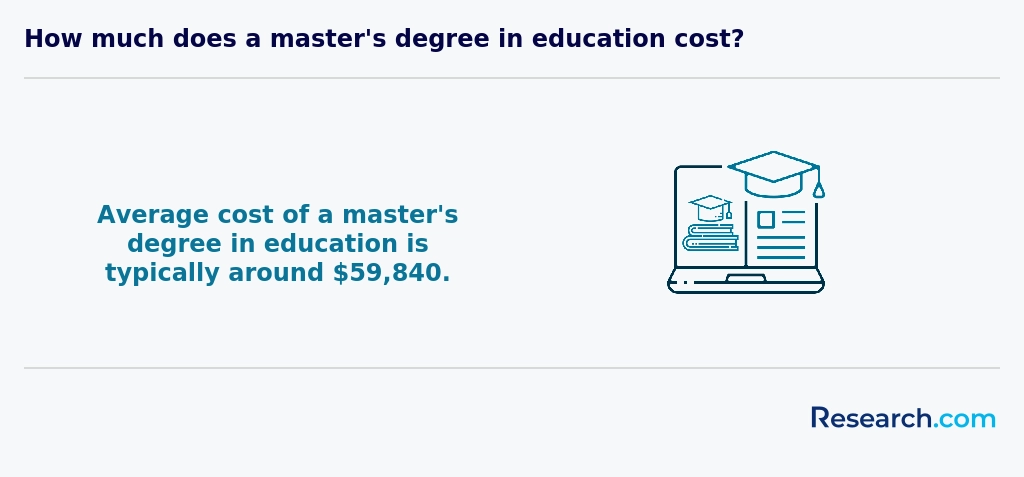
The average cost of an online elementary education degree in Missouri offers a hopeful opportunity for aspiring teachers eager to make a difference. For in-state students, the median total tuition hovers around $11,424, a figure many graduates from well-known universities across Missouri have found manageable through careful planning and scholarships. These programs, available at institutions popular for their strong education departments, blend affordability with quality training in a flexible online format.
Many students pursuing a Missouri online master's in elementary education tuition fees discover that their investment aligns with exceptional career preparation. With median costs near $17,634 for both in-state and out-of-state learners, candidates often appreciate the balance between cost and value as they prepare to step confidently into classrooms. The journey of these educators exemplifies how focused dedication paired with Missouri's education programs can lead to rewarding careers without overwhelming debt.
Imagine the experience of returns where graduates, equipped with deep knowledge and credentials, look back at their affordable tuition paths as stepping stones to fulfillment. Financial aid and state grants further ease the path, fostering access to quality education. Those aiming for quicker completion might explore 1 year EdD programs online to accelerate their impact in educational leadership.
What financial aid is available to online elementary education degree students in Missouri?
Missouri students pursuing an online elementary education degree can access a variety of financial aid options that offer real support and encouragement throughout their academic journey. For example, many graduates from the University of Central Missouri share how federal grants like Pell Grants and the TEACH Grant provided essential funds that made their college experience manageable and stress-free.
State programs such as the Access Missouri Financial Assistance Program also play a vital role in easing tuition costs for learners at institutions like Missouri State University. These grants reward students' dedication to becoming educators by investing directly in their future.
Additionally, scholarships-like those offered by the Missouri Teacher Corps-have empowered countless students to commit to teaching in local schools, turning passion into a rewarding career. Many recipients recall how institutional aid, including merit scholarships and payment plans, helped keep finances steady while studying online.
Current teachers working in Missouri school districts often benefit from employer tuition reimbursement programs, which brighten their path to advancement and professional growth.
- Federal grants, including Pell Grants and TEACH Grants
- State grants like Access Missouri Financial Assistance Program
- Scholarships such as Missouri Teacher Corps Scholarship and NEA Foundation grants
- Institutional aid and merit-based scholarships from Missouri universities
- Employer tuition reimbursement programs
What are the prerequisites for enrolling in online elementary education degree program in Missouri?
Enrolling in an online elementary education degree in Missouri opens the door to a fulfilling career shaping young minds. Most programs at respected institutions like the University of Missouri or Missouri State University expect applicants to hold a high school diploma for bachelor's degrees, with some asking for a solid GPA-usually around 2.5 to 3.0-to ensure readiness. Graduates often share how meeting these requirements gave them confidence, knowing they were set for success from the start.
For those aiming at a master's degree, having a bachelor's degree-preferably with some background in education-is essential. Many online learners recall submitting transcripts and letters of recommendation that truly showcased their passion and commitment to teaching. A personal statement helps reflect your unique journey and why you are driven to educate children in Missouri's diverse classrooms.
Other prerequisites like background checks and a few foundational courses ensure that every student is prepared to enter a respectful and caring learning environment. These steps, although detailed, have empowered many graduates to embark on their teaching careers with pride and purpose.

What courses are typically in online elementary education degree programs in Missouri?
Online elementary education degree programs in Missouri offer a rich blend of courses designed to empower future teachers with confidence and expertise. Graduates from universities like the University of Missouri or Missouri State University often share how courses like Foundations of Education opened their eyes to the powerful role educators play in shaping young lives. Imagine understanding child development so deeply that you can tailor lessons to nurture curiosity and growth in every student you meet.
Courses such as Curriculum Design and Instruction help make lesson planning exciting and creative, while Classroom Management equips you with tools to foster a positive, motivating environment. Missouri students particularly value the hands-on learning from Reading and Literacy Instruction classes, which prepare them to ignite a lifelong love of reading in children.
With the blend of Educational Technology and Special Education coursework, graduates feel ready to embrace diverse classrooms and modern teaching tools. These programs embrace Missouri's unique educational standards, inspiring many to become compassionate, skilled educators who truly make a difference.
What types of specializations are available in online elementary education degree programs in Missouri?
Online elementary education specializations Missouri students pursue open doors to inspiring classroom journeys. Graduates from well-known colleges in the state often highlight the value of Early Childhood Education, where they learn how to nurture young minds from birth to third grade with compassion and science-backed teaching strategies. Special Education stands out as a deeply rewarding path, equipping teachers to champion students with individualized needs, reflecting Missouri's commitment to inclusive education.
Many find their passion in Reading and Literacy Education, inspired by the urgent mission to raise reading proficiency among Missouri's youth, while others embrace English as a Second Language specialization, preparing to support diverse learners in dynamic urban settings. Curriculum and Instruction attracts future leaders crafting innovative lesson plans that spark curiosity and growth. For those exploring options, Missouri's accredited elementary education online tracks ensure flexible, high-quality training aligned with regional classroom realities, creating confident educators ready to make a difference.
Students looking for affordable routes often explore the cheapest online EdD programs as they advance their careers with these meaningful specializations.
How do you choose the best online elementary education degree in Missouri?
Choosing the best online elementary education degree Missouri offers means focusing on programs officially accredited by CAEP or Missouri DESE, ensuring your certification will be recognized across the state. Many graduates from well-known Missouri universities emphasize how a flexible curriculum helped them balance work and family responsibilities while gaining essential skills in literacy, math, and classroom management. Imagine studying at your own pace yet still receiving the field experiences required for licensure, a feature valued by many online students in the region.
Affordability matters too: affordable Missouri online elementary education programs provide in-state tuition benefits plus financial aid options, making your dream of becoming an inspiring teacher achievable without worry. Those who succeeded often highlight strong support services that prepare them for teacher placement and licensure exams, giving them confidence to enter Missouri's competitive education job market. For those looking to advance, exploring an EdS to EdD program can bring even more growth and opportunity in education leadership.

What career paths are available for online elementary education degree students in Missouri?
Graduates with an online elementary education degree in Missouri discover a world of fulfilling career paths. Many step confidently into roles as licensed elementary school teachers, working with children from kindergarten through fifth or sixth grade, shaping curious minds at popular Missouri universities. Their days are filled with the joy of fostering foundational skills in reading, math, science, and social studies. Others channel their passion into special education teacher assistant positions, supporting diverse learners in inclusive classrooms, or become curriculum specialists, crafting engaging materials that inspire young students.
Missouri's education programs prepare graduates for exciting opportunities beyond traditional teaching. Educational coordinator roles in nonprofits or after-school programs allow them to create nurturing environments focused on child development and literacy. Some find their calling as instructional coaches or mentor teachers, uplifting new educators with encouragement and expert guidance. Those exploring alternative careers often find inspiration through child psychology master's programs, strengthening their skills to support children's growth holistically. These pathways highlight the vibrant promise of online elementary education careers Missouri offers.
What is the job market for online elementary education degree in Missouri?
The job market for online elementary education degree graduates in Missouri is promising and full of opportunity. Many graduates from well-known institutions such as the University of Missouri or Missouri State University find welcoming communities eager to hire passionate educators ready to make a difference. These schools' online programs prepare students to meet Missouri's rigorous certification requirements, enhancing their ability to secure positions in both urban and rural districts. The Missouri job outlook for elementary educators highlights steady demand driven by population shifts and efforts to improve education quality statewide.
For example, graduates often share how rewarding it feels to join schools in growing suburban areas where smaller class sizes are valued. Rural districts, facing teacher shortages, offer extra incentives like signing bonuses, which makes accepting a teaching role even more attractive. The average annual salary of about $56,000, combined with relatively affordable online education costs, makes pursuing this career path a wise investment. Career changers and recent graduates alike appreciate the flexibility of online studies, which let them advance quickly while managing work and family life.
Those exploring affordable options might also consider the cheapest online history master's degree programs as part of a broader educational plan, helping enhance credentials and chances for promotion. Online elementary education jobs Missouri are a gateway to a rewarding and stable career, where motivated individuals can truly impact future generations every day.
Frequently Asked Questions About elementary education
Online elementary education degree students in Missouri can maximize their learning by actively engaging with course materials and participating in virtual discussions. Research from the Missouri Department of Elementary and Secondary Education (DESE) highlights the importance of practical experience, so students should seek local classroom observations or internships alongside their online studies.
Staying organized and adhering to a consistent study schedule is vital for success in distance education. Missouri's education system emphasizes meeting state certification standards, so students should familiarize themselves with DESE's requirements to ensure their coursework aligns with licensure expectations.
Additionally, utilizing online resources provided by Missouri's public universities can enhance learning, such as tutoring services and library access. Collaborative projects with peers also build essential skills needed for effective elementary education.
The field of elementary education is evolving, with several emerging niches gaining attention in Missouri and nationwide. One key area is special education, where educators are trained to support students with diverse learning needs. Missouri public schools report a steady increase in students requiring specialized instruction, highlighting demand for teachers skilled in this area (Missouri Department of Elementary and Secondary Education, 2023).
Another growing niche is literacy intervention, focusing on techniques to assist struggling readers in early grades. Literacy remains a critical priority for Missouri, as statewide reading proficiency rates fluctuate.
Additionally, educational technology integration is expanding, with teachers training to use digital tools effectively in classrooms. This niche is vital due to the rise of online and hybrid learning models.
After earning an online elementary education degree in Missouri, preparing for the job market involves several key steps. First, obtaining Missouri teacher certification is essential; candidates must pass the Missouri Content Assessment and complete required fingerprinting and background checks as outlined by the Missouri Department of Elementary and Secondary Education (DESE).
Gaining classroom experience through student teaching or internships, often part of degree programs, strengthens practical skills valued by employers.
Networking with local schools and education organizations, including attending job fairs and joining professional groups like the Missouri National Education Association, improves job prospects.
Finally, staying informed on current Missouri education standards and salary ranges, which average about $60,000 annually for elementary teachers, supports strategic job applications.
Employers in Missouri seek several key skills in graduates holding elementary education degrees. Strong communication abilities are essential, as teachers must clearly instruct and engage young students. According to the Missouri Department of Elementary and Secondary Education, classroom management skills rank highly for ensuring a productive learning environment.
Missouri schools also prioritize adaptability, especially given the growing emphasis on technology integration in classrooms. Graduates should be proficient in using educational software and remote learning tools. Additionally, cultural competency is valued to address the diverse backgrounds of Missouri's student population.
Critical thinking and problem-solving skills enable teachers to design effective lesson plans and respond to individual student needs, a demand highlighted in Missouri's 2023 educator workforce report.
Finding internships in Missouri relevant to an elementary education degree typically involves collaborating with local school districts and education organizations. The Missouri Department of Elementary and Secondary Education (DESE) sets guidelines for student teaching internships, which are crucial for licensure. Many universities offering online elementary education programs in Missouri have partnerships with public schools where students can complete these experiences.
Students should contact their program advisors early to access approved internship sites. Additionally, platforms like Handshake or local education job boards may list internship opportunities. According to DESE, completing a supervised internship or practicum is mandatory for teacher certification in Missouri.
Networking with school administrators and attending local education events can also increase internship prospects.
Obtaining an online elementary education degree in Missouri can significantly enhance career mobility and advancement opportunities within the state's education sector. Missouri requires teachers to hold a valid teaching license, which is typically earned through accredited degree programs, including online options approved by the Missouri Department of Elementary and Secondary Education (DESE).
Graduates with such degrees are eligible to apply for Missouri's standard teaching certificate, a requirement to teach in public elementary schools. According to DESE data, teachers with advanced degrees often qualify for higher salary tiers and leadership positions.
Online programs also offer flexibility for working professionals, enabling them to gain credentials without interrupting their careers, which supports continuous professional development and promotion potential.
Studying for an elementary education degree in Missouri equips students with skills essential for interdisciplinary roles in education. Missouri's online programs emphasize collaborative teaching strategies that integrate subjects like math, science, literacy, and social studies. This approach reflects Missouri Department of Elementary and Secondary Education (DESE) standards, which encourage educators to work across disciplines to improve student outcomes.
Programs include coursework on child development, special education, and educational technology, preparing graduates to address diverse classroom needs. According to DESE data, Missouri teachers with broad interdisciplinary skills are better positioned for roles in curriculum design and community engagement, enhancing educational quality at the elementary level.
Choosing between a thesis and a non-thesis elementary education degree program in Missouri depends on your career goals and personal preferences. Thesis programs usually require original research, which can build strong analytical and writing skills valuable for pursuing a doctorate or educational leadership roles. Non-thesis programs often focus more on coursework and practical teaching strategies, suitable for those seeking direct classroom application.
In Missouri, institutions like the University of Missouri offer both options aligned with state teaching standards. According to the Missouri Department of Elementary and Secondary Education, over 75% of local teachers hold master's degrees, highlighting the importance of advanced education for career advancement.
Consider your future plans carefully: thesis programs may take longer but open doors to research careers, while non-thesis tracks allow faster completion and focus on applied skills.
Students based in Missouri seeking to study elementary education abroad face limited direct options through fully online international degree programs. Most U.S. institutions, including those in Missouri, offer accredited online degrees that comply with state licensure requirements, but few foreign universities provide entirely online elementary education degrees specifically tailored for U.S. credentialing.
Missouri's Department of Elementary and Secondary Education emphasizes degrees accredited by bodies recognized in the U.S., often making domestic online programs more practical for licensure. However, some students may consider hybrid programs or study-abroad exchanges that enhance cultural competency while completing coursework primarily online at U.S. universities.
For example, Missouri has a strong presence of regionally accredited universities offering online elementary education degrees, ensuring eligibility for Missouri teaching certification. Data from the National Center for Education Statistics shows that approximately 30% of Missouri elementary educators hold master's degrees, often earned through online or hybrid formats. These pathways remain the primary route for professional advancement in elementary education for Missouri residents interested in flexible study options with potential international components.
Students pursuing an online elementary education degree in Missouri can consider several part-time job options that complement their studies and provide practical experience. Working as a teacher's aide or paraprofessional in Missouri schools allows students to engage directly with young learners while understanding classroom dynamics. According to the Missouri Department of Elementary and Secondary Education (DESE), these roles often require minimal prior experience, making them accessible for those currently in education programs.
Other opportunities include tutoring younger students or assisting in after-school programs. Such roles help build instructional skills and patience, vital for future elementary educators.
Additionally, Missouri's public libraries sometimes offer part-time positions supporting children's educational activities, which can enhance communication and organizational skills. Combining work and study in these environments offers valuable insights into Missouri's educational landscape while earning income.
Online elementary education students in Missouri have several networking opportunities despite the virtual format of their studies. Many Missouri universities offering online degrees encourage participation in statewide education organizations, such as the Missouri National Education Association. These groups provide events, workshops, and conferences where students can connect with practicing teachers and education leaders.
Additionally, online students often access virtual mentorship programs and collaborative projects facilitated by their schools. Missouri's Department of Elementary and Secondary Education also supports student engagement through online forums and regional professional development events.
Building a professional network is crucial, as the demand for elementary teachers in Missouri is projected to grow by 5% between 2020 and 2030, according to the Bureau of Labor Statistics.
Alumni networks offer significant advantages to online elementary education degree students in Missouri. These networks connect current students with graduates who have experience in Missouri's K-8 school settings. Such connections often lead to mentorship opportunities, providing guidance on classroom management and curriculum development specific to state standards.
Participation in alumni events and online forums helps students access job leads, internships, and collaborative projects. According to the Missouri Department of Elementary and Secondary Education, teacher referrals through professional networks contribute to over 30% of new hires in the state.
Moreover, alumni networks assist with continuing education and professional development, crucial for maintaining Missouri teaching certifications. This ongoing support can improve career advancement and salary growth prospects.
Customizing an online elementary education degree in Missouri allows students to align their studies with specific career goals. Many Missouri universities offer elective courses or concentrations in areas like special education, literacy, or STEM instruction. These options help tailor expertise toward preferred student populations or teaching strategies.
Students can also choose programs that include clinical experiences or internships in Missouri schools, gaining practical state-specific insight. Missouri's Department of Elementary and Secondary Education provides detailed licensure pathways, so selecting coursework that meets state certification requirements is essential.
Access to flexible online schedules helps working professionals balance education with current employment. According to the National Center for Education Statistics, nearly 75% of Missouri's elementary teachers hold a master's degree, highlighting the value of advanced specialization.
Online elementary education students in Missouri often face unique challenges that can impact their academic success. One major hurdle is balancing coursework with personal and professional responsibilities, as many students pursue degrees while working or caring for families. Internet connectivity issues, especially in rural areas of Missouri, can interrupt access to vital course materials and live sessions.
Maintaining motivation and self-discipline is another common difficulty. Unlike traditional classrooms, online learners may feel isolated, lacking direct interaction with peers and instructors. According to the Missouri Department of Elementary and Secondary Education, students must also complete in-person student teaching requirements, which can complicate scheduling for online students.
With an online elementary education degree in Missouri, you can pursue professional certifications that qualify you for teaching roles in public and private schools. The primary credential is the Missouri Initial Teaching Certificate, which authorizes you to teach elementary grades (typically K-6).
To obtain this certification, candidates must complete an accredited teacher preparation program and pass the Missouri Content Assessment for Elementary Education. After gaining experience, educators may advance to the Missouri Professional Teaching Certificate by meeting additional requirements such as three years of successful teaching and completing professional development.
Additionally, there are endorsements available, such as Special Education or Reading Specialist, which require extra coursework and testing. These certifications enhance your qualifications and align with Missouri Department of Elementary and Secondary Education standards (DESE).
Writing a winning application for an online elementary education program in Missouri requires clear focus on both academic preparation and personal motivation. Start by carefully reviewing the program's admission requirements, which often include a bachelor's degree, a minimum GPA (commonly around 3.0), and valid transcripts. Missouri's Department of Elementary and Secondary Education emphasizes the importance of strong classroom experience or related volunteer work, so highlight your background in these areas.
Effective applications also include a well-crafted personal statement that outlines why you want to teach elementary students, how you plan to impact Missouri's diverse classrooms, and your commitment to student achievement. According to Missouri's education workforce data, there is growing demand for qualified teachers skilled in inclusive and digital learning environments, an important point to emphasize.
Lastly, obtaining strong letters of recommendation from educators or supervisors who know your teaching skills can significantly boost your application's competitiveness.
Elementary education careers in Missouri reflect broader global trends emphasizing the importance of foundational learning. Worldwide, elementary educators are recognized as crucial for shaping future generations' skills and civic values. In the U.S., including Missouri, demand for qualified elementary teachers remains steady, with the Missouri Department of Elementary and Secondary Education reporting a 5% projected growth in elementary teaching jobs through 2030.
Globally, elementary educators face increasing expectations to integrate technology and multicultural perspectives in the classroom. Missouri's online elementary education degrees prepare teachers to meet these challenges by combining evidence-based practices with state standards. This approach aligns with international shifts toward student-centered and inclusive education environments.
Thus, pursuing an elementary education degree in Missouri positions candidates well within both local and global educational frameworks, supporting lifelong learning and adaptability in diverse classrooms.
Gaining practical experience while earning an online elementary education degree in Missouri is essential for licensure and career readiness. Most Missouri programs require students to complete supervised student teaching or clinical practice, typically arranged in partnership with local schools.
These placements allow students to apply classroom theory in real-world settings, working directly with children under the guidance of certified teachers.
Missouri's Department of Elementary and Secondary Education mandates a minimum number of teaching hours, often around 600, for program completion.
Online learners should proactively coordinate with their program advisors to identify nearby schools or districts willing to host student teachers.
Additionally, volunteering or substitute teaching in Missouri schools can supplement formal practical experiences, helping students build classroom skills and professional connections.
Choosing the right concentration within an online elementary education degree program in Missouri depends largely on your career goals and local job market demands. According to the Missouri Department of Elementary and Secondary Education, there is increasing demand for educators skilled in special education, English as a second language (ESL), and STEM subjects.
Assess which student populations you wish to support, such as students with disabilities or English language learners. Missouri offers endorsement areas allowing you to specialize in these fields, improving employment prospects.
Additionally, consider programs that offer practical experiences or partnerships with Missouri school districts, as hands-on training is crucial. Research program accreditation and alignment with Missouri's certification requirements to ensure your degree prepares you for state licensure.
Ultimately, selecting a concentration that matches both your passion and Missouri's educational needs will position you best for a rewarding career.
Top Trending Elementary Education Rankings
References
- Missouri State Teacher Certification Guide | All Education Schools https://www.alleducationschools.com/teacher-certification/missouri/
- The Biggest Student Learning Challenges Schools Will Face in 2025–26 https://www.kiddom.co/insights/the-biggest-student-learning-challenges-schools-will-face-in-2025-26
- How to Become a Teacher in Missouri, Quickly - American Board Blog https://www.americanboard.org/blog/how-to-become-a-teacher-in-missouri-quickly/
- 10 Reasons Why Education Helps to Advance Your Career - Insight Training https://insight.edu.au/blog/career-advancement-through-education/
- Welcome to Missouri Teaching JOBS https://www.moteachingjobs.com/search.php
- Is a thesis always mandatory in a master's degree program? - EFMU: The Euler-Franeker Memorial University and Institute https://euler.euclid.int/is-a-thesis-always-mandatory-in-masters-degree-program/
- Elementary Education / Curriculum and Instruction, MSE https://www.ucmo.edu/academics/programs/masters-degrees/elementary-education-curriculum-and-instruction-mse-51-721/index.php
- Challenges to Primary Education - PAL Network https://palnetwork.org/challenges-to-primary-education/
- Welcome to TEACH! https://www.teach.org/guides/pay-your-missouri-teacher-prep-program
- Education Study Abroad Programs | Go Overseas https://www.gooverseas.com/study-abroad/education


