
2027 Most Affordable Online Elementary Education Degree Programs Ranking in Kansas

Co-Founder and Chief Data Scientist
Choosing the right online elementary education degree program can feel overwhelming, especially when balancing life in Kansas. This article introduces the 2027 Most Affordable Online Elementary Education Degree Programs Ranking in Kansas, carefully crafted by the Research.com team of data scientists.
Our goal is to help you discover affordable, quality programs that fit your needs. Earning an elementary education degree opens doors to rewarding careers, making a positive impact on young learners. Reading this guide empowers you with clear insights, helping you confidently take the next step toward your teaching journey.
Key benefits of getting online elementary education degree in Kansas
- Graduates with an online elementary education degree in Kansas can expect competitive salaries, with the average elementary school teacher in the US earning about $60,000 annually, offering a reliable and rewarding career path.
- Career options extend beyond teaching, including roles like curriculum developer and educational consultant, as demonstrated by Kansas State University graduates who find diverse opportunities in education.
- Online degrees offer flexibility and accessibility, allowing students to balance work and study, just like graduates from the University of Kansas who appreciate completing their degrees without relocating or disrupting their lives.
What can I expect from online elementary education degree in Kansas?
The average cost of an online elementary education degree in Kansas typically ranges around $10,000 to $20,000, depending on the institution and program length. Graduates from well-regarded schools such as Fort Hays State University and Washburn University often reflect on their experience balancing affordability with quality education. For many, affordable tuition paired with financial aid options like the Kansas Teacher Service Scholarship Program made the investment manageable and worthwhile.
Students shared that while some programs may seem economical upfront, it's crucial to consider additional costs like required in-person practicum placements or student teaching in local schools, which are essential for Kansas certification. One graduate emphasized that these hands-on experiences, often arranged near their residence, enhanced their confidence teaching real classrooms despite the online delivery of theory and instruction.
It's important to recognize that the variation in expenses also depends on course load flexibility and whether the institution is regionally accredited, ensuring credits transfer smoothly and certification requirements are met. Overall, the financial commitment must be weighed against the program's alignment with state standards and personal career goals.
Where can I work with online elementary education degree in Kansas?
Graduates with an online elementary education degree in Kansas often find employment primarily in public and private elementary schools. For example, those who graduated from reputable programs at universities like the University of Kansas or Kansas State University often mention the rewarding challenge of teaching in public schools across cities like Wichita or Overland Park, where certification through the Kansas State Department of Education is essential. This certification enables graduates to legally teach and engage deeply with diverse classrooms.
Beyond classroom roles, many alumni highlight opportunities in charter schools or private schools that value the strong foundation an elementary education degree provides. These settings appeal to those seeking varied teaching experiences without the strict certification requirements of public schools.
Some graduates expand into curriculum development, educational consulting, or instructional coaching, leveraging additional certifications and real-world experience gained during or after their studies. Others express fulfillment working with special education or bilingual programs, reflecting Kansas's focus on inclusivity for students with disabilities or English language learners.
In more community-focused environments, such as early childhood centers, graduates appreciate using their degree to foster child development, even when traditional certification isn't mandatory, highlighting the degree's versatility across Kansas's educational landscape.
How much can I make with online elementary education degree in Kansas?
Graduates with an online elementary education degree in Kansas typically start with salaries around $40,000 per year, according to the Kansas State Department of Education. Those beginning their teaching careers at institutions like the University of Kansas or Wichita State University often find this starting pay aligns with local expectations. Over time, with experience and added certifications, salaries can rise above $55,000 annually, especially in urban districts such as Kansas City or Wichita where pay scales reflect higher living costs.
One graduate shared how pursuing additional coursework helped her move up the salary schedule faster, demonstrating that continuing education directly impacts earnings. Another emphasized the benefits package, including health insurance and retirement plans, as key to feeling secure financially.
While the median salary hovers around $48,000, graduates should weigh location and district funding, since more rural areas tend to offer lower salaries. Those who value community impact and steady income often find these figures encouraging when balancing passion with practical financial goals.
- Key benefits of getting online elementary education degree in Kansas
- What can I expect from online elementary education degree in Kansas?
- Where can I work with online elementary education degree in Kansas?
- How much can I make with online elementary education degree in Kansas?
- How do we rank schools?
- 2027 Most Affordable Online Elementary Education Degree Programs Ranking in Kansas
- What online elementary education degree graduates have to say
- Key Findings
- How long does it take to complete online elementary education degree in Kansas?
- What's the difference between online and on-campus elementary education degree?
- What is the average cost of online elementary education degree in Kansas?
- What financial aid is available to online elementary education degree students in Kansas?
- What are the prerequisites for enrolling in online elementary education degree program in Kansas?
- What courses are typically in online elementary education degree programs in Kansas?
- What types of specializations are available in online elementary education degree programs in Kansas?
- How do you choose the best online elementary education degree in Kansas?
- What career paths are available for online elementary education degree students in Kansas?
- What is the job market for online elementary education degree in Kansas?
- Frequently Asked Questions About elementary education
- Related Elementary Education Rankings for Nearby States
- Top Trending Elementary Education Rankings
How do we rank schools?
Investing in your education is a significant decision that can shape your future, and the Research.com team understands the importance of making informed choices. To assist prospective students in Kansas, we have meticulously crafted the "2027 Most Affordable Online Elementary Education Degree Programs Ranking in Kansas." Our commitment to quality, credibility, and accuracy is reflected in the extensive research and analysis conducted to compile this ranking.
We utilized the following reputable data sources to ensure a comprehensive evaluation of programs:
By exploring this ranking, readers will gain valuable insights into the most affordable online elementary education degree options in Kansas, empowering them to make well-informed decisions about their educational journeys. For more details on our methodology, please visit our Research.com methodology page.
2027 Most Affordable Online Elementary Education Degree Programs Ranking in Kansas
# 1 position

Pittsburg State University offers a 24-month Master's program focused on Elementary Education and Education. The program has an open admission policy with an acceptance rate of 89%. Around 92% of students receive high levels of financial aid. The average total cost is $12,243. The university enrolls 3,930 online students and has a graduation rate of 57%, reflecting a balanced blend of accessibility and student success.
# 2 position

MidAmerica Nazarene University offers a 24-month Master's program focused on Elementary Education. The program has an open admission policy with a 79% acceptance rate and a graduation rate of 54%. The average total cost is $19,800, with 100% of students receiving financial aid. There are currently 185 online students enrolled, reflecting the program's accessibility and support for distance learners.
# 3 position
Kansas State University
Bachelor
Kansas State University offers a Bachelor program focused on Elementary Education and Education. The program spans 36 months, with an average total cost of $52,368. It has an open admission policy with an acceptance rate of 82%, and 95% of students receive high levels of financial aid. The program's graduation rate is 71%, and it enrolls 4,257 online students.
# 4 position
Fort Hays State University
Bachelor
Fort Hays State University offers a Bachelor program focused on Elementary Education and Education, with an open admission policy reflected by a 90% acceptance rate. The program serves 6,604 online students, providing high financial aid availability to 96% of enrollees. Graduates show a 48% completion rate. The average total cost to complete the degree is $28,813, making it accessible for many prospective students.
# 5 position
Wichita State University
Bachelor
Wichita State University offers a Bachelor's degree focusing on Elementary Education and Education. The program has an open admission policy with a 94% acceptance rate, making it accessible to most applicants. Approximately 92% of students receive high levels of financial aid, and the average total cost is $26,400. The program supports a substantial online student body, enrolling 3,963 students. The graduation rate stands at 51%.
What online elementary education degree graduates have to say
- Emily: Studying online at Wichita State University allowed me the flexibility to balance work and family while earning my elementary education degree. The professors were supportive and the curriculum practical, preparing me fully for real classroom challenges. I felt confident transitioning from student to teacher thanks to their engaging online approach.
- Jacob: Fort Hays State's online elementary education program exceeded my expectations with its interactive courses and strong community feel. Even from a distance, I connected with instructors who genuinely cared about my success. This program made learning convenient without sacrificing quality, fueling my passion for teaching young learners.
- Sarah: The University of Kansas's online elementary education degree was a rewarding journey of growth. Their innovative use of technology kept me engaged, and the diverse peer discussions enriched my understanding of childhood education. I am grateful for the supportive network that prepared me for a fulfilling teaching career from day one.
Key Findings
- Online elementary education degrees in Kansas offer flexible fully online or hybrid programs aligned with state education standards.
- Tuition for in-state students ranges from $7,000 to $15,000 per year, with public universities generally more affordable than private ones.
- Graduates must obtain Kansas teacher licensure by completing fingerprinting, passing the KTLAs, and fulfilling student teaching requirements.
- The job market growth for elementary teachers is about 5% through 2030, with rural areas offering more vacancies and potential incentives.
- Starting salaries average $40,000 to $45,000 annually, increasing to $55,000 to $60,000 with experience and advanced degrees.
How long does it take to complete online elementary education degree in Kansas?
Completing an online elementary education degree in Kansas generally takes about four years for full-time students, reflecting the typical timeline at institutions like Washburn University or Pittsburg State University. Graduates often share how balancing studies with work became manageable thanks to the structured pacing of these programs. However, this timeframe can vary significantly based on individual circumstances. Some find accelerated options helpful, allowing them to finish sooner by transferring prior credits earned at community colleges or other universities.
For example, graduates who previously earned an associate degree report feeling motivated by the opportunity to shorten their time in their bachelor's program. Conversely, part-time students or those who need flexibility often take longer but appreciate the ability to progress at a comfortable pace. It's also crucial to factor in the required student teaching semester, which cannot be rushed due to mandated classroom hours essential for state licensure.
Ultimately, the timeline depends on chosen course loads, transfer policies, and how well a program fits with one's life, making it important to research specific Kansas programs carefully.
What's the difference between online and on-campus elementary education degree?
Graduates from elementary education programs at universities like the University of Kansas often recall how on-campus classes provided valuable face-to-face interactions that enriched their learning. Being physically present allowed them to participate in group discussions, receive immediate feedback from professors, and use campus resources. This direct engagement, especially during practicum planning, helped build confidence and a strong sense of community with peers.
Conversely, graduates from Kansas State University's online elementary education program highlight the flexibility that balanced well with full-time jobs or family responsibilities. They appreciated accessing lectures and assignments on their own schedule, which reduced stress and allowed deeper focus on coursework when convenient. However, all students-online or in-person-must complete supervised student teaching in Kansas schools, ensuring hands-on experience remains a constant.
Cost-wise, while tuition rates between online and on-campus programs in Kansas are often similar, online students save on commuting and housing expenses, a practical benefit for many. Both pathways maintain rigorous content and state certification standards, but the choice depends largely on personal circumstances and learning style priorities.
What is the average cost of online elementary education degree in Kansas?
When considering the average cost of an online elementary education degree in Kansas, prospective students often encounter a median total tuition around $35,741, based on available data. This figure offers a clearer estimate than some earlier, more varied sources, yet costs can differ significantly depending on factors such as residency status and the specific institution chosen. Graduates from popular universities and colleges in Kansas typically share positive reflections on their investment, appreciating the affordability combined with quality instruction that allows them to progress in their teaching careers.
For many Kansas residents, affordable online elementary education programs Kansas 2027 prospects remain promising, especially when factoring in in-state tuition rates and scholarships. For example, students attending well-known public universities benefit from tuition structures designed to ease financial burdens while pursuing their degrees remotely. These graduates often highlight the flexibility and support systems in place, which contribute to a rewarding educational experience without overwhelming debt.
Despite the general cost range, it's important for students to actively seek out financial aid options. State and federal programs may reduce net expenses, making the path to becoming an elementary educator more attainable. Additionally, exploring related fields via pathways like online masters in instructional design could present alternative or complementary career opportunities that align with personal goals while balancing cost considerations effectively.
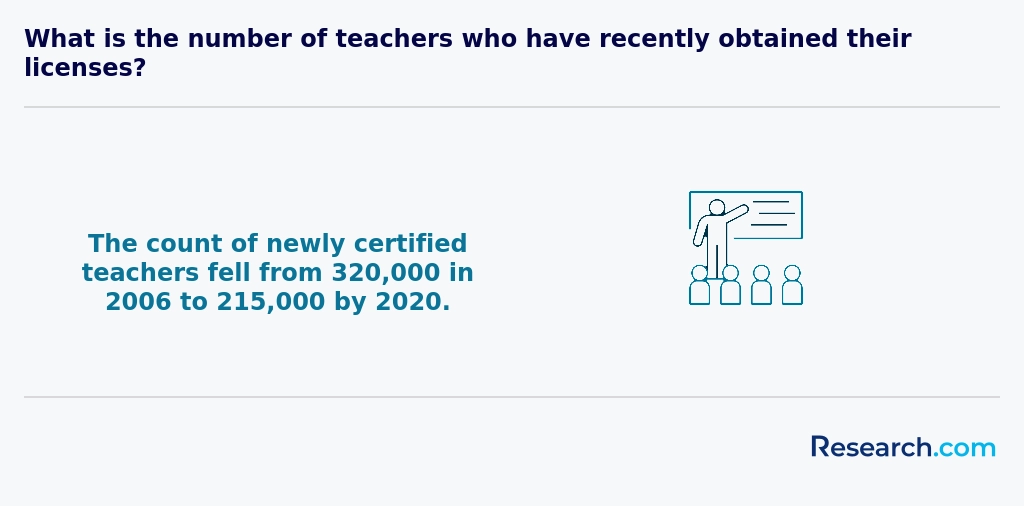
What financial aid is available to online elementary education degree students in Kansas?
Students pursuing an online elementary education degree in Kansas often find federal aid through FAFSA to be crucial. Grants like the Pell Grant, averaging about $4,000 annually, help reduce costs significantly at institutions such as Fort Hays State University or the University of Kansas. Graduates frequently recall how this funding lightened their financial stress during their studies.
Kansas-specific programs add further support. The Kansas Comprehensive Grant offers need-based aid to residents attending schools like Pittsburg State University, complementing federal awards. Several graduates mention that this combined assistance made completing an online degree more attainable.
Those aiming to teach in high-need Kansas schools might qualify for the Kansas Teacher Service Scholarship, which encourages service in shortage areas with loan forgiveness or scholarships. This often motivates graduates to serve districts with fewer resources, turning financial aid into community impact.
Local district tuition reimbursements also support working paraprofessionals advancing to certified teaching roles, a practical option shared by many current educators balancing work and study.
Private scholarships exist but require careful research, as eligibility varies widely. Federal student loans remain a fallback, offering manageable repayment options when grants and scholarships fall short.
What are the prerequisites for enrolling in online elementary education degree program in Kansas?
To enroll in an online elementary education degree program in Kansas, students typically must have a high school diploma or GED, a prerequisite that many graduates recall as a straightforward but essential first step. For example, those who attended popular institutions like Fort Hays State University found that submitting SAT or ACT scores was necessary, though some programs accepted alternative assessments like the COMPASS for placement. This requirement ensures readiness for the program's academic rigor.
Most programs also mandate a background check due to working with children, which candidates often describe as reassuring since it prioritizes student and community safety. Maintaining a minimum GPA around 2.5 is common, especially in key subjects such as English and math, reflecting the curriculum's focus on strong foundational skills.
Graduates frequently emphasize the importance of reliable technology, since online learning demands consistent internet access and computer proficiency. Balancing these prerequisites with personal responsibilities can be challenging, yet many find the flexibility and affordability offered by Kansas public universities encouraging and motivating.

What courses are typically in online elementary education degree programs in Kansas?
Online elementary education degree programs in Kansas typically include a range of courses designed to build a solid foundation for future K-6 teachers. Graduates from well-known institutions such as the University of Kansas and Fort Hays State University often highlight courses like Child and Adolescent Development, which helps them understand the physical and emotional growth of young learners-crucial when adapting lessons for diverse classrooms.
Other core classes cover Instructional Strategies for Elementary Education and Elementary Literacy Instruction, where students learn to effectively teach reading and writing, key skills that new teachers find invaluable in their early careers. Many recall how hands-on assignments in Mathematics for Elementary Teachers demystify teaching numbers and concepts, making math less intimidating for themselves and future students.
Courses like Classroom Management and Organization and Assessment and Evaluation prepare candidates to foster engaging, well-structured learning environments and use various techniques to track student progress, meeting the expectations of Kansas licensure standards. Practical experience, including student teaching internships arranged through these universities, reinforces this knowledge, providing classroom realities that theory alone cannot convey.
This curriculum reflects Kansas's commitment to preparing teachers who are not only knowledgeable but also adaptable to multiple learning contexts, balancing digital tools with traditional methods-echoed by student testimonials praising the program's real-world applicability.
What types of specializations are available in online elementary education degree programs in Kansas?
Online elementary education specializations Kansas programs often include focused tracks like Early Childhood Education, Special Education, and ESL. For example, graduates from well-regarded Kansas universities describe Early Childhood Education as essential for teaching young learners, especially from birth to third grade, emphasizing patience and tailored teaching methods. These experiences resonate with those aiming to impact foundational learning stages meaningfully.
Special Education is another vital focus area that prepares teachers to support students with diverse learning needs. Graduates highlight how Kansas programs emphasize real-world skills in behavior management and individualized planning, reflecting the state's significant population of students receiving such services.
Programs also frequently offer ESL specializations, addressing the growing needs of English language learners in Kansas classrooms. Students often share how culturally responsive teaching techniques learned online helped them feel confident managing language diversity. Other options, such as Reading and Literacy or STEM Education, address broader academic skills valued by many educators.
Prospective students can explore further cost-effective degree options within these focus areas, with some choosing to advance their career through an EdD program, enhancing their qualifications in a competitive job market.
How do you choose the best online elementary education degree in Kansas?
Choosing the best online elementary education degree in Kansas means carefully weighing accreditation and state licensure alignment, as these are crucial for teaching in local schools. Graduates from well-known institutions like Emporia State University often highlight how the CAEP accreditation and tailored curriculum helped them secure the Kansas Initial Teaching License smoothly, easing their path into classrooms. However, not all programs are equal; some lack clear alignment with Kansas licensure standards, causing frustration for students needing additional coursework before certification.
Cost is often a deciding factor for many. Affordable online elementary education degrees Kansas can be found under $8,000 annually at several public universities, making degrees accessible for working adults. Flexible asynchronous formats allow students juggling jobs and family commitments to progress without stress, a common positive experience shared by recent alumni of Wichita State University's online program.
When considering advanced studies, some education professionals explore online doctoral programs without dissertation requirements, easing time constraints. Exploring such options alongside traditional degrees may offer practical benefits without compromising quality.
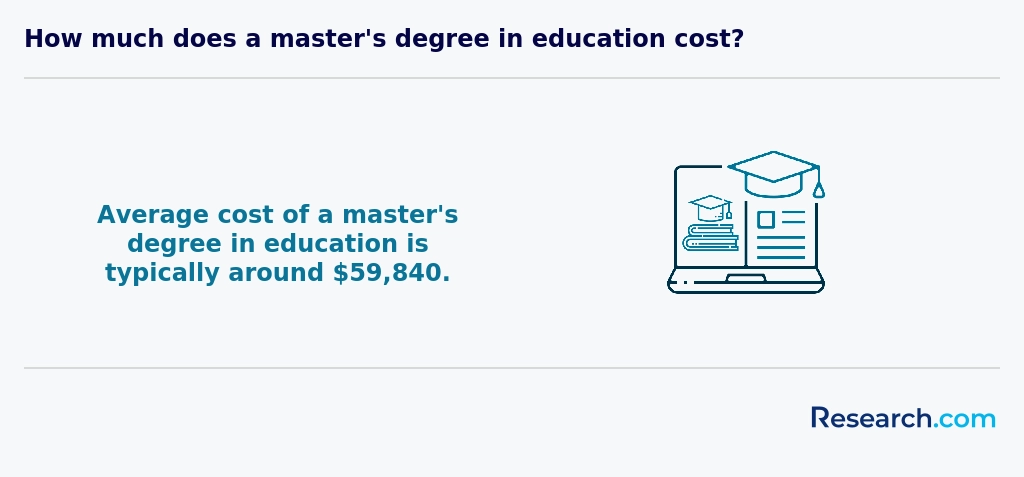
What career paths are available for online elementary education degree students in Kansas?
Graduates with an online elementary education degree in Kansas commonly pursue teaching positions, fulfilling state certification standards required by the Kansas State Department of Education. Many have found rewarding careers as licensed elementary school teachers in diverse Kansas school districts, enjoying the positive impact on young learners' lives. However, career opportunities with Kansas elementary education degree extend beyond the classroom. Graduates often explore roles in special education, curriculum development, and instructional coordination-positions that leverage their classroom insights to improve educational quality across schools.
Some graduates from well-known Kansas universities report satisfaction transitioning into administrative roles such as academic advisors or school principals, though these paths usually require additional experience or graduate studies. The flexibility of online programs enables students to work while studying, accommodating personal circumstances and enhancing career readiness. For those interested in mental health support within schools, exploring options like online school psychology programs NASP approved could complement a teaching career.
What is the job market for online elementary education degree in Kansas?
The job market for graduates with an online elementary education degree in Kansas remains notably stable, fueled by ongoing teacher shortages especially in rural and underserved districts. Graduates from well-regarded programs at Kansas universities often share stories of smooth transitions into classrooms, benefiting from the state's strong licensing framework that requires passing the Kansas Teacher Licensure Exam. For those examining online elementary education degree jobs Kansas offers, the affordability of in-state tuition combined with the ability to study remotely makes pursuing this path attractive and manageable.
Many graduates have found rewarding positions in suburban districts near Wichita and Kansas City, where growing student populations are increasing demand for certified teachers. In these settings, competitive salaries averaging around $58,000 annually provide a solid foundation, comparable to the national scene. Additionally, shortages in specific areas like special education and STEM-related elementary roles create extra opportunities that prospective teachers can tap into. For those evaluating career shifts, considering roles with a speech language pathologist salary may also be relevant.
Understanding the Kansas job outlook elementary education graduates face clarifies that careful program selection aligned with state certification requirements remains key to maximizing employment chances and job satisfaction.
Frequently Asked Questions About elementary education
Students pursuing online elementary education degrees in Kansas can enhance their learning by actively engaging with virtual coursework and participating in discussion forums. Research from the Kansas State Department of Education emphasizes the importance of connecting theory with practical classroom strategies, which students can achieve by seeking opportunities for local internships or supervised teaching practicum within Kansas schools.
Utilizing digital resources and collaborating with peers through study groups improves understanding and retention of key teaching concepts. According to the National Center for Education Statistics, online learners benefit when they establish consistent study schedules and access academic advising services available through their institutions. Keeping updated on Kansas licensure requirements also ensures students align their studies with state standards.
The field of elementary education in Kansas is evolving with several emerging niches that reflect broader educational trends. One significant area is special education, where teachers trained to support students with disabilities are increasingly in demand. According to the Kansas State Department of Education, there is a steady rise in the identification of special needs among young learners, prompting schools to seek qualified educators.
Another growing niche is bilingual and ESL (English as a Second Language) education. With Kansas seeing demographic shifts, educators skilled in language acquisition and cultural competence are essential. The Kansas Board of Regents highlights a 15% increase in enrollment of English language learners over the past decade.
Additionally, technology integration specialists who assist in implementing digital tools for elementary classrooms are gaining importance. The Kansas Department of Education encourages online degree candidates to focus on innovative teaching methods that incorporate technology to enhance student engagement and learning outcomes.
After earning an online elementary education degree in Kansas, preparing for the job market involves several key steps. First, obtaining Kansas teacher licensure is essential. The Kansas State Department of Education requires passing the Kansas Assessments for Teacher Licensure (KSAT) and completing a background check.
Networking with local schools through student teaching or internships, which are often part of online programs, helps build professional connections. According to the Kansas Department of Labor, elementary teachers in Kansas earned a median annual salary of about $55,000 in 2023, with demand expected to grow by 5% through 2031.
Continuing education and professional development through workshops or certifications can improve job prospects and salary potential.
Employers in Kansas seek specific skills from graduates with online elementary education degrees. Strong classroom management is crucial, enabling teachers to maintain a focused and respectful learning environment. Communication skills are also emphasized; teachers must clearly connect with students, parents, and colleagues. Additionally, problem-solving abilities help educators adapt to diverse student needs and unexpected challenges.
Kansas schools value proficiency in lesson planning aligned with state standards and the ability to incorporate technology effectively. According to the Kansas State Department of Education, teachers who demonstrate cultural competency and collaborative skills tend to perform better in school districts across the state. These competencies collectively help graduates meet the demands of modern classrooms in Kansas.
Finding internships in Kansas relevant to an elementary education degree involves several strategic steps. Many online programs partner with local school districts for field experiences. The Kansas State Department of Education requires student teaching or internships as part of teacher certification, so contacting accredited universities is a good start.
School districts in urban areas like Wichita and Overland Park often have formal internship programs. The Kansas Board of Regents and the Kansas State Department of Education websites list approved districts and schools offering placements. Additionally, professional organizations like the Kansas National Education Association provide resources for aspiring teachers.
Networking through university career services and attending local education job fairs can increase opportunities. According to the National Center for Education Statistics, Kansas had about 27,000 elementary teachers in 2022, indicating a steady demand for internship positions in schools statewide.
In Kansas, earning an online elementary education degree significantly enhances career mobility and advancement opportunities. The Kansas State Department of Education requires teacher certification, and many online programs are designed to meet these credentialing standards.
Graduates with such degrees are eligible for licensure, which is essential to teach in public elementary schools across the state. According to the Kansas Board of Regents, having this qualification increases job prospects in both urban and rural districts.
Moreover, the flexibility of online education allows working professionals to upskill without interrupting their current employment, facilitating career advancement. Data from the National Center for Education Statistics shows that teachers with bachelor's or higher degrees typically earn higher salaries and access leadership roles more readily in Kansas schools.
Studying for an elementary education degree in Kansas equips students with skills applicable across multiple disciplines. Kansas programs emphasize integrated teaching methods, fostering connections between subjects like reading, math, science, and social studies. This interdisciplinary approach enables future educators to design lessons that engage diverse learning styles and support holistic student development.
Kansas State University and the University of Kansas highlight collaboration skills and curriculum development as essential components of their online elementary education degrees. According to the Kansas State Department of Education, students graduating from these programs are prepared to work across departments in schools, promoting teamwork among educators, counselors, and specialists.
This preparation aligns with the growing demand for teachers who can address complex classroom needs through interdisciplinary strategies, enhancing student academic and social growth.
Choosing between a thesis and a non-thesis elementary education degree program in Kansas depends largely on your career goals and learning preferences. Thesis programs often require original research and are suited for those interested in advanced academic work or roles in educational research and policy.
Non-thesis programs focus more on practical teaching skills and classroom experience, aligning well with candidates aiming to become certified teachers or work directly with students. According to the Kansas State Department of Education, practical teaching competencies are highly valued for elementary educators in the state.
Cost and time commitment should also be considered. Thesis programs may take longer and involve additional resources for research projects. Reviewing program curricula and accreditation status from the Council for the Accreditation of Educator Preparation (CAEP) can help ensure quality.
Finally, speaking with academic advisors and reviewing Kansas Board of Regents data on graduate outcomes can provide insight tailored to your professional ambitions.
Students based in Kansas seeking to study elementary education abroad have limited options within fully online U.S.-accredited programs. Most U.S. institutions with education programs focus on domestic delivery, and Kansas State Department of Education requires teacher candidates to complete approved state or regional accreditation standards for licensure.
However, Kansas students may consider hybrid programs or study-abroad components offered by U.S. universities with international partnerships. Such programs combine online coursework with short-term residencies abroad but require careful planning to meet Kansas licensure rules.
According to the Kansas Board of Regents, any out-of-state degree-including those earned partially abroad-must meet professional standards set by Kansas for elementary education certification. This limits purely foreign programs unless they have U.S. accreditation.
Part-time job opportunities in Kansas that complement online elementary education degrees include tutoring, teacher assistant roles, and childcare positions. Tutoring is especially valuable, as Kansas has a growing demand for personalized learning support in subjects like reading and math, with private and community programs available.
Working as a teacher assistant in local elementary schools allows students to gain classroom experience while pursuing their degree. These roles often require flexible hours and provide insight into school operations.
Childcare jobs, including working at afterschool programs or daycare centers, build skills in child development and classroom management. According to the Kansas State Department of Education, these roles align well with education degree coursework and enhance practical knowledge.
Online elementary education students in Kansas have several networking opportunities despite the distance-learning format. Many universities offering online degrees encourage participation in virtual student organizations related to education. For example, Kansas State University provides access to its student chapters of professional groups like the Kansas National Education Association (KNEA), which connects future teachers across the state.
Students can also attend statewide education conferences such as the Kansas Association of Teachers of English Language Arts (KATE), which often include virtual options. These venues provide chances to interact with educators, administrators, and peers.
Moreover, practicum placements and student teaching experiences within Kansas public schools facilitate in-person networking and mentorships. According to the Kansas Department of Education, nearly 90% of online elementary education students participate in field experiences within local school districts.
Alumni networks provide valuable support for students enrolled in online elementary education degree programs in Kansas. These networks connect current students with graduates who have experience navigating the local education system. Through mentorship opportunities, alumni offer guidance on classroom management, certification processes, and job placement in Kansas schools.
Many school districts in Kansas, such as those in Wichita and Overland Park, prefer hiring educators familiar with state standards and community needs. Alumni networks can help by sharing job leads and professional development resources specific to Kansas.
According to the Kansas State Department of Education, nearly 80% of new teachers find employment within two years of graduation, often through connections built via alumni groups. These networks also foster ongoing collaboration and knowledge exchange, which strengthens the teaching workforce statewide.
Customizing your online elementary education degree program in Kansas involves selecting courses and specializations that align with your career goals. Many Kansas universities offer electives in areas such as special education, literacy development, and STEM teaching to help tailor your skills.
You can also choose programs that emphasize practical certification preparation, crucial for meeting Kansas State Department of Education requirements. According to the Kansas Board of Regents, online programs often provide field experience placements near your location, ensuring hands-on learning.
Additionally, some programs allow you to accelerate your studies or combine studies with endorsements, giving flexibility to match your professional timeline and aspirations.
Online elementary education students in Kansas often face challenges related to managing their time effectively. Many juggle coursework with work or family responsibilities, making it difficult to maintain consistent study habits. According to the Kansas Board of Regents, over 60% of online education students balance multiple obligations simultaneously.
Another common issue involves access to reliable technology and internet connections, especially in rural areas of Kansas. The Kansas State Department of Education reported that approximately 15% of households in these regions lack high-speed internet, hindering smooth participation in virtual classes.
Additionally, some students experience limited hands-on practice opportunities, which are crucial for developing classroom skills. While virtual simulations help, they cannot fully replace in-person experiences needed for teacher licensure in Kansas.
With an online elementary education degree in Kansas, graduates can pursue professional certification as a Kansas licensed elementary teacher. This certification typically covers grades 1 through 6 and requires passing the Kansas Teacher Licensure Examination (KTLE), including the elementary content test and a professional knowledge assessment.
Beyond initial licensure, educators may seek additional endorsements such as special education or English as a Second Language (ESL). These endorsements enhance teaching credentials and improve job prospects within Kansas public schools.
According to the Kansas State Department of Education, maintaining certification requires ongoing professional development and renewal every five years. This ensures teachers stay current with educational best practices and state standards.
To write a winning application for an online elementary education program in Kansas, start by thoroughly researching the specific program requirements. Most programs require a minimum GPA, often around 2.75 to 3.0, and submission of official transcripts. Highlight any relevant experience working with children, such as tutoring or volunteer work, as Kansas values practical teaching exposure.
Strong letters of recommendation from educators or supervisors who can attest to your skills and dedication are essential. Additionally, craft a clear, concise personal statement that reflects your passion for teaching and understanding of Kansas state educational standards. According to the Kansas State Department of Education, familiarity with state curriculum frameworks can boost your application.
Finally, ensure all documents are submitted well before deadlines to avoid processing delays, and consider preparing for any required entrance exams or interviews to demonstrate your readiness for online learning.
Global perspectives on an elementary education career emphasize the increasing demand for qualified teachers who can adapt to diverse classroom environments. In the United States, including Kansas, elementary educators face growing expectations to incorporate multicultural and inclusive teaching practices. According to the Kansas State Department of Education, the state expects a steady rise in elementary teaching jobs, partly due to expanding student populations and retirements.
Internationally, elementary education careers vary in certification requirements, but all stress foundational skills in literacy and math. U.S. teachers, especially those earning degrees online in Kansas, benefit from curricula that blend traditional teaching with modern technology.
These global trends highlight how elementary educators are crucial in shaping early academic and social development, making this career path both impactful and sustainable long-term.
Gaining practical experience while pursuing an online elementary education degree in Kansas is essential for teacher certification and career readiness. Most programs partner with local schools to provide supervised student teaching, allowing candidates to apply theory in real classroom settings.
In Kansas, the State Department of Education requires at least 12 weeks of full-time student teaching for licensure, typically completed near the end of the program. Students arrange placements through their university's education department, often within their own communities, ensuring convenience and contextual learning.
Additionally, some programs encourage internships or volunteer work in schools, offering hands-on experience before student teaching begins. This practical approach helps future teachers understand classroom management and instructional strategies effectively.
Choosing the right concentration within an online elementary education degree in Kansas depends on your career goals and interests. Common concentrations include special education, early childhood education, and literacy. Kansas reports a growing demand for special education teachers, with the Kansas State Department of Education noting a 10% increase in related positions over recent years.
Consider your preferred age group and student needs. For example, early childhood focuses on pre-K through third grade, while literacy emphasizes reading skills development. Accreditation by the Kansas Board of Regents and alignment with Kansas teacher licensure requirements are crucial when selecting a program.
Related Elementary Education Rankings for Nearby States
- 2027 Most Affordable Online Elementary Education Degree Programs Ranking in Missouri
- 2027 Most Affordable Online Elementary Education Degree Programs Ranking in Alabama
- 2027 Most Affordable Online Elementary Education Degree Programs Ranking in Kentucky
- 2027 Most Affordable Online Elementary Education Degree Programs Ranking in Georgia
- 2027 Most Affordable Online Elementary Education Degree Programs Ranking in Florida
Top Trending Elementary Education Rankings
References
- What Can I Do With a Teaching Degree (Besides Teach)? https://www.alleducationschools.com/blog/what-can-i-do-with-a-teaching-degree-besides-teach/
- Elementary Education https://ps.sckans.edu/degrees-and-certificates/bachelors/elementary-ed/
- Elementary Education https://www.avila.edu/program/education/
- Guide to Online Education Degrees https://www.oedb.org/rankings/online-education-programs/
- Events & Opportunities - Network Teachers & Alumni https://connect.teachforall.org/events-opportunities
- Bachelor's in Elementary Education https://stmary.edu/bs-elementary-education.html
- Networking in Education: Build a Professional ... https://progresslearning.com/news-blog/networking-for-educators/
- Online networking opportunities for teacher educators https://www.teachingenglish.org.uk/professional-development/teacher-educators/taking-responsibility/online-networking-opportunities
- Building Your Professional Learning Network https://www.edutopia.org/article/professional-learning-networks-teachers/
- The Versatility of an Elementary Education Degree https://www.graduateprogram.org/blog/the-versatility-of-an-elementary-education-degree/


