
2027 How to Become a Teacher in Connecticut – What Degree Do You Need to Be a Teacher?

Co-Founder and Chief Data Scientist
To become a public school teacher in Connecticut, you need more than a passion for working with students. You must choose the right degree, complete a state-approved educator preparation program, pass required assessments, finish supervised classroom experience, and apply for Connecticut educator certification. The path is manageable, but it is easy to lose time or money if you enroll in a program that does not match your intended grade level, subject area, or certification goal.
This guide explains how to become a teacher in Connecticut, what degree you need, how certification works, which routes are available for traditional students and career changers, and how to compare teacher preparation programs. It is written for high school students planning an education major, college graduates considering teaching, substitute teachers looking for full certification, and current educators who want to advance or specialize.
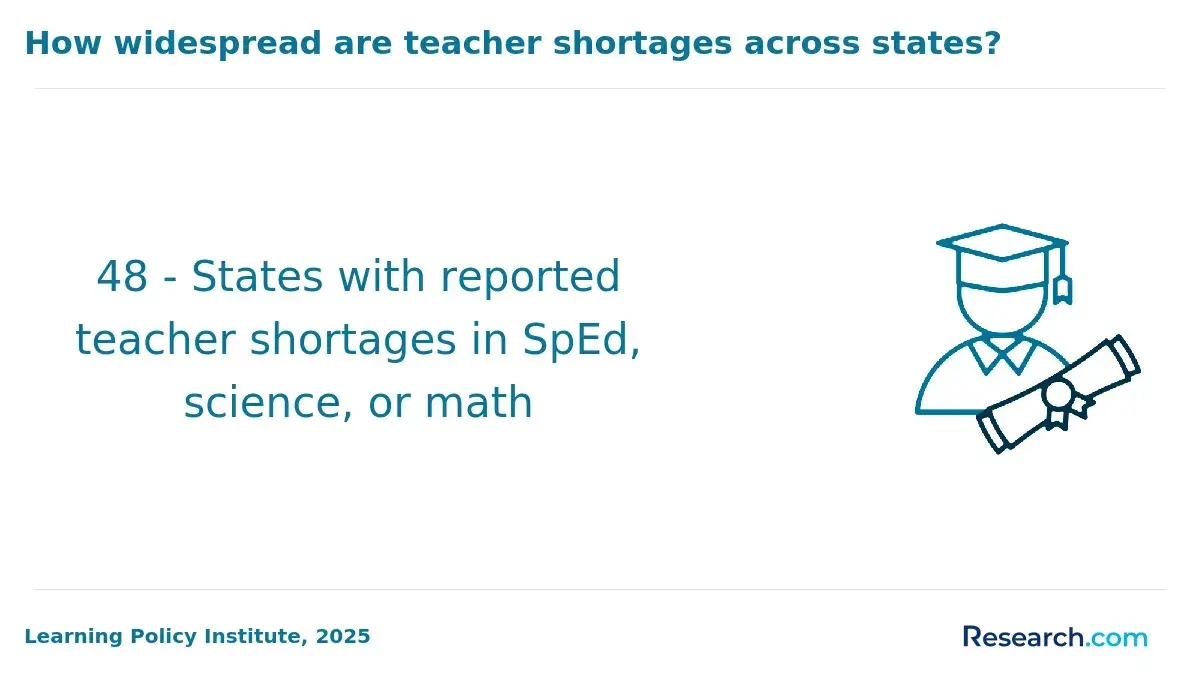
Teaching remains an important workforce area in Connecticut. In the United States, the demand for teachers is expected to grow by 9% percent (Projections Central, 2025). In Connecticut, opportunities vary by district and subject, with special education, math, and science teachers identified among in-demand teaching areas by the Connecticut State Department of Education (2025).
How to Become a Teacher in Connecticut Table of Contents
- Connecticut teaching career overview
- Degree and education requirements for Connecticut teachers
- How Connecticut teacher licensure and renewal work
- Connecticut certification pathways for traditional and alternative candidates
- Licensed teaching programs in Connecticut for 2027
- Why professional development and networking matter for Connecticut teachers
- Common challenges Connecticut teachers face and how to respond
- Financial support options for Connecticut teacher candidates
- How subject-specific degrees can strengthen teacher preparation
- Is Connecticut a strong state for teachers?
- Kindergarten teacher requirements in Connecticut
- Private school teacher requirements in Connecticut
- Online teacher preparation and Connecticut certification standards
- Recent certification requirement updates for Connecticut teachers
- Substitute teaching requirements in Connecticut
- Specialized training options for Connecticut educators
- Pathways for English teachers in Connecticut
- Alternative education careers in Connecticut
- Using advanced credentials to improve classroom effectiveness
Quick Answer: How Do You Become a Teacher in Connecticut?
The standard route to becoming a certified public school teacher in Connecticut is to earn a bachelor’s degree from an accredited institution, complete a Connecticut State Department of Education-approved teacher preparation program, pass the required Praxis exams for your certification area, complete student teaching, pass a background check, and apply for certification through the state.
The degree you need depends on what you want to teach. Elementary and early childhood candidates usually complete education-focused programs, while middle school and high school candidates often need strong coursework in the subject they plan to teach. Career changers may be able to use an alternate route to certification if they already hold a bachelor’s degree and meet state requirements.
| Teaching goal | Typical preparation route | Best fit |
| Elementary school teacher | Bachelor’s degree plus approved elementary education preparation | Students who want broad preparation across reading, math, science, and child development |
| Secondary teacher | Bachelor’s degree with subject-area preparation plus approved teacher education coursework | Candidates who want to teach one subject, such as English, math, science, or social studies |
| Special education teacher | Approved special education preparation and field experience | Candidates interested in supporting students with disabilities and individualized learning plans |
| Career changer | Alternate route to certification, when eligible | Adults who already have a bachelor’s degree and want a faster path into teaching |
| Online learner | Accredited online program that meets Connecticut certification requirements | Working adults or students who need flexible coursework but must still complete fieldwork |
Overview of the Teaching Industry in Connecticut
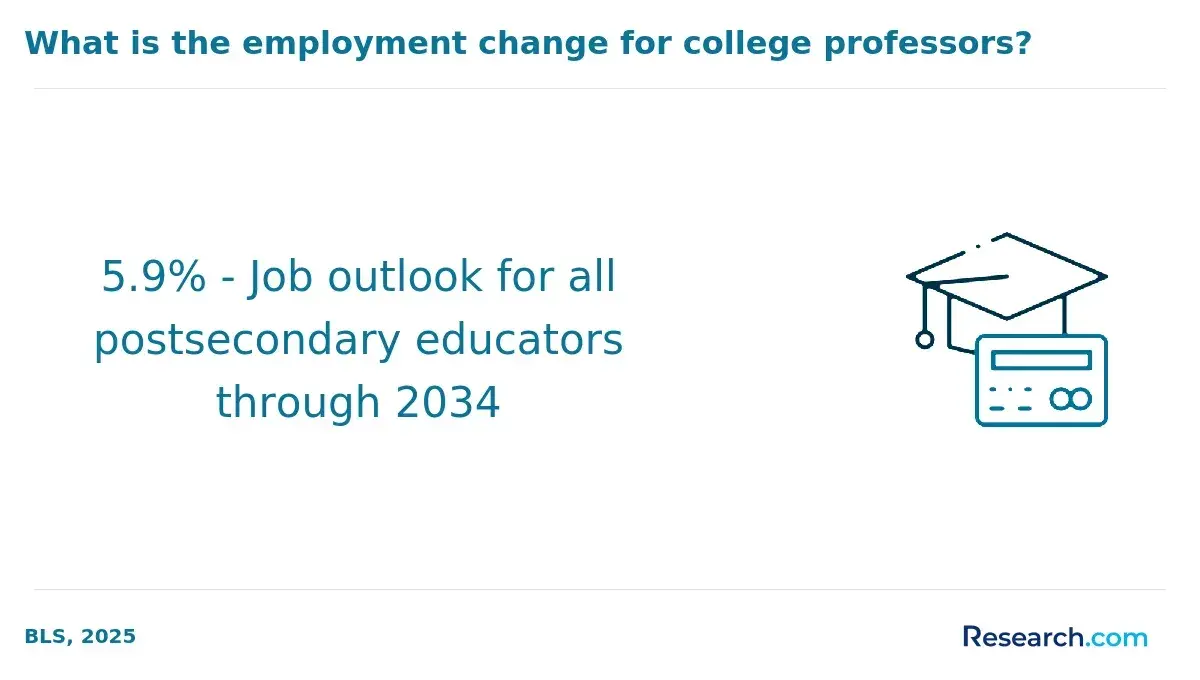
Connecticut offers a structured teaching workforce with clear certification rules, state-approved preparation programs, and demand that differs by grade level, subject, and district. Postsecondary teachers have a projected growth of 7.2% through 2032 (U.S. Bureau of Labor Statistics, 2025). For K-12 teaching, Connecticut districts continue to need qualified educators in several areas, especially special education, math, and science (Connecticut State Department of Education, 2025).
Teacher compensation is one reason many candidates consider Connecticut. The average base salary for teachers in the state is $68,412 per year (Indeed, 2025). Salary alone, however, should not be the only factor in your decision. District funding, cost of living, class size, commute, mentoring support, and school leadership can all shape your day-to-day experience.
Connecticut is also home to established teacher preparation providers, including the University of Connecticut (UConn) and the University of Hartford. These institutions, along with other approved programs, can help candidates meet the academic and field experience requirements needed for certification.
Educational Requirements for a Teacher in Connecticut
Connecticut requires aspiring public school teachers to complete a formal preparation process before earning certification. The exact coursework, testing, and fieldwork requirements depend on the grade level and subject endorsement you are pursuing, but most candidates follow the same broad sequence.
- Earn a bachelor’s degree from an accredited institution. A bachelor’s degree is the baseline requirement for Connecticut teacher certification. The degree should align with your teaching goal. For example, elementary candidates typically study elementary education or a closely related field, while secondary candidates need preparation in the subject they plan to teach. Students who need flexibility may consider an accredited online teaching degree, but they must confirm that it satisfies Connecticut certification standards.
- Complete a state-approved educator preparation program. After or during your bachelor’s degree, you must complete a teacher preparation program approved by the Connecticut State Department of Education. This program provides methods courses, supervised field experience, and the institutional recommendation needed for CT teacher certification.
- Pass the required Praxis exams. Connecticut uses Praxis exams to assess whether teacher candidates have the subject knowledge and professional competencies required for their certification area. The specific exam depends on the endorsement you are seeking.
- Complete student teaching or supervised clinical practice. Teacher preparation includes classroom-based experience under the supervision of an experienced educator. This is where candidates learn how to plan lessons, manage classrooms, assess student work, and adapt instruction for different learners.
- Apply for Connecticut educator certification. After completing degree, preparation, testing, background check, and documentation requirements, candidates apply through the Connecticut State Department of Education. Connecticut issues several certificate levels, including Initial, Interim, Provisional, and Professional Educator Certificates.
- Maintain certification through continuing education and renewal. Teachers must keep up with renewal requirements and professional learning expectations. Depending on your goals, continuing education may include graduate coursework, an early childhood education degree online, advanced special education study, or other education-focused programs.
| Certificate Level | Length of Certification |
| Initial Educator Certificate | Three years |
| Interim Educator Certificate | Three years |
| Provisional Educator Certificate | Eight years |
| Professional Educator Certificate | Ten years |
Source: Connecticut Bureau of Certification, N.D.
Which Degree Should You Choose?
The best degree for becoming a teacher in Connecticut depends on the students you want to teach. Choosing the wrong major or certification track can delay your license, especially if your program is not approved for your intended endorsement.
| If you want to teach | Degree or preparation to look for | Important questions to ask before enrolling |
| Preschool or early childhood | Early childhood education or approved preparation in the relevant age range | Does the program lead to the Connecticut credential needed for the setting where I want to work? |
| Kindergarten or elementary grades | Elementary education, child development, or an approved teacher preparation pathway | How much supervised fieldwork is built into the program before student teaching? |
| Middle or high school | Subject-area degree plus approved teacher education coursework | Will my subject coursework satisfy the endorsement requirements for Connecticut? |
| Special education | Special education preparation with clinical experience | Does the program prepare me for the specific special education endorsement I need? |
| Teaching after another career | Alternate route to certification, if eligible | Can my prior degree and experience meet admission and certification requirements? |
Connecticut Licensure Application and Renewal Process
The Connecticut State Department of Education manages educator certification applications and renewals. Candidates should treat certification as a document-driven process: transcripts, testing records, background check information, program recommendations, and fees must be submitted correctly and on time.
- Finish the required education. Candidates must complete the required degree and approved preparation route. Students building an education foundation may also compare options such as the best online degrees in child development when their career goal involves early childhood, elementary, or child-focused roles.
- Complete the background check. Connecticut requires teacher candidates to meet background and character standards before entering the classroom as certified educators.
- Submit the certification application. Candidates complete the application through the appropriate state certification system and provide academic records, exam results, experience information, and required fees.
- Wait for state review. The Connecticut State Department of Education reviews submitted materials before issuing a certificate. Because this review can take time, candidates should apply well before they expect to begin teaching.
- Receive the appropriate certificate. If the application is approved, the candidate receives the certificate level that matches their qualifications and stage of professional preparation.
- Track renewal requirements early. Teachers should not wait until the final months of a certificate term to review renewal obligations. Professional learning, service records, and documentation should be organized throughout the certificate period.
- Renew before expiration. The renewal process requires updated documentation and approval from the state. Missing renewal deadlines can interrupt employment eligibility.
| Alternate teacher training programs |
| CT Office of Higher Education Alternate Route to Certification (ARC) Program |
| Area Cooperative Education Services (ACES) |
| Capitol Region Education Council (CREC) |
| Charter Oak State College |
Source: Connecticut Bureau of Certification, N.D.
Understanding Connecticut’s Pathways for Teaching Certification
Connecticut gives candidates more than one route into the classroom. Traditional undergraduate programs work well for students who know early that they want to teach. Graduate-level certification programs may suit college graduates who decided later. Alternate routes can help career changers move into teaching without completing a full second bachelor’s degree, as long as they meet eligibility requirements.
Certificate levels also matter. Initial, Interim, Provisional, and Professional Educator Certificates represent different stages of preparation and teaching experience. Before choosing a program, confirm which certificate the program prepares you to pursue and whether it leads to the endorsement you need.
The Alternate Route to Certification (ARC) can be an efficient option for eligible adults who already have a bachelor’s degree and want a nontraditional pathway. It is not automatically the best choice for everyone. Candidates should compare total cost, schedule intensity, field placement support, endorsement options, and job placement outcomes before committing.
For a deeper comparison of routes, including cost-conscious options, review Research.com’s guide to the types of teaching certificates in Connecticut.
| Pathway | When it makes sense | Potential drawback |
| Traditional undergraduate teacher preparation | You are starting college and want your degree, fieldwork, and certification preparation built into one plan | Changing grade level or subject late in the program may add coursework |
| Post-bachelor’s or graduate certification program | You already hold a bachelor’s degree but still need educator preparation | Graduate tuition can raise total cost |
| Alternate Route to Certification | You are a qualified career changer and want a faster, state-recognized route | The schedule may be intensive, and endorsement options may be limited |
| Online or hybrid preparation | You need flexible coursework while completing required fieldwork locally | You must verify Connecticut approval before enrolling |
List of Top Licensed Teaching Programs in Connecticut for 2027
The programs below are examples of Connecticut teacher preparation options named in the source article. Before applying, confirm directly with each institution and the Connecticut State Department of Education that the program is currently approved for your intended endorsement, delivery format, and certification goal.
University of Connecticut (Neag)
The Neag School of Education at the University of Connecticut offers preparation options such as the Integrated Bachelor’s/Master’s (IB/M) Program. The program prepares candidates for certification areas including comprehensive special education, elementary education, and music education. Neag also offers the Teacher Certification Program for College Graduates (TCPCG), which can serve students who already completed an undergraduate degree. The school emphasizes equity-focused teaching and preparation for work in diverse classrooms.
- Program Length: 5 years
- Tracks/concentrations: Teacher Education
- Cost per Credit: $681
- Required Credits to Graduate: 120
- Accreditation: Council for the Accreditation of Educator Preparation
Fairfield University
Fairfield University incorporates field-based learning into its teacher preparation programs through tutoring, observation, lesson delivery, and student teaching. Candidates who complete the program may qualify for initial Connecticut certification as secondary educators in grades 7 through 12, elementary educators, or special educators for grades K-12, depending on the selected pathway.
- Program Length: 5 years
- Tracks/concentrations: Teacher Education
- Cost per Credit: $855
- Required Credits to Graduate: 51
- Accreditation: Council for the Accreditation of Educator Preparation
Quinnipiac University
The School of Education at Quinnipiac University offers undergraduate and graduate education programs designed to prepare candidates for training, certification, and initial licensure. Its programs combine educational theory with intensive fieldwork, helping future teachers build instructional skill, professional judgment, and a commitment to inclusive learning environments.
- Program Length: 5 years
- Tracks/concentrations: Elementary Education
- Cost per Credit: $1,160
- Required Credits to Graduate: 60
- Accreditation: Council for the Accreditation of Educator Preparation
Sacred Heart University
Sacred Heart University offers a five-year education pathway that includes education coursework and a school-based internship or residency during the graduate year. Students who complete elementary education certification may also explore related careers in special education. The program also allows students to pursue cross-endorsement in computer science education.
- Program Length: 5 years
- Tracks/concentrations: Education Program
- Cost per Credit: $785
- Required Credits to Graduate: 39
- Accreditation: Council for the Accreditation of Educator Preparation
University of Hartford
The University of Hartford offers a Bachelor of Science in Elementary Education through its Department of Education. The program prepares candidates for Connecticut public school teaching and includes work with mentor teachers in classroom settings. Its curriculum is designed to support practical skill-building through hands-on learning, labs, classrooms, and career-focused preparation.
- Program Length: 5 years
- Tracks/concentrations: Education Program
- Cost per Credit: $1,847
- Required Credits to Graduate: 46
- Accreditation: Council for the Accreditation of Educator Preparation
How to Compare Connecticut Teacher Preparation Programs
A program’s name recognition is useful, but it should not be your only decision factor. The most important question is whether the program gets you to the certificate and endorsement you need without unnecessary cost, delay, or uncertainty.
| Factor to verify | Why it matters | Question to ask the school |
| State approval | Only approved preparation programs can recommend candidates for Connecticut certification in the relevant area | Is this specific program approved for my intended Connecticut endorsement? |
| Accreditation | Accreditation helps signal that the institution and program meet recognized quality standards | What institutional and educator preparation accreditations apply? |
| Field placement support | Student teaching is required, and strong placement support can reduce delays | Who arranges placements, and where do students usually complete them? |
| Total cost | Cost per credit does not always show fees, commuting, testing, materials, or added terms | What is the full estimated cost from admission to certification recommendation? |
| Praxis preparation | Passing required exams is part of certification | What support is available for Praxis preparation and retesting if needed? |
| Schedule format | Working adults may need evening, hybrid, or online options | Can I complete coursework while working, and how are fieldwork hours scheduled? |
| Endorsement flexibility | Some candidates later add areas such as special education, bilingual education, or reading | Can I add endorsements or pursue graduate credentials after initial certification? |
What are the benefits of professional development and networking for teachers in Connecticut?
Professional development is not just a renewal requirement. For Connecticut teachers, it can improve classroom practice, support certification advancement, and create pathways into leadership or specialized roles.
- Stronger instructional practice: High-quality workshops and courses can help teachers refine lesson design, assessment, differentiation, and classroom management.
- Better access to teaching tools: Professional learning events often introduce educators to curriculum materials, digital platforms, intervention strategies, and new instructional models.
- Progression through certificate levels: Teachers moving from early-career certification toward higher certificate levels must pay attention to professional learning and state documentation expectations.
- Useful peer connections: Networking with other educators can lead to mentorship, shared lesson resources, collaborative projects, and district-level opportunities.
- Career mobility: Teachers who continue learning may be better positioned for instructional coaching, curriculum development, department leadership, or specialized support roles.
The most useful professional development is connected to your actual classroom needs. A new elementary teacher may benefit most from literacy instruction and family engagement training, while a high school science teacher may prioritize lab safety, inquiry-based instruction, and advanced content pedagogy.
What challenges do teachers face in Connecticut, and how can they overcome them?
Connecticut teachers work in districts with different funding levels, student populations, staffing needs, and community expectations. Understanding these challenges before entering the profession can help you choose the right placement and build realistic support systems.
- Serving diverse classrooms: Teachers may work with students from many cultural, linguistic, and socioeconomic backgrounds. Preparation in culturally responsive teaching, differentiated instruction, and family communication can make early-career teaching more effective.
- Keeping up with changing standards: Curriculum and assessment expectations can shift. Teachers should use Connecticut State Department of Education resources, collaborate with colleagues, and pursue practical professional learning. Candidates exploring flexible preparation may also compare guidance on the easiest teaching degree while remembering that “easy” should never mean unapproved or weak preparation.
- Supporting students affected by achievement gaps: Teachers need skill in data-informed instruction, intervention planning, and relationship-building to help students who need additional academic support.
- Preventing burnout: Lesson planning, grading, family communication, meetings, and certification responsibilities can become overwhelming. Mentorship, clear boundaries, and realistic planning routines are essential.
- Working with limited resources: Some schools may not have all the materials teachers want. Educators can seek grants, share resources, collaborate with community organizations, and use low-cost instructional tools strategically.
What are the financial support options for teacher candidates in Connecticut?
Teacher preparation can be expensive, especially when students combine tuition, fees, textbooks, exam costs, transportation, and unpaid student teaching hours. Connecticut candidates should review federal aid, state aid, institutional scholarships, education-major scholarships, employer benefits, residency support, and loan forgiveness options tied to qualifying service.
Financial support may also vary by shortage area or district need. Candidates interested in high-need roles should review resources related to special education teacher certification in Connecticut and ask schools whether grants, tuition partnerships, or paid residency options are available.
- File financial aid forms early. Deadlines matter, and some awards are first-come, first-served.
- Ask about program-specific scholarships. Education departments may know about awards not listed on a general admissions page.
- Calculate total program cost. Include tuition, fees, tests, commuting, clinical placement costs, and lost work hours during student teaching.
- Check service-based aid carefully. Loan forgiveness or grant programs may require work in specific schools, subjects, or districts.
- Compare residency and alternate routes. Some models may reduce tuition pressure or provide stronger mentorship, but eligibility requirements differ.
Can specialized subject degrees boost teacher success in Connecticut?
Subject expertise can make a major difference, especially for middle school and high school teachers. A strong content background helps teachers explain difficult concepts, design better assessments, and respond to student questions with confidence. It can also support employability in high-need subject areas.
For example, candidates interested in math instruction may compare pathways such as the easiest mathematics degree programs. However, a subject degree alone is usually not enough for Connecticut public school certification. Candidates still need approved teacher preparation, student teaching, exams, and state certification.
| Degree strength | How it helps in the classroom | What still must be verified |
| Strong subject major | Builds content confidence and supports advanced lesson design | Whether coursework matches Connecticut endorsement requirements |
| Education methods coursework | Teaches candidates how to convert content knowledge into student learning | Whether the program is state-approved |
| Clinical experience | Develops classroom management, assessment, and student engagement skills | Whether placement hours meet certification expectations |
| Specialized endorsements | Can expand teaching options in areas such as special education, bilingual education, or reading | Whether additional tests or coursework are required |
Is Connecticut a good state for teachers?
Connecticut can be a strong state for teachers who value structured certification, competitive salaries, and access to established preparation programs. It may also appeal to candidates comparing flexible entry points, including a bachelor of education online degree that aligns with certification goals.
That said, Connecticut is not the same experience in every district. Cost of living, school resources, leadership quality, student needs, commute time, union agreements, and mentoring support can vary significantly. A high salary may not offset burnout if a placement lacks support. Candidates should evaluate both statewide conditions and district-level realities before deciding where to apply.
| Connecticut may be a good fit if you | You may want to compare other options if you |
| Want to teach in a state with clear certification structures | Need the lowest possible cost of living |
| Are interested in special education, math, science, or other in-demand areas | Want to avoid a formal licensure process |
| Value professional development and long-term certification pathways | Need a fully online route with no in-person fieldwork |
| Prefer access to multiple in-state teacher preparation programs | Are unwilling to complete testing, student teaching, or renewal requirements |
What are the specific requirements for kindergarten teachers in Connecticut?
Kindergarten teachers need preparation in early childhood development, literacy foundations, math readiness, play-based learning, family communication, classroom routines, and age-appropriate assessment. Connecticut candidates should make sure their program prepares them for the correct grade range and includes field experience with young learners.
Because kindergarten roles may sit at the intersection of early childhood and elementary education requirements, candidates should review the specific kindergarten teacher requirements in Connecticut before choosing a degree or certification track.
What are the private school teacher requirements in Connecticut?
Private schools may use hiring standards that differ from public school certification rules. Some private schools prefer or require state certification, while others evaluate candidates based on degree background, teaching experience, subject expertise, mission fit, or specialized training.
If you want to teach in a private school, review each employer’s requirements rather than assuming one statewide rule applies to every position. Candidates can also use Research.com’s guide to private school teacher requirements in Connecticut to compare expectations before applying.
Can online teacher preparation programs meet Connecticut’s certification standards?
Online and hybrid programs can be appropriate for Connecticut teacher candidates, but only if they meet state certification requirements. Coursework may be online, but field observations, student teaching, and clinical practice normally require real classroom placements.
Before enrolling, ask whether the online program is approved for Connecticut certification, whether it can place you in a Connecticut school, and whether it leads to the endorsement you need. For a more focused review of flexible pathways, see the guide on how to become a teacher online in Connecticut.
What are the recent updates on teacher certification requirements in Connecticut?
Teacher certification rules can change through state policy updates, testing adjustments, renewal procedures, and documentation requirements. Candidates and current educators should not rely only on older program brochures or informal advice. The safest approach is to check the Connecticut State Department of Education and speak directly with certification officers at approved programs.
For a focused overview of current credential categories and requirements, review Research.com’s guide to teacher certification requirements in Connecticut.
What are the requirements for substitute teaching in Connecticut?
Substitute teaching can help candidates gain classroom exposure before committing to full certification. It can also help career changers confirm whether teaching is the right long-term path. Requirements may include minimum education, district onboarding, background review, and training on classroom procedures and emergency expectations.
Because substitute teaching rules can differ by district and assignment type, candidates should review local requirements and state guidance. Research.com’s guide to Connecticut substitute teacher requirements explains this route in more detail.
What specialized training options are available for teachers in Connecticut?
Specialized training can help Connecticut teachers meet student needs and expand career options. Common areas include special education, bilingual education, reading and literacy, educational technology, gifted education, classroom behavior support, and elementary instruction.
Candidates focused on younger students should review the pathway for how to become an elementary school teacher in Connecticut. Elementary teachers need broad instructional preparation because they often teach multiple subjects and support foundational literacy, numeracy, social development, and classroom routines.
What are the unique pathways for English teachers in Connecticut?
English teachers need both subject knowledge and teaching methods. Strong preparation usually includes literature, composition, language study, adolescent literacy, curriculum planning, assessment, and strategies for supporting multilingual learners and students with different reading levels.
Prospective English teachers should confirm that their degree and educator preparation program align with Connecticut endorsement expectations. For a specialized overview, see Research.com’s guide on how to become an english teacher in Connecticut.
How can advanced credentials enhance your classroom effectiveness in Connecticut?
Advanced credentials can help teachers move beyond basic certification and strengthen specific instructional skills. For example, an online master's degree in reading can help educators diagnose literacy needs, select interventions, use reading assessment data, and support students who struggle with comprehension or fluency.
Graduate study and endorsements may also support roles in curriculum design, instructional coaching, reading intervention, special education leadership, or school-level administration. Teachers should choose advanced credentials based on classroom needs, certification impact, cost, and long-term career goals.
What alternative career paths can educators explore in Connecticut?
A teaching background can lead to many education-related roles beyond the traditional classroom. Connecticut educators may move into curriculum development, instructional coaching, school administration, student support services, education technology, assessment design, teacher training, or library and media services.
For educators interested in school library roles, Research.com’s guide on how to be a school librarian in Connecticut explains the qualifications and responsibilities associated with that path.
Common Mistakes to Avoid When Becoming a Teacher in Connecticut
Many certification problems are preventable. Before enrolling in any program or applying for a teaching role, watch for these common mistakes.
| Mistake | Why it causes problems | Better approach |
| Choosing a program without checking Connecticut approval | A degree may be legitimate but still not lead to the required certification recommendation | Verify state approval for your exact endorsement before enrolling |
| Focusing only on tuition per credit | Fees, testing, transportation, student teaching, and extra terms can change total cost | Request a full cost estimate through certification completion |
| Assuming online automatically means flexible fieldwork | Student teaching still requires placement hours and schedule availability | Ask how placements are arranged and when fieldwork occurs |
| Picking a subject without reviewing job demand | Hiring opportunities differ by district and endorsement | Research shortage areas, district postings, and placement data |
| Waiting too long to prepare for Praxis exams | Failed or delayed testing can postpone certification | Start exam planning early and use program support resources |
| Ignoring renewal requirements after certification | An expired certificate can affect employment eligibility | Track renewal deadlines and professional learning documentation |
Step-by-Step Plan to Become a Teacher in Connecticut
- Choose your teaching level and subject. Decide whether you want early childhood, elementary, secondary, special education, or another endorsement area.
- Confirm the degree requirement. Match your major and coursework to the certification area you want.
- Select a Connecticut-approved preparation route. Compare traditional, graduate, alternate, online, and hybrid options.
- Ask about field placements before enrolling. Student teaching is essential, so make sure the program can support placements that fit your location and schedule.
- Prepare for required exams early. Identify the Praxis exams required for your endorsement and build study time into your program plan.
- Complete student teaching successfully. Use clinical practice to build lesson planning, classroom management, assessment, and professional communication skills.
- Submit your certification application. Gather transcripts, exam scores, program recommendations, background check materials, and fees.
- Apply strategically for teaching jobs. Look beyond salary by comparing mentoring, leadership support, class size, commute, and district resources.
- Plan for renewal and growth. Keep records of professional development and consider future endorsements or graduate credentials.
How to Become a Teacher in Connecticut
Becoming an educator in Connecticut requires planning, documentation, and the right preparation route. Candidates must meet degree requirements, complete approved educator preparation, pass required testing, finish supervised teaching, and apply for certification. The process is formal, but it gives candidates a clear roadmap from college or career change into the classroom.
Prospective teachers can also review outside exam information related to becoming an educator in Connecticut, but state certification requirements should always be verified through official Connecticut sources and approved programs.
Connecticut offers several education pathways, including undergraduate teacher preparation, alternate routes, special education programs, and advanced options such as graduate programs in child development. The best path is the one that matches your certification goal, budget, schedule, and long-term career plans.
Key Insights
- A bachelor’s degree is required, but the right preparation program is just as important. Connecticut public school candidates need an approved educator preparation route that matches their intended endorsement.
- Certification depends on grade level and subject area. Elementary, secondary, special education, kindergarten, and English teaching pathways can involve different coursework, exams, and field experiences.
- Career changers have options. Alternate routes may reduce duplication for candidates who already hold a bachelor’s degree, but eligibility and endorsement availability must be confirmed.
- Online programs can work only when they meet Connecticut standards. Flexible coursework does not remove the need for approved preparation, fieldwork, student teaching, and state documentation.
- Program comparison should go beyond rankings and tuition. Ask about state approval, accreditation, placement support, Praxis preparation, total cost, and certification outcomes.
- Connecticut can be attractive for teachers, but district fit matters. Salary, cost of living, mentoring, school resources, and working conditions should all factor into your decision.
- Long-term success requires continued learning. Professional development, advanced credentials, and specialized endorsements can improve classroom impact and expand career options.
Related Articles for Nearby States
- 2027 How to Become a Teacher in New York – What Degree Do You Need to Be a Teacher?
- 2027 How to Become a Teacher in Rhode Island – What Degree Do You Need to Be a Teacher?
- 2027 How to Become a Teacher in Massachusetts – What Degree Do You Need to Be a Teacher
- 2027 How to Become a Teacher in New Jersey – What Degree Do You Need to Be a Teacher
- 2027 How to Become a Teacher in Pennsylvania – What Degree Do You Need to Be a Teacher?
- 2027 How to Become a Teacher in Vermont – What Degree Do You Need to Be a Teacher?
- 2027 How to Become a Teacher in New Hampshire – What Degree Do You Need to Be a Teacher?
- 2027 How to Become a Teacher in Delaware – What Degree Do You Need to Be a Teacher
- 2027 How to Become a Teacher in Maryland – What Degree Do You Need to Be a Teacher?
- 2027 How to Become a Teacher in Maine – What Degree Do You Need to Be a Teacher
References:
- Connecticut State Department of Education. (2025). Certification information and teacher credential resources. https://portal.ct.gov/SDE/Certification
- Connecticut State Department of Education. (2025). Educator certification requirements and guidance. https://portal.ct.gov/SDE/Certification/Educator-Certification
- Connecticut State Department of Education. (2025). Approved educator preparation program information. https://portal.ct.gov/SDE/Certification/Approved-Educator-Preparation-Programs
- Connecticut State Department of Education. (2025). Alternate Route to Certification details. https://portal.ct.gov/SDE/Certification/Alternate-Route-to-Certification
- Education Commission of the States. (2025). State-by-state teacher license reciprocity information. https://www.ecs.org/teacher-license-reciprocity-state-profile
- Indeed. (2025). Connecticut teacher salary data. https://www.indeed.com/career/teacher/salaries/CT
- National Center for Education Statistics. (2025). Public school teacher characteristics. https://nces.ed.gov/programs/coe/indicator/clr
- National Board for Professional Teaching Standards. (2025). National Board Certification information for teachers. https://www.nbpts.org
- National Education Association. (2025). Educator pay and school spending benchmarks. https://www.nea.org/resource-library/educator-pay-and-student-spending
- Projections Central. (2025). Long-term occupational projections (By 2033). https://projectionscentral.org/Projections/LongTerm
- U.S. Bureau of Labor Statistics. (2025). Kindergarten and elementary school teachers occupational outlook. https://www.bls.gov/ooh/education-training-and-library/kindergarten-and-elementary-school-teachers.htm
- U.S. Bureau of Labor Statistics. (2025). Career and technical education teachers occupational outlook. https://www.bls.gov/ooh/education-training-and-library/career-and-technical-education-teachers.htm
Other Things You Should Know About Becoming a Teacher in Connecticut
You need a bachelor’s degree from an accredited institution, typically in education or a related field aligned with the subject or grade level you wish to teach. Additionally, you must complete a state-approved teacher preparation program.
You must pass the Praxis Series exams relevant to your intended certification area. These exams assess your knowledge and skills in your chosen subject or grade level.
Yes, Connecticut offers alternative routes to certification through the Alternate Route to Certification (ARC) program. This pathway is designed for individuals who have not completed a traditional teacher preparation program but meet other specified requirements such as holding a bachelor's degree in a relevant field.
Complete your educational and exam requirements, undergo a background check, and submit an online application through the Connecticut Educator Certification System (CECS). Provide necessary documentation and pay the application fee.
Connecticut offers Initial, Provisional, and Professional Educator Certificates, each with specific requirements and validity periods. The Initial Educator Certificate is valid for three years, the Provisional Educator Certificate for eight years, and the Professional Educator Certificate for ten years.
Yes, Connecticut offers alternate routes such as the Alternate Route to Certification (ARC) Program provided by the CT Office of Higher Education and other organizations like ACES and CREC.


