2027 Health Equity and Social Justice Training in Modern MSW Programs

Co-Founder and Chief Data Scientist
Choosing an MSW program with strong health equity and social justice training is not just a values-based decision. It affects the kinds of clients, communities, agencies, and policy problems graduates will be prepared to serve. Social workers increasingly work at the intersection of behavioral health, public health, housing instability, poverty, racism, disability access, immigration, gender-based inequity, and gaps in medical care. A program that treats these issues as side topics may leave students with good intentions but limited practical tools.
This guide explains how MSW programs incorporate health equity and social justice into coursework, field education, accreditation expectations, admissions, cost, delivery format, and career planning. It is designed for prospective MSW students, career changers, current social service professionals, and applicants comparing online, hybrid, and campus-based programs. The goal is to help you identify programs that teach more than theory: programs that build skills in advocacy, culturally responsive practice, policy analysis, community partnership, and systems-level change.
Key Things You Should Know
- By 2026, over 85% of MSW programs in the U.S. have integrated mandatory health equity and social justice training to address systemic disparities in healthcare access.
- Recent curricula emphasize intersectionality, with 72% of programs incorporating structural racism and implicit bias modules to prepare students for diverse client populations.
- Graduates trained in these areas show a 40% higher employment rate in community health and policy roles, reflecting rising demand for equity-focused social workers nationwide.
What is Health Equity and Social Justice Training in MSW Programs?
Health equity and social justice training in MSW programs prepares students to recognize, assess, and respond to unequal access to care, unequal treatment, and unequal outcomes across communities. In practice, this means learning how race, gender, income, disability, neighborhood conditions, immigration status, trauma exposure, and other social determinants of health shape a person's options long before they enter a clinic, school, shelter, hospital, or social service agency.
Strong MSW training does not limit equity to a single course or a broad statement in the program mission. It connects classroom learning with field practice, policy work, ethical decision-making, and community engagement. Students are expected to examine how systems produce harm, how agencies can either reduce or reinforce disparities, and how social workers can intervene at the individual, organizational, and policy levels.
Common areas of health equity and social justice training include:
- Cultural humility and culturally responsive assessment.
- Policy analysis related to access, eligibility, benefits, and service delivery.
- Community-based practice with historically underserved populations.
- Advocacy for people affected by poverty, racism, gender inequity, disability barriers, and lack of healthcare access.
- Leadership skills for working within agencies, coalitions, and public systems.
Some programs add focused modules on issues such as maternal health disparities or LGBTQ+ health needs. These targeted topics can be valuable, but applicants should check whether they are part of a broader equity framework rather than isolated electives. A 2024 analysis revealed that only 39.5% of MSW programs include women's health leadership content, showing that specialized training is still uneven across programs.
When comparing programs, review the full curriculum, field placement options, faculty expertise, and course descriptions. Look for evidence that the program teaches both direct practice and structural change. Students who want to continue into advanced leadership, teaching, or high-level practice roles may also explore DSW social work programs after completing the MSW.
Why Include Health Equity and Social Justice in MSW Curricula?
Health equity and social justice belong in MSW curricula because social work practice rarely happens in neutral conditions. Clients may be dealing with mental health concerns, family stress, housing insecurity, medical debt, food access issues, discrimination, legal barriers, or unsafe environments at the same time. Without training in these structural conditions, graduates may focus only on individual symptoms while missing the forces that keep people in crisis.
Equity-focused MSW education helps students move from awareness to action. It teaches them to assess needs accurately, design interventions that fit community realities, identify barriers created by institutions, and advocate for policy or program changes. This is important for students entering clinical practice, school social work, hospital systems, community agencies, public health roles, and nonprofit leadership.
The need for stronger preparation is clear. Less than 5% of social work courses across BSW, MSW, and CE programs cover prevention and public health topics. That gap can limit how well graduates understand upstream causes of poor health, including preventable risks tied to environment, income, access, and policy.
An MSW curriculum with meaningful social justice integration should include:
- Analysis of structural factors that sustain healthcare inequalities.
- Training in prevention, early intervention, and public health-informed practice.
- Policy analysis that connects laws, funding, eligibility rules, and agency practices to client outcomes.
- Case studies that show how social justice principles apply in hospitals, community agencies, schools, shelters, and public systems.
- Field education that places students in settings serving communities affected by inequity.
Applicants should be cautious of programs that use equity language without showing how it appears in required courses, assignments, field placements, and competencies. Students balancing cost and access can compare affordable MSW programs online while paying close attention to whether prevention, policy, and health justice are built into the curriculum.
What Core Courses Cover Health Equity in MSW Programs?
Core MSW courses that address health equity often appear in practice, policy, human behavior, research, and field education sequences. Many programs also connect equity training to mental health, behavioral health, abuse, violence, and substance use disorders. According to the 2017 national survey Health in All Social Work Programs: Findings From a US National Survey, over half of health-related courses focus on those topics.
That emphasis is useful because behavioral health and trauma-related needs are common in social work settings. However, a curriculum that focuses heavily on diagnosis and treatment without equal attention to social determinants of health may leave students underprepared to address broader causes of poor outcomes. Students should look for a balance between individual-level intervention and systems-level analysis.
Common core or required courses that may include health equity content include:
- Mental Health Practice, including assessment, diagnosis, treatment planning, and culturally responsive care.
- Behavioral Health Interventions, including integrated care, crisis response, and work with clients facing complex needs.
- Addiction Studies, including substance use disorders, recovery support, stigma, trauma, and access to treatment.
- Social Welfare Policy, including how benefits, healthcare systems, and public programs affect marginalized communities.
- Human Behavior and the Social Environment, including how social context shapes development, risk, resilience, and opportunity.
- Research Methods, including evaluation of programs, disparities data, and evidence-based interventions.
Programs with stronger social justice training may also offer electives or concentrations such as Social Determinants of Health, Community Health and Policy, and Health Disparities and Advocacy. These courses help students examine how economic inequality, housing, racism, education, geography, and policy decisions influence health outcomes.
Students interested in systemic change should prioritize programs that cover:
- Structural determinants of health.
- Cultural competence and cultural humility in healthcare access.
- Health policy and social justice advocacy.
- Intersectionality in health outcomes.
- Community-based research and program evaluation.
Course titles alone can be misleading. Before applying, read syllabi when available, ask admissions staff how equity is assessed in required assignments, and review field placement sites. Students also weighing location and long-term earning potential can use resources on the highest paying state for social workers as part of a broader career planning process.
Accreditation is one of the first indicators applicants should check when evaluating an MSW program. In the United States, MSW accreditation standards are designed to ensure that programs prepare students for ethical, competent social work practice. Health equity and social justice training is typically reflected through curriculum requirements, field education, competency assessment, and the program's stated commitment to serving diverse communities.
The Council on Social Work Education (CSWE) requires accredited programs to address professional competencies related to diversity, human rights, social, racial, economic, and environmental justice, ethical practice, policy practice, and engagement with individuals, families, groups, organizations, and communities. For applicants, the key question is not whether a program mentions social justice, but how clearly it teaches, evaluates, and applies it.
North American social work education accreditation criteria commonly require curricula to include:
- Foundational knowledge of health disparities, structural inequities, and intersectionality.
- Field education placements that give students supervised experience in diverse practice settings.
- Assessment methods that measure whether students can analyze and intervene in systems that perpetuate inequities.
Many programs expand on these expectations with coursework in anti-racist practice, trauma-informed care, population health, community health, and policy advocacy. Field placements may include hospitals, community health organizations, behavioral health agencies, schools, legal aid settings, public agencies, or nonprofit organizations serving underserved populations.
CSWE workforce data also show why this matters beyond traditional social work roles. In 2019, 23% of new MSW graduates entered roles outside traditional social work tracks, reflecting broader demand for social work skills in interdisciplinary settings. Health equity training can support graduates pursuing roles in public health, healthcare coordination, policy, program evaluation, and community systems work.
Applicants should confirm that a program is accredited, then review how it documents learning outcomes, field supervision, and equity-related competencies. Students searching for accessible entry points may compare easiest MSW programs to get into, but accreditation and field quality should remain nonnegotiable factors.
MSW admission requirements vary by institution, program format, and whether the applicant is applying to a traditional or advanced standing pathway. Most programs require a bachelor's degree from an accredited institution. A social work, psychology, sociology, public health, human services, or related background may be helpful, but many programs admit students from other academic fields if they can show readiness for graduate-level social work study.
Applicants should expect schools to evaluate both academic preparation and professional fit. Social justice-focused programs often look closely at whether an applicant understands the profession's ethical responsibilities, has experience with diverse communities, and can reflect on power, privilege, oppression, and service in a mature way.
Common MSW application requirements include:
- Official transcripts showing completion of a bachelor's degree.
- A personal statement or statement of purpose.
- Letters of recommendation from academic, professional, or volunteer supervisors.
- A resume that includes employment, internships, community service, or advocacy work.
- Prerequisite coursework, if required by the program.
- An interview, in some programs.
GRE policies differ by school. Some programs require standardized test scores, while others waive or do not use the GRE. Programs that waive the GRE may do so to reduce barriers for applicants from underrepresented or disadvantaged backgrounds, but applicants should still submit strong written materials and clear evidence of readiness.
Relevant experience can strengthen an application, especially when it involves direct service, community organizing, crisis work, healthcare navigation, youth services, housing support, or advocacy. CSWE, 2020 data show that 68.5% of new MSWs in direct practice reported that over half their clients live below the federal poverty level. Admissions committees may therefore value applicants who understand the realities of work with communities facing poverty, instability, and limited access to services.
Advanced standing options are usually designed for students who already hold a BSW, while traditional programs serve applicants without that degree. Full-time tracks may emphasize academic readiness and intensive field availability, while part-time tracks may appeal to working adults with substantial experience. Applicants should compare requirements early so they can address gaps before deadlines, choose recommenders carefully, and write a statement that connects their experience to the program's mission.
MSW programs typically take 1 to 3 years, depending on enrollment status, prior education, and program structure. Full-time traditional MSW students usually finish in 2 years. Part-time students may take up to 3 years or more, which can make the degree more manageable for people balancing work, caregiving, or other responsibilities. Advanced standing programs may take about 1 year for students who already have a bachelor's degree in social work.
Program length matters because it affects not only time to graduation but also field placement scheduling, income planning, loan borrowing, and licensure timelines. A shorter program may reduce time out of the workforce, but it can also be intensive. A part-time program may be more sustainable, but students should check whether evening, weekend, or local field placements are available.
Tuition varies widely by institution and residency status. Public universities generally charge between $15,000 and $30,000 annually for in-state students. Out-of-state and private institutions often exceed $40,000 per year. As a result, total tuition for a 2-year program can range from approximately $30,000 to over $80,000.
Students should also budget for costs beyond tuition, including:
- Textbooks and course materials.
- Transportation or technology costs, depending on format.
- Field placement-related expenses.
- Licensing exam fees after graduation, where applicable.
- Possible reduced work hours during intensive field education terms.
Financial aid options may include scholarships, grants, assistantships, employer reimbursement, and federal student aid for eligible students. Applicants should compare the net cost rather than relying only on published tuition. Ask each program about field placement flexibility, paid placement possibilities if available, and whether students commonly work while enrolled.
Some MSW programs also draw from interdisciplinary approaches used in allied health professions to strengthen health equity training. For example, medical education initiatives targeting implicit bias have reduced trainees' bias scores by up to 20% through structured awareness frameworks. When adapted carefully, this kind of training can help social work students examine assumptions, improve client engagement, and practice more ethically in diverse field settings.
MSW programs teach health equity and social justice through online, campus-based, and hybrid formats. The best format depends on a student's schedule, location, learning style, field placement needs, and career goals. The delivery method is less important than whether the program provides strong coursework, supervised field education, qualified faculty, and clear preparation for the type of practice the student wants to pursue.
Fully online programs, including those at the University of Southern California and Boston University, may offer health equity coursework through synchronous classes, virtual simulations, online discussion, digital case analysis, and remote collaboration. Online formats can be especially useful for working professionals, caregivers, and students who do not live near a campus. The main question to ask is how the program arranges local field placements and supports students when placement challenges arise.
Campus-based programs at institutions such as the University of Michigan and Columbia University often emphasize face-to-face learning, in-person faculty access, peer networks, and direct clinical or community placements near the university. These programs may appeal to students who want an immersive academic environment, close mentorship, and access to local agencies connected to the school.
Hybrid models, including the University of Washington, combine online coursework with required in-person components or local practica. This format can provide flexibility while preserving some structured campus or field-based interaction.
Students comparing formats should consider:
- Online programs: best for flexibility, remote access, and students who need to remain in their current community.
- Campus-based programs: best for students who want intensive in-person learning, local university networks, and frequent face-to-face contact.
- Hybrid programs: best for students who want a balance of online coursework and structured in-person experience.
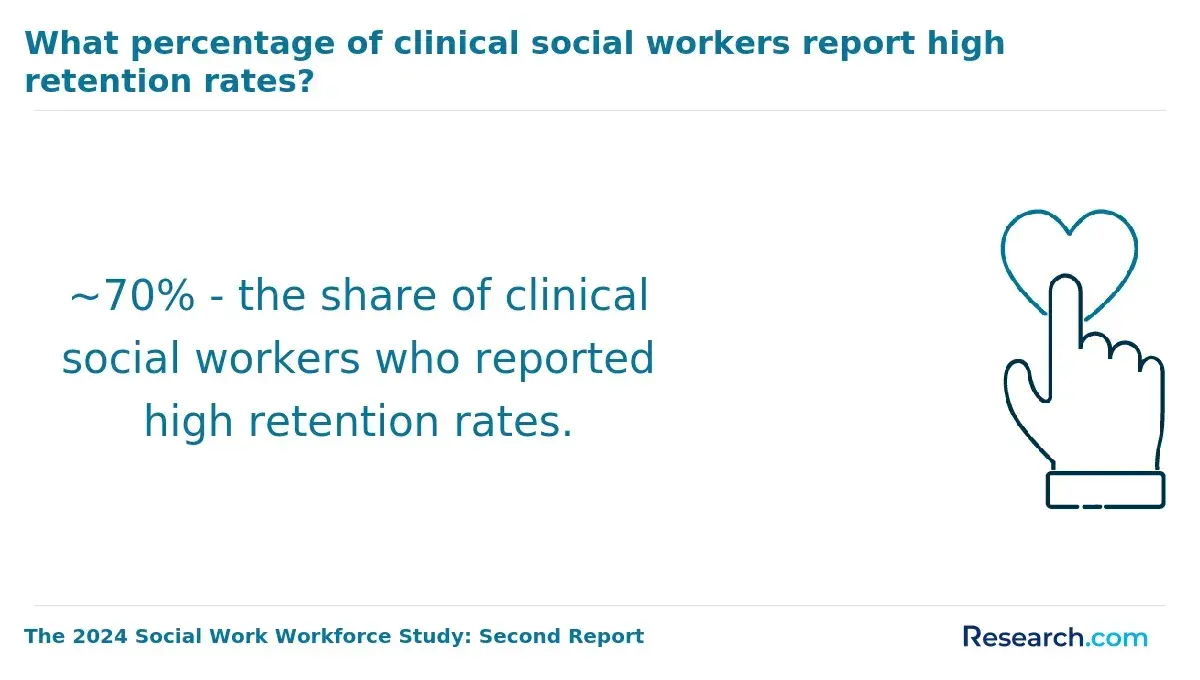
Licensure preparation should be part of the format decision. Nearly 80% of new MSW graduates aim for clinical licensure within five years, so students should verify that the program's coursework and field hours align with the requirements in the state where they plan to practice. Health equity training is valuable in every format, but it must be paired with strong supervision, ethical practice training, and state-specific licensure planning.
Health equity MSW training can lead to careers in clinical practice, healthcare systems, public health, policy, community programs, advocacy, research, and nonprofit leadership. Graduates with this preparation are trained to see both individual needs and the larger systems that shape access, risk, treatment, and recovery.
Common career paths include:
- Public health social worker: supports prevention, outreach, health education, and community-based interventions.
- Medical or hospital social worker: helps patients and families navigate care, discharge planning, benefits, and barriers to treatment.
- Behavioral health specialist: works with clients affected by mental health conditions, trauma, substance use disorders, and related social needs.
- Community health coordinator: develops and manages programs that improve access to services in underserved areas.
- Care manager or patient navigator: coordinates services across healthcare, housing, benefits, and social support systems.
- Health policy analyst: studies laws, funding structures, and public programs that affect equity and access.
- Program evaluator or grant writer: supports evidence-based programming, funding proposals, and outcomes measurement.
- Advocacy or nonprofit leader: builds coalitions, leads community initiatives, and advances policy or systems reform.
Some students pursue dual degrees such as MSW-MPH to gain broader public health training. However, fewer than 10% enroll in these combined programs, as noted in Health in All Social Work Programs: Findings From a US National Survey. Students who do not pursue a dual degree can still build relevant expertise through electives, field placements, certificates, research assistantships, and continuing education in areas such as health disparities, population health, and policy advocacy.
The right path depends on whether a student is most interested in clinical intervention, systems reform, community empowerment, research, or leadership. Students should choose field placements strategically. A hospital placement may build care coordination and clinical skills, while a policy agency may strengthen legislative analysis and advocacy. A community-based organization may offer direct experience with grassroots engagement and program development.
MSW graduates with health equity training may qualify for roles that combine social work practice with healthcare, behavioral health, public health, program management, and policy. Salary outcomes vary by location, employer, licensure status, experience, and job function. Specialized training can improve competitiveness, but it does not guarantee a specific salary.
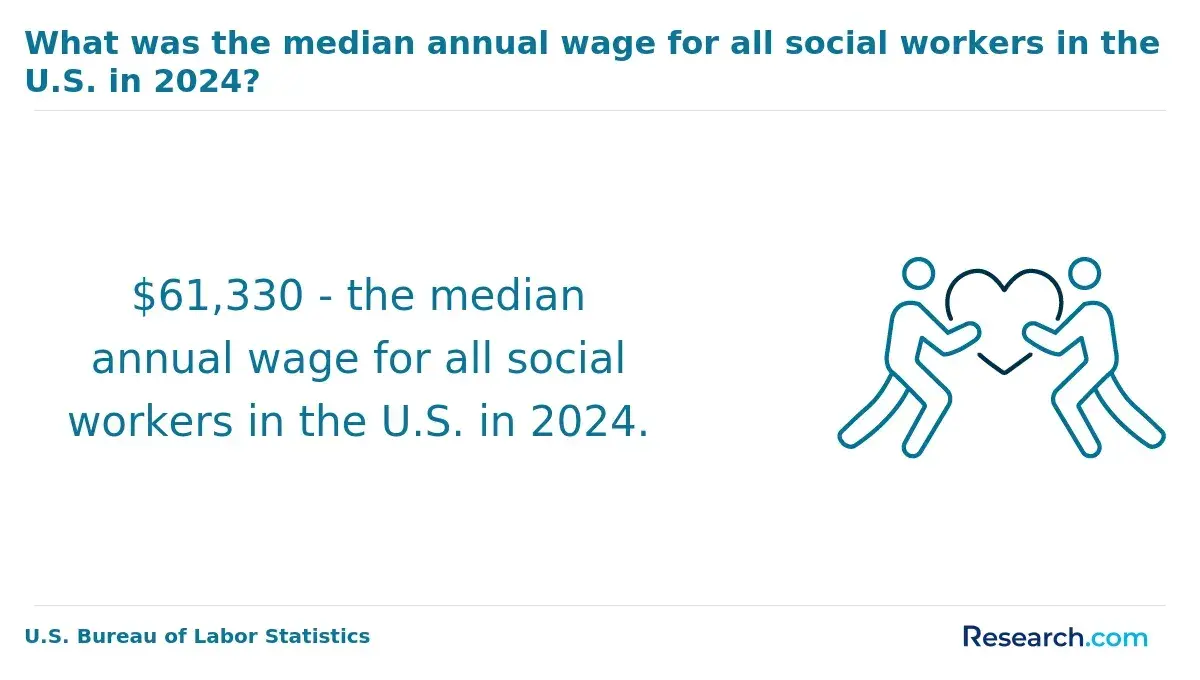
Graduates holding an MSW with a focus on health equity often earn median starting salaries about 15% higher than general social workers. Entry-level health equity MSWs commonly command salaries over $60,000 annually, compared with the national median near $52,000 for social workers overall. These figures should be interpreted as broad indicators rather than a promise of earnings for every graduate.
Job prospects are supported by demand for professionals who can work across clinical care, community systems, and social determinants of health. Roles such as health equity coordinator, behavioral health specialist, and patient navigator are tied to growing interest in integrated care and disparity reduction. The Bureau of Labor Statistics projects 12% employment growth for social workers from 2022 to 2032, with health equity roles acting as a major driver.
Factors that can affect salary and advancement include:
- State and regional labor market conditions.
- Employer type, such as hospitals, public agencies, nonprofits, schools, or community health organizations.
- Clinical licensure, including LCSW status where applicable.
- Experience with data, program evaluation, grants, and interprofessional teams.
- Specialized credentials such as CHES, when relevant to the role.
- Ability to work with diverse populations using culturally responsive and trauma-informed approaches.
Students seeking higher-paying or leadership-oriented roles should plan early. Choose field placements that match target jobs, understand state licensure requirements, build measurable skills in program design or evaluation, and document experience with health equity initiatives. Employers are likely to value MSW graduates who can combine direct client skill with policy awareness, data literacy, and community partnership.
How to Choose a Reputable MSW Program for Social Justice Focus?
Choosing a reputable MSW program with a social justice focus requires more than reading mission statements. Many schools use equity language, but the strongest programs show how that commitment appears in required courses, field placements, faculty work, student support, assessment methods, and community partnerships.
Start with accreditation, then review the curriculum in detail. While 92% of programs include some health content, fewer than 5% prioritize health equity topics, according to national research in Health in All Social Work Programs: Findings From a US National Survey. That gap makes it important to distinguish between programs that mention health and programs that meaningfully prepare students to address inequity.
When evaluating programs, look for evidence of:
- Required coursework in social determinants of health, policy, structural inequality, and culturally responsive practice.
- Faculty expertise in racial justice, economic disparities, community health, public health, disability justice, gender equity, or related areas.
- Field placements with hospitals, community health organizations, advocacy groups, public agencies, or nonprofits serving marginalized communities.
- Clear learning outcomes tied to social justice practice, not only general professional values.
- Training in anti-racism, implicit bias, cultural humility, trauma-informed care, and ethical advocacy.
- Support systems for diverse students, including advising, mentorship, and inclusive field placement practices.
- Alumni outcomes that show graduates working in relevant clinical, community, policy, or public health roles.
Ask direct questions before applying. How is health equity assessed in required assignments? Which field sites focus on underserved populations? Are students trained to analyze policy and funding systems? What happens if a field placement does not provide appropriate supervision or equity-focused learning? How does the program prepare students for licensure while also teaching macro and policy practice?
Program fit also depends on the communities and systems you want to serve. Urban-focused curricula may emphasize racial equity, healthcare access, and neighborhood-level disparities. Rural programs may focus more on workforce shortages, transportation barriers, environmental justice, and limited service infrastructure. Interdisciplinary programs may offer stronger links to public health, law, medicine, or policy. The best choice is the accredited program that combines affordability, field quality, licensure preparation, and a demonstrated commitment to the social justice work you intend to do.
Other Things You Should Know About Social Work
Many 2027 MSW programs require 900 to 1,200 supervised field hours, and some placements must explicitly include work with marginalized communities. Students usually complete competency-based evaluations tied to anti-oppressive practice, ethics, and community engagement, under supervision from a licensed social worker approved by the program.
In 2027, MSW programs offer specializations like Health Equity and Social Justice, Child Welfare, Clinical Social Work, and Community Practice. These specializations allow students to focus on specific areas of interest while addressing contemporary societal issues in their practice and education.
Cultural competence is essential in social work to provide respectful and effective services to clients from diverse backgrounds. It involves understanding one's own biases, learning about different cultural practices, and adapting interventions accordingly. MSW programs incorporate cultural competence to prepare students for work in multicultural environments and reduce disparities.
Yes, many MSW programs offer specializations such as clinical social work, policy advocacy, school social work, or community organizing. These tracks allow students to focus on areas aligned with their career goals while maintaining core competencies in health equity and social justice. Specializations also provide targeted field placements and coursework.
- MSW Programs by State: Campus vs Hybrid vs Online MSW Programs https://www.masterofsocialwork.com/states/
- Social Work Salaries https://www.socialworkers.org/careers/career-center/kickstart-your-job-hunt/social-work-salaries
- View of Social Work Education and Health Equity in India: A Critical Review https://ejournals.bib.uni-wuppertal.de/index.php/sws/article/view/987/1465
- Top 15 Highest‑Paying Pharmacy Jobs in the UK 2025 (Including Salaries) https://apexlearning.org.uk/highest-paying-social-work-jobs-uk-2026/
- Accreditation | CASWE-ACFTS https://caswe-acfts.ca/our-activities/accreditation/
- Compare CSWE Accredited Online MSW Programs https://www.onlinemswprograms.com/online-social-work-degrees/online-schools/
- What About Social Justice? Advocating for Maternal Health Equity https://www.socialworker.com/feature-articles/practice/advocating-for-maternal-health-equity/
- Grand Challenges for Social Work https://grandchallengesforsocialwork.org/publications/advancing-social-justice-in-field-settings-what-social-work-can-learn-from-allied-health-professions/
- MSW Course Descriptions https://www.moravian.edu/behavioral-community-health/social-work/courses
- Choosing a Social Justice Issue For Your MSW Personal Statement https://www.mswhelper.com/blog/choosing-a-social-justice-issue-for-your-msw-personal-statement