2027 What Requirements Do You Need for an Online Environmental Science Bachelor's Degree? Admission Rules, Credits & Eligibility

Co-Founder and Chief Data Scientist
Many prospective students face uncertainty about qualifying for an online environmental science bachelor's degree, especially when transitioning from unrelated fields. Admission requirements vary, with some programs asking for specific credits or prior coursework, creating confusion for applicants.
According to the National Center for Education Statistics, over 35% of online bachelor's students in STEM fields choose programs offering flexible admission criteria to accommodate diverse academic backgrounds. This article clarifies admission rules, credit transfer policies, and eligibility criteria for online environmental science degrees, helping readers identify suitable programs and streamline their application process.
Key Benefits of Preparing for Online Environmental Science Bachelor's Degree Requirements
- Choosing a program with proper accreditation and flexible online options ensures alignment with career goals and meets industry-recognized standards for environmental science degrees.
- Maximizing transfer credits from accredited institutions can reduce time and cost, with some schools accepting up to 90 credit hours toward the bachelor's degree.
- Completing degree requirements online offers accessibility, preparing graduates for growing job markets in sustainability, conservation, and environmental policy sectors.
What Are the Basic Eligibility Requirements to Apply for an Online Environmental Science Bachelor's Degree?
Eligibility for an online environmental science bachelor's degree refers to the basic qualifications a prospective student must meet before applying. It is distinct from acceptance or enrollment, which happen later in the admissions process. These foundational criteria ensure applicants have adequate academic preparation and meet legal requirements to pursue undergraduate study.
According to the U.S. Department of Education and typical accredited program guidelines, most programs require completion of a high school diploma or an equivalent GED certificate and usually set a minimum age of 17 or 18 years. Citizenship or residency status is another important factor, as it can affect enrollment eligibility and access to financial aid.
Prospective students should be aware that minimum GPA and test score requirements for online environmental science programs vary, so it's critical to review each school's policies carefully. Non-native English speakers may also need to demonstrate English language proficiency through exams such as TOEFL or IELTS.
Gathering necessary documents and clarifying questions with admissions offices can help streamline applications. For those seeking affordable, credit-efficient options, consulting resources about the masters degrees might provide useful comparative insight into academic pathways.
Always verify specific eligibility criteria with each program to enhance your chances of a successful application.
- High School Diploma or GED: Applicants must hold an accredited high school diploma or its equivalent, confirming readiness for college-level coursework in environmental science.
- Minimum Age Requirement: Most programs require students to be at least 17 or 18 to ensure legal consent for academic and financial agreements.
- Residency or Citizenship Status: Eligibility often depends on legal residency or citizenship, which impacts enrollment and financial aid eligibility.
- Academic Preparedness: Schools may require minimum GPA or standardized test scores; these eligibility thresholds vary and should be verified individually.
- English Language Proficiency: Non-native English speakers typically need TOEFL, IELTS, or equivalent certification to prove they can manage English-based coursework.
What Is the Minimum GPA Required for Admission to an Online Environmental Science Bachelor's Degree Program?
The minimum GPA required for admission to an online environmental science bachelor's degree program varies widely among institutions. Many programs accept applicants with a cumulative high school GPA as low as 2.0, making enrollment accessible to a broad student base.
However, more selective programs often set a minimum GPA of 2.5 or higher, reflecting a competitive admissions environment. This required GPA standard for environmental science bachelor's program enrollment can be just one aspect of a holistic admissions review.
Admissions committees typically evaluate GPA alongside other factors like class rank, standardized test scores, and letters of recommendation to form a balanced view of the applicant's academic potential. Some schools distinguish between weighted and unweighted GPAs, which can affect candidates with Advanced Placement or honors coursework.
Understanding how your GPA is assessed is important before applying.
Students with borderline GPA scores may still be eligible for conditional or probationary admission, allowing them to demonstrate academic readiness while beginning coursework. Prospective students should calculate their GPA accurately by collecting all transcripts and using reliable tools, ensuring transparent and precise self-reporting on their applications for an online environmental science bachelor's degree.
Evaluating the minimum GPA for online Environmental Science bachelor's degree admission is crucial, but so is exploring financial aid options and transfer credit policies. For those researching affordable, credit-efficient pathways, consulting school advisors and comparing programs helps maximize opportunities.
For insights on potential career returns, consider exploring top degrees in the world.
- GPA Variability: Minimum GPA expectations differ widely, with some programs accepting a 2.0 high school GPA and others requiring a higher academic standing due to selectivity.
- Holistic Admissions Factors: GPA is reviewed alongside class rank, test scores, and recommendation letters to assess the full profile of applicants.
- Weighted vs. Unweighted GPA: Some institutions factor weighted GPA differently for honors and AP courses, so students should verify which version to submit.
- Conditional Admission Options: Programs may offer conditional or probationary admission for applicants with borderline GPAs to prove their academic capabilities.
- Accurate GPA Reporting: Careful GPA calculation using transcripts and trusted calculators helps students provide clear and honest information in applications.
2026 Update: Fieldwork and Lab Readiness Requirements
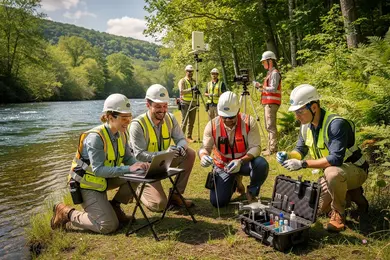
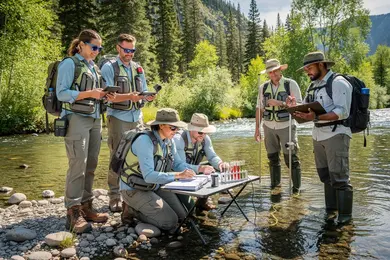
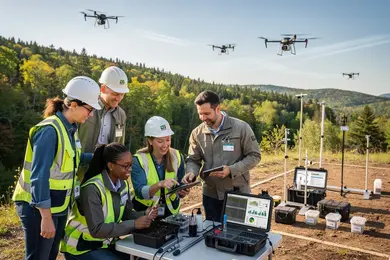
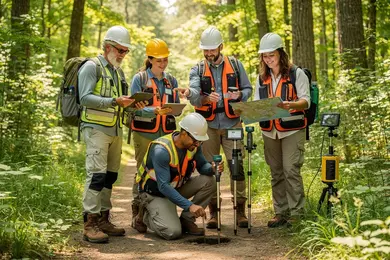
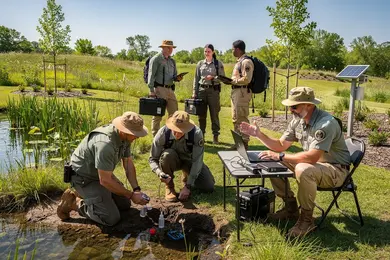
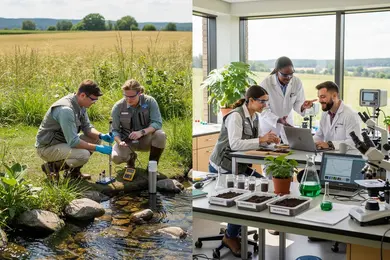
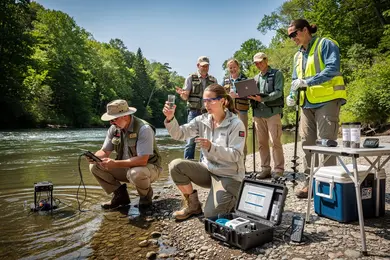
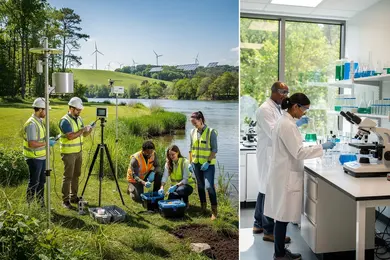
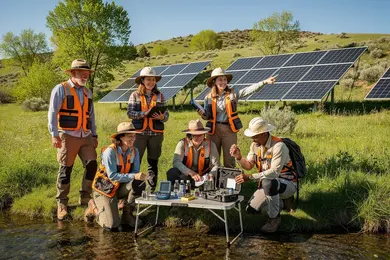
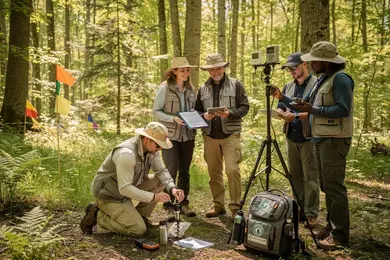
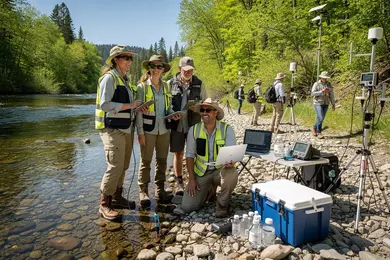
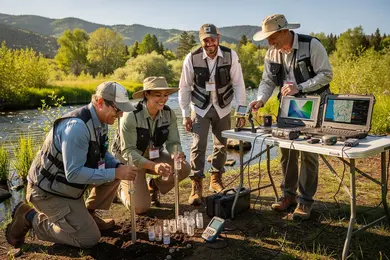
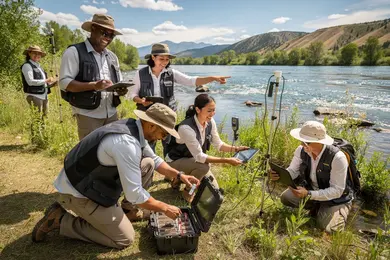
For this 2026 refresh, we added guidance on practical lab and field expectations that can affect whether an online environmental science program fits your location, schedule, and resources.
- Whether required labs are fully online, completed through kits, or require campus visits
- If fieldwork can be arranged near your home or must be completed at approved sites
- Any required equipment, software, safety gear, or internet specifications
- How weekend, summer, or short residency sessions are scheduled
- Whether transportation, lodging, or site fees may add to your total cost
- If local supervisors or workplace-based projects need advance approval
Checking these details early helps students avoid surprises after admission and choose an online environmental science degree that is academically eligible and realistically manageable.
Do Online Environmental Science Bachelor's Degree Programs Require SAT or ACT Test Scores?
Many online bachelor's programs in environmental science, especially those aimed at adult learners, have moved toward test-optional or entirely test-free admissions. This shift, widely adopted since 2020, reflects a broader effort to increase accessibility by minimizing the emphasis on SAT or ACT scores.
However, some programs still require these scores, particularly for merit scholarships, honors tracks, or highly competitive environmental science majors.
When standardized tests are needed, typical benchmarks range from an SAT score of 1050 to 1150 or an ACT composite between 20 and 25, aligning with national averages for accredited institutions. Because admissions policies are constantly evolving, prospective students should carefully review each program's official website or connect with admissions counselors to confirm current requirements.
- Test-Optional Policies: Since 2020, over 70% of colleges and universities nationwide have embraced policies allowing applicants to submit standardized test scores optionally, focusing more on holistic application reviews.
- Selective Requirements Remain: Scholarships and honors programs frequently maintain stricter testing benchmarks to identify top candidates, making score preparation important for those applicants.
- Score Benchmarks: Environmental science programs that require tests typically seek SAT scores between 1050-1150 or ACT scores from 20 to 25 as competitive thresholds.
- Adult Learner Advantages: Many institutions waive test score requirements for adult learners with relevant work experience or transfer credits, emphasizing practical skills instead.
- Policy Variability: Testing rules differ widely between schools, so reviewing specific admissions guidelines or speaking directly with representatives is essential.
Interestingly, a professional who enrolled in an online environmental science bachelor's program to pivot careers recalled feeling relieved when discovering his work experience could substitute for standardized test scores. He described the process as "refreshing yet daunting," noting that not having to submit ACT or SAT results allowed him to focus on crafting a strong application narrative instead.
Still, he advised prospective students to "double-check each program's current policies, because these rules can change unexpectedly."
How Many Total Credit Hours Are Needed to Complete an Online Environmental Science Bachelor's Degree?
Most online environmental science bachelor's degree programs require about 120 credit hours to complete, though some specialized tracks may demand up to 128 or 130 credits depending on the curriculum. These credits generally cover general education courses, major-specific core subjects, electives, and capstone or practicum experiences essential for hands-on learning.
The typical credit allocation often includes 40 to 50 credits in general education areas like English and math, 50 to 60 credits in environmental science core topics such as ecology and chemistry, and the remaining credits in electives tailored to personal interests or internships. Students should be aware of how semester credit hours (SCH) differ from quarter credit hours, as quarter systems require more credits due to shorter term lengths; for instance, 120 semester hours roughly equal 180 quarter hours.
Understanding this helps accurately track progress toward the total credits needed to graduate with an environmental science bachelor's online.
Prior learning credits, including Advanced Placement (AP) scores and College-Level Examination Program (CLEP) results, can reduce the credits needed, accelerating degree completion and lowering tuition costs. Adult learners and transfer students should explore how to apply existing credits for the most credit-efficient path.
For those weighing affordability and credit options, considering an affordable online criminal justice degree might offer useful insights into credit management strategies.
- Standard Credit Requirements: Environmental science bachelor's degrees usually require around 120 credit hours, with some tracks extending up to 130 credits depending on program length and specialization.
- Credit Distribution: Courses divide among general education, environmental science major requirements, electives, and practical capstone or internship experiences, providing both broad and focused knowledge.
- Semester vs. Quarter Credits: Semester credit hours cover longer academic terms; students from quarter-hour systems should convert credits carefully to meet degree standards.
- Credit Reduction Opportunities: AP, CLEP, and transfer credits can reduce total credits needed, allowing faster completion and cost savings.
- Hands-On Learning Credits: Capstone projects and practicum hours are crucial for applying theory to real-world scenarios and are integrated within the total credit requirements.
What High School Courses or Prerequisites Are Required Before Enrolling in an Online Environmental Science Bachelor's Degree?
Applicants generally need to complete high school courses in biology, chemistry, and algebra or higher math to qualify for online environmental science bachelor's degrees. These prerequisites build essential skills in scientific reasoning and quantitative analysis for topics like ecology and environmental chemistry.
While physics, earth science, and environmental studies are not required, they strengthen an application and support academic success by broadening foundational knowledge. Strong English composition and social studies classes also enhance critical thinking and writing abilities within the field.
Many programs accept community college credits or dual enrollment from high school to satisfy prerequisite requirements, helping students progress faster and gain college-level experience before full enrollment. For those missing required coursework, some schools offer bridge or remedial classes, but these may extend the overall time needed to finish the degree due to additional coursework.
- Core Prerequisites: Completion of biology, chemistry, and algebra ensures essential preparation for the scientific demands of environmental science.
- Supplementary Coursework: Taking physics, earth science, and advanced English or social studies courses improves readiness and complements core subjects.
- Credit Flexibility: Dual enrollment and community college courses can fulfill prerequisites, accelerating degree pathways.
- Remedial Options: Bridge courses provide options for those lacking prerequisites but may add time to completion.
- Academic Preparation: Meeting both mandatory and recommended prerequisites supports success in environmental science's theoretical and practical aspects.
A professional who pursued an online environmental science bachelor's degree recalled feeling uncertain initially about meeting all prerequisites and navigating credit transfers. She appreciated the availability of dual enrollment options that eased her transition and allowed her to focus more on advanced courses sooner.
"Bridge classes helped me catch up without feeling overwhelmed, though it did add a semester to my timeline," she noted. Reflecting on the process, she emphasizes that understanding prerequisite options early on reduces stress and makes the journey more manageable, ultimately setting a strong foundation for both academic achievement and career growth.
Can Transfer Credits Count Toward an Online Environmental Science Bachelor's Degree, and How Many Are Accepted?
Most accredited colleges permit students to transfer between 60 and 90 credits toward a bachelor's degree, but these limits vary depending on the institution's policies and degree requirements. Some schools are more flexible, especially those with articulation agreements where community colleges partner with universities to offer seamless credit transfers typically through 2+2 programs.
- Transfer Credit Limits: Many universities allow transfer credits up to around half or three-quarters of the overall graduation credits. Environmental Science programs often follow this range, accepting from 60 credits at institutions with stricter policies to as many as 90 credits at transfer-friendly schools.
- Transfer-Friendly Schools: Community colleges involved in formal agreements with universities generally facilitate smooth transitions. Students can complete initial coursework locally and then transfer directly into an environmental science bachelor's degree program.
- Restrictive Transfer Policies: Some universities impose tighter restrictions, particularly for courses outside the core environmental science curriculum. This approach ensures students fulfill key learning outcomes designated by the awarding institution.
- Transcript Review Process: Registrars evaluate transcripts by comparing course descriptions, syllabi, and content to determine equivalency with environmental science requirements. Only courses closely matching the program's rigor and topics are accepted.
- Non-Transferable Courses: Credits from unrelated subjects, remedial classes, or those with low grades typically do not transfer. Additionally, due to rapid changes in scientific knowledge, recent coursework taken directly in the environmental science program is often preferred.
- Early Evaluation Recommended: Applicants should request a formal transfer credit assessment during admissions to understand exactly which credits will count toward their degree. This step helps avoid surprises and plan their course load efficiently.
According to the National Center for Education Statistics, nearly 38% of bachelor's students transfer credits from other schools, underscoring the importance of clarifying transfer eligibility early in the enrollment process.
Does Accreditation Status Affect Admission Requirements for an Online Environmental Science Bachelor's Degree?
Accreditation plays a crucial role in shaping admission requirements for an online environmental science bachelor's degree and ensuring the program's credibility. Institutional accreditation, often regional or national, is recognized by the Council for Higher Education Accreditation (CHEA) or the U.S. Department of Education.
Regional accreditation confirms overall institutional quality and impacts credit transferability, easing transitions between schools or entry into graduate programs.
- Institutional Accreditation: This broad accreditation guarantees the college or university meets established educational standards, influencing credit acceptance and degree recognition nationwide.
- Programmatic Accreditation: Certain environmental science programs carry additional accreditation from specialized professional bodies. These accreditations often impose stricter admission criteria and maintain alignment with industry expectations, which can affect prerequisites and eligibility.
- Credit Transferability: Credits from regionally accredited schools are widely accepted, enabling smoother credit transfers. In contrast, credits from unaccredited or nationally accredited institutions may face rejection, limiting academic flexibility and potentially prolonging degree completion.
- Employer Recognition: Graduates holding degrees from accredited institutions enjoy stronger acceptance by employers and licensure boards. Degrees from unaccredited schools may hinder job prospects or professional certification efforts.
- Admission Caution: Prospective students must verify a program's accreditation before applying. Many graduate schools and licensure authorities do not recognize degrees from unaccredited institutions, which can restrict future educational and career pathways.
According to the National Center for Education Statistics, over 90% of employers prefer candidates with degrees from accredited institutions, emphasizing the importance of verifying accreditation status when pursuing an online environmental science bachelor's degree.
What Documents Do You Need to Apply for an Online Environmental Science Bachelor's Degree Program?
Applying to an online bachelor’s degree program in environmental science typically involves submitting a standard set of documents that allows schools to assess your academic history and preparedness. Preparing these requirements ahead of time can help streamline the application process and keep everything organized.
- Official Transcripts: Most online environmental science bachelor's programs require official high school transcripts to verify graduation and academic performance. If you have previously attended college, you must also submit official college transcripts. These must be sent directly from the issuing institutions to ensure their official status, a critical step for meeting the required application documents for online environmental science bachelor's program admission.
- Government-Issued ID: A valid government-issued photo ID, such as a driver's license or passport, is usually needed to confirm your identity. This verification aligns with federal regulations and helps ensure proper enrollment.
- Application Essays: Many programs ask for one or more essays that showcase your motivation, fit for the environmental science field, and career goals. These should highlight your interest in sustainability, ecology, or related disciplines.
- Supplemental Materials: Selective environmental science programs may request additional documents such as a portfolio displaying relevant academic or volunteer experience, letters of recommendation from teachers or supervisors, a résumé summarizing your background, or a personal statement explaining your ambitions in the field.
- Official vs. Unofficial Documents: Official documents are sent sealed and directly from the issuing schools or authorities. Unofficial copies, like scanned transcripts, may be accepted at first but often require official versions before enrollment. International students must provide certified English translations of any non-English documents to comply with U.S.-based program standards and ensure accurate evaluation.
- Start Early: Gathering these documents can be time-consuming, especially if you need several transcripts or recommendation letters. It's wise to begin this process 3-4 months before your application deadline, regardless of whether the program uses rolling or semester-based admissions. Starting early avoids delays and demonstrates your preparedness to the admissions team.
Additionally, consider researching financial aid pathways and transfer credit rules to maximize affordability and credit efficiency. Prospective students may also benefit from examining accredited programs and minimum GPA or test score policies when preparing to enroll in an environmental science degree program.
For those comparing degree options, exploring a sports management degree online may provide insight into program structures and admission requirements in related fields.
Are There English Language Proficiency Requirements for Non-Native Speakers Applying to an Online Environmental Science Bachelor's Degree?
Most accredited U.S. online environmental science bachelor's programs require non-native English speakers to demonstrate English language proficiency. This typically involves submitting scores from standardized tests such as the TOEFL iBT, IELTS Academic, or the Duolingo English Test to verify readiness for academic coursework.
Meeting these requirements is essential for success in an online learning environment focused on environmental science.
- Typical Score Requirements: Undergraduate applicants usually need TOEFL iBT scores ranging from 61 to 80, IELTS bands between 6.0 and 6.5, or equivalent Duolingo scores. These thresholds align with common English language proficiency requirements for non-native speakers enrolling in an online Environmental Science bachelor's degree.
- Exemptions: Applicants from countries where English is the primary language or those who have completed multiple years of education in English-medium schools often qualify for waivers, exempting them from submitting language test scores.
- Conditional Admission: Some programs offer conditional acceptance that includes enrollment in an ESL bridge or preparatory course for students whose language proficiency scores fall below the minimum. This helps students improve their English before fully starting environmental science coursework.
- Verification Process: Admissions offices review English proficiency as part of the overall application process. Prospective students should inquire with their chosen program about specific test requirements and acceptable scores to avoid delays.
- Documentation Tips: Submitting official test score reports with your application is important. Early preparation and familiarity with English proficiency criteria help prevent admission delays or rejections and support a smooth start to your degree path.
For more comprehensive details about career pathways and degree options, consider exploring what can you do with an environmental studies degree.
Do Online Environmental Science Bachelor's Degree Programs Accept CLEP Exams or Prior Learning Credits?
The College-Level Examination Program (CLEP) allows students to earn college credit by passing exams in various subjects. A score of 50 or higher, as advised by the American Council on Education (ACE), is accepted for credit by more than 2,900 colleges. However, CLEP credit acceptance varies by institution, with some Environmental Science programs applying it broadly and others limiting it to general education courses.
Beyond CLEP, other prior learning assessments (PLA) such as DANTES/DSST tests, portfolio-based credits, and recognition of professional certifications, military training, or related work experience can also help shorten degree completion time and reduce tuition costs.
- Institutional Variation: Acceptance of CLEP and other prior credits depends heavily on each school's policies; some schools may restrict these credits to general education, while others may apply them more widely within the Environmental Science curriculum.
- ACE Score Guidelines: The recognized passing score for CLEP is 50, yet specific schools might impose different minimum score requirements, so verifying with the institution is critical.
- Alternative PLA Options: In addition to CLEP, options like DANTES/DSST exams, portfolios, and credits for military or professional experience can contribute toward academic credit.
- Early Registrar Contact: Prospective students should consult the registrar's office early to clarify which prior learning credits qualify, enabling a faster and more cost-effective path through their Environmental Science degree.
Are There Residency or In-State Tuition Requirements That Affect Enrollment in an Online Environmental Science Bachelor's Degree?
Many public universities offer online students in-state tuition regardless of physical residence, often supported by the State Authorization Reciprocity Agreement (SARA). This agreement lets institutions in participating states enroll students from other member states without needing separate state approvals, simplifying access to affordable online education for environmental science students across state lines.
- SARA Overview: This pact facilitates cross-state enrollment by allowing member institutions to offer online courses without securing additional state authorization, broadening availability for students nationwide.
- Tuition Differences: Despite SARA, some schools maintain out-of-state tuition fees for online programs. It's crucial to verify tuition charges with the admissions office beforehand to avoid unexpected expenses.
- Residency Proof: To qualify for in-state rates, students often need documentation such as utility bills, voter registration, or a driver's license confirming state residency. Collecting these papers helps secure lower tuition costs.
- Financial Preparation: Being aware of residency policies and tuition structures before enrollment aids in budgeting and maximizing financial aid, especially when fees vary widely between resident and nonresident students.
What Graduates Say About Preparing for the Online Environmental Science Bachelor's Degree Requirements
- Joaquin: "When I first started researching online environmental science programs, understanding the exact admission requirements really gave me a leg up. Knowing what documents and prerequisites were needed saved me from unnecessary delays and helped me stay focused on what mattered. This clarity was crucial in paving the way for me to build a meaningful career aligned with my passion."
- Louise: "Reflecting on my journey, having a strong grasp on credit policies and eligibility criteria made all the difference. It allowed me to transfer credits efficiently and avoid retaking courses, which shortened my path to graduation. The program's flexibility also helped me balance work and study, ultimately boosting my professional growth in the environmental sector."
- Joan: "Choosing to pursue an online environmental science degree transformed my career trajectory. From the outset, I emphasized understanding the admission requirements and credit acceptance policies to ensure a smooth entry and progress. This foresight paid off by equipping me with the knowledge and credentials needed to confidently advance in my field."
Other Things You Should Know About Environmental Science Degrees
To successfully participate in an online environmental science bachelor's degree program in 2027, students will typically need a reliable computer with a high-speed internet connection. Most programs also require up-to-date operating systems, web browsers, and compatible software for accessing course materials and participating in virtual labs and discussions.
Typically, an online environmental science bachelor's degree takes about four years to complete when attending full-time. Part-time students or those balancing work and study may require additional time, usually between five to six years. Some accelerated programs or transfer students with prior credits can finish the degree more quickly.
References
- Environmental Science - Concentration: Natural Science (BS) https://catalog.ggc.edu/preview_program.php
- Academic Catalog https://academic-catalog.uscupstate.edu/academic-regulations/credit-prior-learning/
- In-State Tuition and State Residency Requirements - Finaid https://finaid.org/otheraid/stateresidency/
- Online BS in Geography and Environmental Science | Texas State https://online.txst.edu/degrees/undergraduate/bachelor-geography-environmental-studies/
- Bachelor of Science With Honours (Environmental Science) https://www.ukm.my/studyukm/environmental-science-bachelor-of-science-hons/
- College-Level Examination Program (CLEP) Scores and Credit https://bulletin.sfsu.edu/undergraduate-education/standardized-external-examinations/clep/
- CLEP Exams | Shasta College https://www.shastacollege.edu/counseling/credit-for-prior-learning/clep-exams/
- Bs Environmental Sciences https://www.gotouniversity.com/programs/bachelors/united-states-of-america/sciences/atmospheric-sciences-and-meteorology/montana-state-university/bs-environmental-sciences
- Ask 10 Questions About Transferring Credits to Online Bachelor's Programs https://www.yahoo.com/news/ask-10-questions-transferring-credits-online-bachelors-programs-133000989.html
- Bachelor of Science degree with a major in Environmental Science & Management https://applyzones.com/bachelor-of-science-degree-with-a-major-in-environmental-science-management-cou52823