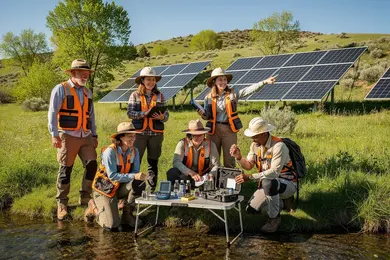
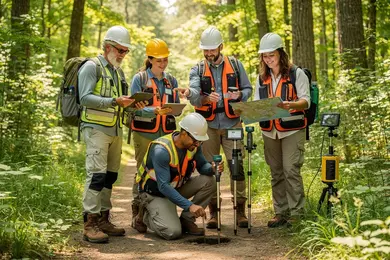
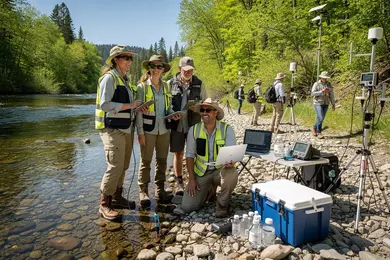
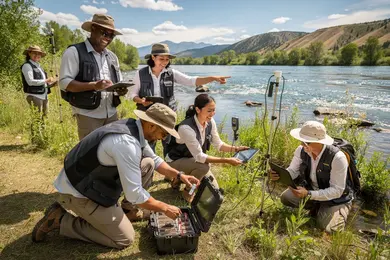
2027 Online Environmental Science Bachelor's Degrees for Veterans and Military Students

Co-Founder and Chief Data Scientist
Transitioning from active duty to civilian life challenges many military-affiliated learners, especially when balancing education with ongoing commitments. Veterans and service members often seek flexible paths to apply their experience and access GI Bill benefits effectively. With over 40% of veterans enrolling in online programs, digital education offers crucial adaptability amid relocations and reintegration. The growing environmental sector shows promise, with a projected 8% job growth in environmental science roles through 2031.
Online environmental science bachelor's degrees provide tailored solutions that align with veterans' unique needs, helping them build relevant skills and advance their careers. This article explores key factors veterans should consider when choosing these programs and available resources to support their academic success.
Key Benefits of Online Environmental Science Bachelor's Degrees for Veterans and Military Students
- Online environmental science degrees offer flexible schedules, enabling veterans to balance education with active duty or civilian responsibilities efficiently.
- Programs accessible from any location support learning during deployments or frequent relocations, helping maintain academic progress uninterrupted.
- These degrees assist career transitions by providing skills aligned with growing green job markets, enhancing long-term employment and advancement opportunities for military students.
How Do Online Environmental Science Degrees Work for Service Members?
Online environmental science bachelor's degree programs for active-duty service members and veterans typically deliver coursework and lectures through accessible digital platforms. These programs offer recorded lectures, comprehensive reading materials, and interactive multimedia content that students can engage with remotely. Assignments and exams are submitted electronically via learning management systems, which also facilitate communication with instructors through discussion boards and feedback tools. Most courses use asynchronous formats, allowing students to complete weekly tasks on their own schedule, though some may offer limited synchronous sessions for live participation. This structure supports timely progress without requiring fixed attendance, critical for those balancing military duties.
The flexibility of online environmental science degrees for veterans and active service members is a key feature, accommodating unpredictable schedules and frequent changes in availability. Programs are organized into focused modules covering topics like ecology and resource management, with deadlines balanced to respect the demands of military life. Virtual labs and simulation tools provide practical experience remotely, eliminating the need for physical presence on campus. Remote academic advising and technical support further assist students in managing coursework and planning. Those interested can also explore related flexible educational options, such as an online MBA, which shares similar design philosophies for accommodating busy professionals.
Are Online Environmental Science Degrees for Military Students Accredited?
Accreditation is a vital process for online environmental science degree programs, ensuring that they meet established standards of academic quality and integrity. For these programs, regional accreditation from agencies like the Higher Learning Commission (HLC), Southern Association of Colleges and Schools Commission on Colleges (SACSCOC), or Middle States Commission on Higher Education (MSCHE) is most commonly recognized. These bodies assess colleges and universities to verify that curricula, faculty qualifications, and student learning outcomes align with rigorous educational benchmarks. While program-specific accreditation is rarer in environmental science, it can also contribute to the credibility of specialized scientific programs. Military students seeking online environmental science degrees should prioritize accredited institutions to ensure their education is recognized and valued.
For military-affiliated learners and veterans, attending accredited environmental science programs is particularly important as it directly impacts the degree's value with employers, licensing boards, and educational institutions. Approximately 90% of employers prefer or require candidates to hold degrees from accredited schools, a statistic that highlights the career advantages of accredited credentials. Accreditation assures military students that their educational experience will maintain high standards, providing confidence that their qualifications will be respected across diverse professional settings. This is why numerous veterans specifically look for accredited environmental science programs for veterans, which support their unique needs and career goals. Those seeking flexible options may consider an accelerated online bachelor's degree to efficiently gain accredited credentials recognized by employers and academia alike.
Does the GI Bill Cover Online Environmental Science Bachelor's Degrees?
Many online environmental science bachelor's degree programs may be eligible for GI Bill benefits if they meet specific Department of Veterans Affairs (VA) approval standards. Veterans and service members can apply their GI Bill funds toward accredited online degrees, provided these programs qualify under VA guidelines. Recent VA data shows that close to 30% of GI Bill beneficiaries have enrolled in online courses, highlighting the increasing acceptance of distance learning.
Key components of GI Bill coverage for online environmental science degrees include:
- Tuition and Fee Coverage: The GI Bill generally pays tuition up to the in-state public university rate or the actual school charges if lower, which often applies to online programs. This ensures veterans can attend many online options without extra out-of-pocket costs.
- Housing Allowance for Online Learners: Unlike on-campus students who receive a housing allowance based on the school's location, online students typically get a fixed monthly housing stipend calculated at a national average rate.
- Minimum Enrollment Requirements: To access full benefits, students must enroll at least half-time in their online environmental science courses. This standard remains consistent regardless of learning format.
- VA-Approved Programs: Only degree programs that have received VA approval qualify for GI Bill benefits. Many established fully online environmental science programs meet these requirements, but verifying each program's status is essential.
- Benefit Duration: GI Bill benefits usually last up to 36 months, ample time for completing most bachelor's degrees fully online.
A veteran currently pursuing her environmental science degree online shared that navigating the paperwork to confirm her program's VA approval was initially daunting. However, she found the flexibility of the online format invaluable for managing her family responsibilities alongside coursework. "Knowing the GI Bill helps with tuition and even a housing stipend made it easier to commit," she said, emphasizing that the financial support alleviated a lot of stress. Her experience underscores the importance of confirming eligibility but also highlights how the GI Bill can make pursuing an online environmental science degree a practical, achievable goal for many veterans.
How Much Does an Online Environmental Science Bachelor's Degree Cost for Veterans?
The total tuition for an online Environmental Science bachelor's degree for veterans and military members typically falls between $10,000 and $40,000. Public institutions offering online undergraduate programs average around $9,000 per year, though private schools and out-of-state tuition can raise costs considerably. Several factors contribute to this wide pricing range.
- School Type: Tuition at public universities is generally more affordable, especially for residents, while private colleges tend to have higher rates regardless of residency.
- Residency Status: Veterans qualifying for in-state tuition pay less; however, some schools extend in-state rates to military-affiliated students regardless of their home state, reducing financial barriers.
- Program Length: Accelerated programs or those allowing transfer credits enable students to complete their degree more quickly, effectively lowering tuition by reducing time enrolled.
- Military Discounts and Tuition Assistance: Many institutions offer veteran-specific scholarships, reduced tuition rates, or military education benefits that directly lower the overall cost of the degree.
- Additional Fees: Expenses such as technology access, course materials, and administrative charges vary by program and can impact total education costs beyond tuition.
Can Military Experience Count Toward an Online Environmental Science Bachelor's Degree?
Many institutions offer academic credit for military experience that aligns with the coursework of online environmental science bachelor's degrees. This recognition allows veterans and active-duty service members to use their technical skills and training to advance their education efficiently.
- Transfer Credit Evaluation: Colleges often review official military transcripts, such as those from the American Council on Education (ACE), to identify courses or training that equate to specific environmental science requirements. This helps translate military learning into academic credits.
- Prior Learning Assessment (PLA): Programs may conduct PLA by evaluating detailed military records, training documentation, and duty descriptions. Through this process, relevant competencies can be validated and credited toward degree progress.
- Alignment with Coursework: Technical training and field experience gained during service often correspond to general education or specialized environmental science courses. This can fulfill prerequisites or substitute for lab and research credits.
- Documentation Review: Additional evidence such as certificates and manuals may be requested to fully assess the applicability of military experience, ensuring accurate credit awards.
- Advising and Benefits Utilization: Early consultation with academic advisors can help military-affiliated students navigate credit policies and maximize the use of veterans benefits for environmental science bachelor's degree credits. Options exist to tailor an educational path that complements prior service.
Military students interested in accelerated degree paths can explore accelerated MFT programs online as part of a broader educational strategy.
How Do Military Students Apply to Online Bachelor's Programs?
Military students applying to online bachelor's programs in environmental science generally navigate a process that balances structure with flexibility to suit their unique circumstances. Veterans represent about 6% of all online college enrollees in the U.S., highlighting the growing trend of service members pursuing higher education through adaptable formats. Below are key steps commonly involved in these application procedures.
- Submitting Academic Records: Applicants need to provide official transcripts from high school or any previously attended colleges to verify their academic history and readiness for undergraduate coursework in environmental science.
- Providing Military Documentation: Military service members supply relevant paperwork such as DD-214 discharge forms or active-duty verification to qualify for military-specific benefits and tailored support services.
- Completing the Online Application: Prospective students fill out an institution's online application, which typically requests personal details, educational background, and sometimes information about their military experience or service status.
- Meeting Program Prerequisites: Many environmental science programs require foundational knowledge in subjects like biology, chemistry, or math; applicants must demonstrate completion of these prerequisites to ensure preparedness for advanced study.
- Participating in Interviews or Submitting Statements: Some schools request interviews or personal essays to assess candidates' motivations and goals related to studying environmental science, providing a chance to highlight commitment and career objectives.
This approach helps ensure military-affiliated students are appropriately placed and have access to services designed to support their academic and personal needs. Flexible deadlines and dedicated military admissions counselors at many schools also ease the application process. It's important for applicants to carefully check specific requirements for each program, as additional steps or recommendations may vary.
Are Online Environmental Science Degrees Self-Paced for Military Students?
Flexibility in online environmental science bachelor's degree programs for military students varies widely, shaped by how institutions structure their courses and delivery methods. While some programs support fully self-paced learning, others blend fixed schedules with adaptable deadlines to accommodate military commitments. According to a report by the National Center for Education Statistics, around 40% of military-affiliated students prefer asynchronous or self-paced online courses to better manage deployments and duty schedules. Below is a breakdown of common program formats designed with military learners in mind.
- Fully Self-Paced Learning: This format lets students progress independently through coursework without fixed deadlines, submitting assignments and exams when ready. It suits military students facing unpredictable schedules or deployments requiring timing flexibility.
- Asynchronous Classes: Most online environmental science programs offer asynchronous lectures and materials accessible anytime during the week. This allows service members to study on their own time while balancing duty obligations.
- Structured Term-Based Courses with Flexible Deadlines: Some programs use traditional semester or quarter calendars but offer flexible submission windows or deadline extensions. This helps military students meet academic requirements despite shifting missions or deployments.
- Hybrid Pacing Models: Combining synchronous live sessions with asynchronous coursework, these models provide structured interactions alongside options to complete assignments at a flexible pace tailored for military learners.
A military student enrolled in an online environmental science bachelor's degree shared that managing coursework while stationed overseas required constant adaptation. "Sometimes I had to pause and catch up later because of sudden orders," he explained. He appreciated programs that offered lenient deadlines and asynchronous classes, saying, "It made all the difference when I could access lectures anytime after a long shift." Yet, he noted the challenge of staying motivated without regular live classes, highlighting the need for supportive faculty and clear communication to succeed under such flexible formats.
Can Military Students Study While Deployed?
Many online environmental science bachelor's programs are specifically designed with flexibility to support military students while deployed. These programs recognize deployment challenges and integrate strategies to ensure service members can maintain academic progress despite operational demands. Below are key ways students can successfully continue their studies during deployment.
- Asynchronous Learning Access: Courses allow students to access lectures, assignments, and materials at any time, removing the need for live attendance and accommodating varying schedules caused by deployment duties.
- Mobile-Friendly Platforms: Programs often provide access via smartphones or tablets, enabling coursework completion when traditional computers or stable internet connections are unavailable, which is essential for flexible environmental science degrees for deployed military personnel.
- Offline Coursework Options: Students can download materials before deployment and submit assignments when internet access is restored, allowing academic work to continue uninterrupted despite connectivity issues.
- Extended Deadlines and Flexible Exam Scheduling: Adjusted timelines help service members manage unpredictable deployment schedules without the pressure of strict deadlines, promoting a balanced approach between service and education.
- Academic Support Services for Deployed Students: Dedicated military-friendly advisors and online tutoring tailored to service member schedules provide personalized guidance and foster academic success during deployment.
For military students seeking to enhance their skills beyond environmental science, options like an MBA entrepreneurship online offer additional flexible learning opportunities suited to active-duty lifestyles.
What Are the Best Military-Friendly Online Colleges for Environmental Science Degrees?
When considering the best military-friendly online colleges for environmental science degrees, the focus is on institutional qualities rather than specific school names. These institutions prioritize flexible policies and support systems that meet the unique needs of veterans, active-duty service members, and military-affiliated students. Recent studies indicate that nearly 40% of veterans pursuing higher education choose online programs for their accessibility and adaptability.
Military-friendly institutions for online environmental science bachelor's degrees commonly include:
- Public Universities With Strong Online Divisions: These universities often provide competitive tuition rates for in-state and military-connected students, alongside robust online learning platforms that accommodate various schedules. Their established infrastructure supports a wide range of asynchronous courses, beneficial for military personnel managing deployments or irregular hours.
- Schools With Dedicated Military Support Offices: Institutions with specialized offices streamline VA benefits processing, offer personalized counseling, and help military students navigate administrative complexities, easing the transition to civilian academic environments.
- Institutions Offering Flexible Asynchronous Learning Models: Asynchronous coursework empowers students to learn at their own pace without fixed class times, which is crucial for active service members balancing unpredictable commitments.
- Competency-Based Education Providers: These programs assess students' mastery of environmental science competencies, allowing those with prior experience to accelerate degree completion significantly, optimizing time and resources.
Veterans and military students seeking top accredited online environmental science degree programs for veterans can find various options designed to support their career goals. For example, schools offering military-specific scholarships enhance affordability and reduce financial barriers. To explore program affordability within related fields, consider reviewing the cheapest data science masters in USA as a comparative reference point for cost-effective educational pathways.
Do Online Environmental Science Bachelor's Degrees Help Military Transition to Civilian Careers?
Online environmental science bachelor's programs offer military students a flexible way to develop skills essential for civilian workforce success. Veterans tend to have about a 2% lower unemployment rate than nonveterans of similar age groups, highlighting improved transition outcomes when backed by relevant education. These programs blend technical training with soft skills development to strengthen readiness for diverse civilian roles.
Key areas of support include:
- Transferable Technical Skills: Coursework covers environmental data analysis, GIS, and field techniques, equipping students with expertise valuable in government, consulting, and nonprofit sectors.
- Communication and Teamwork: Collaborative projects and presentations enhance leadership and interpersonal abilities, reflecting and adapting military discipline for civilian environments.
- Professional Adaptability: Exposure to dynamic environmental issues fosters critical thinking and flexibility, essential for problem-solving amid rapid change.
- Digital Literacy: Frequent use of specialized software and online platforms helps bridge the digital gap between military and civilian workplaces.
Designed to accommodate the demanding schedules and relocations common to military life, these online programs enable steady academic progress alongside service and family commitments. Through this balanced approach, military-affiliated students gain the comprehensive skill set needed to smoothly transition into civilian environmental science careers.
What Graduates Say About Online Environmental Science Bachelor's Degrees for Veterans and Military Students
- Allan: "The program's flexibility was a game-changer for me as an active duty service member. Balancing deployments and coursework was manageable thanks to their accommodating schedule. Plus, the practical environmental science curriculum helped me apply real-world solutions to challenges in my military role."
- Gwyneth: "Transitioning to civilian life was daunting until I enrolled in the online environmental science bachelor's degree program. The career support tailored for veterans connected me with industry mentors and job placement opportunities. This degree truly opened doors I hadn't imagined before."
- Jason: "Graduating with a degree in environmental science enhanced my professional capabilities both in and out of uniform. The coursework strengthened my analytical skills and environmental awareness, which are critical in my current role in defense contracting. I appreciate how the program respects military students' unique experiences and needs."
Other Things You Should Know About Environmental Science Degrees
Online environmental science programs often include lab components that can pose challenges for military students due to deployment or location constraints. Many accredited programs address this by offering virtual labs, at-home kits, or partnerships with local facilities where students can complete hands-on work. Flexibility in scheduling and alternative lab assignments are common to accommodate military obligations.
Military students may transfer credits from relevant technical training or prior college coursework toward an environmental science degree, especially in subjects like biology, chemistry, or physics. Credit evaluation typically depends on the receiving institution's policies and how closely the training aligns with degree requirements. Veterans are encouraged to work closely with academic advisors to maximize transfer credit and reduce time to degree completion.
Beyond the GI Bill, military students can access scholarships, grants, and tuition assistance programs specifically designed for veterans and active-duty personnel. Many universities offer military-friendly scholarships that support environmental science students, and organizations such as the Pat Tillman Foundation provide funds for service members pursuing higher education. Additionally, FAFSA applications can help secure federal and state aid to supplement military benefits.
References
- 2025 Best Military-Friendly Online Colleges https://www.onlineu.com/online-schools/military-friendly
- Online Environmental Science Degree | BS Environmental Science | University of Phoenix https://www.phoenix.edu/online-liberal-arts-degrees/environmental-science-bachelors-degree.html
- Online Degrees for Military https://www.umgc.edu/military-and-veterans/online-degrees
- Top Environmental Science Degrees for Veterans Interested in Fieldwork https://www.educationdirectory.net/articles/the-best-environmental-science-degrees-for-veterans-who-like-field-work
- Bachelor of Science in Environmental Science | Royal Roads University https://www.royalroads.ca/programs/bachelor-science-environmental-science
- Change the World: Become an Environmental Scientist | Jobs for Veterans | G.I. Jobs https://www.gijobs.com/environmental-scientist-jobs-for-veterans
- Online Degrees for Veterans: Why Flexible Learning is a Great Fit https://www.ucumberlands.edu/blog/benefits-of-online-degrees-for-veterans
- Getting a Degree While in the Military: What to Know https://www.columbiasouthern.edu/blog/blog-articles/2023/june/getting-a-degree-while-in-the-military/
- Veterans Transform to Civilian Success U.S. Veterans Magazine https://usveteransmagazine.com/usvm/beyond-the-uniform-veterans-transform-their-service-into-civilian-success/
- Federal Programs Support Diverse Environmental Workforce Opportunities for Veterans https://www.eesi.org/articles/view/federal-programs-support-diverse-environmental-workforce-opportunities-for-veterans