2027 Online Environmental Science Bachelor's Degree Programs for Adult Learners Returning to School

Co-Founder and Chief Data Scientist
Many adult learners aiming to switch careers or enhance their qualifications struggle to find flexible options that accommodate work and family commitments. Returning to school for an environmental science bachelor's degree often seems daunting due to time constraints and complex scheduling. According to the National Center for Education Statistics, over 40% of online college students are aged 30 or older, highlighting growing demand among adults for accessible education.
This article explores online environmental science bachelor's degree programs tailored for adult learners, focusing on flexibility, curriculum relevance, and career outcomes to help readers choose suitable programs that fit their unique needs.
Key Benefits of Online Environmental Science Bachelor's Degree Programs for Adult Learners Returning to School
- Online environmental science programs offer flexible scheduling, enabling working adults to balance education with professional and personal commitments efficiently.
- These degrees emphasize practical skills like data analysis and fieldwork application, enhancing career advancement opportunities in growing green sectors.
- Programs foster strong professional and peer networks through virtual collaboration, crucial for job placement and continued development within environmental industries.
Who Qualifies as an Adult Learner in an Online Environmental Science Bachelor's Degree?
Adult learners in online higher education often return to pursue a bachelor's degree after a significant break or juggle their studies alongside work and family duties. More than 70% of students enrolled in fully online programs are aged 25 or older, showing a strong presence of nontraditional students. This trend is especially relevant for those seeking flexible online environmental science bachelor's degree programs. Below are common categories of adult learners who meet the criteria for adult students returning to environmental science degree studies.
- Working Professionals: These individuals pursue online degrees to advance their careers or transition into environmental roles, balancing current jobs with their educational goals.
- Career Changers: Adults shifting from unrelated fields return to school to acquire new skills and credentials in environmental science, enabling them to enter sustainability, conservation, or related sectors.
- Parents and Caregivers: This group values adaptable scheduling that online formats provide, helping them integrate family responsibilities while progressing toward their environmental science degree.
- Military Veterans: Veterans often utilize online programs to continue education while transitioning to civilian jobs that benefit from environmental science knowledge and experience.
- Returning Students: Those resuming education after a break seek accessible programs that accommodate their updated personal and professional circumstances and align with the criteria for adult students returning to environmental science degree completion.
Adult learners looking for opportunities to complete their studies can explore various degree options. For example, programs like MSW programs online illustrate how flexible online education meets the needs of diverse adult student populations.
What Are the Admission Requirements for an Online Environmental Science Bachelor's Degree for Adult Learners?
Admission requirements for an online environmental science bachelor's degree for adult learners are designed to accommodate nontraditional educational paths while ensuring students are academically prepared for the coursework. These admissions standards recognize diverse backgrounds and provide a flexible but thorough approach to enrollment. Below are common criteria adult learners can expect when applying.
- Proof of Prior Education: Most programs require a high school diploma or equivalent credential such as a GED. This ensures that applicants have the foundational knowledge needed to handle college-level studies and meet online environmental science degree admission criteria for adult learners.
- Application Submission: Applicants must complete an application form that typically requests personal details, educational history, and sometimes a statement explaining their goals in the environmental science field. This step helps schools evaluate the candidate's motivation and commitment.
- Academic Transcripts: Official transcripts from previous institutions are essential to assess academic performance, especially in science and math courses critical to the environmental science degree. Review of transcripts also relates to transfer credit policies for environmental science bachelor's programs, which vary by school.
- Online Learning Readiness: Since the program is virtual, many schools require evidence of basic readiness for online studies. This might include a technical skills survey, questionnaire, or brief interview to assess time management and independent study habits.
For adult learners seeking flexible and affordable options, exploring resources such as the cheapest online engineering degree programs may offer insights into comparable online degree affordability and quality.
2026 Update: Planning Lab and Fieldwork Requirements Before Enrolling
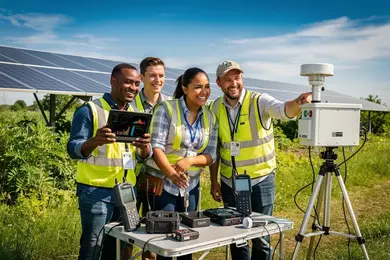
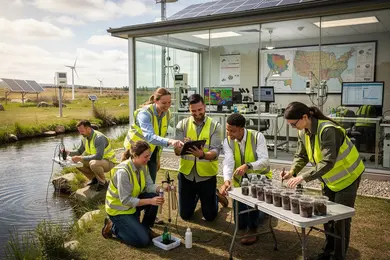
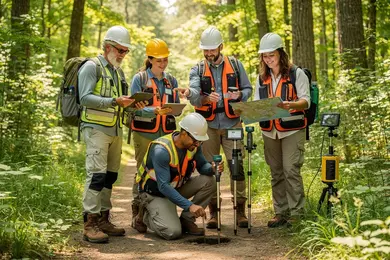
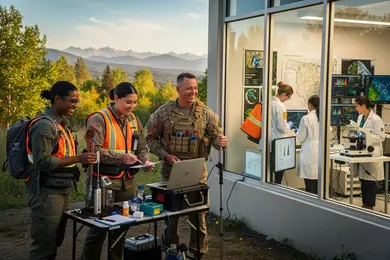
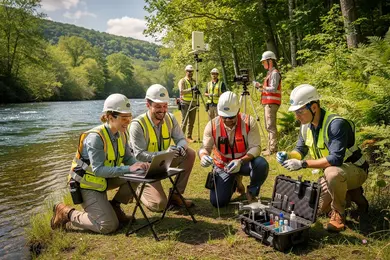
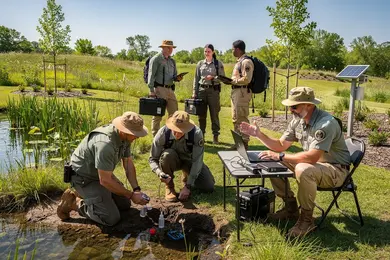
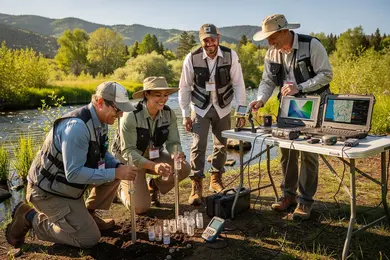
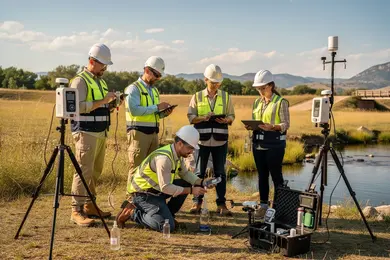
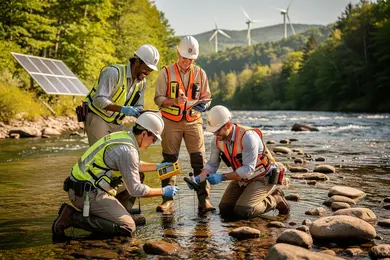
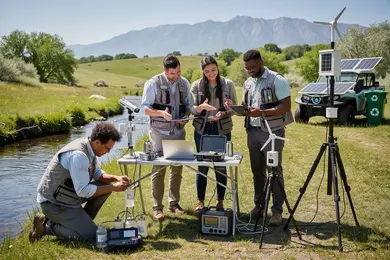
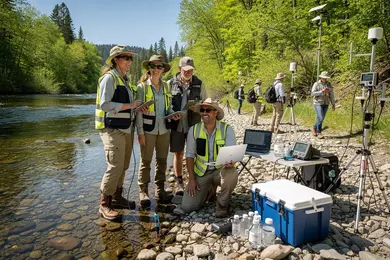
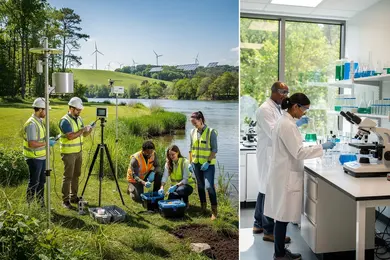
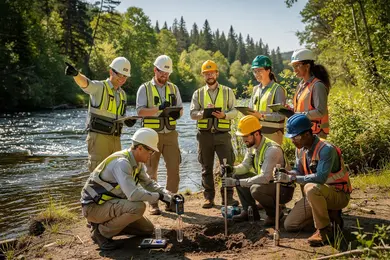
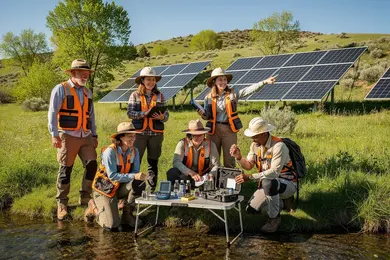
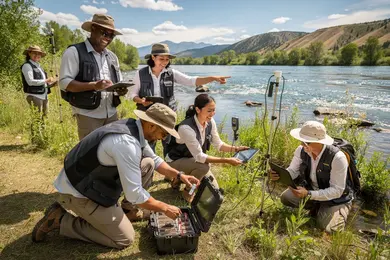
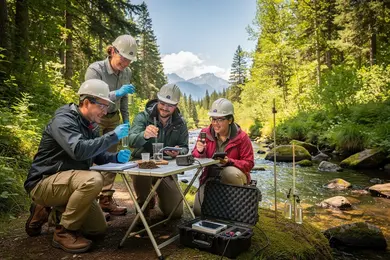
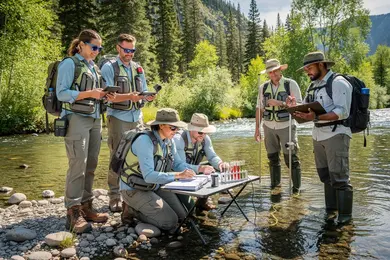
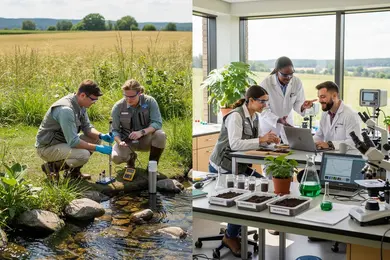
For this 2026 refresh, we added a closer look at the hands-on components adult learners should verify before choosing an online environmental science bachelor’s degree, since labs, field observations, and local projects can affect scheduling.
- Whether science labs are fully online, completed with home lab kits, or require campus visits.
- How fieldwork is arranged for students who live far from the school.
- Whether local parks, workplaces, agencies, or community sites can be used for approved projects.
- How much advance notice is given for any in-person weekend or summer requirements.
- What technology, software, or equipment students must provide for data collection and analysis.
- Whether faculty help adult learners adapt field assignments around work and family obligations.
Checking these details early helps returning students avoid surprise travel, time off from work, or added costs while choosing a program that fits real-life responsibilities.
Do Adult Learners Need SAT or ACT for an Online Environmental Science Bachelor's Degree?
Adult learners pursuing an online environmental science bachelor's degree typically are not required to submit SAT or ACT scores as part of their admission process. Instead, many programs assess applicants based on their previous academic records and demonstrated preparedness for college-level work. Reflecting a nationwide trend, over 80% of four-year colleges and universities have embraced test-optional or test-free admissions policies, aiming to create more inclusive opportunities for students with diverse experiences.
These policies acknowledge that standardized exams may not fully capture the capabilities of nontraditional students, whose work history, prior credits, and professional achievements often provide a stronger indication of potential success. As a result, for those returning to education later in life, the elimination of standardized testing requirements helps reduce barriers and improve access to degree completion.
When asked about his experience, an adult learner currently enrolled in an online environmental science bachelor's program shared that navigating admissions felt less stressful without the need for SAT or ACT scores. He explained, "I was worried about having to take a test I hadn't prepared for in years, but the application focused more on my previous college classes and work background, which felt fair."
He found that this approach helped him concentrate on demonstrating his readiness rather than test performance. "The admissions staff seemed to really value my environmental internships and volunteer work, which made me feel like my real-world experience mattered," he added, describing the process as encouraging and supportive throughout his return to education.
How Flexible Are Online Environmental Science Bachelor's Degree Programs for Adult Learners?
Flexibility stands out as a crucial advantage for adult learners pursuing flexible online environmental science degree programs for adult learners. Balancing careers, family, and schooling demands often requires adaptable schedules. In fact, 73% of online students in a 2023 National Center for Education Statistics report emphasized flexibility as a primary factor in their choice of online education. This adaptability helps maintain a healthy work-life balance while advancing academic goals. Below are key flexibility features typical of these adult learner friendly online environmental science bachelor's programs.
- Asynchronous Learning: Courses are designed so students can access lectures and assignments anytime, allowing learners with busy or irregular schedules to study without time conflicts.
- Part-Time Enrollment: Students may opt for a reduced course load, balancing educational pursuits with job or family responsibilities over a longer timeline without pressure.
- Accelerated Pacing: For those aiming to finish sooner, some programs provide accelerated options that condense coursework to shorten degree completion times.
- Self-Paced Study: Learners can progress through material at their own speed, ensuring comprehensive understanding before advancing to new topics.
- 24/7 Resource Access: Around-the-clock availability of lectures, readings, and discussion forums caters to diverse schedules, empowering students to study when it suits them best.
Adult learners may also explore related fields by considering the cheapest online criminal justice degrees available through reputable online platforms.
Can I Transfer Previous College Credits to an Online Environmental Science Bachelor's Degree?
Many online bachelor's degree programs in environmental science accept transfer credits, helping students complete their degrees faster and avoid retaking familiar courses. About 38% of undergraduates enroll as transfer students, emphasizing the role of credit transfer in higher education today. Here are key considerations when transferring credits to an online environmental science program:
- Evaluation of Prior Coursework: Schools review previous transcripts to verify that transferred credits fit their curriculum and meet academic standards, ensuring relevance and quality.
- Credit Limits: Programs often cap the number of transferable credits to maintain academic integrity and ensure students engage adequately with core material.
- Relevance to Environmental Science: Typically, only courses related to environmental science, general education, or closely aligned natural sciences are accepted; unrelated subjects may not transfer.
- Benefits for Adult Learners: Transfer policies recognize past learning, enabling adult students to save time and reduce expenses, which is especially valuable for those balancing school with other responsibilities.
- Institution-Specific Policies: Transfer rules can differ widely, so consulting advisors or admissions staff is important to understand individual program requirements.
One adult learner who completed an online environmental science bachelor's degree shared her experience navigating credit transfer. She recalled the initial uncertainty about which credits would count and the careful documentation required to support her prior coursework. Although some credits didn't transfer, she appreciated the flexibility the program offered and noted that being able to apply many previous classes shortened her journey considerably. "It made going back to school feel attainable," she said, emphasizing how credit transfer eased both the financial and time commitments involved in finishing her degree.
Does Work Experience Count Toward an Online Environmental Science Bachelor's Degree?
Many online environmental science bachelor's programs designed for adult learners acknowledge that professional experience can count toward academic credit. In fact, around 51% of U.S. colleges provide credit through prior learning assessments (PLA), embracing the value of real-world skills in educational progress. The following methods are commonly used to evaluate and credit prior work experience:
- Prior Learning Assessments: Students present documented proof of training or job-related learning, which faculty evaluate to grant course credits that match degree requirements.
- Portfolio Reviews: Learners build comprehensive portfolios showcasing knowledge and abilities gained through professional roles, which are measured against academic standards.
- Competency-Based Evaluations: Some programs assess students' mastery of skills obtained outside the classroom through exams or practical tests, allowing them to earn credit for demonstrated expertise.
- Industry Certifications: Recognized environmental certifications or licenses may fulfill certain course prerequisites by aligning with program outcomes.
- Articulated Credit Agreements: Partnerships between institutions and employers can facilitate streamlined credit recognition for relevant workplace experience, making degree completion more efficient.
How Much Does an Online Environmental Science Bachelor's Degree Cost for Adult Learners?
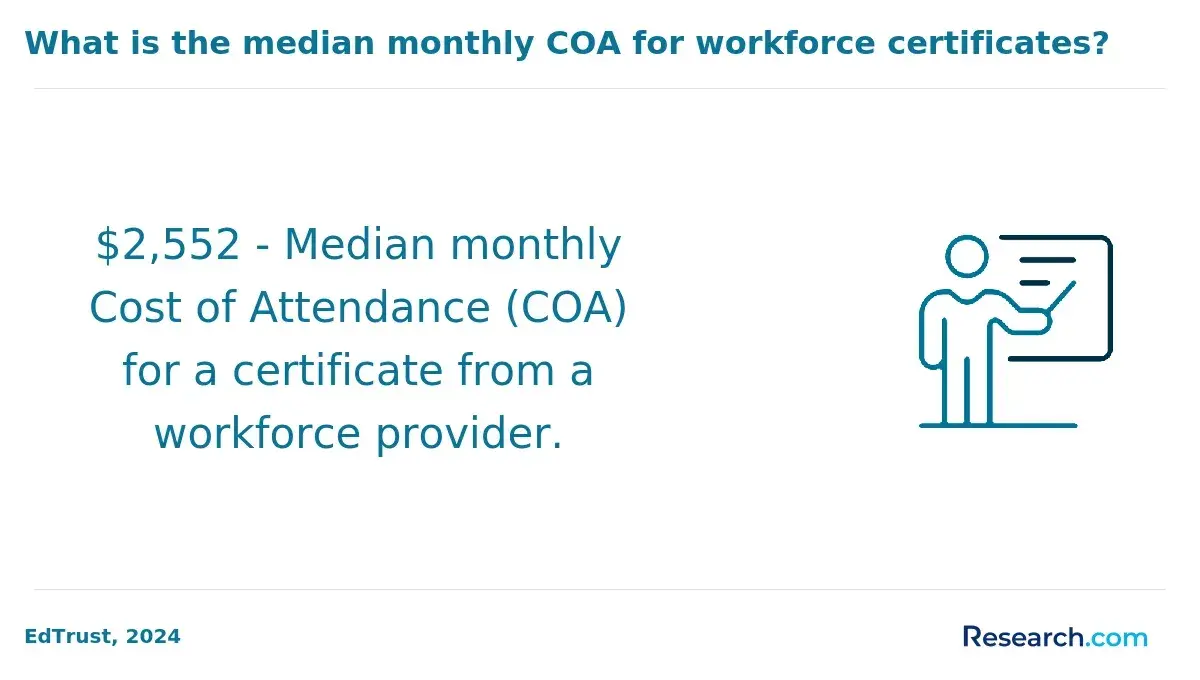
The total cost of earning an online environmental science bachelor's degree for adult learners depends on several factors such as the program's structure, pacing, and type of institution. Many programs offer flexible scheduling that can influence how long it takes to complete the degree and the overall expenses. On average, tuition for online bachelor's degrees in the U.S. ranges from $15,000 to $40,000, though exact costs vary widely.
Key cost components to consider include:
- Tuition Per Credit: This is typically the largest expense and varies depending on whether you qualify for in-state or out-of-state rates, as well as if you are enrolled full-time or part-time. The per-credit cost affects the total tuition significantly.
- Technology Fees: Many online programs charge fees to maintain digital learning platforms, provide IT support, and supply necessary software or tools for coursework.
- Course Materials: Unlike purely theoretical programs, environmental science often requires textbooks, lab kits, software licenses, and other specialized resources, which add to the overall cost.
- Transcript and Application Fees: Some institutions impose charges for processing your application, evaluating credits, or providing official transcripts during or after enrollment.
- Additional Expenses: Optional costs such as exam proctoring services or fees for memberships in professional organizations may also apply and should be factored into your budget.
Adult learners returning to school should carefully review each program's detailed fee structure to plan their finances effectively. Being aware of all potential charges beyond tuition supports better budgeting and reduces unexpected financial challenges along the way.
Are There Financial Aid Options for Adult Learners in Online Environmental Science Bachelor's Degrees?
Financial aid can significantly ease the burden of tuition for adult learners pursuing online environmental science bachelor's degree programs. Data from the National Center for Education Statistics reveals that nearly 60% of undergraduates returning to school later in life receive some form of financial assistance. Various financial aid options for adult learners in environmental science degrees help make online education more attainable and affordable.
Common types of financial support include:
- Grants: These funds do not require repayment and are usually awarded based on financial need. Grants may come from federal or state governments as well as educational institutions, helping to lower the overall cost of tuition.
- Loans: Many adult students opt for loans as a way to finance their education. Federal student loans generally offer lower interest rates and more flexible repayment terms than private loans, making them a popular choice for managing costs over time.
- Tuition Assistance: Some employers provide tuition assistance programs to support continuing education. These programs can cover part or all of the tuition expenses for employees pursuing coursework related to their career advancement or new roles.
- Payment Plans: Schools often offer payment plan options that allow students to spread tuition costs over several months instead of paying lump sums upfront, which benefits those balancing education with work and family responsibilities.
- Scholarships: Scholarships tailored specifically for adult learners or those enrolled in environmental science can also help reduce financial barriers. Exploring these scholarships is a valuable step in managing educational expenses.
Adult learners interested in affordable degree options may also explore programs like the online MBA under 35k, reflecting broader trends toward accessible online education financing.
Do Employers Value Online Environmental Science Bachelor's Degrees for Adult Learners?
Employer perceptions of online environmental science bachelor's degrees for adult learners returning to school have shifted considerably over the past decade. Initially met with skepticism, online education is now increasingly embraced as credible, particularly when offered by accredited institutions. This change reflects a broader emphasis on skills-based hiring, where demonstrated competencies outweigh the mode of degree delivery.
For instance, a 2023 survey by the National Association of Colleges and Employers found that 82% of employers view online degrees as equal in value to traditional ones. Such evolving standards highlight the career benefits of online environmental science degrees for working adults pursuing flexible education options.
Accreditation remains a crucial factor influencing employer attitudes, as it guarantees program quality and rigor. Employers also prioritize coursework aligned with industry needs, including environmental regulations, GIS technology, and ecological risk assessment. Adult learners often enhance their appeal by combining these relevant skills with prior work experience, creating a strong, practical profile. For those navigating cost concerns, comparing costs to a mechanical engineering degree online cost can offer useful context when selecting an affordable and respected program that opens doors to meaningful environmental science careers.
How Do I Choose the Best Online Environmental Science Bachelor's Degree Program for Adult Learners?
Balancing work, personal life, and education makes selecting the ideal online environmental science bachelor's program crucial for adult learners. A 2023 survey found that 65% of online students prioritize programs offering flexible schedules. Considering these factors helps ensure a smoother and more effective learning experience.
- Accreditation: Confirm both regional and program-specific accreditation to verify the quality and recognition of the degree. Accredited programs ensure credits transfer smoothly and degrees hold value in the job market.
- Program Flexibility: Seek options like asynchronous courses, part-time enrollment, and varied start dates. These features allow you to customize your schedule around work hours and family duties.
- Curriculum Relevance: Choose programs that cover current environmental issues and technologies. Inclusion of practical skills, research projects, and interdisciplinary approaches better prepares graduates for evolving career demands.
- Student Support Services: Access to academic advising, tutoring, career counseling, and tech help is vital. These resources enhance the online learning journey and assist in overcoming challenges.
- Tuition and Affordability: Evaluate total costs alongside financial aid options, comparing return on investment by reviewing job placement rates and graduate salaries from prospective schools.
What Graduates Say About Online Environmental Science Bachelor's Degree Programs for Adult Learners Returning to School
- Allan: "Returning to school as an adult was a big step for me, especially with a busy family and work life. Choosing an online environmental science bachelor's degree offered the flexibility I needed to balance everything while still advancing my education. This degree has truly opened new doors for me in the sustainability field, making me more confident and effective in my role."
- Gunnar: "I decided to pursue an online environmental science bachelor's degree because I wanted to make a real impact on climate change policies but couldn't relocate for school. The structure of the program allowed me to study at my own pace without giving up my job. Since graduating, I've seen a noticeable difference in how I approach environmental challenges professionally, with a deeper understanding and stronger analytical skills."
- Jaxon: "Going back to school later in life was daunting, yet pursuing an online environmental science bachelor's degree was a practical choice that matched my passion for conservation. The program's accessibility and engaging curriculum kept me motivated throughout. Earning this degree has significantly boosted my credibility and opportunities in the environmental consulting industry."
Other Things You Should Know About Environmental Science Degrees
In 2027, online environmental science bachelor's degree programs are designed with flexibility in mind to cater to adult learners. Many programs offer asynchronous courses, allowing students to study at their own pace. Additionally, part-time enrollment options are often available to balance education with personal and professional commitments.
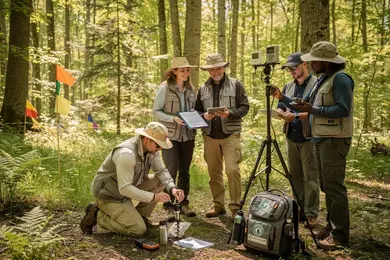
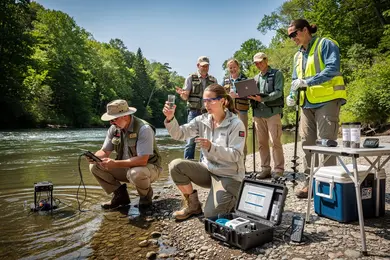
Many online environmental science programs incorporate practical experiences such as internships or fieldwork opportunities, either locally or remotely. Adult learners can often arrange to complete these requirements near their residence or through partnerships the university maintains with organizations. This hands-on experience is critical to applying theoretical knowledge in real-world environmental settings.
The time to complete an online environmental science bachelor's degree varies based on factors like enrollment status, transfer credits, and individual pacing. Most full-time adult learners finish in about four years, but part-time study options may extend the timeline to six years or more. Flexible scheduling allows working adults to balance education with other life responsibilities.
References
- Environmental and Geographic Sciences, B.S. - NCCU Online https://nccuonline.nccu.edu/programs/b-s-in-environmental-and-geographic-sciences-geoscience-concentration/
- Environmental Science Degree Online https://www.snhu.edu/online-degrees/bachelors/bs-in-environmental-science
- The Benefit of Online Learning for Adults Going Back to School https://www.lambdasolutions.net/en/blog/the-benefit-of-online-learning-for-adults-going-back-to-school
- World's Largest platform as University Common Application https://www.planstudyabroad.uniagents.com/course-details.php
- What Are the Benefits of Online Education for Adult Learners? https://straighterline.com/blog/self-paced-what-are-the-benefits-of-online-education-for-adult-learners
- Online Environmental Science Degree | BS Environmental Science | University of Phoenix https://www.phoenix.edu/online-liberal-arts-degrees/environmental-science-bachelors-degree.html
- Sign in to your account https://cascade.coastline.edu/entity/open.act