2027 Online Environmental Science Bachelor's Degree Programs With Open Enrollment

Co-Founder and Chief Data Scientist
Many working adults interested in pursuing a career in environmental science face barriers like limited application windows and rigid admission criteria. This challenge limits access, even as environmental concerns and industry needs rise. Notably, 42% of undergraduate environmental science programs with open enrollment report increased enrollment rates over the past five years, reflecting growing demand for accessible education.
This article examines online environmental science bachelor's degree programs offering open enrollment, highlighting how these flexible options can help nontraditional students navigate admission obstacles and advance their careers in this vital field.
Key Benefits of Online Environmental Science Bachelor's Degree Programs With Open Enrollment
- Flexible start dates in online environmental science bachelor's programs allow students to begin coursework year-round, accommodating diverse schedules and accelerating degree completion.
- Open enrollment policies reduce traditional admission barriers, providing accessible pathways for nontraditional students or those with unconventional academic backgrounds.
- These programs offer convenience for working adults, enabling balance between education, career, and personal responsibilities through fully online coursework and asynchronous learning.
Who Qualifies for an Online Environmental Science Bachelor's Degree With Open Enrollment?
Open enrollment policies in online environmental science bachelor's degree programs expand access to postsecondary education by welcoming applicants from diverse backgrounds. These flexible admissions options align with the needs of the growing nontraditional student population, which currently makes up about 41% of all undergraduates in U.S. colleges and universities. This accessibility allows more individuals to pursue their academic and career goals in environmental science without traditional barriers. Below are some typical groups who qualify for online environmental science programs with open enrollment.
- Recent High School Graduates: Students fresh out of high school seeking a flexible college entry route benefit from open enrollment policies that ease admission hurdles. They can start their studies quickly while managing other life priorities.
- Working Adults: Professionals aiming to advance or shift careers often choose online environmental science degrees that fit around demanding work schedules. Open enrollment enables them to pursue education without competitive admissions stress.
- Nontraditional Students: Those returning to education after a gap or who have nonstandard academic backgrounds find open enrollment particularly helpful in re-entering college and gaining new skills.
- Individuals with Prior College Experience: Students who previously earned some college credits but didn't complete a degree can transfer credits and continue seamlessly through open enrollment, avoiding selective reapplication processes.
- Career Changers Without Science Backgrounds: People moving into green sectors can use open enrollment programs to acquire foundational environmental science knowledge and open new professional pathways.
Prospective students interested in related flexible education options might also explore an artificial intelligence degree online, which offers similarly accessible pathways in a growing field.
What Is the Difference Between Open Enrollment and Rolling Admission in an Online Environmental Science Bachelor's Degree?
Open enrollment and rolling admission are often confused but represent distinct approaches to admissions and enrollment timing, especially for those exploring online environmental science bachelor's degree programs. Nearly 45% of online undergraduate students in the U.S. enroll in programs with flexible or open admissions policies, reflecting a growing preference for adaptable education paths. These models offer different advantages depending on how and when students wish to begin their studies.
Below is a comparison that clarifies the characteristics of each system.
Open Enrollment
- Admission Flexibility: Open enrollment accepts all students meeting basic eligibility without a competitive review, enabling faster admissions.
- Application Timing: Students can apply and start their environmental science degree at multiple points throughout the year.
- Evaluation Process: Minimal application assessment is required, focusing on accessibility for nontraditional learners.
- Enrollment Structure: Programs accommodate a wide range of start dates to reduce barriers and support flexible learning schedules.
- Student Focus: This approach benefits those seeking less restrictive entry into online environmental science bachelor's degree programs with open enrollment.
Rolling Admission
- Admission Flexibility: Applications are reviewed continuously, but acceptance depends on meeting specific program standards and available seats.
- Application Timing: Students may apply over a longer period, though some deadlines align with academic terms.
- Evaluation Process: Each application undergoes individual assessment, balancing flexibility with selectivity.
- Enrollment Structure: Limited seats and fixed terms define enrollment opportunities, with acceptance until capacities fill.
Those interested in exploring related fields might consider options such as online mft programs that also offer flexible admissions to accommodate diverse student needs.
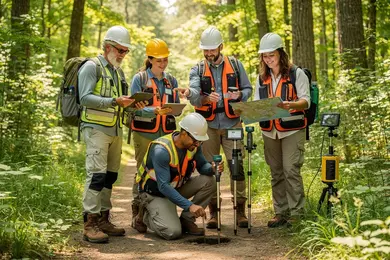
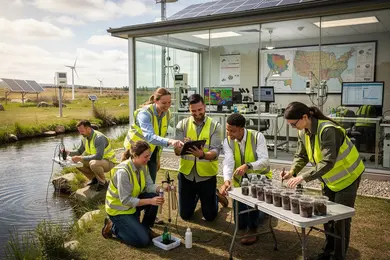
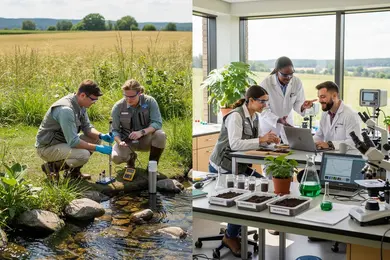
2026 Update: Checking Fieldwork and Lab Requirements Before Enrolling
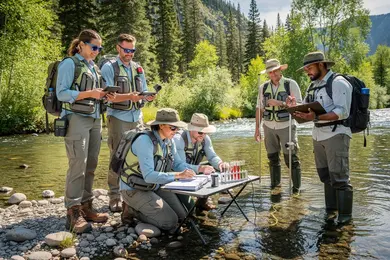
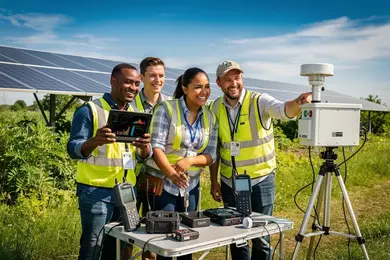
For the 2026 refresh, this section adds a practical checklist for evaluating the hands-on components of online environmental science bachelor’s programs with open enrollment before committing.
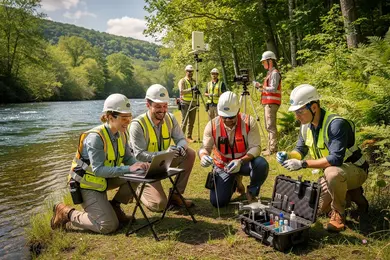
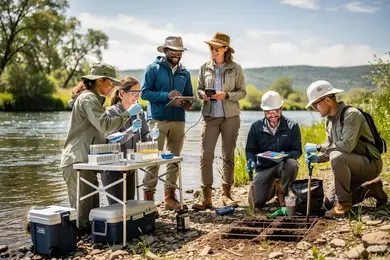
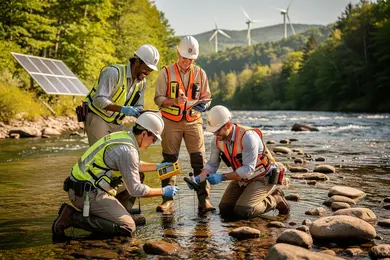
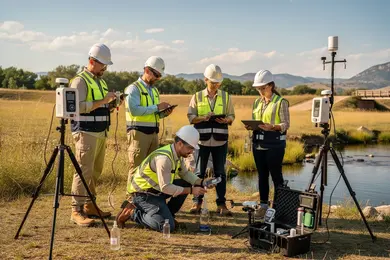
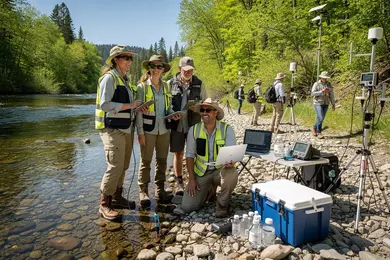
- Confirm whether the program requires in-person labs, weekend intensives, field sampling, or local site visits.
- Ask if lab kits, simulation software, or field equipment are included or billed separately.
- Check whether fieldwork can be completed near your home, workplace, or local community organizations.
- Review safety, transportation, and scheduling expectations for any required outdoor or laboratory activities.
- Find out how online students receive feedback on field reports, data collection, and lab assignments.
- Ask whether transfer credits can satisfy introductory lab science requirements.
Understanding these requirements early helps students choose an open enrollment program that fits their location, schedule, and readiness for applied environmental science work.
What Are the Admission Requirements for an Online Environmental Science Bachelor's Degree With Open Enrollment?
Open enrollment programs for online environmental science bachelor's degrees often feature more inclusive and flexible admission criteria than traditional degree paths. In fact, over 40% of community and online colleges in the U.S. have adopted nonselective admissions policies, making higher education more accessible to a broad range of students. The following outlines typical requirements applicants can expect.
- Proof of Prior Education: Applicants usually need to provide evidence of completing high school or an equivalent credential to confirm basic academic preparedness.
- Application Materials: Submitting a completed application form along with personal details is standard, helping institutions gather essential information about candidates.
- Identity Verification: Ensuring student identity helps maintain the integrity of online assessments and coursework, often requiring official ID documents or verification processes.
- Readiness for Online Learning: Prospective students may undergo a self-assessment or orientation to confirm they are prepared to engage with digital platforms and independent study.
A current student enrolled in an online environmental science bachelor's program with open enrollment shared that while the application process was straightforward, adjusting to the self-directed nature of online learning was initially challenging. "Submitting my documents was easy enough, but I underestimated how much discipline it takes," he said. He found the orientation sessions helpful but emphasized that maintaining focus without in-person classes required developing new habits and staying motivated independently.
Which Online Environmental Science Bachelor's Degree Programs Have Open Enrollment?
Open enrollment options are increasingly available across various academic disciplines, allowing more students to pursue higher education without the constraints of traditional admissions processes. Currently, over 75% of U.S. public online programs feature open or rolling admission policies, making education more accessible, especially for nontraditional learners. This trend is evident in some of the best accredited online environmental science programs with open enrollment. Below are key areas offered within these programs.
- Environmental Policy and Management: This specialization explores sustainable development practices and regulatory frameworks essential for addressing environmental challenges through policy-making and organizational leadership.
- Ecology and Conservation: Focused on understanding ecosystems and biodiversity, this track emphasizes protecting wildlife and natural habitats through scientific study and conservation strategies.
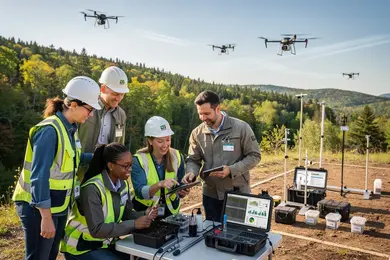
- Environmental Technology and Data Analysis: Combining environmental studies with technical skills, this path covers GIS, remote sensing, and environmental monitoring technologies to analyze ecological data effectively.
- Natural Resource Management: This area centers on sustainable stewardship of vital resources such as water, soil, and forests to support long-term environmental health and community needs.
- Environmental Health and Safety: Addressing the intersection of human health and environmental factors, this focus involves risk assessment and implementing safety measures to minimize adverse health impacts.
Prospective students interested in flexible learning options can explore these specializations through online environmental science bachelor's degree programs with open enrollment. Those looking to combine this path with advancing technology may also consider data science degrees to enhance their analytical capabilities.
How Do I Apply to an Online Environmental Science Bachelor's Degree With Open Enrollment?
Applying to an online environmental science bachelor's degree program with open enrollment is designed to be simple and accessible, allowing most applicants to start their academic journey without complicated requirements. The entire process is set up to minimize hurdles and support a smooth transition into college. Here's a step-by-step overview of what to expect:
- Create an Account: Begin by registering on the school's application portal, which helps you track your progress and receive updates about your application status.
- Complete Application: Fill out the online form with personal details, education history, and any relevant experience. These forms tend to be concise compared to traditional programs, making it easier to apply.
- Submit Documents: Upload essential materials like your high school diploma or GED, transcripts, and government-issued ID. Some schools may ask for a personal statement, but standardized tests and lengthy essays are usually not required.
- Confirm Enrollment: After review, you'll be notified of acceptance and asked to finalize your spot by paying any necessary tuition deposit or completing an orientation session online.
- Receive Next Steps: Once enrolled, instructions on registering for classes, accessing online learning tools, and connecting with advisors will be provided to ensure you're prepared to begin.
When I spoke with a graduate of an online environmental science bachelor's degree with open enrollment, she highlighted how the process felt unexpectedly manageable despite her initial worries. She shared, "I was nervous about balancing work and school, but the straightforward application made it less intimidating. The support team was quick to guide me whenever I had questions about my documents or next steps." Her experience underscores how open enrollment programs prioritize ease and student accessibility, helping learners move forward with confidence and clarity.
Can I Start an Online Environmental Science Bachelor's Degree at Any Time?
Many online environmental science bachelor's programs with open enrollment provide flexible start options to suit varied student needs. While the ability to begin at any time is not universal, nearly 60% of such programs offer rolling admissions or multiple start dates each year. These options give learners more control over when they commence their studies.
Key considerations include:
- Continuous Enrollment: Some programs permit students to apply and start courses throughout the entire year, eliminating the need to wait for traditional semester beginnings.
- Multiple Start Dates: Other programs offer several predetermined enrollment periods-such as winter, spring, summer, and fall-that provide scheduling flexibility without fully open enrollment.
- Program Pacing: Certain degrees feature self-paced learning structures, enabling students to progress at their convenience after starting, whereas others follow a fixed academic calendar.
- Administrative Processing: Even in programs with open enrollment, applicants may encounter necessary delays for application review, financial aid arrangements, or orientation before official enrollment.
- Course Availability: Because not all classes run every term, the start date chosen can influence which courses are accessible during the initial semesters.
Is It Easier to Get Into an Online Environmental Science Bachelor's Degree With Open Enrollment?
Online environmental science bachelor's degree programs with open enrollment typically reduce traditional admission barriers, making access easier for many students. These programs often waive minimum GPA requirements, standardized test scores, and lengthy application essays, reflecting a broader commitment to inclusivity. Nearly 35% of U.S. institutions now offer some form of nonselective admission for online bachelor's programs, acknowledging that rigid standards can exclude capable learners. This approach is particularly beneficial for nontraditional students, working adults, and those returning to education after a break.
Despite the simplified admissions criteria, open enrollment does not guarantee unconditional acceptance. Applicants must still submit transcripts, complete an application, and demonstrate readiness for college-level work. Schools may implement placement tests or orientation sessions to ensure academic and professional preparedness. Additionally, many programs offer support services to help students succeed once admitted, balancing easier entry with the need for students to be adequately prepared for the demands of an online environmental science degree.
How Much Does an Online Environmental Science Bachelor's Degree With Open Enrollment Cost?
The cost of earning an online environmental science bachelor's degree with open enrollment can vary widely, largely influenced by program structure and credit requirements. The average tuition for online bachelor's degree programs in the United States is about $350 per credit hour, but this rate can differ significantly between public and private institutions. Prospective students should consider multiple factors that contribute to the total expense of their degree.
- Tuition Per Credit: Tuition often forms the largest expense and is typically charged per credit hour. Bachelor's programs generally require between 120 and 130 credit hours to graduate, so the total cost depends heavily on the cost per credit and the number of credits completed.
- Technology Fees: Many programs assess technology or online learning fees to support remote course delivery infrastructure. These fees are usually billed per semester or per credit and can add a noticeable amount to the final cost.
- Course Materials: Some classes include digital resources within tuition, but others require students to buy textbooks, specialized software, or lab supplies necessary for environmental science coursework, adding to the overall costs.
- Administrative Fees: Additional modest fees may be applied for registration services, student support, or graduation processing, which contribute to cumulative expenses in the program.
- Program Structure: Options like accelerated or hybrid models can impact tuition by altering the credit or semester requirements. Understanding these variations helps students find affordable online environmental science degree programs that fit their needs.
For students interested in related fields, some may explore masters in art therapy as an alternative graduate path.
Are There Disadvantages to Open Enrollment Online Environmental Science Bachelor's Degrees?
Open enrollment online environmental science bachelor's degree programs expand access to higher education but can present notable limitations. For instance, data from the National Student Clearinghouse Research Center shows online programs tend to have approximately a 20% lower completion rate compared to traditional formats. These challenges should be considered carefully by prospective students. Below are some key disadvantages associated with open enrollment formats.
- Less Selective Admissions: Open enrollment policies allow a broad range of academic backgrounds, which can result in classrooms with widely varying levels of preparedness. This diversity may require students to be more self-motivated and proactive in acquiring foundational knowledge.
- Limited Cohort Interaction: The flexible and often asynchronous nature of many programs restricts opportunities for peer networking and collaborative learning, which can diminish the overall student experience.
- High Demand for Self-Discipline: Students must manage their time effectively and maintain strong self-discipline due to the greater autonomy and fewer scheduled touchpoints typical in these formats.
- Reduced Academic Support: Personalized advising and tutoring may be less accessible in open admission environmental science bachelor programs, leaving students to navigate challenges largely on their own.
Those exploring open enrollment environmental science options should honestly assess their readiness for autonomous learning and seek out schools that provide adequate support. For nontraditional learners with concerns about admissions, reviewing universities for low gpa can highlight programs designed to accommodate a wider variety of students while offering support to improve success rates.
How Do I Manage Time in an Open Enrollment Online Environmental Science Bachelor's Degree?
Managing your time wisely is vital to thriving in flexible, self-directed online environmental science bachelor's degree programs. Research shows students who consistently allocate weekly study hours experience higher satisfaction and improved academic performance. Below are practical ways to optimize your study time.
- Set a Study Routine: Establish dedicated time blocks each day or week specifically for coursework. Regularity fosters discipline and reduces the temptation to procrastinate.
- Prioritize Tasks: Focus on assignments with imminent deadlines or critical content first. Employ digital calendars or task apps to organize and visualize your workload efficiently.
- Limit Distractions: Choose a quiet study space, silence unnecessary device notifications, and consider using apps that temporarily block social media to maintain concentration.
- Monitor Progress: Use checklists or journals to track completed assignments and goals. This habit boosts motivation and highlights areas needing more attention.
What Graduates Say About Online Environmental Science Bachelor's Degree Programs With Open Enrollment
- Allan: "Choosing an online environmental science bachelor's degree program with open enrollment was a game changer for me because it allowed flexibility around my full-time job and family commitments. Although managing coursework without set deadlines was initially challenging, it taught me strong time management and self-discipline. The degree has since opened doors to new roles in sustainability consulting, proving this route was well worth the effort."
- Gunnar: "I decided on an online environmental science program with open enrollment to accommodate my constantly changing schedule as a field technician. The open enrollment feature was ideal but required me to stay highly motivated without the structure of traditional semesters. Reflecting back, this experience built my resilience and knowledge, significantly advancing my career in environmental policy analysis."
- Jaxon: "Pursuing an environmental science bachelor's degree online with open enrollment was my way to access education immediately without waiting for traditional cycles. The flexibility helped me balance study with my responsibilities while the challenge of self-directed learning refined my research skills. Since graduation, the degree has been instrumental in securing a leadership position at a nonprofit focused on ecological restoration."
Other Things You Should Know About Environmental Science Degrees
In 2027, online environmental science bachelor's degree programs with open enrollment typically offer flexibility, allowing students to start anytime and study at their own pace. These programs emphasize core scientific principles, sustainability, ecological systems, and often incorporate practical experience or internships, accommodating diverse learning styles and schedules.
Many online environmental science programs encourage or require internships to provide practical experience. These internships are often arranged at local organizations, government agencies, or environmental firms near the student's location. Programs may support students in finding placements that align with their career goals and coursework.
Accreditation ensures that the program meets specific academic and professional standards. Prospective students should look for regional accreditation of the institution and specialized accreditation if available for environmental science programs. Graduating from an accredited program can improve opportunities for employment and graduate study.
References
- Environmental Sciences https://dein-studium.uni-hohenheim.de/en/applying-and-enrollment/applying/application-for-masters-in-environmental-sciences-soil-water-biodiversity
- Affordable Online Colleges With Open Enrollment & Flexible Start Dates https://www.affordablecollegesonline.org/college-resource-center/start-anytime-open-enrollment/
- Environmental Science Courses & Degrees https://www.open.edu.au/study-online/science/environmental-science
- Bachelors (BS/BA) in Environmental Sciences Online | UWA Online https://online.uwa.edu/online-degrees/bachelor-bs-ba-environmental-science/
- distance learning degree in Ecology, Environmental science etc.. – Chat Forum – Singletrack World Magazine Forum https://singletrackworld.com/forum/off-topic/distance-learning-degree-in-ecology-environmental-science-etc/
- Application & admission https://www.enveuro.eu/application-admission
- 6 Environmental Science Courses at Open University https://www.hotcoursesabroad.com/study/degrees/uk/environmental-science-courses-at-open-university/loc/210/cgory/qa.3-4/sin/ct/cid/4520/programs.html
- Environmental Science & Sustainability (BSc Degree Program) | Undergraduate Admissions - Apply Here - Concordia University https://www.concordia.ca/academics/undergraduate/environmental-science.html
- Online Environmental Science Degree | BS Environmental Science | University of Phoenix https://www.phoenix.edu/online-liberal-arts-degrees/environmental-science-bachelors-degree.html
- Start Anytime: The Benefits Of Online Degrees With Rolling Admissions https://degreeonline.education/start-anytime-the-benefits-of-online-degrees-with-rolling-admissions/