2027 Online Environmental Science Bachelor's Degree Programs With No SAT or ACT Requirements

Co-Founder and Chief Data Scientist
Many prospective students face barriers applying to environmental science programs due to standardized test requirements like the SAT or ACT. These exams often disadvantage nontraditional students balancing work, family, or other commitments.
Recent data reveals that over 65% of online environmental science bachelor's programs now adopt test-optional policies to widen accessibility and support diverse learners. This shift reflects growing recognition of varied academic pathways and life experiences.
This article explores online environmental science bachelor's degree programs that waive SAT and ACT scores, providing detailed guidance to help applicants find flexible, inclusive options aligned with their career goals.
Key Benefits of Online Environmental Science Bachelor's Degree Programs With No SAT or ACT
- Online environmental science programs without SAT/ACT requirements increase access for diverse applicants, including adult learners and those from underrepresented backgrounds.
- Flexible scheduling helps working students balance education with professional and personal commitments.
- Streamlined admissions reduce barriers and processing time, supporting faster enrollment and reducing application stress.
Who Should Consider an Online Environmental Science Bachelor's Degree With No SAT or ACT?
Test-optional online environmental science bachelor's degree programs provide strong options for students from diverse academic and professional backgrounds. With over 80% of U.S. colleges adopting test-optional admissions policies, there is growing recognition that standardized tests may not fully reflect a student's abilities. These flexible programs can be especially appealing to those who value alternative pathways to earning an environmental science degree without SAT or ACT requirements.
Ideal candidates for these programs include:
- Working Adults: Students balancing careers and personal responsibilities can benefit from the flexibility of online environmental science bachelor's degree programs without standardized test scores. This format enables career advancement without sacrificing current job commitments.
- Nontraditional Students: Individuals returning to education after breaks can re-enter college without the pressure of test-taking, making degree completion more accessible and suited to unique life circumstances.
- Prior College Experience: Those with some college credits who prefer to finish their bachelor's degree without retaking standardized tests find these programs ideal for continuing their education on their own schedule.
- Flexible Admissions Seekers: Students who want admissions processes that emphasize overall academic and professional history rather than test scores often choose environmental science degree options with no SAT or ACT requirements to showcase their strengths.
Many online environmental science bachelor's degree programs without standardized test scores allow applicants to demonstrate readiness through academic performance, professional experience, or personal achievements. This flexibility supports students aiming for sustainable careers in environmental fields while accommodating diverse educational journeys. Prospective students can explore related fields with distinct benefits, such as affordable online mba programs, for broader career options in sustainability and management.
What Is the Difference Between Test-Optional and Test-Free Online Environmental Science Bachelor's Degrees?
Test-optional and test-free online environmental science bachelor's degrees are often confused but represent different admissions policies. Notably, enrollment in test-free programs has surged by 25% in the past five years, reflecting increasing demand for accessible options. These differences impact how students apply and how their applications are reviewed. Below is a comparison emphasizing how admissions work without SAT or ACT scores in environmental science degrees.
Test-Optional Online Program
- SAT or ACT scores may be submitted but are not required for admission.
- Admissions committees consider test scores alongside high school transcripts, essays, and recommendations if provided.
- Allows flexibility for applicants who believe their scores enhance their application as well as those who choose not to submit them.
- Applicants are evaluated on a combination of academic records, standardized test results (if available), and personal qualifications.
Test-Free Online Program
- SAT and ACT scores are not accepted or considered at any stage of the application.
- Evaluations focus on holistic factors such as coursework, experience, essays, and letters of recommendation.
- Increases accessibility for students who have not taken standardized tests or prefer alternative assessment methods.
- Emphasizes other academic achievements and personal statements over standardized testing data.
Prospective students seeking flexible options should weigh these differences carefully. For more insights on affordable degree options that accommodate nontraditional applicants, consider the cheapest online masters in mental health counseling as an example of accessible online programs.
2026 Update: Checking Online Lab and Fieldwork Requirements Before Enrolling
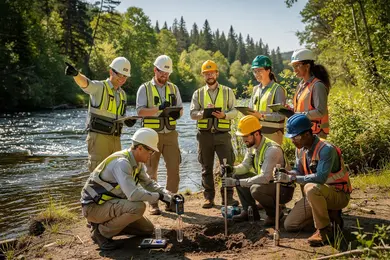
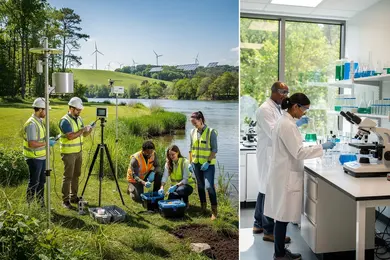
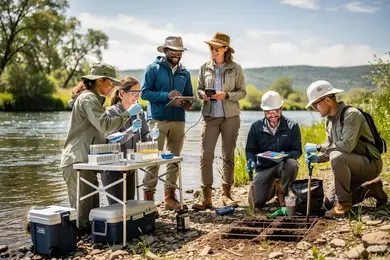
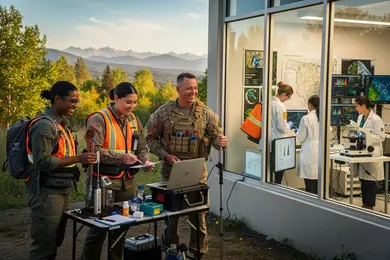
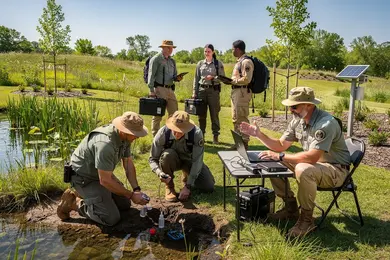
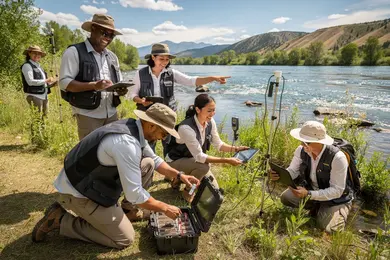
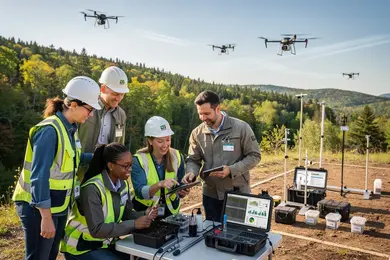
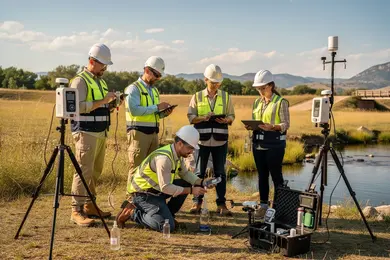
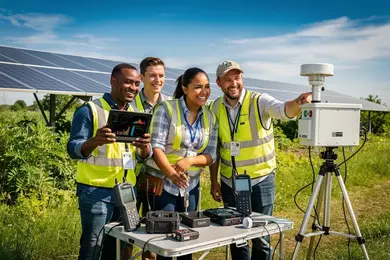
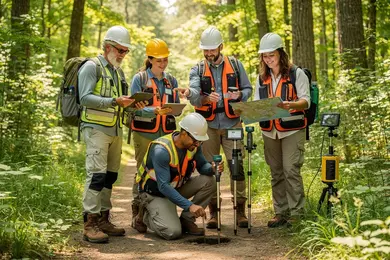
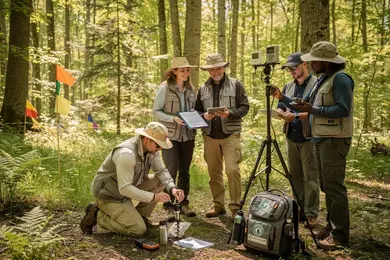
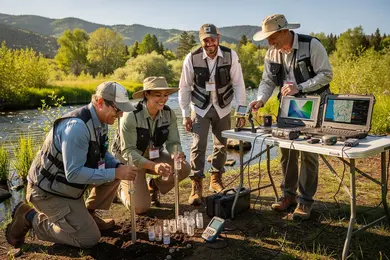
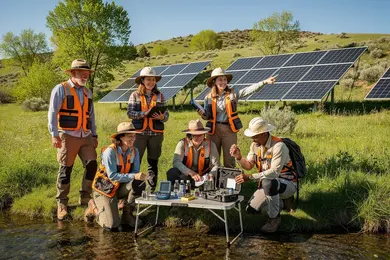
For 2026, this update adds a practical review of what students should confirm beyond test-free admission: how an online environmental science program handles labs, field experiences, and hands-on skill development.
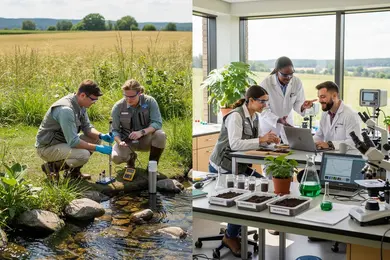
- Whether lab courses are fully online, use at-home kits, or require campus visits.
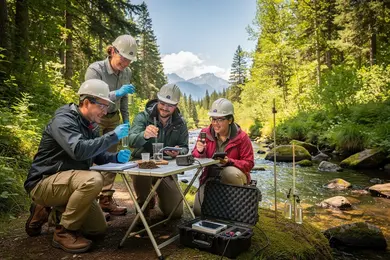
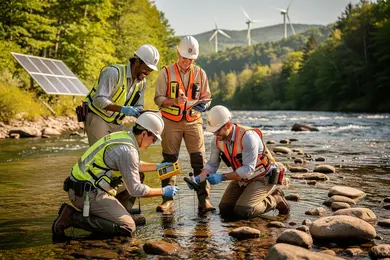
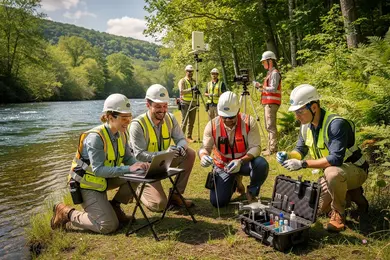
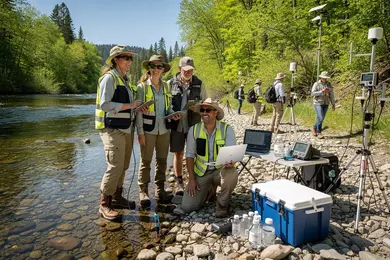
- If fieldwork can be completed locally through approved sites or community projects.
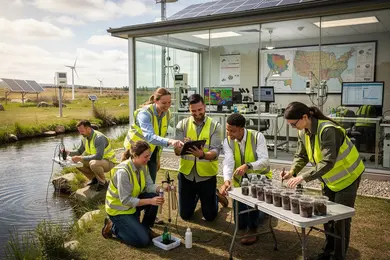
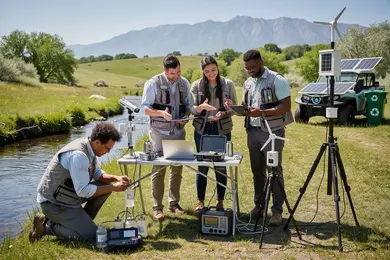
- How the program teaches data collection, mapping, sampling, and environmental analysis skills.
- Whether any in-person requirements create travel, scheduling, or extra cost concerns.
- If transfer students must repeat science labs because of format or accreditation rules.
- How faculty support students who need help arranging local environmental field experiences.
Checking these details helps students choose a no-SAT or no-ACT program that is not only accessible, but also realistic for their location, schedule, and long-term environmental science goals.
What Are the Admission Requirements for an Online Environmental Science Bachelor's Degree Without SAT or ACT?
Admissions for online environmental science bachelor's programs that do not require SAT or ACT scores generally rely on a broader evaluation of applicants. This shift reflects a widespread trend, with nearly 70% of four-year colleges adopting test-optional policies nationally. These programs assess candidates through a variety of academic and personal indicators to determine readiness and fit.
Common requirements often include:
- Academic Transcripts: Applicants usually submit transcripts verifying high school completion or equivalent education, ensuring they possess the foundational knowledge needed for college courses.
- Personal Statement: A written essay or statement highlights the applicant's motivation for studying environmental science, their career aspirations, and their preparedness for the demands of online learning.
- Recommendations: Letters from educators, employers, or community figures provide insight into the applicant's character, work ethic, and academic potential.
- Proof of College Readiness: Without standardized tests, programs may request placement test results or accept prior college credits as evidence that students can handle university-level work.
When asked about his experience, a graduate of an online environmental science bachelor's program without SAT or ACT requirements shared that the admissions process felt more personalized but also less predictable. He explained that preparing his personal statement was both challenging and rewarding because it forced him to reflect deeply on his goals. He mentioned, "I appreciated that the process valued my real-world experiences and letters of recommendation more than just test scores." However, he also noted moments of uncertainty about what would best demonstrate his readiness, which made gathering strong recommendations and showcasing his prior coursework especially important.
Do Online Environmental Science Bachelor's Degrees Require a Minimum GPA?
GPA expectations for online environmental science bachelor's degrees vary significantly, with many programs evaluating applicants through a comprehensive admissions process rather than enforcing a strict minimum GPA. Research indicates that nearly 60% of online degrees now favor inclusive criteria, often foregoing rigid GPA cutoffs to welcome a more diverse student body. This shift supports admissions processes that look beyond a single academic metric.
Common approaches to GPA in these programs include:
- Flexible GPA Thresholds: Programs typically set adaptable minimum GPA standards, allowing applicants from varied academic backgrounds to apply without automatic disqualification.
- Holistic Evaluation: Admissions decisions often consider the overall academic record, including course difficulty and improvement trends, instead of focusing solely on GPA numbers.
- Non-Academic Experience: Professional, volunteer, or environmental project experiences may bolster applications, providing alternative evidence of readiness that compensates for a lower GPA.
- Pathways for Lower GPAs: Some institutions offer conditional acceptance or provisional admission routes contingent on early academic success, facilitating access for students whose GPA is below typical standards.
Students searching for the minimum GPA requirements for online environmental science degree programs should recognize that GPA is one aspect of a broader review. Those interested in programs without standardized test requirements might also explore options such as shortest online psyd programs, which reflect evolving admissions flexibility.
Is It Easier to Get Into an Online Environmental Science Bachelor's Degree Without SAT or ACT?
Removing SAT or ACT requirements can increase access to online environmental science bachelor's degree programs by eliminating standardized test barriers, but this does not automatically mean admission is easier. Data from the National Center for Education Statistics shows that about 43% of online undergraduate programs have acceptance rates above 80%, highlighting that some programs remain very selective while others are broadly accessible. Admissions decisions typically rely on a holistic evaluation that goes beyond test scores, considering academic records, essays, recommendations, and relevant experiences. The level of competition varies depending on the quality of the applicant pool and the academic standards set by each institution.
When asked about her experience, a current student enrolled in an online environmental science bachelor's program without SAT or ACT requirements described the process as challenging but fair. She noted that while not having to submit standardized test scores reduced her initial stress, she still had to provide strong letters of recommendation and demonstrate her commitment to sustainability through a personal statement. "It wasn't just about getting in easily," she reflected, "but about showing that I was really prepared and motivated for the program." This approach, she said, made her feel valued as an applicant and confident in her ability to succeed once admitted.
Which Online Environmental Science Bachelor's Degree Programs Do Not Require SAT or ACT?
Test-optional and test-free admission policies are increasingly common among online environmental science bachelor's degree programs, reflecting a shift toward inclusivity and broader access. Recent statistics show online degree enrollments have grown nearly 20% over the last five years, signaling rising interest in flexible admissions that evaluate students beyond standardized exams. These programs typically emphasize academic preparedness through other components of the application.
Common specializations available without SAT or ACT score requirements include:
- Natural Resource Management: This focus area covers sustainable practices for conserving essential resources such as water, soil, and forests. Students learn strategies to balance environmental stewardship with human needs.
- Environmental Policy and Planning: Concentrating on the creation and enforcement of environmental laws and community strategies, this specialization prepares students to influence regulatory frameworks and public initiatives.
- Ecology and Conservation Biology: Students explore ecosystem dynamics and develop skills to protect wildlife habitats and biodiversity, supporting preservation efforts worldwide.
- Environmental Technology and GIS: This track integrates geographic information systems and modern technological tools to analyze environmental data, monitoring changes and supporting decision-making.
- Climate Science: Focused on climate patterns and their impacts, this area trains students in assessing environmental risks and designing mitigation approaches to combat climate change.
Admissions for these specializations commonly rely on evaluations of high school coursework, letters of recommendation, and personal statements to gauge aptitude and potential, rather than mandating standardized test scores. This approach encourages applicants of diverse backgrounds to pursue environmental science careers through accessible, adaptable online programs.
How Do I Apply to an Online Environmental Science Bachelor's Degree Without SAT or ACT?
Applying to online environmental science bachelor's degree programs that do not require SAT or ACT scores is typically a straightforward process centered around submitting materials through a dedicated online portal. This streamlined approach removes the barrier of standardized testing, allowing applicants to focus on providing essential information and documentation. The following steps outline the typical application workflow for these test-free programs.
- Create an Account: Prospective students begin by setting up a profile on the college or university's application website. This involves entering contact details and creating login credentials to access the application and receive updates.
- Complete the Application Form: Applicants fill out an online form covering personal background, educational history, and often short essays or statements of purpose that help convey their motivations for pursuing an environmental science degree without test scores.
- Upload Supporting Documents: Required files such as transcripts and identification are submitted electronically. As SAT or ACT scores are not part of the process, emphasis is placed on other academic records and relevant documents.
- Review and Submit: Before final submission, applicants carefully check their entries and uploaded files for accuracy. Once confirmed, the application is electronically signed and submitted through the portal.
- Additional Steps: Some programs may ask applicants to participate in virtual orientation sessions or provide supplementary information post-submission, but these are usually optional and do not delay the core application process.
How Can I Improve My Online Environmental Science Bachelor's Degree Application Without SAT Scores?
Applicants to online environmental science bachelor's degree programs that do not require SAT or ACT scores can still create competitive applications by emphasizing academic achievements, practical experience, and personal motivation. Research shows that over 60% of U.S. colleges and universities have adopted holistic admissions processes that evaluate multiple aspects of a student's profile beyond standardized tests. Focusing on these areas can significantly strengthen your application.
Consider these key strategies to enhance your submission:
- Academic Records: Prioritize transcripts that highlight rigorous coursework and consistent performance. A strong academic foundation demonstrates readiness for the demands of an online environmental science bachelor's degree program with no SAT or ACT requirements.
- Personal Statement: Craft a compelling essay that clearly expresses your passion for environmental science. Articulate your understanding of current environmental challenges and how your goals align with the field, showing both purpose and enthusiasm.
- Relevant Experience: Showcase internships, volunteer work, research projects, or advocacy efforts related to environmental science. Practical involvement reflects your commitment and ability to apply knowledge in real-world contexts.
- Supporting Materials: Organize high-quality letters of recommendation and other documents that highlight leadership, teamwork, or problem-solving skills. These materials provide a broader view of your strengths and potential contributions.
For students curious about career paths, exploring what can you do with a project management degree can offer insights into complementary skills that enhance environmental science applications. These tips are especially helpful for nontraditional applicants seeking flexible online environmental science bachelor's degree programs that do not require ACT or SAT scores.
What Mistakes Should I Avoid When Applying Without SAT or ACT?
Applying to online environmental science bachelor's degree programs with no SAT or ACT requirements opens doors for many, but candidates can inadvertently weaken their chances by overlooking critical parts of their application. Recent data shows nearly 40% of applicants lose competitive edge due to incomplete or poorly prepared submissions. Recognizing common pitfalls can improve overall application strength.
Common application errors without SAT or ACT scores in environmental science programs include the following:
- Incomplete Materials: Submitting partial or missing documents often results in automatic disqualification or diminished consideration during holistic review processes. Thoroughness is essential to avoid being sidelined early.
- Weak Personal Statements: Generic or vague essays fail to communicate genuine motivation, commitment, or fit for environmental science studies. Personal statements should clearly convey passion and a strong connection to the field.
- Neglecting Relevant Experience: Many applicants miss the opportunity to highlight valuable volunteering, internships, or project work related to environmental science. Emphasizing these experiences shows practical preparedness essential in test-optional admissions.
- Overlooking Application Details: Errors, typos, or omissions can leave a poor impression and complicate admission decisions. Attention to every detail reflects seriousness and professionalism.
Because these programs place greater emphasis on essays, recommendations, and demonstrated experience, applicants must present these elements thoughtfully. Nontraditional students and those seeking flexible options can benefit from exploring the best online colleges for military applicants, which often include test-optional policies aligned with holistic approaches to admissions.
Will Not Taking the SAT or ACT Affect My Career After an Online Environmental Science Bachelor's Degree?
Standardized tests like the SAT or ACT rarely influence career trajectories for graduates holding online environmental science bachelor's degrees. Employers increasingly prioritize practical expertise and relevant experience instead of admissions test results. A 2023 study by the National Association of Colleges and Employers (NACE) found that 92% of hiring managers emphasize skills and experience over standardized scores when assessing candidates. This shift towards skills-based hiring reflects a broader industry preference for proven abilities rather than early academic testing.
Long-term professional success in environmental science depends largely on academic achievement, hands-on experience, and technical proficiency gained during the degree program. Internships, mastery of specialized tools like GIS, and active involvement in professional networks often carry greater weight with employers than standardized tests. Building these competencies equips graduates to excel in diverse roles such as sustainability consulting, environmental management, and policy analysis. Ultimately, cultivating practical skills and relevant experience is key to advancing one's career after earning an environmental science degree online.
What Graduates Say About Online Environmental Science Bachelor's Degree Programs With No SAT or ACT
- Allan: "Choosing an online environmental science bachelor's degree without the barrier of SAT or ACT scores was a game-changer for me, especially since standardized testing never reflected my true potential. The flexibility allowed me to balance work and study while exploring real-world environmental topics. This program boosted my confidence and opened doors to internships that significantly advanced my career."
- Gunnar: "Getting into an online environmental science program without needing SAT or ACT scores initially felt intimidating because I wasn't sure how competitive these programs would be. However, I soon realized that my passion and professional experience were valued more than test scores. The knowledge I gained has been invaluable in my role as an environmental consultant, where practical skills are essential."
- Jaxon: "Pursuing an online environmental science bachelor's degree with no SAT or ACT requirement was a very professional decision for me, as it allowed me to bypass traditional barriers and focus directly on topical, impactful coursework. The streamlined admissions made it easier to return to school after working in the field, and the career impact has been profound-equipping me with credentials and skills that professional employers respect."
Other Things You Should Know About Environmental Science Degrees
Yes, many online environmental science programs that waive SAT or ACT requirements accept transfer credits, especially from accredited institutions. Transfer policies vary by school but generally require official transcripts and relevant coursework aligned with environmental science curriculum.
Most accredited online environmental science bachelor's programs include an internship or hands-on project as part of their curriculum. Even without standardized test scores, students gain practical experience crucial for career readiness through partnerships with environmental agencies or virtual lab simulations.
In 2027, online environmental science programs offer rigorous curricula, strong writing components, and hands-on learning experiences through virtual labs and projects to prepare students for graduate school. Without SAT or ACT requirements, they emphasize holistic admission practices, ensuring that all students develop the critical thinking and research skills needed for advanced studies.
References
- 10 Mistakes to Avoid When Pursuing an Online Degree - Peterson's https://www.petersons.com/blog/10-mistakes-to-avoid-when-pursuing-an-online-degree/
- Bachelors (BS/BA) in Environmental Sciences Online | UWA Online https://online.uwa.edu/online-degrees/bachelor-bs-ba-environmental-science/
- How Adult Learners Can Apply to College Without SAT or ACT Scores https://www.aiuniv.edu/blog/2015/september/how-to-get-into-college
- What Can I Do with an Environmental Science Degree? https://www.snhu.edu/about-us/newsroom/stem/what-can-i-do-with-an-environmental-science-degree
- 10 Best Online Environmental Science Degree Programs [2026 Guide] https://www.mydegreeguide.com/online-environmental-science-degree/
- Test Optional, Test Blind, Test Flexible: What's the Difference? https://www.collegedata.com/resources/prepare-and-apply/test-optional-test-blind-whats-the-difference
- What is Test Optional? - Fairtest https://fairtest.org/test-optional/
- What do Test Optional and Test Blind/Free Mean? | College Essay Guy https://www.collegeessayguy.com/blog/test-optional-test-free
- Test Blind vs. Test Optional: What’s the Difference? https://www.ivywise.com/blog/test-blind-vs-test-optional/
- Find Test-Optional Colleges — No SAT/ACT Requirement https://www.accreditedschoolsonline.org/online-colleges/no-sat-or-act/