2027 Job Placement Rates for Speech Pathology Master's Graduates: Employment Outcomes

Co-Founder and Chief Data Scientist

Reviewed by Rhea Paul, PhD
SLP Education & Research Expert
A master's degree in speech pathology can lead to strong employment prospects, but the value of any program depends on more than a headline placement rate. Students need to know what those rates actually measure, which employers hire graduates, how long licensure and onboarding may take, and whether a program's clinical placements match their preferred job market.
The demand signal is strong: recent data from the U. S. Bureau of Labor Statistics indicates a steady 17% growth in speech-language pathology jobs through 2035. Still, national growth does not guarantee the same outcome in every city, school district, hospital system, or private practice setting. Placement can vary by region, specialization, practicum quality, employer partnerships, and whether a graduate is seeking a clinical fellowship, a school-based role, or a healthcare position.
This guide explains how to read job placement rates for speech pathology master's graduates, how employment compares with broader master's-level outcomes, which sectors hire most often, what job titles graduates typically hold, and what role salary, geography, rankings, internships, and career services play in early career success.
Key Things to Know About the Job Placement Rates for Speech Pathology Master's Graduates
- Industry sector concentration affects placement speed; specializing in healthcare settings yields faster employment but limits flexibility compared to educational or private practice roles, which differ significantly in demand and career progression.
- Geographic location shapes employer perception and workforce demand; rural areas often offer higher placement rates due to shortages, while urban centers present more competition but diverse opportunities, impacting salary potential and career sustainability.
- Internship experience critically influences hiring likelihood and timing; comprehensive clinical hours align with employer expectations but may extend program duration and costs, requiring students to balance access and workforce readiness.
What Are the Typical Job Placement Rates for Speech Pathology Master's Graduates?
Typical job placement rates for speech pathology master's graduates are generally strong, but they are not always reported in the same way. A program may count only graduates in full-time speech-language pathology roles, while another may include part-time work, unrelated employment, clinical fellowships, or graduates continuing into further study. Before comparing programs, students should ask what the placement number includes and when it was measured.
The most useful placement data separates field-related employment from general employment. For a professional degree tied to licensure and clinical practice, a high overall employment rate is less meaningful if many graduates are working outside speech-language pathology.
- Full-time field-related employment: This is the strongest indicator of career alignment. It usually refers to graduates working in roles directly connected to speech pathology practice, clinical service, research, or supervised professional preparation.
- Any employment: This broader category may include part-time jobs, temporary roles, non-clinical positions, or jobs that do not require speech pathology training. It can make outcomes look stronger than they are for students who want licensed practice.
- Continued education: Some graduates pursue doctoral study, additional certifications, or specialized training instead of entering the workforce immediately. Programs should report these outcomes separately so they do not distort placement rates.
- Data source variability: Program-published outcomes, NCES data, and BLS labor market information may use different methods, survey windows, and response rates. A school survey with limited alumni responses is not the same as a broader labor market dataset.
- Contextual factors: Placement outcomes are shaped by location, practicum quality, employer connections, clinical specialization, and the strength of local healthcare and school-based hiring pipelines.
- Methodology caveats: Students should look for the definition of “employed,” the reporting window, the response rate, and whether the rate excludes nonrespondents. These details determine how reliable the number is.
For applicants comparing programs, placement rates should be reviewed alongside admissions selectivity, clinical training options, accreditation status, and local labor demand. This is especially important when weighing speech pathology grad school acceptance rates, since getting admitted to a program is only the first step toward becoming employable in the field.
How Does Speech Pathology Master's Graduate Employment Compare to the National Average?
Speech pathology master's graduates often compare favorably with master's degree holders across many fields because the profession has a defined credential pathway and steady demand in healthcare and education. However, the advantage depends on licensure progress, clinical readiness, and whether graduates are willing to work in high-need settings.
Compared with national averages reported by sources such as the BLS Occupational Outlook Handbook and NCES graduate outcomes, speech pathology graduates often move into relevant employment more quickly than many master's-level peers. Many speech pathology graduates achieve employment rates exceeding 85% within six months, compared with general master's graduate employment rates near 80%.
- Clear occupational pathway: Many master's degrees can lead to a wide range of jobs, but speech pathology is tied to a specific profession. That makes employer expectations clearer and can shorten the search for qualified candidates.
- Demand in essential sectors: Schools, hospitals, outpatient clinics, rehabilitation centers, and private practices regularly need speech-language pathology services, supporting stronger hiring momentum than in less regulated fields.
- Credential specificity: Licensure and certification requirements narrow the applicant pool. Graduates who meet clinical and regulatory requirements can have a clearer competitive position.
- Regional variation: National demand does not remove local differences. Some urban markets have more openings but stronger competition, while rural or underserved areas may have fewer employers but higher need.
- Data definition issues: Some employment measures include temporary, part-time, or non-field roles. Students should compare like with like when evaluating speech pathology outcomes against broader master's-level data.
- Clinical experience: Employers often value documented practicum experience, strong supervisor references, and readiness for client-facing work as much as academic performance.
The practical takeaway is that speech pathology can offer a more direct employment path than many graduate degrees, but students still need to choose a program that supports licensure preparation, clinical placement, and access to the markets where they plan to work.
Which Industries and Sectors Hire the Most Speech Pathology Master's Graduates?
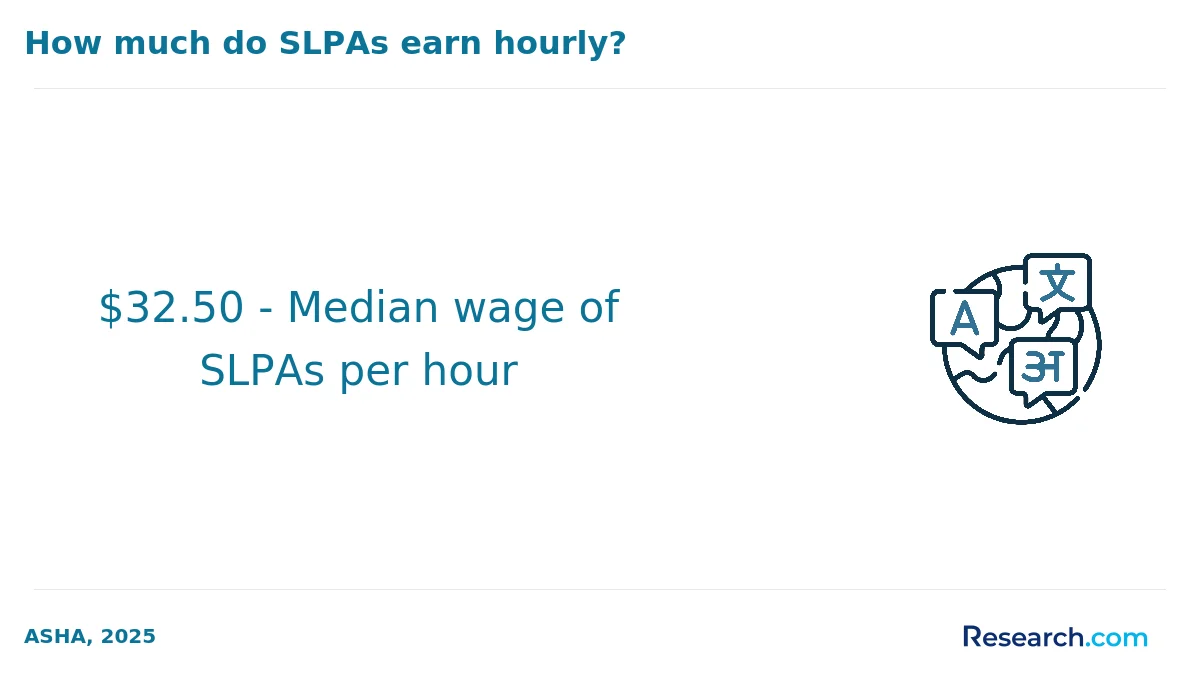
Speech pathology master's graduates are hired most often in healthcare and education. These sectors employ speech-language pathologists because they serve populations with communication, swallowing, developmental, neurological, and rehabilitation needs. Private practice, consulting, and nonprofit work can also be viable, but they tend to be more dependent on experience, specialization, funding, and local demand.
Students should evaluate sectors before choosing electives, practicum sites, and geographic targets. A program with strong school placements may be excellent for pediatric or education-focused careers, while a program with hospital affiliations may better support students interested in acute care, rehabilitation, or neurogenic communication disorders.
- Healthcare: Hospitals, outpatient clinics, rehabilitation centers, and specialty care facilities are major employers. These roles may offer strong clinical exposure and interdisciplinary work, but they can require comfort with complex cases and healthcare documentation.
- Education: School districts hire speech-language pathologists to support children with communication needs. These roles may offer predictable academic calendars and stable demand, though caseloads and administrative requirements can vary widely.
- Private practice and consulting: These settings can provide flexibility and autonomy. They may also require stronger business skills, referral networks, and experience before graduates can advance into independent or consultative work.
- Nonprofit organizations: Nonprofits may focus on advocacy, disability services, community health, or specialized populations. These roles can be mission-driven but may have fewer openings and more variable funding.
- Geographic differences: Large metropolitan areas often have more employer variety, while rural regions may have shortages that create opportunities for graduates willing to relocate.
- Specialization fit: Pediatric, medical, neurological, bilingual, or swallowing-related training can shape which employers view a graduate as a strong match.
Students comparing speech pathology with other healthcare education options may also review related pathways such as online nursing doctorate programs, but employment requirements, licensure rules, and clinical training expectations differ substantially by profession.
What Types of Job Titles Do Speech Pathology Master's Graduates Most Commonly Hold?
Speech pathology master's graduates most commonly begin in roles centered on supervised or direct clinical service. Job titles vary by employer type, state requirements, and whether the graduate has completed the post-graduate supervision needed for independent practice. This matters because a placement report may list graduates as employed even if some are still in transitional or supervised roles.
- Speech-Language Pathologist: This is the core professional title for many graduates working in schools, healthcare settings, private practices, or community-based services. Responsibilities often include assessment, treatment planning, therapy delivery, documentation, and collaboration with families or care teams.
- Clinical Fellow: Many new graduates enter a supervised clinical fellowship before full independent practice. This stage can be a normal and valuable step, not a sign of weak placement, but students should understand how it affects salary, supervision, and autonomy.
- Speech Pathology Consultant: Consultant roles usually involve broader advisory responsibilities, program design, case consultation, or collaboration with schools and healthcare teams. These positions may require more experience than entry-level clinical roles.
- Rehabilitation Specialist: These roles are often found in hospitals, rehabilitation centers, and post-acute care settings. They may involve work with patients recovering from neurological injury, illness, or surgery.
- Program Coordinator: This title typically reflects leadership responsibilities such as managing services, coordinating clinical programs, supporting compliance, or supervising staff. It is more common after graduates gain field experience.
Applicants should use job titles as a reality check when reviewing outcomes. A program that places many graduates into clinical fellowships may be serving students well if those fellowships are high quality and lead to licensure. A program that reports broad employment without listing job titles gives students less information about career fit.
Timing can also affect early career planning. A graduate who applied through a rolling admissions process described waiting weeks for definitive acceptance news, which made it harder to plan clinical internships and job searches. The experience pushed the student to strengthen networking and clinical preparation before committing to a program. When the offer arrived, the student had to decide quickly because clinical slots were limited, showing how admissions timing can influence early employment strategy.
How Soon After Graduation Do Speech Pathology Master's Graduates Typically Find Employment?
Many speech pathology master's graduates receive job offers within three to six months after graduation, and some secure offers before completing their programs. The actual start date, however, may come later because of licensure processing, background checks, school district hiring calendars, medical clearances, or employer onboarding.
Students should distinguish between “time to offer” and “time to start.” A program may report strong placement because graduates accepted positions quickly, even if those graduates did not begin paid work until weeks or months later.
- Time-to-offer: Graduates who begin searching during their final term, use practicum contacts, and target high-demand settings may receive offers faster than those who wait until after graduation.
- Time-to-start: Employment start dates can lag because of licensure paperwork, credential verification, clinical clearances, or institutional schedules, especially in healthcare systems and school districts.
- Pre-graduation job searches: Some reported placement outcomes include students who accepted offers before graduation. That can make post-graduation timelines look shorter than they are for students starting the search later.
- Reporting window variability: Placement rates measured at three, six, or twelve months can produce different impressions. A twelve-month outcome may look strong even if many graduates had a slow start.
- Experience and employer networks: Graduates with strong internships, supervisor references, and practicum sites connected to hiring employers usually have an advantage.
For planning purposes, students should build a job search calendar before graduation, confirm licensure steps in the state where they want to work, and ask programs whether their placement data measures job offers, start dates, or both.
What Is the Average Salary for Speech Pathology Master's Graduates in Their First Job?
The average salary for speech pathology master's graduates in their first job depends heavily on setting, region, licensure stage, and specialization. A graduate starting in a metropolitan healthcare system may receive a different offer than a graduate entering a rural school district, even when both hold the same degree. Salary expectations should therefore be based on comparable roles, not broad averages alone.
Sources such as the BLS Occupational Employment and Wage Statistics (OEWS), NACE, employer postings, and program-reported alumni surveys can all be useful, but they may measure different populations. Program salary data may include only graduates who responded to a survey, while broader labor market datasets may include professionals at many experience levels.
- Industry sector: Healthcare facilities, schools, outpatient clinics, and private practices can differ in salary structure, benefits, calendar length, productivity expectations, and advancement opportunities.
- Geographic region: Urban and economically strong regions may offer higher pay, but cost of living and competition also matter. Rural areas may have fewer employers but can still have strong demand.
- Program selectivity and concentration: Graduates with in-demand clinical preparation, such as pediatric or neurogenic disorders experience, may be more competitive for certain roles.
- Career changers vs. new graduates: Starting salaries may be similar, but career changers may use prior experience in education, healthcare, management, or client service to advance more quickly.
- Data source limitations: Salary reports are most useful when they specify job setting, location, employment status, and whether the figure represents all graduates or only survey respondents.
Students should also weigh salary against program cost and debt. If affordability is a major factor, comparing tuition, clinical placement support, and completion timelines alongside lists of cheapest online slp programs can help applicants focus on programs that fit both career and financial goals.
Prospective students who are also exploring adjacent healthcare or wellness fields may find it useful to compare outcomes with resources such as the best exercise science degree online listings, while keeping in mind that job duties, licensure expectations, and salary structures differ by discipline.
How Do Speech Pathology Master's Program Rankings Affect Graduate Employment Outcomes?
Speech pathology master's program rankings can provide context, but they should not be treated as a direct prediction of employment. A highly ranked program may offer strong faculty, research visibility, and reputation, yet employers often care more about clinical competence, licensure readiness, practicum experience, and local workforce needs.
Rankings are most useful when paired with outcome-specific evidence. Students should ask whether a program's reputation translates into better clinical placements, stronger employer relationships, and documented hiring results in the settings where they want to work.
- Location: A well-ranked program in a weaker target market may be less useful than a lesser-known program with strong ties to the region where a student plans to work.
- Alumni network strength: Active alumni can help students learn about openings, prepare for interviews, identify clinical fellowship opportunities, and understand employer expectations.
- Employer partnerships: Programs with established relationships with clinics, hospitals, school districts, and rehabilitation centers may give students more direct paths into employment.
- Program concentrations: Specialized tracks can help when they match employer demand, but a narrow focus may be less useful if local openings are concentrated in generalist roles.
- Outcome-specific data: Placement rates, job titles, employer types, salary ranges, and licensure outcomes are more actionable than overall prestige.
- Internship experience: The quality, supervision, and relevance of clinical placements often have a greater impact on hiring than a program's rank alone.
One graduate described delaying a decision during rolling admissions while comparing a more prestigious program with another option that offered stronger internship access in the desired job market. The final choice came down to practical employment factors: clinical exposure, local connections, and the likelihood of securing a strong first role. That is the right way to use rankings—as one input, not the deciding factor.
What Role Does Geographic Location Play in Speech Pathology Master's Graduate Job Placement?
Geographic location can strongly affect how quickly speech pathology master's graduates find jobs, what types of employers are available, and what salary ranges are realistic. Programs located near major healthcare systems, school districts, rehabilitation centers, and specialty clinics may offer more practicum options and employer visibility. Those advantages can translate into faster placement when students want to work in the same region after graduation.
Metropolitan areas often provide more employer variety, including hospitals, outpatient clinics, private practices, schools, and specialty care providers. They may also bring more competition from other graduates. Rural and underserved areas may have fewer employers but stronger need, which can create opportunities for candidates willing to relocate or work across multiple service sites.
State-level BLS employment data on speech pathology roles confirms that metropolitan regions frequently offer higher median wages, reflecting concentrated demand as well as differences in cost of living and employer mix. Students should not assume that a higher wage in one location automatically means better financial value after housing, commuting, taxes, and benefits are considered.
Applicants with firm geographic ties should prioritize programs with clinical placements and employer partnerships in that area. Applicants who are flexible should compare several target markets and ask programs where recent graduates were hired. This is especially important for students aiming for specific settings, such as hospital pediatrics, school-based practice, or rehabilitation.
Location-driven salary and hiring patterns are common across healthcare careers. For comparison, resources discussing pharmacist salary trends also show how region, employer type, and workforce demand can shape professional outcomes.
How Do Internship and Practicum Experiences Influence Speech Pathology Master's Employment Rates?
Internship and practicum experiences are among the strongest drivers of employment outcomes for speech pathology master's graduates. Coursework builds foundational knowledge, but employers need evidence that a graduate can assess clients, deliver therapy, document services, communicate with families or care teams, and respond professionally in real clinical settings.
A strong practicum can also function as a hiring pipeline. Students who perform well in a hospital, clinic, school district, or rehabilitation setting may receive references, referrals, clinical fellowship leads, or direct job consideration. This is why the quality of placement matters as much as the number of hours completed.
- Sector alignment: Students interested in schools should seek school-based placements. Those aiming for healthcare roles should look for medical, rehabilitation, or outpatient experiences when available.
- Supervisor quality: Strong supervision helps students improve clinical judgment, documentation, professionalism, and readiness for independent work.
- Employer access: Practicum sites connected to active hiring markets can shorten the transition from graduation to employment.
- Case diversity: Experience with different age groups, communication needs, and clinical conditions can make graduates more adaptable in interviews and early practice.
- Licensure preparation: Placements should support the clinical competencies and documentation students need for post-graduate credentialing steps.
Prospective students should ask programs how placements are assigned, whether online students receive placement support, what settings are available, and whether recent graduates found jobs through practicum sites. Students comparing other career-focused programs may see similar issues in online EHS degree programs, where delivery format, experiential learning, and employer access can affect outcomes.
What Career Services and Job Placement Support Do Speech Pathology Master's Programs Offer?
Strong career services can improve employment outcomes when they are specific to speech pathology rather than limited to generic resume advice. The best support helps students understand licensure steps, identify clinical fellowship opportunities, connect with employers, prepare for interviews, and translate practicum experience into a strong application.
Career support is especially important for online students, career changers, students relocating after graduation, and applicants targeting competitive healthcare roles. A program's placement rate is more credible when the school can explain how students are supported from enrollment through job search.
- Dedicated career advising: Advisors familiar with speech-language pathology can help students choose target settings, prepare application materials, and understand employer expectations.
- Employer recruiting events: Job fairs, virtual recruiting sessions, and employer panels can introduce students to hospitals, schools, clinics, and rehabilitation providers before graduation.
- Alumni mentorship platforms: Alumni can offer practical insight into clinical fellowships, workplace culture, interview preparation, and regional hiring conditions.
- Resume and interview coaching: Effective coaching helps students present practicum work, assessment experience, therapy methods, documentation skills, and client-facing strengths clearly.
- On-campus recruiting partnerships: Programs with employer relationships may give students earlier access to internships, clinical fellowships, and entry-level openings.
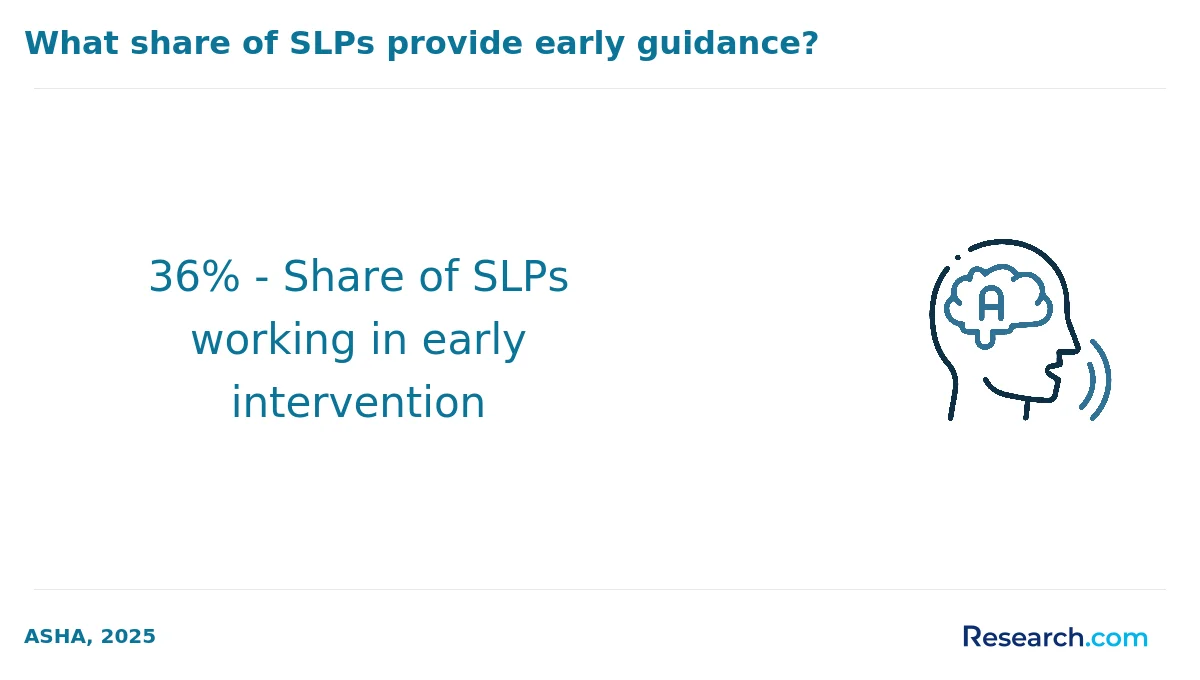
Given that median salaries for speech pathologists range broadly depending on geography and setting, with 2024 data showing entry-level figures near $60,000 annually, employer pipelines can affect both placement speed and first-job compensation. Students should ask for concrete evidence: how many graduates used career services, what employers recruited from the program, how many students found jobs through practicum sites, and what percentage reported field-related employment.
Generic promises of “career support” are not enough. The most useful programs can show how their advising, clinical placement process, alumni network, and employer partnerships help graduates move into licensed or supervised professional roles.
What Graduates Say About the Job Placement Rates for Speech Pathology Master's Graduates
- Kimberly: "Balancing a full-time job while pursuing my master's in speech pathology was tough, so I chose a program with flexible evening classes. I avoided unpaid internships because of the financial strain and built a clinical portfolio through volunteer work instead. I did not get an immediate hospital position, but the portfolio helped me land a school-based role where I am gaining meaningful hands-on experience."
- Alexis: "After changing careers, time mattered most, so I enrolled in an accelerated master's program designed for quicker workforce entry. The pace was demanding and left little room for electives, but I secured an internship at a strong clinic, which employers valued. My salary growth may depend on future certifications, but the early start and practical training were worth the trade-off."
- Eli: "I wanted to limit debt, so I chose a mid-tier speech pathology program with remote learning options and affordable tuition. Competing for hospital jobs against graduates from more prestigious schools was challenging, so I started in outpatient care. That role gave me flexibility and a wider range of patients, and I plan to pursue specialized certifications to advance."
Other Things You Should Know About Speech Pathology Degrees
The choice of specialization within speech pathology significantly impacts employment prospects. Graduates focusing on pediatric speech disorders often find more openings in schools and healthcare settings, while those specializing in adult neurogenic communication may face a narrower job market tied to rehabilitation centers and hospitals. Prospective students should prioritize programs offering clinical placements aligned with their intended specialty because employer demand fluctuates by patient populations served and regional healthcare priorities.
While online programs offer flexibility, graduates from on-campus programs generally report higher placement rates. This difference largely stems from on-campus students accessing more robust clinical training sites and stronger local employer networks. Candidates considering an online degree should carefully review the program's clinical practicum arrangements and employer engagement to avoid underpreparedness and limited local job prospects.
Employers tend to prioritize hands-on clinical experience over the mode of education, valuing candidates who demonstrate competency through internships or practicum hours. A master's degree alone doesn't guarantee competitive hiring if it isn't complemented by relevant, supervised clinical hours and exposure to diverse populations. Graduates should seek programs with transparent, enforced clinical hour requirements and opportunities to work in multidisciplinary teams to meet employer expectations.
Prospective students should inquire about the job placement rate within six months of graduation, the types of employment secured by graduates, which settings or regions have the most opportunities, and the support provided by the program in securing employment.
References
- U.S. Bureau of Labor Statistics - Speech-Language Pathologists https://www.bls.gov/ooh/healthcare/speech-language-pathologists.htm
- ASHA EdFind - Accredited Speech-Language Pathology Programs https://find.asha.org/ed/
- Audiology and Speech-Language Pathology Interstate Compact https://aslpcompact.com/compact-map/
- Abilene Christian University - Master of Science in Speech-Language Pathology (Online) https://acu.edu/academics/graduate/master-of-science-in-speech-language-pathology/
- University of Nebraska at Kearney - Speech-Language Pathology, Master of Science in Education (Online Track) https://www.unk.edu/online/degrees-programs/speech-language-pathology-online.php
- California State University-Northridge - Master of Science in Communicative Disorders (Online) https://tsengcollege.csun.edu/programs/CDS
- Maryville University - Master of Science in Speech-Language Pathology https://www.maryville.edu/masters/speech-language-pathology/
- Baylor University - Master of Science in Speech-Language Pathology (Online) https://csd.robbins.baylor.edu/graduate/online-csd-graduate-program