2027 Online BS in Business Administration Admissions with A Request to Begin with One Course: What to Check
Audited and Verified:
Our Editorial and Data Verification Process
Research.com uses government datasets, official education statistics and primary institutional information to support its career and degree guides. Our review process checks factual accuracy, occupational definitions, source dates and the requirements associated with the credentials discussed.
How This Article Was Fact-Checked
Our editorial team verifies salary estimates, employment projections, education requirements and program information against original data providers and official organizations. Salary figures are checked against the relevant occupational definitions and reporting periods. Information about licensure, accreditation and required in-person training is reviewed separately.
Fact-checked and verified on:

Co-Founder and Chief Data Scientist
Starting an online business administration degree with one course can be a sensible way to test your schedule and academic readiness. But a request to start small is not the same as admission, a reserved seat, or a promise that the course will count toward graduation.
This guide is for applicants balancing school with work, caregiving, or previous college credit. It explains whom to contact, which approvals to get in writing, and how to compare the academic and financial consequences before you register.
Key Things You Should Know
- Ask whether you can enroll in one course as a degree-seeking or nondegree student, and obtain written confirmation that the specific course will satisfy a degree requirement.
- Check the course's actual deadlines, live meetings, group work, and exam rules; "online" does not necessarily mean self-paced.
- Confirm tuition and fees for one course and ask financial aid how your enrollment level affects eligibility before accepting a bill or loan.
What is an online BS in Business Administration?
An online Bachelor of Science in Business Administration is an undergraduate degree covering organizational decision-making and core business functions. Depending on the school, it may include general education, accounting, economics, finance, marketing, management, quantitative coursework, electives, and a capstone. "Online" describes delivery, not a uniform admissions policy or pace.
A BS, BBA, and specialized business bachelor's degree can differ in requirements even when their course titles look similar. If you are still comparing institutions, use ranked American online business degree options as a starting point, then check each school's current catalog and one-course enrollment policy directly.
How can you request to begin an online business degree with one course?
Contact undergraduate admissions and the business program adviser before applying or registering. State whether you want to enter the degree immediately at a light course load or take a course first as a nondegree student. The distinction matters: nondegree enrollment may have different course access, aid rules, and later admission requirements.
A short, specific request makes it easier for staff to give you an answer you can act on:
"I plan to apply for the online BS in Business Administration but want to begin with one course. Can I enroll as a degree-seeking student at that pace? If not, can I take a course before admission? Please identify an available course, its prerequisites, whether it will apply to the degree if I am admitted, the total charge, and any effect on financial aid."
Ask the adviser to confirm the proposed course against your current catalog and degree audit, especially if you have prior college credits. Ask the registrar when registration opens and whether admission to the university also permits enrollment in the business major. Programs designed around continued employment can provide useful comparisons; explore business administration colleges for working professionals, but verify their actual first-term policies rather than relying on a flexibility claim.
What admission requirements apply to online business administration programs?
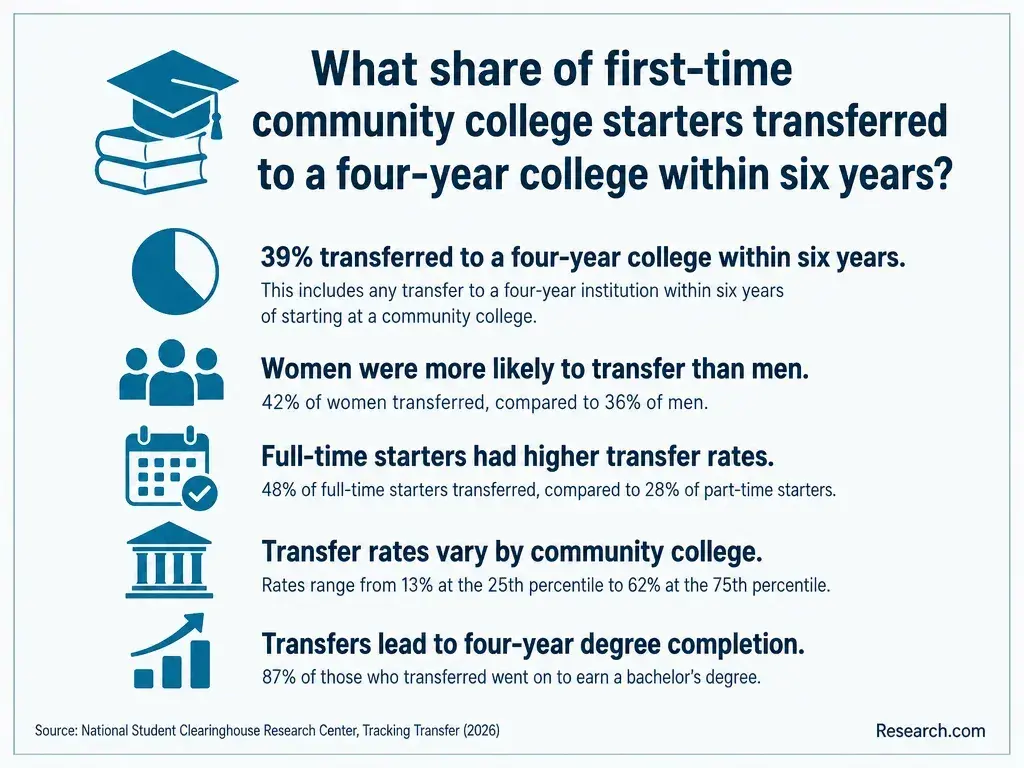
Requirements depend on whether you are a first-year, transfer, returning, or nondegree applicant. Schools may request secondary-school records, official college transcripts, or evidence that prerequisites have been completed. Admission to the institution, admission to the business major, permission to take a particular course, and acceptance of transfer credit are separate decisions.
If you have studied elsewhere, send official records and request an evaluation showing where accepted credits apply: general education, business core, concentration, or electives. Ask whether the first course has mathematics, accounting, or class-standing prerequisites. A previous major outside business does not automatically prevent admission, but it may leave foundational courses to complete. For a closer look at common preparation questions, see what to check before applying for a business administration degree.
Check the institution's stated accreditor against the U.S. Department of Education's recognized accreditation information, then confirm that the institution - not merely a different campus or partner - awards the degree you intend to pursue. Accreditation is relevant to academic oversight and may affect aid eligibility and future credit evaluation; it does not guarantee that another school will accept a course.
If a school advertises AACSB, ACBSP, or IACBE accreditation, inspect the accreditor's listing and the stated scope. Institutional accreditation and business-school or programmatic accreditation answer different questions, and coverage should not be assumed for every degree. Apply the same check when comparing a general business degree with online HR bachelor's programs accepting transfer credits: verify the awarding institution, the named program, and its credit policies separately.
Expect an introduction to how organizations manage money, people, customers, and operations. Accounting and statistics may support later finance or analytics work; management and marketing courses address different decisions. The best first course is not necessarily the most interesting elective - it is one you can enter now that advances a requirement and prepares you for the next course in the sequence.
If your goal is HR, compare the general business core with the deeper functional study described in HR degree requirements and job opportunities. Ask whether the school offers an official concentration or only HR electives, and whether choosing it adds courses or changes your graduation plan. An elective does not create a separately awarded credential.
The important comparison for a one-course start is how the class operates, not simply where you sit. An online course may still require scheduled discussions, team meetings, presentations, proctored exams, or weekly deadlines. A campus course has travel and set meeting times but may make in-person collaboration easier. Neither format is inherently lighter work.
Request a recent syllabus or course schedule and check the learning platform, required software, accessibility support, and any campus visits. If you expect to increase your course load later, confirm that required classes run often enough to support that plan. Flexible fast-track routes in business education are another option to compare, but a faster calendar does not remove prerequisites or make each week less demanding.
One course can reduce your initial workload and immediate tuition charge, but it may extend the time before you finish. The answer depends on credits that apply to the degree, remaining requirements, course availability, and how many courses you can take in later terms. Request an official degree audit and a term-by-term plan rather than using an advertised completion time as your personal estimate.
For the proposed first course, obtain a written breakdown of tuition, mandatory fees, books or software, and any exam costs. Then ask financial aid to assess your specific enrollment level; aid eligibility and loan options can change when you take fewer courses. Compare the projected cost of the full remaining degree, not just an attractive first-term bill. Resources on how to reduce tuition costs for a business degree can help frame a comparison, but your evaluated credits and aid offer determine your likely expense.
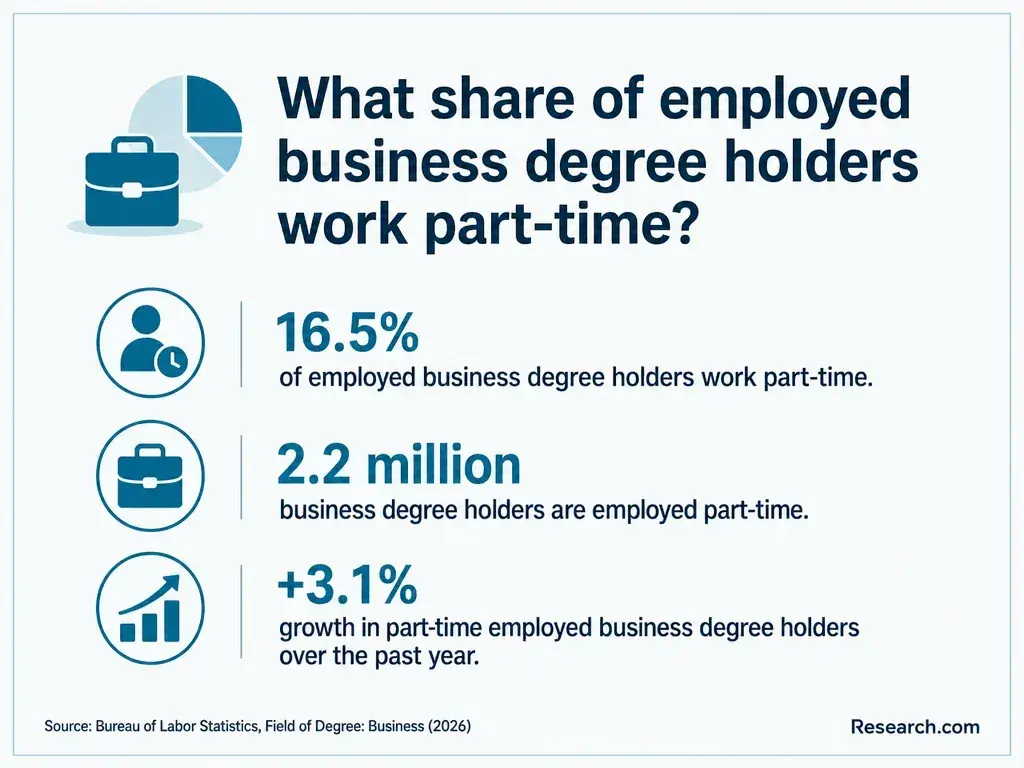
A broad business degree can support applications for roles such as operations coordinator, marketing coordinator, HR assistant, or project coordinator. The work differs: an operations role may track processes and vendors, while a marketing role may help coordinate campaigns and interpret customer information. Relevant experience, spreadsheets, communication, and work samples often matter alongside the degree. Graduation alone does not qualify someone to manage staff or major budgets.
Choose an initial course that helps with a plausible target role, then look for approved projects or relevant work where you can demonstrate that skill. If you specifically want project work rather than a broad business education, compare the curriculum and total cost of value-focused project management degree choices before committing to a general business pathway.
There is no single salary or job-growth rate for BS in Business Administration graduates: outcomes depend on the occupation entered, location, industry, and experience. For context, the U.S. Bureau of Labor Statistics reports a May 2025 median annual wage of $75,940 for human resources specialists and projects 6% employment growth for that occupation from 2025 to 2035. That occupation-wide median includes experienced workers; it is not a starting-salary estimate for a new graduate.
Use occupation data to investigate a target job, not to justify borrowing against an assumed future income. Compare likely entry routes and your full education cost before deciding how quickly to enroll. Aid information for a different field, such as FAFSA-based aid for online project management undergraduates, may suggest questions to ask, but only your school's aid office can assess the business program and your enrollment plan.
Which certifications or professional standards can strengthen a business career?
Useful credentials depend on the function you intend to enter. An HR, accounting, or project-management credential may have its own education, experience, examination, and continuing-education rules. A BS in Business Administration - or a single related course - does not automatically meet those rules or confer a professional license.
Before paying for a credential, check its issuing organization's current eligibility requirements and compare them with job postings for your target role. If your goal is primarily to develop supervisory skills, also compare employer training and fast-paced online organizational leadership bachelor's programs. The better choice depends on whether you need a bachelor's degree, a specific functional skill, or evidence of responsibility you have already gained at work.
Other Things You Should Know About Business Administration
Usually you can choose not to register for another term, but check withdrawal deadlines, unpaid balances, aid obligations, and whether a future return requires readmission.
Ask how the grade would affect academic standing, aid eligibility, and repeat-course rules. Seek tutoring or adviser support early rather than waiting for a final grade.
Possibly. Ask your benefits office whether the course and school qualify, whether approval is required before enrollment, and when reimbursement would arrive.
Policies vary. Before pausing, ask how long your admission and catalog requirements remain valid and whom to contact to plan your return.
- Chapter 3 - Courses and Enrollment, Full Course of Study, and Reduced Course Load | USCIS https://www.uscis.gov/policy-manual/volume-2-part-f-chapter-3
- Adult Students - Financial Aid Toolkit - Department of Education https://financialaidtoolkit.ed.gov/tk/outreach/target/adults
- Filling Out the FAFSA® Form | studentaid.gov https://studentaid.gov/apply-for-aid/fafsa/filling-out
- Prerequisites and Corequisites - Curriculum Management https://curriculummanagement.oregonstate.edu/pop/prerequisites-and-corequisites
- Course Fundamentals - Office of the University Registrar https://registrar.washington.edu/register/course-fundamentals/
- Online Bachelor of Science in Business Administration | Lasell University https://www.lasell.edu/graduate-studies/academics/bsba.html
- Prerequisites | Enroll at PCC https://www.pcc.edu/enroll/registration/prereq/
- Non|Degree Student Admissions - Colorado State University https://admissions.colostate.edu/apply/non-degree/
- Bachelor of Science in Business Administration (BSBA) | California State University, East Bay https://ce.csueastbay.edu/programs/business-administration/
- Online Bachelor's Degree in Business Administration | Purdue Global https://www.purdueglobal.edu/degree-programs/business/bachelor-business-administration/