2027 Day in the Life of an Online BCBA Student

Co-Founder and Chief Data Scientist
Choosing an online BCBA pathway is really a scheduling decision as much as an academic one. You need a program that meets certification requirements, fits around work and family responsibilities, and gives you enough structure to complete coursework, supervised fieldwork, and exam preparation without losing momentum.
This guide explains what online BCBA study looks like in practice: who the credential is for, how virtual programs compare with campus options, what admissions and curriculum requirements usually include, how long programs take, what they may cost, and how to evaluate career outcomes. It is designed for working professionals, educators, psychology and human services graduates, and career changers who want a realistic view of the day-to-day commitment before enrolling.
Key Things You Should Know
- Online BCBA students in 2026 typically balance coursework, supervised fieldwork, and exam preparation, averaging 15-20 study hours weekly alongside clinical practice.
- Advances in virtual platforms enable more interactive Applied Behavior Analysis training, including real-time data recording and remote supervision, improving learning outcomes.
- Approximately 70% of students report flexibility and accessibility as major benefits despite challenges in maintaining hands-on experience and peer interaction.
What is a BCBA and why pursue certification online?
A Board Certified Behavior Analyst (BCBA) is a credentialed professional who applies behavior analysis to assess behavior, design intervention plans, measure progress, and supervise behavior-analytic services. BCBAs often work with individuals with autism spectrum disorder, developmental disabilities, behavioral health needs, learning challenges, or organizational performance goals.
Online BCBA study appeals to students who need flexibility but still want a structured route toward certification. Many learners are already working in education, healthcare, ABA therapy, psychology, social services, or special education. For them, relocating or attending classes on campus several nights a week may not be practical. Online coursework can make graduate study more accessible while allowing students to keep earning income and gaining field experience.
As of April 1, 2026, more than 70,000 individuals worldwide hold BCBA certification, reflecting continued demand for behavior analysts across schools, clinics, healthcare organizations, community agencies, and consulting environments. Online education has helped expand access to this training, but flexibility should not be confused with a lighter workload. Students still need to complete rigorous graduate-level coursework, supervised fieldwork, documentation, and exam preparation.
Before choosing a program, confirm that the coursework aligns with current Behavior Analyst Certification Board (BACB) requirements and that the school clearly explains how students obtain supervision, prepare for the exam, and meet any state-specific licensing rules. You can compare affordability, formats, and program options in this guide to board certified behavior analyst programs online.
What does a typical day look like for an online BCBA student?
A typical day for an online BCBA student combines graduate coursework, supervised fieldwork, data review, communication with supervisors, and exam preparation. The exact schedule depends on whether the student works full time, studies part time, completes fieldwork during business hours, or attends live online sessions in the evening.
Many students build their day around fixed obligations first: employment, client sessions, supervision meetings, and family responsibilities. Coursework then fits into protected study blocks. A realistic routine usually includes 3-5 hours daily for reading, recorded lectures, assignments, discussion posts, case analysis, and test preparation, especially during heavier terms.
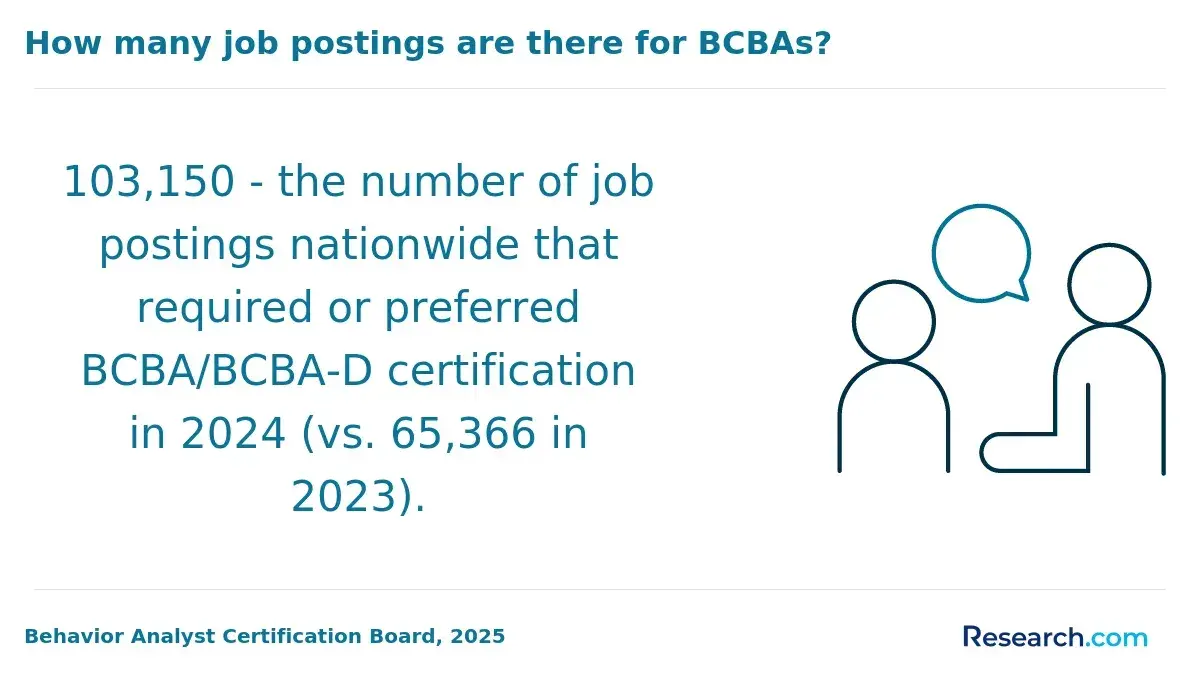
Demand for BCBA and BCBA-D certificants has increased by 28% according to the Behavior Analyst Certification Board, so students often feel pressure to finish quickly. However, the students who stay on track usually prioritize consistency over cramming. They connect course concepts directly to fieldwork, document experience hours promptly, and review feedback while the case details are still fresh.
Sample daily rhythm for an online BCBA student
- Morning: Review messages from instructors, supervisors, and practicum sites; check assignment deadlines; preview lecture material or readings before work.
- Midday or workday hours: Complete fieldwork activities, observe behavior, collect data, participate in supervision, or apply intervention procedures where appropriate.
- Late afternoon: Update fieldwork documentation, review session notes, organize data, and identify questions for supervision.
- Evening: Watch lectures, complete readings, contribute to online discussions, work on case assignments, or attend webinars and live class meetings.
- End of day or weekend block: Complete practice questions, review ethics scenarios, and track progress toward exam readiness.
The biggest challenge is not simply finding time; it is protecting the right kind of time. BCBA coursework requires focused analysis, not passive viewing. Students should avoid scheduling dense material after an exhausting day unless they can reduce distractions and work in shorter, high-quality blocks.
Prospective students can learn more about broader degree and certification pathways through this behavioral analysis degree resource.
How do online BCBA programs compare to campus-based ones?
Online and campus-based BCBA programs can both provide strong preparation when they meet current certification requirements and offer effective supervision support. The better choice depends on how you learn, where you live, whether you already work in a relevant setting, and how much structure you need.
| Factor | Online BCBA programs | Campus-based BCBA programs |
| Schedule | Often more flexible, with asynchronous lectures and online assignments. | More structured, with set class times and in-person attendance expectations. |
| Interaction | Requires intentional participation through forums, video meetings, and virtual office hours. | Offers easier face-to-face discussion, peer connection, and immediate clarification. |
| Fieldwork | Students may need to arrange approved local or remote supervision more independently. | May offer stronger local placement pipelines, depending on the school and region. |
| Best fit | Self-directed students balancing employment, caregiving, or geographic limitations. | Students who benefit from classroom accountability, on-campus resources, and local networking. |
The academic rigor should be comparable in reputable programs, but the student experience can be very different. Online students must manage distractions, communicate proactively, and treat deadlines as nonnegotiable. Campus students may benefit from built-in structure but have less control over commute time and class scheduling.
BCBA exam pass rates have dropped yearly, reaching record lows despite rising applicant numbers. That trend makes program support especially important. Whether online or on campus, students should look for clear exam preparation, experienced faculty, strong advising, and transparent outcomes rather than assuming format alone predicts success.
- Choose online if you need flexibility and already have access to a relevant work or fieldwork setting.
- Choose campus-based study if you want regular in-person interaction and stronger local cohort support.
- Avoid any program that is vague about supervision, certification eligibility, or exam preparation.
- Ask how often students meet with faculty, how fieldwork is monitored, and what support exists when placements fall through.
Students considering shorter or intensive formats can compare accelerated pathways through this masters applied behavior analysis resource.
BCBA preparation is governed by certification requirements, graduate education standards, supervised fieldwork rules, and, in many states, separate licensure laws. Students should verify all of these before enrolling because completing a degree does not automatically guarantee certification or state practice authority.
In the United States, BCBA pathways generally require graduate-level coursework aligned with Behavior Analyst Certification Board (BACB) expectations. Coursework should cover behavior assessment, ethics, research methods, measurement, intervention design, supervision, and behavior-change procedures. The institution itself should be properly accredited, and the program should clearly state how its coursework supports BCBA eligibility.
Many pathways also require at least 1,500 hours of verified supervised experience under qualified supervision. Online students often complete these hours through employers, clinics, schools, community agencies, or approved practicum arrangements. The challenge is not only completing the hours but documenting them correctly, receiving appropriate supervision, and ensuring that the activities count under current rules.
Licensing requirements vary by state. Some states require BCBA certification plus a state license; others may impose additional applications, background checks, exams, continuing education, or scope-of-practice rules. A graduate could meet education and exam requirements but still face employment limits if state licensure is not completed.
Data from Behavior Assessment Modules show full-time BCBA supervisors often handle caseloads up to 200 provider hours per week, which makes supervision availability a practical concern. Before enrolling, ask whether the program helps students identify qualified supervisors, how it monitors fieldwork quality, and what happens if a supervision site changes.
- Check current BACB eligibility rules directly rather than relying only on marketing language.
- Confirm that the school is institutionally accredited and that the coursework fits BCBA preparation needs.
- Review your state licensing board’s requirements before starting the program.
- Verify that any supervisor meets BACB standards before logging hours.
- Keep fieldwork records organized from the first week; retroactive reconstruction can create certification problems.
Students comparing distance-based options can review this guide to a master's in behavior analysis online to identify programs that better align with certification and licensure planning.
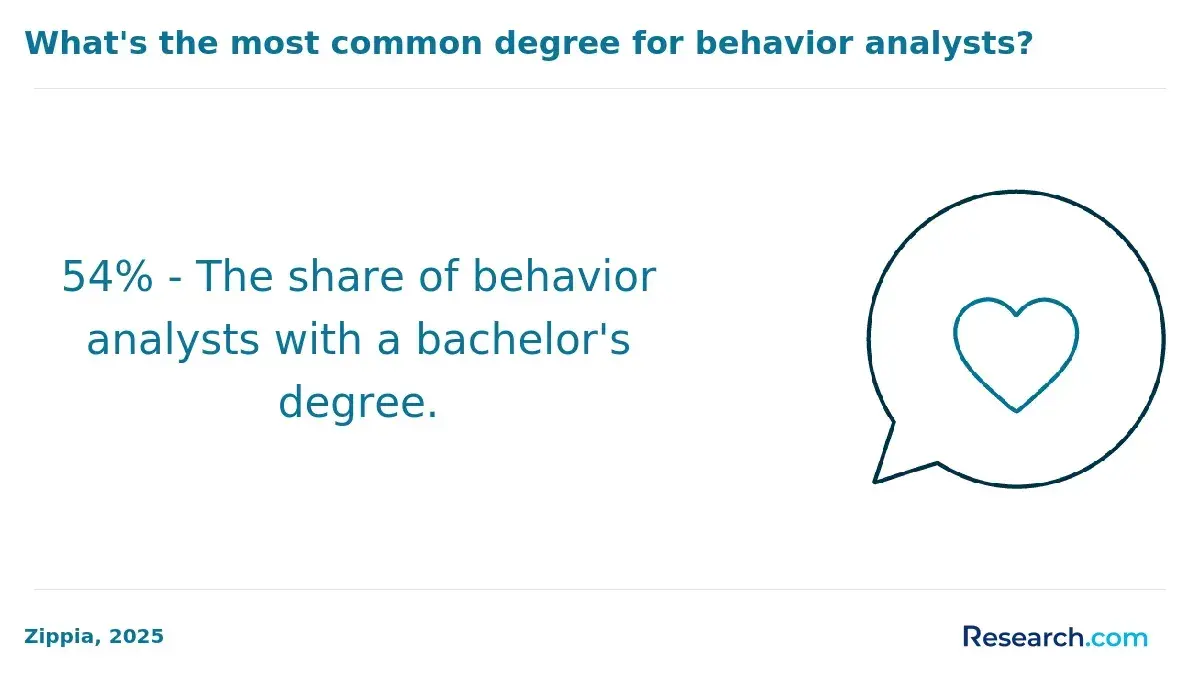
Admission requirements depend on the type of online BCBA pathway. A master’s degree program usually requires a bachelor’s degree from an accredited institution. A post-master’s certificate or graduate certificate usually requires an existing graduate degree in behavior analysis, education, psychology, special education, counseling, social work, or a related field. Applicants should confirm which pathway they need based on their current education level and certification goals.
Most programs review academic preparation, professional experience, and readiness for graduate-level work. A minimum GPA, often 3.0 or higher, remains common, although schools may consider applicants holistically. GRE requirements are less common than they once were, but some institutions may still request standardized test scores or additional evidence of academic readiness.
Common application materials
- Official transcripts from prior colleges or universities.
- Resume or CV showing relevant work, volunteer, research, teaching, clinical, or human services experience.
- Statement of purpose explaining career goals and interest in behavior analysis.
- Letters of recommendation from faculty, supervisors, or professionals who can assess graduate readiness.
- Documentation of prerequisite coursework, if required.
- English proficiency scores such as TOEFL or IELTS for some international applicants.
Some programs include practicum or fieldwork support, while others expect students to secure supervised experience separately. This distinction matters. An applicant who works in an ABA clinic may prefer a program that allows employer-based fieldwork, while a career changer may need a school with stronger placement guidance.
The demand for behavior analysts has steadily increased from 2010 through 2025, but applicants should not choose the fastest admission route without checking certification alignment. Review the curriculum, fieldwork expectations, faculty qualifications, and student support services before applying. A program that is easy to enter but weak on supervision or exam preparation can delay certification later.
An online BCBA curriculum is built around the science and practice of behavior analysis. Students learn how to define behavior, measure change, analyze environmental variables, design interventions, evaluate outcomes, and practice ethically across settings. Strong programs connect each course to real decision-making rather than treating concepts as exam vocabulary only.
Core coursework commonly includes behavior assessment, ethics and professional conduct, applied behavior analysis research methods, behavior-change procedures, measurement, data analysis, supervision, and intervention planning. Students may also study verbal behavior, experimental analysis of behavior, functional behavior assessment, organizational behavior management, and consultation methods.
| Course area | What students learn | Why it matters in practice |
| Behavior assessment | How to identify target behaviors, collect information, and analyze function. | Assessment quality affects whether interventions address the right variables. |
| Ethics | Professional responsibilities, consent, scope of competence, documentation, and client welfare. | BCBAs make high-impact decisions and must protect clients, families, and staff. |
| Measurement and data analysis | How to collect, graph, interpret, and use behavioral data. | Intervention decisions should be data-informed, not based on impressions alone. |
| Behavior-change procedures | How to design and evaluate reinforcement, prompting, shaping, and other strategies. | Students learn to build effective plans and adjust them when progress stalls. |
| Supervision | How to train, monitor, and support behavior technicians and other service providers. | BCBAs often oversee implementation quality across teams. |
Supervision training is especially important because research shows that BCBAs must supervise at least 10% of each ABA therapist's client hours monthly. Online programs should therefore teach not only clinical concepts but also performance feedback, treatment fidelity, staff training, documentation, and ethical delegation.
Hands-on learning may occur through practicum experiences, employer-based fieldwork, simulations, case studies, or supervised projects. Electives may focus on Autism Spectrum Disorders, Early Intervention, Organizational Leadership, or related areas, allowing students to align coursework with career goals.
Before enrolling, compare course titles with detailed syllabi. A strong curriculum should prepare students to analyze real cases, defend intervention choices, and use data responsibly, not simply complete discussion posts and quizzes.
Online BCBA programs generally take 12 to 24 months, depending on whether the student enrolls full time or part time, how many courses are taken each term, and how quickly supervised fieldwork can be completed. Full-time students may finish coursework in about one year, while part-time students often need up to two years or longer to balance school with work and personal responsibilities.
Time to completion is not determined by coursework alone. Most programs require approximately 1,500 supervised fieldwork hours, and those hours can shape the entire timeline. A student with an eligible job and qualified supervisor may progress more steadily than a student who must find a new placement after enrolling.
Tuition and fees for online BCBA programs typically range from $7,000 to $15,000, though costs vary by institution, residency status, program type, and whether the student is completing a full degree or certificate. Students should also budget for textbooks, technology, application fees, exam preparation materials, certification-related fees, and practicum supervision expenses if those are not included.
Cost and timeline questions to ask before enrolling
- Is the quoted tuition based on the full program or only per-credit pricing?
- Are supervision costs included, optional, or paid separately?
- Can students complete fieldwork through their current employer?
- Are courses asynchronous, live, or a mix of both?
- What happens if a student needs to pause, reduce course load, or change fieldwork sites?
- Does the school offer scholarships, payment plans, or employer tuition assistance options?
Since over half of BCBAs report working more than 40 hours weekly due to home-office flexibility, schedule design matters. Asynchronous coursework can help working students, but it also requires strong self-management. Accelerated formats can reduce calendar time, but they may be difficult for students who are also accumulating fieldwork hours and maintaining full-time employment.
The lowest-priced program is not always the best value. A program with stronger advising, clearer fieldwork support, and better exam preparation may save time and reduce the risk of certification delays.
BCBA graduates can work in clinical, educational, community, organizational, and supervisory roles. Many begin in ABA service settings, where they assess client needs, design behavior intervention plans, supervise Registered Behavior Technicians, train caregivers, and monitor treatment progress.
In clinical and autism services, BCBAs often support individuals with autism spectrum disorder, developmental disabilities, communication challenges, or severe behavior concerns. They may review data, revise goals, lead team meetings, and ensure that intervention plans are implemented as designed. These professionals spend up to 20 hours weekly in direct supervision, which makes leadership and coaching skills essential.
Schools and districts also employ BCBAs to support students, teachers, special education teams, and behavior support programs. In these settings, the work may include functional behavior assessments, behavior intervention plans, staff training, classroom consultation, and collaboration with families and administrators.
Other graduates move into healthcare organizations, early intervention programs, residential services, nonprofit agencies, or consulting. Some specialize in organizational behavior management, helping teams improve performance, safety, training, or workplace systems. Others pursue research, teaching, program administration, or doctoral study.
Common BCBA roles
- Clinical behavior analyst
- ABA program supervisor
- School-based behavior specialist
- Autism services coordinator
- Early intervention behavior analyst
- Behavior consultant
- Organizational behavior management consultant
- Clinical director or program manager
- Research or academic professional
Early-career BCBAs should expect a mix of client-facing work, supervision, documentation, data analysis, caregiver training, and administrative responsibilities. Specializing in areas such as pediatric, geriatric, or forensic behavior analysis can help professionals target specific populations and build a clearer career niche.
The salary range for Board Certified Behavior Analysts (BCBAs) in the United States typically falls between $60,000 and $90,000 annually for full-time roles. Entry-level BCBAs often earn near the lower end, while experienced supervisors, clinical leaders, specialists, and private practice owners can earn over $100,000. Pay varies by location, employer type, caseload, setting, licensure requirements, and level of responsibility.
Job opportunities remain strong. Nationally, postings increased by 28% in the year leading to 2025, driven by demand in healthcare, autism services, schools, early intervention, developmental disability services, and behavioral health support. However, a growing job market does not mean every role is equally desirable. Workload, supervision expectations, documentation demands, travel requirements, and ethical support can vary widely by employer.
BCBAs who want stronger salary potential should look beyond base pay and evaluate the full role. A higher salary may come with larger caseloads, more travel, after-hours parent meetings, or extensive supervision responsibilities. A slightly lower salary may be more sustainable if it includes manageable caseloads, strong administrative support, quality training, and clear clinical standards.
Ways to strengthen earning potential
- Gain experience in evidence-based applied behavior analysis settings.
- Develop supervision, staff training, and program management skills.
- Understand state licensure requirements and maintain compliance.
- Build expertise in high-need areas such as autism services, early intervention, severe behavior, schools, or organizational behavior management.
- Network through professional groups, conferences, online communities, and local behavior analysis associations.
- Compare employers by caseload expectations, support systems, benefits, and advancement paths, not salary alone.
For new graduates, the best first job is often the one with strong mentorship and ethical clinical systems. Early support can shape long-term competence, confidence, and career mobility.
How to choose a reputable online BCBA program?
A reputable online BCBA program should make certification alignment, coursework, faculty expertise, fieldwork expectations, student support, and outcomes easy to verify. If a program relies on vague promises or does not clearly explain how students meet requirements, treat that as a warning sign.
Start with accreditation and eligibility. Confirm that the institution is properly accredited and that the curriculum aligns with current Behavior Analyst Certification Board (BACB) requirements. Review course descriptions, sequencing, and exam preparation resources. Do not assume that every psychology, education, or ABA-related degree automatically qualifies you for the BCBA exam.
Faculty quality also matters. Look for instructors who are experienced BCBAs, have relevant clinical or research backgrounds, and can connect theory to practice. Faculty biographies, publications, clinical specialties, and supervision experience can help you judge whether the program has depth beyond recorded lectures.
Fieldwork support is one of the most important differences among programs. Since 60% of BCBA daily tasks involve variable supervision, parent training, or data-related activities, students need more than academic content. They need structured opportunities to practice documentation, supervision, data interpretation, caregiver communication, and ethical decision-making.
Program evaluation checklist
- Does the school clearly explain certification eligibility and state licensure considerations?
- Is the institution accredited, and is the BCBA coursework aligned with current requirements?
- Are faculty members qualified BCBAs with relevant professional experience?
- Does the program help students plan or secure supervised fieldwork?
- Are courses asynchronous, synchronous, or hybrid, and does that format fit your schedule?
- What advising, tutoring, exam preparation, and technical support are available online?
- Does the school publish graduation rates, BCBA exam pass rates, or alumni employment data?
- Are total costs, fees, and supervision expenses transparent before enrollment?
The strongest choice is the program that matches your life while still holding you to professional standards. Prioritize clear requirements, credible faculty, reliable supervision pathways, transparent outcomes, and a format you can sustain through graduation, fieldwork, and exam preparation.
Other Things You Should Know About Applied Behavior Analysis
BCBAs frequently work with individuals across the lifespan, but many specialize in serving children with autism spectrum disorder. They also support people with developmental disabilities, behavioral challenges, and sometimes those with complex medical needs. Their interventions aim to improve socially significant behaviors and enhance quality of life.
After obtaining certification, BCBAs can independently design and implement applied behavior analysis interventions. They are qualified to conduct assessments, develop treatment plans, and supervise behavior technicians. However, state regulations may impose additional licensing requirements for autonomous practice.
Data collection is fundamental to applied behavior analysis treatment. BCBAs systematically gather quantitative data on behavior frequency, intensity, and duration to evaluate intervention effectiveness. This data-driven approach allows for continuous adjustments to optimize client outcomes.
BCBA candidates need 2,000 Supervised Fieldwork hours or 1,500 Concentrated Supervised Fieldwork hours, verified under BACB rules. At least 5% of hours must be supervised each month, and the supervisor must meet BACB training and credential requirements.
- ABA Therapy FAQ | ABA 360 https://www.aba360.com/resources/resources-aba360/a-day-in-the-life-of-a-bcba-212
- Understanding Certification and Licensure in Behavior Analysis Practice https://www.abatechnologies.com/blog/understanding-certification-and-licensure-in-behavior-analysis-practice
- BCBA Career Outlook: Essential Guide to Salary and Growth Trends https://www.hiddenlightaba.com/bcba-career-outlook-essential-guide-to-salary-and-growth-trends/
- Choosing Excellence: Discover the Best BCBA Programs Online | Brighter Strides ABA https://www.brighterstridesaba.com/blog/bcba-programs-online/
- LBA vs. BCBA – What’s the Difference? https://onlinecounselingprograms.com/mental-health-careers/how-to-become-behavior-analyst-bcba/lba-vs-bcba/
- Day in the Life of a BCBA https://abapsychologicalservices.com/Day-in-the-Life-of-a-BCBA.html
- BCBA Job Opportunities: Career Paths, Growth, and Impact https://championsaba.com/bcba-job-opportunities/
- Is Becoming a BCBA a Good Career in 2026? Salary, Growth, and What to Expect https://mindfulsproutsaba.com/blog/is-becoming-a-bcba-a-good-career-in-2026-salary-growth-and-what-to-expect/
- Is BCBA Certification Worth the Investment? | Little Rays ABA https://www.littleraysaba.com/blog/bcba-certification
- BCBA Job Outlook 2025 Shows Strong Growth and Demand https://blossomabatherapy.com/blog/bcba-job-outlook