2027 Best Forensic Psychology Degrees for Working Adults

Co-Founder and Chief Data Scientist
Balancing a full-time job while pursuing a forensic psychology degree often overwhelms working adults seeking career advancement in this demanding field. With the forensic psychology workforce expected to grow by 14% through 2031, demand for convenient, accredited programs is rising. Many adults struggle to find programs that offer flexibility without compromising quality or accreditation. This article examines the best forensic psychology degrees designed specifically for working professionals, highlighting programs that combine rigorous education with adaptable schedules to support career growth and practical application in real-world settings.
Key Things to Know About Forensic Psychology Degrees for Working Adults
- Flexible scheduling and part-time options are common, allowing working adults to balance studies with professional and personal responsibilities effectively.
- Many programs offer online or hybrid formats, increasing accessibility for remote learners; over 60% of forensic psychology students utilize these formats.
- Employers value accelerated and applied learning formats that emphasize practical skills, helping students advance or pivot careers in legal and mental health fields.
What Are the Best Forensic Psychology Degrees for Working Adults?
The best forensic psychology degrees for working adults vary depending on factors such as schedule flexibility, alignment with career goals, and return on investment. Many working professionals seek programs offering part-time enrollment or fully online coursework to balance education with ongoing employment. A significant trend is the expansion of online education, with numerous accredited forensic psychology programs designed especially for adult learners.
Several degree options cater well to employed students, including:
- Master's in Forensic Psychology with Online or Part-Time Options: These programs offer practical coursework relevant to roles in criminal profiling, victim advocacy, and law enforcement support, delivered in flexible formats that accommodate full-time work schedules.
- Graduate Certificate in Forensic Psychology: Tailored for professionals who want specialized knowledge without pursuing a full degree, these certificates often provide online or evening classes to fit busy lifestyles.
- Bachelor's in Psychology with a Forensic Concentration: Ideal for career changers and those seeking a foundational understanding relevant to entry-level forensic roles or graduate study progression, emphasizing practical skills and flexibility.
- Doctorate in Forensic Psychology with Flexible Residency Requirements: For those aiming for clinical licensure or advanced research, these programs frequently allow part-time study and include online components to ease time constraints.
Working professionals pursuing the best online forensic psychology degrees for working adults can find opportunities that balance rigorous academics with adaptable learning formats and strong career relevance. For advanced learners interested in expanding their credentials, exploring online doctorate of education programs could complement forensic psychology expertise and enhance career advancement options.
What Are the Admission Requirements for Working Adults in Forensic Psychology Degree Programs?
Admission requirements for working adults in forensic psychology degree programs often contrast with those for traditional students to better accommodate professional experience and time constraints. Notably, recent data shows that nearly 40% of graduate students enroll part-time, balancing education with ongoing careers. This trend reflects the growing demand for flexible learning paths within higher education, especially among adults pursuing career advancement.
Common admission considerations for working adults in forensic psychology degree admissions for professionals include the following:
- Relevant Work Experience: Many programs emphasize prior experience in psychology, criminal justice, or related fields, recognizing it as valuable preparation that can sometimes offset academic prerequisites.
- GPA Flexibility: While a minimum undergraduate GPA around 3.0 is standard, some schools allow flexibility for applicants who demonstrate significant professional expertise or other strengths.
- Standardized Test Waivers: Candidates with substantial relevant experience may receive waivers for exams like the GRE, easing barriers for working adults reintegrating into academia.
- Letters of Recommendation: Recommendations from professional or academic contacts are typically required to attest to the applicant's abilities, work ethic, and suitability for graduate study.
- Flexible Scheduling: Availability of part-time enrollment or online courses allows working professionals to pursue degrees without sacrificing job responsibilities, enabling steady progress toward their goals.
Prospective students interested in accelerating their path while maintaining career commitments can explore options through resources offering the fastest online psychology degree programs. These programs often tailor admission requirements to better serve adult learners seeking flexibility alongside rigorous training in forensic psychology.

What Coursework Is Required in Forensic Psychology Degree Programs for Working Adults?
Forensic psychology coursework for working adults is carefully designed to balance career relevance, practical skills, and flexible learning formats. This approach helps employed students apply what they learn directly to their current roles while managing busy schedules. Recent trends show that more than 60% of adult learners in forensic psychology degree programs select online or hybrid formats to maintain this flexibility.
Typical required classes in forensic psychology degree programs cover several key areas to support professional growth and practical application. These courses include:
- Psychopathology and Mental Health: Focuses on diagnosing and understanding mental disorders, crucial for assessing defendants' mental states during forensic evaluations and aiding case decisions.
- Legal and Ethical Issues: Explores criminal law principles and ethical responsibilities, preparing students to handle complex legal cases with integrity in diverse forensic settings.
- Criminal Behavior and Profiling: Analyzes patterns of criminal conduct and offender profiling strategies, valuable for law enforcement and investigative careers.
- Assessment and Intervention: Covers psychological testing and therapeutic approaches tailored to offender rehabilitation and victim assistance, enabling real-world clinical or correctional applications.
- Research Methods and Statistics: Develops skills to conduct evidence-based studies and interpret data, enhancing critical thinking and decision-making in forensic contexts.
Prospective students interested in related fields might also consider a respected library degree as an alternative for career advancement opportunities.
Completion times for working adults pursuing a forensic psychology degree vary widely due to the challenge of balancing job demands, family, and school. Typically, part-time students take between four and six years to graduate, compared to two to four years for traditional full-time students.
Several key factors shape the pace at which a degree is completed. Factors influencing the duration include:
- Program Format: Online or hybrid programs often provide greater flexibility, enabling learners to study according to their personal schedules. This can either speed up or slow down progress depending on the student's time management skills.
- Course Load: Taking fewer classes each term to accommodate work commitments tends to extend degree length, while increasing credits taken per semester can shorten the timeline.
- Prior Credits: Students transferring relevant previous coursework or having related academic experience often reduce required study time.
- Work Schedule: Professionals with unpredictable or intense job hours may struggle to maintain steady academic momentum, prolonging completion times. Those with more routine schedules typically manage coursework more effectively.
- Accelerated Options: Some programs offer fast-track courses specifically designed for busy professionals, significantly reducing how long it takes to finish the degree.
Cost is a major concern for working adults pursuing a forensic psychology degree, especially since many attend part-time and balance studies with full-time jobs. In fact, about 62% of part-time graduate students identify affordability as their top priority, with tuition commonly ranging from $300 to $700 per credit hour.
Several key factors shape the overall expense of these programs. Consider these points that influence the total cost:
- Tuition per credit: Public online programs often charge less per credit hour than private schools, which can significantly impact the final cost depending on the institution chosen.
- Program length: The time required to complete the degree affects total expenses; accelerated or shorter programs might have higher per-credit fees but reduce overall study time.
- Additional fees: Fees not included in tuition, such as technology, application, or lab fees, add to the budget and vary by program requirements.
- Textbooks and materials: Students may need to purchase books or software, though some programs offer digital versions or rentals to help lower costs.
- Format (online vs. on-campus): Online formats usually reduce expenses related to commuting, housing, and time off from work, providing more affordable and flexible options for adult learners.
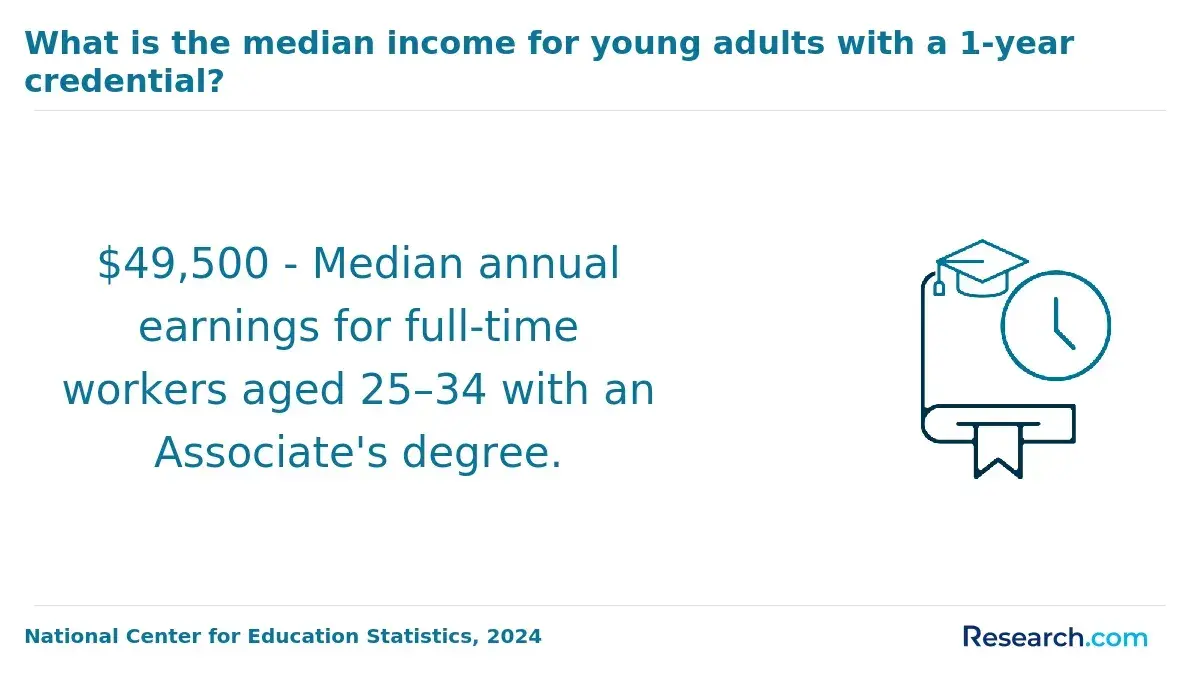
Balancing work, education, and personal life creates unique financial challenges for adults pursuing a forensic psychology degree. Access to tailored financial aid can significantly ease these pressures and support steady academic progress.
Key financial assistance options designed for working adults include the following:
- Federal Aid: Available through FAFSA, this includes grants, loans, and work-study opportunities that depend on your income and enrollment. These funds can help reduce tuition costs and make education more affordable.
- Employer Tuition Assistance: Many companies support employee growth by reimbursing tuition or covering course fees, often requiring that you maintain certain grades and stay employed during the program.
- Adult Learner Scholarships: Targeted scholarships aimed at nontraditional students or career changers offer merit- or need-based financial support and are applied directly to tuition expenses.
- Grants from States and Private Sources: These awards, which don't have to be repaid, are granted based on factors like residency, financial need, or academic focus, helping reduce overall educational costs.
- Flexible Payment Options: Institutions frequently provide installment plans that allow spreading tuition payments over time, easing financial strain without added interest.
Adults balancing full-time jobs, personal life, and forensic psychology studies face significant obstacles that demand strong institutional support. These resources are vital to help students stay on track and complete their degrees without compromising other responsibilities.
- Personalized advising: Tailored guidance assists students in selecting courses strategically, ensuring they meet program requirements efficiently while accommodating their unique schedules and career goals.
- Flexible scheduling: Providing options such as evening, weekend, or asynchronous classes empowers students to manage coursework around work and family commitments without falling behind.
- Remote learning assistance: Technical support and accessible resources enhance the online education experience, helping learners overcome common challenges in virtual coursework environments.
- Tutoring and mentorship: Targeted academic help and expert mentoring deepen understanding of forensic psychology topics while addressing specific learning difficulties, boosting confidence and retention.
- Mental health support: Access to counseling and wellness services helps students manage stress and maintain emotional balance, which is crucial when juggling multiple demanding roles simultaneously.
Accreditation for forensic psychology programs is a formal evaluation by independent agencies that assesses the quality of academic standards, faculty expertise, curriculum, and student success. For working adults, enrolling in accredited programs ensures their education meets recognized professional and academic benchmarks. This accreditation also enhances employer trust in the degree's rigor, boosting job prospects and career mobility.
Additionally, only students in accredited programs are usually eligible for federal financial aid, a key consideration for adult learners managing education expenses alongside work commitments. Currently, adult learners represent over 40% of graduate students in the U.S., highlighting the growing need for flexible, accredited options.
The value of a forensic psychology degree is strengthened long-term through accreditation, which supports the transfer of credits if students pursue further study. Many state licensing boards and certification agencies require degrees from accredited programs for eligibility, making it essential for professional advancement. Employers in forensic psychology frequently prefer candidates who have graduated from accredited institutions, underscoring the importance of formal recognition.
Thus, accreditation not only validates the quality of the education but also helps secure career growth and professional credibility for working adults.
Salary growth is a key motivator for working professionals considering a forensic psychology degree, as it can lead to access to higher-paying specialized roles. On average, individuals with this degree earn between $50,000 and $90,000 annually, depending on experience, education, and job setting.
- Industry Demand: The need for forensic psychology professionals remains strong within the criminal justice system, driven by ongoing requirements for assessments, expert testimonies, and rehabilitation services. High demand in these areas often translates into better salary prospects for degree holders.
- Role Advancement: Earning advanced degrees can open doors to supervisory, consultant, or specialized roles that offer increased compensation. Career growth with forensic psychology degree credentials often depends on pursuing continuing education and professional certifications.
- Employer Policies: Some organizations provide education incentives or professional development opportunities which can significantly impact salary increase potential. Supportive employer policies may encourage degree completion while rewarding academic achievements.
- Experience: Seasoned professionals typically command higher salaries compared to those new to the field. Practical experience combined with a forensic psychology degree salary increase can be substantial over time.
- Specialization: Focusing on niche areas such as juvenile offenders, victim advocacy, or forensic assessment creates unique opportunities. Specialization often leads to roles with enhanced pay and greater career flexibility, appealing to working adults balancing full-time employment.
For adults weighing options to advance their career through education, pursuing a forensic psychology degree can be a smart investment. Flexible programs designed for working professionals help accommodate demanding schedules and support career growth with forensic psychology degree credentials.
Those seeking more information about degrees that can affect earning potential might explore resources like the 4 year degree overview for context on comparable salary increases.
A forensic psychology degree enables working adults to qualify for higher-level, specialized, and leadership-oriented roles beyond entry-level jobs. This advanced education supports professionals in carving out career paths that demand expertise in both psychological principles and the legal system.
Career options for forensic psychology graduates who are seeking upward mobility often include several advanced positions such as:
- Forensic Psychologist: This role involves conducting in-depth psychological evaluations related to criminal cases, providing expert testimony in court, and offering critical opinions. The degree ensures a comprehensive understanding of psychological and legal frameworks, essential for these responsibilities.
- Correctional Treatment Specialist: Specialists in this role develop and oversee inmate rehabilitation programs within correctional facilities. The training acquired in forensic psychology is vital for managing offender behavior and designing effective treatment strategies, marking significant career advancement.
- Criminal Profiler: Professionals in this position analyze behavioral patterns to forecast and help capture suspects, contributing to public safety efforts. The degree enhances skills in behavioral analysis, making this a niche but highly valued career progression.
- Legal Consultant: Legal consultants use forensic psychology expertise to advise attorneys on psychological aspects of their cases. This role requires detailed knowledge of courtroom dynamics and mental health, both foundational elements of the degree.
- Psychological Researcher in Forensic Settings: Experienced forensic psychology graduates may lead research initiatives that refine criminal justice practices. The degree equips professionals with necessary research methodologies to influence evidence-based policy and intervention programs.
For working adults balancing full-time employment, seeking flexible, accredited degree programs is key to unlocking these forensic psychology jobs for working adults. Programs such as certificate programs online can also complement a degree to expand qualifications and career possibilities.
What Graduates Say About Their Forensic Psychology Degrees for Working Adults
- Vale: "Choosing an online forensic psychology program while working full-time was a game changer for me. I was initially worried about the cost, but with an average tuition around $20,000, it was a manageable investment in my future. Now, with my degree complete, I've been promoted to a specialized role where I apply what I learned daily. It's been absolutely worth it."
- Merritt: "Reflecting on my journey, enrolling in a part-time forensic psychology degree program was the best decision for balancing work and education. Although the cost seemed high at first, about $18,000 on average, the flexible schedule and the career opportunities it opened up made it feel like a smart financial move. Earning this degree has deepened my understanding and credibility in the field profoundly."
- Hairoth: "As a working professional, I approached my forensic psychology studies with a practical mindset. The program cost, averaging $22,000, was an important factor, but I viewed it as an investment rather than an expense. Completing the degree has not only enhanced my analytical skills but also expanded my career options in criminal justice. It's a rigorous path but rewarding."
Other Things You Should Know About Forensic Psychology Degrees
Forensic psychology degree programs aimed at working adults in 2027 typically last between two to three years. These programs often accommodate part-time study schedules, allowing students to balance their professional commitments while completing necessary coursework.
Most programs require a criminal background check before clinical placements or internships, especially when students may work in correctional or court settings. Some schools also require fingerprinting, immunization records, and a drug screen before field training begins.
- 2025 Most Affordable Online Masters in Forensic Psychology [100% Unbiased] https://www.collegeranker.com/most-affordable-online-masters-in-forensic-psychology/
- Financial Aid Resources | All Criminal Justice Schools https://www.allcriminaljusticeschools.com/financial-aid/
- Requirements To Become a Forensic Psychologist https://www.forensicscolleges.com/blog/htb/how-to-become-forensic-psychologist
- Forensic Psychology https://www.amh.edu.pl/postgraduate-studies/forensic-psychology/
- What is Forensic Psychology? What You Need to Know About the Field https://learn.neumann.edu/neuperspectives/what-is-forensic-psychology-what-you-need-to-know-about-the-field
- MS in Forensic Psychology | Neumann University https://www.neumann.edu/academics/grad/masters-degree-in-forensic-psychology
- Verifying that you are not a robot... https://kkjpsych.com/faq-for-students-interested-in-forensic-psychology/
- Frequently Asked Questions https://calbaptist.edu/academics/programs/master-of-arts-forensic-psychology/faqs
- Career Options for Those with an MA in Forensic Psychology - Carlow University https://www.carlow.edu/career-options-with-ma-forensic-psychology/
- Forensic Intervention Services student placement program https://www.justice.vic.gov.au/careers/careers-in-forensic-intervention-services/forensic-intervention-services-student-placement