2027 Online vs On-Campus Health Sciences Degree Programs: Pros & Cons

Co-Founder and Chief Data Scientist
The rising popularity of online health sciences degrees reflects a significant shift in higher education, with recent data showing a 21% increase in online enrollment nationwide. This trend offers new opportunities for students seeking flexibility and accessibility. However, choosing between online and on-campus health sciences programs requires careful consideration of various factors. This article examines the advantages and disadvantages of both formats in areas such as flexibility, cost, learning experience, and career outcomes. Readers will gain a clear understanding to make informed decisions aligned with their educational and professional goals.
Key Benefits of Online vs On-Campus Health Sciences Degrees
- Online health sciences degree programs offer flexible scheduling, allowing students to balance work and family commitments, with 74% of learners reporting improved time management skills over traditional formats.
- Students in online programs save an average of 40% on commuting and housing costs, making health sciences education more accessible and affordable.
- On-campus health sciences degrees provide direct access to hands-on clinical experiences and lab work, which 85% of employers value as essential for practical skill development in healthcare careers.
Are Online vs. On-Campus Health Sciences Programs Structured the Same Way?
Online and on-campus Health Sciences degree programs differ significantly in their structural design to accommodate diverse student needs and learning environments. While online programs focus on flexibility and remote access, on-campus programs prioritize face-to-face interaction and hands-on experiences. To better understand these differences, the following comparison highlights key structural elements, including scheduling, course delivery, and student engagement.
- Course Delivery: Online programs primarily use pre-recorded lectures, digital modules, and virtual classrooms, allowing students to study from any location at their own pace. In contrast, on-campus programs rely on live, in-person instruction and demonstrations, which facilitate immediate feedback and richer interaction.
- Class Schedules: Online formats often provide asynchronous and synchronous options, offering flexibility ideal for students balancing work or family commitments. On-campus schedules are fixed, requiring students to attend classes in person at predetermined times, fostering routine but less scheduling flexibility.
- Hands-On Training: Online students usually need to attend occasional on-campus sessions or clinical placements to complete essential practical components, as these cannot be fully replaced by virtual simulations. On-campus programs integrate these hands-on experiences more naturally and frequently within the curriculum, enhancing skill development through direct practice.
- Interaction and Collaboration: Online learners engage through discussion boards, emails, and virtual meetings, which support collaboration but may lack immediacy. On-campus students benefit from spontaneous conversations, real-time discussions, and networking opportunities within a campus community.
- Accountability and Structure: The self-directed nature of many online programs demands high self-discipline to meet deadlines and assignments with less direct oversight. Conversely, on-campus students experience a structured environment that promotes consistent attendance and engagement through in-person accountability.
Are Admission Requirements the Same for Online vs On-Campus Health Sciences Degree Programs?
Colleges and universities typically uphold consistent academic standards for both online and on-campus health sciences programs, ensuring that graduates meet the same degree requirements and learning outcomes. However, they may differ in how they assess an applicant's readiness for the unique demands of online learning, such as self-motivation and time management.
Below is a comparison highlighting key similarities and differences in admission requirements between online and traditional health sciences programs to clarify common points of alignment and divergence.
- Academic Qualifications: Most programs require a high school diploma or GED, with relevant bachelor's degrees needed for graduate study. While health sciences degree GPA requirements for online vs traditional programs are generally comparable, some on-campus programs may prefer applicants who completed prerequisites face-to-face to foster social and collaborative skills.
- Work Experience: Graduate-level health sciences programs often value prior healthcare experience. Online programs tend to be more flexible in accepting diverse professional backgrounds, appealing to working adults seeking career advancement, whereas on-campus programs sometimes prioritize traditional full-time students but increasingly recognize relevant work history.
- Application Materials: Both formats usually require transcripts, letters of recommendation, and personal statements. Online programs might request additional details regarding technology readiness and learning preferences to verify that applicants are prepared for remote coursework.
- Standardized Tests: Requirements for tests like the SAT, ACT, or GRE are largely similar, though some online programs waive these exams for candidates with substantial work experience or prior college credits, providing more pathways for diverse applicants.
- Interview and Assessment: Competitive on-campus programs often require in-person interviews or assessments, while online programs typically conduct virtual interviews or may waive them entirely to accommodate remote learners.
For students exploring career options, programs offering certificates that make money can complement academic qualifications and support professional growth in health sciences fields.
Do Online Health Sciences Students Receive the Same Academic Support as On-Campus Students?
Universities have significantly expanded their academic support systems to ensure online health sciences students receive resources and assistance comparable to those available to on-campus peers. This development aims to provide equitable learning opportunities regardless of the chosen learning format. Below is a comparison of the main academic support services typically offered to both online and on-campus health sciences students.
- Tutoring Services: Online students often access tutoring through video calls, chat platforms, or asynchronous discussion boards, offering greater scheduling flexibility. On-campus students receive face-to-face support in dedicated centers or peer-led sessions, benefiting from immediate feedback and personal interaction.
- Career Counseling: Both student groups have access to career counseling including resume workshops and interview prep. Online services are typically delivered via webinars and virtual advising, while campus students attend career fairs and meet advisors in person, leveraging university-connected networking opportunities.
- Library Access: Academic libraries provide digital resources such as e-books and journal databases to online students, along with remote research support. On-campus students also use these digital tools but have access to physical facilities for group work and specialized equipment.
- Faculty Interaction: Online students communicate with faculty through email, video conferencing, and forums, allowing flexible contact and access to recorded lectures. On-campus students benefit from in-person office hours and classroom engagement, fostering spontaneous mentorship and stronger professional networks.
The time required to complete a health sciences degree can vary widely depending on whether a student enrolls in an online or on-campus program, along with factors like study pace and scheduling flexibility. These elements influence not only how long it takes to graduate but also the overall learning experience. To better understand these differences, here is a comparison of the average completion times for online and on-campus programs.
Considering these aspects, the following bullet points highlight key distinctions between the two delivery formats:
- Online health sciences degree: Most online bachelor's programs emphasize flexibility, enabling students to progress at their own speed and transfer credits. Full-time students often graduate within three to four years, with some accelerated tracks allowing completion in as little as 30 to 36 months. Online doctoral degrees may be finished in about 40 months with minimal campus visits, which suits working professionals seeking asynchronous study options.
- On-campus health sciences degree: Traditional on-campus bachelor's degrees typically require about four years of full-time study following a fixed semester schedule. Part-time enrollment usually extends the timeline considerably. Accelerated options exist but are less common and demand a rigorous, fast-paced commitment. Doctoral on-campus programs often take 3.5 to 4 years and require consistent in-person attendance and residency periods.
A professional who completed an online health sciences degree shared that, for him, balancing work and studies was the biggest challenge and the main reason he chose an online path. He explained, "The flexibility to set my own pace helped me avoid burnout - I could slow down during busy work periods and accelerate when things calmed down." Although initially worried the program might take too long, he managed to graduate in just under three years thanks to credit transfers and focused effort on competency-based courses. He recalled feeling both relief and pride at finishing sooner than expected, appreciating that the online format allowed him to maintain a steady progress despite his job's demands. "It wasn't just about speed," he noted, "but about finding a rhythm that worked for my life."
Tuition, fees, and other expenses for online health sciences programs generally differ from those for on-campus options, with online programs often costing less overall. However, the total cost depends on a variety of factors beyond just tuition, such as living expenses and technology needs, which can influence affordability.
Here is a breakdown of the main cost factors that affect the overall price comparison between online and on-campus health sciences programs:
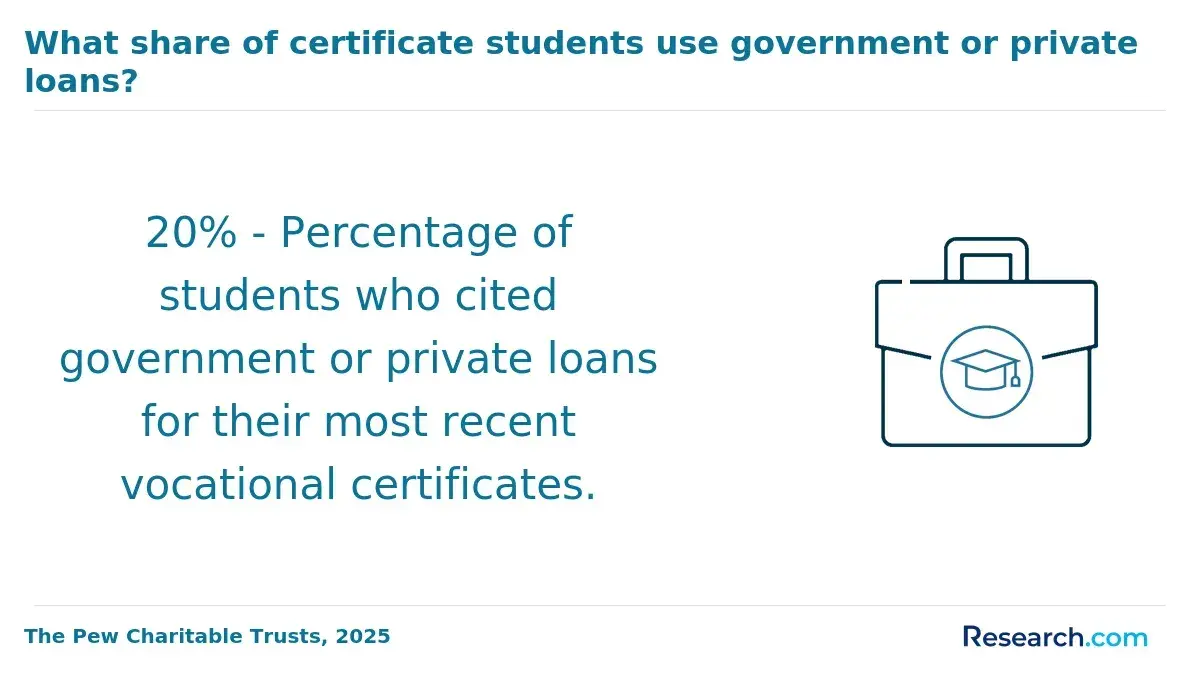
- Tuition and Fees: Online health sciences tuition is typically lower than on-campus rates, with the average cost for online undergraduate courses around $12,216 compared to $18,981 for in-person classes, representing significant savings. Yet, about 74% of institutions charge the same tuition for both formats, and some even have higher online tuition rates, especially at private schools.
- Living Expenses: Students enrolled online avoid room and board costs, which can exceed $7,000 annually for on-campus learners, as well as expenses related to commuting, parking, and campus services. These savings are a major factor in decreasing the overall cost of online programs.
- Technology Costs: While investing in a reliable computer and internet is necessary for online students, these costs are generally modest and in some cases, universities waive technology fees. This makes technology expenses relatively minor compared to living costs for campus-based students.
- Financial Aid Availability: Both online and in-person students have access to federal aid and loans, though on-campus learners may have more opportunities for institutional scholarships and grants. Online programs often provide flexible credit transfers and prior learning assessments, helping reduce time and tuition paid.
- Employer Perception and Career Outcomes: Graduates with accredited online health sciences degrees usually find comparable career opportunities to on-campus graduates, although some employers prefer traditional degrees for clinical roles. This factor affects the overall value of investing in either format.
For those considering different options in health sciences education, evaluating the tuition structure alongside other factors such as financial aid and career relevance can help determine the most cost-effective route. Students seeking the easiest bachelors degree to get may also find that cost savings in online health sciences programs make them a competitive choice.
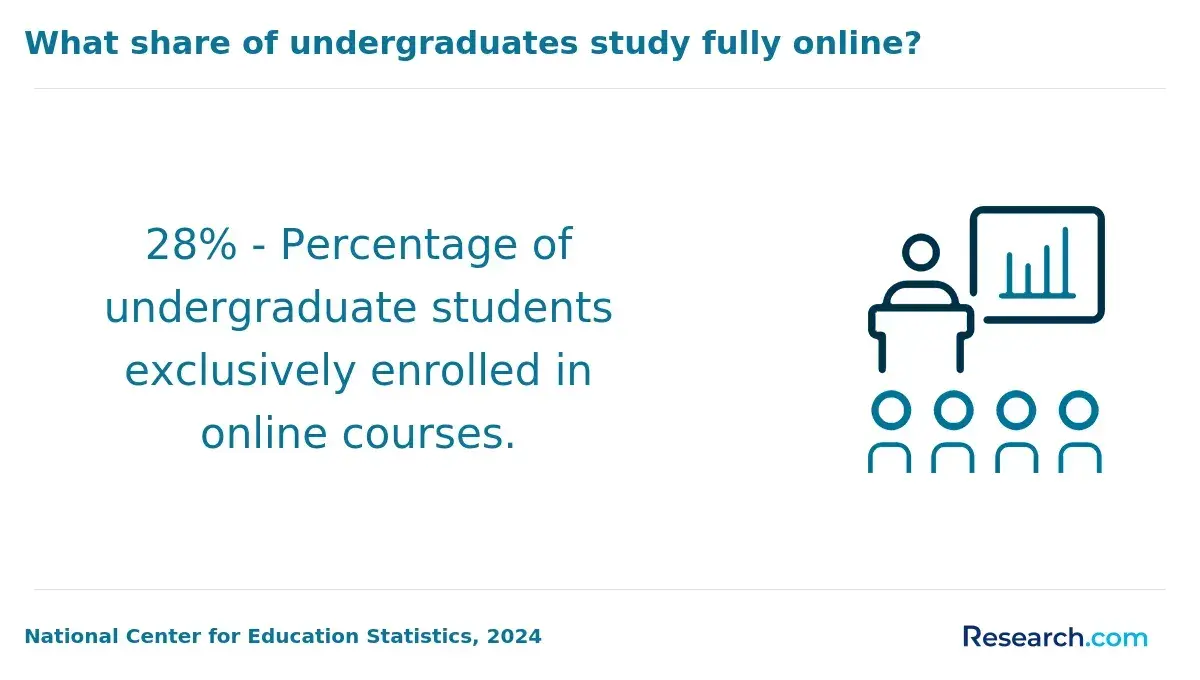
Both online and on-campus students pursuing health sciences degrees in the U.S. may qualify for a variety of financial aid options, but eligibility and accessibility often differ based on program format and institutional policies. Understanding these differences can help students maximize funding opportunities tailored to their situation. Below is an overview comparing the main financial aid options available to health sciences students, highlighting how each applies differently to online versus on-campus learning environments.
- Federal Aid: Both accredited online and on-campus health sciences programs qualify for federal student aid such as Pell Grants, federal loans, and work-study. However, online students often enroll part-time, which may reduce eligibility because federal loans generally require at least half-time enrollment, and Pell Grant amounts are prorated accordingly.
- State Aid: Many states provide grants and scholarships for residents attending in-state institutions, and some extend these benefits to online students at state schools. Restrictions on online-only enrollment or full-time status requirements may limit access, so students should check state-specific rules carefully.
- Scholarships and Grants: Institutional scholarships for health sciences students tend to favor full-time, on-campus learners, often limiting the aid available to online students. Despite potentially higher financial need, online students commonly receive a smaller share of these funds, although policies are gradually evolving to address this disparity.
- Employer Tuition Reimbursement: Employer tuition support programs can benefit both online and on-campus students; however, online health sciences programs are particularly appealing to working professionals seeking flexibility, making it easier to continue employment and access employer reimbursement.
- Private Student Loans: Private loans are generally accessible to eligible students in both modalities if their program is accredited. Loan terms do not differentiate between online and on-campus students, but eligibility depends on factors like enrollment status and creditworthiness.
Choosing between online and on-campus formats involves considering these financial aid nuances along with program costs and personal circumstances. Those interested in pursuing degrees in fields known for compensation can explore high paying majors to align educational goals with future earnings potential, always factoring in the best financial aid available.
Accreditation remains the fundamental factor underpinning the credibility of both online and on-campus health sciences programs. Recognized agencies like the Accreditation Commission for Education in Nursing (ACEN) and the Commission on Accreditation of Allied Health Education Programs (CAAHEP) enforce strict standards that all programs must meet, ensuring consistent curriculum quality, qualified faculty, and adequate clinical competencies.
Faculty qualifications for online programs typically mirror those required for traditional formats, and accreditation mandates regular evaluations of teaching effectiveness and learning outcomes. As a result, core curricula and expected competencies are largely comparable across delivery methods, with hybrid models offering opportunities for in-person clinical or laboratory experience to maintain rigorous training standards.
Perceptions among employers, licensing bodies, and academic institutions toward online health sciences degrees are improving, although some skepticism remains, particularly for fully online clinical programs. A national survey of U.S. medical school admissions administrators found a preference for applicants with traditional degrees over those with extensive online coursework, highlighting concerns about interpersonal skill development.
Nonetheless, evidence indicates that student achievement and satisfaction in online programs can match that of in-person education, and employers increasingly prioritize accreditation rather than mode of delivery. Innovations such as immersive virtual simulations, telehealth training, and strategic partnerships with healthcare providers are driving this shift, helping online programs narrow reputational gaps and enabling graduates to access comparable career and salary opportunities when their credentials are recognized by licensing authorities.
Employer attitudes toward online versus on-campus health sciences degrees have evolved significantly, with many US employers now broadly accepting both formats. Central to hiring decisions are factors such as university reputation, program accreditation, and candidates' demonstrated skills rather than the mode of instruction itself. Surveys indicate that 71% of employers have hired applicants with online degrees, and 92% regard online degrees from established brick-and-mortar institutions as equally credible to traditional on-campus degrees. However, degrees from exclusively online schools garner less trust, with only 42% of employers viewing them as favorably. In fields requiring regulated hands-on training, employers still prefer candidates who gained in-person clinical experience, underscoring the importance of practical learning components within any program.
Evolving workplace norms, especially the rise of remote and hybrid work, have further enhanced perceptions of online education in health sciences. Employers now value skills commonly honed through online learning environments-such as technical proficiency, time management, and virtual collaboration-which are essential in modern healthcare settings. The flexibility and cost-effectiveness of online programs make them particularly attractive to working professionals, contributing to 96% of online graduates reporting positive employment outcomes. Ultimately, the credibility of an online degree hinges on institutional quality, program rigor, and the graduate's ability to demonstrate relevant competencies and experiences to prospective employers.
In a recent conversation, a professional who completed an online health sciences degree shared her perspective on employer preferences. She noted that while she initially worried about potential bias against her online credential, her experience was quite positive once hiring managers saw her practical experience and communication skills in action. "Employers were less concerned about where I studied and more interested in what I could bring to the table," she explained. Her internship arranged through the program's partnerships proved instrumental, providing tangible proof of her capabilities. She views her online degree as a strategic asset, highlighting how it accommodated her work schedule while equipping her with essential skills that helped secure a fulfilling healthcare role shortly after graduation.
Salary comparisons between graduates of online and on-campus health sciences programs are increasingly shaped by factors beyond the mode of study itself. Various elements such as accreditation, specialization, and employer perceptions now play more significant roles in determining earning potential. To better understand the salary trends and influencing factors, consider the following key aspects that affect income outcomes for both groups.
- Accreditation and Program Reputation: Employers prioritize degrees from accredited, reputable institutions over the format in which they were earned. Established online programs at universities like Simmons and Oregon State demonstrate median earnings competitive with traditional on-campus graduates, showing little disadvantage for online learners.
- Field of Specialization: Income varies widely by health sciences career path, such as public health or healthcare administration. Salaries can range significantly, but evidence shows that graduates from online and on-campus programs typically earn comparable salaries when entering similar roles.
- Employer Perception: Bias against online degrees has diminished, especially for accredited programs with practical experience. Employers increasingly value skills and certifications, leading to similar starting salaries regardless of whether a degree was earned online or on-campus.
- Cost and Flexibility Advantages: Online programs often offer lower tuition and greater scheduling flexibility, allowing students to work while studying. This can reduce debt and provide job experience that supports salary growth post-graduation.
- Academic and Career Support: Access to internships, career counseling, and alumni networks enhances job placement and salary negotiation. Many online programs now provide support comparable to on-campus options, helping graduates secure competitive salaries.
- National Salary Benchmarks: The average salary for health sciences degree holders in the U.S. is around $109,580, with the mode of study contributing minimally to differences. This reflects that do employers pay different salaries for online health sciences degrees is a diminishing concern when other factors are matched.
For prospective students looking for affordable options with flexible learning, it may be helpful to explore the best online colleges that accept FAFSA to maximize financial support while pursuing a health sciences degree.
Choosing between online and on-campus health sciences programs depends largely on your personal learning preferences, daily responsibilities, and long-term professional objectives. Both formats offer distinct advantages and challenges, so it's important to assess which aligns best with your unique situation. Consider the following key factors before making your decision:
- Learning style: If you thrive on face-to-face interaction, hands-on experiences, and immediate feedback from instructors, an on-campus program may suit you best. Online programs often require more self-motivation and independence but can accommodate various learning styles through video lectures, interactive modules, and digital discussion forums.
- Flexibility needs: Online health sciences programs generally offer greater flexibility, allowing you to study from anywhere and fit coursework around your work or family commitments. This makes online options ideal if you are seeking the best online health sciences degree for working professionals balancing multiple responsibilities.
- Budget considerations: Online programs often come with lower tuition costs and reduced expenses related to commuting, housing, and campus fees. If cost is a significant factor, you might find online programs more affordable without sacrificing educational quality.
- Networking opportunities: On-campus programs provide more direct access to faculty, peers, and local healthcare communities, important for building professional networks and mentoring relationships. While online programs offer forums and virtual events, in-person networking remains more robust and immediate.
- Access to campus resources: Students enrolled on campus benefit from hands-on access to labs, libraries, and support services critical for experiential learning and academic support. Online students usually rely on virtual resources, which can limit opportunities for practical training in certain health sciences fields.
When you compare on-campus vs online health sciences programs, weighing these factors based on your personal and professional goals will guide you to the format that best suits your needs. For those interested in flexible, career-oriented options, exploring the best school for trade skills online may also provide valuable insights.
Here's What Graduates of Online vs On-Campus Health Sciences Programs Have to Say About Their Degree
- Joji: "Completing my health sciences degree online allowed me the flexibility to balance work, family, and school without sacrificing quality education. The virtual labs and interactive lectures were innovative and kept me fully engaged despite the distance. Starting my career with this degree gave me confidence to navigate the healthcare industry remotely and adapt quickly to new technological tools. I'm proud to impact public health initiatives in underserved communities from my home office, proving that meaningful health careers aren't limited by location. This program truly empowered my professional growth and work-life harmony."
- Rosalie: "Attending the on-campus health sciences program was a transformative experience, immersing me in hands-on learning and immediate collaboration with peers and professors. The face-to-face interactions enriched my understanding of clinical practices and helped me build a strong local network. Graduating from this traditional setting gave me a solid foundation, and now I work confidently as a community health educator, passionately improving young people's well-being in my city. Reflecting back, I appreciate how the campus environment challenged me to grow personally and professionally in ways I hadn't expected."
- Wei: "Choosing the hybrid health sciences degree became the best decision I ever made because it combined the convenience of online coursework with the invaluable in-person lab sessions. This format prepared me to excel in both virtual and clinical environments, making me versatile and competitive in the job market. My hybrid education opened doors to advanced certifications, and now I lead a team promoting innovative health solutions at a regional medical center. It's rewarding to know that my education directly supports the community's health improvements while fostering my ongoing career development."
Other Things You Should Know About Online & On-Campus Health Sciences Degree Programs
Online health sciences programs in 2027 offer adaptive curriculums that can quickly adjust to new healthcare trends. In contrast, on-campus programs may face challenges in swiftly incorporating new elements due to longer bureaucratic processes. This adaptability is crucial for students seeking timely and relevant education in an evolving field.
Many online health sciences programs incorporate practical components through local clinical placements or partnerships with healthcare facilities. However, the availability and extent of hands-on experience vary by program. Students should verify that the program includes sufficient supervised clinical practice to meet certification or licensure requirements.
Yes, if the program is accredited by the proper agency for the field. For example, nursing programs need ACEN or CCNE accreditation, and many allied health licenses require approval from a state board or professional accreditor before you can sit for the licensure exam.
- From Classroom to Career: How Online Healthcare Degrees Lead to High Salaries https://www.highflyers.media/blogs/from-classroom-to-career-how-online-healthcare-degrees-lead-to-high-salaries
- Comparing student outcomes in traditional vs intensive, online graduate programs in health professional education https://pmc.ncbi.nlm.nih.gov/articles/PMC6196001/
- Affordable Online Health Sciences Degree https://online.lsu.edu/online-degree-programs/undergraduate/general-studies-health-sciences/
- The Surprising Cost of Online Education: Why 83% of Online Degrees Aren’t More Affordable https://www.nexford.edu/insights/the-surprising-cost-of-online-education-why-83-of-online-degrees-arent-more-affordable
- Career Paths With a Health Sciences Degree | BS Health Sciences https://www.mobap.edu/news/exploring-career-paths-with-a-health-sciences-degree/
- Online and on-campus colleges | University of Phoenix https://www.phoenix.edu/blog/cost-of-online-vs-traditional-college.html
- Healthcare Training: Should I Go On Campus or Online? | AIMS Education https://aimseducation.edu/blog/online-healthcare-training-vs-traditional-education
- New online health science degree prepares students to work in a growing field https://edwardscampus.ku.edu/blog/new-online-health-sciences-bachelor-degree
- The Problem With Exclusively Online Degree Programs https://tcf.org/content/commentary/the-problem-with-exclusively-online-degree-programs/
- Real Versus Virtual Classes: A Perspective from Medical Undergraduate Student’s Point of View with Their Effectiveness in Learning - Gazi Medical Journal https://gazimedj.com/articles/real-versus-virtual-classes-a-perspective-from-medical-undergraduate-students-point-of-view-with-their-effectiveness-in-learning/gmj.2024.3864