2027 Most In-Demand Human Services Master's Specializations

Co-Founder and Chief Data Scientist
Shifts in regulatory requirements, technology integration, and evolving client needs reshape demand within human services graduate programs. Evaluating master's specializations requires attention to role durability, employer expectations, and skill adaptability beyond superficial popularity or salary ranks. Regions, sector dynamics, and certifications differentially affect specialization value, impacting licensure pathways and sector mobility.
For example, workforce data from the U.S. Bureau of Labor Statistics highlights rapid growth in behavioral health roles, illustrating the importance of aligning curriculum depth, experiential learning, and faculty expertise to these emerging trends. This article analyzes the most in-demand human services master's specializations, emphasizing career trajectories and criteria critical to informed specialization decisions.
Key Things to Know About the Most In-Demand Human Services Master's Specializations
- Specializations in addiction counseling have a strong employer preference due to rising substance use trends; graduates gain direct access to recovery-focused roles, but the intense credentialing process can extend program length and cost.
- Gerontology-focused programs align with projected 21% workforce growth by 2032, signaling sustainable employer demand; however, students must balance specialized aging population skills against broader human services versatility.
- Healthcare case management training meets multidisciplinary team needs, enhancing employment odds in integrated settings, though the sector's evolving regulations require ongoing professional development post-graduation to maintain relevance.
What makes a human services master's specialization "in demand"?
An in-demand human services master's specialization is best understood as one shaped by a combination of demonstrated labor-market need, the cultivation of specialized skills, and alignment with emerging or persistent professional functions within the field. Demand is not uniform but varies substantially by region, employer type, and industry sector, reflecting differences in technology adoption, regulatory landscapes, and community needs.
Specializations tied to roles with forecasted workforce growth, such as social and community service management-which the U.S. Bureau of Labor Statistics projects to grow significantly-reflect durable opportunities rather than short-term spikes. Prospective students must recognize that demand also depends on how well a specialization equips graduates for roles requiring practical expertise that remains relevant amid shifting policy, demographic changes, or organizational priorities.
Relying solely on demand indicators such as job-posting volume, program popularity, or broad salary data risks oversimplifying complex career realities and may misrepresent long-term value. Rather than accepting demand as an inherent advantage, students should critically assess the depth and relevance of curriculum content, availability of experiential learning, and the degree to which specializations prepare for essential certifications or licensure.
Faculty expertise and alumni outcomes provide further context for understanding whether a specialization produces graduates with adaptable, transferable skills across related roles. These factors often provide a more accurate predictor of employability and career resilience than surface-level demand metrics.
Working professionals, career changers, and learners focused on advancement benefit most from prioritizing specializations that demonstrate alignment with evolving employer expectations and high-growth pathways within their targeted sectors. Evaluating human services master's specializations by regional job demand and the integration of interdisciplinary competencies enables candidates to make strategic decisions grounded in workforce realities.
For those considering broader educational trajectories that include clinical or administrative leadership, exploring pathways such as MSN to DNP programs can offer additional insight on aligning graduate studies with long-term career adaptability and sector-specific credentialing standards.
The 10 Most In-Demand Human Services Master's Specializations
Selecting a specialization within a human services master's program demands analysis beyond projected job growth; it requires understanding distinct employer expectations, sector-specific skill integration, and evolving workforce demands. Specializations must align with real-world operational needs, licensure frameworks, and interdisciplinary collaboration to sustain relevance.
The following ten areas illustrate how current labor market factors and societal shifts impose nuanced requirements on human services professionals.
Social Work remains integral due to its direct engagement with complex client populations and policy systems, especially in healthcare and child welfare. Its practical focus on navigating institutional frameworks and advocacy positions social work graduates as essential for agencies grappling with systemic social challenges.
Mental Health Counseling addresses a growing shortage in licensed therapists, with hiring intensified by increased mental health service demand post-pandemic. The specialization's emphasis on clinical competencies and evidence-based interventions meets employers' needs for professionally credentialed counselors.
Gerontology responds to demographic shifts projecting a sharply increased elderly population. Graduates here must combine skills in elder care management, age-related policy, and support services, reflecting the sector's demand for specialized knowledge in sustained community-based care.
Substance Abuse Counseling continues to be driven by public health crises and recovery frameworks. Employers prioritize practical expertise in intervention tactics aligned with certified counselor credentials, reflecting the field's focus on measurable treatment outcomes.
Child and Family Services is shaped by consistent government funding streams pushing expansion in foster care and adoption programs. Practitioners with experience in navigating child welfare systems and family dynamics are in demand across public and nonprofit sectors.
Healthcare Administration within human services integrates mental and physical health resources, requiring graduates to manage interdisciplinary teams and comply with regulatory health policies, reflecting growing complexity in care coordination.
Disability Services specialists address ongoing legislative mandates and evolving inclusion models for developmental and physical disabilities, necessitating a nuanced understanding of advocacy, accessibility, and individualized service planning.
Community Development and Outreach roles focus on mitigating social determinants affecting marginalized groups. With increasing emphasis on systemic equity, professionals skilled in resource distribution and resilience-building are vital.
Forensic Human Services intersects criminal justice and rehabilitation, demanding an understanding of recidivism reduction strategies and trauma-informed care approaches increasingly valued by justice system employers.
Trauma-Informed Care specialization aligns with growing awareness of trauma's impact across populations, emphasizing skills to enhance recovery outcomes in mental and physical health contexts and improve service delivery efficacy.
One student navigating these options found themselves hesitant when deciding between mental health counseling and trauma-informed care. Reviewing curricula and job postings revealed overlapping competencies but divergent certification requirements.
They worried that focusing solely on the trending specialization might limit long-term adaptability. Ultimately, they chose the specialization offering broader licensure opportunities and practicum placements, reflecting a careful balance between current employer demand and sustained professional flexibility.
Which human services master's specializations lead to the highest-paying careers?
Within a Master of Science in Human Services program, the specializations that lead to the highest-paying careers are Human Services Administration and Leadership, Healthcare Administration and Gerontology, and Corporate Human Resources or Occupational Human Services. While direct advocacy and counseling concentrations provide critical frontline support, moving into macro-level policy, business integration, or institutional management allows graduates to bypass entry-level salary caps and target top-tier organizational budgets.
A specialization in Human Services Administration and Leadership transitions practitioners away from individual casework and places them into executive oversight. This track prepares graduates for high-level management positions such as Social and Community Service Manager, Executive Director of Non-Profit Organizations, or Public Policy Director.
The curriculum emphasizes macro-level systems, including large-scale grantsmanship, multi-million dollar budget management, legal compliance, and program evaluation. Because these administrators bear ultimate responsibility for the operational viability, fundraising success, and strategic direction of entire human service facilities, they command the top salary tier within the discipline.
A track in Healthcare Administration and Gerontology bridges the gap between community social support and the lucrative healthcare sector. This specialization targets the expanding operational needs of medical networks, long-term care facilities, and senior living communities, preparing graduates for positions like Medical and Health Services Manager or Nursing Home Administrator.
Professionals in this concentration manage clinical staff, optimize care facility delivery models, and navigate complex healthcare reimbursement structures. Because medical networks possess significantly larger capital budgets than traditional public social services, human services leaders operating within institutional healthcare command a significant wage premium.
A specialization in Corporate Human Resources or Organizational Development shifts human services methodologies directly into private-sector corporate frameworks. Students in this concentration learn to apply conflict resolution, psychological safety dynamics, and behavioral intervention strategies to corporate staff management, preparing for roles such as Human Resources Manager, Employee Assistance Program (EAP) Director, or Corporate Social Responsibility (CSR) Executive.
These specialists resolve complex executive disputes, manage workplace mental health initiatives, and design employee retention frameworks. Operating within high-revenue private corporations rather than underfunded government agencies allows these professionals to secure premium compensation packages driven by corporate capital and performance incentives.
Which human services master's specializations offer the best job growth?
Evaluating the most promising human services master's specializations for job growth requires more than popularity metrics; it demands analyzing employment projections, evolving employer priorities, and shifts in industry practices. Growth in roles like social and community service management reflects broader demand for skills in behavioral health, aging populations, and integrated care models, all shaped by regulatory and technological changes.
The adaptability of specialization-specific competencies-such as trauma-informed care or data-driven program evaluation-also influences employability and career flexibility. For example, the 17% projected growth rate for social and community service managers through 2032 signals meaningful opportunities but must be contextualized alongside how those skills transfer across settings. This nuanced approach matters for those weighing human services master's specializations with highest employment growth potential against the practical realities of the workforce.
Relying solely on job growth rates risks overlooking critical regional hiring fluctuations, cyclical funding shifts, and credentialing expectations that affect entry and advancement. Specializations with steady numbers may require extensive internships or portfolios, complicating timelines for working professionals and career changers balancing commitments. Furthermore, some areas experience role saturation despite strong demand signals, while others offer pathways tied to evolving policy or nonprofit funding stability.
Assessing whether a specialization supports immediate entry as well as long-term career progression is essential, especially for part-time students managing work and family. Those seeking education aligned with practical scheduling often explore flexible programs, such as fasttrack medical options, to integrate training without pausing professional growth. These considerations shape choices among top human services concentrations for career advancement beyond surface-level projections.
Which human services master's specializations are best for career changers?
Career changers aiming for master's specializations in human services find more accessible options in fields that value transferable skills such as communication, administration, and empathy while minimizing rigid prerequisite barriers. Specializations emphasizing foundational coursework with integrated practicums or internships provide practical experience crucial for those without direct human services backgrounds, easing the transition into entry-level or mid-career roles.
Those programs aligned with widely recognized certifications tend to offer clearer pathways to employment, particularly in sectors like community development or nonprofit leadership, where managerial skills from previous careers can be leveraged effectively. A recent 2024 report by the National Association of Workforce Boards highlights that 68% of employers prioritize candidates holding specialized credentials, underscoring the importance of programs marrying applied learning with credential readiness.
Selecting a specialization predominantly based on perceived market demand involves meaningful tradeoffs. High-demand areas such as behavioral health or clinical counseling often impose steep licensing requirements and assume prior domain knowledge, which can extend time to job qualification and intensify competition from candidates with direct experience.
Without established networks or relevant field exposure, career changers risk limited internship placements and slower professional integration. Moreover, rapid technical skill acquisition in specialized tracks may overwhelm those transitioning from unrelated fields, reducing the practical benefit of entering a trending specialization without robust support or bridge coursework to mitigate knowledge gaps.
A graduate who transitioned from corporate project management into a human services master's program initially struggled to identify a specialization that balanced credibility and skill alignment. They hesitated between behavioral health, which required extensive prerequisite clinical knowledge, and nonprofit leadership, which better matched their organizational expertise.
By focusing on a specialization integrating applied internships and faculty mentorship, they strategically selected projects directly relevant to human services agencies. Networking through alumni and instructors helped bridge gaps and facilitated job offers post-graduation, illustrating how deliberate evaluation of program structure and field fit can significantly influence successful career shifts in human services.
Which human services master's specializations are best for working professionals?
Working professionals assessing human services master's specializations must weigh employer relevance, schedule compatibility, and opportunities for applied skill development. Specializations closely aligned with current or target roles deliver stronger return on investment by enhancing practical expertise and advancement potential.
Flexible scheduling is critical, especially for those balancing full-time jobs and family commitments, so programs that integrate real-world projects or capstone experiences tied to workplace challenges tend to enhance both learning and career impact. The best online human services master's degrees for career advancement also emphasize licensure and certification pathways, signaling readiness to employers and often smoothing promotion prospects.
Certain specializations better accommodate working professionals by offering asynchronous or hybrid coursework, allowing for advancement without career interruption. Program structures with flexible internship or practicum requirements enable part-time completers to gain essential hands-on experience without sacrificing job responsibilities.
For example, areas such as clinical social work or counseling, which the Bureau of Labor Statistics projects will grow 12% over the next decade, offer well-established certification routes and employer recognition, factors that help integrate education with career goals.
Less traditional paths like policy analysis may appeal to those seeking leadership roles but often require more extensive time commitments, limiting suitability for some busy students balancing graduate study with employment. These considerations matter as, among graduate degrees, practical applicability and recognized credentials frequently dictate employability post-completion.
Trade-offs arise when selecting highly technical or field-placement-heavy specializations, which provide strong market value but may impose scheduling and workload constraints difficult for working professionals to manage. Programs emphasizing research-intensive or clinical practicum components often demand in-person hours conflicting with full-time work, potentially extending overall degree duration or reducing feasible course loads.
Prospective students should critically evaluate whether a specialization's requirements complement their current job and life circumstances or risk creating barriers to progress. For those comparing program costs and offerings, resources like the comprehensive guide on masters in dietetics illustrate the importance of aligning specialization choice with both professional and personal priorities.
How do online and flexible human services master's specializations compare?
Online and flexible human services master's specializations vary significantly in delivery, affecting how coursework is scheduled and experienced. Fully online and often asynchronous formats offer individual pacing but can limit cohort cohesion, real-time faculty interaction, and integrated applied projects, potentially complicating access to internships or practicums that are critical for skill development.
Hybrid models introduce some in-person engagement, enhancing networking and fieldwork facilitation, while accelerated tracks compress content, which may challenge depth of learning and practical preparation. Part-time options allow steady progression but might extend the timeline for workforce reentry, all of which influences alignment with evolving employer expectations and career trajectories in human services.
Flexibility alone does not guarantee educational quality or relevance. Important variables include curriculum rigor, accreditation status, embedded experiential learning, and employer recognition, which together shape graduate preparedness for in-demand roles. Programs must also consider technological accessibility and whether their format fosters key competencies such as critical thinking, case management, and culturally responsive practice.
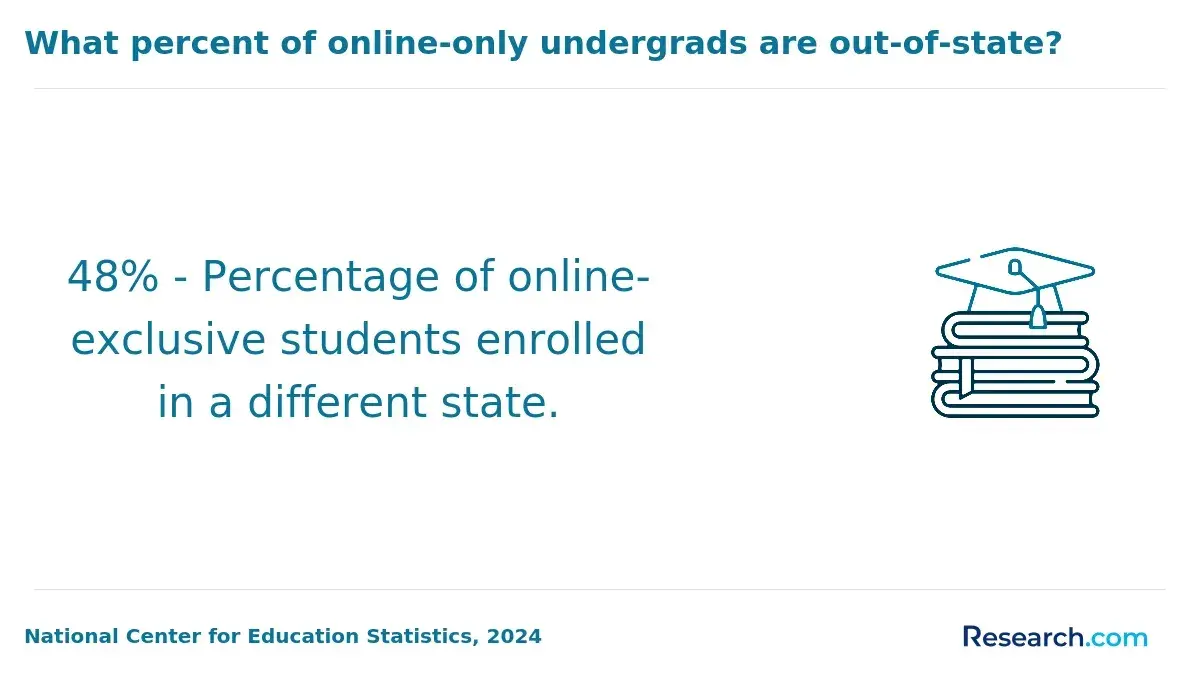
A 2024 National Center for Education Statistics report revealed that although most students choose flexible formats for scheduling ease, less than half felt adequately prepared for workplace realities, underscoring that convenience can come at the cost of practical readiness if not carefully balanced.
For working professionals, career changers, and those focused on long-term advancement, flexible delivery formats can support continual employment but require strategic evaluation of workload, interaction opportunities, and pacing to avoid sacrificing experiential depth or professional networking.
Candidates should weigh how well a program's structure facilitates meaningful skill application and alignment with sector demands, as this directly impacts employability and earning potential beyond the credential itself. Ensuring that these dimensions are addressed is essential when selecting an in-demand human services master's specialization that delivers sustainable workforce value.
What skills do students learn in in-demand human services master's specializations?
In-demand human services master's specializations are structured to cultivate nuanced, applied skill sets tailored to evolving labor-market demands and complex organizational challenges. These programs go beyond surface-level competencies by immersing students in interdisciplinary learning that aligns technical, analytical, leadership, and ethical proficiencies with real-world employer expectations.
Developing these skills influences not only immediate job placement but also the capacity to adapt to shifts in service delivery and policy landscapes.
- Technical and Analytical Proficiency: Graduates gain hands-on experience with data analysis, program evaluation, and evidence-based assessment tools through coursework and practicum projects. Mastery in these areas enables professionals to quantify intervention outcomes and make data-driven decisions, a capability shown by the U.S. Bureau of Labor Statistics to boost employability in community outreach and case management roles by around 18% compared to peers.
- Leadership and Adaptive Management: Leadership training emphasizes managing multidisciplinary teams and making strategic decisions under resource constraints. This skill is cultivated via simulations and field-based leadership challenges, preparing graduates to navigate complex organizational dynamics common in nonprofit and public-sector environments.
- Advanced Communication and Advocacy: Programs integrate grant writing, culturally competent dialogue, and advocacy into coursework and capstone projects, ensuring students can engage diverse clients and stakeholders effectively. Communication skills extend beyond client interaction, reflecting employer demand for professionals who influence policy and resource allocation.
- Research Methods and Evidence-Based Practice: Students learn to critically evaluate literature and conduct applied research that informs innovative program development. This foundation supports careers in policy design and specialized interventions addressing mental health, substance abuse, and aging populations.
- Ethical Decision-Making and Specialized Intervention: Training in ethical frameworks, crisis intervention, and confidentiality is embedded in field experiences and case management practicum. Employers value candidates who can balance regulatory compliance with client-centered care, especially as digital literacy becomes standard for remote service delivery and data management.
What are the admissions requirements for popular human services master's specializations?
Admissions requirements for popular human services master's specializations serve not only as gatekeeping criteria but also as indicators of how aligned a program is with specific professional roles and skill demands. These criteria vary significantly across concentrations, reflecting differences in clinical, research, leadership, or technical preparation, with implications for how applicants should strategize their preparation and program selection.
Understanding these subtleties is crucial for those navigating graduate program admission criteria for human services concentrations.
- Prerequisite Academic Background: Many programs require an undergraduate degree in social work, psychology, or related fields, but there is growing flexibility for candidates from diverse majors who complete prerequisite courses in human development, ethics, or counseling fundamentals. This ensures a foundational knowledge base relevant to the specialization's focus while broadening the applicant pool to include career changers and interdisciplinary professionals.
- Relevant Professional Experience: Work or volunteer experience in social services or community organizations is increasingly emphasized, often requiring one to two years of documented engagement. This criterion reflects employer preferences for practical exposure and readiness to handle complex client interactions, which also benefits applicants by grounding academic concepts in real-world contexts.
- Standardized Testing Policies: The GRE and other standardized tests have declined in importance, with nearly 60% of programs waiving these to reduce access barriers and recognize a wider range of competencies. This shift reflects evolving admissions philosophies that prioritize holistic evaluations over traditional metrics, acknowledging diverse applicant strengths beyond quantitative exam scores.
- Letters of Recommendation and Personal Statements: Strong endorsements from academic mentors or supervisors remain essential, highlighting interpersonal skills and professional potential. Personal statements also play a critical role in demonstrating ethical perspectives, motivation for the specialization, and understanding of social justice issues, helping admissions committees assess alignment with program values and career pathways.
- Licensure and Technical Readiness: Specializations tied to clinical or fieldwork eligibility require background checks, immunizations, and technical competencies such as proficiency with telehealth or digital documentation platforms. Some programs prefer or mandate initial licensure or certification in counseling, mental health, or substance abuse fields, underscoring the practical and regulatory demands tied to certain career tracks.
For candidates evaluating programs for licensure-focused human services pathways or those seeking to strengthen clinical skills, these requirements signal the gap between academic preparation and professional practice.
Prospective students should also consider how prerequisites and experiential demands align with their current qualifications and career objectives, as these factors significantly influence program fit and employability outcomes. For more specialized credentials related to behavioral analysis, exploring the best BCBA programs may provide additional insights into tailored admission criteria and career pathways.
How should students compare cost, financial aid, and ROI by human services specialization?
Cost and return on investment (ROI) comparison for human services master's specializations is a complex decision shaped by program design, labor-market alignment, and the student's career trajectory rather than a simple tuition-versus-salary calculation. Financial outcomes vary widely across specializations due to differences in fees, practicum requirements, credentialing pathways, and available financial aid.
Prospective students must analyze how these factors collectively influence debt exposure, time-to-completion, and career mobility.
- Tuition and Fee Structures: Tuition rates can vary by specialization, particularly when programs include separate fees for labs, technology, or field placements. Specializations with intensive practicum components may incur additional costs that affect total program affordability beyond listed tuition.
- Financial Aid and Scholarships: Eligibility for scholarships or tuition reimbursement often depends on the specific specialization and its alignment with workforce demand. Some specializations attract targeted grants or employer tuition support, which can significantly reduce out-of-pocket expenses.
- Internship and Practicum Costs: Fieldwork requirements can introduce indirect costs such as travel, background checks, and professional liability insurance. Specializations focusing on areas like behavioral health or addiction counseling may also necessitate specialized training fees or certifications, increasing upfront investment.
- Certification and Licensure Preparation: Programs that integrate credentialing preparation might charge additional fees for exam materials or application processing. Understanding these expenses upfront is essential as they impact total cost and ROI relative to labor market rewards.
- Opportunity Costs and Time-to-Value: Length of study varies among specializations depending on course sequencing and credit requirements, influencing opportunity costs related to foregone earnings. A specialization aligned with rapidly growing sectors-such as those highlighted in the latest workforce data showing a 15% job growth in case management and digital advocacy-can accelerate ROI despite higher initial costs.
When evaluating cost comparison for human services master's specializations, integrating financial aid options and ROI considerations helps students make decisions beyond tuition sticker price toward sustainable career investment. For those exploring specialization suitability, reviewing outcomes tied to skill demand and credentialing pathways is equally important.
In addition, programs that emphasize applied learning opportunities and align faculty expertise with current industry standards tend to support better career readiness, further influencing ROI. For comprehensive insights on specialization options with workforce relevance, prospective students should also consider pathways such as an online addiction counseling degree, which reflects increasing demand across healthcare systems and community services.
What Do Graduates Say About Their Human Services Master's Specializations?
- Yitzchok: "Graduating with a master's in social work specialization gave me insights into the hiring landscape I hadn't anticipated. Many employers lean heavily on portfolios and documented internship experiences rather than just licensure, which pushed me to invest extra hours in meaningful fieldwork. That practical angle ended up being the key differentiator in securing my current role, even if the salary ceiling remains modest without clinical licensure."
- Boston: "After completing my master's in counseling, I realized that flexibility and remote work options were more attainable than I expected in this field. However, I had to pivot from my initial plans because the roles requiring full licensure were limited and highly competitive. Choosing certifications that complemented my degree helped me enter the workforce faster, though I'm aware that advancement might require going back for licensure down the line."
- Adriel: "I took on a specialization in mental health services thinking it would streamline my path, but the reality was more nuanced. Employers frequently prioritize experience within certain community programs over academic credentials alone. Navigating that meant accepting an entry-level position before fully moving into my desired role, highlighting how important internships and networking are once you graduate."
Other Things You Should Know About Human Services Degrees
By 2027, specializations like Clinical Social Work and Gerontology are projected to have the highest job demand due to aging populations and increasing mental health awareness. These fields require specific coursework and may offer greater employment opportunities upon graduation.
Admission prerequisites for top 2027 human services specializations typically include a bachelor's degree in a related field, a minimum GPA of 3.0, relevant work experience, and satisfactory GRE scores. Specific requirements vary by institution and specialization, so prospective students should consult the individual program guidelines.
Yes. Specializations tied to clinical or counseling practice usually require supervised field practicum and internship hours before licensure. Many states require 600 to 1,000 practicum hours and at least 60 graduate credit hours, with approval from a state licensing board or the Council for Accreditation of Counseling and Related Educational Programs.
References
- Is a Human Services Degree Right for You? https://www.ucumberlands.edu/blog/is-a-human-services-degree-right-for-you
- Human Services Careers | PublicHealthOnline.org https://www.publichealthonline.org/human-services/
- Bridging Education and Opportunity: Exploring the ROI of Higher Education and Workforce Development — HCM Strategists https://hcmstrategists.com/resources/ucmfwg7ha7zzeug6nb3dlawh3poziz
- College Costs Breakdown: Real Life Scenarios and Financial Aid Options | University of Health Sciences and Pharmacy in St. Louis https://www.uhsp.edu/college-costs-breakdown-real-life-scenarios-and-financial-aid-options/
- 10 Best Online Human Services Master's Programs - Social Work Degree Center https://www.socialworkdegreecenter.com/best-online-human-services-masters/
- Which Colleges Offer an Online Human Services Master's? https://www.gograd.org/online-masters-programs/best-human-services-degrees/
- Online Master's in Human Services: Reviewing Top Programs https://www.edumed.org/online-schools/human-services-degrees/masters/
- Alternative Careers for Social Workers — 60 Fulfilling Options https://www.hiddengemcareercoaching.com/blog/alternative-careers-for-social-workers
- Complete Guide to Human Services Careers - The Visual Communication Guy https://thevisualcommunicationguy.com/2021/03/30/complete-guide-to-human-services-careers/
- Careers with a Degree in Human Services https://www.mhaonline.com/faq/careers-with-degree-in-human-services