2027 Media Arts ROI by Institution Type: Public vs Private vs Nonprofit Online Programs

Co-Founder and Chief Data Scientist
Imagine a prospective Media Arts student weighing two online programs: one public university with moderate tuition but lower graduation rates, and a private nonprofit institution charging double the cost yet boasting stronger career support. Recent data from the National Center for Education Statistics (2024) shows that only 55% of students in online bachelor's programs graduate within six years, highlighting how graduation rates significantly influence debt accumulation and career prospects.
This disparity matters more than surface similarities in program curricula, directly affecting long-term ROI and employability. This article compares public, private, and nonprofit online Media Arts programs to clarify their distinct financial and career implications.
Key Things to Know About Media Arts ROI by Institution Type
- Public institutions can offer strong ROI for Media Arts students because lower tuition and reduced overall costs can make it easier to recover the investment after graduation.
- Private nonprofit institutions may provide valuable resources, industry connections, and career opportunities, but their higher tuition can require stronger post-graduation earnings to achieve comparable ROI.
- Online programs can provide greater flexibility and potentially lower living or commuting expenses, but students should evaluate total tuition, completion rates, student debt, and graduate earnings before choosing a program.
- What Does ROI Mean for a Media Arts Program and How Is It Measured? Understanding Media Arts Program ROI
- How Do Public, Private, and Nonprofit Online Media Arts Programs Differ in Overall Value? Value by Institution Type
- How Do Tuition Costs Affect the ROI of a Media Arts Program Across Institution Types? Tuition Costs and ROI
- How Do Graduation Rates Influence Media Arts Program ROI? Graduation Rates Impact ROI
- What Role Do Career Outcomes Play in the ROI of a Media Arts Degree? Career Outcomes and ROI
- How Does Student Debt Impact the Long-Term ROI of a Media Arts Program? Debt vs. Long-Term ROI
- How Do Flexibility and Adult Learner Support Affect Media Arts Program Value? Flexibility and Program Value
- How Do Accreditation and Institutional Reputation Influence Media Arts ROI? How Do Accreditation and Institutional Reputation Influence Media Arts ROI?
- How Does Time-to-Degree Affect the ROI of Public, Private, and Nonprofit Media Arts Programs? How Does Time-to-Degree Affect the ROI of Public, Private, and Nonprofit Media Arts Programs?
- How Can You Choose the Best Media Arts Program Based on Your ROI Goals? Choosing Programs by ROI
What Does ROI Mean for a Media Arts Program and How Is It Measured?
Return on investment in a media arts program reflects a complex interplay of educational expenses, time commitments, and subsequent career benefits rather than a simple tuition-to-salary comparison. For example, a working adult enrolling in a private online institution may face higher tuition and increased student debt yet benefit from smaller classes and personalized career services that support timely completion, ultimately improving employment prospects.
In contrast, public institutions often offer lower-cost pathways but can vary in graduation rates and learner support, impacting the time-to-degree and the student's opportunity cost, such as income forgone while studying. Thus, assessing ROI demands weighing these institutional differences alongside personal circumstances and career goals to avoid illusions created by upfront cost alone.
Measuring return on investment for media arts education also requires attention to program completion rates and post-graduation employment relevance, factors highlighted in recent analyses including the National Center for Education Statistics. A program with a higher graduation rate may reduce overall costs and accelerate entry into the workforce, offsetting slightly higher tuition. Moreover, graduate salaries vary across media arts specialties, and employment stability holds equal importance, with career services playing a crucial role in bridging education and job placements. Prospective students must thus consider how different program models align with their risk tolerance, financial capacity, and desired outcomes, ensuring they make strategic choices rather than relying on the simplest or lowest-cost options.
Adult learners and career changers often find that flexibility and support services outweigh sticker price when evaluating ROI in media arts online programs. Because time-to-degree can significantly affect opportunity costs and debt accumulation, programs that provide effective learner assistance may yield stronger long-term value despite higher nominal fees. Students focused on balancing affordability with educational quality and career readiness should review data like the recent 2024 graduation rates and employment statistics, and compare these with their own timelines and financial situations. For those uncertain about program rigor or fit, exploring options such as the easiest masters degrees can provide a starting point for understanding varied program demands and their impact on ROI outcomes.
How Do Public, Private, and Nonprofit Online Media Arts Programs Differ in Overall Value?
The financial and career tradeoffs among public, private, and nonprofit online media arts programs often hinge on more than just sticker tuition. Public institutions usually offer notably lower average tuition with credible accreditation, which appeals to students prioritizing cost-efficiency; however, this can mean larger class sizes and fewer personalized career services. Private programs tend to invest heavily in tailored support and networking opportunities, resulting in marginally higher job placement rates within six months, yet carry about 30% greater median student debt compared to public graduates, according to a 2024 Institute for College Access & Success study.
Meanwhile, nonprofit programs frequently balance affordability and quality while emphasizing accessible, flexible schedules for nontraditional students, resulting in moderate debt levels and steady salary growth but often lacking the branding advantages of prestigious private schools.
Choosing among these options requires analyzing individual financial and professional goals alongside institutional strengths. For those with limited funds, public programs may minimize immediate debt but could come with tradeoffs in personalized guidance and employer connections. Private institutions might offer stronger networking-a critical factor in media arts careers reliant on portfolios and relationships-but often at the expense of significant debt that can delay financial stability. Nonprofit providers offer a practical middle path, especially for working adults needing adaptable coursework without extreme loan burdens, but their long-term market recognition varies widely. These nuances underscore that value in media arts education is not inherent to an institution type but depends on matching offerings to a student's particular circumstances and ROI expectations.
One adult learner weighed these factors extensively while choosing an online media arts program. They hesitated to pay premium tuition for a private school's reputed career placement services, fearing high debt might undermine early career earnings. Public options presented affordability but fewer individualized resources, making them less attractive given the learner's need for flexible scheduling and industry connections.
Ultimately, selecting a nonprofit program affiliated with an accredited university offered a compromise: manageable debt, flexible learning formats, and a reputation adequate for securing relevant internships. This balanced approach aligned with the learner's financial limits and professional ambitions, illustrating how nuanced decision-making beyond headline tuition or rankings shapes meaningful educational value.
How Do Tuition Costs Affect the ROI of a Media Arts Program Across Institution Types?
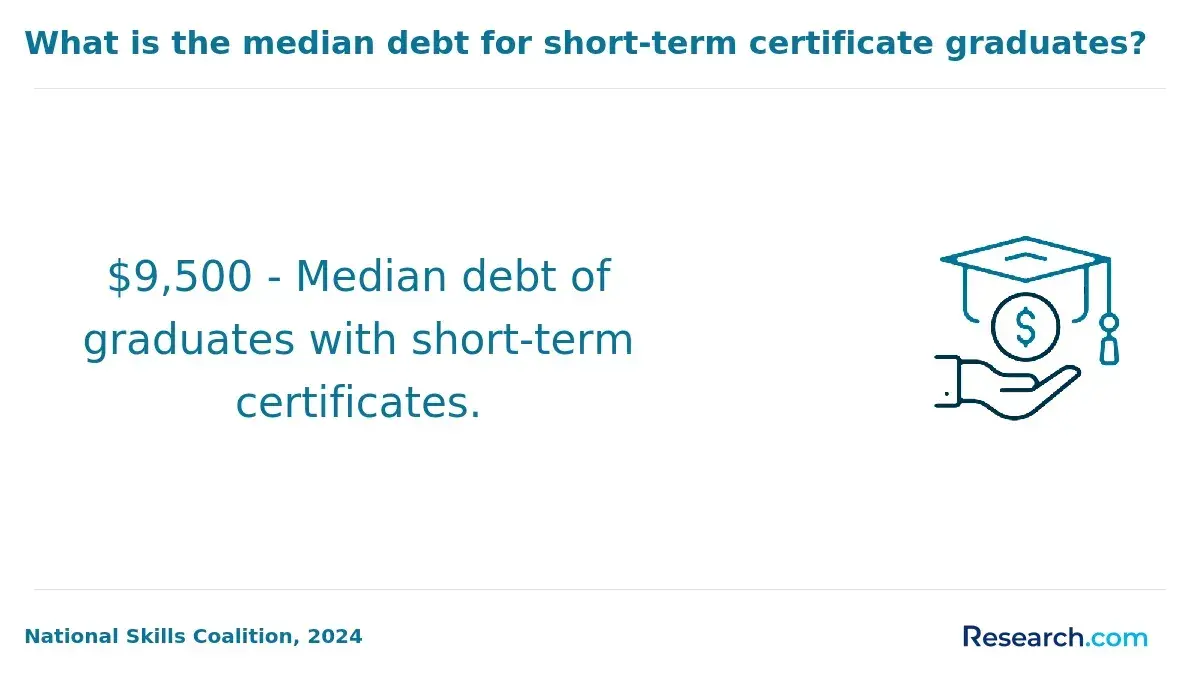
Tuition disparities among public, private, and nonprofit online media arts programs significantly shape their return on investment, yet higher sticker prices do not guarantee superior long-term value. Public institutions often charge around $7,000 annually, according to a 2024 report by the National Center for Education Statistics, while private nonprofits may exceed $22,000. However, net costs after financial aid, debt accumulation, and program completion timelines critically affect ROI. For instance, graduates from public online programs typically carry about 40% less student loan debt than those from private nonprofits, enabling faster financial recovery and greater flexibility for working adults.
Speed of degree completion and transfer policies further influence total educational expense and workforce reentry timing, often favoring public programs that emphasize accelerated paths and credit mobility. Nevertheless, some private and nonprofit programs justify their premium through specialized faculty, industry connections, or enhanced student support, potentially improving career outcomes despite higher debt risks.
This creates a nuanced tradeoff where affordability and flexibility might outweigh advanced program features, especially for transfer students or those balancing employment. Evaluating ROI in media arts thus requires weighing these practical considerations against personal career goals rather than relying solely on sticker price or institutional prestige.
How Do Graduation Rates Influence Media Arts Program ROI?
Graduation rates directly impact the return on investment for media arts programs by shaping time-to-degree and overall educational costs. Public online institutions often report graduation rates between 40-50%, while private nonprofit schools may reach around 60%, according to 2024 data from the National Center for Education Statistics. This disparity reflects differences in student support, academic advising, and flexibility-all critical factors in whether students, especially working adults, navigate completion efficiently or face extended enrollment that increases debt without matching employment gains. For example, private nonprofit programs might offer more personalized guidance, enabling some learners to graduate on schedule despite complex life circumstances.
While graduation rates are a strong indicator of institutional effectiveness, they do not fully capture the nuances affecting media arts program graduation outcomes. Many students enroll part-time or interrupt their studies due to work and family demands, which traditional metrics can penalize despite these programs still providing substantial career value. Prospective students comparing schools should weigh graduation rates alongside factors like support resources and employment outcomes to assess the realistic impact of graduation rates on media arts ROI. Ultimately, decision-makers should consider tradeoffs between affordability, program structure, and the likelihood of timely completion to align with their personal and financial goals.
Choosing between types of institutions also means assessing how graduation rates integrate with career preparation; for those seeking affordable credentials in creative fields, exploring options such as engineering degrees programs may provide comparative insight into institutional efficiency and support models. This broader perspective helps clarify how graduation success interplays with long-term value beyond simple completion statistics.
What Role Do Career Outcomes Play in the ROI of a Media Arts Degree?
The actual return on investment for public, private, and nonprofit online media arts degrees is tightly linked to distinct career outcomes shaped by employer recognition, job placement rates, and curriculum relevance. Data from the National Center for Education Statistics in 2024 shows that graduates of public online programs have about a 68% job placement rate within six months, notably higher than the 60% at nonprofit and 57% at private online institutions.
This discrepancy reflects how network access and industry alignment impact early career trajectories, which in turn influence how quickly students offset tuition costs and manage debt. Choosing a program with weaker employer connections or less practical skill alignment can extend time-to-value and hinder longer-term career mobility, especially when weighing higher tuition fees typical of some private options against more affordable public offerings.
Beyond initial employment, considerations like ongoing adaptability to technology changes and employer perceptions of program rigor affect whether graduates maintain career momentum or face stalling mid-career. Nonprofit programs, often balancing cost and quality, may appeal to budget-conscious learners seeking recognized credentials without compromising reputation. This interplay between program characteristics and labor market realities means the measurable ROI of a media arts degree cannot be assessed solely through salary growth but must factor in how effectively the credential opens doors within competitive creative industries or academic pathways.
One graduate from a public online media arts program recalls initially questioning if the degree's practical impact would justify the financial and time investment. After securing a role marked by steady promotion opportunities and employer acknowledgment of the credential's relevance, they reflected on how career outcomes informed their ROI assessment beyond raw earnings. They found value not just in immediate placement but in the degree's role in expanding responsibilities and professional networks, illustrating that a nuanced view of career results is essential when evaluating such educational investments.
How Does Student Debt Impact the Long-Term ROI of a Media Arts Program?
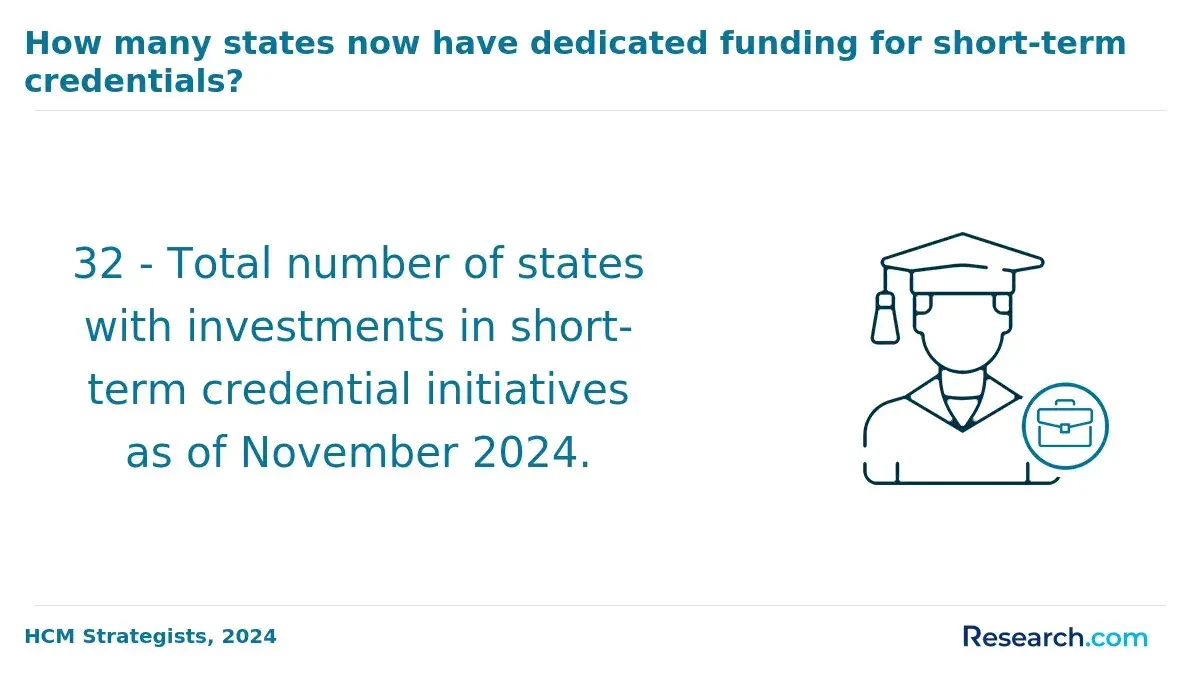
Student debt's impact on the long-term return on investment (ROI) of a media arts program hinges largely on the interplay between borrowing levels, repayment obligations, and program completion rates. Private online programs often require students to borrow significantly more-approximately 30% higher-than those attending public institutions, resulting in increased monthly debt payments that can negate early career salary advantages. For example, a graduate from a private institution entering a niche creative sector may initially earn more, but if employment is unstable or repayment is delayed, the heavier debt burden can quickly reduce financial gains. Debt management and realistic assessment of career trajectories are crucial when evaluating program value across institutional types.
Public programs typically provide lower tuition and access to state grants, reducing loan dependency and improving the debt-to-income ratio after graduation, a key metric for financial sustainability. However, these programs may offer less specialization or fewer industry connections, which can limit earning potential. Nonprofit online institutions tend to balance costs and aid, with generally better completion rates, which lowers default risks and contributes positively to the long-term financial impact of student loans on media arts graduates. Prospective students must weigh these differences carefully, considering affordability, program quality, and the likelihood of finishing as factors that shape whether an online media arts degree yields net financial benefit. For tailored options on related graduate pathways, evaluating resources like MFT online programs can provide insight into time-to-completion and debt management strategies.
How Do Flexibility and Adult Learner Support Affect Media Arts Program Value?
Program flexibility and support services critically shape the return on investment for adult learners in online media arts programs. Asynchronous coursework and part-time enrollment options enable working professionals and career changers to maintain steady progress while managing employment and personal obligations. According to the National Center for Education Statistics (2024), adult students in asynchronous programs demonstrate a 15% higher persistence rate than those in fully synchronous formats, highlighting how flexible scheduling can reduce dropout risks and shorten time-to-degree. However, these gains can be undermined if insufficient academic advising and career support leave students struggling to navigate transfer credits, technology issues, or employment planning.
Private and nonprofit institutions tend to offer more robust advising and career counseling, which enhances graduation likelihood and job placement, but often with higher tuition, increasing debt burdens and opportunity costs. In contrast, public programs frequently provide more affordable tuition and broader part-time options-key factors for budget-conscious learners-but may underdeliver on the personalized support needed to sustain adult learner success. For example, military-affiliated students often benefit from nonprofit schools' targeted accommodations, which correlate with improved completion outcomes. Balancing cost against support availability, therefore, becomes a practical decision that directly impacts educational persistence, career readiness, and the financial value realized from the degree.
The interplay between flexibility, student services, and affordability must be evaluated through a realistic lens: without sufficient guidance and retention initiatives, lower-cost programs risk longer time-to-degree and reduced career returns, while more expensive programs must justify their cost through tangible improvements in completion rates and employability. Adult learners should examine institutional commitments to faculty accessibility, technology integration, and career outcome planning, recognizing these as pivotal elements that determine whether a media arts program translates into meaningful, long-term workforce advantages or simply broader educational credentials with limited practical payoff.
How Do Accreditation and Institutional Reputation Influence Media Arts ROI?
Accreditation status and institutional reputation function as practical filters that shape the return on investment for students pursuing media arts programs online. Regional or specialized accreditation often determines credit transferability and eligibility for graduate studies, which directly affect long-term flexibility and financial efficiency-critical considerations for cost-conscious students balancing debt with career prospects. For example, graduates from regionally accredited institutions in creative arts exhibit a 12% higher employment rate within the first year after graduation according to the 2024 National Center for Education Statistics, reflecting employer confidence in accredited program quality and skill validation.
Institutional reputation can supplement accreditation by offering access to influential alumni networks and industry connections, which tend to be more pronounced in private institutions with established brand recognition. However, such prestige frequently comes with higher tuition, increasing debt burden without guaranteeing commensurate employment advantages. Public institutions, relying more on accreditation than reputation, often deliver competitive ROI through lower costs and strong credit transfer pathways, though they may offer fewer networking opportunities. Survey data from the 2024 Higher Ed Employer Partnership indicate that while 63% of media arts hiring managers prioritize a candidate's skills and portfolio above the institution attended, 37% still weigh program reputation during initial screenings, underscoring the nuanced role of institutional credibility.
Ultimately, students must weigh how accreditation and reputation intersect with tuition costs, debt implications, and career aims to optimize ROI. Prioritizing accredited programs prevents costly credential devaluation, and understanding how reputation influences hiring decisions allows learners to align expenditures with tangible career benefits. Evaluating these factors alongside programmatic quality and student support systems will better position prospective learners to make actionable, informed choices in the evolving media arts employment landscape.
How Does Time-to-Degree Affect the ROI of Public, Private, and Nonprofit Media Arts Programs?
The time-to-degree significantly shapes the return on investment for public, private, and nonprofit media arts programs by influencing total tuition exposure, opportunity costs, and career entry timing. Public institutions often accommodate part-time students who juggle work and family, extending program length beyond the average 5.5 years reported by NCES and increasing cumulative costs, yet this flexibility can help maintain steady progress and improve completion odds. Conversely, private programs emphasize accelerated completion, potentially reducing time away from income-generating work but often at a premium tuition that can erode savings and exacerbate debt burden if the quicker pace undermines persistence.
Nonprofit online programs mediate between these extremes by combining flexible pacing with comprehensive support, which correlates with higher graduation rates (around 58%) compared to public online programs (approximately 44%). Transfer credits and program structure impact these timelines materially, especially for working adults seeking to balance commitments without risking dropout. These variations in completion trajectories directly affect employability and lifetime earnings potential in media arts fields, underscoring the practical value of assessing how well each program's time demands align with individual circumstances rather than relying solely on advertised program length.
For those considering graduate study options, including unique paths like online PhD no dissertation programs, weighing time-to-degree against cost, debt, and career interruption is equally critical. A nuanced comparison of average completion time and ROI in online media arts degrees thus requires balancing accelerated pathways against the risk of burnout and dropout, as well as the opportunity costs imposed by longer, albeit more accommodating, timelines typical of public institutions or nonprofit providers.
How Can You Choose the Best Media Arts Program Based on Your ROI Goals?
The highest ROI from media arts programs depends on aligning educational choices with personal priorities rather than privileging public, private, or nonprofit institutions outright. Public online programs generally offer lower tuition and reduced median student debt, making them appealing for cost-conscious students balancing employment or family obligations. However, these programs may provide less individualized support and slower time-to-degree completion, factors that can affect career reentry or advancement for working adults seeking flexible schedules. Affordability must be weighed alongside graduation rates and learner support, as inconsistent advising in some public programs might extend overall costs despite upfront savings.
Private and nonprofit online media arts programs often command higher tuition but can deliver stronger employer connections, industry mentorship, and tailored advising that improve immediate job placement. The 2024 Career Outcomes Survey notes 68% of graduates from private nonprofit programs find employment aligned with their field within a year, compared to 60% from public institutions, illustrating a tangible tradeoff between upfront investment and employment velocity. Choosing among these offerings requires factoring in workforce expectations, the value of networking opportunities, and one's capacity to absorb debt or delay earnings. Students evaluating computer science degrees and related media arts program affordability and career outcomes should prioritize evidence-based data and practical tradeoffs over institutional reputation alone.
References
- Social Media ROI: How To Prove Value in 2026 | Dash Social https://www.dashsocial.com/digital-marketing-dictionary/social-media-roi
- ROI Undergraduate - FREOPP https://freopp.org/roi-in-higher-education/roi-undergraduate/
- Check the Return on Investment (ROI) for Colleges and Academic Majors - The College Solution https://thecollegesolution.com/roi-for-colleges-and-college-majors/
- How to Calculate the ROI of Your College Degree - The College Funding Coach https://www.thecollegefundingcoach.org/how-to-calculate-the-roi-of-your-college-degree/
- Institutional Accreditation and the Professionalisation of Teaching in the HE Sector | IntechOpen https://www.intechopen.com/chapters/78223
- The Economics of Accreditation: Costs, Benefits, ROI - Course Accreditation https://course-accreditation.com/blog/the-economics-of-accreditation-costs-benefits-roi/
- Media buying costs: how to budget and maximize your ROI https://www.majortom.com/mercury-blog/budgeting-media-buying-costs-for-better-roi
- Arts Bachelorâs Graduates with $10,000+ in Student Loans are Less⦠https://snaaparts.org/findings/databriefs/arts-bachelors-graduates-with-10-000-in-student-loans-are-less-likely-to-work-as-artists-2
- Four Key Trends for Arts & Culture Nonprofits in 2024 https://changingourworld.com/four-key-trends-for-arts-culture-nonprofits-to-know-in-2024/
- A Practical Guide to Measuring ROI on Social Media https://beplan.io/blog/roi-on-social-media/
Other Things You Should Know About Media Arts
Yes, institution type often correlates with curriculum focus. Public institutions typically emphasize practical skills aligned with regional industry needs, which can benefit students targeting local employment markets. Private programs may offer more specialized or experimental courses but sometimes at the expense of broader applicability. Nonprofit programs often strike a balance but can vary widely, so prospective students should review course content closely against their career goals rather than relying solely on institution type.
Workload intensity can differ significantly, with private institutions often expecting more extensive project work and quicker turnaround times, reflecting higher tuition and more competitive environments. Public programs may offer more flexible pacing suitable for part-time study but sometimes with less personalized feedback. Nonprofits frequently provide smaller class sizes, which can aid individualized support but might also increase assignment complexity. Professionals must consider current job demands and time availability to avoid overcommitment.
Employers in creative and digital media sectors often prioritize portfolio quality and hands-on experience over institutional prestige, but the program's credibility still matters. Public institutions generally have recognized ties to local industries, which can facilitate internships and networking, especially for regional job seekers. Private online programs with strong brand recognition may open doors nationally but don't guarantee better outcomes. Nonprofits' reputations depend on specific schools and their alumni networks, so assessing actual employer connections is crucial.
Transfer students usually benefit from public institutions because of their structured credit transfer policies and often lower barriers for accepting previous coursework, which supports faster program completion and cost savings. Private and nonprofit online programs sometimes have stricter credit evaluation or accept fewer transfer credits, prolonging study duration and increasing expenses. However, if a private or nonprofit program offers unique specializations aligning with the student's career goals, it may justify the tradeoff. Prioritizing institutions with transparent credit policies and advising support is essential for transfer success.