
2027 Most Affordable Online DNP Degree Programs Ranking in the Midwest

Co-Founder and Chief Data Scientist
Are you considering advancing your nursing career with a Doctor of Nursing Practice (DNP) degree? Choosing the right program is essential, especially when balancing affordability and quality.
This article features the 2027 Most Affordable Online DNP Degree Programs Ranking in the Midwest, created by the Research.com team of data scientists. It's designed to help you make an informed decision by showcasing the best-value options available.
Discover programs that fit your budget and lifestyle, opening doors to new opportunities and professional growth. Your future in nursing starts here.
Key benefits of getting online DNP degree in the Midwest
- Salary for DNP graduates: While specific regional salary data is limited, DNP holders in the U.S. often earn competitive wages, with many advanced practice nurses making over $100,000 annually, reflecting strong financial rewards for this degree.
- Career paths: Graduates from Midwest universities like the University of Minnesota can pursue roles such as nurse practitioners, clinical nurse specialists, or nurse anesthetists, offering diverse opportunities in hospitals, clinics, and community health.
- Online degree benefits: Completing a DNP online from institutions like the University of Iowa provides flexibility for working professionals, allowing them to balance career and study while gaining the same respected credential as traditional programs.
What can I expect from online DNP degree in the Midwest?
The average cost of an online DNP degree in the Midwest is around $11,000 per year at public institutions, making it an accessible option for many aspiring nurse leaders. Graduates from well-known Midwestern universities often share how affordability combined with high-quality education allowed them to pursue their goals without overwhelming financial stress. For example, students balancing family and work commitments appreciate that institutions in Illinois, Ohio, and Michigan offer in-state tuition rates that ease the investment in their future.
These programs not only provide flexible online coursework but also deliver strong support systems that empower students. Imagine completing your clinical hours in a healthcare facility near home, gaining invaluable real-world experience while supported by university faculty who truly understand the demands of working nurses. Many graduates describe a renewed passion for nursing, energized by the blend of rigorous academics and practical application available through their Midwestern schools.
This combination of quality education, affordability, and community connection makes pursuing an online DNP in the Midwest a motivating and achievable journey.
Where can I work with online DNP degree in the Midwest?
With an online DNP degree in the Midwest, your career possibilities are vibrant and wide-ranging. Graduates often find rewarding roles in top healthcare institutions like the University of Michigan Health Systems or Ohio State University, where they make a real difference as nurse practitioners, clinical specialists, or nurse anesthetists. Many share how their advanced skills allowed them to lead innovative patient care projects that directly improve community health.
In rural areas, DNP-prepared nurses become essential lifelines, helping to bridge healthcare gaps in places like Iowa or Nebraska. Graduates often describe the fulfillment of serving underserved populations, providing accessible care where it's most needed. The Midwest's supportive environment encourages DNPs to shape healthcare policy, lead academic programs, or drive quality improvement initiatives.
Whether working independently with full practice authority or collaborating within renowned clinics such as the Mayo Clinic, DNP nurses in the Midwest enjoy meaningful, flexible careers. The combination of respected universities and growing opportunities creates an inspiring path for those eager to advance healthcare leadership and innovation.
How much can I make with online DNP degree in the Midwest?
Graduates from well-known Midwest institutions offering online Doctor of Nursing Practice (DNP) programs often find themselves stepping into rewarding careers with strong earning potential. In states like Illinois, Ohio, and Michigan, nurse practitioners holding a DNP enjoy median salaries around $115,000, reflecting the advanced skills and leadership they bring to healthcare settings. Many graduates describe feeling confident as they command salaries starting near $95,000 and reaching upwards of $140,000 when moving into specialized or administrative roles.
Those who studied at respected regional universities have shared how the leadership competencies gained through their DNP studies translate into roles such as clinical directors or nurse executives. These positions often come with salaries exceeding $140,000, reinforcing the value of advanced education in healthcare leadership.
Midwestern graduates working in hospitals or integrated health systems particularly appreciate the competitive pay and the opportunity to impact care quality directly. With rising healthcare demands in this region, DNP holders have vibrant career paths that reward their commitment, expertise, and passion for nursing innovation.
- Key benefits of getting online DNP degree in the Midwest
- What can I expect from online DNP degree in the Midwest?
- Where can I work with online DNP degree in the Midwest?
- How much can I make with online DNP degree in the Midwest?
- How do we rank schools?
- 2027 Most Affordable Online DNP Degree Programs Ranking in the Midwest
- What online DNP degree graduates have to say
- Key Findings
- How long does it take to complete online DNP degree in the Midwest?
- What's the difference between online and on-campus DNP degree?
- What is the average cost of online DNP degree in the Midwest?
- What financial aid is available to online DNP degree students in the Midwest?
- What are the prerequisites for enrolling in online DNP degree program in the Midwest?
- What courses are typically in online DNP degree programs in the Midwest?
- What types of specializations are available in online DNP degree programs in the Midwest?
- How do you choose the best online DNP degree in the Midwest?
- What career paths are available for online DNP degree students in the Midwest?
- What is the job market for online DNP degree in the Midwest?
- Frequently Asked Questions About DNP
- Top Trending DNP Rankings
How do we rank schools?
Investing in your education is a significant decision that can shape your future, and the Research.com team understands the importance of making informed choices for prospective students seeking affordable online DNP degree programs in the Midwest. To ensure the quality, credibility, and accuracy of the "2027 Most Affordable Online DNP Degree Programs Ranking in the Midwest," we conducted thorough research and analysis. We utilized the following reputable data sources to create a comprehensive and trustworthy ranking:
By consulting this ranking, readers will gain valuable insights into affordable and high-quality online DNP programs in the Midwest, enabling them to make well-informed decisions about their educational investments. For more information on how this ranking was developed, please visit our Research.com methodology page.
2027 Most Affordable Online DNP Degree Programs Ranking in the Midwest
# 1 position
Walden University
Doctor
Walden University offers a Doctoral program focused on Nursing and Healthcare, enrolling 52,188 online students. The average total cost for this degree is $36,425. Financial aid coverage is high, with 100% of students receiving support, making it accessible for many learners. Specific data on graduation rate, program length, and acceptance rate are not available, which could be relevant for prospective students evaluating program duration and selectivity.
# 2 position

Pittsburg State University offers a Doctor-level program focused on Nursing and Healthcare, lasting 24 months. The program has an open admission policy with an 89% acceptance rate. It reports a 57% graduation rate and enrolls 3,930 online students. The average total cost is $16,672, and 92% of students benefit from high levels of financial aid.
# 3 position

Concordia University Wisconsin offers a Doctor-level program focused on Nursing and Healthcare, lasting 24 months. The program has an open admission policy with a 78% acceptance rate. It features a high level of financial aid, available to 100% of students, and serves 2,425 online students. The graduation rate is 68%, and the average total cost is $29,260. This program suits students seeking flexible, affordable advanced nursing education.
# 4 position

Purdue University Northwest offers a Doctoral program focused on Nursing and Healthcare, lasting 24 months. The program has a graduation rate of 43%, with an acceptance rate of 72%, indicating less selective admission. About 92% of students receive financial aid, reflecting a high aid level. Currently, 2,495 students are enrolled online. The average total cost of the program is $27,949, making it a considerable investment in advanced healthcare education.
# 5 position
Xavier University
Doctor
Xavier University offers a Doctor-level program focused on Nursing and Healthcare, lasting 36 months. The program has an open admission policy with an 86% acceptance rate and a graduation rate of 69%. It serves 2,936 online students and maintains a high level of financial aid, with 100% of students receiving assistance. The average total cost of the program is $30,680.
# 6 position
Marquette University
Doctor
Marquette University offers a 24-month Doctor-level program focused on Nursing and Healthcare. The program features a high graduation rate of 83% and an open admission policy, accepting 81% of applicants. Students benefit from a total average cost of $35,475, with 100% receiving financial aid, indicating a high level of support. This program provides accessible advanced education in health-related fields for prospective students.
# 7 position

The University of Michigan-Flint offers a Doctor-level program focused on Nursing and Healthcare. The program lasts 48 months and has a graduation rate of 40%. With an acceptance rate of 70%, it is considered less selective. Nearly all students, 99%, receive high levels of financial aid. The average total cost is $46,897. The program also supports a significant online presence with 4,488 students enrolled remotely.
# 8 position

Maryville University of Saint Louis offers a 36-month Doctor program focused on Nursing and Healthcare. With an open admission acceptance rate of 95%, the program enrolls 7,061 online students. The graduation rate is 66%, and the average total cost is $69,069. The university provides high levels of financial aid, with 99% of students receiving assistance, making it accessible to many prospective students.
# 9 position
Indiana State University
Doctor
Indiana State University's Doctor program focuses on Nursing and Healthcare and spans 36 months. It features an open admission policy with an 81% acceptance rate and a graduation rate of 43%. The program supports a large online community of 2,703 students and offers high levels of financial aid, benefiting 98% of enrollees. The average total cost for completing the degree is $30,927.
# 10 position
Andrews University
Doctor
Andrews University offers a Doctor-level program focused on Nursing and Healthcare, lasting 48 months. The program has an open admission policy with an acceptance rate of 82%. The graduation rate stands at 72%, and the average total cost is $45,045. A high 99% of students receive financial aid. Currently, 553 students are enrolled online, reflecting the program's accessibility and support for distance learners.
# 11 position

Fort Hays State University offers a Doctor-level program focused on Nursing and Healthcare with an open admission policy, accepting about 90% of applicants. The average total cost is $30,400, and 96% of students benefit from high levels of financial aid. The program has a graduation rate of 48%, and it serves a large online student body of 6,604, making it accessible for remote learners.
# 12 position
Lewis University
Doctor
Lewis University offers a Doctoral program focused on Nursing and Healthcare with a graduation rate of 67%. The acceptance rate is 71%, indicating less selective admissions. The program serves 5,019 online students, reflecting broad access and flexibility. The average total cost is $23,850. Notably, 100% of students receive financial aid, signifying a high level of support available throughout the program.
# 13 position
Madonna University
Doctor
Madonna University offers a Doctor-level program focused on Nursing and Healthcare. The program has a less selective acceptance rate of 63%, with a graduation rate of 60%. Most students receive high levels of financial aid, as 98% benefit from it. The average total cost for this degree is $32,835. The university also enrolls 1,372 online students, reflecting its accessibility for remote learners.
# 14 position
University of St Francis
Doctor
The University of St Francis offers a Doctoral program focused on Nursing and Healthcare, enrolling 2,821 online students. The program has a graduation rate of 67%, reflecting solid student success. With an acceptance rate of 65%, admission is less selective, providing broad access to applicants. Tuition averages $31,200, and 100% of students receive financial aid, indicating high support availability for enrolled students.
# 15 position
Chamberlain University - St. Louis
Doctor
Chamberlain University - St. Louis offers a Doctor-level program focused on nursing and healthcare with an open admission policy, accepting 100% of applicants. The program boasts a perfect graduation rate of 100%, ensuring student success. Tuition averages $24,000, and all students benefit from high levels of financial aid, with 100% receiving support to assist their studies.
# 16 position

Missouri State University offers a Doctor-level program focused on Nursing and Healthcare. The program has an open admission policy with a 91% acceptance rate. It enjoys high financial aid availability, with 95% of students receiving support. The graduation rate stands at 58%. The average total cost for completing the program is $294,350. There are 12,351 online students currently enrolled, reflecting significant accessibility for remote learners.
# 17 position

The University of North Dakota offers a Doctor-level program focused on Nursing and Healthcare, with a duration of 24 months. The program has an open admission policy, accepting 77% of applicants. Approximately 3,333 students are enrolled online. The graduation rate is 60%, indicating a moderate completion success. Financial aid is highly accessible, with 95% of students receiving assistance to support their studies.
# 18 position
University of Toledo
Doctor
The University of Toledo offers a 36-month Doctoral program focused on Psychiatric Mental Health Nurse Practitioner, Nursing, and Healthcare. This program has an open admission policy with a 92% acceptance rate, making it accessible to most applicants. About 92% of students receive high levels of financial aid. The program serves a large online student body of 6,936, and the graduation rate stands at 57%, reflecting the program's academic rigor.
# 19 position
Kent State University
Doctor
Kent State University offers a Doctoral program focused on Nursing and Healthcare. The program has an open admission policy with an 86% acceptance rate, making it accessible for many applicants. It supports a high level of financial aid, with 97% of students receiving assistance. The graduation rate for this program is 64%. Currently, there are 21,270 students enrolled online in this degree program.
# 20 position
Oakland University
Doctor
Oakland University offers a Doctor-level program focusing on Nursing and Healthcare with an open admission policy, accepting 88% of applicants. The program has a graduation rate of 58%, reflecting moderate completion success. A high proportion of students, 96%, receive financial aid, indicating strong financial support availability for enrollees.
What online DNP degree graduates have to say
- "Choosing the University of Illinois for my online DNP was a game changer. The flexible schedule let me balance work and family seamlessly. The faculty's expertise and supportive community made every challenge manageable. I genuinely felt prepared for advanced clinical leadership." - Emily
- "At Ohio State, the online DNP program's rigorous curriculum pushed me to grow professionally and personally. The cutting-edge research and interactive virtual discussions kept me engaged. Graduating has empowered me to lead with confidence in diverse healthcare settings." - Marcus
- "Northwestern's online DNP experience was transformative. The tailored coursework and real-world application fit perfectly with my busy lifestyle. I loved connecting with peers across the Midwest, creating a network I value deeply. This journey has truly enhanced my nursing practice." - Allison
Key Findings
- Tuition for online DNP programs in the Midwest ranges from $15,000 to $40,000, depending on whether the school is public or private.
- Employment for advanced practice registered nurses with DNP degrees in the Midwest is expected to grow by about 15% through the mid-2020s.
- Starting salaries for DNP graduates average around $95,000 per year, with experienced nurses earning over $120,000 annually.
- Many programs offer flexible schedules and part-time enrollment, allowing students to complete clinical practice locally.
- Most online DNP programs in the Midwest are accredited by the CCNE or ACEN, ensuring national education standards are met.
How long does it take to complete online DNP degree in the Midwest?
Completing an online DNP degree in the Midwest is a rewarding journey that typically spans 2 to 4 years, offering flexibility designed to fit busy professional lives. Graduates from respected programs at universities like the University of Michigan-Flint or the University of Illinois at Chicago often share how the adaptable schedules, including online coursework and occasional campus intensives, made balancing family, work, and study not only possible but empowering.
For those entering with a BSN, a well-structured 3 to 4-year pathway allows seamless progression into advanced practice, while MSN holders frequently complete their degrees more quickly, often within 1.5 to 3 years. Many find that being able to tailor their pace, choosing full-time or part-time enrollment, truly enables success without sacrificing other important life commitments.
One graduate described how the program's design helped maintain motivation and confidence, turning challenging coursework into achievable milestones. This experience reflects the supportive environment fostered by Midwest institutions, focusing on leadership and clinical excellence, which inspires students to transform their careers and communities.
What's the difference between online and on-campus DNP degree?
The key difference between online and on-campus DNP programs in the Midwest lies in flexibility and learning style. Many graduates from institutions like the University of Illinois or Ohio State University share how online programs allowed them to balance full-time jobs and family life while advancing their careers. With most coursework delivered virtually, these students attended lectures on their schedule, often late at night after shifts, turning ambitions into achievable goals without uprooting their lives.
On the other hand, graduates from traditional on-campus programs at schools like the University of Minnesota often describe the energizing atmosphere of face-to-face mentorship and hands-on clinical practice. They value the immediate support from peers and professors and the immersive experience in clinical settings, which builds confidence through direct interaction.
Midwestern online DNP students appreciate the ability to complete clinical hours near home, maintaining employment while gaining essential experience. This balance fosters motivation and resilience, empowering nurses to grow professionally without sacrificing personal responsibilities.
What is the average cost of online DNP degree in the Midwest?
The average cost of an online DNP degree in the Midwest is both accessible and encouraging for many aspiring nurses. With a median total cost around $31,200, students from popular programs at universities in Ohio, Illinois, or Michigan find this investment manageable and rewarding. Graduates often describe their experience balancing rigorous coursework with family and work commitments, feeling empowered knowing their tuition aligns with public university rates in the region, which typically fall between $21,000 and $48,000 depending on in-state residency.
For many, the affordability of an online DNP degree in the Midwest is a key factor in their decision to advance their careers. Schools offering affordable online Doctor of Nursing Practice tuition Midwest provide not only quality education but also flexible financial aid options. Graduates appreciate the opportunity to reduce overall expenses through scholarships, employer tuition reimbursement, and the avoidance of relocation costs, which make the goal of becoming a DNP both practical and inspiring.
Students often highlight the convenience of completing their studies online while maintaining full-time work roles and family responsibilities. Some enrolled in accelerated DNP programs online, finding this pathway especially motivating as it shortens time-to-degree while maintaining affordability. This blend of convenience and cost-effectiveness strengthens the appeal of pursuing a DNP within this region.
What financial aid is available to online DNP degree students in the Midwest?
Students pursuing an online DNP degree in the Midwest often find a wealth of financial aid options designed to ease the journey. Graduates from universities such as the University of Illinois and Ohio State University frequently share how institutional scholarships helped them focus on their studies without overwhelming financial stress. Many rely on federal aid through Direct Unsubsidized Loans or Grad PLUS loans by simply completing the FAFSA, unlocking affordable funding with manageable repayment plans.
Some fortunate nursing students also receive scholarships from programs like the National Health Service Corps, which not only reduce costs but inspire a meaningful career by supporting work in underserved areas of the Midwest.
Employers, especially hospitals and clinics around the region, often offer tuition reimbursement, a true game-changer allowing students to keep earning while learning and growing professionally. State-level programs in Minnesota and Michigan shine by providing loan repayment assistance, making advanced nursing degrees feel truly within reach.
These combined resources empower Midwestern DNP students to pursue their dreams with confidence and optimism every step of the way.
What are the prerequisites for enrolling in online DNP degree program in the Midwest?
To embark on your journey toward an online Doctor of Nursing Practice (DNP) degree in the Midwest, you'll need a solid foundation-starting with a current Registered Nurse (RN) license. This essential credential proves your clinical skills and dedication, a milestone celebrated by many graduates from esteemed Midwest institutions like the University of Illinois or the University of Minnesota.
Most programs also require a Bachelor of Science in Nursing (BSN) from accredited schools, setting you up for success as you transition into advanced practice. Some ambitious students choose BSN-to-DNP tracks, diving straight into doctoral studies without pausing for a master's degree, just as graduates from Indiana University have proudly shared.
Hands-on clinical experience is your proving ground. With 500 to 1,000 hours of patient care under your belt, you'll feel confident stepping into leadership roles. This requirement ensures you're ready to drive change-just like many thriving nurses from Michigan State University whose journeys began with these practical hours.
Above all, maintain a promising academic record, usually a minimum 3.0 GPA, and prepare personal statements that reflect your passion and goals. Letters of recommendation and thoughtful resumes help paint a vivid picture of your readiness and dedication to this life-changing pursuit.
What courses are typically in online DNP degree programs in the Midwest?
In online DNP programs across the Midwest, students embrace a rich variety of courses designed to ignite their passion for advanced nursing leadership and clinical excellence. Graduates from respected Midwestern universities often share how courses like Advanced Pathophysiology, Pharmacology, and Health Assessment transformed their approach to patient care, giving them deeper confidence in managing complex health scenarios.
Core classes such as Clinical Prevention and Population Health empower students to see themselves as changemakers improving community wellness. Many find that Healthcare Policy and Advocacy courses inspire them to actively shape healthcare reform, making a tangible difference beyond the bedside.
Emphasizing real-world impact, programs at prominent colleges equip students with skills through Evidence-Based Practice and Quality Improvement, ensuring their clinical decisions are backed by the latest research. Meanwhile, Health Informatics and Data Analytics courses bring technology to life, preparing nurses to lead in today's digital healthcare landscape.
Leadership and management courses like Healthcare Finance and Strategic Management round out the curriculum, equipping students to confidently lead teams and innovate care models. These immersive studies resonate profoundly with working nurses balancing career and education, fueling their optimism for the future.
What types of specializations are available in online DNP degree programs in the Midwest?
Online DNP specializations in the Midwest open doors to empowering careers that deeply impact communities. Graduates from renowned institutions like the University of Michigan and the University of Minnesota often highlight how the Family Nurse Practitioner (FNP) track enabled them to confidently provide primary care to all ages, from children to seniors. Others pursuing the Psychiatric-Mental Health Nurse Practitioner (PMHNP) specialization share inspiring stories of supporting mental wellness in underserved rural areas, making a meaningful difference where it matters most.
The Midwest Doctor of Nursing Practice concentration options also include Adult-Gerontology Nurse Practitioner (AGNP), which prepares nurses to serve the region's rapidly aging population with compassion and expertise. Leadership tracks at these universities empower students to lead healthcare initiatives that improve systems and patient outcomes, turning passion into action.
For those considering cost, the average cost of DNP program varies widely but reflects the tailored clinical experiences and diverse specializations designed to elevate careers and healthcare delivery.
How do you choose the best online DNP degree in the Midwest?
Choosing the best online DNP degree in the Midwest means finding a program that fits your life and professional goals seamlessly. Many graduates from universities like the University of Minnesota describe the joy of balancing work, family, and their studies thanks to flexible, asynchronous courses. Affordability also plays a big role; public institutions such as the University of Illinois at Chicago often offer competitive tuition rates that empower you to invest in your future without overwhelming debt. Imagine pursuing your passion knowing your degree is respected nationwide because it's accredited by leading bodies like CCNE or ACEN-this opens doors to leadership roles in healthcare.
Exploring specialization options that match your career ambitions-whether family nurse practitioner or healthcare leadership-can make your educational journey deeply fulfilling. Graduates frequently mention how strong faculty mentorship and clinical placement support helped them gain confidence and excel. To weigh your investment wisely, consider how much a DNP make post-graduation by checking how much does a DNP make. This insightful step helps align your aspirations with practical outcomes, boosting your motivation every step of the way.
Trust in your choice of affordable Doctor of Nursing Practice degrees Midwest that cultivate both professional success and personal achievement, fueling dreams and transforming healthcare communities.
What career paths are available for online DNP degree students in the Midwest?
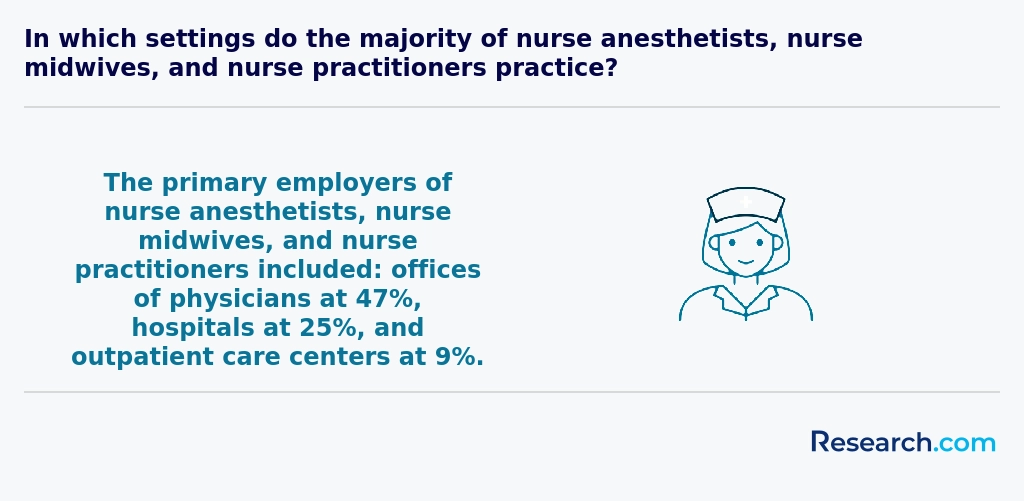
The online DNP degree in the Midwest unlocks diverse career opportunities that inspire and empower graduates to make real change. Many graduates from well-known institutions such as the University of Michigan and Indiana University embrace rewarding paths as Nurse Practitioners, delivering primary and specialty care across bustling cities and rural communities alike. These roles offer the chance to directly impact patients' lives while enjoying career growth in this evolving field.
Others find fulfillment as Clinical Nurse Specialists, focusing on improving patient outcomes and leading innovative healthcare initiatives in major Midwest medical centers. These successes demonstrate how online DNP career opportunities Midwest programs can prepare nurses to become influential leaders in clinical practice, ready to advance healthcare quality.
Graduates also thrive in leadership roles, stepping into nursing administration and policy development where they lead teams and shape health systems. Many who trained through nurse practitioner online programs based in the Midwest report increased confidence and readiness to take on such challenges.
What is the job market for online DNP degree in the Midwest?
The job market for an online DNP degree in the Midwest is vibrant and full of promise. Graduates from reputable institutions like the University of Michigan and Ohio State University share stories of landing leadership roles in hospitals and community health centers, where their advanced skills make a real impact. With an emphasis on primary care and specialized clinical roles, Midwest employers increasingly seek DNP-prepared nurses to lead complex healthcare initiatives and optimize patient outcomes.
Nurses pursuing an online DNP can balance work and study comfortably, especially those in rural areas where physician shortages make their expertise invaluable. The Midwest nurse practitioner job market rewards these professionals with competitive salaries ranging between $95,000 and $130,000, reflecting the high demand and value placed on advanced nursing roles. Many DNP graduates appreciate how this aligns perfectly with the affordability of online programs, making career advancement feasible without sacrificing income.
Academic programs that cater to working nurses also provide excellent opportunities for those interested in combining clinical practice with teaching. For Midwestern nurses eager to expand their options, exploring a nurse practitioner accelerated program can be an excellent stepping stone to accelerate career growth in this thriving job market.
Frequently Asked Questions About DNP
Online DNP degree students in the Midwest can maximize their learning experience by actively engaging with their program's resources. Many accredited Midwestern universities offer strong support services, including academic advising, virtual libraries, and simulation labs. According to the American Association of Colleges of Nursing, over 60% of DNP students prefer programs with robust online collaboration tools to connect with peers and faculty.
Students should also prioritize time management and create dedicated study schedules. Clinical practice requirements can vary by state, so coordinating local clinical placements early helps avoid delays. Networking through regional nursing associations and virtual study groups enhances practical knowledge and professional opportunities in the Midwest nursing community.
The Doctor of Nursing Practice (DNP) field is evolving, with new niches emerging that address specific healthcare challenges. In the Midwest, one growing area is population health management, where DNPs focus on improving community-wide health outcomes. Another niche gaining traction is psychiatric-mental health nursing, reflecting rising demand for mental health services. Additionally, leadership roles in healthcare informatics are expanding, as technology becomes central to care delivery.
According to the American Association of Colleges of Nursing (AACN), enrollment in these specialized DNP tracks has increased by over 15% in the Midwest since 2020. This rise highlights shifting healthcare priorities requiring advanced nursing expertise in varied settings.
After completing an online Doctor of Nursing Practice (DNP) degree in the Midwest, preparing for the job market requires strategic planning. First, graduates should secure national certification through organizations like the American Nurses Credentialing Center, which improves job prospects. According to the U.S. Bureau of Labor Statistics, the demand for advanced practice registered nurses (APRNs) in the Midwest is projected to grow by 26% between 2020 and 2030. Networking is also critical; joining local chapters of professional nursing associations can open doors to employment opportunities. Additionally, utilizing university career services and attending regional healthcare job fairs are effective ways to connect with employers.
Employers in the Midwest seeking DNP graduates prioritize advanced clinical expertise and leadership skills. Graduates must demonstrate the ability to implement evidence-based practices, ensuring improved patient outcomes across diverse healthcare settings. According to the American Association of Colleges of Nursing, leadership and management capabilities are essential as many DNP-prepared nurses oversee teams and influence policy.
Strong communication skills, especially in interprofessional collaboration, rank highly. Employers also value proficiency in healthcare informatics to navigate electronic health records efficiently. The Midwest's growing rural population underscores the need for cultural competence and adaptability in various clinical environments.
Finding internships for a Doctor of Nursing Practice (DNP) degree in the Midwest involves leveraging university partnerships and healthcare systems. Many Midwestern schools with online DNP programs collaborate with local hospitals and clinics to offer clinical placements. According to the American Association of Colleges of Nursing, clinical hours are mandatory for DNP students, often requiring a minimum of 1,000 direct patient care hours.
Start by contacting your program's clinical coordinator, who can connect you with approved internship sites. Additionally, exploring large healthcare networks in states like Illinois, Ohio, and Minnesota enhances opportunities.
Utilizing state nursing boards and professional nursing organizations such as the Midwest Nursing Research Society can provide listings of internship programs and mentorship opportunities.
Online Doctor of Nursing Practice (DNP) degrees in the Midwest significantly enhance career mobility and advancement opportunities for nursing professionals. According to the American Association of Colleges of Nursing (AACN), DNP-prepared nurses are increasingly sought after for leadership roles in healthcare systems, especially in states like Illinois, Michigan, and Ohio.
Employers in the Midwest often prefer candidates with DNP degrees for positions such as nurse administrators, clinical specialists, or advanced practice registered nurses (APRNs). The Bureau of Labor Statistics (BLS) reports that the demand for such roles is projected to grow faster than average by 2029.
Additionally, online DNP programs provide flexibility, allowing working nurses to upgrade skills without relocating, which is critical in the diverse Midwest job market.
Studying for a Doctor of Nursing Practice (DNP) degree in the Midwest equips students to excel in interdisciplinary roles by emphasizing collaborative leadership and integrated health care. Many Midwest programs incorporate curricula that focus on teamwork among nursing, medicine, social work, and public health professionals. This approach aligns with recommendations from the American Association of Colleges of Nursing (AACN), which highlights teamwork as essential for advanced practice nurses.
Programs in states like Illinois, Ohio, and Michigan often include clinical experiences designed to foster communication skills across disciplines. According to the National Organization of Nurse Practitioner Faculties (NONPF), about 65% of Midwest DNP students report clinical placements involving multi-professional teams, enhancing practical interdisciplinary competencies.
The Midwest's healthcare systems emphasize population health and value-based care, fields where DNP-trained nurses frequently lead initiatives alongside various professionals. Regional employers increasingly seek DNP graduates adept at integrating care delivery, positioning students well for complex organizational roles.
When choosing between a thesis and a non-thesis DNP program in the Midwest, consider your career goals and time commitment. Thesis programs focus on original research and are suited for those interested in academic or research positions. Non-thesis programs emphasize clinical practice and leadership, ideal for nursing professionals aiming to advance in healthcare settings.
Midwestern universities often align thesis options with faculty research expertise, while non-thesis tracks include practicum hours. According to the American Association of Colleges of Nursing (2023), approximately 40% of Midwest DNP graduates choose the non-thesis route. Cost and program length also vary, with thesis programs typically requiring more time.
Students based in the Midwest interested in studying Doctor of Nursing Practice (DNP) programs abroad face limited options due to the specialized nature of nursing education and U.S. licensing requirements. Most U.S. students pursue their DNP degrees domestically to ensure program accreditation by the Commission on Collegiate Nursing Education (CCNE) or the Accreditation Commission for Education in Nursing (ACEN), which are essential for clinical practice in the United States.
Although some universities in Canada or the United Kingdom offer DNP-equivalent degrees, these programs often do not align directly with U.S. clinical licensure standards. According to the American Association of Colleges of Nursing (AACN), fewer than 5% of U.S. nursing students enroll in international doctoral programs.
Midwestern universities, such as the University of Illinois at Chicago and Ohio State University, frequently provide accredited online DNP options with affordable tuition, removing the need to study abroad. This approach maintains compliance with state nursing boards and eases licensure. Online programs also offer flexibility vital for working professionals in the region.
Part-time job opportunities that complement an online DNP degree in the Midwest often include roles such as nurse practitioner (NP) assistant, clinical research coordinator, and healthcare educator. These positions offer practical experience aligned with advanced nursing practices. According to the U.S. Bureau of Labor Statistics, the Midwest has seen a 12% growth in advanced practice nursing roles from 2020 to 2023, indicating rising opportunities in clinical and educational settings.
Working as an NP assistant or part-time clinical educator allows students to apply evidence-based practice skills learned during their DNP program. Additionally, part-time positions in healthcare administration provide exposure to leadership and policy, key components of DNP education. These jobs typically offer flexible hours suitable for students balancing coursework and employment.
Online DNP students in the Midwest benefit from a variety of networking opportunities designed to connect them with peers, faculty, and healthcare professionals. Many Midwestern universities facilitate virtual events, webinars, and online discussion boards to promote interaction among students across different locations. According to the American Association of Colleges of Nursing (AACN), collaboration through regional nursing organizations, such as the Midwestern Student Nurse Network, provides platforms for mentorship and professional growth.
Students often have access to in-person clinical placements and residencies within local healthcare systems, which enhance networking with practicing DNPs. Additionally, conferences held in cities like Chicago and Minneapolis attract many Midwest nursing professionals, offering valuable face-to-face connection opportunities for online learners. These experiences help students build a professional network crucial for advancing their careers in nursing leadership and specialty practice.
Alumni networks play a vital role in supporting online DNP degree students in the Midwest by fostering professional growth and community connection. These networks offer access to job opportunities often exclusive to graduates, enhancing career advancement. According to the American Association of Colleges of Nursing, about 70% of DNP graduates find employment through connections made via alumni networks. In addition, alumni events and online forums enable students to engage with experienced professionals who provide mentorship and share practical insights relevant to the Midwest healthcare landscape. This guidance helps improve students' clinical and leadership skills while bridging academic learning with regional healthcare demands.
Strong alumni communities also encourage collaboration on research projects and policy advocacy specific to Midwest health challenges. Institutions like the University of Wisconsin-Madison emphasize alumni involvement in shaping healthcare practices in rural and urban settings throughout the Midwest. By staying connected, students gain lifelong support that extends beyond graduation, reinforcing their ability to influence healthcare quality locally and regionally.
Customizing an online DNP degree program in the Midwest typically begins with selecting a specialization that aligns with your career goals. Many Midwest universities offer concentrations such as Family Nurse Practitioner, Nurse Anesthesia, or Healthcare Leadership.
Additionally, students can often tailor their practicum experiences to focus on specific clinical settings relevant to their interests. For example, some programs allow placements in rural or urban hospitals, which is important in a region where healthcare access varies widely.
Curriculum flexibility is another key aspect. Many online DNP programs in states like Illinois and Ohio allow part-time study and offer electives to enhance skills in policy or informatics.
According to the American Association of Colleges of Nursing, Midwest programs often emphasize leadership development, making them suitable for nurses aiming to transition into administrative roles.
Online DNP students in the Midwest often face challenges related to balancing rigorous coursework with professional and personal responsibilities. Many students work full-time in healthcare roles while managing family commitments. According to the American Association of Colleges of Nursing (AACN), this juggling act can increase stress and impact academic performance.
Another challenge is limited access to clinical placement opportunities locally, especially in rural Midwestern areas. Students may need to travel farther for practicums, adding time and financial burdens. Technology accessibility and familiarity can also be an issue, as stable internet and comfort with virtual platforms are crucial for success in online programs.
Finally, some students report feeling isolated due to reduced face-to-face interaction, which can hinder networking and peer support, key components in DNP education.
With an online DNP degree, healthcare professionals in the Midwest can pursue various advanced certifications to enhance their expertise and career prospects. Common certifications include the Family Nurse Practitioner (FNP-BC) and Adult-Gerontology Primary Care Nurse Practitioner (AGPCNP-BC), both offered by the American Nurses Credentialing Center (ANCC).
Other options include the Psychiatric-Mental Health Nurse Practitioner (PMHNP-BC) and Nurse Executive-Board Certified (NE-BC) credentials. These certifications align well with the DNP's focus on clinical practice and leadership roles.
According to the American Association of Colleges of Nursing, nearly 40% of DNP graduates in the Midwest opt for nurse practitioner certifications, reflecting strong regional demand.
Writing a winning application for an online Doctor of Nursing Practice (DNP) program in the Midwest requires clear strategy and preparation. Start by carefully reviewing the program's prerequisites, which often include a registered nurse (RN) license and a relevant bachelor's or master's degree. Midwest schools typically look for a minimum GPA of 3.0, as reported by the American Association of Colleges of Nursing.
Highlight your clinical experience and leadership roles in your statement of purpose. Admissions committees value documented achievements in healthcare settings demonstrating your readiness for advanced practice.
Strong letters of recommendation from supervisors or academic mentors familiar with your nursing skills can significantly boost your application.
Finally, emphasize any regional healthcare challenges you wish to address, as Midwest programs often focus on rural and community health improvements.
The Doctor of Nursing Practice (DNP) degree is increasingly recognized worldwide as a terminal practice doctorate in nursing, especially in the United States. In the Midwest, where demand for advanced nursing roles continues to grow, DNP-trained professionals play vital roles in improving healthcare systems. According to the American Association of Colleges of Nursing (AACN), DNP programs have surged by over 60% nationwide since 2015, reflecting growing interest in clinical leadership and healthcare innovation.
Globally, the DNP is viewed as a benchmark for advanced nursing practice with a focus on evidence-based care and policy advocacy. However, the degree is predominantly established within US and North American institutions, which means its direct global equivalence varies. Internationally, similar advanced nursing qualifications exist but differ in scope and recognition.
For Midwest students considering online DNP degrees, understanding the US-centric nature of the credential is important. The degree prepares graduates for leadership roles that influence national healthcare outcomes, but its global portability may be limited depending on regional nursing standards and licensure requirements.
Gaining practical experience while studying for an online DNP degree in the Midwest involves completing clinical hours required by most programs. These hands-on experiences typically total between 1,000 and 1,500 hours and are coordinated by the university to take place at approved healthcare facilities near the student's location. Many schools collaborate with local hospitals, clinics, and community health centers to ensure convenient placement options.
Students can also benefit from preceptorships, where they work closely with experienced practitioners. According to the American Association of Colleges of Nursing, Midwestern programs often provide flexible scheduling to accommodate working professionals.
These arrangements help online DNP students apply theoretical knowledge in real-world settings while maintaining their online coursework.
Choosing the right concentration in an online DNP program in the Midwest involves considering your career goals and regional healthcare needs. Popular concentrations include Family Nurse Practitioner, Nurse Executive, and Psychiatric-Mental Health, reflecting Midwest healthcare priorities. According to the American Association of Colleges of Nursing, Family Nurse Practitioner roles account for over 40% of DNP graduates nationwide, a trend mirrored in Midwestern schools.
Consider the state's licensing requirements since they vary and affect practice scope. Examine programs' partnerships with local healthcare systems for clinical opportunities. Cost, program length, and faculty expertise are additional factors to weigh when selecting a concentration aligned with your professional ambitions.
Top Trending DNP Rankings
References
- Best Online DNP Programs | NursingEducation https://nursingeducation.org/degrees/best-online-dnp-programs/
- Leading Forward: DNP Alum Mentors the Next Generation of Nurses | USAHS https://www.usa.edu/blog/leading-forward-dnp-alum-mentors-the-next-generation-of-nurses/
- Groups https://doctorsofnursingpractice.org/groups/
- Nursing Career Paths: 5 Job Opportunities for DNP Graduates https://onlinedegrees.bradley.edu/blog/nursing-career-paths-for-dnp-graduates
- Careers with a Doctor of Nursing Practice Degree | Neumann https://learn.neumann.edu/neuperspectives/careers-with-a-doctor-of-nursing-practice-degree
- Doctor of Nursing Practice https://sonhs.umkc.edu/academics/doctor-of-nursing-practice.html
- Networking as a DNP Outside of the Clinical Role https://www.aacnnursing.org/cvweb/cgi-bin/eventsdll.dll/EventInfo
- Alumni Reconnect - Poznan University of Medical Sciences https://pums.edu.pl/alumni-friends/alumni-reconnect/
- Do DNP Programs Include an Internship? https://www.doctorofnursingpracticednp.org/do-dnp-programs-include-an-internship/
- Applying for a DNP Degree in the US as an International Student https://www.statementswritingservices.com/blog/expert-help-for-dnp-degree-application-in-the-us.html


