
2027 Most Affordable Nursing Degree Programs Ranking in Florida

Co-Founder and Chief Data Scientist
Exploring nursing degree options can be overwhelming, especially when you want quality education that fits your budget. This article presents the 2027 Most Affordable Nursing Degree Programs Ranking in Florida, developed by the Research.com team of data scientists to guide you toward the best choices available.
By reading this ranking, you'll discover valuable insights that make selecting a nursing program easier and more confident. Pursuing a nursing degree opens doors to rewarding careers and personal growth, and this resource supports your journey every step of the way.
Key benefits of getting nursing degree in Florida
- Salary benefits: Nursing degree graduates in Florida can expect competitive salaries, with roles like Registered Nurse, Clinical Nurse Educator, and Public Health Nurse earning a mean annual wage of $94,480. Specialized positions such as Operating Room Nurse offer even higher pay, averaging $128,490 per year.
- Career paths: Graduates from popular Florida universities can pursue diverse roles in healthcare settings, including emergency rooms, public health, and surgical units, opening many fulfilling job opportunities. This variety allows nurses to find a path that matches their passion and skills.
- Online degree advantages: Earning a nursing degree online from well-known Florida schools provides flexibility to balance work and study, making education more accessible. This option helps students gain qualifications without sacrificing current job responsibilities or family time.
- 2027 Most Affordable Nursing Degree Programs Ranking in Florida
- What can I expect from nursing degree in Florida?
- Where can I work with nursing degree in Florida?
What can I expect from nursing degree in Florida?
If you're diving into a nursing degree in Florida, the cost is surprisingly manageable, especially when compared to other states. Many students at popular colleges like Miami Dade College find that pursuing an Associate Degree in Nursing (ADN) can cost under $5,000 per year if you're a Florida resident. This affordability opens up doors for those eager to jump into healthcare without overwhelming debt hanging over their heads.
Graduates from institutions such as the University of Central Florida share that while Bachelor of Science in Nursing (BSN) programs do carry a higher price tag, the investment often feels worth it given the increased job prospects and earning potential. The real-life excitement of clinical rotations in bustling hospitals or community clinics adds value beyond just the tuition figures.
Imagine balancing coursework with hands-on experience in Tampa's vibrant healthcare scene-this mix of theory and practice is a hallmark of Florida's nursing education. Knowing that the pathway is financially reasonable makes the journey feel even more accessible and rewarding.
Where can I work with nursing degree in Florida?
Graduates from nursing programs at places like the University of Florida or Florida Atlantic University often find themselves stepping into dynamic roles across the state. Imagine working in bustling hospitals such as Tampa General or Miami's Jackson Memorial, where every shift brings a chance to assist in surgeries or provide critical care. These experiences are electrifying and full of growth.
Some grads embrace the rewarding challenge of skilled nursing facilities, caring for Florida's vibrant elderly population in spots like assisted living homes or rehab centers. The warm smiles of residents and gratitude in hospice care create moments that stay with nurses forever.
Others journey into community health, joining efforts at local health departments or nonprofits to manage immunization drives or educate families on chronic illnesses. Here, the impact is broad and deeply fulfilling, connecting nurses with people across diverse neighborhoods.
For the adventurous, schools, correctional facilities, and home healthcare offer unexpected paths, expanded by roles like nurse practitioners who prescribe medications and independently oversee patient care panels. The nursing degree in Florida truly opens doors to a variety of enriching and meaningful careers.
Graduates from nursing programs in Florida, such as those at the University of Florida or Florida State University, often find themselves stepping into roles with solid earning potential. Starting as a registered nurse, you can anticipate an average annual wage near $94,480, according to recent statistics. This salary reflects roles like emergency room nurse or public health nurse, providing a dependable foundation as you build your career.
For those who choose to dive deeper into their specialty, the rewards grow even more exciting. Operating room nurses in Florida earn a remarkable mean annual wage of about $128,490, showcasing how advanced training and skills translate into higher pay. Graduates often share how working in fast-paced hospital settings energizes them while supporting their financial goals.
Whether you're imagining yourself managing critical care in a Miami hospital or educating future nurses at a Tampa college, these figures offer a glimpse of the possibilities ahead. The journey feels adventurous and promising, with every degree milestone opening doors to diverse, well-compensated opportunities in Florida's dynamic healthcare landscape.
- Florida offers nursing programs including ADN, BSN, and MSN across many accredited public and private schools.
- The cost of an ADN ranges from $10,000 to $20,000, while a BSN typically costs between $30,000 and $60,000 for tuition and fees.
- The state projects a 15% growth in registered nurse employment over the next decade, driven by its aging population.
- Entry-level registered nurses earn an average salary of about $62,000, with wages rising to $75,000-$80,000 after several years of experience.
- Nursing graduates must pass the NCLEX-RN exam and obtain licensure from the Florida Board of Nursing to practice legally.
Imagine stepping onto a campus like the University of Florida, eager to start your nursing journey. If you choose the Associate Degree in Nursing (ADN) route, you can expect to dive into about two years of hands-on learning at community colleges, preparing to take the NCLEX-RN exam and begin your nursing career swiftly. Graduates often share how the practical experience and manageable timeline helped them balance life and study.
Opting for a Bachelor of Science in Nursing (BSN) shines a light on a richer, four-year adventure at universities such as Florida International University. Here, nursing students immerse themselves in leadership, public health, and clinical practice, a journey that many find deeply rewarding and eye-opening as they evolve into confident professionals.
For those already holding a bachelor's degree, accelerated BSN programs transform the challenge into an exhilarating 12 to 18 months of intensive study, packing knowledge and clinical skills into a condensed timeframe. These pathways keep the pace fast and the excitement high, perfect for passionate learners ready to jump into Florida's vibrant healthcare scene.
Florida nurses who begin in entry-level roles can build toward advanced practice, leadership, education, and specialty care through bridge programs. These pathways are designed for students who already hold nursing credentials and want to move to the next academic level without starting over.
Common routes include RN-to-BSN, RN-to-MSN, ADN-to-MSN, and MSN programs with nurse practitioner or clinical leadership tracks. Many RNs start with a Bachelor of Science in Nursing because BSN completion can strengthen promotion opportunities, prepare students for graduate school, and support broader clinical decision-making. After the BSN, a Master of Science in Nursing can lead to roles such as Family Nurse Practitioner (FNP) or Clinical Nurse Specialist (CNS).
For nurses seeking a more direct graduate route, an online rn to msn nurse practitioner program may reduce the need to complete separate degree steps. These programs often appeal to experienced RNs who know they want advanced practice training.
- Flexible scheduling: evening, weekend, hybrid, and fully online coursework can help working nurses stay employed while studying.
- Credit for prior learning: previous coursework and clinical experience may reduce total requirements, depending on school policy.
- Clinical rotations: programs may use partnerships with Florida hospitals, clinics, and community health sites for advanced practice training.
- Specialty tracks: students may choose areas such as family practice, pediatrics, adult-gerontology, mental health, or leadership.
Admission requirements commonly include an active RN license, a minimum GPA often 3.0 or higher, and prerequisite coursework in areas such as statistics and pathophysiology. Graduates of eligible nurse practitioner tracks may sit for national certification exams, including AANP or ANCC certification exams, depending on the specialty and program.
Imagine juggling a busy life while earning your nursing degree from the comfort of your home in Florida. Online nursing programs, like those offered by the University of Central Florida, embrace this flexibility, allowing students to watch lectures on their schedule and participate in discussions without the commute. Graduates often share how this freedom helped them balance work, family, and study seamlessly.
On the other hand, Florida State University's on-campus nursing program immerses you in lively classrooms with hands-on practice, close-knit groups, and immediate access to professors. Graduates from these programs recall the energizing vibe of in-person labs, where teamwork and real-time feedback built their confidence for clinical rotations.
Regardless of format, Florida requires all nursing students to complete clinical hours at local healthcare facilities. This hands-on training anchors theory in the reality of patient care, giving every student the practical edge needed for licensure and success.
Tuition costs often favor online students thanks to reduced fees and no commuting, but fees for clinical placements hold steady. Students find joy in tailoring their journey-whether embracing campus camaraderie or enjoying the freedom of remote learning-knowing the quality and accreditation standards remain unwavering across Florida's nursing programs.
Accreditation and NCLEX-RN pass rates are two of the most important quality checks for any Florida nursing program. Accreditation by agencies such as CCNE or ACEN signals that a program has been reviewed for curriculum quality and may affect federal aid eligibility, transfer options, graduate school admission, and employer confidence.
NCLEX-RN pass rates help show how well a program prepares students for licensure. Review annual first-time pass rates and compare them with Florida benchmarks. Top programs often exceed Florida’s state average of 80–90%, but students should examine trends over multiple years rather than relying on one unusually high or low year.
- Check CCNE or ACEN accreditation status on the institution’s website and in the Florida Board of Nursing directory.
- Compare recent first-time NCLEX-RN pass rates against state benchmarks to gauge program effectiveness.
- Ask about NCLEX review courses, simulation labs, tutoring, remediation plans, and academic warning systems.
- Confirm that the program’s approval status supports the licensure pathway you intend to pursue.
Students planning advanced practice training should also evaluate graduate-level accreditation and certification exam outcomes. For cost-conscious graduate options, review our guide to affordable np programs and compare licensure success metrics carefully.
The average nursing degree cost in Florida offers a blend of accessibility and investment, especially when exploring programs at well-known institutions like the University of Central Florida or Miami Dade College. Graduates often recall the excitement of starting their studies, knowing that the median in-state total cost hovers around $6,565, which makes the dream of becoming a nurse feel reachable. This affordability encourages many to pursue an Associate Degree in Nursing as a first step, gaining hands-on skills without overwhelming financial stress.
Those chasing a Bachelor of Science in Nursing at public universities typically encounter higher costs, yet these still remain reasonable compared to nationwide figures. With Florida's median total cost at about $33,943 for out-of-state students, achieving a BSN often involves balancing tuition with additional expenses such as textbooks and clinical fees. Yet the sense of achievement shared by recent graduates-from schools famous for their strong nursing programs-is often tied to this well-valued educational investment.
Navigating affordable nursing programs Florida tuition-wise means looking beyond just numbers. Many students find joy in uncovering scholarship opportunities or opting for the cheapest online nursing school in Florida, which helps them manage costs flexibly while gaining the knowledge and skills vital to succeed in healthcare. This pragmatic approach turns financial considerations into stepping stones toward a fulfilling career in nursing.

After completing an approved nursing curriculum, graduates who plan to become Registered Nurses must pass the NCLEX-RN. In Florida, applicants must follow the Florida Board of Nursing process, which includes submitting an official transcript, completing a background check, and registering with Pearson VUE. Passing the exam is the key step between earning the degree and receiving state licensure.
Strong NCLEX-RN preparation should begin before graduation, not after. Students should build a study plan that includes content review, timed practice questions, remediation of weak areas, and full-length mock exams. High-yield areas often include pharmacology, pediatric care, medical-surgical scenarios, prioritization, delegation, and patient safety.
- Use program resources first: many nursing schools provide NCLEX workshops, tutoring, testing-center support, and faculty-led review sessions.
- Track your performance: identify whether missed questions come from content gaps, test-taking strategy, time pressure, or reading errors.
- Schedule strategically: once you receive your Authorization to Test (ATT), choose an exam date that allows enough review time without creating unnecessary delay.
- Plan beyond initial licensure: after passing, nurses must renew their license every two years and complete required continuing education credits.
Students who later want advanced practice roles can explore nurse practitioner pathways, including the easiest nurse practitioner specialty program to get into, but the first priority for prelicensure students is completing an approved program and passing the NCLEX-RN.
Diving into nursing studies in Florida, many students discover a treasure trove of financial aid options that make the journey more accessible. Graduates from the University of Florida or Florida International University often share how Pell Grants, which can offer up to $7,395, lifted a huge weight off their shoulders by not requiring repayment.
Others find unexpected support through state programs like the Nursing Student Loan Forgiveness and Scholarships Program, rewarding their commitment to serve in underserved Florida communities. Imagine a student from the University of Central Florida envisioning their future nursing career, knowing loan forgiveness awaits upon graduation-that kind of encouragement is priceless!
Merit-based scholarships at colleges such as Florida Atlantic University also spark excitement, rewarding academic excellence or community dedication with direct aid. And for those already working in healthcare, employer tuition assistance helps transform ambition into achievement, turning nursing dreams into vibrant realities across Florida's bustling hospitals and clinics.
Applying to nursing programs in Florida requires planning because prerequisites, testing, deadlines, and document requirements can vary by school. A competitive application shows academic readiness, commitment to patient care, and the ability to handle a demanding clinical program.
- Research each program carefully. Confirm accreditation status, Florida Board of Nursing approval, NCLEX-RN pass rates, degree type, program length, clinical placement model, and application deadlines. ADN and BSN programs may offer fall and spring intake periods, but deadlines can close months before classes begin.
- Complete prerequisites early. Many programs require courses such as biology, chemistry, anatomy, physiology, psychology, and other general education requirements. Check minimum grade rules because many schools require at least a C in prerequisite courses.
- Prepare admissions documents. Request official transcripts from all post-secondary institutions, complete required standardized tests such as the TEAS, and ask for recommendation letters from healthcare supervisors, faculty, or academic advisors when required.
- Write a focused personal statement. Explain why nursing fits your goals, describe relevant clinical, caregiving, volunteer, or work experience, and show that you understand the responsibility of patient care. Avoid vague statements; use concrete examples when possible.
- Complete financial aid steps. Submit the FAFSA as early as October, review institutional scholarships, compare state-specific opportunities such as the Helene Fuld Health Trust Scholarship, and ask employers about tuition reimbursement if you already work in healthcare.
- Track every requirement. Use a spreadsheet or checklist for transcript dates, test scores, recommendation requests, application fees, interview invitations, immunization records, background checks, and confirmation emails.
If you are admitted to more than one program, compare total cost, clinical sites, commute time, NCLEX support, graduation requirements, and schedule fit before accepting. Students planning long-term graduate study can also review the Most Affordable Online Master’s in Nursing Degree Programs Ranking in Pennsylvania to understand how master’s-level nursing affordability may vary by state and format.
Ready to embark on your nursing journey in Florida? The first thrilling step is meeting the prerequisites that set the foundation for success. Graduates from top Florida nursing schools, like the University of Florida or Miami Dade College, often recall the importance of having a high school diploma or GED in hand, along with completed courses in biology, chemistry, and math. These classes open the door to exciting college-level prerequisites like anatomy, microbiology, and nutrition, where many students first experience learning about the human body in detail.
Think of the TEAS exam as your personal academic adventure checkpoint-it tests your skills in reading, science, math, and English, challenging you to prove you're ready for the fast-paced nursing world. Many students find that achieving the required score boosts their confidence immensely as they prepare for clinical rotations.
Beyond academics, imagine preparing for your clinical days with health screenings, immunizations, and background checks, ensuring a safe learning environment for you and your future patients. Some Florida programs also invite you to share your passion through personal statements or interviews, moments where your dedication truly shines.
An online nursing degree in Florida can be a strong option for students who need flexibility but still want a licensure-focused education. Online programs typically deliver lectures, discussions, assignments, and exams through a virtual platform, while clinical requirements are completed in approved healthcare settings. This format can work especially well for working adults, parents, rural students, and current healthcare employees who cannot relocate or attend classes on a traditional weekday schedule.
Affordability is another major reason students compare online options. Some schools reduce commuting, housing, parking, and campus-related costs, which can make the total cost of attendance easier to manage. Students looking closely at tuition may want to compare options in our guide to the cheapest online nursing school in Florida.
Online nursing programs are not “easier” than campus programs. Students still need to complete science-heavy coursework, meet clinical competencies, communicate with faculty, and prepare for licensure exams. The best fit usually depends on how well the program supports remote learners.
- Best for: students who are self-directed, organized, and balancing school with work or family responsibilities.
- Potential drawbacks: fewer in-person peer connections, the need to arrange or travel to clinical sites, and limited access to campus labs unless the program includes scheduled intensives.
- What to verify: accreditation, Florida Board of Nursing approval, clinical placement support, NCLEX-RN pass rates, and whether online students pay different fees.
Diving into a nursing degree in Florida means immersing yourself in a vibrant mix of courses that reveal the heartbeat of healthcare. At schools like the University of Florida or Florida State College at Jacksonville, students often share how foundational classes in anatomy and physiology sparked their curiosity by showing the intricate workings of the human body-imagine unlocking the secrets of how organs cooperate to keep us alive!
Core nursing courses then take center stage, focusing on real-world patient care with subjects such as Fundamentals of Nursing, Pharmacology, and Medical-Surgical Nursing. Graduates recall clinical rotations in bustling hospitals where textbook knowledge from Maternal and Child Health Nursing or Mental Health Nursing suddenly came alive as they comforted patients and made critical decisions.
In Florida, these programs also weave classes on legal and ethical issues, cultural competency, and evidence-based practice, preparing students to confidently navigate diverse patient needs across the Sunshine State's unique communities. Students find this mix both challenging and deeply rewarding, fueling their passion to make a difference.
Florida nursing degree programs specialties open doors to fascinating paths like Family Nurse Practitioner (FNP), where graduates share stories of caring for entire families from infants to elders with warmth and confidence. Others dive into Adult-Gerontology Acute Care, mastering acute care for aging adults in bustling city hospitals near the University of Florida. Imagine the thrill of Pediatric Nursing students at Florida State University nurturing tiny patients while learning to respond calmly in emergencies.
Many nursing students are drawn to Psychiatric-Mental Health Nursing, exploring the complexities of mental health with a compassionate approach that feels deeply rewarding. Emergency Nursing and Critical Care specializations bring adrenaline-fueled experiences in trauma centers, turning classroom lessons into lifesaving action. Women's Health Nursing, popular in Miami, allows young nurses to support reproductive and gynecological well-being in vibrant community clinics.
Those curious about easiest nurse practitioner specialty program to get into often find that Florida's diverse options match their adventurous spirit, all while gearing up for a dynamic healthcare career full of real-world impact and growth.
Choosing the best nursing degree in Florida means diving into options that match not just your career goals but also your lifestyle. Many graduates from popular Florida colleges share how starting with an affordable nursing degree programs in Florida, like an ADN at a community college, gave them hands-on experience without overwhelming debt. Imagine studying in a vibrant, clinical-rich environment where you can quickly start making an impact as a Registered Nurse.
Others found that pursuing a Bachelor of Science in Nursing at well-known public universities opened doors to leadership roles and deeper clinical expertise, thanks to strong program reputations and high NCLEX pass rates. Programs with accredited curricula by CCNE or ACEN offer that crucial ticket to licensure and employment confidence.
Flexibility is key-working students often praise programs offering online or hybrid formats, which allow balancing life and study. For those eager to advance, exploring online rn to msn nurse practitioner pathways presents exciting new horizons.
By assessing costs, clinical opportunities, and admission requirements carefully, you'll feel ready to embark on your nursing journey at one of the best nursing schools in Florida 2027.
Graduates holding a nursing degree in Florida find themselves stepping into a world rich with diverse nursing career opportunities in Florida. Whether it's providing hands-on care in busy hospitals around Miami or supporting elderly patients in serene nursing homes near Gainesville, the job prospects are vibrant and rewarding. Many new nurses from popular programs at institutions like the University of Florida or Florida State College at Jacksonville begin as registered nurses, enjoying the excitement of coordinating care plans and making impactful decisions in patient treatment.
The adventure doesn't stop at bedside care; graduates often explore specialized paths, such as critical care nursing in intensive care units, pediatric nursing working with children, or public health nursing focusing on community wellness. These options truly open doors to meaningful work experiences. Some Florida nursing degree job prospects even include transitions into education roles, where former students share their passion by teaching the next generation of nurses.
For those aiming higher, advanced degrees unlock possibilities as nurse practitioners or anesthetists, offering greater independence and higher salaries. Many students enhance their credentials through options like the Most Affordable Online Master's in Nursing Degree Programs Ranking in Pennsylvania, blending affordability with career growth right from Florida.
Graduates with a nursing degree in Florida find themselves stepping into a vibrant job market marked by strong demand and exciting opportunities. With Florida's population aging rapidly, nursing roles across hospitals, clinics, and long-term care facilities are flourishing. Many graduates from popular nursing schools feel energized by the possibilities, especially those who earned a bachelor of science in nursing, as employers often prefer or require this qualification. Exploring the Florida nursing employment opportunities in cities like Miami and Tampa reveals a competitive yet welcoming landscape where clinical excellence is highly valued.
For those concerned about education expenses, many students pursuing a nursing path in Florida discover ways to ease these financial pressures. Public community colleges and universities offer varied tuition rates, and savvy students often get associate's degree online fast to accelerate their journey. The nursing job outlook in Florida remains compelling, with a projected growth rate of 17%, inspiring graduates to see nursing not just as a career, but as a rewarding adventure within a thriving healthcare environment.
2027 Most Affordable Nursing Degree Programs Ranking in Florida
Investing in your education is a significant decision that can shape your future, and the Research.com team understands the importance of making informed choices. To assist prospective students, we have meticulously crafted the "2027 Most Affordable Nursing Degree Programs Ranking in Florida." Our commitment to quality, credibility, and accuracy is reflected in the extensive research and analysis conducted to compile this ranking.
We utilized the following reputable data sources to ensure a comprehensive evaluation of nursing degree programs:
By exploring this ranking, readers will gain valuable insights into the most affordable nursing degree options in Florida, enabling them to make well-informed decisions about their education and career. For more details on our methodology, please visit our Research.com methodology page.


# 7 position
Chipola College
Bachelor of Science in Nursing


# 10 position
University of Florida-Online
Bachelor of Science in Nursing

# 11 position
Santa Fe College
Bachelor of Science in Nursing

# 13 position
Florida State College at Jacksonville
Bachelor of Science in Nursing


# 16 position
Indian River State College
Bachelor of Science in Nursing


# 18 position
Pasco-Hernando State College
Bachelor of Science in Nursing

# 19 position
Northwest Florida State College
Bachelor of Science in Nursing
Frequently Asked Questions About nursing
Florida offers a variety of nursing degree programs, including Associate, Bachelor, and Master of Science in Nursing. To maximize learning, students should engage actively in clinical experiences, which are mandatory and vital for skill development. According to the Florida Center for Nursing, hands-on practice improves critical thinking and patient care abilities.
Participating in simulation labs also enhances practical skills in a controlled environment. Florida nursing students benefit from programs accredited by the Accreditation Commission for Education in Nursing (ACEN), ensuring high-quality education.
Networking with local healthcare providers and joining nursing organizations, such as the Florida Nurses Association, can provide valuable mentorship and professional growth opportunities.
The nursing field in Florida is expanding into several emerging niches, reflecting growing healthcare needs. One significant area is gerontological nursing, driven by Florida's large senior population-nearly 22% of residents are aged 65 or older, according to the U.S. Census Bureau. Nurses specializing in elder care focus on chronic disease management and end-of-life care.
Another promising niche is telehealth nursing, which surged during the COVID-19 pandemic. Florida's increasing investment in telemedicine technology opens opportunities for nurses trained in remote patient monitoring and virtual care.
Additionally, psychiatric mental health nursing is gaining importance. Florida faces a shortage of mental health providers, intensifying demand for nurses skilled in behavioral health.
Finally, roles in informatics nursing, which combines healthcare and IT, are growing as hospitals adopt electronic health records. The Florida Center for Nursing notes this specialization enhances patient care quality and efficiency.
After completing a nursing degree in Florida, preparing for the job market involves several key steps to improve employment prospects. First, graduates must pass the NCLEX-RN exam to obtain licensure required to practice as a registered nurse in Florida. The Florida Board of Nursing provides resources and updates on this process.
Networking through clinical rotations and joining professional organizations like the Florida Nurses Association can enhance job connections. Additionally, seeking internships or residency programs at Florida hospitals helps gain practical experience.
According to the Florida Department of Economic Opportunity, registered nursing is among the state's fastest-growing occupations, with a 15% projected growth through 2030.
Continuing education and specialization certifications are crucial to stand out in the competitive market.
Employers in Florida highly value nursing graduates who demonstrate strong clinical skills. Proficiency in patient assessment, medication administration, and wound care rank among the top technical competencies. According to the Florida Center for Nursing, critical thinking and decision-making abilities are essential, as nurses frequently handle complex situations requiring quick, accurate judgments.
Communication skills are equally important. Nurses must effectively collaborate with healthcare teams and convey information clearly to patients and families. Florida's diverse population makes cultural competence a vital skill to provide respectful and tailored care.
Additionally, adaptability and stress management are crucial due to the fast-paced healthcare environment in Florida. Employers also seek graduates familiar with electronic health records and healthcare technology, reflecting the ongoing digital transformation in the industry.
Finding nursing internships in Florida involves several strategic steps. First, students should check with their nursing schools, as many programs have partnerships with local hospitals and clinics offering clinical placements. The Florida Center for Nursing reports that internships frequently occur in healthcare facilities across major cities like Miami, Tampa, and Orlando.
Additionally, nursing students can explore opportunities through the Florida Board of Nursing, which provides resources and licensing requirements critical for clinical work. National organizations such as the American Nurses Association also list internship programs specific to Florida. Networking through university career centers and attending healthcare job fairs in the state can further increase chances of securing an internship.
A nursing degree in Florida significantly enhances career mobility and advancement opportunities. Registered nurses (RNs) with a Bachelor of Science in Nursing (BSN) or higher are often preferred by employers, offering access to specialized roles and leadership positions. According to the Florida Center for Nursing, about 68% of RNs in the state hold a BSN or higher, a trend aligned with national recommendations from the Institute of Medicine.
Higher education also supports eligibility for advanced practice roles, such as nurse practitioners or clinical nurse specialists, which require a Master of Science in Nursing (MSN) or Doctor of Nursing Practice (DNP). Florida's growing healthcare sector is expected to increase demand for such advanced roles by 15% through 2030, per the Florida Department of Economic Opportunity.
Overall, earning a degree in nursing opens doors to diverse job settings, higher wages, and greater job stability across Florida's expanding medical landscape.
Studying for a nursing degree in Florida equips students with essential skills to work effectively in interdisciplinary healthcare teams. Florida's nursing programs often emphasize collaborative learning, integrating courses that cover communication, leadership, and teamwork with other health professions. According to the Florida Board of Nursing, accredited programs align with national standards promoting interprofessional education.
Students engage in clinical experiences alongside medical, pharmacy, and social work professionals, preparing them to coordinate patient care smoothly. Data from the Florida Center for Nursing reports that over 70% of nursing roles demand strong interdisciplinary skills due to the state's diverse healthcare settings.
This approach helps nurses become adaptable and critical thinkers, ready for complex care environments.
When choosing between a thesis and a non-thesis nursing degree program in Florida, consider your career goals carefully. Thesis programs involve conducting original research, which benefits those interested in advanced clinical roles, academia, or pursuing a PhD. Non-thesis programs focus more on practical skills and coursework, ideal for nurses aiming to advance clinically or move into leadership without a research emphasis.
Florida's nursing workforce is growing, with the Florida Center for Nursing reporting a projected 15% increase in demand for advanced practice nurses by 2027. This growth highlights the importance of selecting a program that aligns with your intended practice area.
Additionally, thesis programs may require more time and resources, including working with faculty on research projects, while non-thesis options often offer more flexibility and faster completion. Accreditation and faculty expertise should also guide your choice.
Students in Florida seeking to study nursing abroad have several avenues to explore. Many Florida universities partner with international institutions to offer exchange programs, allowing students to gain clinical experience overseas while earning credits toward their Florida nursing degree. For example, some programs include placements in countries like Ireland or Australia, known for strong healthcare systems and nursing education.
Additionally, students can consider direct enrollment in accredited foreign nursing schools recognized by U.S. agencies such as the Commission on Graduates of Foreign Nursing Schools (CGFNS). This route often requires credential evaluation and passing the NCLEX-RN exam to practice in Florida.
According to the Florida Center for Nursing, approximately 10% of Florida's nursing students participate in some form of international study, reflecting growing interest in global health perspectives.
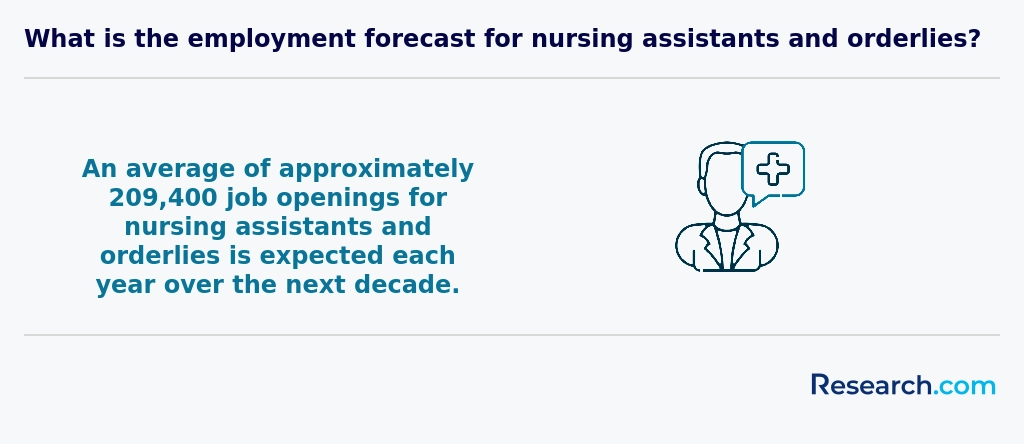
Part-time job opportunities in Florida that complement nursing degree education commonly include roles such as medical assistants, nursing aides, and patient care technicians. These positions offer hands-on experience in healthcare settings, enhancing clinical skills while students continue their studies. According to the Florida Department of Economic Opportunity, nursing aides and patient care technicians have a median hourly wage of around $14-$16, making them accessible options for students.
Additionally, working as a home health aide or phlebotomy technician provides valuable patient interaction and familiarity with medical procedures. These jobs often offer flexible schedules, which accommodate nursing class times. Such employment not only builds practical skills but also strengthens resumes for future Registered Nurse licensure and employment.
Nursing students in Florida have ample networking opportunities aimed at helping them connect with healthcare professionals. Many universities partner with Florida hospitals and clinics to provide internship programs and clinical rotations, allowing students to build essential relationships in the field.
The Florida Nurses Association offers student memberships, granting access to conferences, workshops, and local chapter meetings. These events are valuable for expanding professional contacts and staying updated on state nursing initiatives.
Additionally, organizations like the National Student Nurses' Association have active Florida chapters, promoting leadership and collaboration among nursing students nationwide.
According to the Florida Center for Nursing, students involved in these activities are more likely to secure employment post-graduation due to their expanded network.
Alumni networks play a significant role in supporting nursing degree students in Florida. They often provide valuable connections to healthcare employers across the state, including major hospitals and clinics. According to the Florida Center for Nursing, strong professional relationships can improve job placement rates for recent graduates.
These networks offer mentorship programs where experienced nurses guide new graduates through career challenges and licensure processes. Additionally, alumni events and online communities enable students to stay informed about job openings and continuing education opportunities.
In a competitive field like nursing, having a connection to a proven network can increase student success and professional growth.
Customizing a nursing degree program in Florida allows students to align their education with specific career goals. Many Florida nursing schools offer options such as choosing between an Associate Degree in Nursing (ADN), Bachelor of Science in Nursing (BSN), or advanced degrees like the MSN, depending on career aspirations.
Students can select specializations including pediatric, geriatric, or critical care nursing to gain targeted skills. Clinical placements throughout Florida's diverse healthcare facilities provide practical experience aligned with desired practice areas.
Additionally, flexible online and hybrid programs accommodate working professionals seeking to advance without interrupting their careers. According to the Florida Board of Nursing, over 70% of RNs hold a BSN or higher, highlighting the importance of degree advancement in the state.
Nursing students in Florida face several common challenges throughout their education. One major hurdle is balancing rigorous coursework with demanding clinical rotations. Florida's nursing programs require extensive hands-on training, which can be time-consuming and stressful. According to the Florida Center for Nursing, the state's nursing programs report a dropout rate of about 15% due to academic pressure and fatigue.
Another challenge is managing the financial burden. Tuition costs and fees, along with expenses for textbooks and supplies, can create significant stress. While Florida offers financial aid and scholarships, many students still struggle to cover costs.
Additionally, the competitive nature of admission and licensure exams, such as the NCLEX-RN, adds pressure. The average NCLEX first-time pass rate in Florida was around 87% in 2023, indicating high standards but also the challenge for many students.
With a nursing degree in Florida, you can pursue various professional certifications to advance your career. The Florida Board of Nursing recognizes certifications like Certified Registered Nurse Anesthetist (CRNA), Nurse Practitioner (NP), and Clinical Nurse Specialist (CNS), each requiring specific graduate-level education and passing national exams.
Additionally, certifications such as Certified Nurse Midwife (CNM) and Certified Nurse Educator (CNE) are available for specialty practice areas. The Florida Center for Nursing highlights that advanced certifications often lead to higher salaries and expanded job opportunities, particularly in the growing healthcare market of Florida.
These certifications are typically obtained through organizations like the American Nurses Credentialing Center (ANCC) and require maintaining continuing education credits.
Writing a winning application for a nursing program in Florida requires careful attention to detail and clear demonstration of your commitment to healthcare. Start by thoroughly researching the specific requirements of each program, as Florida programs commonly emphasize a strong GPA, often around 3.0 or higher, and prerequisite science courses like anatomy and physiology.
Highlight any relevant healthcare experience, including volunteer work or certifications such as CNA, which strengthen your application. Many Florida nursing schools also value a compelling personal statement that explains your motivation to pursue nursing and your future goals.
Make sure to request strong letters of recommendation from educators or healthcare professionals who can attest to your skills and character. According to the Florida Center for Nursing, a well-rounded application improves your chances given the competitive admission rates statewide.
Finally, submit all materials ahead of deadlines and consider applying to multiple programs to increase your opportunities.
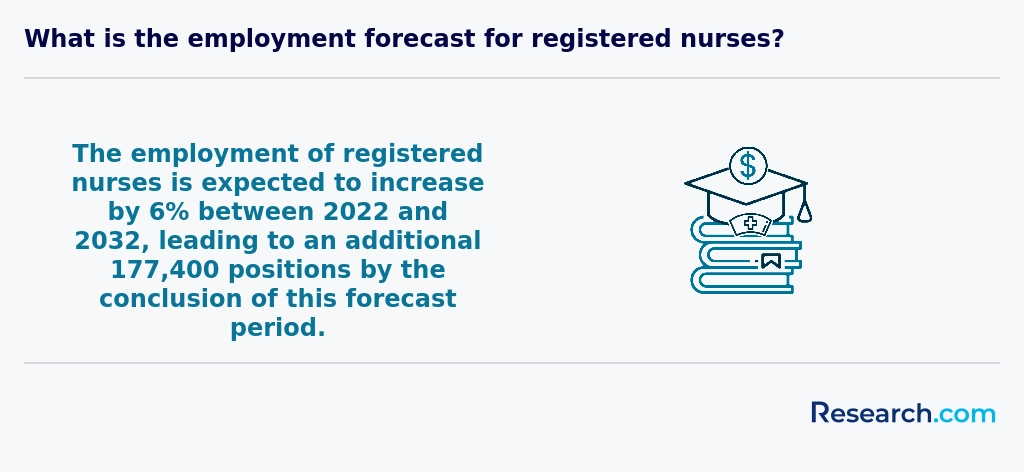
Nursing careers are increasingly recognized worldwide for their vital role in healthcare systems. In the United States, including Florida, nursing is a highly respected and in-demand profession, with the Bureau of Labor Statistics projecting a 15% job growth for registered nurses between 2021 and 2031. This demand reflects global trends where nurses are essential to managing aging populations and responding to health crises.
Florida's diverse population requires culturally competent nursing care, enhancing the global perspective within local education programs. Many nursing degrees emphasize international standards and evidence-based practices, preparing graduates to contribute globally.
Florida nurses with a Bachelor of Science in Nursing (BSN) or higher benefit from improved employment opportunities and the ability to work in various healthcare settings worldwide, including opportunities through international partnerships and exchange programs.
Gaining practical experience is essential when studying for a nursing degree in Florida. Most accredited nursing programs include clinical rotations as a core component, placing students in hospitals, clinics, and long-term care facilities throughout the state. These hands-on experiences allow students to apply classroom knowledge to real patient care under the supervision of licensed professionals.
The Florida Board of Nursing requires nursing students to complete specific hours of clinical practice to be eligible for licensure. According to the Florida Center for Nursing, programs often partner with healthcare providers like UF Health and HCA Healthcare to provide diverse clinical settings.
Additionally, some schools offer simulation labs with high-fidelity mannequins to complement clinical practice, enhancing critical skills in a controlled environment.
Choosing the right concentration within a nursing degree program in Florida involves understanding your career goals and the state's healthcare demands. Florida offers a variety of options, including pediatrics, geriatrics, and acute care, each aligning with specific patient needs. For example, with Florida's significant elderly population-over 20% aged 65 and older according to the U.S. Census Bureau-gerontological nursing is in high demand.
Accredited programs in Florida often provide detailed course descriptions and clinical opportunities, helping you gain relevant experience. Consider your interests and job market trends reported by the Florida Center for Nursing, which tracks nursing shortages and growth areas. Additionally, talk to advisors and network with local healthcare providers to align your studies with practical needs.
- 2027 Most Affordable Online Nursing Degree Programs Ranking in Georgia
- 2027 Most Affordable Online Nursing Degree Programs Ranking in South Carolina
- 2027 Most Affordable Online Nursing Degree Programs Ranking in Mississippi
- 2027 Most Affordable Online Nursing Degree Programs Ranking in Tennessee
- 2027 Most Affordable Online Nursing Degree Programs Ranking in North Carolina
- 2027 Most Affordable Online Nursing Degree Programs Ranking in Louisiana
- 2027 Most Affordable Online Nursing Degree Programs Ranking in Kentucky
- 2027 Most Affordable Online Nursing Degree Programs Ranking in Virginia
- 2027 Most Affordable Online Nursing Degree Programs Ranking in Missouri
- 2027 Most Affordable Online Nursing Degree Programs Ranking in Indiana
See What Experts Have To Say About Studying Nursing
Read our interview with Nursing experts


- Nursing Internships Abroad: An Introduction - RealStep https://www.real-step.com/en/articles/nursing-internships-abroad/
- What Are the Best Jobs to Work While in Nursing School? https://www.dewv.edu/what-are-the-best-jobs-to-work-while-in-nursing-school/
- How to Become a Nurse in Florida | West Coast University https://westcoastuniversity.edu/about/career-guides/how-to-become-a-nurse-in-florida
- Nursing Internship and Externship Programs https://jobs.mayoclinic.org/nursinginternexternprograms
- What Are the Best RN Certifications for Your Career? https://credenzahealth.com/career-advice/what-are-the-best-rn-certifications-for-your-career
- In-Demand Nursing Specialties in Miami Gardens and Surrounding Areas https://fvi.edu/nursing/in-demand-nursing-specialties-in-miami-gardens-and-surrounding-areas/
- Types of Nursing Degrees-Which One Is Yours? https://www.allnursingschools.com/how-to-get-into-nursing-school/degree-options/
- Nursing - SUM Admission https://admission.sum.edu.pl/nursing/
- Mastering Florida Nursing Prerequisites: A Complete Guide https://www.prereqcourses.com/mastering-florida-nursing-prerequisites/
- Nursing Student Loan Forgiveness Program https://www.floridastudentfinancialaid.org/FFELP/Nursing_Loan_Forgiveness/AdditionalResources.html


