2027 Most Affordable Online Nursing Degree Programs Ranking in Indiana

Co-Founder and Chief Data Scientist
Choosing the right nursing degree program is an important step toward a rewarding career in healthcare. For students in Indiana, finding an affordable option that fits both your budget and goals can feel overwhelming.
This article introduces the 2027 Most Affordable Online Nursing Degree Programs Ranking in Indiana created by the Research.com team of data scientists. It is designed to help you make an informed choice by highlighting programs that offer great value without compromising quality.
Exploring these programs can bring you closer to a fulfilling future in nursing. Take confidence in finding the right path for your success.
Key benefits of getting online nursing degree in Indiana
- Graduates with a nursing degree in Indiana can expect strong salaries, with roles like Registered Nurse and Emergency Room Nurse earning around $94,480 annually, while Operating Room Nurses can earn up to $128,490, reflecting the rewarding financial benefits of this career path.
- Career paths include diverse options like Clinical Nurse Educator or Public Health Nurse, offering flexibility to work in hospitals, community health, or education, based on examples from popular Indiana universities.
- Online nursing degrees offer the convenience of learning at your own pace with the same quality education as traditional programs, making it easier to balance work, family, and studies, as seen with graduates from respected Indiana online nursing programs.
- 2027 Most Affordable Online Nursing Degree Programs Ranking in Indiana
- What can I expect from online nursing degree in Indiana?
- Where can I work with online nursing degree in Indiana?
What can I expect from online nursing degree in Indiana?
When it comes to the average cost of an online nursing degree in Indiana, students typically spend anywhere from $10,000 to $30,000 for a full program, depending on the school and degree level. For example, graduates from well-known schools like Indiana University or Purdue University often mention that while tuition can feel like an investment, the flexibility and quality make it totally worth it.
Many nursing students share how they appreciated having options like part-time enrollment or accelerated programs that helped them manage work and family without breaking the bank. Plus, with Indiana's strong support for online learners, financial aid and scholarships are pretty accessible if you dig around a bit.
Picture balancing your nursing classes between shifts or family time, where virtual simulations and local clinicals fit neatly around your schedule. It's real-life learning that sets you up for success-and most grads feel confident knowing their investment opens doors to steady nursing jobs across Indiana's thriving healthcare scene.
Where can I work with online nursing degree in Indiana?
With an online nursing degree in Indiana, you've got plenty of doors open. Many grads find themselves working at big places like IU Health or Community Health Network, jumping into roles in emergency rooms or surgical units. One recent graduate from Indiana University shared how rewarding it was to jump right into a busy hospital setting, feeling welcomed and ready to make a real difference.
Others take a slightly different path-some head to outpatient clinics or nursing homes, where you get to build close relationships with patients over time. It's a different pace, but just as rewarding. A grad from Purdue University Northwest mentioned loving the personal connections she developed while working in a rehab center after finishing her online program.
And don't forget home health care-more and more nurses in Indiana are helping patients right in their own homes. This option gives a lot of flexibility and lets you see firsthand how much impact you can have on a patient's daily life.
Plus, there are public health jobs through the Indiana State Department of Health, focusing on community wellness and education. Nursing grads love that it's about making the whole community healthier, not just helping individuals one-on-one.
If you're wrapping up an online nursing degree in Indiana, you're likely wondering, "How much can I actually make?" Well, graduates from popular schools like Purdue University Global or Indiana State University often step into roles that pay pretty well. Registered nurses tend to earn around $94,480 a year statewide, which is solid, especially when you consider it's higher than some earlier reports. That breaks down to about $45 an hour, so your paycheck reflects real value for your hard work.
Thinking about a specialty? Emergency room nurses and clinical nurse educators also bring home about $94,480 annually, which is comforting to know as you plan your career path. And if you take your training up a notch to become an operating room nurse, expect a jump to roughly $128,490 - now that's a salary to get excited about!
Lots of grads say landing a nursing job in cities like Indianapolis makes a difference, with bigger hospitals offering better pay and a fast-paced work environment. Plus, those who keep learning and snag extra certifications usually see their earnings grow, making the investment in an online nursing program totally worthwhile.
- Online nursing degrees in Indiana mainly offer Registered Nurse (RN) tracks like ADN completion and BSN programs accredited by CCNE or ACEN.
- BSN programs cost between $7,000 and $15,000 for in-state students, while ADN programs typically range from $5,000 to $10,000, excluding fees and textbooks.
- The median annual wage for registered nurses in Indiana is about $64,000, with new nurses earning $50,000 to $55,000 and experienced nurses making over $75,000.
- Employment for registered nurses in Indiana is expected to grow by over 13% through 2030 due to an aging population and expanding healthcare needs.
- Licensure requires passing the NCLEX-RN exam, and online programs provide preparation through live instruction, simulations, and practice tests.
If you're diving into an online nursing degree in Indiana, the time it takes really depends on which path you pick. For instance, many students at places like Ivy Tech Community College find their Associate Degree in Nursing (ADN) takes about 2 to 3 years. This is great if you're starting fresh and aiming for that first step into nursing. These programs blend online classes with local clinical hours, so you're still getting hands-on experience nearby.
On the other hand, those aiming for a Bachelor of Science in Nursing (BSN) at schools like Purdue University Global often spend around 4 years if they're starting from zero. But if you already have some college credits or an ADN, the RN-to-BSN programs can wrap up faster-usually 1 to 2 years. Graduates often share how flexible schedules helped them balance work and study.
For going further, the Master of Science in Nursing (MSN) can take between 1.5 to 3 years, depending on how fast you move. Many graduates say it's challenging but rewarding, especially since you need an active Indiana RN license and a BSN to get started. The toughest part? Juggling local clinical hours with online coursework, but it's totally doable with some good planning.
For registered nurses who want greater clinical responsibility, a nurse practitioner pathway can be a strong next step after earning a BSN. Nurse Practitioner programs in Indiana commonly offer concentrations such as Family Nurse Practitioner (FNP), Psychiatric-Mental Health Nurse Practitioner (PMHNP), and Adult-Gerontology Acute Care.
Admission requirements generally include an active RN license, a Bachelor of Science in Nursing, a minimum GPA often 3.0, and at least one year of clinical experience. Some programs may require additional materials such as a resume, personal statement, professional recommendations, or an interview.
Most accredited online NP tracks span 18–24 months and combine online graduate coursework with supervised clinical practicums. Core subjects commonly include advanced health assessment, pharmacology, evidence-based practice, pathophysiology, diagnostics, and population-focused care. Because clinical hours are required, students should ask early whether the school provides placement support in Indiana or expects students to locate preceptors independently.
What to compare before choosing an NP program
- Accreditation: confirm CCNE or ACEN accreditation.
- Clinical placement model: ask whether the program assists with local preceptors and sites.
- Specialization fit: match the concentration to the patient population you want to serve.
- Faculty access: review advising, mentorship, and responsiveness for online learners.
- Cost and aid: compare tuition, fees, scholarships, employer tuition assistance, and state-based nursing grants.
Students focused on cost can compare affordable NP pathways through our guide to the best affordable np degree options. Before applying, gather transcripts, request recommendations from nurse managers or academic advisors, prepare a personal statement that explains your clinical goals, and check whether the GRE or other entrance requirements apply.
When you're weighing online vs. on-campus nursing degrees in Indiana, the biggest difference is how you attend classes. Online programs, like those offered through popular schools in Indianapolis or Fort Wayne, let you watch lectures and take part in discussions from home. This setup is a game-changer if you're juggling a job or family since it fits around your schedule. One graduate from an Indiana university mentioned how this flexibility allowed them to study at night after their kids were asleep.
On the flip side, on-campus students experience that classic college vibe - sitting in classrooms, hands-on labs, and real-time chats with professors and classmates. It's great for building connections, especially at schools known for strong nursing communities like Ball State or Purdue.
Either way, all Indiana nursing students must complete in-person clinical hours at local hospitals, no matter the program. So you'll still get that essential real-world experience, whether you're dialing in remotely or walking across campus.
Before enrolling in an online nursing program, confirm that the program can lead to the license or credential you are seeking in Indiana. Nursing is a regulated profession, so program approval, accreditation, clinical training, and exam eligibility are not optional details.
Students should verify programmatic accreditation through the Commission on Collegiate Nursing Education (CCNE) or the Accreditation Commission for Education in Nursing (ACEN). These organizations review curriculum quality, faculty preparation, clinical learning, student outcomes, and institutional support.
Key licensing and quality checks
- State Board Approval: Confirm the program is approved by the Indiana State Board of Nursing and aligns with state-specific regulations and scope-of-practice requirements.
- NCLEX Pass Rates: Look for programs reporting NCLEX-RN pass rates at or above the national average, typically around 85%, while also reviewing the program’s multi-year trend.
- Clinical Requirements: Make sure the program explains where clinical rotations take place, how placements are approved, and whether students receive placement support.
- Reciprocity and Mobility: If you may work outside Indiana, ask how the program supports licensure portability and whether its requirements align with Nurse Licensure Compact (NLC) guidelines.
- Ongoing Compliance: Accredited programs undergo regular review, so confirm the school publishes current accreditation status and renewal timelines.
For comparison beyond Indiana, you can also review the Affordable Online Bachelor's in Nursing Degree Programs Ranking in Virginia to see how affordability, accreditation, and online delivery differ across states.
When it comes to the average cost of an online nursing degree in Indiana, most students often find themselves pleasantly surprised. On average, in-state students pay around $24,000 for their entire nursing program, which is definitely more affordable compared to many other states. Graduates from popular programs at schools like Indiana University or Ball State have often shared how keeping their tuition manageable helped them focus fully on their studies without stressing about huge debt.
Public universities tend to be the sweet spot for cost-conscious students, especially since many offer in-state tuition rates even for online learners. This means that if you live in Indiana, you can snag the affordable rates typical of local students without having to attend classes on campus. This is a big relief for working nurses upgrading their skills through RN to BSN programs, where average costs hover neatly in the $10,000 to $13,000 range-pretty budget-friendly for a career boost!
For those eyeing advanced nursing degrees, like an MSN, prices usually fall between $15,000 and $30,000, which is still competitive nationally. Students often mention appreciating flexible online options paired with reasonable tuition, especially compared to pricier private programs. If you're curious about finding the most affordable nursing schools in Indiana, there are plenty of options that strike a nice balance between quality and cost, making your nursing journey both achievable and affordable.
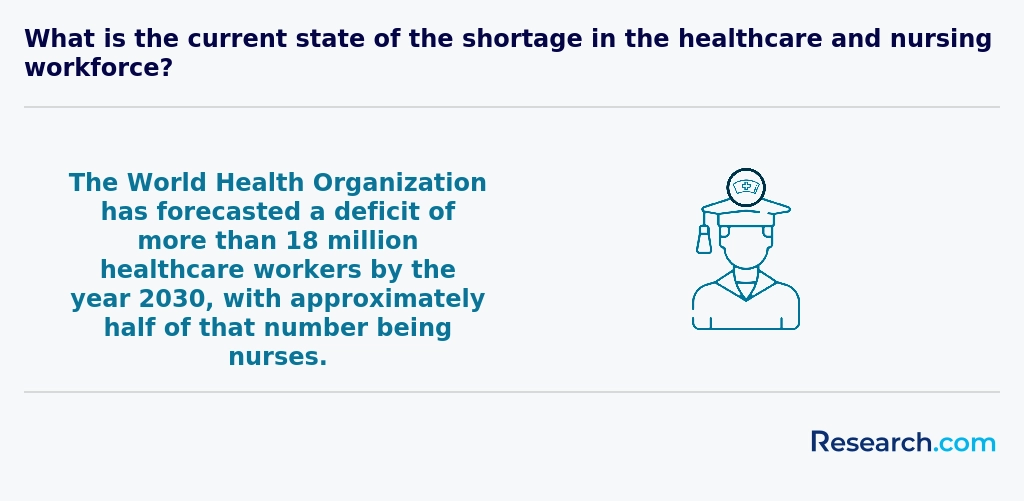
An affordable online nursing program can make a meaningful difference in your return on investment, especially if you plan to keep working while completing your degree. Nursing education often includes costs beyond tuition, such as textbooks, clinical fees, uniforms, background checks, health requirements, technology fees, and exam preparation. Choosing carefully can reduce debt without sacrificing licensure readiness.
Affordability matters most when it is paired with quality. A low-cost program is only a strong choice if it is properly accredited, approved for Indiana nursing education requirements, transparent about clinical expectations, and able to prepare students for the NCLEX-RN or advanced practice requirements when applicable.
Students comparing the most affordable nursing schools in Indiana should look at total program cost, not just per-credit tuition. A school with lower tuition may still become expensive if it charges high clinical, technology, or out-of-state fees. Likewise, a slightly higher-priced program may offer better advising, clinical placement support, employer partnerships, or a stronger path into Indiana healthcare systems.
What affordability should include
- Total estimated cost: tuition, mandatory fees, supplies, clinical expenses, and exam-related costs.
- Time to completion: faster programs may reduce opportunity cost, but they can be more demanding.
- Clinical placement support: students should understand whether the school helps secure placements or expects them to find sites independently.
- Licensure outcomes: strong NCLEX preparation and transparent pass-rate reporting are critical.
- Financial aid access: federal aid, state grants, scholarships, and employer tuition assistance can reduce out-of-pocket costs.
The best affordable choice is not always the cheapest program. It is the program that gives you a realistic path to graduation, licensure, and employment with manageable debt.
If you're diving into an online nursing degree in Indiana, you've got a decent mix of financial help to ease the load. Plenty of grads from schools like Indiana University-Purdue University Indianapolis (IUPUI) mention how the federal Pell Grant-offering up to $7,395-really made a difference, especially when juggling work and classes. Applying through FAFSA is your first step to grab that aid before tuition deadlines sneak up.
On top of that, Indiana-specific grants like the Frank O'Bannon Grant can chip away at costs if you're a resident and enrolled full-time. Many students at Purdue University Northwest have benefited from that since it's all about supporting Hoosier learners like you.
There are also scholarships from groups such as the Indiana State Nurses Association, which can feel like getting a little extra cheerleading from the nursing community. Plus, if you're working already, some employers offer tuition reimbursement programs that recent grads say help them balance career and studies without stressing their wallets.
Work-study gigs tied to healthcare? Yep, those can also help you bring in cash while getting hands-on experience.
Accreditation is one of the first quality checks for any online nursing program in Indiana. Programmatic accreditation from the Accreditation Commission for Education in Nursing (ACEN) or the Commission on Collegiate Nursing Education (CCNE) signals that a nursing program has been evaluated for curriculum quality, faculty qualifications, student support, clinical learning, and outcomes.
Students should also confirm institutional accreditation and Indiana State Board of Nursing approval. These details can affect eligibility for federal financial aid, transfer credit, graduate school admission, employer recognition, and licensure.
NCLEX-RN first-time pass rates are another important indicator. They do not tell the whole story, but they help show whether a program’s coursework, simulation, advising, and clinical preparation align with licensure expectations. Several Indiana institutions report NCLEX pass rates above 90%, surpassing the national average of approximately 88%. When reviewing this data, look for multi-year consistency rather than a single strong year.
How to evaluate NCLEX and accreditation data
- Verify whether the nursing program is ACEN- or CCNE-accredited.
- Confirm the program is approved by the Indiana State Board of Nursing.
- Review NCLEX-RN pass rates across multiple years, not only the most recent cohort.
- Ask how the program supports students who are at risk academically.
- Check whether clinical experiences are available in settings relevant to your career goals.
Students who already hold a non-nursing bachelor’s degree may also compare accelerated or graduate-entry options, including direct entry msn programs no prerequisites. These pathways can be efficient, but applicants should examine licensure eligibility, prerequisite expectations, clinical intensity, and total cost carefully before enrolling.
Thinking about starting an online nursing degree in Indiana? The first thing you'll notice is that schools like IU or Purdue really want you to have your high school diploma or GED locked down. Most grads remember how nailing courses in biology and chemistry early on saved them stress later-for example, anatomy, microbiology, and stats are common must-haves before you even get to the fun nursing classes.
If you're aiming for a BSN, especially RN-to-BSN programs, having that active Indiana RN license is a total game-changer. Many students shared that holding their license gave them more confidence and made coursework feel way more manageable. For advanced programs like an MSN, it's not just the license but also a solid GPA-usually around 3.0-and sometimes letters of recommendation or a heartfelt statement of purpose.
Oh, and don't forget the practical stuff like background checks and immunizations-that's standard for clinicals and keeps everyone safe. Students often say handling these prereqs upfront made their journey smoother at well-respected schools across Indiana.
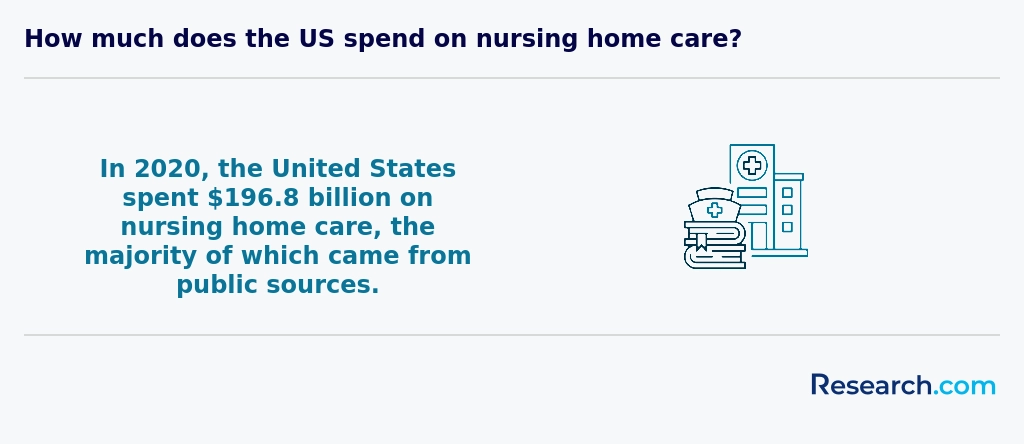
After completing an online BSN or MSN in Indiana, nurses can pursue advanced education, specialty credentials, and leadership training. The right pathway depends on whether your goal is direct patient care, advanced practice, teaching, administration, research translation, or systems improvement.
- Master of Science in Nursing (MSN): An MSN can support roles such as Nurse Educator, Nurse Administrator, Clinical Nurse Leader, or preparation for advanced practice tracks.
- Doctor of Nursing Practice (DNP): A DNP is a terminal clinical degree for nurses seeking high-level practice, leadership, and quality-improvement roles. Flexible dnp online programs may help working nurses continue employment while advancing their education.
- Specialty Certifications: Nurses may pursue credentials in critical care, pediatrics, oncology, informatics, perioperative nursing, or other specialties through accredited certifying organizations.
- Continuing Education: Indiana nurses must stay current with continuing education expectations, employer training, and professional development related to patient safety, ethics, clinical practice, and changing healthcare standards.
Before choosing an advanced pathway, compare admission requirements, clinical hour expectations, certification eligibility, tuition, employer support, and the type of role you want in Indiana’s healthcare workforce.
If you're diving into an online nursing degree in Indiana, expect to tackle courses that really get you ready for real-world nursing. Think about studying Human Anatomy and Physiology-it's like getting a backstage pass to how the body works, something graduates from places like Indiana University find crucial when caring for patients. Then there's Microbiology and Pharmacology, which help you understand germs and meds-super important when you're on the floor making quick decisions.
Indiana nursing programs also mix in courses like Health Assessment and Nutrition, so you're set to evaluate patients and support their recovery. Graduates often share how the Adult and Pediatric Nursing classes made them comfortable handling patients of all ages, from toddlers to seniors. Plus, topics like Community and Public Health nursing are a favorite because they show the big picture-how to make a difference beyond just one patient.
Many Hoosier students appreciate how these programs also cover healthcare ethics and leadership. It's one thing to be a great nurse, but leading a team? That's next level-and Indiana's schools know it.
When you look at online nursing specializations in Indiana, you'll notice a bunch of options that really fit the state's healthcare vibe. Graduates from popular schools like Indiana University and Purdue often share how specializations such as Registered Nurse to Bachelor of Science in Nursing (RN to BSN) helped them move into leadership roles or more specialized nursing careers. Others who chose Nurse Practitioner tracks-like Family Nurse Practitioner or Psychiatric-Mental Health NP-found themselves ready to tackle both rural and city health needs with confidence.
Many students also pick Clinical Nurse Specialist or Nursing Education, which prepares them to lead clinical improvements or train the next generation of nurses. Indiana's focus on local healthcare challenges, like rural shortages, really makes Public Health Nursing and Healthcare Leadership popular choices. If you're curious about finding a path without the usual hurdles, some folks check out direct entry msn programs no prerequisites, which offer a fast track into advanced practice. Overall, Indiana's online nursing degree specialization options help you tailor your career exactly how you want it.
When picking the best online nursing degree in Indiana, it really boils down to a few practical things. Make sure the program is properly accredited-graduates from schools like Indiana University or Purdue rave about how their CCNE-accredited programs set them up for success. Plus, find a program that offers clinical placements nearby or somewhere you can easily reach since hands-on experience is a must for licensure here.
A lot of grads say juggling work and school was way easier because the programs were flexible enough to fit their crazy schedules. Cost matters too, especially if you want an affordable nursing degree Indiana has options at public universities that won't leave your wallet empty. Many programs also offer scholarships or financial aid, which can be a lifesaver.
Don't forget to check out the pass rates on the NCLEX-RN exam-Indiana schools with 90% or higher pass rates mean you'll be well-prepared. If you want to explore deeper, some students found the best affordable np degree options helpful for planning ahead.
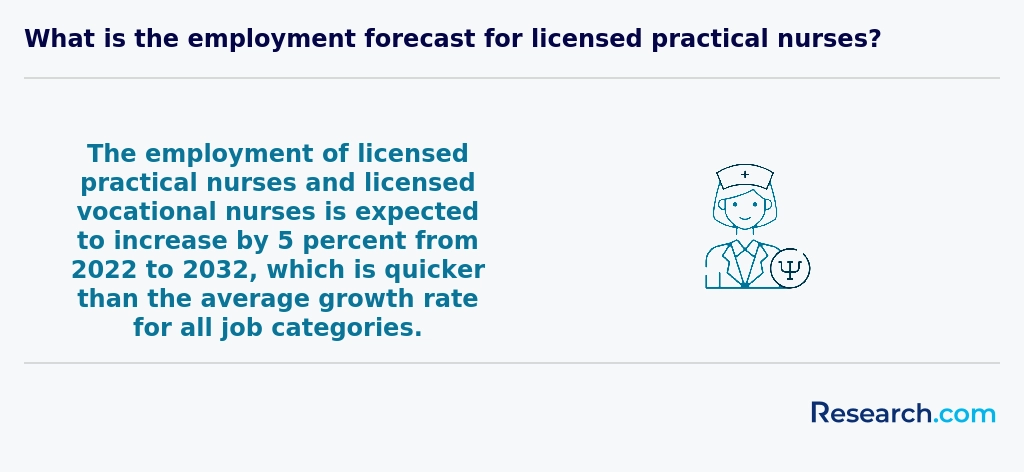
If you're looking into an online nursing degree in Indiana, you'll find plenty of career paths to explore. Many grads from well-known schools like Indiana University and Purdue University jump right into roles as Registered Nurses, working hands-on in hospitals or clinics across the state. It's a solid gig with the state expecting nurse jobs to grow by over 12% soon-more patients, more opportunities!
Others go for advanced degrees online, like a BSN or MSN, which opens doors to cool roles like Nurse Practitioners or Clinical Nurse Specialists. Imagine diagnosing patients or even teaching future nurses at colleges. Indiana nurses often specialize in areas like critical care, pediatrics, or mental health-fields where the demand and really the impact on people's lives is huge.
Plus, lots of online programs fit right into a busy life, letting students work and study. You can even find options that are affordable and offer ways to handle tuition costs, like through some employer tuition help. Check out this Affordable Online Bachelor's in Nursing Degree Programs Ranking in Virginia for comparison and ideas on keeping costs down while chasing your dreams.
Whether you're after job stability or a specialty in Indiana, the online nursing degree career opportunities in Indiana truly have something for every aspiring nurse.
The job market for graduates with an online nursing degree in Indiana is looking really good right now. Hospitals and nursing homes in cities like Indianapolis and Fort Wayne are always on the lookout for new nurses, and rural areas especially need help. Lots of recent grads from popular nursing schools in Indiana share how their programs made juggling work and study easier, since many offer flexible online classes that fit busy schedules. This flexibility means you can train without leaving your community, which is a huge plus for many students.
One great thing about nursing employment opportunities in Indiana is that online grads have the same shot at licensure exams as on-campus students, so the path to a nursing job is just as open. Plus, the average nurse salary here is around $65,000, which is pretty competitive considering living costs. Graduates often talk about the financial relief from scholarships or loan forgiveness, making the journey less stressful.
If you're thinking about going further, some even explore a shortest masters degree program after their bachelor's to boost career options. Nursing programs in Indiana are tailored to get you ready for local healthcare settings, so stepping into the workforce feels smooth and natural.
2027 Most Affordable Online Nursing Degree Programs Ranking in Indiana
Investing in your education is a significant decision that can shape your future, and the Research.com team understands the importance of making informed choices. To assist prospective nursing students in Indiana, we have meticulously crafted the "2027 Most Affordable Online Nursing Degree Programs Ranking in Indiana." Our commitment to quality, credibility, and accuracy is reflected in the extensive research and analysis conducted to compile this ranking.
We utilized the following reputable data sources to ensure a comprehensive evaluation of nursing programs:
By exploring this ranking, readers will gain valuable insights into affordable and quality online nursing degree options in Indiana, empowering them to make well-informed decisions about their educational paths. For more details on our methodology, please visit our Research.com methodology page.


Frequently Asked Questions About nursing
Online nursing degree students in Indiana can maximize their learning experience by engaging actively with course materials and faculty. Research shows that nursing programs accredited by the Commission on Collegiate Nursing Education (CCNE) provide high-quality resources well-suited to online learners. Utilizing virtual simulations and clinical practice opportunities offered through partnerships with Indiana healthcare facilities enhances hands-on skills.
Additionally, students should leverage Indiana's robust network of nursing organizations, such as the Indiana State Nurses Association, for mentorship and professional development. Balancing studies with local clinical experience supports meeting Indiana's Board of Nursing licensure requirements efficiently. According to the Indiana Commission for Higher Education, students who participate in collaborative learning and time management report higher course completion rates.
The nursing field in Indiana is expanding into several emerging niches driven by technological advances and changing healthcare needs. One growing area is telehealth nursing, which uses digital tools to provide care remotely. This niche is especially relevant in rural parts of Indiana, where access to healthcare remains limited.
Another promising specialty is gerontological nursing. With Indiana's aging population projected to increase by 20% over the next decade (Indiana State Department of Health), nurses trained in elder care will be in high demand.
Additionally, informatics nursing is gaining traction. Nurses in this role manage electronic health records and improve clinical workflows, enhancing patient outcomes.
After completing an online nursing degree in Indiana, preparing for the job market involves several important steps. First, graduates must pass the NCLEX-RN exam to become licensed registered nurses in Indiana, a requirement regulated by the Indiana Professional Licensing Agency. According to the Indiana State Department of Health, Indiana's nursing workforce demand is expected to grow by 15% through 2030, highlighting good job prospects.
Networking is essential; joining local nursing associations like the Indiana State Nurses Association can provide valuable contacts and resources. Additionally, gaining clinical experience through internships or volunteer work improves employability. Familiarity with Indiana's healthcare employers and regulations will further strengthen a candidate's position in this competitive market.
Employers in Indiana highly value nursing graduates who demonstrate strong clinical competence and critical thinking skills. According to the Indiana Center for Nursing, adeptness in patient assessment and care planning is essential for new nurses entering the workforce.
Communication skills are equally important, as nurses must effectively interact with patients, families, and multidisciplinary teams. Additionally, proficiency in electronic health records (EHR) is increasingly demanded due to widespread digitalization in Indiana's healthcare facilities.
Indiana's nursing employers also seek graduates with adaptability and cultural competency, reflecting the state's diverse patient populations. Finally, knowledge of state-specific regulations and safety protocols enhances employability in Indiana's evolving healthcare system.
Finding nursing internships in Indiana involves a strategic approach focused on healthcare facilities and educational partnerships.
Start by exploring hospitals and clinics affiliated with Indiana universities offering online nursing programs, such as IU Health and Eskenazi Health. These institutions often have established internship opportunities tailored for nursing students.
The Indiana State Board of Nursing and Indiana University's School of Nursing recommend checking state resources like the Indiana Internship Program, which connects students with healthcare employers across the state.
Utilizing nursing program advisors can also help you identify clinical placements relevant to your degree. Networking through professional organizations like the Indiana Nurses Association provides additional leads.
Registered nurses in Indiana are expected to complete internship or clinical hours before licensing, making these internships essential for practical experience and licensure preparation.
An online nursing degree in Indiana significantly enhances career mobility and advancement opportunities. With the state's growing healthcare sector, nurses with advanced education are in high demand. According to the Indiana Center for Nursing, the state expects a 15% increase in nursing jobs by 2030. An online degree allows registered nurses to pursue higher qualifications, such as a BSN or MSN, while working. This flexibility supports continuous professional development and eligibility for specialized nursing roles, leadership positions, and higher salaries. Employers in Indiana often prefer or require nurses to hold degrees aligned with national standards set by organizations like the American Nurses Credentialing Center.
Studying for a nursing degree in Indiana equips students with skills essential for interdisciplinary roles in healthcare. Indiana nursing programs emphasize collaboration across fields such as medicine, social work, and public health. Students learn effective communication and critical thinking, which are vital when coordinating patient care among diverse healthcare teams.
Indiana's nursing curricula often include courses on healthcare systems, leadership, and ethics to prepare nurses for multifaceted responsibilities. According to the Indiana Center for Nursing, about 60% of nursing graduates work in settings requiring interdisciplinary collaboration, such as hospitals and community clinics.
Additionally, many online programs incorporate virtual simulations and case studies that mimic real-world teamwork scenarios, enhancing practical readiness.
When choosing between a thesis and a non-thesis nursing degree program in Indiana, consider your career goals and learning style. A thesis program requires conducting independent research, which suits students interested in clinical research or pursuing doctoral studies. Non-thesis options focus more on practical skills and coursework, ideal for nurses aiming to advance in clinical roles or healthcare management.
Indiana nursing graduates have increased by over 5% since 2020 according to the Indiana Commission on Higher Education, highlighting growing opportunities. Programs with thesis options typically take longer but may offer stronger preparation for academic or research careers. Non-thesis degrees often provide more flexibility for working professionals.
Review your long-term objectives and the curriculum details of Indiana online schools to find the best fit.
Students based in Indiana interested in studying nursing abroad through online programs have limited direct options, as most U.S. nursing degrees require clinical hours completed in person. However, some Indiana institutions with global partnerships offer study abroad components integrated into their online nursing curricula. These opportunities typically involve completing online theory courses remotely while fulfilling practical training at approved international locations.
According to the Indiana Commission for Higher Education, nursing students must complete state-approved clinical experiences to qualify for licensure. This requirement limits fully abroad online nursing programs but encourages hybrid models combining remote learning with local or international clinical placements.
Additionally, students may explore exchange programs or affiliated foreign universities; however, licensing reciprocity poses challenges post-graduation. Consulting program advisors regarding international clinical options is crucial for Indiana-based nursing students.
In Indiana, part-time jobs that complement nursing degree education offer valuable experience alongside studies. Common opportunities include roles as certified nursing assistants (CNAs), medical scribes, and pharmacy technicians. These jobs help students apply classroom knowledge in practical settings, improving clinical skills and patient interaction.
The Indiana Department of Workforce Development reports that CNAs earn an average hourly wage of $13 to $16, making it a financially viable option for students. Medical scribing positions provide exposure to healthcare documentation and electronic health records, which are essential skills for nurses.
Hospitals, clinics, and long-term care facilities in Indiana frequently hire part-time nursing students, enabling flexible work schedules compatible with online programs.
Online nursing students in Indiana have various networking opportunities designed to support their career growth and professional connections. Many programs encourage participation in virtual study groups, discussion boards, and webinars, fostering interaction among peers and instructors.
Indiana's nursing students can also engage with the Indiana State Nurses Association, which offers events, online forums, and regional meet-ups. This association connects students with experienced nurses and healthcare professionals statewide.
Additionally, clinical placements arranged by schools often help students build local contacts in hospitals and clinics, essential for their future careers. According to the Indiana Center for Nursing, such networking enhances job prospects in a state with over 120,000 licensed nurses.
Alumni networks offer significant benefits to online nursing degree students in Indiana by providing access to a broad community of experienced professionals. These networks facilitate mentorship opportunities, which are vital for career development within the state's diverse healthcare settings. According to the Indiana Center for Nursing, networking plays a key role in job placement, with more than 70% of nurses securing positions through professional connections.
Furthermore, alumni groups often share information about local job openings, continuing education events, and professional certifications tailored to Indiana's nursing licensure requirements. This support helps graduates stay competitive in a market where the demand for Registered Nurses is projected to grow by over 15% through 2030, as reported by the U.S. Bureau of Labor Statistics.
Engagement with alumni also encourages lifelong learning and advocacy, essential in adapting to the evolving healthcare landscape in Indiana.
Indiana offers various online nursing degree programs that allow students to tailor their studies to match specific career goals. Many programs provide concentrations such as Family Nurse Practitioner, Psychiatric Mental Health, or Healthcare Leadership, enabling focused expertise.
Students can often choose elective courses and clinical placements suited to their preferred work settings. For instance, clinical hours may be completed locally, giving practical experience in Indiana's healthcare environment.
Several accredited institutions in Indiana align their curricula with state licensure requirements, ensuring graduates are eligible for the Indiana State Board of Nursing exams. According to the Indiana Center for Nursing, the demand for specialized nurses is rising, encouraging programs to adapt flexible options.
Careful selection of a program's specialties and clinical opportunities helps customize education, supporting diverse nursing careers from acute care to community health.
Online nursing students in Indiana often face challenges balancing coursework with clinical requirements. While theoretical classes are flexible, Indiana law mandates hands-on clinical hours, which can be difficult to schedule around work and personal commitments. According to the Indiana Commission for Higher Education, about 35% of nursing students report struggles finding local clinical placements.
Technology barriers also affect some students, particularly those in rural areas with limited internet access. The Federal Communications Commission states approximately 10% of Hoosiers lack reliable broadband, impacting online learning quality.
Additionally, nursing programs require strict adherence to accreditation and state board standards, which can create administrative hurdles when transferring credits or changing programs.
With an online nursing degree in Indiana, graduates can pursue several professional certifications to enhance their careers. Common certifications include the Registered Nurse (RN) license, awarded after passing the NCLEX-RN exam, required statewide for practicing nursing. Advanced certifications, such as the Certified Nurse Practitioner (CNP) or Clinical Nurse Specialist (CNS), require further education and state approval.
Indiana nurses can also obtain specialty certifications through organizations like the American Nurses Credentialing Center (ANCC). These include certifications in areas such as pediatric nursing, gerontology, and oncology. According to the Indiana State Department of Health, certified nurses often experience better job prospects and higher salaries.
Maintaining certifications typically involves continuing education, which online nursing programs often support.
Writing a winning application for an online nursing program in Indiana begins with understanding the state's healthcare landscape. Indiana ranks among states with nursing shortages, making strong candidates highly sought after. Highlight your academic achievements, especially in science and health-related courses.
Provide clear evidence of your commitment to nursing, such as volunteer or work experience in healthcare settings within Indiana. Programs often require a minimum GPA around 3.0, so emphasize your grades accordingly.
Include well-crafted personal statements that explain your motivation and goals. Make sure to follow guidelines provided by the Indiana Commission for Higher Education and individual schools.
Lastly, request strong, relevant letters of recommendation from professionals familiar with your skills and dedication to nursing. The Indiana Department of Workforce Development offers helpful labor market information that can support your application narrative about the growing demand for nurses in the state.
The nursing profession is valued worldwide for its vital role in healthcare systems. In the United States, including Indiana, nursing careers are seen as stable and growing, with the U.S. Bureau of Labor Statistics projecting a 9% growth rate for registered nurses through 2031. Globally, nurses are essential frontline workers and increasingly participate in specialized fields such as geriatrics and telehealth. Indiana's nursing programs often integrate global health concepts, preparing graduates to meet diverse patient needs. According to the Indiana Center for Nursing, the state faces a nursing shortage, highlighting the high demand for qualified nurses both locally and internationally.
Gaining practical experience is essential when pursuing an online nursing degree in Indiana. Most programs require clinical hours completed at approved healthcare facilities. Online students typically arrange these clinical placements locally, allowing them to work nearby.
Indiana students benefit from partnerships between online programs and regional hospitals, clinics, or long-term care centers. These offer supervised hands-on training in real-world settings. According to the Indiana State Nursing Board, clinical requirements often range from 500 to 700 hours, depending on the degree level.
Additionally, simulation labs and virtual clinical experiences supplement in-person hours, enhancing skills before direct patient care. Students should consult program advisors early to plan clinical placements effectively.
Choosing the right concentration within an online nursing degree program in Indiana starts with understanding your career goals. Indiana offers various nursing specializations such as family nurse practitioner, psychiatric nursing, and nurse educator. Each concentration aligns with different job roles and salary ranges. For example, nurse practitioners in Indiana earn a median annual wage of around $110,000, according to the U.S. Bureau of Labor Statistics.
Consider the demand in Indiana's healthcare market as well. The Indiana Department of Workforce Development projects a steady growth in registered nursing jobs through 2030. Specialized roles, like nurse anesthetists, typically require advanced education but offer higher salaries.
Look at program accreditation and clinical placement opportunities within Indiana hospitals to ensure practical experience. Many programs partner with local healthcare systems, which can be crucial for licensure and employment after graduation.
- 2027 Most Affordable Online Nursing Degree Programs Ranking in Ohio
- 2027 Most Affordable Online Nursing Degree Programs Ranking in Illinois
- 2027 Most Affordable Online Nursing Degree Programs Ranking in Kentucky
- 2027 Most Affordable Online Nursing Degree Programs Ranking in Michigan
- 2027 Most Affordable Online Nursing Degree Programs Ranking in Wisconsin
- 2027 Most Affordable Online Nursing Degree Programs Ranking in Missouri
- 2027 Most Affordable Online Nursing Degree Programs Ranking in Tennessee
- 2027 Most Affordable Online Nursing Degree Programs Ranking in Iowa
- 2027 Most Affordable Online Nursing Degree Programs Ranking in Pennsylvania
- 2027 Most Affordable Online Nursing Degree Programs Ranking in Georgia
See What Experts Have To Say About Studying Nursing
Read our interview with Nursing experts


- Your Questions About Online Nursing School, Answered https://www.allnursingschools.com/how-to-get-into-nursing-school/online-programs/
- Online Nursing Prereqs | Marian University https://www.marian.edu/academics/programs/bachelors/online/nursing-prerequisites.php
- Nursing Online - College of Nursing - Purdue University Northwest https://www.pnw.edu/college-of-nursing/online/
- 7 Things to Consider When Getting a Nursing Degree Online https://onlinedegrees.elmhurst.edu/blog/seven-things-consider-when-picking-online-nursing-program
- Top Skills Employers Want in Practical Nursing Graduates https://vervecollege.edu/what-employers-look-for-in-practical-nursing-graduates/
- Client Challenge https://www.springerpflege.de/nursing-graduates-perceived-future-career-pathway-and-career-shi/50653658
- Find Online Nursing Programs with Financial Aid https://www.edumed.org/online-schools/nursing-rn-programs/financial-aid/
- What Are the Best Jobs to Work While in Nursing School? https://www.dewv.edu/what-are-the-best-jobs-to-work-while-in-nursing-school/
- Interdisciplinary Education and Practice https://www.aacnnursing.org/news-data/position-statements-white-papers/interdisciplinary-education-and-practice
- How to Choose the Right Nursing Program for Your Career Goals - Maria College https://mariacollege.edu/blog/how-to-choose-the-right-nursing-program-for-your-career-goals