
2027 Most Affordable Nursing Degree Programs Ranking in the Midwest

Co-Founder and Chief Data Scientist
Choosing the right nursing degree program in the Midwest can feel overwhelming, especially with so many options available. This article introduces the 2027 Most Affordable Nursing Degree Programs Ranking in the Midwest, carefully developed by the Research.com team of data scientists.
Designed to help you make informed decisions, this ranking highlights programs that combine affordability with quality education. Earning a nursing degree opens doors to a rewarding career filled with growth and the chance to make a real difference in people's lives.
Explore the ranking and find a program that fits your goals and budget.
Key benefits of getting nursing degree in the Midwest
- Nursing degree graduates in the Midwest can expect strong salaries, such as Operating Room Nurses earning around $128,490 annually, and Registered Nurses earning about $94,480 per year, offering financial stability and rewarding career options.
- Career paths for nursing graduates in the Midwest are diverse, including clinical nursing, public health, and emergency care, inspired by successful alumni from well-known universities like the University of Michigan.
- Online nursing degrees from reputable Midwest universities, like Indiana University, provide flexible learning schedules and allow students to balance studies with personal commitments, making education more accessible without sacrificing quality.
- 2027 Most Affordable Nursing Degree Programs Ranking in the Midwest
- What can I expect from nursing degree in the Midwest?
- Where can I work with nursing degree in the Midwest?
What can I expect from nursing degree in the Midwest?
If you're wondering about the cost of nursing degrees in the Midwest, you'll be glad to hear it's generally more affordable than many other regions. For example, graduates from popular schools like the University of Illinois or Ohio State often share how their in-state tuition was around 20% cheaper than similar programs on the coasts. This really helps reduce stress about student loans, especially when juggling clinical hours and classes.
Many students find that public colleges in the Midwest offer solid quality at a friendly price. One graduate from a community college in Michigan mentioned that with scholarships and the lower tuition, they managed to keep costs down without sacrificing hands-on clinical training. This balance makes the Midwest a great spot to start a nursing career without breaking the bank.
So while tuition can vary depending on the school and degree level, the affordable rates combined with scholarship opportunities make pursuing nursing in the Midwest a smart and accessible choice.
Where can I work with nursing degree in the Midwest?
If you're earning a nursing degree in the Midwest, you've got plenty of great options for where to work. Many graduates from well-known schools like the University of Illinois or Ohio State find themselves jumping right into hospital jobs, since hospitals in states like Illinois and Michigan are the biggest employers of nurses around here. It feels rewarding to be part of those buzzing healthcare teams, especially in big city hospitals.
But it's not just hospitals. Some grads land roles in outpatient care centers or doctor's offices, working in urgent care or specialty clinics. One recent grad shared how much they loved the variety and community feel in a local clinic near their college town.
Long-term care facilities are also a huge employer, especially with so many older adults around. Nursing homes and assisted living centers in the Midwest often need nurses who can provide that personal touch and long-term support.
Then there's public health jobs-working with state health departments in places like Minnesota or Wisconsin. Graduates talk about how fulfilling it is to run vaccination programs or community outreach, directly impacting local health on a big scale.
Don't forget, schools, home care, and even correctional facilities are all places a nursing degree can take you here in the Midwest. Many find rural areas especially open to advanced practice nurses, welcoming their skills where healthcare providers are tough to come by.
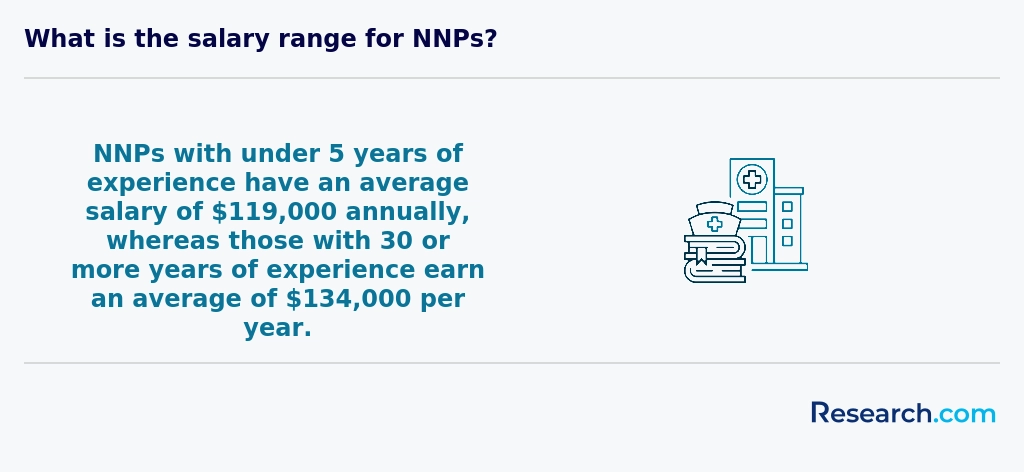
Wondering how much you can make with a nursing degree right here in the Midwest? Graduates from schools like the University of Illinois Chicago and the University of Minnesota often find themselves earning solid wages that reflect the regional market. For example, a registered nurse can expect around $94,480 annually, which is a pretty comfortable paycheck for many starting out or building experience.
If you're leaning toward specialized roles, like an operating room nurse, salaries jump up significantly-think about $128,490 per year. Many grads share stories of starting in general nursing positions and moving into these higher-paying roles as they gain skills and certifications.
Jobs like clinical nurse educator, public health nurse, and emergency room nurse all hover around that $94,480 mark, showing how your nursing degree opens doors to diverse career paths with dependable earnings. Plus, since the Midwest has a lower cost of living compared to coastal cities, your paycheck often stretches further, making it easier to enjoy life outside of work.
- Midwest nursing programs offer ADN, BSN, and advanced degrees like MSN at mostly affordable public and private colleges.
- The total cost for nursing degrees at public universities averages between $10,000 and $30,000, while private schools often exceed $40,000.
- Starting salaries for new nursing graduates in the Midwest range from $55,000 to $65,000 annually, close to the national average.
- Experienced nurses in the region earn median salaries between $70,000 and $85,000 depending on specialty and experience.
- Nursing employment in the Midwest is expected to grow by about 8% from 2022 to 2032, matching the national growth rate.
If you're thinking about getting a nursing degree in the Midwest, the time it takes really depends on the program you choose. Many students start with an Associate Degree in Nursing (ADN), which usually takes about two to three years at community colleges like those found in Illinois or Ohio. Graduates often say it's a great way to jump into nursing quickly and start working while keeping costs lower.
If you're aiming for a Bachelor of Science in Nursing (BSN), expect to spend around four years, like at popular Midwest universities. Many grads mention the mix of classroom learning and hands-on clinicals gives them confidence and opens doors for leadership roles later on.
There are also accelerated options if you already have some college or nursing background. These programs can wrap up in as little as 12 to 18 months, perfect for those ready to fast-track their nursing career without wasting time.
Nursing education in the Midwest is moving toward more flexible, technology-supported, and clinically focused training. For students, this means the best-value program is not always the cheapest one on paper. A strong affordable program should prepare graduates for licensure, real patient care, and long-term career mobility.
Technology is becoming a larger part of nursing education. Simulation labs, virtual case studies, artificial intelligence tools, and online learning platforms are increasingly used to help students practice decision-making before they enter clinical settings. These tools do not replace direct patient care, but they can make classroom learning more practical and help students build confidence before rotations.
Midwest programs are also responding to changes in healthcare delivery. Hospitals, rural clinics, long-term care facilities, behavioral health providers, and community health organizations need nurses who can work across teams. As a result, many programs now emphasize interdisciplinary collaboration, communication, leadership, informatics, and evidence-based care.
Online and hybrid nursing education will likely continue to expand, especially for working adults and students in rural areas. However, nursing remains a hands-on profession. Even online programs require in-person clinical experiences, skills labs, or supervised practice. When comparing formats, students should ask where clinicals take place, how placements are arranged, and whether travel will increase the total cost.
Another important shift is the growing focus on student well-being. Nursing school can be academically and emotionally demanding, and programs that offer tutoring, advising, counseling, peer support, and realistic clinical scheduling may help students persist through graduation and licensure.
If you're thinking about getting a nursing degree in the Midwest, you'll notice online and on-campus programs feel pretty different. On-campus programs, like those at the University of Illinois or Michigan State, have you showing up in person for classes and labs, which lots of grads say helped them connect better with instructors and classmates. Imagine hands-on clinicals right at your school or nearby hospitals-that real-world practice is a big plus. Tuition for these in-state programs usually runs around $9,000 to $12,000 a year.
On the flip side, online nursing degrees offer way more flexibility, perfect for working adults or parents juggling busy schedules. Missouri State's online program, for example, lets students watch lectures anytime, although they still need to complete clinical hours locally. Tuition can be a bit cheaper, around $7,500 to $10,000, but remember you might have to travel for clinicals. Graduates often praise the ability to balance work and study, even if they miss out on some face-to-face time.
Both paths meet accreditation standards, so either way, you're set for taking the NCLEX-RN exam in the Midwest.
Return on investment in nursing education depends on more than tuition. Students should compare program cost against licensure outcomes, graduation rates, job placement, starting salary, debt, and opportunities for advancement.
Midwest nursing programs report average NCLEX-RN pass rates between 90% and 97%, with top institutions like the University of Wisconsin–Madison achieving a 96% first-time pass rate. Strong pass rates can improve the likelihood that graduates move from school to licensure without costly delays.
Graduation and job placement metrics also matter. On average, 88% of students complete their BSN within four years, and 85% secure nursing positions within six months of graduation. Alumni surveys show a median starting salary of $65,000 for new Registered Nurses in Midwestern hospitals, rising to $75,000 after three years of experience.
Debt should be evaluated alongside earnings. The average cumulative debt for BSN graduates in the Midwest is approximately $30,000, significantly lower than the national average of $45,000. Prospective students can compare these figures with other regions, including programs in the Low Cost Online Bachelor's in Nursing Degree Programs Ranking in Kentucky, to understand how tuition and debt-to-income outcomes differ by location.
| ROI factor | Why it matters |
| NCLEX-RN pass rates between 90% and 97% | Higher licensure success can reduce delays in employment. |
| 88% BSN completion within four years | Completion timelines affect total cost and time out of the workforce. |
| 85% employed within six months | Job placement helps show whether graduates are entering nursing roles promptly. |
| $65,000 median starting salary | Starting pay helps estimate early repayment ability. |
| $75,000 after three years of experience | Salary growth improves long-term return on the degree. |
| Approximately $30,000 average cumulative debt | Debt level affects financial flexibility after graduation. |
If you're wondering about the average cost of a nursing degree in the Midwest, expect to spend around $43,317 total, though in-state students typically pay closer to $20,625. Graduates from places like the University of Illinois or Ohio State University often talk about balancing the manageable tuition with part-time jobs and scholarships, making their nursing dreams feel attainable. The affordability of nursing programs Midwest tuition really helps ease the weight of this big commitment.
For instance, many students choose community colleges or public universities for their Associate Degree in Nursing (ADN), where annual tuition is lower-usually between $4,000 and $8,000. One grad shared that attending a well-known Midwestern community college allowed them to focus on learning without stressing too much about debt. But keep in mind, living costs and books add up, too.
Private schools in the Midwest tend to be pricier, sometimes charging upwards of $25,000 to $45,000 a year. Despite that, students appreciate the smaller class sizes and extra support, which can be a big plus when tackling intense nursing coursework.
If you're considering alternative paths or need flexible options, check out online nursing programs for non nurses-they're a great resource to explore. Overall, the average nursing degree cost Midwest students face is a mix of accessible tuition options and smart planning, making the path to becoming an RN or BSN graduate feel a lot more doable than you might think.
Strong student support can be the difference between starting a nursing program and completing it. Because nursing curricula are sequential and clinically intensive, falling behind in one course can delay graduation. Affordable programs with structured support may offer better value than lower-cost schools that leave students to manage difficult coursework alone.
Support services to compare
- Academic advising: Advisors should help students plan prerequisites, understand progression rules, avoid missed deadlines, and stay on track for graduation.
- Tutoring and skills support: Nursing students often need help in pharmacology, pathophysiology, dosage calculation, health assessment, and clinical reasoning.
- Simulation labs: Simulation gives students a safer place to practice procedures, communication, prioritization, and emergency response before working with patients.
- Clinical placement assistance: Programs with organized placement processes can reduce stress and help students access varied care settings.
- NCLEX preparation: Review courses, practice exams, remediation plans, and faculty coaching can support first-time licensure success.
- Career services: Résumé help, mock interviews, job fairs, alumni panels, and employer partnerships can improve the transition from student to new nurse.
- Mental health and wellness resources: Counseling, peer groups, and stress-management resources matter in a demanding program.
Students interested in shorter practical nursing pathways may also compare lpn fast track online programs with traditional ADN or BSN options. The right choice depends on career goals, licensure plans, budget, and how quickly you need to enter the workforce.
If you're aiming for a nursing degree in the Midwest, you've got a good variety of financial aid waiting for you. Many students at popular schools like the University of Illinois or Ohio State lean on the Federal Pell Grant. It's a huge help since it doesn't need to be paid back and can cover thousands in tuition, sometimes up to $7,395 a year.
Loans are also common, but federal ones tend to be friendlier with lower interest rates. Some grads love that the Public Service Loan Forgiveness (PSLF) program wipes out their debt after 10 years working in healthcare, which is a big relief after school.
State scholarships pop up too, especially if you're cool with working in rural areas. Schools like those in Illinois offer neat scholarships for exactly that. Plus, many Midwest universities toss in merit-based awards or have partnerships with hospitals, so some nursing students get paid internships or tuition help.
On top of this, plenty of healthcare employers help pay for nursing degrees, making it feel less overwhelming for those juggling school and work. It's a mix of tough work and smart aid choices that makes nursing school in the Midwest doable and exciting.
The biggest mistake students make when comparing affordable nursing programs is treating tuition as the only cost. A low advertised rate can become much more expensive once fees, transportation, clinical requirements, supplies, and exam costs are included.
Look beyond tuition
Before applying, estimate the full cost of attendance. Nursing students may need to budget for lab fees, simulation fees, uniforms, shoes, textbooks, health screenings, immunizations, background checks, drug testing, CPR certification, exam preparation, and licensure fees. Clinical rotations can also add commuting or parking expenses, especially in large metro areas or rural regions with limited placement sites.
Do not ignore accreditation
Accreditation is a non-negotiable factor. A program should be properly recognized for nursing education and should meet state requirements for licensure eligibility. If a school is vague about accreditation or cannot clearly explain whether graduates are eligible for the NCLEX® exam, treat that as a serious warning sign.
Review NCLEX® outcomes carefully
NCLEX® pass rates are one of the clearest indicators of whether a program prepares students for licensure. A lower-cost program may still be a strong choice if it has consistent licensure outcomes, qualified faculty, and strong academic support. A cheap program with weak pass rates may cost more in the long run if you need to delay employment, retake exams, or repeat coursework.
Ask about clinical placements
Clinical education is central to nursing preparation. Programs with established relationships with hospitals, clinics, public health agencies, and long-term care providers can offer broader hands-on experience. Ask whether the school assigns placements, whether students must find their own sites, and how far students typically travel.
Match the format to your life
Flexible delivery can be valuable, especially for working adults and career changers. However, online coursework does not remove the need for clinical practice. Students comparing online nursing programs for non nurses should confirm in-person requirements before enrolling.
Getting into a nursing program in the Midwest usually means you need a solid high school background, especially in science and math. Think biology, chemistry, and algebra-these courses really set you up for success. Many students aiming for schools like the University of Illinois at Chicago or Ohio State University found that having some anatomy or physiology coursework gave them confidence when classes got tough.
Standardized tests can be a bit nerve-racking, but most programs ask for ACT or SAT scores plus a nursing entrance exam like the TEAS. One graduate shared how preparing for the TEAS helped her brush up on essential skills like reading and science, making her feel ready rather than overwhelmed.
Grades matter, too. For ADN or BSN programs in places like Michigan State, a GPA around 2.5 to 3.0 is common, but aiming higher never hurts. Plus, practical experience-like volunteering at a local hospital-makes your application stand out and gives you a real feel for the nursing world before classes even start.

Accreditation and NCLEX outcomes are two of the most important quality checks for any affordable nursing program. A low-cost degree has limited value if it does not prepare students for licensure or meet recognized nursing education standards.
- Programs accredited by CCNE or ACEN allow graduates to sit for the NCLEX-RN exam.
- Aim for schools with a 3-year average pass rate above your state’s minimum, often 80–85%.
- Consistent pass rates of 90% or higher can reflect a strong curriculum, effective faculty support, and reliable clinical partnerships.
Students should also confirm that the program is approved by the relevant state board of nursing. Accreditation and state approval are related but not always identical, and both can affect licensure eligibility.
When comparing programs, ask for recent NCLEX pass rates, how many graduates took the exam, what remediation support is offered, and whether outcomes have been stable over time. For students comparing accessible pathways, the easiest bsn program guide can help frame admissions options while keeping licensure standards in view.
If you're diving into a nursing degree in the Midwest, expect to tackle a mix of science and hands-on courses that really set you up for real-world nursing. At schools like the University of Michigan or Ohio State, grads say that classes like anatomy, physiology, and microbiology were total game-changers, helping them understand how the body works inside and out. You'll also get solid training in nutrition and psychology, which is great because caring for patients isn't just about physical health-it's mental health too.
Midwestern nursing programs pack in essentials like pharmacology, where you learn how to safely give meds, and health assessments that prepare you to deal with all kinds of patients. Courses on maternity, pediatric, and mental health nursing boost your confidence in diverse settings. Plus, community health and leadership classes mean you'll graduate ready to think big and lead, not just follow.
Many students from places like the University of Illinois mention loving the simulation labs-they practice hands-on skills in realistic scenarios before stepping into hospitals, and that hands-on vibe really helps ease nerves and build real confidence.
When you dive into a nursing degree in the Midwest, you'll find plenty of exciting nursing degree specializations Midwest schools offer to fit different interests. Many students at popular Midwestern colleges love focusing on areas like Adult-Gerontology Nurse Practitioner programs, which prepare them to care for the aging population-a big deal here with lots of older adults in rural communities. Others find their passion in Pediatric Nursing, working with kids at renowned universities that emphasize hands-on experience. Graduates often share how rewarding it is to train in Psychiatric-Mental Health Nursing, especially with mental health needs rising across the region.
Family Nurse Practitioner and Critical Care Nursing are also favorite picks, giving students a chance to provide primary care or step into high-stress ICU settings confidently. Many grads from Midwestern schools highlight their access to local hospital partnerships for real-world training. Plus, if you're looking for quicker options, some even explore lpn fast track online programs tailored to busy students.
Choosing the best nursing degree in the Midwest is all about figuring out what fits you personally and professionally. Many grads from well-known Midwestern schools rave about how an ADN helped them quickly enter the field without breaking the bank, especially at community colleges where tuition can be under $5,000 a year. But others who wanted more leadership roles and higher pay went for a BSN, since employers in places like Illinois and Ohio seem to prefer that these days.
It's smart to check out how flexible programs are too. Lots of schools offer part-time or online options, which is a lifesaver if you're juggling work or family. For example, students often talk about the benefit of practicing in local hospitals through clinical partnerships, giving them real hands-on experience before graduating. If cost is a big concern, looking into scholarships and aid available specifically in the Midwest can make a huge difference.
One tip from former students at Midwestern colleges is to compare NCLEX-RN pass rates and graduation stats to know you're picking a quality program. For budget-friendly options, don't miss the Low Cost Online Bachelor's in Nursing Degree Programs Ranking in Kentucky, which highlights some great finds. Overall, balancing cost, program quality, and flexibility will help you nail down the best nursing degree to kickstart your career.
If you've got a nursing degree and you're studying in the Midwest, you're in luck because the career options here are pretty awesome. Graduates from well-known Midwest schools often land jobs as registered nurses (RNs) in busy hospitals or cozy community clinics across Illinois, Ohio, and Michigan. These roles typically involve hands-on patient care and teamwork, which many find super rewarding.
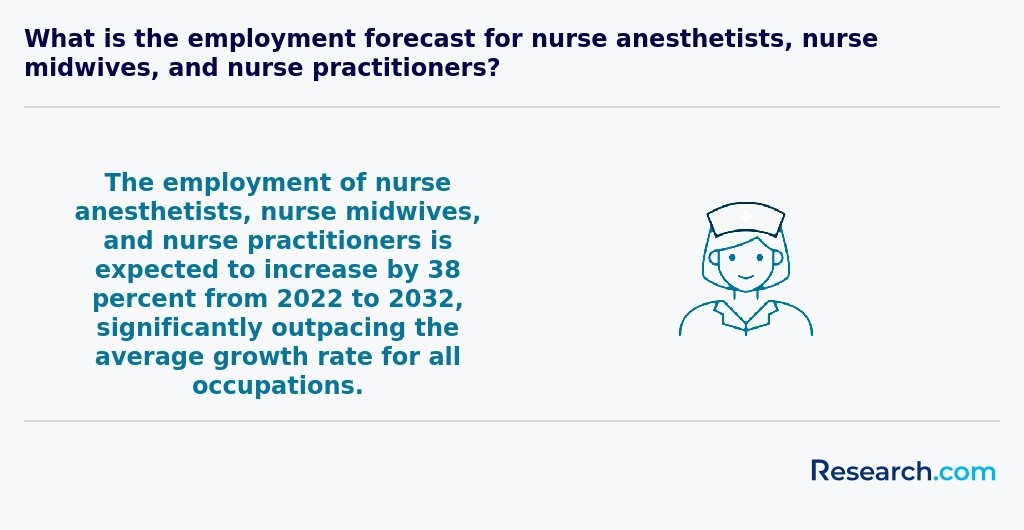
Some grads decide to level up and become advanced practice registered nurses (APRNs), like nurse practitioners or nurse anesthetists, especially with growing demand in rural areas where healthcare access can be tight. These jobs usually pack better paychecks and give you more responsibility, like diagnosing patients and prescribing meds-sounds exciting, right?
Looking for something a bit different? Midwest nursing degree job prospects also include nursing leadership or education roles. Many graduates find joy in managing hospital units or teaching up-and-coming nurses at local colleges. Plus, you can specialize in pediatrics, oncology, or geriatrics-making your career path uniquely yours. And hey, if you're just starting out, check out this top 6 month associate degree online option that some students have found super helpful to kickstart their journey.
The job market for nursing degree graduates in the Midwest is pretty solid, especially if you're looking at places like the University of Illinois or Ohio State University. Nurses are in demand because of aging populations in states like Michigan and Ohio, so it's not hard for new grads to find work. Nursing employment opportunities in the Midwest often pop up in both big cities and smaller towns, meaning you can choose what kind of lifestyle fits you best.
Graduates from popular Midwest nursing programs often mention feeling confident stepping into rural clinics or large urban hospitals because these states really value bachelor's-prepared nurses. Plus, while salaries might trail a bit behind national averages, the cost of living and tuition at public universities here helps balance things out. If you want to explore what is the easiest certification to get that pay well, this can be a great bonus alongside your degree.
Many nursing grads also find loan repayment and tuition assistance programs from Midwest employers, making it easier to focus on your career without drowning in debt. This mix keeps the Midwest a friendly place for aspiring nurses ready to jump into a stable career.
2027 Most Affordable Nursing Degree Programs Ranking in the Midwest
Investing in your education is a significant decision that can shape your future, and the Research.com team understands the importance of making informed choices. To assist prospective students in the Midwest, we have meticulously crafted the "2027 Most Affordable Nursing Degree Programs Ranking in the Midwest." Our commitment to quality, credibility, and accuracy is reflected in the extensive research and analysis conducted to compile this ranking.
We utilized the following reputable data sources to ensure a comprehensive evaluation of nursing programs:
By exploring this ranking, readers will gain valuable insights into the most affordable and high-quality nursing degree programs in the Midwest, empowering them to make informed decisions about their educational investment. For more details on our methodology, please visit our Research.com methodology page.


# 6 position
Central Methodist University-College of Graduate and Extended Studies
Bachelor of Science in Nursing




# 18 position
Ohio University-Zanesville Campus
Bachelor of Science in Nursing

# 19 position
Ohio University-Southern Campus
Bachelor of Science in Nursing

# 20 position
Ohio University-Eastern Campus
Bachelor of Science in Nursing
Frequently Asked Questions About nursing
Nursing degree students in the Midwest can enhance their learning by engaging deeply with clinical experiences offered by local hospitals and health centers. According to the Missouri State Board of Nursing, practical training is crucial for developing patient care skills. Combining classroom knowledge with real-world practice helps students better understand medical procedures and healthcare environments.
Students should also take advantage of study groups and simulation labs, which many Midwest schools provide to mimic real patient situations. The Association of American Colleges of Nursing highlights that simulation training improves clinical judgment.
Networking with regional nursing associations, such as the Illinois Nurses Association, offers mentorship and career development opportunities. Additionally, staying current with Midwest-specific health issues through research articles and workshops ensures students are well-prepared for local healthcare demands.
The nursing field is evolving rapidly, creating new niches that address specific healthcare needs. In the Midwest, specialties such as gerontological nursing are growing due to the region's aging population. According to the U.S. Census Bureau, Midwest states will see a 15% increase in residents over 65 by 2030, driving demand for nurses skilled in elderly care.
Another emerging niche is telehealth nursing, which expanded significantly during the COVID-19 pandemic. The American Nurses Association reports a 25% rise in telehealth nursing roles nationwide, with Midwest hospitals adopting these services to reach rural patients more efficiently.
Additionally, informatics nursing is gaining traction, integrating data and technology to improve patient care. The Bureau of Labor Statistics highlights a projected 16% growth in nursing informatics jobs through 2030. These niches offer promising career paths within the Midwest's nursing programs.
Preparing for the job market after completing a nursing degree in the Midwest requires strategic planning and awareness of regional opportunities. Recent data from the U.S. Bureau of Labor Statistics shows that registered nurse employment in Midwest states like Ohio and Illinois is growing about 7% annually through 2031, matching the national average. Graduates should consider earning additional certifications such as CPR, ACLS, or specialty nursing credentials to increase employability.
Networking is also essential; joining organizations like the Midwest Nurses Association or attending local career fairs helps build connections. Furthermore, many hospitals in the Midwest offer residency programs, which improve clinical skills and boost job prospects. Staying informed on state licensure requirements through boards of nursing is critical for a smooth transition into the workforce.
Employers in the Midwest prioritize a combination of technical and interpersonal skills when hiring nursing degree graduates. Clinical competence, including proficiency in patient care, medication administration, and use of electronic health records, ranks highly. According to the Midwest Nursing Workforce Center, 85% of healthcare employers emphasize strong communication skills as essential for effective teamwork and patient interaction.
Critical thinking and problem-solving abilities are also crucial, enabling nurses to respond swiftly to changing patient conditions. Additionally, cultural sensitivity is increasingly valued due to diverse patient populations. Time management and adaptability further enhance a nurse's effectiveness in busy hospital settings, reflecting regional healthcare demands.
Finding internships relevant to a nursing degree in the Midwest involves leveraging local healthcare networks and educational institutions. Many nursing programs in this region have established partnerships with hospitals, clinics, and long-term care facilities that offer structured internship opportunities. According to the American Association of Colleges of Nursing (AACN), nearly 85% of Midwest nursing schools coordinate clinical placements for their students, easing access to internships.
Students should begin by consulting their college's career services or nursing department, which often maintain updated lists of available internships. Additionally, state nursing boards and regional healthcare organizations frequently post openings. For example, the Illinois Nurses Association and Ohio Nurses Foundation provide resources that connect students with practical experiences.
Networking is also key; attending local nursing conferences and joining professional associations can lead to internship offers. Midwest facilities typically require proof of enrollment in an accredited nursing program, immunization records, and sometimes background checks before accepting interns.
A nursing degree significantly enhances career mobility and advancement opportunities in the Midwest. According to the Bureau of Labor Statistics (BLS, 2023), registered nursing jobs in the Midwest are expected to grow by approximately 9% through 2030, indicating strong demand for qualified nurses. Holding a nursing degree, especially a Bachelor of Science in Nursing (BSN), is increasingly preferred by employers, leading to higher salaries and more leadership roles.
Degrees also enable nurses to specialize in areas like nurse practitioner or nurse educator, which offer better pay and job security. Many Midwest hospitals and healthcare facilities require advanced nursing degrees for promotion.
State licensure in Midwest states typically supports mobility for licensed nurses, facilitating easier transfers across state lines within the region when holding valid credentials.
Studying for a nursing degree in the Midwest equips students with skills essential for interdisciplinary healthcare teams. Many Midwestern nursing programs emphasize collaborative learning, integrating courses alongside disciplines like pharmacy, social work, and public health. This interdisciplinary approach matches real-world healthcare settings, where nurses often coordinate patient care with diverse professionals.
Additionally, clinical placements in Midwest hospitals expose students to team-based environments. According to the American Association of Colleges of Nursing (2023), over 60% of Midwest programs include interprofessional education (IPE) components. This hands-on experience fosters communication and leadership skills, crucial for roles beyond bedside care, such as care coordination and health education.
Choosing between a thesis and a non-thesis nursing degree program in the Midwest depends largely on your career goals and time commitment. Thesis programs typically require original research and are suited for students interested in advanced clinical roles or pursuing a doctorate. The non-thesis route often focuses on practical skills and coursework, appealing to those who aim to enter or advance in nursing practice quickly.
Midwestern universities, such as the University of Michigan and Ohio State, offer both options with varied completion times. According to the American Association of Colleges of Nursing, about 40% of master's nursing students choose thesis programs nationally, which reflects a similar trend in the Midwest.
Students in the Midwest interested in studying nursing abroad have several avenues to explore through U.S. universities' established exchange programs and partnerships. Many Midwest institutions, including those in Illinois, Ohio, and Michigan, offer study abroad opportunities in countries with strong healthcare systems, such as Canada, the United Kingdom, and Australia.
These programs typically include clinical placement options that align with U.S. nursing curriculum requirements, which helps students earn credits towards their degrees. According to the American Association of Colleges of Nursing, about 15% of Midwestern nursing programs incorporate international experiences to enhance cultural competence.
Additionally, some universities collaborate with international nursing schools to facilitate dual-degree options or summer intensive courses abroad, expanding practical exposure while maintaining accreditation standards.
Part-time job opportunities that complement nursing degree education in the Midwest include roles like certified nursing assistant (CNA), medical scribe, and phlebotomy technician. CNAs provide direct patient care, gaining valuable hands-on experience, often available in hospitals and long-term care facilities. Medical scribe positions help students understand clinical documentation and workflows, which are critical in nursing.
Phlebotomy technicians, who collect blood samples, allow students to practice technical skills relevant to nursing.
According to the Bureau of Labor Statistics, the Midwest has a growing healthcare sector, with nursing positions expected to increase by 10% through 2031. Working part-time in these roles not only supports financial needs but also builds practical skills aligned with nursing curricula.
Nursing students in the Midwest benefit from a variety of networking opportunities that help build professional connections and advance their careers. Many universities collaborate with local hospitals and healthcare organizations, offering clinical placements and internships where students meet practicing nurses and healthcare leaders.
Regional nursing associations such as the Midwest Nursing Research Society provide events, conferences, and workshops tailored to students. These gatherings enable future nurses to connect with peers and experts, share research, and learn about job prospects.
Additionally, Midwestern states often host nursing job fairs and virtual networking platforms, enhancing access to employers and residency programs across the region. According to the American Association of Colleges of Nursing, such activities significantly improve job placement rates for graduates.
Alumni networks play a crucial role in supporting nursing degree students in the Midwest by creating valuable professional connections. These networks often provide mentorship opportunities from experienced nurses, helping current students navigate their educational and career paths more effectively.
According to the Midwest Nursing Research Society, strong alumni engagement correlates with higher job placement rates for graduates. Networking events, job fairs, and online forums sponsored by alumni groups give students direct access to healthcare employers and insider information about job openings.
Additionally, alumni networks facilitate collaboration on research projects and continuing education, which is vital given the evolving nature of nursing practices. This ongoing support system can significantly enhance career development and professional growth in the competitive Midwest healthcare market.
Midwestern nursing degree programs offer a variety of ways to tailor your education to match your career goals. Many institutions provide specializations such as pediatrics, geriatrics, or critical care nursing, allowing you to focus on preferred patient populations.
Additionally, programs may offer flexible scheduling options including part-time, evening, or online classes, which accommodate working students or those with family commitments. Clinical placements in diverse healthcare settings across the Midwest help you gain practical experience in your chosen area.
Some schools also support accelerated or bridge programs, enabling licensed practical nurses (LPNs) or paramedics to advance their qualifications efficiently. According to the National Council of State Boards of Nursing, the Midwest has seen a 10% growth in nursing jobs from 2020 to 2025, encouraging customized education pathways aligned with regional demands.
Nursing students in the Midwest face several notable challenges during their education. Clinical placement availability remains a significant hurdle, as many regional hospitals experience staffing shortages, limiting hands-on training opportunities. According to the American Association of Colleges of Nursing (AACN), this issue particularly affects rural areas prevalent in states like Iowa and Nebraska.
Another common difficulty is balancing rigorous coursework with financial pressures. The Midwest has a lower average household income compared to national figures, making tuition and living expenses burdensome for many students. Additionally, the COVID-19 pandemic intensified stress levels, impacting mental health and academic performance.
Finally, adapting to evolving healthcare technologies requires continuous learning, which some students find challenging without strong institutional support.
With a nursing degree in the Midwest, you can pursue a variety of professional certifications to enhance your career opportunities. Common certifications include the Certified Nurse Assistant (CNA), Registered Nurse (RN) licensure, and more advanced credentials like the Certified Nurse Practitioner (NP). According to the American Nurses Credentialing Center (ANCC), over 25% of nurses in Midwest states hold specialty certifications.
Additional options include certifications in areas such as pediatric nursing, geriatrics, critical care, and oncology. These certifications often require passing an exam and fulfilling clinical experience hours.
The Bureau of Labor Statistics reports that holding advanced certifications can increase a nurse's median salary by up to 15% in Midwest states, making credentials a sound investment for career growth.
Writing a strong application for a nursing program in the Midwest requires attention to both academic and personal qualities. Most programs look for a minimum GPA around 3.0, with some competitive schools requiring higher. Emphasize relevant coursework like biology and anatomy, as well as any healthcare experience. According to the Midwest Nursing Workforce Center, practical experience in clinical or community settings improves admissions chances significantly.
Articulate your motivation clearly in a compelling personal statement. Admissions committees value applicants who demonstrate empathy, resilience, and a commitment to serving diverse Midwestern communities. Letters of recommendation should come from instructors or healthcare professionals familiar with your skills. Meeting all deadlines and submitting a complete, well-organized application will further enhance your odds of acceptance.
Nursing is recognized globally as a vital profession, and the demand for qualified nurses is rising worldwide. In the United States, particularly in the Midwest, nursing programs are designed to meet both local and international healthcare standards. According to the American Association of Colleges of Nursing, graduates from Midwestern nursing schools often have opportunities to work abroad due to the rigorous training and licensing standards in the US.
Many countries face nursing shortages, increasing the value of a US nursing degree. For Midwestern students, this means their education not only prepares them for domestic roles but also opens doors internationally. Additionally, global health organizations seek nurses with US credentials to support missions, highlighting the global respect for American nursing education.
Gaining practical experience is a vital part of earning a nursing degree in the Midwest. Nursing programs typically include clinical rotations, where students work in hospitals, clinics, or long-term care facilities under supervision. These hands-on experiences expose students to real patient care and healthcare workflows. According to the American Association of Colleges of Nursing, Midwestern schools often partner with nearby healthcare providers to offer diverse clinical settings.
Many programs also encourage internships and volunteer opportunities, providing additional exposure to community health activities. Some institutions may offer simulation labs that use advanced technology to replicate patient scenarios safely. These experiences help build essential skills and improve job readiness after graduation.
Choosing the right concentration within a nursing degree program in the Midwest involves evaluating your career goals and local healthcare needs. The Midwest reports a growing demand for nurses specialized in gerontology, due to its larger elderly population, according to the U.S. Census Bureau. Popular concentrations include family nurse practitioner, psychiatric nursing, and pediatric nursing.
Consider the curriculum and clinical opportunities offered by regional schools, as hands-on experience is critical. Additionally, consult labor market data from the Bureau of Labor Statistics, which shows a 12% job growth rate for nurse practitioners in the Midwest through 2031, emphasizing demand in primary care.
Review program accreditation and pass rates for the NCLEX-RN exam, as these reflect educational quality. Aligning your concentration choice with both personal interests and Midwest healthcare trends can enhance your career prospects effectively.
See What Experts Have To Say About Studying Nursing
Read our interview with Nursing experts

Lisa Grubb
Nursing Expert
Assistant Professor
Johns Hopkins School of Nursing

- How Do Nurses Navigate Career Advancement? | NursingEducation https://nursingeducation.org/insights/career-advancement/
- Nursing Study Abroad Programs | Go Overseas https://www.gooverseas.com/study-abroad/nursing
- Types of Nursing Degrees-Which One Is Yours? https://www.allnursingschools.com/how-to-get-into-nursing-school/degree-options/
- Working While in Nursing School: 25 Ways to Make Money as a Nursing Student https://credenzahealth.com/career-advice/working-while-in-nursing-school-25-ways-to-make-money-as-a-nursing-student
- Nursing - SUM Admission https://admission.sum.edu.pl/nursing/
- School of Nursing Alumni Resources https://nursing.utmb.edu/About/Alumni
- Medical University of GdaÅsk https://admission.mug.edu.pl/29318.html
- Financial Aid https://researchcollege.edu/admission/financial-aid/
- Pros And Cons Of Online Nursing In 2025 | Davis & Elkins https://www.dewv.edu/the-pros-and-cons-of-online-nusing-in-2025-is-it-right-for-you/
- THE FIELD OF NURSING - FIRST-DEGREE OF STUDIES https://wnoz.wum.edu.pl/pl/content/field-nursing-first-degree-studies


