2027 Easiest Online Master's in Nursing Degree Programs Ranking in Texas

Co-Founder and Chief Data Scientist
Are you a Texas student dreaming of advancing your nursing career with an online master's degree? This article introduces the 2027 Easiest Online Master's in Nursing Degree Programs Ranking in Texas, carefully developed by the Research.com team of data scientists. It's designed to help you confidently choose the best programs that fit your needs.
Getting a nursing degree opens doors to rewarding opportunities and professional growth. By exploring this ranking, you'll find programs that balance quality with flexibility, making your educational journey smoother and more achievable.
Key benefits of getting online nursing degree in Texas
- Salary for nursing degree graduates: Graduates can earn competitive salaries, such as Nurse Practitioners and Critical Care Nurses making around $128,490 annually, while Nurse Administrators, Educators, and Clinical Nurse Specialists earn about $94,480 per year.
- Career paths: Nursing graduates from Texas universities often find rewarding roles in diverse fields like advanced practice, administration, education, or critical care, allowing them to choose a path that fits their passion and lifestyle.
- Online degree benefits: Earning a nursing degree online offers flexibility, letting students balance work and study effectively, as experienced by graduates from Texas Christian University who appreciate saving commute time while accessing quality education.
- 2027 Easiest Online Master's in Nursing Degree Programs Ranking in Texas
- What can I expect from online nursing degree in Texas?
- Where can I work with online nursing degree in Texas?
What can I expect from online nursing degree in Texas?
The average cost of an online nursing degree in Texas varies significantly depending on the institution and the degree level. Graduates from public universities such as the University of Texas system often report paying substantially lower tuition rates, especially as in-state residents, making programs more affordable for many Texans. Conversely, online nursing students at private institutions within Texas may encounter higher tuition fees, reflecting the increased operational costs and specialized resources.
Many nursing students find financial aid options and scholarships beneficial in offsetting expenses, allowing them to balance studies with ongoing employment. For instance, some students enrolled in Texas Woman's University have shared how this support eased their financial burden while pursuing Bachelor of Science in Nursing (BSN) or Master of Science in Nursing (MSN) online.
Overall, while tuition costs vary, the flexibility to study remotely in Texas combined with financial assistance creates an encouraging environment that appeals to working professionals seeking career advancement through nursing degrees.
Where can I work with online nursing degree in Texas?
Graduates from online nursing programs at renowned Texas institutions such as the University of Texas at Austin or Texas Woman's University often find abundant job opportunities within the state's robust healthcare system. Many begin their careers as registered nurses in large hospitals like Houston Methodist or Baylor Scott & White, thriving in fast-paced environments including emergency rooms, surgical units, and labor and delivery departments. This hands-on experience fosters confidence and professional growth.
Others pursue roles in community health centers or outpatient clinics, where they engage in preventive care and chronic disease management, serving diverse populations. Nurses trained online in Texas appreciate the chance to impact rural communities through telehealth services, addressing vital healthcare gaps.
Long-term care facilities are also significant employers, especially given Texas' expanding elderly population, offering meaningful work in elder care. Graduates with advanced degrees, such as Nurse Practitioners, enjoy greater autonomy in primary care and specialized clinics, often expressing gratification in their expanded clinical roles and patient relationships.
Graduates of online nursing degree programs in Texas can anticipate competitive salaries that reflect their level of education and specialization. Registered nurses entering the Texas workforce typically start around the median wage of $79,800 annually, according to state and national data. However, those advancing to roles such as nurse practitioners see considerably higher pay, with mean annual wages reaching approximately $128,490 as per the latest Bureau of Labor Statistics figures.
Many online graduates from leading Texas institutions-such as the University of Texas at Austin or Texas Tech University Health Sciences Center-report a rewarding career shift when moving into advanced practice roles. For example, nurse practitioners and critical care nurses both have mean annual salaries near $128,490, demonstrating the enhanced earning power achievable through further certification or graduate studies.
Clinical nurse specialists, nurse educators, and nurse administrators in Texas also benefit from strong salary prospects, earning mean wages around $94,480 annually. The growth potential is inspiring for many graduates balancing work, study, and family life, reinforcing that pursuing an online nursing degree in Texas is both a pragmatic and fulfilling career investment.
- Online nursing degrees in Texas include BSN, MSN, and advanced practice options, all accredited and meeting Texas Board of Nursing standards.
- Tuition for a BSN online program ranges from $20,000 to $40,000, while MSN programs cost between $30,000 and $60,000.
- Entry-level registered nurses in Texas earn an average salary of about $70,000 per year, with experienced nurses making $85,000 to $110,000 annually.
- Texas expects nursing job growth to exceed 15% over the next decade, driven by healthcare expansion and aging populations.
- Graduates of accredited programs qualify to take the NCLEX-RN exam and must complete supervised clinical hours arranged through Texas hospital partnerships.
Online nursing degrees in Texas vary in completion time depending on the program level and prior education. For example, an Associate Degree in Nursing (ADN) typically takes 2 to 3 years to finish, blending online studies with required clinical hours at local healthcare facilities. Graduates from community colleges in Texas often appreciate this balance, which allows them to gain hands-on experience while managing studies flexibly.
Bachelor of Science in Nursing (BSN) online programs usually last about 3 to 4 years when starting fresh. However, accelerated BSN tracks designed for those holding degrees in other fields can reduce this to 12 to 18 months. Many registered nurses pursue RN-to-BSN bridge programs at institutions like Texas Woman's University, completing their degrees in 1 to 2 years online while continuing to work.
Master's level programs (MSN) in Texas generally take between 1.5 and 3 years, with clinical placements arranged locally. Students pursuing advanced roles such as Nurse Practitioners value the program flexibility and comprehensive curriculum offered by universities like UT Health San Antonio.
The pace at which students complete these degrees often depends on factors such as full- or part-time study, prior credits, and clinical practicum availability, reflecting the diverse and practical learning experiences students enjoy across Texas.
Accreditation should be one of the first filters you apply when comparing online Master’s in Nursing programs in Texas. A flexible program is only valuable if employers, licensing boards, and certification bodies recognize the credential. Look for institutional accreditation, such as regional accreditation through SACSCOC, as well as nursing-specific accreditation from the Commission on Collegiate Nursing Education (CCNE) or the Accreditation Commission for Education in Nursing (ACEN).
For Texas students, state requirements matter just as much as national accreditation. Programs should clearly explain how they align with Texas Board of Nursing (BON) requirements, especially if the pathway supports NCLEX-RN eligibility, APRN preparation, or advanced practice credentials. This is particularly important because different nursing pathways serve different students: an RN-to-MSN applicant, a BSN-prepared nurse, and a student entering through a direct-entry option may face different licensure steps.
Graduates from CCNE-accredited Texas institutions consistently report NCLEX pass rates above 90%, which can be a useful signal of curriculum quality and clinical preparation. Pass rates should not be the only factor you use, but they can help you identify programs that take licensure readiness seriously.
What to verify before applying
- Current CCNE or ACEN accreditation status.
- Institutional accreditation from a recognized accreditor.
- Texas Board of Nursing approval or alignment, where applicable.
- Published NCLEX pass rates and APRN certification outcomes, when relevant.
- Clinical hour requirements and whether placements can be completed in Texas.
- Hospital, clinic, or community health partnerships that support supervised practice.
You can confirm accreditation by checking the CCNE or ACEN directories and then cross-checking the school’s nursing approvals with the Texas BON. Students who do not already have a nursing bachelor’s degree should also review whether a direct-entry master’s in nursing program better fits their background and licensure goals.
Online nursing degree programs in Texas, such as those offered by the University of Texas at Austin, provide flexibility that appeals to students managing jobs or family responsibilities. Graduates often highlight the benefit of accessing lectures and assignments asynchronously, allowing them to study during off-hours without sacrificing work commitments. This flexibility, however, requires strong self-discipline and time management to keep pace with coursework independently.
Conversely, traditional on-campus nursing programs at institutions like Texas A&M University emphasize structured, in-person learning environments. Students benefit from real-time interactions with faculty and peers, which many find motivating and essential for immediate feedback. These programs also grant hands-on access to campus clinical simulation labs, important for developing practical nursing skills in monitored settings.
- Both formats mandate in-person clinical rotations at approved healthcare facilities, as stipulated by the Texas Board of Nursing.
- Tuition typically ranges from $10,000 to $15,000 annually for Texas residents, with online students often saving on commuting and housing costs.
Accreditation and state approval protect your eligibility for licensure, certification, employment, and further education. A program that is inexpensive or easy to enter may still be a poor choice if it does not meet the requirements tied to your nursing goal.
Before applying, verify each program for:
- Recognition by the Commission on Collegiate Nursing Education (CCNE) or Accreditation Commission for Education in Nursing (ACEN).
- Texas Board of Nursing approval or alignment ensuring eligibility for NCLEX-RN or APRN certification, where applicable.
- Published NCLEX pass rates, with a practical target of programs reporting at least an 85% average.
- Formal clinical site partnerships with accredited hospitals and health centers across Texas.
Accreditation also affects transfer credits, graduate school options, employer tuition reimbursement, and eligibility for some scholarships. If you plan to move from an MSN into doctoral study later, confirm that the degree will be accepted by DNP or PhD programs. Nurses comparing long-term academic options can also review online PhD in nursing programs.
The average cost of an online nursing degree in Texas varies notably based on residency status and institution type. For in-state students, the median total cost is approximately $20,352, representing a financially viable option especially at public universities renowned for their nursing education, such as the University of Texas system and Texas A&M University. Graduates from these programs often express satisfaction with the value and quality of the instruction they received, highlighting the affordability paired with strong clinical training opportunities.
Out-of-state students typically face higher expenses, with the median total cost rising to around $44,831. This reflects the additional tuition fees charged by institutions for non-residents. Despite these costs, many students choose Texas schools for their reputable programs and comprehensive clinical practice components, which are essential in developing hands-on nursing skills.
The average cost of online nursing degree Texas programs also factors in supplemental fees such as technology surcharges and clinical practice expenses. These can add several hundred dollars per semester. Many students balancing work and study appreciate the flexibility of online formats combined with these comparatively reasonable costs.
Prospective students should also explore financial aid options and scholarships, which are widely available. Additionally, Texas nursing candidates frequently consider advanced education pathways by researching the best direct entry masters in nursing program opportunities to enhance their credentials while managing tuition fees effectively.
The strongest online MSN applications are usually built months before the deadline. Many Texas programs admit new cohorts in Fall and Spring semesters, with deadlines typically 2–4 months prior to term start. Competitive applicants do more than submit forms on time; they show academic readiness, clinical maturity, and a clear reason for pursuing graduate nursing education.
Application checklist
- Request official transcripts early. Confirm that prerequisite coursework such as anatomy, physiology, microbiology, chemistry, and statistics appears clearly on your records.
- Confirm RN license requirements. MSN programs often require an active RN license, while direct-entry or bridge options may have different expectations.
- Choose recommenders carefully. Two to three references from nursing supervisors, faculty members, or clinical leaders can strengthen your file if they speak specifically about your judgment, reliability, and leadership potential.
- Write a focused personal statement. Explain your nursing experience, career goals, preferred specialization, and how the program’s format fits your life and professional plans.
- Update your résumé or CV. Include certifications such as CPR/BLS, specialty experience, charge nurse duties, quality improvement work, telehealth projects, informatics exposure, and volunteer service.
- Prepare for interviews if required. Be ready to discuss ethical scenarios, evidence-based practice, teamwork, patient safety, and why you want graduate-level nursing preparation.
- Complete compliance documents early. Background checks, drug screens, immunization records, flu documentation, MMR records, and tuberculosis screenings may be required before clinical work begins.
- Check technology requirements. Online programs commonly require reliable internet, a webcam-enabled computer, and comfort using learning management systems and virtual meeting tools.
Career changers and students moving from a non-nursing degree to a BSN should pay special attention to bridge and accelerated pathways. These programs can be efficient, but they are also structured and demanding, so applicants should ask how prerequisites, clinical hours, and licensure steps are sequenced.
Students enrolled in online nursing programs at institutions like the University of Texas at Austin and Texas Tech University benefit from a variety of financial aid options tailored to reduce the burden of tuition and related expenses. Federal aid remains a significant resource, with Pell Grants offering up to $7,395 annually, helping many graduates manage costs without incurring debt. Accessing these funds begins with the FAFSA application, which students consistently find straightforward and worthwhile.
State-specific support, such as scholarships from the Texas Higher Education Coordinating Board and grants from the Texas Workforce Commission, often targets nursing students committed to areas of high demand. Graduates from Texas A&M College of Nursing frequently share that these awards, combined with institutional scholarships, made online education financially feasible.
Additionally, many healthcare employers throughout Texas provide tuition reimbursement programs, a lifeline for working nurses advancing their qualifications. Specialty scholarships, including those for veterans and minority students, further widen access. These combined financial pathways not only lessen monetary worries but also inspire confidence among Texas nursing students pursuing online degrees.
Texas online MSN deadlines vary by school, start term, and specialization. Some programs offer fall, spring and summer intakes, while others use cohort-based schedules with fewer entry points. Missing a deadline can delay your start by an entire term, so build a timeline before you begin gathering documents.
Steps to complete before the deadline
- Review each school’s application deadline for fall, spring and summer intakes.
- Gather official transcripts, a current résumé and 2–3 professional references.
- Confirm whether the program requires entrance exams such as the TEAS or GRE.
- Submit background check results if required during the admissions process.
- Draft a concise personal statement that connects your clinical experience with your career goals.
- Compare tuition and fees across affordable online nursing programs so you understand the financial commitment before applying.
Before you submit, reread the admissions page for your intended track. Nurse practitioner, nurse educator, leadership, and bridge pathways may have different GPA, license, experience, prerequisite, and clinical documentation requirements.
To enroll in an online nursing degree program in Texas, candidates must meet several essential prerequisites that ensure academic readiness and professional competence. Graduates from popular institutions like the University of Texas at Arlington or Texas Woman's University often highlight the importance of holding a high school diploma or GED as the first step. For bachelor's programs, they emphasize completing prerequisite courses in anatomy, physiology, microbiology, chemistry, and statistics, which solidify foundational scientific knowledge.
Nurses advancing to Master of Science in Nursing (MSN) programs typically need an active Registered Nurse (RN) license valid in Texas, obtained by passing the NCLEX-RN and meeting state board requirements. Many online MSN students from Texas Woman's University recall the benefit of having a Bachelor of Science in Nursing (BSN) and at least one year of clinical experience, which helps bridge theoretical learning with real-world application.
Applicants for RN-to-BSN programs must provide proof of an active RN license and clinical experience, often around a year. Prospective students also encounter GPA thresholds-commonly between 2.5 and 3.0-and sometimes standardized tests like the TEAS to assess preparedness, which graduates report as motivating milestones in their journey.

Online nursing master’s programs still require supervised clinical learning. In Texas, this is often the part of the program that most affects your schedule, commute, workload, and ability to graduate on time. Most programs require 500–1,000 practicum hours, completed at state-approved sites near your home or within an approved service area.
Strong programs do not leave students to figure out clinical placement alone. Universities typically support the process by:
- Assigning a clinical coordinator who explains approvals, paperwork, site requirements, and preceptor expectations.
- Offering partnerships with major health systems, community clinics, and approved practice settings across Texas.
- Providing virtual simulation modules that reinforce skills but do not replace required in-person practice.
Questions to ask about clinical placement
- Does the school place students, or must students find their own preceptors?
- Can clinical hours be completed in your part of Texas?
- What happens if a preceptor cancels or a site becomes unavailable?
- Are there extra fees tied to clinical placement, background checks, or compliance tracking?
- How early are students expected to secure practicum sites?
Clinical support can be the difference between steady progress and delayed graduation. Students planning to continue into doctoral-level practice can compare practice-hour expectations in online DNP programs.
Online nursing degree programs in Texas typically include a comprehensive curriculum that balances theoretical knowledge with practical skills essential for patient care. Graduates from well-regarded institutions like the University of Texas and Texas Tech University often highlight core courses such as Pathophysiology, which deepens understanding of how diseases affect the body, and Pharmacology, which focuses on safe medication management critical in everyday nursing practice.
Health Assessment courses train students to perform accurate patient evaluations, a skill graduates describe as vital when transitioning into clinical roles. Nursing Research and Evidence-Based Practice help develop the ability to analyze scientific studies, enabling nurses to implement improvements confidently in real healthcare settings.
Leadership and Management in Nursing prepare students for administrative tasks, while Community and Public Health Nursing expands their capacity to serve diverse populations across Texas, from urban hospitals to rural clinics. For those pursuing advanced degrees, programs often add specialized courses such as Healthcare Policy and Ethics or Clinical Specialty tracks, reflecting the evolving demands seen by nurses in Texas healthcare systems.
Online nursing specializations Texas programs commonly include Family Nurse Practitioner (FNP), Psychiatric-Mental Health Nurse Practitioner (PMHNP), Gerontological Nurse Practitioner, Acute Care Nurse Practitioner, and Healthcare Leadership and Administration. These specializations align with the diverse healthcare demands within Texas, from urban clinics to rural outreach, allowing graduates to confidently navigate various clinical environments. For instance, alumni from popular Texas universities express satisfaction in applying their FNP training to provide comprehensive primary care, while others find fulfillment working with elderly patients through gerontological tracks.
Graduates often appreciate how these programs blend flexibility with rigorous clinical preparation, enhancing their career prospects statewide. The Texas MSN degree specialization options emphasize not only clinical expertise but also leadership capabilities, which former students say prepares them well for managing healthcare teams. For those new to nursing, pathways like the non nursing degree to bsn serve as crucial stepping stones toward advanced specializations, making the field more accessible.
Choosing the best online nursing degree in Texas involves verifying accreditation from bodies like CCNE or ACEN to ensure the program meets high standards and qualifies graduates for the NCLEX-RN exam. Graduates from well-regarded institutions in Texas often highlight how essential clinical placements at local hospitals were for fulfilling state licensure requirements while balancing online coursework.
Prospective students benefit from examining curriculum flexibility, especially if they work or have family commitments. For example, nurses pursuing advanced degrees appreciate programs with specialized tracks that align with career goals such as becoming a nurse practitioner or nurse educator. This focus helps maintain motivation and provides clear professional direction.
Cost considerations are vital; many select programs based on affordability in conjunction with quality. Texas students often research the cost of online associate's degree programs, which can vary widely from community colleges to universities. Choosing affordable online nursing degree programs in Texas allows balancing education with financial stability.
Further, graduates emphasize the value of high NCLEX pass rates as proof of a program's effectiveness. Exploring the best accredited online MSN programs Texas offers ensures strong preparation and confidence entering the workforce. Student support services and employer connections within Texas also greatly enhance the overall experience and job prospects.

Graduates of online nursing degree programs in Texas often pursue a wide range of rewarding career paths tailored to their interests and expertise. Many begin as Registered Nurses (RNs), serving key roles in hospitals, clinics, and community health centers. Texas's high demand for nursing professionals creates numerous opportunities, with graduates from institutions such as the University of Texas at Arlington or Texas Tech University Health Sciences Center sharing positive experiences of seamless transitions into the workforce. These graduates report satisfaction in contributing meaningfully to patient care while enjoying competitive salaries.
Further specialization through advanced degrees, like an online Master of Science in Nursing (MSN), enables careers as Nurse Practitioners, Clinical Nurse Specialists, or Nurse Educators. In Texas, Nurse Practitioners benefit from prescriptive authority, increasing their autonomy and impact. Graduates find these advanced roles both professionally fulfilling and financially rewarding. Additionally, some leverage their degrees for leadership positions within healthcare administration or nursing management, especially as telehealth expands.
For students exploring online nursing career opportunities Texas offers, numerous paths exist that combine clinical work with administrative and innovative healthcare technologies. Those uncertain about their ideal role might consider researching the best career for introverts to find a suitable fit.
The job market for graduates holding an online nursing degree in Texas remains highly favorable, driven by the state's expansive healthcare system and growing demand for skilled nurses. Universities and colleges in Texas, known for their strong nursing programs, often report that their online graduates swiftly secure positions in hospitals and clinics across metropolitan areas like Houston, Dallas, and Austin. These graduates experience firsthand how employers recognize accredited online credentials, enabling them to compete effectively alongside on-campus degree holders. Such employers value the flexibility and quality of education that prepare nurses to meet complex patient care needs.
Texas' increasing population and aging demographics contribute to sustained job growth in healthcare, with registered nurse positions projected to rise by about 15%. Many students pursuing an online degree appreciate this optimistic Texas nursing degree employment outlook, encouraging them to advance their careers without sacrificing current responsibilities. For those aiming to further their credentials, exploring short doctoral programs available online is a viable option, building upon their existing qualifications.
Those seeking online nursing job opportunities Texas-wide benefit from competitive salaries averaging near $79,000 annually, with higher pay typical in urban centers. Testimonials from graduates reflect a positive transition from education to employment, reinforcing confidence in online nursing pathways tailored to Texas' dynamic healthcare landscape.
2027 Easiest Online Master's in Nursing Degree Programs Ranking in Texas
Investing in your education is a significant decision that can shape your future, and the Research.com team understands the importance of making informed choices. To assist prospective students in Texas, we have meticulously crafted the "2027 Easiest Online Master's in Nursing Degree Programs Ranking in Texas." Our commitment to quality, credibility, and accuracy is reflected in the extensive research and analysis conducted to compile this ranking.
We utilized the following reputable data sources to ensure a comprehensive evaluation of nursing programs:
By exploring this ranking, readers will gain valuable insights into the easiest online master's nursing programs in Texas, enabling them to make well-informed decisions about their educational journey. For more details on our methodology, please visit our Research.com methodology page.


Frequently Asked Questions About nursing
Students pursuing an online nursing degree in Texas can maximize their learning by actively engaging with course materials and instructors. Participating in discussion boards and virtual study groups enhances understanding and fosters peer support. Texas nursing programs often require clinical hours, so selecting local healthcare facilities for these experiences is crucial for skill development.
Time management is essential; dedicating consistent study schedules helps balance coursework with work or family commitments. Utilizing Texas Board of Nursing resources ensures students meet state licensure requirements early, smoothing the path to practice. According to the Texas Center for Nursing Workforce Studies, registered nurses in Texas earned a median wage of $77,000 in 2023, motivating students to excel academically.
The nursing field is rapidly evolving, with several emerging niches gaining importance, especially in Texas. One such area is **telehealth nursing**, driven by growing access to technology and the need for remote patient care. According to the Texas Board of Nursing, telehealth roles have expanded significantly since 2020.
Another developing niche is **geriatric nursing**, as Texas experiences a rising elderly population. The state's aging boom calls for more specialists trained to handle chronic conditions and end-of-life care. Data from the Texas Department of State Health Services indicate a 15% increase in demand for these nurses over the last five years.
**Nurse informatics** is also gaining traction, integrating healthcare with data management to improve patient outcomes. This niche blends IT skills with clinical expertise, offering promising career prospects for online nursing graduates.
After completing an online nursing degree in Texas, preparing effectively for the job market is essential. Start by obtaining licensure through the Texas Board of Nursing, as all registered nurses must pass the NCLEX-RN exam to practice legally in the state. Texas is among the top states with strong demand for nurses, projecting a 19% job growth by 2030 according to the Texas Workforce Commission.
Building practical experience through internships or externships is valuable. Networking with healthcare professionals and joining organizations like the Texas Nurses Association can open job opportunities. Additionally, strengthening skills in electronic health records and telehealth can improve employability in Texas's growing healthcare settings.
Employers in Texas highly value nursing graduates who demonstrate strong clinical competence and critical thinking skills. According to the Texas Board of Nursing, proficiency in patient assessment and evidence-based decision-making is essential in today's healthcare settings.
Communication skills are also crucial, as nurses often coordinate care between patients, families, and interdisciplinary teams. The Texas Workforce Commission highlights empathy and cultural sensitivity among top soft skills needed for success in diverse communities.
With technology increasingly integrated into healthcare, familiarity with electronic health records (EHR) and telehealth platforms is becoming more important for online nursing graduates in Texas.
Finally, leadership and adaptability are valuable as the state faces a growing demand for nurses in both urban and rural areas, creating dynamic workplace challenges.
Finding internships in Texas related to nursing degrees involves several strategic steps. Nursing students should first consult their academic advisors or program coordinators, as many online nursing programs have partnerships with local hospitals and clinics for clinical placements. These partnerships often provide easier access to quality internship opportunities.
Prospective interns can also contact major health systems in Texas such as Texas Health Resources and Baylor Scott & White Health, which frequently offer internships and clinical rotations for nursing students. The Texas Board of Nursing encourages students to ensure internships meet state clinical hour requirements for licensure.
Websites like the Texas Nurses Association and Site-Based clinical placements databases provide listings of approved internship opportunities. Networking through professional nursing organizations also helps in discovering unadvertised positions.
Obtaining an online nursing degree in Texas significantly improves career mobility and advancement opportunities. The Texas Board of Nursing recognizes accredited online programs, ensuring graduates meet state licensing requirements. This acceptance allows nurses to pursue higher education without geographical barriers, which is crucial in a state where rural healthcare demands are growing.
Furthermore, the Texas Workforce Commission projects a 15% growth in nursing jobs through 2030, primarily in advanced practice and leadership roles. An online degree often includes updated clinical training and leadership coursework, preparing nurses to qualify for these positions.
Additionally, nurses with a Master of Science in Nursing (MSN) or higher can access advanced licenses such as Nurse Practitioner or Nurse Educator. According to the Texas Center for Nursing Workforce Studies, these roles command salaries substantially higher than RNs, supporting career advancement.
Studying for a nursing degree in Texas equips students with the skills necessary for interdisciplinary roles by emphasizing collaboration across healthcare fields. Texas nursing programs, guided by the Texas Board of Nursing and Accreditation Commission for Education in Nursing (ACEN), include coursework that integrates communication, leadership, and evidence-based practice. These programs train students to work alongside physicians, pharmacists, social workers, and other professionals.
According to the Texas Center for Nursing Workforce Studies, interdisciplinary teamwork is critical due to the state's growing and diverse population, driving demand for holistic care. Online nursing degrees often include clinical simulations and case studies that foster these collaborative competencies, preparing graduates to improve patient outcomes in varied healthcare settings.
Choosing between a thesis and a non-thesis nursing degree program in Texas depends on your career goals and learning preferences. Thesis programs typically emphasize research skills and are suited for students aiming for doctoral studies or research-oriented roles.
Non-thesis programs focus more on clinical practice and leadership, ideal for those wanting to advance in healthcare administration or direct patient care. The Texas Board of Nursing reports that advanced practice nurses often pursue non-thesis paths to meet immediate workforce demands.
Consider program length and workload; thesis options usually require more time due to research commitments. Also, review specific university offerings, as Texas schools vary in online program flexibility.
Students based in Texas who want to study nursing abroad face limited options due to licensing and accreditation requirements in the United States. Most nursing programs that allow international study are part of exchange agreements or study-abroad components within U.S.-accredited institutions. Fully online nursing degrees, popular in Texas for flexibility, typically do not include international clinical placements because clinical hours must meet Texas Board of Nursing standards.
According to the Texas Board of Nursing, clinical practice must be supervised within approved facilities, which makes overseas clinicals challenging. Some Texas universities collaborate with international partners for observation or research opportunities, but these rarely substitute required clinical hours. Students interested in global nursing may consider short-term study abroad experiences or global health electives integrated within their U.S. nursing programs.
Part-time job opportunities in Texas that complement nursing degree education often include roles such as certified nursing assistant (CNA), medical scribe, or patient care technician. These positions provide hands-on experience in clinical settings, allowing students to enhance their practical skills while continuing their studies. According to the Texas Workforce Commission, CNAs in Texas earn an average hourly wage of $14 to $17, making it a viable option for supplementing income.
Additionally, jobs in telehealth support have grown due to increased demand for remote healthcare services, offering flexible schedules that align with online nursing programs. Hospitals and clinics in Texas frequently seek part-time workers, making it easier for nursing students to find relevant employment near their location.
Online nursing students in Texas have several valuable networking opportunities despite their remote learning format. Many Texas universities offering online nursing programs encourage students to participate in virtual study groups and discussion forums, helping build connections with peers and faculty.
The Texas Nurses Association (TNA) is a prominent resource for networking, hosting events and conferences that are increasingly available in hybrid or virtual formats. Membership in TNA provides access to statewide nursing professionals, which is vital in Texas, where over 300,000 Registered Nurses are licensed as of 2023 (Texas Board of Nursing).
Clinical rotations and local hospital partnerships often allow online students to engage directly with healthcare teams, supporting practical connections. Additionally, local chapters of national organizations like the American Nurses Association provide regional networking events and continuing education tailored to Texas nurses.
Alumni networks offer significant advantages for online nursing degree students in Texas. These networks connect students with graduates who have firsthand experience in the Texas healthcare system, helping new nurses navigate local licensure requirements and job markets. According to the Texas Board of Nursing, networking is crucial for understanding clinical placement opportunities and gaining mentorship. Alumni often share job openings, career advice, and professional development resources that can improve employment rates within the state, where nursing demand is expected to grow 15% through 2032 (Bureau of Labor Statistics). This support enhances students' chances in a competitive field.
Customizing an online nursing degree in Texas allows students to align their education directly with their career goals. Many Texas universities offer specialization options such as Family Nurse Practitioner, Nurse Educator, or Nurse Administrator tracks. Additionally, students can choose electives that focus on areas like gerontology, pediatrics, or healthcare technology.
Texas nursing programs often provide flexible clinical placement options, enabling students to complete hands-on training in their preferred healthcare settings. According to the Texas Board of Nursing, this adaptability helps meet diverse professional goals while fulfilling licensure requirements.
Furthermore, some programs allow students to accelerate coursework or attend part-time, accommodating working professionals. Exploring each program's curriculum and support services carefully enables prospective nurses in Texas to tailor their studies for maximum career impact.
Online nursing students in Texas face several common challenges that impact their educational experience. One key difficulty is balancing coursework with clinical practice requirements. Texas nursing programs must adhere to state regulations mandating hands-on clinical hours, which can be hard to schedule remotely, especially in rural areas.
Connectivity issues also affect many learners, as reliable internet access is crucial for engaging in virtual classes and simulations. According to the Texas Center for Nursing Workforce Studies, some regions still experience digital divides that limit access to online education resources.
Additionally, time management and self-discipline are frequent obstacles. Without in-person support, students must independently stay motivated and organized to meet demanding coursework deadlines.
With an online nursing degree in Texas, graduates can pursue several professional certifications that enhance their career opportunities. One widely sought credential is the Registered Nurse (RN) license, which requires passing the NCLEX-RN exam and is overseen by the Texas Board of Nursing.
Advanced practice nurses with a master's degree can become Certified Nurse Practitioners (CNPs), Clinical Nurse Specialists (CNS), or Nurse Anesthetists (CRNA) by obtaining additional certifications through national organizations like the American Nurses Credentialing Center.
Other certifications available include Certified Nurse Educator (CNE) and specialty certifications in areas such as pediatrics, geriatrics, or critical care. These certifications often require clinical experience and successful exam completion. According to the Texas Nurses Association, certification improves job prospects and salary potential.
Writing a winning application for an online nursing program in Texas requires clear organization and attention to detail. Begin by researching accredited schools approved by the Texas Board of Nursing to ensure your program meets state standards.
Highlight your academic achievements and clinical experience, emphasizing any healthcare roles you've held in Texas, as the state's nursing market values local experience.
Many programs expect a personal statement that reflects your passion for nursing and commitment to improving Texas healthcare. Use this opportunity to connect personal goals with community needs.
Include letters of recommendation from supervisors or professors familiar with your nursing capabilities. Statistics show Texas nursing schools receive thousands of applications annually, so a strong endorsement can set you apart.
Finally, ensure all prerequisites like the TEAS (Test of Essential Academic Skills) scores meet or exceed program requirements.
Nursing is recognized globally as a vital and respected profession, with strong demand in many countries, including the United States. In Texas, the nursing workforce is projected to grow significantly due to an aging population and expanding healthcare needs, as reported by the Texas Board of Nursing. This growth aligns with worldwide trends where nurses are essential in improving health outcomes.
Internationally, nursing roles are evolving to include advanced practice, education, and leadership. Online nursing degrees offered in Texas provide flexible pathways for preparing nurses to meet these global challenges. The U.S. health system's emphasis on evidence-based practice and specialization also reflects global advances in nursing education and care standards.
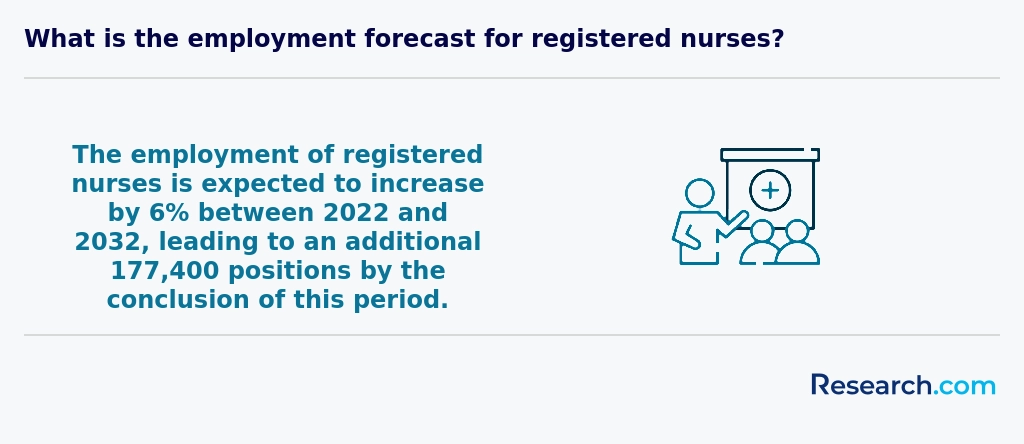
According to the U.S. Bureau of Labor Statistics, registered nurse employment is expected to grow 6% from 2021 to 2031 nationwide, supporting stable career prospects. Online programs in Texas often incorporate these standards to prepare graduates for a globally relevant nursing career.
Students pursuing an online nursing degree in Texas must complete clinical hours to gain practical experience. Typically, nursing programs partner with local hospitals, clinics, or healthcare facilities to arrange these hands-on placements. This allows students to apply theoretical knowledge in real-world settings under supervision.
Texas requires a minimum number of clinical hours depending on the program type, often ranging from 500 to 700 hours for registered nurse licensure. The Texas Board of Nursing oversees these requirements to ensure quality training.
Many programs offer flexible scheduling for clinicals to accommodate working students. Additionally, students are encouraged to seek opportunities in diverse settings such as rural health centers or urban hospitals to broaden their experience.
Choosing the right concentration within an online nursing degree program in Texas involves understanding your career goals and the state's healthcare needs. Texas is experiencing rapid growth in specialized nursing fields like family nurse practitioner (FNP) and nurse anesthetist (CRNA) roles, with demand expected to increase by over 25% by 2030 according to the Texas Center for Nursing Workforce Studies.
Consider concentrations aligned with high employment opportunities and salary potential. For example, FNPs in Texas earn a median salary of about $115,000 annually per U.S. Bureau of Labor Statistics data. Evaluate your interests in clinical versus administrative roles as well.
Review programs that offer Texas Board of Nursing approval to ensure licensure eligibility. Also, check for coursework flexibility and clinical placement support within your area to match your lifestyle and learning preferences.
- 2027 Easiest Online Master's in Nursing Degree Programs Ranking in Louisiana
- 2027 Easiest Online Master's in Nursing Degree Programs Ranking in Arkansas
- 2027 Easiest Online Master's in Nursing Degree Programs Ranking in Kansas
- 2027 Easiest Online Master's in Nursing Degree Programs Ranking in Missouri
- 2027 Easiest Online Master's in Nursing Degree Programs Ranking in Colorado
- 2027 Easiest Online Master's in Nursing Degree Programs Ranking in Mississippi
- 2027 Easiest Online Master's in Nursing Degree Programs Ranking in Tennessee
- 2027 Easiest Online Master's in Nursing Degree Programs Ranking in Georgia
- 2027 Easiest Online Master's in Nursing Degree Programs Ranking in Florida
- 2027 Easiest Online Master's in Nursing Degree Programs Ranking in Kentucky
See What Experts Have To Say About Studying Nursing
Read our interview with Nursing experts

Lisa Grubb
Nursing Expert
Assistant Professor
Johns Hopkins School of Nursing

- The Nurses' Alumni Association https://giving.mainlinehealth.org/get-involved/auxiliaries-and-womens-boards/lankenau-medical-center-womens-board/the-nurses-alumni-association
- How Much Can I Earn With a BSN? https://www.allnursingschools.com/bsn/salary/
- School of Nursing Alumni Resources https://nursing.utmb.edu/About/Alumni
- Do I Have to Write a Thesis to Complete a Master’s Degree in Nursing? https://www.bestmasterofscienceinnursing.com/faq/write-thesis-complete-masters-degree-nursing/
- Strengthening Nursing Pathways in Texas | Trellis Foundation https://www.trellisfoundation.org/streamlining-success-strengthening-nursing-pathways-in-texas/
- What Nursing Concentration Is Right for Me? | Maryville Nursing https://nursing.maryville.edu/blog/what-nursing-concentration-is-right-for-me
- Study Nursing Abroad | Boomerang International Educational Services https://boomerangedu.com/study-nursing-abroad/
- Guide to Making a Career Change to Nursing https://teach.com/online-ed/healthcare-degrees/online-msn-programs/career-change-to-nursing/
- Essential Tips for Nursing Students to Advance Their Careers https://almanaltraining.com/essential-tips-for-nursing-students-to-advance-their-careers/
- How to Choose the Right Nursing School for Your Career Goals | Archer Review https://www.archerreview.com/blog/how-to-choose-the-right-nursing-school-for-your-career-goals