2027 Most Affordable Nursing Degree Programs Ranking in Philadelphia

Co-Founder and Chief Data Scientist
Choosing the right nursing degree program in Philadelphia can feel overwhelming, especially when cost is a major factor. This article introduces the 2027 Most Affordable Nursing Degree Programs Ranking in Philadelphia, created by the Research.com team of data scientists to simplify your decision.
By exploring this ranking, you'll find valuable insights on affordable programs that do not compromise quality. Pursuing a nursing degree can open doors to a rewarding, stable career helping others and building your future.
Let this guide support your journey toward making an informed and confident choice.
Key benefits of getting nursing degree in Philadelphia
- Salary for nursing degree graduates: Graduates can expect competitive pay, with roles like Registered Nurse earning a mean annual wage of $94,480 and Operating Room Nurses earning up to $128,490, reflecting strong financial stability.
- Career paths: Nursing graduates from schools like the University of Pennsylvania enjoy diverse options, including Public Health Nurse and Emergency Room Nurse roles, allowing for rewarding and impactful work in many healthcare settings.
- Online degree benefits: Earning a nursing degree online through programs such as those offered by Drexel University offers flexibility and convenience, making it easier to balance studies with personal and professional life while still achieving quality education.
- 2027 Most Affordable Nursing Degree Programs Ranking in Philadelphia
- What can I expect from nursing degree in Philadelphia?
- Where can I work with nursing degree in Philadelphia?
What can I expect from nursing degree in Philadelphia?
The journey to a nursing degree in Philadelphia often carries a price tag that dances between opportunity and investment, with average tuition hovering around $30,000 to $50,000 per year depending on the institution and program type. Graduates from Drexel University or Thomas Jefferson University recount moments balancing textbooks and clinicals while budgeting carefully for tuition, fees, and the occasional coffee that fuels those late-night study sessions.
Financial aid and scholarships ripple like lifelines through this landscape, easing the cost pressure for many. At the University of Pennsylvania, nursing students frequently find themselves embracing both rigorous academics and a supportive network that cushions the financial burden.
Imagine the blend of hectic clinical rotations at Penn Presbyterian Medical Center while simultaneously managing student loans-with the excitement of mastering lifesaving skills outweighing fiscal anxieties. This tangible investment transforms into a profound sense of accomplishment, as students step into their roles amid Philly's vibrant healthcare ecosystem, ready to make a difference.
Where can I work with nursing degree in Philadelphia?
Graduates with a nursing degree from Drexel University or the University of Pennsylvania find themselves swept into Philadelphia's bustling healthcare mosaic, where every nurse's role pulses with purpose. Imagine stepping into the frenetic energy of the Hospital of the University of Pennsylvania, where bedside care meets cutting-edge technology, or walking the halls of Children's Hospital of Philadelphia, where every shift feels like a chance to change a young life's story.
Others discover the gentle rhythm of outpatient clinics scattered across the city-places where nurses become trusted partners in chronic disease management and community wellness, often working alongside the Philadelphia Department of Public Health to orchestrate vaccination drives and health talks that ripple through neighborhoods.
Some peers choose long-term care, embracing geriatric nursing that blends empathy with clinical skill, responding to Philadelphia's aging population with sustained compassion. Many who earned advanced degrees venture into education or research at top institutions, fueling the next wave of nursing heroes.
The city's median nurse salary of around $78,000 in 2023 sweetens the journey, turning passion into a promising, tangible path.
Nursing graduates in Philadelphia often find themselves stepping into roles that pay well above their expectations. With a nursing degree from institutions like Drexel University or the University of Pennsylvania, many grads land jobs as Registered Nurses, pulling in a yearly average of about $94,480, according to the latest data. This solid figure reflects Philadelphia's thriving healthcare ecosystem, where salaries rival the city's rich cultural energy.
Graduates who become Clinical Nurse Educators or Public Health Nurses share this sweet spot of $94,480 annually, proving that education and community health roles have stable, rewarding pay. But the real game-changer comes if you specialize. Operating Room Nurses, often the heroes behind life-saving surgeries, command an impressive average salary of $128,490, a number that sparks ambition among nursing students at local colleges.
Many graduates report feeling a deep sense of pride, knowing their salary matches the critical impact they have in hospitals like Thomas Jefferson University Hospital. With overtime, shifting differentials, and the city's reasonable cost of living, a nursing degree in Philadelphia isn't just a ticket to a paycheck - it's a launchpad for a fulfilling, well-compensated career.
- The cost of a BSN degree in Philadelphia ranges from $40,000 to $70,000, with community colleges and public universities offering more affordable options.
- Newly graduated nurses earn an average annual salary of about $63,000, increasing to $75,000-$85,000 with five to ten years of experience.
- Advanced practice registered nurses, such as nurse anesthetists or nurse practitioners, can earn six-figure salaries.
- The nursing job market in Philadelphia is growing faster than the national average, fueled by demand in hospitals, clinics, and long-term care.
- Licensing requires passing the NCLEX-RN exam and follows Pennsylvania state board regulations.
Imagine the buzzing campus of a Philadelphia community college where eager students dive into an Associate Degree in Nursing (ADN) journey that takes just two to three years. These graduates often describe their whirlwind experience balancing clinical hours in local hospitals and hands-on coursework, all within Philadelphia's vibrant healthcare scene. It's a fast-track to entering the workforce, ideal for those craving quick credentials yet rich experiences.
Step into a Drexel or University of Pennsylvania lecture hall, where the Bachelor of Science in Nursing (BSN) programs unfold over four intensive years. Graduates recall the blend of theory and leadership training that prepares them for the complexities of nursing in a city pulsing with diverse patient needs. The BSN path promises broader opportunities and higher salaries, making the longer commitment deeply rewarding.
For ADN holders dreaming bigger, bridge programs in Philadelphia serve as flexible highways-1 to 2 years to transition to a BSN while juggling life's demands. Tuition varies, but the investment feels tangible against the backdrop of career growth and personal pride shared by local nursing alumni.
Below are the top-ranked programs offering quality nursing education at the lowest cost. Students should verify current tuition, fees, accreditation, clinical requirements, and admission deadlines directly with each school before applying.
- Community College of Philadelphia (ADN) – ~\$5,000/year tuition, strong clinical partnerships with local hospitals
- Temple University (Traditional BSN) – ~\$12,000/year in-state tuition, CCNE-accredited curriculum
- Thomas Jefferson University (Accelerated BSN) – ~\$18,000/year in-state tuition, intensive 15-month track
- Gwynedd Mercy University (RN-to-BSN) – ~\$14,500 total program cost, flexible online coursework
- Drexel University (Online RN-to-BSN) – ~\$20,000 total tuition, robust virtual labs and city-based clinicals
For students planning to move beyond the BSN, it can be useful to map out graduate costs early. Compare the cheapest bsn to dnp programs to understand how doctoral nursing pathways may affect long-term education planning.
Imagine waking up on a chilly morning in Philadelphia, coffee in hand, and logging into your Drexel online nursing portal, where asynchronous lectures let you learn at your own rhythm between work shifts or family duties. Contrast that with stepping onto Temple University's bustling campus, where face-to-face labs buzz with hands-on training and spontaneous study group chats spark new friendships.
Graduates from on-campus programs cherish the tactile pulse of simulation centers and the ease of navigating university-arranged clinicals at nearby hospitals. Those who chose online paths often describe a unique pride in juggling late-night study sessions while coordinating their clinical hours in Philadelphia's healthcare facilities, blending independence with intensive real-world practice.
Both routes map out the same core destination-nursing proficiency-but the journey sparkles with different shades of structure and freedom. Online learners thrive on self-discipline; on-campus students savor direct mentorship and in-person teamwork. The Philadelphia nursing landscape welcomes both, crafting futures from a mosaic of learning experiences.
RN-to-BSN bridge programs are often the most practical bachelor’s pathway for licensed registered nurses who already completed an ADN or diploma program. These programs build on existing clinical experience, reduce duplication, and may allow students to keep working while completing upper-division nursing coursework.
Most RN-to-BSN programs can be completed in 12–18 months, depending on transfer credits, enrollment pace, and clinical or practicum requirements. Online and hybrid formats are common, but students should still confirm whether any in-person experiences, local preceptorships, or campus visits are required.
What RN-to-BSN students typically study
- Leadership and management: Coursework often covers nursing administration, team coordination, quality improvement, and evidence-based decision-making.
- Community and public health: Students learn to address population health, prevention, policy, and care coordination across diverse Philadelphia neighborhoods.
- Research and informatics: Programs may include data analysis, healthcare technology, documentation systems, and evidence-based practice projects.
Ways bridge students may reduce cost
- Credit transfer: Up to 75% of prerequisite credits often waived, which can reduce the number of credits billed.
- Employer tuition reimbursement: Philadelphia hospitals frequently support continuing education for working nurses, though benefits vary by employer and may require a service commitment.
- Targeted aid: Financial aid and scholarships for bridge students can cover up to 50% of tuition costs in some cases.
To compare flexible and lower-cost options beyond the Philadelphia market, review this curated list of most affordable online rn to bsn programs. When comparing programs, verify accreditation, total tuition, practicum expectations, transfer-credit limits, and whether the curriculum supports your next goal, such as graduate study, leadership, or specialty certification.
Imagine stepping into a bustling Philadelphia classroom at Temple University or Villanova, where the dream of becoming a nurse starts to crystallize-but with the reality of tuition costs looming over every lecture. The average cost of a nursing degree in Philadelphia, blending both in-state and out-of-state figures, settles around $67,543. This number reflects the rich diversity of programs available, from the more budget-friendly Associate Degree in Nursing to the prestigious, yet pricier, Bachelor of Science in Nursing degrees at private universities.
Graduates often recall juggling tuition with clinical fees and living expenses, especially when studying at institutions like the University of Pennsylvania. The feeling of excitement mingled with the weight of tuition bills is a common narrative, yet many find pride in knowing that smart financial planning and scholarships can soften the blow. These affordable nursing programs Philadelphia tuition fees often come with added layers of financial support, helping students focus on their studies rather than just their bank statements.
Consider a recent graduate from a Philadelphia community college who navigated the cost maze by taking advantage of local grants. Their journey underscores that while the sticker price may seem steep, creative financial aid and careful budgeting can make the dream achievable. To explore options and find your best path, check out the affordable nursing schools in pennsylvania.
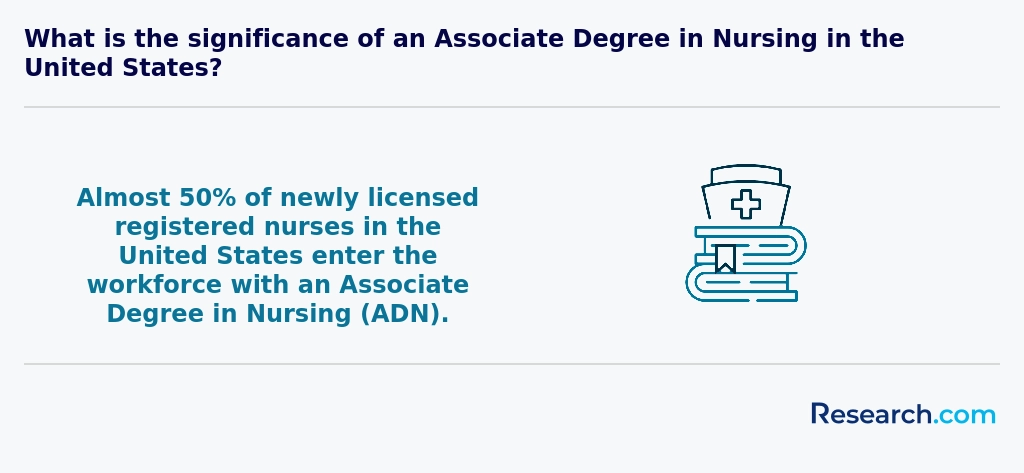
Start by matching the program type to your current education level and career goal. An associate degree can be a lower-cost entry point into registered nursing, while a BSN may offer stronger preparation for hospital roles, leadership tracks, and graduate study. If you already hold an RN license, an RN-to-BSN bridge program may be the most efficient route.
Prospective students should compare Philadelphia programs using four practical filters: total cost, accreditation, NCLEX support, and clinical placement access. Tuition is important, but a cheaper program is not always the better value if it lacks strong licensure preparation or reliable clinical partnerships. Students comparing local and statewide options can also review affordable nursing schools in pennsylvania to understand how Philadelphia programs fit into the broader Pennsylvania market.
- Check accreditation first: Confirm that the program is approved for Pennsylvania licensure and, when applicable, accredited by a recognized nursing accreditor.
- Ask about clinical sites: Philadelphia offers access to hospitals, community health centers, long-term care facilities, and specialty clinics, but placement quality varies by school.
- Look beyond tuition: Budget for books, uniforms, background checks, drug screenings, immunizations, exam fees, transportation, and possible lost work hours during clinical rotations.
- Review NCLEX preparation: Strong programs usually provide simulation labs, review resources, faculty advising, and early intervention for students at risk of falling behind.
- Plan for progression: If your long-term goal includes advanced practice, leadership, or teaching, choose credits and credentials that will transfer smoothly into BSN, MSN, or doctoral pathways.
Picture a nursing student at Thomas Jefferson University, feeling the weight of tuition that climbs close to $14,000 annually. The relief arrives in the form of FAFSA, unlocking the Pell Grant-a financial lifesaver offering up to $7,395 each year. This federal boost often transforms daunting bills into manageable steps on the path to graduation.
Meanwhile, at Drexel University, another aspiring nurse benefits from Pennsylvania's own financial safety net: the PHEAA State Grant. This program trims thousands off tuition, especially for those proving genuine financial need and calling Pennsylvania home. It's not just money; it's hope woven into the student's daily hustle.
Local scholarships, like those from the Philadelphia Foundation or area hospitals, sprinkle support like stars guiding nursing students through the maze. At the same time, healthcare employers in Philly often extend tuition reimbursement deals-patients aren't the only ones cared for in this city's healthcare ecosystem.
Veterans or high-achievers among nursing cohorts find doors opening wider, their dedication recognized through special grants. Every aid pathway feels like a personalized lifeline, turning dreams of nursing at University of Pennsylvania's nearby campuses into vibrant realities.
Accreditation and state approval should be non-negotiable when choosing a nursing program. In Pennsylvania, graduates generally need to complete an approved nursing education program, submit required documentation to the Pennsylvania State Board of Nursing, and pass the NCLEX-RN or NCLEX-PN exam, depending on the license sought.
Many reputable nursing programs hold accreditation from the Commission on Collegiate Nursing Education (CCNE) or the Accreditation Commission for Education in Nursing (ACEN). These accreditors evaluate curriculum quality, faculty qualifications, student support, clinical preparation, and outcomes. Accreditation can also affect federal financial aid eligibility, graduate school admission, employer preference, and transfer-credit acceptance.
Before enrolling, confirm three items directly with the school and the Pennsylvania State Board of Nursing: the program’s approval status, the exact license it prepares you for, and whether recent graduates are eligible to sit for the relevant NCLEX exam. RNs who already hold an ADN and want to move toward advanced practice may also compare bridge pathways such as an adn to np online program, but they should verify that every step of the pathway meets accreditation, clinical, and licensure requirements.
Landing a spot in a Philadelphia nursing program starts with proving you've got the basics locked down-think of it as your academic passport. Graduates from Temple University or Community College of Philadelphia often recall hustling through biology, chemistry, and anatomy before even donning scrubs in clinicals. It's not just about passing; a solid GPA around 2.5 to 3.0 acts like your backstage pass to the nursing world here.
Entrance exams like the TEAS or HESI feel intense, but many students find that preparing for these is like rehearsing for a play-each practice builds confidence, making the big day less daunting. And don't forget, Philadelphia's nursing schools take your whole story into account, so letters of recommendation and personal statements become your chance to shine beyond grades.
Picture this: before stepping into the bustling wards of a Philadelphia hospital, you'll need CPR certification, immunization records, and a clean background check-proof you're ready to care responsibly and earn trust.

NCLEX performance is one of the clearest indicators of whether a nursing program prepares students for entry-level practice. In Pennsylvania, nursing programs must report annual NCLEX pass rates to the Pennsylvania State Board of Nursing, and competitive programs often achieve rates above 90%. A single strong year can be encouraging, but consistent results over time are more meaningful.
When reviewing NCLEX outcomes, ask the admissions office for the most recent pass-rate data, the number of test takers, and the support available to students who need remediation. Also ask whether NCLEX preparation is built into the curriculum or offered only as an optional review. Strong licensure preparation may include simulation labs, standardized testing, faculty-led review sessions, clinical judgment practice, and structured advising.
Affordability should be weighed alongside licensure readiness. A low-tuition program with weak support can become costly if students delay graduation or fail the NCLEX. Conversely, a moderately priced program may offer better value if it provides strong clinical training, advising, and exam preparation. Students comparing online bachelor’s pathways may also review the Low Cost Online Bachelor's in Nursing Degree Programs Ranking in Texas as a point of comparison for how affordability and licensure-focused design can be evaluated together.
Imagine diving into the whirlwind of human anatomy and physiology, where students at institutions like Thomas Jefferson University peel back the layers of the human body, connecting textbook knowledge to the pulsating life beneath their fingertips during clinical rounds. Microbiology courses at Drexel University unveil invisible invaders-bacteria and viruses-that future nurses learn to combat with precise infection control measures.
Pharmacology becomes a daily adventure as nursing students navigate drug effects and life-saving doses, imagining themselves adjusting medications for real patients in Philadelphia's University of Pennsylvania Health System. Health assessment courses spark confidence, turning nervous learners into skilled examiners who listen closely to breaths, heartbeats, and stories told through symptoms.
Pathophysiology challenges students to think like detectives, piecing together how diseases alter the body's harmony. The pulse quickens during medical-surgical nursing classes, where they prepare for the unpredictability of adult patient care. Meanwhile, pediatric and maternal-child nursing paint tender moments of life's beginning, inspiring compassion alongside clinical acumen.
Mental health nursing explores the depths of psychological care, urging students to approach patients with empathy and strength. Community and public health nursing courses transform students into advocates, ready to energize local neighborhoods toward healthier futures. Leadership and management classes empower them to become confident coordinators in busy hospital corridors, where teamwork is not just a skill but survival.
Imagine navigating the bustling corridors of a Philadelphia hospital, where each nurse specializes not just in healing but in mastering unique realms of care. Here, nursing degree specializations reflect the city's vibrant healthcare needs: from Family Nurse Practitioner roles that embrace neighborhoods across every age, to Psychiatric-Mental Health Nursing that responds to the pulse of urban challenges. Graduates from renowned colleges often share that their paths branched through RN-to-BSN programs, unlocking advanced opportunities while keeping the local heartbeat in mind. This is a vivid example of affordable nursing degree specializations Philadelphia students pursue passionately.
Classes often bring to life hands-on moments-like shadowing pediatric nurses in major children's hospitals or training in critical care units preparing for life-or-death urgency. Gerontological nursing takes center stage, too, with grads recounting their rewarding work alongside Philadelphia's elderly, tailoring comfort and chronic care. For those intrigued by the blend of clinical precision and community impact, exploring a list of most affordable online rn to bsn programs opens avenues to elevate their expertise without leaving the city's unique healthcare ecosystem. These specializations turn education into a personalized journey that deeply connects with local needs.
Choosing your path in nursing in Philadelphia isn't just about picking a school-it's weaving a story where your future self thrives. Imagine a graduate from Drexel University recalling how the city's clinical sites became classrooms alive with real challenges, shaping confident caregivers. Their secret? The blend of accredited excellence and hands-on patient care simmering in local hospitals. Cost whispers in the background, too. Many chasing affordable nursing degree programs Philadelphia wide balance tuition against scholarships or smart payment plans, like those offered at Thomas Jefferson University, turning dreams into reality without burying themselves in debt.
Graduates often mention the thrill of picking a flexible program-someone switching gears midway through loved how hybrid classes let them juggle family and study. Pass rates above Pennsylvania's 89% average at Philly's top schools prove quality, inspiring confidence. And when specialty nursing calls, Philadelphia's vibrant healthcare network pulses with opportunity. Curious about advanced paths? Check out adn to np online options to keep growing without pause.
Graduates of nursing programs in Philadelphia find themselves stepping into a vibrant spectrum of nursing career options in Philadelphia, where every role pulses with purpose and possibility. Imagine a fresh RN from a well-known Philadelphia nursing school confidently navigating the bustling corridors of the University of Pennsylvania Health System, offering compassionate patient care that makes immediate impact. Others emerge as Nurse Practitioners, equipped with advanced skills to diagnose and treat, transforming neighborhood clinics into beacons of hope.
Some graduates embrace the blend of science and strategy by becoming Clinical Nurse Specialists or Healthcare Administrators, shaping policies and patient outcomes behind the scenes in Jefferson Health's dynamic environment. Those drawn to community-centered work thrive as Public Health Nurses, partnering with local agencies to make Philadelphia's neighborhoods healthier from the ground up. Meanwhile, Nurse Educators-molded by rigorous programs at city colleges-ignite passion in future nurses, ensuring a thriving cycle of care. For those seeking affordable pathways aligned with robust career prospects, exploring options like the Low Cost Online Bachelor's in Nursing Degree Programs Ranking in Texas can provide guidance on balancing cost and opportunity, enhancing your journey in Philadelphia nursing degree job opportunities.
Graduates with nursing degrees in Philadelphia find themselves navigating a vibrant healthcare landscape where demand pulses steadily. Imagine walking the halls of a bustling hospital, where new nurses-many fresh from respected local programs-are eagerly embraced by institutions like Pennsylvania Hospital or the Children's Hospital of Philadelphia. These grads often share stories of securing rewarding roles right after cap and gown ceremonies, thanks to the city's flourishing nurse employment outlook.
Success here isn't just a dream; it's shaped by a real need for skilled BSN-holding nurses, especially those targeting clinical niches such as geriatrics and oncology. For students juggling tuition and ambition, Philadelphia offers viable options-some even discover paths through an associate degree in 6 months accredited, fast-tracking entry into this thriving job market. Nursing job opportunities in Philadelphia feel tangible and hopeful, fueling a contagious enthusiasm among peers devoted to making a difference in urban healthcare's future.
2027 Most Affordable Nursing Degree Programs Ranking in Philadelphia
Investing in your education is a significant decision that can shape your future, and the Research.com team understands the importance of making informed choices. To assist prospective students in Philadelphia, we have meticulously created the "2027 Most Affordable Nursing Degree Programs Ranking in Philadelphia." Our unwavering commitment to quality, credibility, and accuracy is demonstrated through thorough research and careful analysis performed to develop this ranking.
We utilized the following reputable data sources to ensure a comprehensive evaluation of nursing programs:
By reviewing this ranking, readers will gain valuable insights into the most cost-effective nursing degree programs available in Philadelphia, empowering them to make well-informed decisions about their educational journey. For more information on how the ranking was created, please visit our Research.com methodology page.


Frequently Asked Questions About nursing
Nursing degree students in Philadelphia can maximize their learning experience by actively engaging in clinical rotations offered through local hospitals and healthcare facilities. Philadelphia, home to institutions like Children's Hospital of Philadelphia and Penn Medicine, provides valuable hands-on training that complements classroom learning. According to the Pennsylvania State Board of Nursing, practical experience enhances critical thinking and patient care skills.
Additionally, students should utilize academic support services such as tutoring and study groups available at universities. Staying updated with industry developments through Philadelphia nursing associations can also boost knowledge. Balancing theory with real-world exposure is key for success in nursing education within the city.
The nursing field in Philadelphia is evolving with several emerging niches attracting new professionals. One prominent area is geriatric nursing, driven by the city's growing aging population. According to the Philadelphia Department of Public Health, the senior population is expected to increase by 15% over the next decade, increasing the demand for nurses specialized in elderly care.
Another expanding niche is telehealth nursing. With advancements in technology, nurses are providing remote patient care, especially important during and after the COVID-19 pandemic. Telehealth offers convenient healthcare access for Philadelphia's diverse communities.
Additionally, oncology nursing is growing as cancer treatment centers in Philadelphia continue to expand. Nurses trained in cancer care play a critical role in patient management and support.
Behavioral health nursing also sees increasing demand due to rising awareness of mental health issues within the city, according to recent reports by the Pennsylvania Department of Health.
After earning a nursing degree in Philadelphia, preparing for the job market involves several strategic steps. First, graduates should obtain licensure by passing the NCLEX-RN exam, required for Registered Nurses in Pennsylvania. According to the Pennsylvania Department of Education, the state's NCLEX pass rate was around 85% in recent years, emphasizing the importance of proper exam preparation.
Networking is vital-joining local groups like the Pennsylvania State Nurses Association can provide valuable connections. Additionally, gaining clinical experience through internships or volunteer work in Philadelphia hospitals increases employability. Job seekers should also stay informed about Philadelphia's healthcare trends, which show growth in home health and outpatient care sectors, reflecting broader national patterns noted by the U.S. Bureau of Labor Statistics.
Employers in Philadelphia highly value nursing graduates who demonstrate strong clinical skills. Competency in patient care, medication administration, and the use of electronic health records are essential. According to the Pennsylvania Action Coalition, about 80% of healthcare facilities in Philadelphia expect new nurses to be proficient in technology and accurate data management.
Effective communication is another critical skill. Nurses must clearly convey medical information to patients and collaborate with healthcare teams. The Philadelphia Department of Public Health emphasizes cultural competence due to the city's diverse population, making sensitivity and adaptability vital.
Finally, problem-solving and critical thinking abilities are crucial in fast-paced clinical settings. Employers look for graduates who can assess situations quickly and make informed decisions.
Finding internships relevant to a nursing degree in Philadelphia involves utilizing local healthcare institutions and educational resources. Many hospitals, such as the University of Pennsylvania Health System and Jefferson Health, offer structured internship and clinical placement programs for nursing students. These internships provide hands-on experience essential for licensure and career development.
Students should also connect with nursing schools in Philadelphia, as they often have partnerships with medical centers to facilitate internship opportunities. Additionally, websites like the Pennsylvania Nurses Association and local government job portals regularly list available nursing internships.
Since clinical hours are required for most nursing programs, securing an internship early through academic advisors or career services is critical for timely graduation.
Obtaining a nursing degree in Philadelphia significantly enhances career mobility and advancement opportunities. The city's healthcare sector, including renowned institutions like the University of Pennsylvania Health System, consistently seeks qualified nurses with formal education. According to the Bureau of Labor Statistics, registered nurses in Philadelphia earn median annual wages above the national average, reflecting demand for higher credentials.
A nursing degree, especially a Bachelor of Science in Nursing (BSN), opens doors to specialized roles in critical care, leadership, and education. Philadelphia employers increasingly favor BSN-prepared nurses due to evidence linking their training to better patient outcomes, as reported by the American Nurses Association.
Furthermore, advanced degrees such as a Master of Science in Nursing (MSN) or nurse practitioner certifications enable professionals to access higher salaries and administrative positions. Philadelphia offers multiple pathways for degree advancement, supporting nurses who seek upward career trajectories within the local healthcare system.
Studying for a nursing degree in Philadelphia offers strong preparation for interdisciplinary roles through a curriculum that emphasizes collaboration across health professions. Many Philadelphia nursing programs incorporate team-based learning with students from medicine, social work, and pharmacy. This helps develop communication and problem-solving skills vital for integrated patient care.
The city's healthcare institutions, such as the University of Pennsylvania Health System, provide clinical placements where nursing students work alongside various specialists. According to the Pennsylvania Center for Nursing Workforce, nearly 40% of new nurses in Philadelphia engage in interdisciplinary teams, reflecting regional healthcare trends.
Philadelphia nursing education also often includes coursework on healthcare policy and management, enabling nurses to contribute effectively to diverse healthcare settings.
When choosing between a thesis and a non-thesis nursing degree program in Philadelphia, consider your career goals first. Thesis programs typically focus on research and are ideal for students aiming for advanced practice roles or doctoral studies. Non-thesis programs often emphasize clinical skills and coursework, suitable for those prioritizing direct patient care or leadership positions.
In Philadelphia, schools like the University of Pennsylvania offer both options, with thesis tracks requiring original research and a formal defense. According to the National Center for Education Statistics, about 40% of nursing graduate students nationwide select thesis options, reflecting the importance of research skills in the field.
Cost and time should also influence your decision. Thesis programs may take longer and require additional resources. Local workforce data from the Pennsylvania Department of Labor shows a growing demand for nurse practitioners and clinical nurse specialists, roles often linked to thesis pathways.
Students based in Philadelphia who want to study nursing abroad have several options supported by partnerships between local universities and international institutions. Programs often include study abroad semesters or clinical experiences in countries with strong healthcare systems, such as the United Kingdom, Canada, or Australia. These opportunities allow students to gain global healthcare perspectives while earning credits toward their degree from accredited Philadelphia schools.
Philadelphia is home to institutions like Drexel University and the University of Pennsylvania, which both offer exchange programs or affiliated pathways for nursing students to study overseas.
According to the American Association of Colleges of Nursing, international exposure enhances cultural competence, a critical skill for nurses working in diverse environments.
Philadelphia offers various part-time job opportunities that complement nursing degree education effectively. Students often find roles as certified nursing assistants (CNAs), which provide valuable hands-on patient care experience. According to the Pennsylvania Department of Labor, CNAs in Philadelphia earn a median hourly wage of $14.50, helping students support themselves financially while gaining clinical skills.
Additionally, medical scribing or clinical assistant positions in local hospitals and clinics allow students to observe healthcare processes closely. Philadelphia's expansive healthcare system, including institutions like the University of Pennsylvania Health System, offers several openings suitable for nursing students balancing work and study.
Apart from clinical roles, part-time positions in health administration or patient advocacy can enhance understanding of healthcare operations and patient communication. Combining these roles with nursing studies strengthens practical skills and improves employability after graduation.
Nursing students in Philadelphia benefit from numerous networking opportunities designed to support their professional growth. Local chapters of national organizations like the National Student Nurses' Association (NSNA) and the Philadelphia Nurses Association offer events, workshops, and conferences. These gatherings help students connect with experienced nurses and healthcare leaders in the region.
Many universities also host career fairs in collaboration with Philadelphia-based hospitals such as Thomas Jefferson University Hospital and Penn Presbyterian Medical Center, providing direct access to potential employers.
Additionally, Philadelphia's strong healthcare sector, with over 60,000 nursing professionals according to Bureau of Labor Statistics, 2023, creates a rich environment for mentorship and internships.
Alumni networks play a crucial role in supporting nursing students in Philadelphia by offering valuable connections within the healthcare community. Graduates often share job openings, mentorship opportunities, and advice on licensure and continuing education. According to the Philadelphia-based Nurses Association, 68% of recent nursing graduates found their first job through alumni referrals or networking events.
Furthermore, these networks provide access to local hospitals and clinics where students can seek internships or clinical placements, which are essential for practical experience. Philadelphia's vibrant healthcare sector, including institutions like the University of Pennsylvania Health System, benefits students who are actively involved in their school's alumni activities.
Such engagement not only enhances employment prospects but also fosters lifelong professional relationships, critical in a field where collaboration and trust are vital.
In Philadelphia, customizing your nursing degree program starts with choosing the right type of degree-such as an Associate Degree in Nursing (ADN), a Bachelor of Science in Nursing (BSN), or advanced degrees like a Master's or Doctorate. Many local institutions allow students to select electives or specialized tracks, such as pediatrics, gerontology, or community health, to align with specific career goals. Clinical placements can also be tailored within Philadelphia's diverse healthcare settings, providing practical experience in environments that match your interests. According to the Pennsylvania Department of Education, nearly 30% of nursing students in the state tailor their curricula through such options.
Additionally, part-time and accelerated programs are common in Philadelphia, allowing for flexibility based on your professional timeline. Some schools offer partnerships with local hospitals, increasing opportunities for networking and job placement after graduation. Seeking academic advising and professional counseling early helps ensure your program supports your intended nursing specialty or leadership path. Customization ensures a practical, goal-focused education relevant to Philadelphia's healthcare landscape and workforce needs.
Nursing students in Philadelphia commonly face several challenges during their education. One major issue is balancing rigorous coursework with clinical hours, as nursing programs in the city often require over 700 clinical practice hours, according to the Pennsylvania State Board of Nursing. This demanding schedule can lead to stress and fatigue.
Financial strain is another concern. Tuition for local nursing schools ranges widely, and many students must manage living expenses in Philadelphia's competitive housing market. Additionally, access to affordable childcare can be limited for those with families.
Philadelphia's diverse patient demographics create valuable learning opportunities but also require students to develop strong cultural competence and communication skills. Navigating these challenges is essential for success in nursing careers within the city's healthcare system.
With a nursing degree in Philadelphia, you can pursue several professional certifications that enhance your career opportunities. Common certifications include the Registered Nurse (RN) license, which is mandatory to practice nursing in Pennsylvania. Beyond the RN, many nurses seek specialized certifications such as the Certified Nurse Assistant (CNA), Certified Medical-Surgical Registered Nurse (CMSRN), or the Pediatric Nurse Certification (CPN).
Philadelphia's healthcare sector supports advanced certifications like the Certified Registered Nurse Anesthetist (CRNA) and the Nurse Practitioner (NP) certification. The Pennsylvania State Board of Nursing oversees licensing and certification, ensuring standards align with national benchmarks.
According to the Pennsylvania Department of Labor, demand for certified nurses in Philadelphia continues to grow by over 10% annually, reflecting strong career potential for those with advanced certifications.
When applying to nursing programs in Philadelphia, a clear and well-structured application is essential. Start by thoroughly researching each school's specific requirements, as many local institutions, such as Thomas Jefferson University and Drexel University, prioritize a strong academic record and relevant healthcare experience.
Highlight any hands-on experience, including volunteer work or CNA certification, which positively impacts your candidacy. According to the Pennsylvania State Board of Nursing, practical exposure demonstrates commitment and improves clinical readiness.
Craft a compelling personal statement explaining your motivation to pursue nursing in Philadelphia's diverse healthcare environment. Emphasize qualities like empathy, discipline, and teamwork.
Lastly, secure strong letters of recommendation from professionals familiar with your skills and dedication. Meeting deadlines and submitting all documents punctually improves your chances of acceptance.
The nursing profession holds a respected global status, offering diverse career paths and opportunities. In the United States, including Philadelphia, nursing careers are increasingly valued for their impact on public health and innovation in patient care. According to the U.S. Bureau of Labor Statistics, registered nursing jobs are projected to grow 9% from 2020 to 2030, reflecting global demand.
Philadelphia, home to multiple nursing schools, benefits from partnerships with healthcare facilities, providing students exposure to both local and international nursing practices. Globally, nursing emphasizes cultural competence and adaptability, skills encouraged in Philadelphia's nursing programs. This global outlook helps graduates contribute effectively to a diverse population.
Furthermore, licensing standards vary worldwide, but U.S. nurses often find international opportunities thanks to rigorous training and accreditation recognized by organizations like the International Council of Nurses. This global recognition enhances career mobility for Philadelphia-educated nurses.
Gaining practical experience while studying for a nursing degree in Philadelphia is crucial for career readiness. Many nursing programs in the city include clinical rotations as a mandatory part of their curriculum. These rotations take place in local hospitals, clinics, and community health centers, providing students real-world patient care experience. For example, major institutions like the University of Pennsylvania Health System and Jefferson Health partner with nursing schools to offer diverse clinical settings.
Students can also pursue internships or volunteer positions at healthcare facilities throughout Philadelphia. These opportunities help develop hands-on skills and increase professional networking. Additionally, some schools offer simulation labs that replicate medical scenarios, enhancing clinical decision-making without risk to patients. According to the Pennsylvania State Board of Nursing, clinical hours required generally range between 500 and 900 hours, depending on the program level.
Choosing the right concentration within a nursing degree program in Philadelphia involves considering both your career goals and the local healthcare landscape. Philadelphia hosts a variety of nursing specialties, including pediatric, geriatric, psychiatric, and acute care nursing, reflecting the diverse patient populations in the region.
The U.S. Bureau of Labor Statistics projects a 9% growth rate for registered nurses nationwide through 2032, with Philadelphia's aging population increasing demand for geriatric and chronic care specialists according to the Philadelphia Department of Public Health.
Prospective students should review program accreditation, faculty expertise, and clinical placement opportunities within Philadelphia-area hospitals like Penn Medicine or Jefferson Health.
Understanding local healthcare needs and job market trends can help align your education with rewarding career options.
- 2027 Most Affordable Nursing Degree Programs Ranking in New York
- 2027 Most Affordable Nursing Degree Programs Ranking in Baltimore
- 2027 Most Affordable Nursing Degree Programs Ranking in Washington
- 2027 Most Affordable Nursing Degree Programs Ranking in Virginia Beach
- 2027 Most Affordable Nursing Degree Programs Ranking in Harrisonburg
- 2027 Most Affordable Nursing Degree Programs Ranking in Rochester
- 2027 Most Affordable Nursing Degree Programs Ranking in Pittsburgh
- 2027 Most Affordable Nursing Degree Programs Ranking in Boston
- 2027 Most Affordable Nursing Degree Programs Ranking in Lynchburg
- 2027 Most Affordable Nursing Degree Programs Ranking in Cleveland
See What Experts Have To Say About Studying Nursing
Read our interview with Nursing experts


- How a BSN Prepares You for Graduate Nursing Degrees (MSN, DNP) https://blog.methodistcollege.edu/bsn-prepares-you-graduate-nursing-degrees
- How Do Nurses Navigate Career Advancement? | NursingEducation https://nursingeducation.org/insights/career-advancement/
- Nursing https://www.ccp.edu/college-catalog/degree-programs/associate-applied-science-aas/nursing
- Nursing Degree You Need to Become an RN https://www.allnursingschools.com/registered-nursing/degrees/
- Types of Nursing Careers & Specialties https://nursinglicensemap.com/nursing-specialties/
- Sign Up for the Journal of Nursing. https://www.asrn.org/journal-advanced-practice-nursing/3399-10-business-ideas-for-nurses-in-2026.html
- Dwyer School of Nursing https://www.widener.edu/academics/colleges-schools/school-nursing
- Do I Have to Write a Thesis to Complete a Master’s Degree in Nursing? https://www.bestmasterofscienceinnursing.com/faq/write-thesis-complete-masters-degree-nursing/
- How to Write https://esign.com/letter-of-intent/school/nursing/
- Nursing School Financial Aid in PA & NJ - Prism Career Institute https://prismcareerinstitute.edu/financial-aid/