2027 Best Nursing Degree Programs Ranking in Worcester

Co-Founder and Chief Data Scientist
Choosing the right nursing degree program is a big step toward a rewarding career in healthcare. For students in Worcester, this article offers a clear guide to the top nursing programs available in 2027. The rankings were carefully developed by the Research.com team of data scientists to help you make a confident, informed choice.
Reading this article will save you time and effort by highlighting programs that truly stand out. Whether you're just starting or advancing your education, a nursing degree opens doors to meaningful work and personal growth.
Key benefits of getting nursing degree in Worcester
- Salary advantages: Nursing degree graduates in Worcester can expect competitive wages like Registered Nurses earning a mean annual salary of $94,480, while Operating Room Nurses earn around $128,490, reflecting rewarding pay for skilled professionals.
- Career paths: Graduates from Worcester State University's nursing program enjoy diverse opportunities, including roles as Clinical Nurse Educators, Public Health Nurses, and Emergency Room Nurses, each offering meaningful and impactful careers.
- Online degree benefits: Earning a nursing degree online through institutions like Worcester State University allows flexible scheduling and the ability to balance work and study, making it easier to advance your career without sacrificing daily responsibilities.
- 2027 Best Nursing Degree Programs Ranking in Worcester
- What can I expect from nursing degree in Worcester?
- Where can I work with nursing degree in Worcester?
What can I expect from nursing degree in Worcester?
The average cost of a nursing degree in Worcester varies depending on the school and program, but typically, students attending Worcester State University or Anna Maria College can expect to pay around $10,000 to $15,000 per year in tuition. Many nursing students share how the financial aid options made a huge difference, with scholarships and work-study programs easing the burden and letting them focus more on learning than stressing over bills.
Graduates often mention that the investment feels worth it, especially with hands-on clinical experience at places like UMass Memorial Health Care. This real-world exposure not only boosts skills but also confidence. Plus, accelerated programs offer a faster, often more affordable path for those switching careers, so you can get into nursing without a long wait.
Overall, while costs can add up, the combination of local scholarships, strong programs, and clinical partnerships make nursing degrees in Worcester a practical and rewarding choice for many.
Where can I work with nursing degree in Worcester?
If you're studying nursing in Worcester, you're in luck-there are plenty of great places to kick off your career right after graduation. Many grads from Worcester State University or Quinsigamond Community College jump into nursing roles at UMass Memorial Medical Center, which is the biggest healthcare spot in the area. It's known for offering hands-on experience in everything from emergency care to pediatrics, so you really get to dive into what nursing is all about.
Other grads find themselves working in outpatient clinics or long-term care spots like Reliant Medical Group or Fallon Health, helping patients manage chronic illnesses or providing home care. If you enjoy community work, public health nursing gigs with Worcester Public Health are another popular path, involving outreach and education programs that make a real difference.
And don't forget nursing homes and assisted living facilities-they're always on the lookout for nurses as Worcester's population ages. Plus, some graduates love staying close to campus by becoming clinical instructors or nursing program coordinators at local colleges, making their nursing degree last beyond bedside care.
If you're aiming to work as a registered nurse in Worcester after finishing your nursing degree, you can expect to earn around $94,480 per year, according to the latest numbers. That's a solid paycheck that reflects the demand for skilled nurses in the area. Graduates from local schools, like Worcester State University or Holy Cross, often share how landing a job at places like UMass Memorial Health Care means not only a good salary but also benefits like tuition reimbursement and health coverage.
Different nursing careers bring different paychecks. For example, if you specialize as an operating room nurse, the average jumps to about $128,490 a year. It's exciting for grads to see how further certification or experience can really boost their earnings in Worcester's healthcare scene.
Many graduates find the salary balanced well with the city's cost of living-more affordable than Boston but still offering rewarding opportunities. It feels great knowing your hard work in nursing school can quickly turn into a steady, rewarding career right here in Worcester.
- The cost of nursing degrees in Worcester ranges from $10,000 to $15,000 per year at public colleges and $25,000 to $40,000 at private institutions.
- Additional expenses like books, supplies, and clinical fees are not included in tuition costs.
- Entry-level registered nurses in Worcester earn between $65,000 and $75,000 annually.
- With experience, registered nurses can earn $85,000 to $100,000 or more after five to ten years.
- Nursing employment in Worcester is projected to grow about 12% over the next decade due to increased healthcare demand.
- There are opportunities for advancement into management, education, and specialized nursing roles within Worcester's healthcare system.
If you're thinking about getting a nursing degree in Worcester, the time it takes really depends on the level you're aiming for. For starters, many grads from local community colleges find the Associate Degree in Nursing (ADN) takes about two years-just enough to get the basic skills down and be ready for that NCLEX-RN exam.
Now, if you're dreaming bigger with a Bachelor of Science in Nursing (BSN) from one of Worcester's well-known schools, expect around four years of study. But here's a cool thing: some grads have told me they finished accelerated BSN programs in just a year or so because they already had a degree-so you can totally speed things up!
And for those aiming even higher, a Master of Science in Nursing (MSN) usually adds another two years after finishing a BSN. Plenty of Worcester students have shared how taking classes part-time helped them balance work and family without stressing the timeline.
Nursing programs in Worcester maintain high standards through accreditation and licensing exam outcomes:
- Worcester State University (CCNE-accredited) – 2023 NCLEX-RN pass rate: 95%
- Quinsigamond Community College (ACEN-accredited) – 2023 NCLEX-RN pass rate: 92%
- University of Massachusetts Medical School (CCNE-accredited) – 2023 NCLEX-RN pass rate: 94%
Accreditation by the Commission on Collegiate Nursing Education (CCNE) or the Accreditation Commission for Education in Nursing (ACEN) verifies curriculum quality, faculty expertise, and clinical partnerships. Strong NCLEX-RN pass rates demonstrate effective preparation and program rigor, ensuring graduates are ready for safe, competent practice.
For nurses considering advanced practice roles, compare top np programs in texas.
Online and on-campus nursing degrees in Worcester each come with their own vibe. If you're balancing work or family, online programs offer a ton of flexibility. You can catch lectures anytime from home and skip the daily commute. For example, graduates from Worcester online nursing courses often mention how freeing it is to study on their own schedule, fitting classes around life's craziness.
On the flip side, in-person programs at places like Worcester State University give you that classic college feel. You get hands-on training in labs, face-to-face time with instructors, and a chance to bond with classmates in real life. Graduates recall the energy of classroom discussions and the confidence gained from working side-by-side with peers during clinical placements.
Either way, whether online or on-campus, local hospitals in Worcester team up with schools so you still get real-world patient care experience. It's all about finding the option that clicks with your lifestyle and learning style while making sure you're ready for that nursing license.
When considering nursing programs in Worcester, MA, one crucial factor to take into account is the cost of tuition and the availability of financial aid. Prospective students can explore options like the cheapest nursing school in massachusetts to find affordable pathways into the nursing profession. Understanding the financial landscape of nursing education is essential, as it can significantly impact a student's ability to pursue their degree without excessive financial burden. By researching and comparing the costs of different nursing programs and exploring available financial aid options, students can make informed decisions that align with their financial situation and career aspirations.
The average cost of a nursing degree in Worcester varies depending on the school and program, but most students find it pretty manageable when they break it down. Graduates from local community colleges, like Quinsigamond Community College, often mention how their Associate Degree in Nursing (ADN) cost roughly $6,000 a year for in-district students, making it an affordable stepping stone into nursing. For those aiming higher with a Bachelor of Science in Nursing (BSN) at places like Worcester State University, tuition tends to be closer to $12,000 to $14,000 annually if you're an in-state student.
It's important to remember the nursing degree tuition fees Worcester students face also include extra costs. Students share stories of budgeting for uniforms, clinical supplies, and exam prep, which can tack on another $2,000 to $4,000 each year. Despite that, many feel these investments are worth it since financial aid, scholarships, and grants often ease the pressure, especially in Worcester, where healthcare roles are in high demand.
For anyone worried about out-of-state fees, these can sometimes be about double the in-state rates, but plenty of locals find good value in studying close to home. If you're curious about where to start, you might want to check out the cheapest nursing school in massachusetts to compare options. This approach helps many students make smart decisions about the average cost of nursing degree in Worcester without breaking the bank.
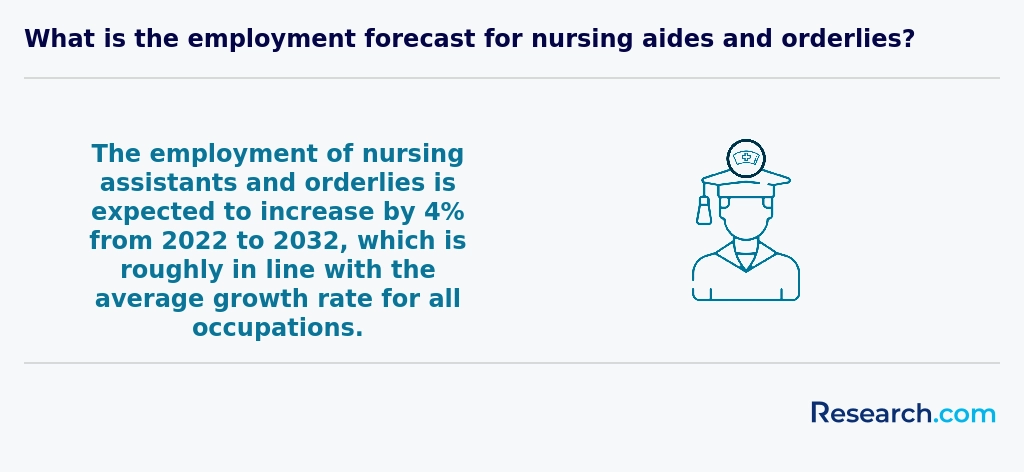
Understanding how well nursing programs prepare students for the NCLEX-RN exam is crucial when assessing program quality. In Worcester, MA, leading institutions consistently report pass rates that exceed national averages, reflecting their rigorous curricula and comprehensive clinical training. • Worcester State University boasts a first-time NCLEX-RN pass rate of 93%, outperforming the Massachusetts state average of 87%. Students credit dedicated review courses and immersive simulation labs for their confidence on exam day. • The University of Massachusetts Medical School’s online BSN pathway reports an impressive 91% first-attempt pass rate, owing to its blended learning model that reinforces core competencies through virtual case studies and hands-on practicum experiences. • Community colleges like Quinsigamond Community College maintain pass rates around 89%, supported by small class sizes and targeted NCLEX prep workshops facilitated by faculty mentors. High NCLEX pass rates not only demonstrate academic excellence but also translate into smoother licensure processes and stronger employment prospects. Prospective students should inquire about each program’s five-year pass rate trends, access to NCLEX review materials, and partnerships with local healthcare facilities for clinical rotations. For those exploring cost-effective nursing education in other regions, consider reviewing the Inexpensive Nursing Degree Programs Ranking in Arkansas to compare affordability alongside licensure success metrics.
If you're going for a nursing degree in Worcester, you've got some solid financial aid options that can really lighten the load. For starters, federal aid like Pell Grants and low-interest student loans are game changers. Many grads from schools like Worcester State University say these helped cover a big chunk of their tuition without stressing their wallets too much. Pell Grants don't need to be paid back, which is always a relief.
Locally, there are scholarships from groups like the Worcester Regional Research Bureau and healthcare providers who want to support future nurses right here in the community. Students frequently mention how checking with their college's financial aid office unlocked unexpected scholarship opportunities.
Plus, Massachusetts offers state grants and scholarships through OSFA, especially for those planning to stay working in healthcare within the state. Some grads even got tuition reimbursement from local hospitals where they worked, making juggling school and a job way more doable.
Lastly, loan forgiveness programs for people working in public health or underserved areas also made a huge difference for many Worcester nursing grads, helping reduce their student debt while giving back to the community.
Planning ahead is key when applying to nursing programs in Worcester, MA. Below is a step-by-step guide to help you navigate important milestones and deadlines: 1. Research Programs (6–9 months before start date) • Compare program lengths, curricula, clinical rotations, and costs. • For those interested in advanced practice pathways, explore accelerated options like 12-month fnp programs to fast-track your career. 2. Confirm Prerequisites & Testing (5–7 months before start date) • Verify required GPA, coursework (biology, chemistry, math), and any volunteer/healthcare experience. • Register for and schedule the TEAS (Test of Essential Academic Skills) at least three months in advance. 3. Gather Application Materials (4–6 months before start date) • Official transcripts from high school or prior colleges. • Letters of recommendation (instructors, healthcare supervisors). • Personal statement detailing your passion for nursing and Worcester community impact. 4. Complete Financial Aid & Scholarship Applications (3–5 months before start date) • Submit FAFSA by early spring to maximize federal aid. • Apply for state grants (e.g., MASSGrant) and institutional scholarships at Worcester State University or UMass Medical School. 5. Submit Program Applications (2–4 months before start date) • Adhere to individual school deadlines-many fall between January and March for fall admission. • Use online portals to track application status and confirm receipt of all documents. 6. Interview & Campus Visit (1–2 months before start date) • Prepare for panel interviews by reviewing common nursing scenarios. • Attend open houses or virtual tours to assess facilities, simulation labs, and student support services. 7. Acceptance & Enrollment (1 month before start date) • Respond to admission offers promptly and submit enrollment deposit. • Complete health clearance, background checks, and orientation registration. By following this timeline, prospective students can reduce stress, stay organized, and maximize their chances of acceptance into a top nursing program in Worcester, MA.
If you're thinking about starting a nursing degree in Worcester, you'll want to have a solid high school diploma or GED first. Most nursing programs at local schools expect you to have taken biology, chemistry, and math-these subjects really help set you up for the tough but rewarding nursing courses ahead. Graduates often say that these classes gave them a big confidence boost when the science-packed college classes started rolling in.
Many nursing schools in Worcester also ask for SAT or ACT scores, and some might want you to pass the TEAS exam, which tests your skills in reading, math, science, and English. It sounds intense, but a lot of students found prepping for the TEAS helpful because it sharpened their thinking before classes even began.
On top of academics, you'll need to sort out immunizations, a physical check-up, and maybe a background check-since you'll be working hands-on with patients. And getting some experience volunteering or working in healthcare around Worcester is a real plus. It's not just about ticking boxes; many grads say this firsthand experience made nursing feel real and exciting, helping them connect classwork to actual patient care.
Also keep in mind, nursing school here isn't cheap. With tuition averaging around $15,000 a year at public places, plus costs for books and gear, planning ahead financially is key. Many who've been through it say the investment totally paid off once they started clinicals, seeing their hard work come to life.

As the healthcare landscape evolves, many Worcester nursing graduates are choosing to advance their practice by earning a Master of Science in Nursing (MSN) or Doctor of Nursing Practice (DNP). These advanced degrees not only open doors to leadership roles-such as nurse practitioner, clinical nurse specialist, or nurse educator-but also correlate with higher earning potential, with MSN-prepared nurses averaging salaries well above $100,000 nationally. Key considerations when exploring MSN and DNP pathways:
- Program Format and Flexibility: Online and hybrid formats enable working RNs to complete coursework around clinical schedules. Be sure to review tuition, clinical requirements, and accreditation status.
- Specializations and Career Outcomes: Common MSN tracks include Family Nurse Practitioner, Psychiatric-Mental Health, and Nurse Administration. DNP programs further emphasize evidence-based practice, quality improvement, and organizational leadership.
- Time to Completion: Full-time MSN programs typically require two years post-BSN, while part-time tracks may extend to three or four years. DNP pathways often add 1–2 years beyond the MSN level.
- Financial Planning: Beyond traditional loans and scholarships, many graduates leverage employer tuition reimbursement and federal loan forgiveness programs for advanced practice nurses. For those comparing costs, explore our ranking of most affordable online master of science in nursing programs to identify budget-friendly options that still meet AACN accreditation standards. By strategically selecting an accredited advanced nursing program, Worcester graduates can accelerate their career trajectory, expand their clinical expertise, and make a greater impact on patient care across diverse healthcare settings.
If you're diving into a nursing degree in Worcester, expect a mix of solid science classes and hands-on nursing essentials. Students at local spots like Worcester State University often mention how courses like human anatomy, physiology, and microbiology made understanding the human body click in a way textbooks alone couldn't achieve. These foundational classes really set the stage for everything else.
On top of that, you'll jump into nursing-specific courses such as health assessment, pharmacology, and ethics. Graduates say these were game changers, especially when they started their clinical rotations. Speaking of clinicals, Worcester programs shine by mixing classroom learning with real-world practice at nearby hospitals and clinics, making it easier to gain confidence around actual patients.
Many also find courses like psychiatric nursing, pediatric and maternal health nursing, and leadership super helpful, especially when picture yourself leading a team or working with diverse patient types. Nursing here really mixes theory with practical skills that feel relevant and exciting every step of the way.
Nursing degree specializations in Worcester give students a chance to focus on areas that really matter in today's healthcare world. At popular colleges here, graduates often talk about specializing in fields like Adult-Gerontology Nurse Practitioner, where they care for aging adults, or Pediatric Nursing, which is all about working with kids and teens. It's cool how these Worcester nursing programs with specialties connect you to real-life situations, like helping at UMass Memorial Health Care, where you get hands-on experience with elderly patients or busy emergency rooms.
Another popular track is Family Nurse Practitioner, giving nurses the skills to support whole families, from babies to seniors. Mental Health Nursing is booming too, addressing mental wellness and counseling. Many students also dive into Neonatal or Emergency Nursing, prepping them for those intense hospital moments. If you're curious about costs and flexible paths, check out this ranking of most affordable online master of science in nursing programs-it's a great resource for planning your future in nursing right here in Worcester.
Picking the best nursing degree in Worcester starts with checking out the accreditation. Graduates from schools like Becker College rave about how their programs, accredited by top agencies, set them up well for passing their RN exams and landing great jobs. Cost is a big deal too-Worcester State University and Becker offer solid programs but keep in mind tuition plus extra fees like books and uniforms. One grad mentioned how having options for full-time or part-time schedules made balancing work and study doable. Clinical experience is a game-changer here; partnerships with places like UMass Memorial Medical Center mean hands-on training that really builds confidence. With nursing jobs expected to grow 15% in Worcester County, students feel optimistic about their future. Don't forget to look for schools that offer tutoring and career advice-it's the little support things grads say made a huge difference. For those seeking faster tracks, check out 12-month fnp programs to speed up progress. Finding the right fit among the best nursing degree programs Worcester has means balancing all these factors.

If you're eyeing nursing careers in Worcester MA, you'll find plenty of paths after graduation. Most folks kick off as Registered Nurses (RNs), working hands-on with patients at places like UMass Memorial Medical Center. It's the classic route that many Worcester nursing degree job opportunities lead to, offering steady salaries and real-world experience in hospitals, clinics, or even long-term care homes.
For those wanting to level up, advanced roles like Nurse Practitioners or Clinical Nurse Specialists are popular choices. Graduates who hit the books for an MSN often share how rewarding it is to take on more responsibility and specialize - plus, the paycheck usually reflects that extra effort! Worcester colleges are great at prepping students for these roles, blending theory with practical hours.
But it's not just bedside care. Some grads love stepping into public health nursing, community outreach gigs, or healthcare admin. Others find their calling teaching up-and-coming nurses in academic settings nearby. If you're thinking about cost, check out the Inexpensive Nursing Degree Programs Ranking in Arkansas for some budgeting inspiration while exploring options.
The nursing degree job outlook Worcester is looking bright, especially if you're studying at popular local schools like the University of Massachusetts Medical School or Worcester State University. Graduates often share how they quickly find roles in hospitals like UMass Memorial Health or Saint Vincent Hospital, thanks to the city's strong healthcare scene. Imagine stepping out of graduation with multiple job offers for registered nurse positions or home healthcare roles-it happens more often than you think here.
One recent grad mentioned how exciting it was to work with diverse patients in pediatrics and geriatrics, right after completing coursework and clinicals in Worcester. The average salary hovers around $87,000 annually, which is pretty solid compared to national figures. Plus, with state support growing for nursing workforce development, the opportunities keep multiplying.
Many students also explore easy certifications that pay well to boost their careers faster while benefiting from Worcester's expanding healthcare network. If you're hoping for a reliable career with plenty of room to grow, this city's nursing career opportunities are definitely worth considering.
2027 Best Nursing Degree Programs Ranking in Worcester
Investing in your education is a significant decision that can shape your future, and the Research.com team understands the importance of making informed choices. To assist prospective students in Worcester, we have meticulously crafted the "2027 Best Nursing Degree Programs Ranking in Worcester." Our commitment to quality, credibility, and accuracy is reflected in the extensive research and analysis conducted to compile this ranking.
We utilized the following reputable data sources to ensure a comprehensive evaluation of nursing programs:
By exploring this ranking, readers will gain valuable insights into the best nursing degree programs available in Worcester, helping them make confident and informed decisions about their educational paths. For more details on our methodology, please visit our Research.com methodology page.

# 3 position
University of Massachusetts Chan Medical School
Master of Science in Nursing

Frequently Asked Questions About nursing
Nursing students in Worcester can maximize their learning experience by engaging deeply with both classroom instruction and hands-on clinical practice. Local institutions such as Worcester State University and Becker College offer clinical placements within nearby hospitals, providing valuable real-world exposure. According to the Massachusetts Board of Registration in Nursing, practical experience is critical for meeting licensure requirements and enhancing clinical skills.
Active participation in study groups and nursing organizations like the Worcester Area Nursing Association helps build professional networks and supports knowledge sharing. Students should also utilize campus resources such as academic advising and simulation labs to strengthen their competencies. Staying updated on state nursing regulations and continuing education opportunities ensures their skills remain current in a rapidly evolving healthcare environment.
The nursing field in Worcester is expanding with several emerging niches driven by changing healthcare needs. One fast-growing area is gerontological nursing, focusing on elderly care as Worcester's population ages. According to the U.S. Census Bureau, Worcester County's population aged 65 and over increased by 14% between 2010 and 2020, creating demand for specialists in senior care.
Another key niche is informatics nursing, where nurses use data technology to improve patient outcomes. With local hospitals adopting advanced electronic health records, expertise in this area is highly sought.
Additionally, nurse practitioners specializing in mental health are critical due to increasing awareness and treatment of behavioral health issues in Worcester. The Bureau of Labor Statistics projects a 45% growth in this role nationally through 2030, reflecting a trend relevant locally.
After completing a nursing degree in Worcester, preparing for the job market involves several key steps. First, obtaining licensure through the National Council Licensure Examination (NCLEX-RN) is essential to practice as a registered nurse in Massachusetts. According to the Massachusetts Board of Registration in Nursing, passing rates among Worcester-area graduates align with state averages near 85%.
Networking within local healthcare facilities, such as UMass Memorial Medical Center, which employs many Worcester nurses, can increase job opportunities. Engaging in clinical rotations and internships during your studies also provides practical experience and professional connections.
Continuing education and certifications in specialties like gerontology or critical care are valued in Worcester's aging population context, as reported by the Bureau of Labor Statistics. Keeping your resume updated and practicing interview skills tailored to healthcare settings will further strengthen your competitiveness in the Worcester nursing job market.
Employers in Worcester highly value nursing graduates who demonstrate strong clinical skills and critical thinking. According to the Massachusetts Board of Registration in Nursing, proficiency in patient assessment, medication administration, and infection control are essential competencies for entry-level nurses.
Communication skills also rank very high. Nurses must effectively interact with patients, families, and healthcare teams to provide quality care. The Worcester Workforce Development report (2023) emphasizes teamwork and emotional intelligence as key skills in local healthcare settings.
Additionally, familiarity with electronic health records (EHR) systems is increasingly important. The integration of technology in Worcester hospitals demands nurses who can confidently navigate digital tools.
Finding nursing internships in Worcester involves targeted research and networking. Many nursing programs in Worcester, such as those affiliated with Worcester State University, maintain partnerships with local hospitals and clinics. These connections often provide students with direct internship opportunities during their study period.
The University of Massachusetts Memorial Health Care, the largest healthcare system in Worcester, is a prominent site for nursing internships. Students should explore the health system's official website for application deadlines and requirements. Additionally, contacting the career services office of your nursing school can reveal exclusive internships not widely advertised.
State employment websites, such as MassCareers, also list healthcare internships across Worcester and the wider Massachusetts area. According to recent Massachusetts Department of Higher Education data, nearly 70% of nursing students in Worcester secure internships before graduation, highlighting the importance of early preparation and proactive outreach.
Obtaining a nursing degree in Worcester significantly enhances career mobility and advancement prospects. Employers in the region often require at least an Associate Degree in Nursing (ADN) or Bachelor of Science in Nursing (BSN) for hiring and promotion, especially within major healthcare providers like UMass Memorial Health. According to the Massachusetts Department of Public Health, nurses with BSNs in Worcester earn approximately 15% more on average than those with lesser qualifications.
Higher nursing degrees also open doors to specialized roles, such as nurse practitioners or clinical nurse specialists, which are in growing demand due to Worcester's expanding healthcare sector. Many hospitals prefer candidates with BSNs or higher for leadership positions, directly correlating nursing education level with career advancement opportunities.
Professional licensing in Massachusetts requires graduation from an accredited nursing program, linking degree completion with eligibility to practice and advance. As Worcester's healthcare landscape evolves, continuing education through nursing degrees plays a critical role in adapting to new technologies and patient care standards.
Studying for a nursing degree in Worcester equips students with skills essential for interdisciplinary healthcare teams. Programs typically emphasize collaboration with professionals like physicians, social workers, and therapists to deliver comprehensive patient care.
Worcester's nursing schools often include clinical placements at diverse healthcare settings, promoting real-world experience in teamwork. According to the Massachusetts Board of Registration in Nursing, over 60% of nursing graduates from Worcester institutions report strong preparation in interdisciplinary communication.
Courses focus on evidence-based practice, cultural competence, and healthcare technology. This breadth enables graduates to adapt to various roles beyond bedside nursing, including care coordination and patient advocacy.
Choosing between a thesis and a non-thesis nursing degree program in Worcester depends largely on your career goals and time commitment. Thesis programs focus on research, requiring students to complete a significant project, which prepares them for roles in clinical research or further study, such as a PhD.
Non-thesis programs usually emphasize practical skills and coursework. They suit nurses aiming for advanced clinical practice or leadership positions without the need for a research focus.
Worcester's nursing schools offer varying options; for example, assuming local program length averages, thesis tracks may extend program duration by several months. The Massachusetts Board of Registration in Nursing notes that advanced clinical skills and research competencies are both in demand locally, reflecting Worcester's evolving healthcare sector.
Students based in Worcester who wish to study nursing abroad have several practical options through exchange programs and partnerships between local institutions and international universities. Worcester's colleges, such as Worcester State University and Becker College, often offer study abroad opportunities tailored for nursing majors.
These programs allow students to gain clinical experience in diverse healthcare settings, often in Europe or Canada, which aligns with U.S. educational standards. According to the Institute of International Education, participating in study abroad enhances cultural competence, a vital skill in nursing.
However, students should verify accreditation and licensure transferability to ensure their foreign coursework meets U.S. nursing board requirements.
Students pursuing nursing degrees in Worcester can benefit from several part-time job opportunities that provide practical experience. Local hospitals such as UMass Memorial Medical Center often offer positions like nursing assistants or patient care technicians, which allow students to apply their classroom knowledge in real clinical settings.
Pharmacies and outpatient clinics in Worcester also seek part-time pharmacy aides or medical office assistants. These roles help students develop administrative and patient communication skills relevant to nursing.
According to the Massachusetts Department of Unemployment Assistance, healthcare support jobs in Worcester grew by 4.2% from 2020 to 2023, highlighting steady demand. Such roles complement nursing education by blending theoretical knowledge with real-world healthcare exposure.
Nursing students in Worcester benefit from diverse networking opportunities that can support their career development. Local universities, such as Worcester State University and Becker College, offer student nursing organizations that connect peers and faculty. These groups often host events with guest speakers from area hospitals and healthcare providers, facilitating professional relationships early in education.
Worcester's strong healthcare sector includes major employers like UMass Memorial Health Care, providing clinical placements and internship possibilities. These experiences help students build connections with established nurses and administrators. Additionally, the Central Massachusetts chapter of the Massachusetts Nurses Association holds regular meetings and workshops, encouraging networking and continuing education.
Alumni networks offer significant advantages for nursing degree students in Worcester by providing access to professional connections and mentorship. Graduates from local programs often remain active in the region's healthcare sector, creating opportunities for current students to gain insights and job referrals. According to the Massachusetts Department of Higher Education, Worcester hosts several strong nursing alumni associations linked to institutions like Worcester State University and Becker College.
These networks facilitate workshops, clinical placement assistance, and continuing education events, which strengthen students' practical skills. Furthermore, alumni can guide students on licensing requirements, such as passing the NCLEX-RN, which is crucial for practicing in Massachusetts. Engagement with alumni fosters a community that supports career advancement and local workforce integration.
Customizing a nursing degree program in Worcester allows you to align your education with specific career goals. Many local institutions offer flexible curriculum options such as elective courses in specialties like pediatric, geriatric, or psychiatric nursing.
Additionally, students can choose between different degree paths, including Associate Degree in Nursing (ADN), Bachelor of Science in Nursing (BSN), and advanced practice degrees. Worcester's healthcare partnerships often provide clinical placements that match your interests, aiding targeted experience.
State licensure requirements also impact program choices, ensuring your training meets Massachusetts standards for registered or licensed practical nurses.
Consulting academic advisors early can help tailor the program effectively.
Nursing students in Worcester commonly face several challenges during their studies. One major difficulty is balancing rigorous coursework with clinical hours, which can exceed 40 hours per week in some programs. This demands strong time management skills, as clinical placements often occur at busy local hospitals and healthcare centers.
Financial strain is another significant challenge. According to the Massachusetts Department of Higher Education, typical nursing program costs in Worcester range from $15,000 to $30,000 annually, not including living expenses. Many students rely on financial aid or part-time jobs, adding to their stress.
Additionally, adapting to fast-evolving healthcare technology and staying updated with current nursing practices are ongoing demands faced by students.
With a nursing degree in Worcester, graduates can pursue a variety of professional certifications to advance their careers. Common certifications include the Certified Nursing Assistant (CNA), Licensed Practical Nurse (LPN), and Registered Nurse (RN), which are foundational for many nursing roles.
Beyond entry-level credentials, nurses can specialize. Certifications such as the Certified Emergency Nurse (CEN) or the Certified Medical-Surgical Registered Nurse (CMSRN) are available. These credentials demonstrate expertise in specific clinical areas and often lead to higher salary prospects.
Advanced practice certifications like the Nurse Practitioner (NP) or Clinical Nurse Specialist (CNS) require further education but offer greater autonomy and responsibility.
Worcester's healthcare facilities frequently prefer certified nurses, reflecting national trends noted by the American Nurses Credentialing Center.
Applying to a nursing program in Worcester requires careful preparation to stand out. Start by carefully reviewing the admission requirements of local schools like Worcester State University and Quinsigamond Community College. These typically include a minimum GPA-often around 3.0-and prerequisite courses such as anatomy and physiology.
Craft a clear, concise personal statement that highlights your passion for nursing and relevant experiences. Emphasize skills like empathy, teamwork, and critical thinking. Including volunteer work or healthcare-related jobs can strengthen your application.
Many programs also require letters of recommendation from academic or professional references.
Meeting application deadlines is crucial; most nursing programs in Worcester follow a fall application cycle. Check official school websites or the Massachusetts Board of Registration in Nursing for up-to-date details.
Nursing is a highly respected profession worldwide, with growing demand due to aging populations and increased healthcare needs. In the United States, including Worcester, nurses play a critical role in patient care, education, and health promotion. According to the U.S. Bureau of Labor Statistics, registered nursing jobs are expected to grow 6% from 2021 to 2031. Globally, nurses face similar challenges and opportunities, such as adapting to new technologies and addressing diverse patient needs.
Worcester offers numerous nursing degree programs that meet national accreditation standards, preparing students for a career recognized internationally. According to the Massachusetts Department of Higher Education, Worcester nursing schools emphasize clinical experience and evidence-based practices, aligning with global healthcare trends.
Gaining practical experience while studying for a nursing degree in Worcester is essential for career readiness. Most accredited nursing programs in the area include clinical rotations at local hospitals and healthcare facilities like UMass Memorial Medical Center. These rotations give students hands-on experience under supervision, often totaling over 500 clinical hours throughout the program.
In addition to clinical placements, students can participate in internships, volunteer opportunities, or part-time jobs in nursing homes and community clinics. Such experiences help build skills in real-world settings and improve patient interaction.
Many Worcester nursing schools also support simulation labs that use advanced technology to replicate medical scenarios, enhancing practical learning.
Choosing the right concentration within a nursing degree program in Worcester depends on your career goals and interests. Worcester offers diverse specialties such as pediatric nursing, geriatric care, and community health, reflecting the city's mixed population demographics. According to the Massachusetts Department of Higher Education, specialties aligned with the region's aging population, like gerontological nursing, have growing job prospects.
Consider clinical opportunities with local hospitals such as UMass Memorial Health, which provides clinical placements in critical care and emergency nursing. Research program accreditation and NCLEX pass rates to ensure quality training. Additionally, evaluate faculty expertise and available certifications in your area of interest to make an informed decision.
- 2027 Best Nursing Degree Programs Ranking in Boston
- 2027 Best Nursing Degree Programs Ranking in Bronx
- 2027 Best Nursing Degree Programs Ranking in New York
- 2027 Best Nursing Degree Programs Ranking in Brooklyn
- 2027 Best Nursing Degree Programs Ranking in Rochester
- 2027 Best Nursing Degree Programs Ranking in Baltimore
- 2027 Best Nursing Degree Programs Ranking in Washington
- 2027 Best Nursing Degree Programs Ranking in Virginia Beach
- 2027 Best Nursing Degree Programs Ranking in Pittsburgh
- 2027 Best Nursing Degree Programs Ranking in Harrisonburg
See What Experts Have To Say About Studying Nursing
Read our interview with Nursing experts

Lisa Grubb
Nursing Expert
Assistant Professor
Johns Hopkins School of Nursing

- Financial Aid https://catalog.worcester.edu/undergraduate/financial-aid/
- Top Skills Employers Want in Practical Nursing Graduates https://vervecollege.edu/what-employers-look-for-in-practical-nursing-graduates/
- Top Tips for Student Nurses https://worcesterstudentlife.com/2022/10/20/top-tips-for-student-nurses/
- What Are the Best RN Certifications for Your Career? https://credenzahealth.com/career-advice/what-are-the-best-rn-certifications-for-your-career
- THE FIELD OF NURSING - FIRST-DEGREE OF STUDIES https://wnoz.wum.edu.pl/pl/content/field-nursing-first-degree-studies
- Nursing Internships Abroad: An Introduction - RealStep https://www.real-step.com/en/articles/nursing-internships-abroad/
- Students urged to choose a nursing degree at University of Worcester https://www.worcesternews.co.uk/news/18163428.students-urged-choose-nursing-degree-university-worcester/
- Nursing - Worcester State University https://www.worcester.edu/nursing/
- From our readers…Strengthening nursing networks https://www.myamericannurse.com/from-our-readersstrengthening-nursing-networks/
- Top-Up Course (NDA) at Worcester Uni, Sept '25 https://www.jobs.nhs.uk/candidate/jobadvert/C9365-25-NDA