
2027 Most Affordable Online Bachelor's in Nursing Degree Programs Ranking in Texas

Co-Founder and Chief Data Scientist
Choosing the right nursing degree program in Texas is an important step toward a rewarding career in healthcare. This article introduces the 2027 Most Affordable Online Bachelor's in Nursing Degree Programs Ranking in Texas, created by the Research.com team of data scientists. It's designed to help you find affordable options without sacrificing quality.
Reading this ranking will give you clear insights into which programs offer value and flexibility for busy students. Pursuing a nursing degree opens doors to meaningful work and personal growth, and this guide supports you in making a confident, informed decision.
Key benefits of getting online nursing degree in Texas
- Graduates with a nursing degree in Texas can earn strong salaries; for example, Registered Nurses typically make about $94,480 annually, while Operating Room Nurses can earn up to $128,490 per year.
- Nursing graduates from Texas universities often find diverse career paths in areas like clinical nursing, public health, and emergency care, offering flexible and rewarding options to match their interests.
- Completing a nursing degree online in Texas allows students to balance work and study, providing convenience and accessibility without compromising quality, as seen in successful graduates from well-known online programs.
- 2027 Most Affordable Online Bachelor's in Nursing Degree Programs Ranking in Texas
- What can I expect from online nursing degree in Texas?
- Where can I work with online nursing degree in Texas?
What can I expect from online nursing degree in Texas?
The average cost of an online nursing degree in Texas is notably affordable compared to other states, primarily due to competitive tuition rates at public institutions like Texas A&M and the University of Texas systems. Graduates report that in-state tuition for these programs typically ranges between $8,000 and $15,000 for the entire Bachelor of Science in Nursing (BSN) degree. This cost-effectiveness allows students balancing work and study to pursue advanced qualifications without overwhelming financial stress.
Many students appreciate how the cost savings translate directly into reduced loan burdens, facilitating a smoother transition into the workforce. For example, graduates from Texas A&M often mention that even as full-time employees, they could afford these programs by leveraging employer tuition assistance combined with affordable tuition fees.
These institutions also incorporate technology-enhanced learning, which cuts down costs related to commuting and housing. Nonetheless, students must plan for additional expenses like local clinical placements. Overall, affordability combined with quality education makes Texas an attractive option for prospective online nursing students.
Where can I work with online nursing degree in Texas?
Graduates with an online nursing degree in Texas commonly find employment in hospitals, which employ over 75% of registered nurses statewide, including those trained at well-known institutions like the University of Texas Health Science Center and Texas Woman's University. These graduates often appreciate the dynamic environment of urban medical centers in cities such as Houston and Dallas, where critical care, emergency, and maternity units offer varied career paths.
Many graduates also pursue roles in outpatient clinics and community health centers, especially in rural Texas areas facing physician shortages. Here, nurses trained online become essential in managing chronic diseases and providing preventive care, which aligns well with the curriculum emphasis on patient education and community health found in accredited Texas programs.
The rising elderly population in Texas fuels demand in long-term care and home health services. Graduates often work as case managers or rehabilitation specialists, supporting aging patients with personalized care plans. Schools and public health departments additionally hire nurses from these programs to administer immunizations and support student health, roles that graduates from programs at institutions like Texas A&M enjoy, fostering rewarding community impact and job satisfaction.
Graduates with an online nursing degree from Texas institutions such as the University of Texas at Austin or Texas Woman's University often see starting annual wages around $94,480. This aligns with median salaries for roles like registered nurses, clinical nurse educators, and public health nurses statewide. For example, a recent graduate landed a position as a registered nurse in Dallas earning close to this average, appreciating the balance of competitive pay and Texas's affordable housing market.
More specialized roles, such as operating room nurses, offer even higher earnings, averaging $128,490 annually. Graduates securing these advanced positions report strong financial rewards, reflecting the high-demand skill set they acquired online. Positions like emergency room nursing also maintain a solid pay scale near $94,480, highlighting stability across multiple nursing career paths.
Online degrees from Texas schools prepare students efficiently for licensure and encourage career growth. Many graduates share a sense of confidence knowing their credentials meet Texas Board of Nursing standards, opening doors to roles with substantial earning potential and job security in major urban centers and beyond.
- Texas offers accredited online nursing programs that include required in-person clinical practice, usually arranged locally.
- The cost for a Bachelor of Science in Nursing (BSN) online in Texas ranges from $20,000 to $40,000, with public universities generally offering lower tuition for in-state students.
- New nursing graduates in Texas earn an average starting salary of about $60,000 per year.
- Experienced nurses with advanced certifications can earn between $75,000 and $90,000 annually.
- The nursing job market in Texas is strong and growing, with increasing job openings expected throughout the 2020s.
Completing an online Bachelor of Science in Nursing (BSN) in Texas generally takes about four years for full-time students, aligning with traditional on-campus durations at well-known institutions like the University of Texas at Arlington. Graduates often recall balancing studies with daily life, appreciating the structured timeline that allows steady progress.
For those already licensed as Registered Nurses (RNs) with an associate degree, RN-to-BSN bridge programs at schools such as Texas Tech University Health Sciences Center can reduce completion time to 12-24 months. Graduates frequently share positive experiences about the program's flexibility, enabling them to work while studying.
Accelerated BSN programs, designed for students holding a non-nursing bachelor's degree, typically finish in 12 to 18 months when pursued full-time. These intensive programs focus deeply on nursing courses and clinical practice, similar to offerings at Texas Woman's University, where alumni highlight the rewarding challenge and rapid advancement toward their careers.
A critical measure of any nursing program’s quality is its NCLEX‐RN pass rate and the support provided for licensure preparation. In Texas online nursing programs, students benefit from comprehensive review courses, virtual simulation labs, and dedicated NCLEX coaching to ensure they meet the state Board of Nursing requirements. Many programs report first‐time NCLEX‐RN pass rates at or above 90%, reflecting strong alignment between curriculum outcomes and exam content. Key components of effective NCLEX preparation include: • Structured Review Workshops: Interactive webinars and practice question banks cover core topics like fundamentals of nursing, pharmacology, and health assessment. • Virtual Clinical Simulations: High‐fidelity scenarios help students refine critical thinking and decision‐making under timed conditions, mirroring the pressure of the licensure exam. • Personalized Tutoring: One‐on‐one sessions with faculty or certified NCLEX instructors target individual weaknesses, boosting confidence ahead of test day. • Progress Tracking: Online dashboards monitor performance on practice exams, allowing students to adjust study plans and focus on areas needing improvement. Beyond the NCLEX‐RN, Texas graduates aiming for advanced practice roles can explore cheap online np programs that integrate NCLEX success strategies with advanced clinical exam preparation. By prioritizing licensure outcomes and offering robust support systems, these online nursing programs empower students to achieve both exam success and long‐term career growth.
Online nursing degrees in Texas, such as those offered by the University of Texas at Arlington, provide flexibility that appeals to working adults balancing jobs and family. Graduates often share how completing coursework remotely around their schedules helped them stay motivated without sacrificing income. In contrast, traditional on-campus programs like Texas A&M's require physical attendance, fostering direct mentorship and hands-on practice, which many students find reassuring for skills development.
Both formats mandate clinical practice at approved Texas healthcare facilities, ensuring real-world experience regardless of delivery method. Tuition ranges between $10,000 and $12,000 annually for in-state students, but online learners often save on commuting and housing costs; however, some report extra fees for technology and platform access. Reliable internet and a capable device are essential for online students to engage with streaming lectures and virtual simulations effectively.
Online programs frequently include digital resources tailored to self-paced study, benefitting diverse learning styles. On-campus students benefit from immediate face-to-face support, an aspect that some graduates describe as vital for quick feedback during complex topics.
Starting early and staying organized ensures a smooth BSN application. Key steps include:
- Research & Accreditation Check (6–9 months before start)
- Confirm CCNE or ACEN accreditation and Texas Board of Nursing approval.
- Prerequisites & Entrance Exam (4–6 months before)
- Complete required courses (anatomy, physiology, microbiology, etc.) with a grade of C or higher.
- Register for and pass the TEAS or HESI.
- Submit Application Materials (2–4 months before)
- Upload transcripts, test scores, resume/CV, and recommendation letters via each school’s portal.
- Interviews & Decisions (1–2 months before)
- Complete any virtual interviews and review acceptance offers.
- Enrollment & Orientation (1 month before)
- Finalize financial aid, pay enrollment fees, and attend online orientation.
After completing your BSN, explore our dnp programs for advanced practice pathways.
The average cost of an online nursing degree in Texas varies depending on residency status, with median tuition around $38,280 for in-state students and $67,031 for out-of-state enrollees. Many graduates from popular universities like the University of Texas at Arlington or Texas Woman's University have found these programs financially feasible due to competitive in-state rates and flexible payment options. Those pursuing an online bachelor's in nursing Texas typically pay close to $56,880 as an overall median cost across institutions.
Tuition structures often charge between $250 and $400 per credit hour for Texas residents at public universities, contributing to a cumulative price that aligns well with this median. Graduates frequently highlight that the affordability combined with the quality of instruction and comprehensive clinical experiences helped them maintain a positive attitude about their investment. Students often balance the tuition with scholarship opportunities or employer tuition reimbursement, which further ease costs.
Private institutions or more specialized nursing programs may exceed these averages, demanding higher fees but also offering enhanced mentoring and advanced technology resources. Many students appreciate such benefits, which can translate into improved job readiness. Those evaluating programs are encouraged to review all factors, including clinical placement expenses and requisite technology fees, to get a true picture of costs.
The cheapest nursing school in Texas offers a useful benchmark for prospective students seeking affordable online nursing degree options without sacrificing educational quality.
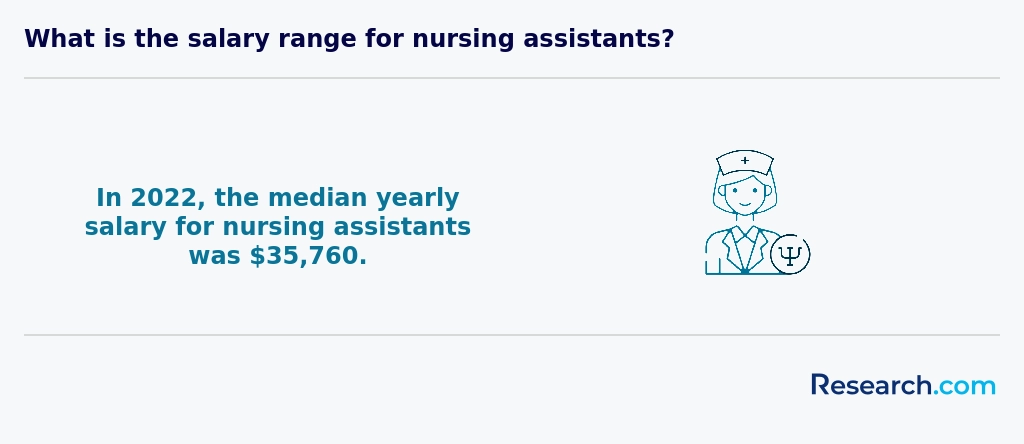
Online nursing students in Texas have access to a robust array of support services that ensure academic success, professional growth, and personal well-being. From dedicated academic advisors who guide course selection and track progress, to 24/7 technical support that resolves LMS login issues and video-lecture playback glitches, these resources are tailored to the unique demands of distance learning. Virtual simulation labs replicate real-world clinical scenarios-such as wound care and medication administration-so students can hone critical thinking skills before stepping into live clinical environments. Comprehensive library services provide online access to nursing journals, evidence-based databases, and e-textbooks, enabling research for projects like community health assessments and pharmacology case studies. Peer-led tutoring and writing centers help polish care plans and reflective essays, while career services offer résumé reviews, mock interviews, and job-search workshops focused on roles in Texas hospitals, long-term care facilities, and home health agencies. Mental health resources-including tele-counseling and stress-management webinars-support student resilience, especially during rigorous clinical rotations. For students comparing support models across states, our sister ranking on affordable programs highlights additional resources in nearby regions. Explore the Inexpensive Online Nursing Degree Programs Ranking in Kentucky to see how peer institutions structure their advising, simulation technology, and career-readiness initiatives.
Students pursuing an online nursing degree in Texas can tap into numerous financial aid options to manage costs, which range widely from $20,000 to over $60,000 for a bachelor's program. Federal aid, accessed via FAFSA, is a primary resource, offering grants like the Pell Grant that provides up to $7,395 annually based on need. Many nursing graduates from institutions such as the University of Texas at Arlington report significant relief through these grants, which cover a meaningful portion of tuition.
State-supported aid also plays a vital role. For example, Texas residents attending public universities benefit from the Texas Public Education Grant (TPEG). The Texas Nursing Incentive Program further supports students by offering scholarships and loan repayment in exchange for service in underserved areas-a crucial boost to graduates who feel passionate about giving back to their communities.
Institution-specific scholarships at schools like Texas Woman's University frequently reward merit and financial need, making education more attainable. Additionally, employer tuition reimbursement programs provide tangible support for working nurses upgrading their skills, reducing financial stress and enabling career growth.
When pursuing an online nursing degree in Texas, understanding the cost implications is crucial for making informed decisions. The average cost of obtaining an online nursing degree in Texas varies, with in-state students benefiting from more affordable tuition rates. To find the most affordable options, prospective students can explore the cheapest nursing school in Texas, which can provide valuable insights into affordable online nursing programs. Key factors influencing the cost include institution type, program length, and additional expenses such as textbooks and clinical supplies. By carefully considering these factors and exploring financial aid opportunities, students can make their online nursing education more accessible and manageable, ultimately preparing them for a rewarding career in healthcare.
Enrolling in an online nursing degree program in Texas typically requires several key prerequisites to ensure readiness for the demanding nursing curriculum. Students must hold a high school diploma or GED, establishing a baseline in essential skills like reading and math. Graduates from top institutions such as the University of Texas at Austin often recall the importance of completing prerequisite college courses including Human Anatomy and Physiology, Microbiology, General Chemistry, and English Composition, each usually needing a grade of "C" or better.
Many online nursing programs in Texas also mandate passing the Test of Essential Academic Skills (TEAS), which assesses competencies in reading, math, science, and English. This standardized step helps maintain academic rigor. Additionally, some pathways, especially RN-to-BSN tracks at colleges like Texas Woman's University, require prior healthcare experience, reflecting the practical skills needed in clinical settings.
Students appreciate how these structured prerequisites - combined with Texas Board of Nursing's regulations like background checks and immunizations - prepare them confidently for real-world nursing challenges.

Online nursing degree programs in Texas include a broad range of courses that prepare students for practical, real-world healthcare challenges. Graduates from popular institutions like the University of Texas at Austin or Texas Woman's University report that foundational courses such as anatomy, physiology, and microbiology provide a crucial understanding of the human body, which helps them confidently assess patient conditions.
Pharmacology courses stand out for their focus on drug classifications and safe medication administration, essential skills emphasized in Texas programs to meet state licensure requirements. Core nursing subjects cover medical-surgical nursing, maternal and infant health, pediatric nursing, and mental health nursing, allowing students to gain experience relevant to diverse patient needs.
- Health assessment and clinical decision-making
- Pathophysiology and disease management
- Evidence-based nursing practice and research methods
- Leadership and management in healthcare settings
- Community and public health nursing
Clinical practicums integrated near students' Texas residences enhance hands-on learning, which recent graduates cite as a highly rewarding aspect, helping transition theory into compassionate patient care.
Online nursing specializations in Texas typically include Registered Nurse to Bachelor of Science in Nursing (RN to BSN), a popular choice among graduates at major institutions like the University of Texas and Texas Tech University. This pathway supports nurses seeking advanced clinical and leadership roles, aligning with the Texas Board of Nursing data showing over 70% of nurses pursuing or holding a BSN degree. Graduates often describe increased confidence in patient care and management duties.
Texas nursing degree concentration options also commonly feature Family Nurse Practitioner (FNP), Pediatric Nursing, Geriatric Nursing, Mental Health Nursing, and Critical Care Nursing. For example, graduates from Texas Woman's University specializing in Family Nurse Practitioner emphasize their readiness to manage diverse family health needs in community settings. Similarly, those focusing on Mental Health Nursing report greater fulfillment working with behavioral health patients, reflecting statewide demand.
Some programs integrate nursing education and leadership tracks to prepare students for roles as nurse educators or healthcare administrators. Many prospective students initially wonder what is the easiest nursing school to enter, finding that Texas offers accessible options with robust specialization support and affordable tuition ranging from $7,000 to $15,000, well below national averages.
Choosing the best online nursing degree in Texas requires verifying program accreditation by bodies like CCNE or ACEN to ensure quality and recognition by the Texas Board of Nursing. Graduates from well-regarded universities often share that strong clinical components, aligned with state regulations, are crucial for building confidence and passing the NCLEX-RN exam. Affordability also matters; many affordable online nursing degree programs Texas offer tuition between $7,000 and $15,000 annually, but hidden fees can add up, so reviewing total costs carefully is essential. Flexibility is another key factor-students balancing jobs or families benefit greatly from asynchronous formats that fit their schedules. Popular nursing schools online Texas actively publish NCLEX pass rates and employment outcomes, providing data that reflects their program's success. Additionally, students recommend investigating credit transfer policies and faculty expertise. For those seeking cost-effective options, exploring cheap online np programs can offer valuable insights into budget-friendly paths to licensure.
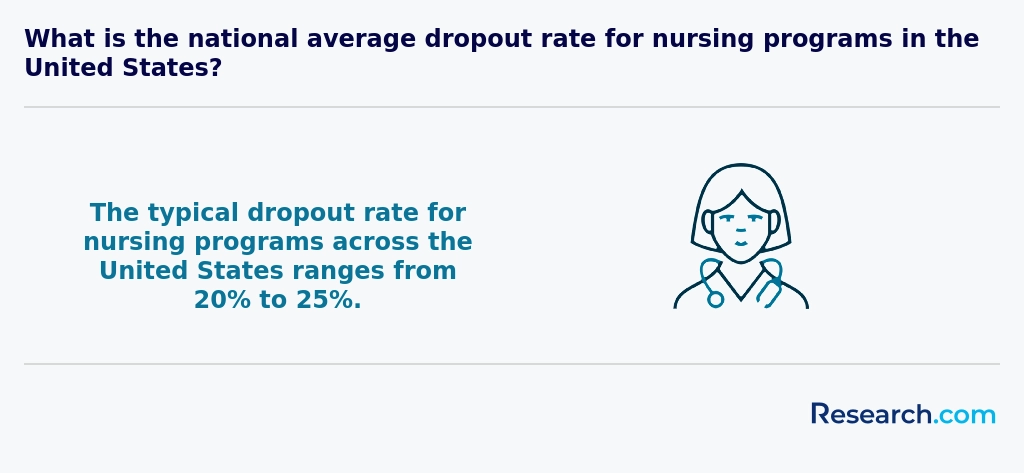
Online nursing degree graduates in Texas have diverse career paths due to high demand across healthcare settings. Most graduates qualify as Registered Nurses (RNs), with over 280,000 licensed RNs statewide as of 2023. Popular universities and colleges in Texas provide practical clinical placements alongside online theory, preparing students for real-world experiences in hospitals and clinics. Many graduates find rewarding roles as Case Managers coordinating patient care or as Public Health Nurses supporting community health initiatives, reflecting positive impacts on local populations.
Advanced roles like Clinical Nurse Specialists or Nurse Practitioners are also widely pursued, especially by those completing graduate-level programs after their online BSN. For instance, graduates feel motivated by opportunities to work in underserved rural areas while earning salaries exceeding $100,000. Others become Nurse Educators, training new nurses in academic settings throughout Texas. Health Informatics Specialists utilizing data to improve outcomes also represent a growing path. Those interested in affordable options can consult the Inexpensive Online Nursing Degree Programs Ranking in Kentucky for comparable insights.
Prospective students researching online nursing career opportunities Texas will find that flexible clinical models and solid job growth projections-15% through 2030-enhance long-term prospects. Those focused on nursing degree job prospects Texas appreciate the blend of online coursework combined with required clinical hours mandated by the Texas Board of Nursing, boosting confidence in professional readiness.
The job market for graduates with online nursing degrees in Texas remains robust, driven by high demand statewide and strong statewide growth projections. Registered nurses (RNs) in Texas are expected to see employment increase by about 15% from 2020 to 2030, creating approximately 61,000 new RN jobs according to the Texas Workforce Commission. Graduates from popular Texas nursing programs often find rewarding opportunities in large urban centers such as Dallas, Houston, and Austin, where average RN salaries hover around $75,000 and can be higher depending on specialization.
Many graduates share positive experiences balancing work and study through online formats offered by prominent colleges, capitalizing on flexibility to advance their careers. Texas healthcare employers increasingly seek BSN-prepared nurses, enhancing the value of online Bachelor of Science in Nursing degrees. This trend is visible across specialties like pediatrics and critical care, and often influences employment in rural areas, expanding options for willing candidates.
Those interested in expanding their credentials further explore academic pathways by researching which universities offer dual degree programs, maximizing both career prospects and educational depth. The outlook for online nursing jobs in Texas 2027 and Texas nursing degree employment outlook remain strong, reflecting both financial viability and professional growth.
2027 Most Affordable Online Bachelor's in Nursing Degree Programs Ranking in Texas
Investing in your education is a significant decision that can shape your future, and the Research.com team is fully aware of the importance of making well-informed choices. To support prospective students in Texas, we have carefully developed the "2027 Most Affordable Online Bachelor's in Nursing Degree Programs Ranking." Our dedication to quality, credibility, and accuracy is reflected in the thorough research and analysis conducted to produce this ranking.
We utilized the following reputable data sources to ensure a comprehensive evaluation of online nursing programs:
By consulting this ranking, readers will gain valuable insights into the most affordable and credible online nursing degree programs in Texas, empowering them to make confident decisions about their educational journey. For more details on our process, please visit our Research.com methodology page.


Frequently Asked Questions About nursing
Online nursing degree students in Texas can maximize their learning experience by actively engaging in both virtual and local clinical opportunities. Texas requires nursing programs to include supervised clinical practice, so students should seek schools offering partnerships with nearby hospitals or health centers for hands-on experience.
Utilizing the Texas Board of Nursing's resources ensures students stay informed about licensing requirements and state-specific standards. It's also beneficial to participate in online study groups and forums to foster peer support and discussion.
Because Texas has a growing nursing workforce demand, as reported by the Texas Center for Nursing Workforce Studies, students who supplement coursework with updated healthcare technology training and seek mentorship tend to perform better professionally.
The nursing field in Texas is rapidly evolving, with several emerging niches gaining prominence due to technological advances and changing patient needs. One significant area is telehealth nursing, which has expanded greatly post-pandemic, offering remote patient monitoring and care coordination. The Texas Workforce Commission projects a 22% growth in telehealth-related roles by 2030.
Another growing niche is geriatric nursing, reflecting Texas's aging population. Nurses specializing in elderly care play vital roles in managing chronic illnesses and improving quality of life for seniors. Additionally, informatics nursing, which involves managing healthcare data and technology systems, is increasingly important for improving patient outcomes.
These specialized roles often require advanced training but are increasingly accessible through online nursing degree programs in Texas.
After completing an online nursing degree in Texas, preparing for the job market involves several key steps. First, obtain licensure by passing the National Council Licensure Examination for Registered Nurses (NCLEX-RN), required by the Texas Board of Nursing. According to the Texas Center for Nursing Workforce Studies, registered nurses in Texas have a projected employment growth of 19.3% from 2020 to 2030, indicating strong job opportunities.
Networking is essential; joining local nursing associations such as the Texas Nurses Association can provide job leads and professional development. Additionally, gain practical experience through internships or volunteer work to build your resume. Tailor your job applications to showcase skills in patient care, technology, and communication relevant to Texas healthcare settings.
Employers in Texas seek several key skills in graduates of online nursing degree programs. Strong clinical competencies are crucial, ensuring nurses can provide safe and effective patient care. According to the Texas Board of Nursing, proficiency in patient assessment and care planning remains a priority.
Communication skills are also highly valued. Nurses must effectively interact with patients, families, and healthcare teams to enhance treatment outcomes. In addition, critical thinking and problem-solving abilities help nurses respond to complex clinical situations quickly.
Technology literacy, especially familiarity with electronic health records, is increasingly important as Texas healthcare systems modernize. Compassion and adaptability rank high, reflecting the demands of diverse patient populations across the state.
Finding internships in Texas relevant to a nursing degree involves several practical steps. First, students should explore partnerships between their online nursing programs and local healthcare facilities, as many Texas schools facilitate clinical placements.
The Texas Board of Nursing recommends obtaining clinical experience in hospitals, clinics, and community health organizations to meet state requirements. Prominent Texas healthcare systems such as Baylor Scott & White and Houston Methodist often offer internship opportunities specifically for nursing students.
Additionally, students can use resources like the Texas Nurses Association's career center and statewide hospital job boards to identify available internships.
Networking with nursing faculty and attending local healthcare job fairs also enhances internship prospects.
Obtaining an online nursing degree in Texas significantly enhances career mobility and advancement opportunities. Texas ranks second in the U.S. for the number of employed registered nurses, creating a competitive environment where advanced credentials are highly valued, according to the Texas Center for Nursing Workforce Studies. An online degree allows working nurses to gain a Bachelor of Science in Nursing (BSN) without disrupting their job, meeting the growing industry preference for BSN-prepared nurses.
Employers in Texas hospitals and healthcare facilities increasingly require or prefer BSN credentials for promotions and specialized roles. For example, Magnet-designated hospitals often mandate nurses to hold a BSN.
Additionally, online nursing degrees support smoother transitions into management, education, or advanced practice roles, fueling career growth in Texas's diverse healthcare market, as reported by the Texas Board of Nursing.
Studying for a nursing degree in Texas equips students with skills essential for interdisciplinary roles in healthcare. Texas nursing programs follow guidelines from the Texas Board of Nursing and incorporate teamwork, communication, and leadership training into their curricula. These programs emphasize collaboration with professionals like physicians, social workers, and therapists to improve patient outcomes.
Online nursing degrees in Texas often include clinical simulations and case studies designed to promote understanding of diverse healthcare roles. According to the Texas Center for Nursing Workforce Studies, about 60% of nurses work in settings where interdisciplinary teamwork is critical. This preparation ensures graduates can effectively navigate complex care environments.
When choosing between a thesis and a non-thesis online nursing degree program in Texas, students should consider their career goals and time commitment. A thesis option often suits those interested in research or pursuing advanced degrees, as it involves conducting original research and writing a detailed paper. Non-thesis programs focus more on practical skills and coursework, making them ideal for nurses aiming to enter or advance in clinical practice quickly.
Many Texas nursing schools align with the Texas Board of Nursing standards, ensuring programs meet state licensing requirements. According to the Texas Higher Education Coordinating Board, online nursing degree enrollment has increased by 15% over recent years, reflecting demand for flexible study options suited to working professionals.
Cost, duration, and faculty expertise also vary; thesis programs may take longer and require more intensive faculty mentorship. Students should review each program's curriculum and consult advisors to determine which path best fits their professional objectives and learning style.
Students based in Texas interested in studying nursing abroad have several pathways to consider. Most U.S. nursing students opt for exchange programs or partnerships between Texas universities and foreign institutions, allowing credit transfers and clinical practice overseas. However, Texas Board of Nursing requires graduates to hold a degree recognized in the U.S. to qualify for licensure. This limits fully foreign degree options unless the program meets U.S. accreditation standards.
Online nursing degrees with international clinical components are rare but emerging. The Texas Workforce Commission projects a 15% growth in registered nurse jobs by 2030, highlighting the importance of accredited programs. Therefore, students often choose to begin or complete their degree in Texas while gaining international exposure through short-term study abroad experiences.
Part-time job opportunities in Texas can effectively complement nursing degree education by providing relevant experience and flexible schedules. Many nursing students work as certified nursing assistants (CNAs), gaining hands-on patient care skills while supporting healthcare teams. According to the Texas Workforce Commission, CNAs earn a median hourly wage of about $14, allowing students to balance work and study.
Other options include medical transcription, health information technician roles, or appointment scheduling in clinics. These positions improve administrative knowledge of healthcare systems. Additionally, some students find work as medical assistants, often earning $15 to $18 per hour, according to local job reports.
Such roles reinforce classroom learning with practical exposure, essential for licensure and employment after graduation.
Online nursing students in Texas have several networking opportunities despite the remote format. Many programs partner with local hospitals and clinics, allowing students to connect with healthcare professionals during required clinical hours. This hands-on experience is essential for building contacts within the Texas nursing community.
Additionally, organizations such as the Texas Nurses Association (TNA) offer membership benefits to students, including virtual events, webinars, and access to job boards. The TNA reports over 50,000 members statewide, providing substantial networking potential.
Students can also join online forums and social media groups dedicated to Texas nursing, fostering peer support and professional growth in a digital environment.
Alumni networks play a significant role for students enrolled in online nursing degree programs in Texas. These networks offer valuable connections to experienced nursing professionals who have already navigated the local healthcare landscape. According to the Texas Board of Nursing, networking can increase job placement success, especially in competitive urban centers like Houston and Dallas.
Many nursing alumni actively participate in mentoring current students, providing advice on clinical placements and licensing exam preparation. This guidance helps students meet Texas-specific requirements efficiently, such as passing the NCLEX-RN.
Furthermore, these networks often share job openings exclusive to members, helping graduates secure employment faster in Texas hospitals and clinics.
Customizing an online nursing degree in Texas allows students to align their education with specific career goals. Many Texas nursing programs offer elective courses in specialties such as pediatrics, geriatrics, or psychiatric nursing, enabling focused skill development. Additionally, clinical practicum placements can often be chosen to match desired work settings, like hospitals or community care.
The Texas Board of Nursing oversees program standards, ensuring regional relevance and licensing preparedness. According to the Texas Workforce Commission, nursing roles in Texas are projected to grow 15% through 2030, emphasizing demand for specialized skills. Selecting programs with flexible schedules and recognized accrediting bodies helps tailor the degree to career ambitions while meeting licensure requirements.
Online nursing students in Texas often face several challenges that can impact their academic success. One major difficulty is managing clinical requirements, as students must complete hands-on training hours at approved healthcare facilities. Texas Board of Nursing mandates specific clinical experience, which can be hard to schedule remotely.
Connectivity and technology are also common issues. Reliable internet access is crucial for virtual lectures and exams, but some rural areas in Texas still have limited broadband coverage, affecting student participation.
Additionally, balancing coursework with personal and professional responsibilities presents challenges. Many online nursing students are working adults, requiring strong time management skills to keep up with demanding study schedules.
Finally, students sometimes report feeling isolated due to less face-to-face interaction with instructors and peers, which can affect motivation and support.
With an online nursing degree in Texas, graduates can pursue various professional certifications to enhance their careers. Common options include the Registered Nurse (RN) license, which is mandatory for clinical nursing roles and regulated by the Texas Board of Nursing. Additionally, nurses can seek certifications such as the Certified Nurse Practitioner (CNP), Certified Nurse Educator (CNE), and specialty certifications in areas like pediatrics or oncology through recognized bodies like the American Nurses Credentialing Center (ANCC).
Obtaining these certifications can lead to better job prospects and higher salaries. For example, Texas employs over 350,000 RNs, and advanced certifications often correlate with increased responsibilities and pay. Requirements typically include holding an active RN license, clinical experience, and passing the relevant exams.
Writing a successful application for an online nursing program in Texas starts with meeting the state's licensure and education requirements. Most schools require a minimum GPA of 2.5 to 3.0 and proof of a valid Registered Nurse (RN) license. Including verified clinical experience strengthens your application, as Texas has a growing demand for skilled nurses, with a projected 15% employment increase by 2030 according to the Texas Workforce Commission.
Highlight your motivation clearly in your personal statement, addressing why you want to advance your nursing career online and how it aligns with Texas healthcare needs. Submit all transcripts and letters of recommendation promptly to avoid delays.
The nursing profession holds strong global significance, reflecting its vital role in healthcare systems worldwide. In the United States, including Texas, nursing careers are valued for their job stability, growth potential, and diverse opportunities. According to the U.S. Bureau of Labor Statistics, registered nursing jobs are expected to grow 6% from 2021 to 2031, faster than the average for all occupations.
Texas, with over 320,000 licensed nurses as of 2023 (Texas Board of Nursing), is among the top states for nursing employment. Its large and diverse population demands well-trained nurses, increasing the need for accessible education like online nursing degrees.
Globally, nursing emphasizes patient-centered care and cross-cultural competence, skills increasingly integrated into U.S. nursing curricula. Online programs in Texas are designed to meet these standards, preparing students to work in varied healthcare environments both within the state and abroad.
Students pursuing an online nursing degree in Texas can gain practical experience through clinical placements arranged by their schools. These clinical hours are mandatory by the Texas Board of Nursing to ensure graduates develop hands-on skills. Typically, online programs partner with local hospitals, clinics, and healthcare facilities to facilitate supervised practice near the student's residence.
Additionally, some schools require simulation labs or hybrid courses where students attend intensive, in-person sessions for skills training. According to the Texas Board of Nursing, students must complete around 500 clinical hours before graduation, depending on the program type.
Networking with local healthcare providers can also open opportunities for externships or volunteering, enhancing real-world exposure during studies.
When choosing the right concentration within an online nursing degree in Texas, consider your career goals and local job market demands. Texas has a high demand for specialized nurses, especially in areas such as family nurse practitioner, psychiatric mental health, and pediatric nursing, according to the Texas Board of Nursing.
Research the curriculum closely and ensure it aligns with your interests and long-term plans. Some programs may offer concentrations approved by the Texas Board of Nursing that improve licensure and certification prospects.
Also, consider program flexibility and clinical placement support, since in-person clinical hours must be completed locally.
Finally, check if the concentration prepares you for advanced certifications to increase employability in Texas healthcare settings.
- 2027 Most Affordable Online Bachelor's in Nursing Degree Programs Ranking in Louisiana
- 2027 Most Affordable Online Bachelor's in Nursing Degree Programs Ranking in Oklahoma
- 2027 Most Affordable Online Bachelor's in Nursing Degree Programs Ranking in Arkansas
- 2027 Most Affordable Online Bachelor's in Nursing Degree Programs Ranking in New Mexico
- 2027 Most Affordable Online Bachelor's in Nursing Degree Programs Ranking in Kansas
- 2027 Most Affordable Online Bachelor's in Nursing Degree Programs Ranking in Missouri
- 2027 Most Affordable Online Bachelor's in Nursing Degree Programs Ranking in Colorado
- 2027 Most Affordable Online Bachelor's in Nursing Degree Programs Ranking in Mississippi
- 2027 Most Affordable Online Bachelor's in Nursing Degree Programs Ranking in Tennessee
- 2027 Most Affordable Online Bachelor's in Nursing Degree Programs Ranking in Arizona
See What Experts Have To Say About Studying Nursing
Read our interview with Nursing experts

Lisa Grubb
Nursing Expert
Assistant Professor
Johns Hopkins School of Nursing

- Online Nursing Programs in Texas: Explore Top Schools for 2024 https://www.edumed.org/online-schools/nursing-rn-programs/texas/
- Top Nursing Skills U.S. Employers Want to See on Your Resume | O'Grady Peyton https://www.ogradypeyton.com/blog/job-seeker-resources/top-nursing-skills-u.s.-employers-want-to-see-on-your-resume
- Exploring Diverse Nursing Career Horizons - N2S Healthcare Blog https://n2shealthcare.com/blog/exploring-diverse-nursing-career-horizons-n2s-healthcare-blog
- Nursing Internship and Externship Programs https://jobs.mayoclinic.org/nursinginternexternprograms
- Nursing Study Abroad Programs | Go Overseas https://www.gooverseas.com/study-abroad/nursing
- Academic Progression in Nursing: Moving Together Toward a Highly Educated Nursing Workforce https://www.aacnnursing.org/news-data/position-statements-white-papers/academic-progression-in-nursing
- Know more about thesis vs non- thesis: what is the difference? https://studyfans.com/en/blogs/816
- School of Nursing Alumni Resources https://nursing.utmb.edu/About/Alumni
- Top Skills Employers Want in Practical Nursing Graduates https://vervecollege.edu/what-employers-look-for-in-practical-nursing-graduates/
- Do I Have to Write a Thesis to Complete a Master’s Degree in Nursing? https://www.bestmasterofscienceinnursing.com/faq/write-thesis-complete-masters-degree-nursing/


