
2027 Most Affordable Nursing Degree Programs Ranking in Fort Lauderdale

Co-Founder and Chief Data Scientist
Choosing the right nursing degree program can feel overwhelming, especially when balancing quality and affordability. This article introduces the 2027 Most Affordable Nursing Degree Programs Ranking in Fort Lauderdale, developed by the Research.com team of data scientists to help you make an informed decision.
By exploring this ranking, you'll discover nursing programs that offer excellent value without compromising on education. Pursuing a nursing degree opens doors to a rewarding career focused on helping others and personal growth. Let this guide support your journey toward a bright future in healthcare.
Key benefits of getting nursing degree in Fort Lauderdale
- Nursing degree graduates in Fort Lauderdale can expect competitive salaries, with Registered Nurses earning a mean annual wage of $94,480 and Operating Room Nurses making around $128,490 per year.
- Graduates often pursue diverse career paths, from clinical nurse education to public health nursing, benefiting from strong local healthcare networks and job opportunities near Fort Lauderdale.
- Obtaining a nursing degree online offers flexibility and convenience, allowing students to balance work and study while graduating with the same marketable skills as traditional programs at popular local universities.
- 2027 Most Affordable Nursing Degree Programs Ranking in Fort Lauderdale
- What can I expect from nursing degree in Fort Lauderdale?
- Where can I work with nursing degree in Fort Lauderdale?
What can I expect from nursing degree in Fort Lauderdale?
Understanding the average cost of a nursing degree in Fort Lauderdale reveals surprising advantages for students. Graduates from Broward College often remark on the affordability compared to statewide alternatives, especially for in-district students who benefit from reduced tuition rates. For many, this financial accessibility transforms the daunting prospect of a nursing education into an achievable goal, sparking motivation rather than hesitation.
Private institutions like Nova Southeastern University present a different experience, with higher tuition balanced by extensive clinical partnerships and personalized support. Graduates frequently emphasize the confidence gained through hands-on experiences, justifying the investment as essential preparation for real-world nursing challenges.
Financial aid and scholarships frequently tip the scales for those pursuing nursing in Fort Lauderdale, making education costs manageable without sacrificing quality. This dynamic encourages students to focus more on mastering foundational sciences, patient care, and ethics, knowing their financial hurdles are being addressed thoughtfully within the local educational ecosystem.
Where can I work with nursing degree in Fort Lauderdale?
Graduates from nursing programs at institutions like Nova Southeastern University or Keiser University in Fort Lauderdale quickly discover that their career options extend far beyond traditional hospital roles. While positions in major acute care hospitals such as Broward Health Medical Center or Holy Cross Health remain popular, many graduates find themselves drawn to urgent care clinics and outpatient centers where fast-paced, diverse clinical experience sharpens their skills daily.
Some alumni share how they felt empowered working in long-term care facilities, supporting Florida's significant senior population with hands-on, compassionate care that creates meaningful patient relationships. Others embrace home health nursing, enjoying the unique challenge and fulfillment of delivering personalized care in patients' own homes.
For those with advanced degrees, opportunities in public health or healthcare administration open new pathways to influence community wellness and hospital policies. These options reflect Fort Lauderdale's vibrant healthcare landscape and challenge nursing graduates to think beyond bedside care to roles that shape the future of health in their community.
Graduates from nursing programs in Fort Lauderdale often find their efforts rewarded with competitive salaries that reflect both local demand and specialized skills. For instance, those entering Registered Nurse roles-common outcomes for students at popular institutions like Broward College or Nova Southeastern University-can anticipate average annual earnings around $94,480, according to recent Bureau of Labor Statistics data.
Some graduates push beyond typical RN roles, becoming Clinical Nurse Educators or Public Health Nurses, positions that share the same substantial mean salary of $94,480. Imagine a graduate shaping next-generation nurses in Fort Lauderdale while enjoying financial stability and community respect.
Emergency Room Nurses in the region also earn about $94,480, a figure that captures the intensity and responsibility of frontline healthcare work. Those who specialize further, such as Operating Room Nurses, command even more impressive salaries, averaging $128,490 annually, reflecting the high expertise demanded.
These earnings demonstrate that pursuing a nursing degree in Fort Lauderdale isn't just about passion-it's a viable path to economic empowerment. Graduates testify to the balance of fulfilling work and solid income, inspiring new students to envision a rewarding future in the region's vibrant healthcare sector.
- Tuition for nursing programs in Fort Lauderdale ranges from $5,000 to over $30,000 per year depending on the type of institution and degree.
- Associate nursing degrees at community colleges typically cost between $5,000 and $10,000 annually for in-state students.
- Bachelor of Science in Nursing (BSN) programs at public universities average $15,000 to $25,000 each year for residents.
- Newly graduated registered nurses in Fort Lauderdale earn a median annual salary of about $60,000, with mid-career nurses making $75,000 to $85,000.
- The job market for nurses is growing at an estimated rate of 15% over the next decade due to increased healthcare demand.
- Passing the NCLEX-RN exam is required to become a licensed registered nurse in Florida and local programs include exam preparation.
In Fort Lauderdale, the time it takes to complete a nursing degree often surprises students who expect a one-size-fits-all timeline. Graduates from popular local institutions share how their journeys varied-some completed an LPN certificate in just over a year, jumping quickly into entry-level roles that sparked their passion for patient care. Others chose ADN programs lasting around two years, balancing intensive studies and clinical rotations, building confidence in real-world hospital settings.
BSN students, especially those at well-regarded colleges in Fort Lauderdale, often embrace a four-year commitment, appreciating the comprehensive training that opens doors to advanced opportunities. Graduates with previous degrees describe accelerated BSN tracks as challenging but rewarding, compressing years of education into a focused 12 to 18 months and fueling a sense of accomplishment and momentum.
Many report that part-time or hybrid schedules offered by Fort Lauderdale schools stretched their timelines but allowed them to work while studying, underscoring how individual circumstances shape completion time far beyond simple averages.
After earning a BSN or MSN in Fort Lauderdale, many nurses pursue graduate or doctoral study to qualify for advanced clinical, leadership, research, policy, or teaching roles. The right pathway depends on whether you want more autonomy in patient care, a leadership position, an educator role, or a research-focused career.
Master’s Degree in Nursing (MSN)
- Common specializations include Nurse Practitioner (NP), Clinical Nurse Specialist (CNS), Nurse Educator, and Nurse Administrator.
- MSN programs typically require 2 years of full-time study, though part-time and online tracks can help working nurses continue employment.
- Graduates may qualify for increased autonomy, leadership responsibilities, and higher earning potential, often 20–30% above RN salaries.
Doctor of Nursing Practice (DNP) and PhD in Nursing
- The DNP focuses on clinical practice leadership, evidence-based care, and organizational change.
- The PhD emphasizes nursing research, theory development, and university-level teaching.
- Both usually require 3–4 years, and many schools offer hybrid or fully online formats for practicing nurses.
Affordable Online Doctoral Programs
If you are comparing cost-effective online doctoral pathways, the Low Cost Online Doctorate in Nursing Degree Programs Ranking in South Carolina can help you evaluate programs with competitive tuition, student support, and accredited curriculums.
Key factors before enrolling
- Confirm CCNE or ACEN accreditation.
- Check clinical practicum requirements and whether local preceptors are available.
- Compare employer tuition reimbursement, scholarships, loans, and other aid.
- Make sure the format and timeline fit your work schedule and family responsibilities.
A graduate or doctoral nursing degree can be a strong investment when it matches your target role, licensure needs, and expected return on time and cost.
Choosing between online and on-campus nursing degrees in Fort Lauderdale isn't just a matter of convenience-it's about the atmosphere that shapes your education. Graduates from Nova Southeastern University recall the energy of in-person labs where teamwork and hands-on practice sharpened their skills in real time. In contrast, those who pursued online courses valued the flexibility to study after work or family time, logging into virtual lectures from home, but still traveled to local hospitals for crucial clinical hours.
Online programs offer freedom but demand self-discipline, while on-campus ones immerse you in a community with instant support from peers and instructors. Broward College students often describe the buzz of campus life as motivating, but some online graduates cherish the independence that lets them juggle nursing studies with life's unpredictability.
Costs also tell part of the story: online learning can cut commuting and housing expenses, though technology fees add up. Ultimately, Fort Lauderdale presents distinct pathways tailored to diverse lifestyles, challenging you to reflect on how you learn best and how your environment influences those pivotal nursing skills.
Accreditation and licensure should be among your first checks when evaluating a nursing program in Fort Lauderdale. An affordable program is only useful if it can lead to the credential and professional eligibility you need.
Look for nursing programs accredited by recognized agencies such as the Accreditation Commission for Education in Nursing (ACEN) or the Commission on Collegiate Nursing Education (CCNE). These organizations evaluate curriculum quality, faculty preparation, clinical learning, and student outcomes. Accreditation can affect your ability to sit for licensure exams, transfer credits, pursue graduate study, and qualify for certain jobs.
After completing an eligible nursing program, graduates who want to become registered nurses must apply for licensure through the Florida Board of Nursing. The process generally includes submitting official transcripts, completing a background check, paying required fees, and receiving authorization to sit for the NCLEX-RN. A program’s first-time NCLEX-RN pass rate is one practical indicator of how well it prepares students for entry-level practice.
Nurses who want to move into advanced practice roles typically need additional education and certification. For example, becoming an Advanced Practice Registered Nurse (APRN) generally requires completing a master’s or doctoral program accredited by CCNE or ACEN and passing a specialty certification exam. Students comparing long-term income potential may also review information related to nurse practitioner salary, especially if they are considering graduate-level pathways.
Florida nurses must also maintain licensure through continuing education (CE) requirements every two years. Before enrolling, verify that the program’s credential aligns with your intended license, career level, and future education plans.
The average cost of a nursing degree in Fort Lauderdale centers around $25,973 for in-state students, with the median total cost reaching about $49,283 when including out-of-state tuition. This highlights a substantial difference depending on residency status and the choice of institution. Many graduates from local colleges, such as Broward College, reflect on their journey, appreciating the balance of affordable yet comprehensive education that helped launch their careers. This perspective challenges the notion that expensive tuition always equates to better outcomes, showing that smart choices in Fort Lauderdale can lead to success without overwhelming debt.
For those evaluating affordable nursing programs Fort Lauderdale offers, public institutions provide a financially viable path for many. The reality is that costs extend beyond tuition-books, uniforms, and certification fees add up, requiring thoughtful budgeting. Graduates often mention practical challenges but emphasize the rewarding experience of hands-on clinical practicum, which many found critical for building confidence and skill.
Students exploring the nursing degree landscape in Fort Lauderdale often turn to valuable resources like scholarships and financial aid, which alleviate financial burdens significantly. Those who took advantage of these options share stories of overcoming initial financial anxiety, transforming it into motivation to excel. For those still undecided, checking out the cheapest nursing school in Florida can be a revealing step towards finding a program that fits both ambitions and budgets.
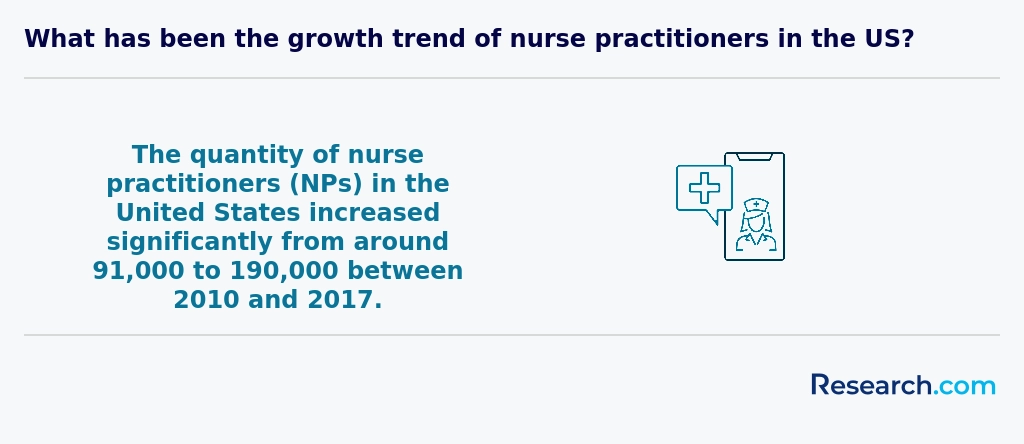
Accreditation directly affects whether a nursing degree will support licensure, employment, and future academic progression. Programs accredited by the Commission on Collegiate Nursing Education (CCNE) or the Accreditation Commission for Education in Nursing (ACEN) must meet standards for curriculum, faculty qualifications, clinical experiences, and student outcomes.
In Fort Lauderdale, institutions such as Nova Southeastern University (CCNE-accredited) and Broward College (ACEN-accredited) report first-time NCLEX-RN pass rates of 92% and 89%, respectively, outperforming the national average of 84%. These pass rates are useful because they show how graduates perform on the exam required for RN licensure. They should not be the only factor in your decision, but they are an important quality signal.
Accreditation can also matter after graduation. If you plan to pursue advanced roles such as nurse practitioner, clinical nurse specialist, educator, or administrator, many graduate programs require applicants to hold a degree from an accredited nursing program. Students interested in bridge pathways may compare accredited online rn to msn programs that connect prior nursing education with MSN-level preparation.
To judge licensure support, ask each school for specific evidence:
- Published first-time NCLEX-RN pass rates
- NCLEX review workshops or exam preparation resources
- Simulation lab access and supervised skills practice
- Clinical partnerships with local healthcare facilities
- Tutoring, study groups, and faculty advising
A strong program should be transparent about outcomes and able to explain how it helps students progress from coursework to clinical readiness to licensure.
Financial aid for nursing degrees in Fort Lauderdale goes beyond simply covering tuition-it can transform your entire educational journey. Many graduates from Broward College and Nova Southeastern University recall how Pell Grants, which offer up to $7,395 annually without repayment, eased immediate financial pressure. Paired with the Federal Supplemental Educational Opportunity Grant, these funds created a lifeline for those balancing work and study.
State programs add another layer of support. The Florida Nursing Student Loan Forgiveness Program rewards commitment to underserved communities around Fort Lauderdale, making it possible to graduate with less debt while giving back. Bright Futures Scholarships often empower top students attending public institutions in the area, turning academic excellence into tangible financial relief.
Local scholarships through healthcare partners and hospitals also bring hope. Graduates often share how employer tuition assistance allowed them to focus on clinical skills rather than bills, reinforcing their passion for nursing. Veterans find GI Bill benefits a critical pillar toward their degrees, tying their service to future care roles in Fort Lauderdale's healthcare landscape.
These resources paint a clearer picture: financial aid in Fort Lauderdale nursing programs is not just about money-it's about unlocking possibilities and lasting impact for dedicated students.
Nursing programs can be competitive, and missing a requirement can delay enrollment. Start early, especially if you need prerequisite courses, TEAS testing, immunization records, or background check clearance.
- Research each school’s application window, often August–December for fall intake.
- Schedule and prepare for the TEAS exam at least two months before your earliest deadline.
- Gather transcripts, immunization records, background check documents, and letters of recommendation well in advance.
- Draft a focused personal statement that explains your interest in nursing, readiness for clinical training, and connection to community healthcare.
- File FAFSA by the state priority deadline, typically March 31, to maximize financial aid opportunities.
Before submitting, confirm that your application is complete, your prerequisite grades are posted, and your test scores were sent to the correct institution. If you need more flexible timelines, compare cheapest bsn programs online that may offer year-round admission or flexible pacing.
Enrolling in a nursing degree in Fort Lauderdale demands more than just a high school diploma or GED; it's a gateway that tests your dedication and readiness for a challenging journey. Graduates from local institutions recall how mastering anatomy, microbiology, and chemistry early on wasn't merely academic-it formed the backbone of their confidence in clinical settings.
Many nursing hopefuls discover that standardized tests like the TEAS sharpen critical thinking and reinforce essential skills in math, science, and language, acting as a rite of passage rather than a hurdle. At popular Fort Lauderdale colleges, students often reflect on how these assessments prepared them for the fast-paced demands of nursing courses.
Healthcare experience, while unofficially recommended, often proves transformative. Graduates recount how volunteering in clinics cemented their passion, making the textbooks come alive with real-world urgency. Background checks and immunizations, though procedural, also highlight the profession's responsibility toward patient safety, a value nurtured from day one.
Ultimately, these prerequisites do more than gatekeep-they spark a profound commitment that transforms applicants into compassionate caregivers ready to thrive in Fort Lauderdale's vibrant healthcare community.
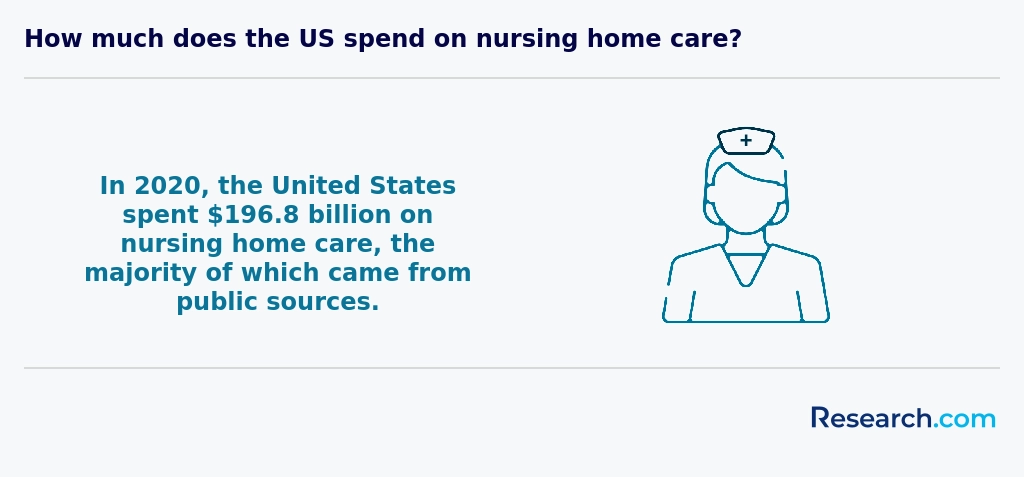
Searching for the cheapest nursing school in Florida can be a smart starting point, especially if you want to limit student debt. However, the lowest sticker price is not always the best value. A nursing program must also prepare you for licensure, clinical practice, and employment.
When comparing nursing schools in Fort Lauderdale, focus on the total picture:
- Accreditation: Confirm that the program is properly accredited or approved for the credential you plan to earn.
- NCLEX-RN preparation: A strong first-time pass rate can signal that students are leaving the program ready for licensure.
- Clinical placement access: Nursing is hands-on. Affordable tuition matters less if the program cannot provide meaningful clinical training.
- Total cost: Look beyond tuition to fees, uniforms, supplies, background checks, transportation, textbooks, and licensure expenses.
- Career fit: An ADN may help you enter the workforce faster, while a BSN may support broader advancement options.
The best affordable nursing school is usually the one that balances cost, completion timeline, licensure readiness, and local employer recognition-not simply the one with the lowest tuition.
In Fort Lauderdale, nursing degree programs challenge students to master courses that go beyond textbook learning, blending rigorous science with empathetic patient care. Graduates from local universities often recall how Fundamentals of Nursing grounded them in essential skills like patient communication and healthcare ethics, setting the stage for real-world demands.
Courses such as Pathophysiology and Pharmacology bring complexity to light, helping students understand disease mechanisms and medication effects-knowledge that proved invaluable during clinical rotations at Broward Health Medical Center. One graduate described the moment they connected cellular biology to a patient's symptoms, realizing the direct impact of classroom theory on lives.
Hands-on courses like Health Assessment and Clinical Practicum force students out of comfort zones, cultivating confidence in diverse settings from bustling hospital wards to community clinics. Maternal, child, and mental health nursing classes encourage a holistic view, shaping compassionate caregivers ready for South Florida's diverse population.
Nursing degree specializations in Fort Lauderdale challenge students to rethink what it means to care in a dynamic urban environment. Graduates from well-known local universities describe how Medical-Surgical Nursing, focusing on adult care, drew them into the daily realities of hospitals where life-and-death decisions sharpen clinical skills. Pediatric Nursing, popular in Fort Lauderdale's family-oriented communities, transforms compassion into precise interventions for children and adolescents, making students feel deeply connected to their patients' lives.
Meanwhile, Geriatric Nursing captures the urgency of Florida's aging population, pushing students to innovate elder care with empathy and expertise. Emergency Nursing prepares students for the unpredictable rhythms of metropolitan trauma centers, whether responding to a car accident or a critical illness. In these programs, Fort Lauderdale nursing programs with specialties emphasize immersion, personal growth, and community impact-graduating nurses who feel ready to lead. Some students explore less traditional tracks like psychiatric or community health nursing to address overlooked needs, enhancing their outlook and readiness.
One particularly insightful graduate highlighted how choosing a specialization supported her increased earning potential, a reality many discover when researching nurse practitioner salary prospects after study.
Choosing the best nursing degree in Fort Lauderdale means moving beyond the usual checklist. It's not just about picking the most prestigious school; it's about envisioning your daily life as a student. Graduates from Broward College often highlight the relief of affordable nursing degree programs in Fort Lauderdale that allow them to focus on mastering clinical skills without drowning in debt. Meanwhile, those from larger universities appreciate programs combining evening classes with online components, offering vital flexibility to juggle work and family obligations.
Think about the tangible benefits: high NCLEX-RN pass rates are a strong indicator of a program's effectiveness. Clinical partnerships with reputable hospitals give students real-world exposure, such as the hands-on experience key graduates remember from Fort Lauderdale's healthcare facilities. Support services at schools also foster confidence, helping you push through challenges that arise during the intense journey toward becoming a nurse.
For students wanting to advance steadily, exploring online rn to msn programs offered locally can shape a career path without uprooting your life. Reflect deeply on what fits your ambitions, lifestyle, and budget to find the perfect match among the best nursing schools near Fort Lauderdale.
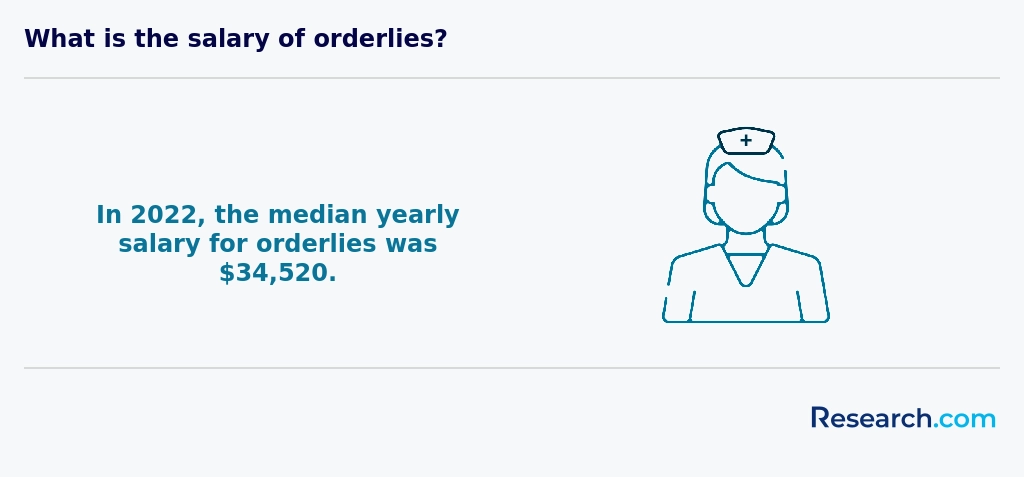
Graduates holding a nursing degree in Fort Lauderdale often find themselves at a crossroads of diverse career opportunities, challenging the idea that nursing is limited to bedside care. Many embark on roles as Registered Nurses (RNs) in local hospitals such as Broward Health, experiencing firsthand the city's dynamic healthcare environment. Their stories reveal how quickly expectations shift-from routine patient care to critical, life-saving decisions within fast-paced emergency rooms. For those aiming higher, pursuing advanced practice roles like Nurse Practitioner or Nurse Anesthetist opens doors to specialized fields fueled by Fort Lauderdale's aging population and complex healthcare demands.
Beyond direct clinical paths, nursing degree holders embrace careers in administration, education, and research, reflecting the broad scope a nursing education offers. Graduates from local universities frequently share how teaching future nurses brings a greater sense of purpose. This wide spectrum of Fort Lauderdale nursing degree job prospects encourages students to view nursing not just as a job, but as an evolving calling shaped by personal passion and community impact.
For residents exploring cost-effective routes to advanced practice, numerous refer to the Low Cost Online Doctorate in Nursing Degree Programs Ranking in South Carolina as inspiration. This reflects a bold, proactive mindset-embracing both local opportunities and national innovations to advance their careers.
The nursing degree employment opportunities Fort Lauderdale offer a dynamic landscape driven by local healthcare demands and demographic shifts. Graduates from well-regarded programs at universities and colleges in the area find themselves welcomed by hospitals, outpatient centers, and long-term care facilities that actively seek skilled nurses. Many report a sense of fulfillment not only from stable job prospects but also from engaging work that touches diverse patient populations, including large numbers of retirees. One graduate reflected on how clinical rotations in Fort Lauderdale's bustling hospital networks revealed the city's vibrant but competitive nursing job market outlook, reinforcing the value of accredited education and hands-on experience.
Despite the competitive entry to nursing roles, the regional focus on advanced practice registered nurses and nursing educators creates a broad spectrum of career paths beyond bedside nursing. Salaries, while regionally moderate, remain stable with growth potential, making balancing education costs crucial. Some students explore shorter training options like 3-month certificate programs that pay well to enter the workforce quickly, reflecting a pragmatic approach to career launch in Fort Lauderdale's evolving nursing landscape.
2027 Most Affordable Nursing Degree Programs Ranking in Fort Lauderdale
Investing in your education is a significant decision that can shape your future, and the Research.com team recognizes the importance of making informed choices. To support prospective students in Fort Lauderdale, we have carefully developed the "2027 Most Affordable Nursing Degree Programs Ranking in Fort Lauderdale." Our dedication to quality, credibility, and accuracy is evident in the thorough research and analysis behind this ranking.
We utilized the following reputable data sources to ensure a comprehensive evaluation of nursing programs:
By exploring this ranking, readers will gain valuable insights into the most affordable and credible nursing degree programs in Fort Lauderdale, enabling them to make well-informed educational decisions. For more information about our approach, please visit our Research.com methodology page.
# 1 position
Broward College
Bachelor of Science in Nursing


Frequently Asked Questions About nursing
Nursing degree students in Fort Lauderdale can maximize their learning experience by engaging actively in both classroom and clinical settings. Fort Lauderdale benefits from proximity to several reputable healthcare facilities, such as Broward Health and Holy Cross Health, offering valuable clinical placements where students gain real-world skills.
Students should also take advantage of local nursing associations like the Florida Nurses Association, which provides networking opportunities and continuing education workshops. According to the Florida Center for Nursing, practical experience significantly improves NCLEX pass rates, which exceed 85% among Broward County nursing graduates.
Additionally, utilizing community resources and simulation labs available at local colleges can enhance hands-on learning, while balancing coursework with time management strategies supports academic success.
The nursing field in Fort Lauderdale is expanding into several emerging niches that reflect evolving healthcare needs. One rapidly growing area is geriatric nursing, driven by Florida's significant senior population, with about 21.5% aged 65 or older as reported by the U.S. Census Bureau in 2023. Specialized care for elderly patients is increasingly important here.
Another rising niche is telehealth nursing, which supports remote patient monitoring and virtual consultations-a practice that surged during the COVID-19 pandemic and remains vital in Florida's healthcare landscape.
Additionally, nurse informatics is gaining prominence, focusing on managing patient data and healthcare technology integration. Fort Lauderdale's hospitals are investing in health IT systems, creating demand for nurses skilled in this area.
After completing a nursing degree in Fort Lauderdale, preparation for the job market begins with obtaining licensure. Graduates must pass the NCLEX-RN exam, which is required to practice as a registered nurse (RN) in Florida. According to the Florida Department of Health, the state's NCLEX pass rates consistently exceed 85%, reflecting strong program quality in the region.
Networking locally is crucial due to Fort Lauderdale's growing healthcare sector, including major employers like Broward Health and Memorial Healthcare System. Attending local job fairs and joining nursing associations such as the Florida Nurses Association can improve employment opportunities.
Additionally, gaining clinical experience through internships or volunteer positions enhances practical skills. Employers in Fort Lauderdale value candidates with hands-on training in community health settings, given the area's diverse population and healthcare needs.
Employers in Fort Lauderdale value nursing graduates who demonstrate strong clinical skills and critical thinking. Practical abilities in patient care, medication administration, and emergency response are essential in local healthcare settings. Communication skills are highly sought after, as nurses often collaborate with multidisciplinary teams and communicate with diverse patient populations.
According to the Florida Center for Nursing, adaptability and cultural competence are increasingly important due to the region's diverse demographics. Additionally, proficiency with electronic health records (EHR) systems is a key requirement, as Fort Lauderdale hospitals emphasize digital documentation.
Leadership and time management skills also enhance employability. Overall, Fort Lauderdale employers prioritize graduates who combine technical knowledge with empathy and effective teamwork.
Finding nursing internships in Fort Lauderdale involves leveraging local healthcare facilities and educational resources. Many hospitals, such as Broward Health and Memorial Regional Hospital, offer clinical rotations and internship programs as part of nursing degree curricula. These opportunities provide hands-on experience under professional supervision.
Community colleges and universities in the area, including Broward College, often assist students in securing internships by partnering with local healthcare providers. Students should contact their school's nursing department or career services early to learn about available placements and application deadlines.
Moreover, organizations like the Florida Board of Nursing provide information on approved clinical sites useful for internships. Networking with local nursing associations can also open doors to hidden internship opportunities in specialized fields.
A nursing degree significantly enhances career mobility and advancement opportunities in Fort Lauderdale's healthcare sector. According to the Florida Center for Nursing, registered nurses (RNs) with an associate or bachelor's degree often have better access to specialized roles and leadership positions.
The demand for nurses in Fort Lauderdale is expected to grow by 15% through 2030, outpacing many other professions in the region. Employers increasingly prefer candidates with a Bachelor of Science in Nursing (BSN) due to the complex care environments found in local hospitals such as Broward Health.
Higher education credentials can also lead to advanced practice roles, including nurse practitioner and nurse educator positions, which offer increased salaries and responsibilities. Additionally, nursing degrees enable eligibility for certifications that broaden clinical expertise in specialties like geriatrics or oncology.
Studying for a nursing degree in Fort Lauderdale equips students with skills crucial for interdisciplinary roles in healthcare. Local programs emphasize collaboration with professionals from fields such as medicine, social work, and pharmacy. According to the Florida Board of Nursing, curricula often include team-based simulations and communication training tailored to diverse healthcare settings.
Fort Lauderdale's proximity to major hospitals and healthcare centers allows nursing students practical exposure to multidisciplinary environments. This experience helps develop critical thinking and adaptability essential for integrated patient care. The emphasis on cultural competence addresses the region's diverse population, enhancing nurses' effectiveness across healthcare teams.
Choosing between a thesis and a non-thesis nursing degree program in Fort Lauderdale depends on your career goals and learning preferences. Thesis programs typically focus on research and prepare students for advanced clinical roles or doctoral studies.
Non-thesis options emphasize practical skills and offer more coursework instead of a research project, which may suit those aiming to enter the workforce quickly.
Local institutions like Nova Southeastern University and Broward College offer both types, reflecting a growing demand for research-informed nursing practice in South Florida, where the healthcare industry employs over 40,000 nurses (Florida Department of Economic Opportunity, 2023).
Consider whether you enjoy academic research and long-term projects or prefer applied learning when making your decision.
Students based in Fort Lauderdale who wish to study nursing abroad have several options, especially through U.S. accredited exchange programs and partnerships. Many universities with strong nursing programs offer study abroad opportunities in countries like the United Kingdom, Australia, and Canada, known for their robust healthcare education systems.
Fort Lauderdale students can also explore international clinical placements arranged by their home institutions, providing practical experience while earning credits. According to the American Association of Colleges of Nursing, nearly 40% of nursing students nationwide participate in study abroad or global health experiences, making it increasingly common.
However, licensing requirements vary internationally, so students must plan to meet both U.S. and host country regulations. Coordination with Fort Lauderdale's institutions ensures recognition of credits and eligibility for the NCLEX-RN exam after returning.
Fort Lauderdale offers several part-time job opportunities that can complement nursing degree education. Working as a certified nursing assistant (CNA) or patient care technician (PCT) in local hospitals and long-term care facilities provides hands-on patient care experience. According to the Florida Department of Economic Opportunity, these roles often align with nursing students' schedules and enhance clinical skills.
Other options include medical scribing or health unit coordinator positions, which build administrative knowledge relevant to nursing. Fort Lauderdale's large healthcare sector, including Broward Health and Holy Cross Health, often has openings suitable for students balancing work and study.
Nursing students in Fort Lauderdale have various opportunities to build professional networks during their studies. Local institutions often partner with hospitals and healthcare centers, such as Broward Health and Holy Cross Health, to provide clinical placements where students meet practicing nurses and healthcare leaders. These experiences foster relationships that can support job placement after graduation.
Additionally, students can join chapters of national nursing organizations like the Florida Nurses Association, which hosts regular local events and workshops. Fort Lauderdale's proximity to Miami also expands access to conferences and seminars focused on nursing advancements.
These networking opportunities are vital for securing internships and residencies, strengthening career prospects in a competitive healthcare environment.
Alumni networks play a crucial role for nursing degree students in Fort Lauderdale by providing valuable professional connections. These networks often offer mentorship programs, connecting current students with experienced graduates who can guide them through clinical experiences and career decisions.
Many local healthcare employers in Fort Lauderdale, including Broward Health and Memorial Healthcare System, actively recruit through alumni channels. According to the Florida Center for Nursing, graduates with strong alumni ties report higher job placement rates within the first six months post-graduation.
Additionally, alumni networks facilitate access to continuing education opportunities and nursing conferences in the region, helping students stay current with industry standards and innovations. This community support stimulates both academic and professional growth.
Nursing degree programs in Fort Lauderdale offer several ways to customize your education to match your career goals. Many local institutions provide flexible options such as choosing between Associate, Bachelor's, or accelerated programs depending on prior experience.
You can select specializations like pediatric, geriatric, or critical care nursing, which align with specific workplace demands in Broward County. Clinical rotations often take place in nearby hospitals, giving hands-on experience tailored to your interests.
Additionally, some programs incorporate online coursework, allowing you to balance studies with professional or personal commitments. According to the Florida Center for Nursing, nearly 40% of nursing students in the region report preferences for part-time or hybrid learning formats.
Licensure preparation and continuing education opportunities are also emphasized, aiding in your long-term career advancement within Fort Lauderdale's healthcare sector.
Nursing students in Fort Lauderdale often face several significant challenges throughout their education. One common difficulty is managing the demanding clinical hours required by most nursing programs, which can exceed 700 hours, according to the Florida Board of Nursing. Balancing these hours with coursework and part-time jobs creates stress and time constraints. Additionally, Fort Lauderdale's competitive healthcare sector means students must stay up-to-date with rapidly advancing medical technology and practices.
Financial challenges also affect many students. The average tuition for nursing programs in Broward County is around $8,000 per year, which can be a barrier without financial aid. Furthermore, students must pass rigorous licensing exams like the NCLEX-RN, where statewide pass rates fluctuate around 85%, adding pressure to perform well academically and clinically.
With a nursing degree in Fort Lauderdale, you can pursue various professional certifications to enhance your career. Common options include the Registered Nurse (RN) license, which is required for clinical practice and obtained by passing the NCLEX-RN exam. Advanced certifications such as Certified Nurse Practitioner (CNP), Certified Nurse Midwife (CNM), and Certified Registered Nurse Anesthetist (CRNA) are also available for those with graduate degrees.
Additionally, specialty certifications like Critical Care Registered Nurse (CCRN) or Oncology Certified Nurse (OCN) offer targeted expertise. According to the Florida Board of Nursing, holding such certifications can increase job opportunities and salary potential in the Fort Lauderdale region.
Applying to a nursing program in Fort Lauderdale requires careful preparation to stand out. Start by ensuring your academic credentials meet the program's requirements, typically including a strong GPA in science and math courses. Many local schools, such as Broward College, emphasize the importance of prerequisite coursework completion.
Craft a clear, concise personal statement that highlights your passion for nursing and commitment to patient care. Fort Lauderdale programs often value community involvement, so include any volunteer experience in healthcare settings.
Strong letters of recommendation from instructors or healthcare professionals can strengthen your application. According to the Florida Board of Nursing, competitive applicants frequently present a blend of academic excellence and practical experience.
The nursing profession holds a respected position worldwide due to its critical role in healthcare delivery. Globally, nurses are increasingly recognized for their expertise in patient care, health promotion, and community support. In the United States, including Fort Lauderdale, nursing careers benefit from well-established education pathways and licensing standards that support mobility and international collaboration.
According to the U.S. Bureau of Labor Statistics, registered nursing jobs are projected to grow 9% from 2020 to 2030, reflecting sustained demand. Fort Lauderdale's diverse population and large healthcare sector offer unique opportunities for nurses to gain experience with various patient groups and health challenges.
Moreover, global health organizations often emphasize advanced nursing roles to improve care access and quality, making nursing degrees valuable for international work. For Fort Lauderdale students, earning a nursing degree here can open doors to careers both domestically and abroad.
Students pursuing nursing degrees in Fort Lauderdale have multiple opportunities to gain practical experience during their studies. Many accredited nursing programs require clinical rotations at local hospitals, clinics, and long-term care facilities. These placements allow students to apply classroom knowledge in real healthcare settings under professional supervision.
Fort Lauderdale's proximity to major medical centers, such as Broward Health and the Memorial Healthcare System, provides diverse clinical environments. According to the Florida Center for Nursing, over 60% of nursing students in the region complete at least 1,200 clinical hours, which is crucial for licensing.
Additionally, students can engage in internships, volunteer roles, and simulation labs offered by nursing schools to enhance hands-on skills.
Choosing the right concentration within a nursing degree program in Fort Lauderdale involves understanding local healthcare needs and your career goals. Fort Lauderdale's healthcare sector is growing, particularly in specialized areas like geriatric and acute care nursing, due to its aging population (U.S. Census Bureau, 2023). Research programs that align with market demand, such as pediatric nursing or nurse practitioner tracks.
Consider program accreditation and clinical placement opportunities in nearby hospitals like Broward Health. Practical experience is crucial in nursing education, enhancing job prospects post-graduation.
Additionally, evaluate your interests in patient care environments and work settings, such as community health or emergency nursing. Talking to local professionals or academic advisors can offer valuable insights.
- 2027 Most Affordable Nursing Degree Programs Ranking in Miami
- 2027 Most Affordable Nursing Degree Programs Ranking in Orlando
- 2027 Most Affordable Nursing Degree Programs Ranking in Tampa
- 2027 Most Affordable Nursing Degree Programs Ranking in Jacksonville
- 2027 Most Affordable Nursing Degree Programs Ranking in Macon
- 2027 Most Affordable Nursing Degree Programs Ranking in Mobile
- 2027 Most Affordable Nursing Degree Programs Ranking in Atlanta
- 2027 Most Affordable Nursing Degree Programs Ranking in Birmingham
- 2027 Most Affordable Nursing Degree Programs Ranking in Hattiesburg
- 2027 Most Affordable Nursing Degree Programs Ranking in Virginia Beach
See What Experts Have To Say About Studying Nursing
Read our interview with Nursing experts

Lisa Grubb
Nursing Expert
Assistant Professor
Johns Hopkins School of Nursing

- Nursing Loan Repayment, Scholarship, and Grant Programs https://bhw.hrsa.gov/nursing-programs
- Working While in Nursing School: 25 Ways to Make Money as a Nursing Student https://credenzahealth.com/career-advice/working-while-in-nursing-school-25-ways-to-make-money-as-a-nursing-student
- How to Choose a Nursing Program: A Comprehensive Guide - Madonna ABSN https://absn.madonna.edu/blog/how-to-choose-a-nursing-program/
- Nursing - SUM Admission https://admission.sum.edu.pl/nursing/
- Interdisciplinary Education and Practice https://www.aacnnursing.org/news-data/position-statements-white-papers/interdisciplinary-education-and-practice
- Top Skills Employers Want in Practical Nursing Graduates https://vervecollege.edu/what-employers-look-for-in-practical-nursing-graduates/
- What Are the Best Jobs to Work While in Nursing School? https://www.dewv.edu/what-are-the-best-jobs-to-work-while-in-nursing-school/
- Selecting a Nursing Program https://www.floridanurse.org/page/SelectingaNursingProgram
- Nursing Internship and Externship Programs https://jobs.mayoclinic.org/nursinginternexternprograms
- Client Challenge https://www.springerpflege.de/nursing-graduates-perceived-future-career-pathway-and-career-shi/50653658


