2027 Most Affordable Nursing Degree Programs Ranking in Tampa

Co-Founder and Chief Data Scientist
Finding the right nursing degree program in Tampa can feel overwhelming. To make this easier, the Research.com team of data scientists created the 2027 Most Affordable Nursing Degree Programs Ranking in Tampa. This guide highlights affordable options so you can focus on your future without stressing about cost.
Whether you're just starting out or advancing your skills, this article offers valuable insights to help you choose a quality program. Pursuing a nursing degree opens doors to a rewarding career that truly makes a difference in people's lives.
Key benefits of getting nursing degree in Tampa
- Salary for nursing degree graduates: Graduates in Tampa can expect competitive salaries, such as $94,480 annually for Registered Nurses and Public Health Nurses, with Operating Room Nurses earning higher at $128,490 per year.
- Career paths: Nursing graduates from local colleges often find diverse roles in hospitals, community health, and emergency care, opening many opportunities to grow and make a real impact in healthcare.
- Online degree benefits: Earning a nursing degree online from a Tampa-based university offers flexible schedules and the same quality education, helping students balance life while advancing their careers efficiently.
- 2027 Most Affordable Nursing Degree Programs Ranking in Tampa
- What can I expect from nursing degree in Tampa?
- Where can I work with nursing degree in Tampa?
What can I expect from nursing degree in Tampa?
The average cost of a nursing degree in Tampa varies significantly depending on the institution and program level. Graduates from Hillsborough Community College often recall the affordability of ADN programs there, with tuition rates that allow local students to start their nursing careers without overwhelming debt. This practical option offers a cost-effective way to enter the workforce quickly while gaining essential skills through hands-on clinical rotations.
On the other hand, students pursuing a BSN or advanced degrees at the University of South Florida acknowledge a higher tuition fee, reflecting the extensive curriculum and flexible learning formats, including online and part-time options. Many find that this investment aligns well with long-term career goals due to the high NCLEX passing rates and strong local hospital partnerships, such as with Tampa General Hospital.
Ultimately, costs are balanced by program quality and outcomes, with most graduates feeling that the tuition is justified by the career stability and growth opportunities nurses enjoy in Tampa's expanding healthcare sector.
Where can I work with nursing degree in Tampa?
Graduates from nursing programs at institutions like the University of South Florida in Tampa often find themselves stepping confidently into diverse roles that reflect the city's dynamic health care landscape. Many begin their careers in large hospital systems such as Tampa General Hospital or AdventHealth Tampa, where the fast-paced environment demands strong clinical skills and allows for specialization in areas like emergency care or intensive care units. The hands-on experience gained here is invaluable, fostering both professional growth and personal fulfillment.
Others pursue opportunities in outpatient clinics or physician offices, where nurses develop close patient relationships and contribute to ongoing care plans. Graduates often speak about the rewarding challenge of adapting to community-focused care, which aligns well with Tampa's healthcare trends toward less invasive treatments. Long-term care centers and nursing homes also provide meaningful careers, especially given Florida's significant elderly population, allowing nurses to make a real difference in patients' quality of life.
Moreover, many find themselves drawn to roles in public health or school health programs, supporting community wellness initiatives. Some even embrace Tampa's expanding home health care sector, where nurses work one-on-one with patients in their homes, offering compassionate and personalized care. These varied paths reflect Tampa's unique mix of opportunity and community connection, something every nursing student here can look forward to experiencing.
Graduates with nursing degrees from Tampa institutions often find rewarding salary opportunities that reflect their dedication and skill, especially when considering the Source Data for local nursing roles. For example, registered nurses and clinical nurse educators in Tampa typically earn around $94,480 annually, a figure that aligns with the national average and offers financial stability. Graduates recount how those entering emergency room nursing can expect similar pay, making these demanding yet fulfilling roles viable career options.
Those who pursued specialized paths also share optimistic stories; operating room nurses, for instance, enjoy significantly higher wages, earning about $128,490 per year. This premium reflects the advanced expertise and responsibility required-something many graduates from Tampa's nursing programs aspire to.
Alumni of universities known for their robust nursing curriculums often highlight how their local education prepared them well for these competitive salaries. They note that the investment in a nursing degree in Tampa opens doors not only to strong salaries but also to meaningful, growth-oriented careers within vibrant healthcare settings.
- Tampa offers nursing programs including ADN, BSN, and MSN degrees with ADN tuition around $12,000 to $18,000 and BSN tuition between $20,000 and $40,000 for residents.
- Additional costs include textbooks, uniforms, and certification exams, which students should factor into their budget.
- The nursing job market in Tampa is expected to grow by 12% over the next decade due to an aging population and expanding healthcare services.
- Entry-level nurses in Tampa earn about $58,000 per year, while those with BSN or MSN degrees can earn between $75,000 and $90,000 annually.
- Advanced practice nurses, such as nurse practitioners, may earn over $100,000 annually.
- Licensing in Florida requires passing the NCLEX-RN, and many programs include exam preparation in their curriculum.
Completing a nursing degree in Tampa varies depending on your chosen path, but students often find the journey rewarding despite the time commitment. For example, graduates of community colleges report that their Associate Degree in Nursing (ADN) typically takes about two years, balancing classroom learning with hands-on clinical practice. This timeline allows students to quickly enter the workforce as registered nurses, offering a sense of accomplishment and financial relief.
Those pursuing a Bachelor of Science in Nursing (BSN) at institutions like the University of South Florida generally invest four years in their education. Graduates often reflect on this period as transformative, combining theory with real-world clinical experience that prepares them for specialized roles. Many appreciate the comprehensive nature of the BSN, which opens doors to leadership positions and advanced practice.
For working nurses aiming to advance, RN-to-BSN programs provide flexibility, often taking one to two years, sometimes online, fitting into busy schedules. These graduates describe the experience as empowering, enabling career growth without pausing their professional lives. Overall, Tampa's diverse program lengths accommodate various student needs while fostering confidence and success in nursing careers.
Affordable nursing education in Tampa usually starts with comparing program type. Community colleges often provide the lowest-cost route into nursing, especially through Associate Degree in Nursing programs. Public universities may cost more overall but can offer broader BSN preparation, stronger research exposure, and pathways into graduate study.
Students looking for the cheapest nursing schools in Florida should compare more than tuition. A low-cost program can become expensive if credits do not transfer, clinical schedules make employment difficult, or NCLEX support is weak. A higher-tuition program may be the better value if it improves completion, licensure readiness, and access to local employers.
When evaluating Tampa nursing options, focus on these value factors:
- Accreditation and state approval: These affect licensure eligibility, transferability, and graduate school options.
- Total cost of attendance: Include tuition, fees, books, uniforms, clinical supplies, background checks, exams, and licensing costs.
- Clinical placement quality: Strong hospital and community partnerships can make the transition from student to nurse smoother.
- Format: Online coursework may help working students, but nursing clinical hours must still be completed in person.
- Outcomes: Review NCLEX-RN pass rates, completion rates, and job placement data before enrolling.
The strongest affordable program is the one that fits your budget, schedule, learning style, and licensing goal while still preparing you to pass the NCLEX-RN and enter practice safely.
Online nursing degrees in Tampa offer a flexibility that many graduates appreciate, especially those balancing work or family. These programs deliver lectures and assignments digitally, allowing students to learn at their own pace. Graduates often recall the convenience of logging in from home while managing other commitments. Yet, they also emphasize the importance of strong self-discipline to stay on track without the structure of a campus schedule.
Conversely, students who choose on-campus programs at places like the University of South Florida or Hillsborough Community College highlight the energizing atmosphere of in-person classes. These graduates value hands-on labs, face-to-face interactions with faculty, and the camaraderie built during group studies. The direct access to campus resources and local clinical placements helps reinforce their skills and confidence.
Both pathways require clinical hours at Tampa-area hospitals to fulfill Florida's licensing standards, showing that no matter the format, practical experience remains key. This blend of flexibility or structure ultimately shapes a student's learning journey and sense of community.
Student outcomes are a practical way to judge whether a nursing program delivers value. Tuition matters, but affordability is only meaningful if students graduate, pass the NCLEX-RN, and secure employment in nursing.
In Tampa, FL, the average NCLEX-RN first-time pass rate across accredited nursing programs is described as around 88%, slightly above the national average of 85%. The University of South Florida is identified as a top performer with pass rates exceeding 92%, showing that a program can be affordable and still provide strong licensure preparation.
Employment outcomes are also important. Many Tampa nursing schools report job placement rates of 80–90% within six months of graduation, reflecting connections with hospitals, clinics, and healthcare systems in the Tampa area. When comparing schools, ask whether placement rates are based on all graduates, survey respondents, or only graduates actively seeking employment.
Students considering flexible or lower-cost options outside the local market can compare outcomes in other locations as well. For example, Research.com also provides the Cheapest Online Nursing Degree Programs Ranking in Mequon, WI for readers who want to evaluate affordability and licensure outcomes in another market.
Before enrolling, verify the latest NCLEX-RN and employment data directly through the school and applicable state board sources. Outcomes can change by year, and the most recent data will give you a better picture of current program performance.
The average cost of a nursing degree in Tampa reflects a balance between affordability and quality education. For many students attending well-regarded local institutions like the University of South Florida or community colleges, the total cost of completing a nursing program tends to be around $18,000 for in-state residents. This figure embraces tuition, fees, and necessary supplies, representing a manageable investment considering the lifelong benefits of a nursing career. Graduates often recall how the reasonable tuition fees, combined with various financial aid opportunities, made pursuing their degree a fulfilling and achievable goal.
Students seeking affordable nursing programs Tampa tuition fees recommend often cite the various costs outside of tuition, such as textbooks, uniforms, and exam fees, which add a few thousand dollars to their total expenses. In some cases, working within Tampa's healthcare system while studying also helps offset these costs, thanks to tuition reimbursement programs offered by local hospitals. This path has brought confidence and financial relief to many nursing students balancing work and study.
Although private institutions in Tampa generally have higher rates, with some annual tuitions reaching over $30,000, accessible options remain prevalent. For example, those looking into the cheapest nursing schools in Florida find choices that allow them to complete their degrees without overwhelming debt.
Accreditation and licensure eligibility are nonnegotiable when choosing a nursing program. A program that is inexpensive but does not support your licensing goal can delay your career and create avoidable debt.
Students in Tampa should look for nursing programs with appropriate recognition from:
- ACEN (Accreditation Commission for Education in Nursing)
- CCNE (Commission on Collegiate Nursing Education)
- State approval from the Florida Board of Nursing
Next, review program outcomes and licensure support:
- NCLEX-RN pass rates of 80% or higher
- Required clinical hours aligned with board standards
- Support services for exam preparation and licensure application
Also ask whether graduates are eligible for the specific license you want, whether credits transfer to higher degrees, and whether the program has any warnings, probationary status, or outcome concerns. For students seeking flexible and cost-conscious options, Research.com’s guide to cheap online nursing programs can help identify programs that combine affordability with accreditation standards.
Students pursuing nursing degrees in Tampa often find relief through diverse financial aid avenues specifically tailored to their needs. Federal aid, accessed by submitting the FAFSA, is a cornerstone-offering Pell Grants averaging $4,000 and Direct Subsidized or Unsubsidized Loans that many Tampa nursing students rely on to bridge tuition gaps.
Graduates from schools like the University of South Florida often recall how the Health Resources and Services Administration (HRSA) scholarships and loan repayment programs became game-changers, especially for those committed to working in underserved Florida communities. These options not only ease financial burdens but also connect students to meaningful career paths.
Local institutional scholarships at community colleges provide targeted support, frequently rewarding academic dedication and representing a lifeline for many students feeling the weight of nursing program costs. Additionally, hospitals across Tampa Bay commonly offer tuition reimbursement, allowing employed nursing students to advance their education while receiving financial backing-boosting confidence and motivation.
Exploring these opportunities early and thoroughly can transform the daunting expense of nursing school into a manageable, hopeful journey toward a fulfilling healthcare career.
After completing an entry-level nursing degree in Tampa, many graduates continue their education to qualify for broader clinical, leadership, teaching, or advanced practice roles. The most common next step for ADN-prepared registered nurses is a BSN or a bridge program that connects prior nursing education with graduate-level study.
ADN-to-MSN bridge programs can be appealing because they may allow ADN-prepared nurses to move toward a Master of Science in Nursing without completing a separate traditional BSN first. Some pathways combine upper-division nursing courses with MSN core requirements, which can reduce duplicated coursework.
Key benefits of bridge programs
- Accelerated Timeline: Some pathways allow students to complete both BSN and MSN coursework in as little as 24 months, compared to the typical 4–6 years when pursued separately.
- Cost Efficiency: Transfer credits for ADN coursework and bundled program structures can reduce the total cost, depending on the school.
- Career Advancement: Graduates may prepare for roles such as Nurse Practitioner, Clinical Nurse Leader, or Nurse Educator.
- Maintained Clinical Momentum: Programs may include practicum experiences throughout the curriculum, helping working nurses continue building hands-on skills.
Common admission expectations
Most bridge tracks require an active RN license, a minimum GPA often around 3.0, and completion of foundational courses such as statistics or research. Working nurses should also compare clinical hour requirements, online course availability, part-time options, and employer tuition support.
For a broader look at accelerated graduate pathways, review this guide to rn adn to msn bridge programs and compare curriculum structure, admissions requirements, and career alignment before committing.
Prospective nursing students in Tampa often find that meeting the prerequisites is a crucial first step toward their goal. Graduates from local programs, such as those at the University of South Florida, frequently reflect on how foundational courses in biology, chemistry, and English shaped their confidence before starting clinical rotations. These subjects create a solid academic base, easing the transition into demanding nursing coursework.
Applicants typically must hold a high school diploma or GED, ensuring readiness for associate or bachelor's nursing degrees. Many also share how passing entrance exams like the TEAS boosted their self-assurance, making it clear their commitment was recognized.
Beyond academics, clinical experience or certifications-such as a CNA license-often strengthen applications, especially for accelerated programs. Graduates recall how these prerequisites not only prepared them academically but emotionally for the healthcare environment, fostering a genuine excitement about patient care.
Institutions in Tampa also require background checks and health screenings before clinical work begins, which graduates admire for prioritizing patient safety and professional integrity.

Accreditation should be one of the first items you verify when researching nursing schools in Tampa. Employers, graduate programs, financial aid offices, and licensing boards may all consider whether a program meets recognized nursing education standards. Common nursing accreditors include the Commission on Collegiate Nursing Education (CCNE) and the Accreditation Commission for Education in Nursing (ACEN).
State approval also matters. In Florida, students should confirm that the nursing program is approved or recognized for licensure pathways before enrolling. Accreditation and state approval are not the same thing, so check both.
NCLEX-RN pass rates show how well a program prepares graduates for the licensing exam. In the original program comparison data, the state average is identified as 89%. Example outcomes included University A with a 95% pass rate and College B with a 92% success rate. When reviewing current school data, look for first-time NCLEX-RN pass rates, not only overall pass rates, because first-time performance is a clearer indicator of readiness.
A strong nursing program should provide:
- Clear curriculum alignment with NCLEX-RN test areas
- Simulation labs and supervised clinical practice
- Faculty advising and academic support
- Structured NCLEX preparation before graduation
- Transparent reporting of licensure and completion outcomes
If you plan to continue into advanced practice later, accreditation becomes even more important because graduate admissions committees may review the academic quality and recognition of your prior nursing degree. Students comparing future graduate options may also want to review the happiest nurse practitioner specialties when thinking about long-term fit.
Nursing students in Tampa often find their studies rich with both foundational and specialized courses, perfectly aligned to prepare them for real-life clinical settings. Graduates from popular local colleges recall how courses in anatomy and physiology created a solid base by revealing the intricacies of the human body, which became essential during demanding clinical rotations at Tampa's hospitals.
The core nursing classes-such as pharmacology, pathophysiology, and health assessment-are more than theory; they mirror daily challenges nurses face. For instance, learning medication safety during pharmacology classes directly translates to confident patient care in bustling hospital wards. Nutrition and health promotion courses highlight the importance of preventive care, a lesson many graduates applied when educating patients in community health settings around Tampa.
Advanced courses in maternal-child health and psychiatric nursing offer students invaluable hands-on experiences, building empathy and critical thinking. Many who studied nursing locally emphasize how leadership and ethics classes helped them navigate complex decisions, inspiring pride in their profession while fostering readiness to contribute meaningfully in Tampa's healthcare environment.
Among the nursing degree specializations in Tampa, graduates often value pathways like Registered Nurse (RN) to Bachelor of Science in Nursing (BSN), which many Tampa institutions offer with emphases on leadership or community health. These specializations reflect the practical needs of local healthcare, allowing experienced RNs to deepen their expertise while remaining connected to Tampa's diverse patient population.
Adult-Gerontology Nursing is another prevalent focus, shaped by Tampa's notably aging demographics. Graduates from well-known colleges in the area share how this specialization equipped them to confidently care for elderly patients in both hospital and community environments, fostering a profound sense of purpose and readiness.
Careers as Family Nurse Practitioners (FNPs) are also burgeoning, with programs designed to meet the growing demand for primary care providers. Nursing students frequently praise such pathways for preparing them to impact families' health across all ages. Other specializations like Pediatric Nursing and Psychiatric-Mental Health Nursing respond directly to Tampa's healthcare diversity, enhancing graduates' ability to support vulnerable populations.
Those interested in acute medical environments can find Critical Care Nursing tracks in Tampa's major medical centers, offering intense hands-on experiences. Many who studied at Tampa's reputable nursing programs with specialization Tampa find these carefully tailored options essential to their confidence and career growth.
For prospective students curious about the variety of options and how to align them with their passions and goals, exploring the happiest nurse practitioner specialties can provide valuable insights.
Choosing the best nursing degree in Tampa means weighing factors like accreditation, cost, and clinical experience carefully. Graduates from the University of South Florida often highlight the confidence they gained through strong NCLEX-RN pass rates and excellent connections with local hospitals like Tampa General. For those concerned about affordability, exploring affordable nursing programs in Tampa such as those at Hillsborough Community College can lessen financial stress while providing quality training.
Flexibility is another cornerstone. Many students balancing work or family appreciate programs offering part-time or hybrid formats, allowing education to fit their lives rather than demanding they fit the school's schedule. Clinical exposure at institutions partnered with Tampa's major healthcare providers prepares students with real-world skills, making the transition to nursing careers smoother and more rewarding.
Those aiming for advanced roles might consider rn adn to msn bridge programs that build on prior degrees. Reflecting on these experiences, it becomes clear that the best nursing degree aligns with your goals, lifestyle, and the local healthcare community.
Nursing graduates in Tampa find a wide range of career paths grounded in both clinical practice and leadership roles. Those earning an Associate Degree in Nursing (ADN) or a Bachelor of Science in Nursing (BSN) often secure positions as registered nurses in prominent hospitals like Tampa General Hospital or within community health centers. Many graduates from local universities feel motivated by the tangible impact they make while working in these busy healthcare environments, which offer a variety of specialties and direct patient care experiences.
For those aiming to expand their scope, advanced degrees such as a Master of Science in Nursing (MSN) unlock opportunities as nurse practitioners or educators. Tampa's growing healthcare needs also create demand for advanced practice nurses in primary care settings, allowing graduates to develop deeper relationships with their patients while managing chronic illnesses. This range of roles reflects the promising nursing career opportunities in Tampa.
Some graduates pivot toward healthcare administration, research, or public health, applying their nursing knowledge beyond bedside care. Such versatility often requires additional credentials but opens doors to impactful leadership positions. Many students considering cost-effective options refer to resources like the Cheapest Online Nursing Degree Programs Ranking in Mequon, WI to plan their educational journey in alignment with their career goals.
The nursing job market Tampa 2027 remains strong and full of promise for new graduates. Those completing nursing programs at well-regarded institutions like the University of Tampa or the University of South Florida often share how quickly they secured positions in major hospitals such as Tampa General or Moffitt Cancer Center. These graduates describe the experience of transitioning from study to work as encouraging, knowing the region's healthcare sector consistently demands skilled professionals.
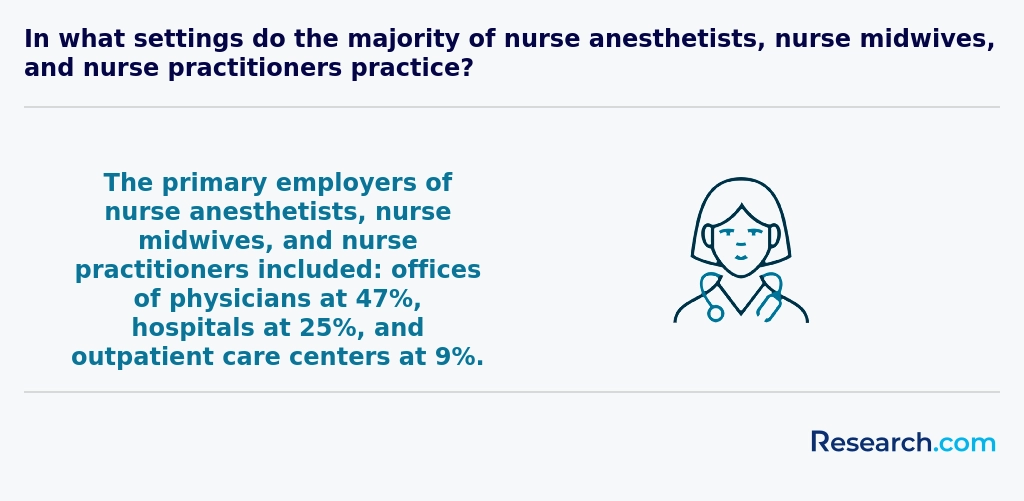
Employment outlook for nursing graduates Tampa highlights not only competitive starting salaries, typically between $55,000 and $60,000, but also growing opportunities in outpatient care centers and community health settings. Students reflect on the supportive environment maintained by Florida's licensing standards, which give them confidence to face real-world challenges. Many also appreciate the affordability of local nursing education compared to national averages and frequently explore options like quick 6 month certifications that lead to high paying jobs to supplement their training and income potential.
2027 Most Affordable Nursing Degree Programs Ranking in Tampa
Investing in your education is a significant decision that can shape your future, and the Research.com team understands the importance of making informed choices. To assist prospective nursing students in Tampa, we have meticulously crafted the "2027 Most Affordable Nursing Degree Programs Ranking in Tampa." Our commitment to quality, credibility, and accuracy is reflected in the extensive research and analysis conducted to compile this ranking.
We utilized the following reputable data sources to ensure a comprehensive evaluation of nursing programs:
By exploring this ranking, readers will gain valuable insights into the most affordable nursing degree options in Tampa, enabling them to make informed decisions that align with both their educational goals and financial considerations. For more details on how this ranking was created, please visit our Research.com methodology page.

# 3 position
South University-Tampa
Master of Science in Nursing

# 4 position
South University-Tampa
Bachelor of Science in Nursing
# 5 position
Hillsborough Community College
Bachelor of Science in Nursing

Frequently Asked Questions About nursing
Nursing degree students in Tampa can maximize their learning experience by combining classroom education with practical clinical placements. Tampa offers access to a range of hospitals and healthcare facilities, such as Tampa General Hospital, providing vital hands-on training opportunities. Studies show that clinical experience significantly improves job readiness and skills application.
Students are encouraged to participate in local nursing associations and attend workshops or seminars to stay updated on industry practices. Additionally, leveraging Tampa's community health programs can offer exposure to diverse patient populations.
Balancing studies with technology use, including simulation labs and online resources, further enhances comprehension and prepares students effectively for licensing exams like the NCLEX-RN.
The nursing field in Tampa is evolving to include several emerging niches that reflect changes in healthcare demands. One rapidly growing area is geriatric nursing, driven by Florida's large aging population. Nurses with specialized training in elder care are increasingly sought after, particularly in Tampa's expanding senior communities.
Another niche gaining attention is informatics nursing, which combines patient care with data management and technology. Tampa's hospitals and clinics are adopting advanced electronic health record systems, creating new roles for nurses skilled in IT integration.
Finally, community health nursing is growing, supported by local public health initiatives addressing chronic diseases prevalent in Tampa, such as diabetes and hypertension. According to the Florida Center for Nursing, these specialties offer strong employment prospects for new graduates.
After completing a nursing degree in Tampa, preparing for the job market involves several key steps. First, graduates should obtain their Florida Registered Nurse (RN) license by passing the NCLEX-RN exam, which is required to practice professionally. The Florida Board of Nursing oversees this process.
Networking is essential; Tampa has a robust healthcare sector with major employers like Tampa General Hospital and BayCare Health System. Attending local job fairs and joining nursing associations such as the Florida Nurses Association can enhance connections.
Also, consider gaining experience through internships or volunteer work to strengthen your resume. According to the U.S. Bureau of Labor Statistics, Tampa's nursing job growth rate is projected at about 15% through 2030, making timely preparation vital.
Employers in Tampa highly value nursing degree graduates who demonstrate strong clinical skills combined with effective communication abilities. According to the Florida Center for Nursing, proficiency in patient care, critical thinking, and teamwork are consistently ranked among the top attributes sought by healthcare organizations in the region.
Technical skills, such as familiarity with electronic health records (EHR) systems and evidence-based practices, are increasingly important. The Bureau of Labor Statistics projects 15% growth for registered nurses in Florida through 2031, emphasizing the need for adaptable professionals.
Additionally, cultural competence is essential due to Tampa's diverse population, enabling nurses to deliver personalized care and improve patient outcomes. Finally, leadership potential and strong ethical standards remain key factors in recruitment decisions within Tampa's competitive healthcare sector.
Finding nursing internships in Tampa involves leveraging local healthcare facilities and educational resources. Tampa hosts several hospitals like Tampa General Hospital and Moffitt Cancer Center, which traditionally offer clinical placements for nursing students. These internships provide hands-on experience essential for licensure and career development.
Many Tampa nursing programs have partnerships with these institutions, so contacting your school's clinical coordinator is a key first step. The Florida Center for Nursing reports that clinical internships significantly improve employment chances, so engaging early is beneficial.
Additionally, exploring opportunities through the Hillsborough County Public Schools and Tampa Bay Healthcare Collaborative can provide networking access to internships tailored to nursing students.
Obtaining a nursing degree in Tampa significantly enhances career mobility and advancement within the local healthcare sector. According to the Florida Center for Nursing, Tampa's demand for registered nurses (RNs) is expected to grow by over 15% through 2027. This growth creates opportunities for degree holders to enter diverse roles, from bedside care to leadership positions.
A degree not only meets licensure requirements but also opens pathways to specialized certifications and advanced practice roles, such as nurse practitioners or clinical nurse specialists. Local healthcare employers often prioritize candidates with Bachelor of Science in Nursing (BSN) or higher degrees, reflecting national trends emphasizing education for better patient outcomes.
Furthermore, Tampa's healthcare institutions, including Tampa General Hospital, support staff development through tuition assistance, benefiting those pursuing further education and upward mobility. This educational foundation is crucial for nurses aiming to increase their salaries, responsibilities, and impact in the region.
Studying for a nursing degree in Tampa equips students with essential skills to thrive in interdisciplinary healthcare teams. Programs in the area emphasize collaborative learning, often incorporating courses involving communication, ethics, and team-based patient care. According to the Florida Center for Nursing, Tampa nursing programs align curricula with national standards that encourage cooperation between nurses, physicians, social workers, and other health professionals.
Tampa's healthcare facilities, such as Tampa General Hospital, provide clinical rotations that expose students to real-world interdisciplinary settings. These experiences foster practical teamwork and problem-solving.
Combined, academic and clinical experiences prepare nursing graduates to function effectively within diverse healthcare environments, improving patient outcomes.
Choosing between a thesis and a non-thesis nursing degree program in Tampa depends largely on your career goals and academic preferences. Thesis programs typically require original research and are ideal if you plan to pursue a doctorate or a research-intensive role. Non-thesis options focus more on practical skills and clinical experience, suited for students aiming for advanced practice or leadership roles in healthcare.
In Tampa, universities like the University of South Florida offer both options, with thesis tracks often taking longer to complete. According to the Florida Center for Nursing, about 30% of local BSN graduates pursue further education, highlighting demand for graduate-level options.
Consider workload, timeline, and your interest in research versus clinical practice when deciding which program fits your needs best.
Students based in Tampa seeking to study nursing abroad have several pathways through U.S. university partnerships and exchange programs. Many universities in Tampa, such as the University of South Florida, offer nursing students the opportunity to participate in international clinical rotations or study abroad semesters in countries like Ireland, Australia, and Canada. These programs provide hands-on experience in global healthcare systems while earning credits towards their nursing degrees.
Additionally, organizations like the Commission on Graduates of Foreign Nursing Schools (CGFNS) facilitate credential evaluation for students intending to work internationally. According to the U.S. Bureau of Labor Statistics, global nursing demand is rising, encouraging Tampa students to explore overseas options.
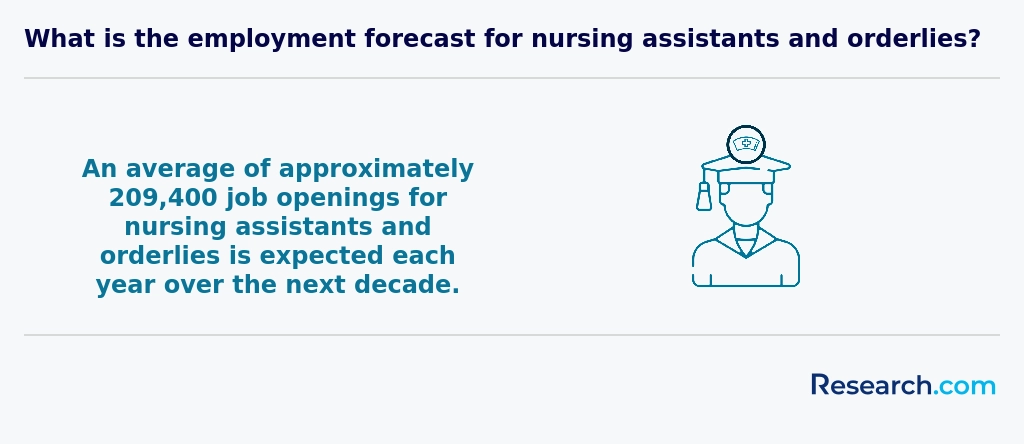
Part-time job opportunities in Tampa that complement nursing degree education often involve healthcare and patient support roles. Many nursing students find work as certified nursing assistants (CNAs), providing basic care in hospitals or nursing homes while gaining hands-on experience. According to the U.S. Bureau of Labor Statistics, Tampa's healthcare sector is growing steadily, with a 12% increase in nursing jobs projected through 2030.
Other common roles include medical scribes, pharmacy technicians, or patient care technicians. These jobs allow students to apply theoretical knowledge in real-world settings, improving communication and clinical skills. Tampa's numerous hospitals and clinics offer flexible schedules ideal for students balancing coursework and work.
Nursing students in Tampa have access to various networking opportunities that support their education and career growth. Many Tampa-based institutions, such as the University of South Florida and Hillsborough Community College, offer student nursing organizations that host events, workshops, and career fairs. These gatherings allow students to connect with nursing professionals and potential employers.
Local healthcare facilities, including Tampa General Hospital and Moffitt Cancer Center, frequently offer internships and clinical rotations. These experiences provide practical exposure and enable students to build professional relationships. Additionally, Tampa hosts chapters of national nursing associations, such as the Florida Nurses Association, promoting networking and continuing education.
Alumni networks provide valuable support for nursing degree students in Tampa by connecting them with experienced professionals and recent graduates. These connections often lead to mentorship opportunities, which help students navigate clinical placements and academic challenges. With Tampa's growing healthcare sector, including major hospitals like Tampa General, networking through alumni can improve job prospects after graduation.
Many alumni actively participate in local nursing associations and job fairs, creating pathways for internships and employment. According to the Florida Center for Nursing, collaborative networks increase employment rates for nursing graduates by up to 15% in the region. Such networks also offer access to continuing education and industry updates, keeping students well-informed.
Customizing a nursing degree program in Tampa starts with selecting the right school that offers flexible options. Many local institutions provide various tracks such as ADN, BSN, or MSN, allowing students to align studies with career goals. Elective courses and clinical placements in specialized fields like pediatrics, geriatrics, or emergency care enable tailored experiences suited to individual interests.
In Tampa, clinical partnerships with leading hospitals offer practical exposure, important for shaping expertise. Some programs also support part-time study or online courses, helping working professionals balance education and employment.
According to the Florida Center for Nursing, Tampa's demand for nurse specialists is growing, making customization crucial for meeting market needs. Cost considerations and scholarship availability further influence program choices.
Nursing students in Tampa commonly face a variety of challenges during their education. One significant difficulty is managing the rigorous academic workload alongside demanding clinical hours. According to the Florida Nursing Education Coalition, many students report high stress levels due to balancing coursework, exams, and practical experiences.
Another challenge is securing clinical placements in local hospitals. Tampa's growing healthcare industry means competition for hands-on experience can be intense, limiting opportunities for some students. Additionally, financial concerns are prominent, as tuition and related expenses often strain budgets despite available federal aid programs.
Lastly, students must adapt to evolving healthcare technologies and evidence-based practices, which require continuous learning and adaptability throughout their studies.
With a nursing degree in Tampa, graduates can pursue various professional certifications to enhance their careers. Common certifications include the Certified Nurse Assistant (CNA), Licensed Practical Nurse (LPN), and Registered Nurse (RN) licenses, all required for practicing in Florida.
Advanced certifications are available in specialties such as Critical Care Nursing (CCRN), Emergency Nursing (CEN), and Pediatric Nursing (CPN). These credentials often require passing exams administered by organizations like the American Nurses Credentialing Center (ANCC).
In Tampa, nurses benefit from strong local hospital networks that support certification continuing education, contributing to the city's higher-than-average nurse retention rates reported by the Florida Center for Nursing in 2023.
Writing a winning application for a nursing program in Tampa requires careful preparation and attention to detail. Start by thoroughly researching the specific programs you want to apply to, as requirements vary between institutions such as the University of South Florida and Hillsborough Community College.
Strong academic performance is essential. Most nursing programs in Tampa expect a minimum GPA of 3.0, especially in science-related courses. Include official transcripts demonstrating your grades.
Clinical experience or volunteer work in healthcare settings enhances your application. Tampa hospitals often partner with nursing schools, making local experience valuable.
Prepare a clear, concise personal statement explaining your motivation and commitment to nursing. Highlight any unique experiences that demonstrate resilience or empathy.
Finally, secure strong letters of recommendation from healthcare professionals or educators familiar with your abilities.
The nursing profession holds significant global importance, with diverse opportunities and challenges shaping its future. In the United States, including Tampa, nursing is recognized as a vital healthcare pillar. According to the U.S. Bureau of Labor Statistics, employment for registered nurses is projected to grow 9% from 2020 to 2030, faster than the average for all occupations.
Internationally, nurses often face varying scopes of practice and educational requirements, yet core values like patient-centered care remain universal. The demand for skilled nurses due to aging populations and chronic diseases emphasizes the value of nursing education in Tampa, which aligns with national standards and global trends.
Florida's nursing schools, such as those in Tampa, prepare students to meet both local and international healthcare needs, reflecting an increasingly interconnected health workforce. Data from the Florida Center for Nursing highlights that Tampa's nursing graduates contribute significantly to addressing regional healthcare disparities while holding credentials recognized beyond U.S. borders.
Gaining practical experience while studying for a nursing degree in Tampa is essential for career readiness. Most nursing programs in the area, including those at Hillsborough Community College and the University of South Florida, integrate clinical rotations into their curricula. These rotations allow students to work in local hospitals and healthcare facilities, applying classroom knowledge in real-world settings.
Additionally, Tampa's healthcare industry offers internships and volunteer opportunities at places like Tampa General Hospital, where students can develop hands-on skills under professional supervision. According to the Florida Center for Nursing, such experiences improve employment prospects significantly.
Students should also consider joining nursing student associations, which often coordinate workshops and networking events that further practical learning.
When choosing a concentration within a nursing degree program in Tampa, consider your career goals and the local healthcare demands. Tampa's growing healthcare sector often seeks nurses specialized in gerontology, pediatrics, and emergency care, reflecting the city's diverse and aging population. According to the Florida Center for Nursing, registered nurses in Tampa earn an average salary of around $65,000, but specialists may earn more.
Review program accreditation and course offerings to ensure they align with your interests. Clinical placement opportunities in Tampa hospitals and clinics are crucial for hands-on experience. Speak with academic advisors about future job prospects in specific nursing fields within the Tampa Bay area.
- 2027 Most Affordable Nursing Degree Programs Ranking in Orlando
- 2027 Most Affordable Nursing Degree Programs Ranking in Jacksonville
- 2027 Most Affordable Nursing Degree Programs Ranking in Fort Lauderdale
- 2027 Most Affordable Nursing Degree Programs Ranking in Miami
- 2027 Most Affordable Nursing Degree Programs Ranking in Macon
- 2027 Most Affordable Nursing Degree Programs Ranking in Mobile
- 2027 Most Affordable Nursing Degree Programs Ranking in Atlanta
- 2027 Most Affordable Nursing Degree Programs Ranking in Birmingham
- 2027 Most Affordable Nursing Degree Programs Ranking in Hattiesburg
- 2027 Most Affordable Nursing Degree Programs Ranking in Memphis
See What Experts Have To Say About Studying Nursing
Read our interview with Nursing experts


- Tampa Bay: Financial Aid | Galen College of Nursing https://galencollege.edu/campuses/tampa-bay/financial-aid
- Challenges Experienced by Novice Undergraduate ... https://www.cureus.com/articles/411718-challenges-experienced-by-novice-undergraduate-nursing-students-in-their-clinical-learning-environment-a-qualitative-study
- Interdisciplinary Education and Practice https://www.aacnnursing.org/news-data/position-statements-white-papers/interdisciplinary-education-and-practice
- Four-Year BSN https://www.ut.edu/academics/college-of-natural-and-health-sciences/nursing-degrees/four-year-bsn
- Top Nursing Skills U.S. Employers Want to See on Your Resume | O'Grady Peyton https://www.ogradypeyton.com/blog/job-seeker-resources/top-nursing-skills-u.s.-employers-want-to-see-on-your-resume
- Your Questions About Online Nursing School, Answered https://www.allnursingschools.com/how-to-get-into-nursing-school/online-programs/
- How to Choose the Right Nursing Program for Your Career Goals - Maria College https://mariacollege.edu/blog/how-to-choose-the-right-nursing-program-for-your-career-goals
- Internship challenges encountered by Nursing students https://www.dovepress.com/internship-challenges-encountered-by-nursing-students-a-qualitative-st-peer-reviewed-fulltext-article-NRR
- How to Choose the Right Nursing School for Your Career Goals | Archer Review https://www.archerreview.com/blog/how-to-choose-the-right-nursing-school-for-your-career-goals
- What Are the Best RN Certifications for Your Career? https://credenzahealth.com/career-advice/what-are-the-best-rn-certifications-for-your-career