2027 Fastest Online Doctorate in Nursing Degree Programs Ranking in the USA

Co-Founder and Chief Data Scientist
For aspiring nurses ready to advance their careers, choosing the right doctorate program is a crucial step. This article introduces the 2027 Fastest Online Doctorate in Nursing Degree Programs Ranking in the USA, carefully developed by the Research.com team of data scientists. The ranking helps students identify quality online nursing programs that fit their goals and schedules.
Exploring these options can open doors to greater expertise, leadership roles, and personal fulfillment. Whether balancing work or family, this guide makes complex decisions simpler and encourages your growth in a rewarding field.
Key benefits of getting online nursing degree in America
- Nursing degree graduates, such as Family Nurse Practitioners, can earn a mean annual wage of $128,490, offering financial stability and rewarding career opportunities.
- Graduates from popular universities often explore diverse roles like Acute Care Nurse Practitioner or Psychiatric Nurse Practitioner, allowing a tailored career path in healthcare.
- Online nursing degrees from well-known institutions provide flexibility and convenience, helping students balance studies with personal life while gaining recognized qualifications.
- 2027 Fastest Online Doctorate in Nursing Degree Programs Ranking in the USA
- What can I expect from online nursing degree in America?
- Where can I work with online nursing degree in America?
What can I expect from online nursing degree in America?
The average cost of an online nursing degree in America generally falls between $300 and $700 per credit hour, a range that reflects the diversity of institutions and program levels. Graduates from well-known nursing schools often remark on the balance they had to strike between affordability and program quality. For instance, students enrolled at established universities renowned for their nursing programs might face tuition toward the higher end of this spectrum, but they frequently highlight the value of comprehensive resources and strong clinical placement assistance offered.
In contrast, some graduates from smaller colleges appreciate the lower tuition rates, which eased financial pressures as they pursued degrees part-time while working. These students emphasize how flexible scheduling and online interaction made the cost manageable without sacrificing educational rigor. Yet, it's important to critically consider that lower cost does not always guarantee better return on investment if the program lacks robust accreditation or support.
Ultimately, the decision about tuition must weigh factors such as accreditation by bodies like the CCNE or ACEN, clinical training opportunities, and the university's reputation for helping students transition to RN licensure or advanced nursing roles.
Where can I work with online nursing degree in America?
Graduates with an online nursing degree in America often find themselves employed in diverse healthcare settings, reflecting strong demand nationwide. Many work in hospitals-where around 60% of registered nurses are employed-taking on roles in emergency rooms, intensive care units, and specialty clinics. For example, those graduating from well-regarded programs like the University of Florida or Ohio State University frequently describe fulfilling experiences advancing patient care and leadership in these busy environments.
Other graduates pursue careers in outpatient clinics or physicians' offices, focusing on chronic disease management and patient education. Online nursing alumni from institutions such as Arizona State University often highlight the satisfaction of building lasting patient relationships in community settings. Additionally, public health departments and long-term care facilities provide opportunities that address healthcare disparities, especially in underserved rural areas.
Some graduates also venture into administrative or educational roles, drawing from advanced degrees earned online. While not every program emphasizes this path, many report rewarding careers shaping future nurses or leading research aimed at improving healthcare outcomes across states like California and Texas.
Graduates with online nursing degrees in America can expect competitive salaries, especially when pursuing advanced roles. For instance, certified nurse practitioners, a common path from programs available at renowned institutions like the University of Pennsylvania or Vanderbilt University, report a mean annual wage of about $128,490. This salary reflects the demand for specialized nursing professionals in diverse settings.
Many graduates share that acquiring an online Bachelor of Science in Nursing (BSN) or a Master of Science in Nursing (MSN) opens doors to these well-paying careers. The flexibility of earning a degree online while working allows students to gain experience simultaneously, often reported by alumni as an empowering advantage.
While salaries vary with location and experience-nurses in states like California and Massachusetts often earn above national averages-the roughly $128,000 figure for roles such as Family or Psychiatric Nurse Practitioners provides a realistic baseline. It's important to note that the credibility of the online program greatly influences hiring prospects, with accredited schools yielding more confidence from employers.
Ultimately, earning potential after an online nursing degree in America is promising but hinges on specialization, geographic factors, and program quality, offering graduates pathways to rewarding, well-compensated roles in healthcare.
- Online nursing degrees must be accredited by organizations like CCNE or ACEN to ensure quality and licensure eligibility.
- Associate degrees (ADN) typically cost between $6,000 and $20,000, while bachelor's and advanced degrees range from $30,000 to $60,000.
- The median annual salary for registered nurses was about $77,600 in 2022, with entry-level nurses earning $60,000 to $65,000 and advanced degree holders potentially exceeding $100,000.
- Employment for registered nurses is expected to grow by 9% from 2022 to 2032, faster than average due to factors like an aging population and increased healthcare demands.
- Graduates must pass the NCLEX-RN exam to obtain licensure, and some states may have additional requirements for those with online training.
Completing an online nursing degree in America varies widely depending on the program level and prior education. For example, graduates from community colleges offering Associate Degree in Nursing (ADN) programs commonly finish in 2 to 3 years, balancing coursework with local clinical hours. Many appreciate the flexibility as it enables them to maintain jobs while studying.
Bachelor of Science in Nursing (BSN) degrees, usually requiring about 4 years full-time at universities like Ohio State or University of Michigan, can be shortened significantly. Graduates who transferred from ADN programs found accelerated RN-to-BSN tracks allowed completion in as little as 12 to 18 months, meeting the urgent demand for skilled nurses with advanced credentials.
Graduate students pursuing Master of Science in Nursing (MSN) degrees, often from well-known institutions such as Vanderbilt or Johns Hopkins, report 1.5 to 3 years of study depending on specialization and part-time options. Those dedicated to leadership roles frequently enroll in Doctor of Nursing Practice (DNP) programs, which typically span 3 to 4 years online, accommodating working nurses eager to advance.
Factors like program design, clinical requirements, and pacing flexibility significantly impact completion time. Many nursing students find accelerated or competency-based paths essential for managing professional and personal commitments without sacrificing quality.
Accreditation is one of the first items to verify when comparing online doctorate in nursing programs. A reputable program should hold institutional accreditation and nursing-specific accreditation from organizations such as the Commission on Collegiate Nursing Education (CCNE) or the Accreditation Commission for Education in Nursing (ACEN). These credentials can affect federal financial aid eligibility, employer recognition, certification eligibility, and state licensure pathways.
Licensure requirements are not identical across states. Before enrolling, confirm that the program is authorized to educate students in your state and that its clinical requirements align with your State Board of Nursing. This is especially important for students pursuing advanced practice roles, because clinical hours, preceptor qualifications, and population-focus requirements may affect certification and state-level approval.
How licensure typically works for DNP graduates
- Complete an accredited doctoral nursing program with required clinical or practicum hours.
- Meet national certification requirements for the intended role, when applicable.
- Apply through the state board for advanced practice registration or other licensure recognition.
- Maintain the license through renewal requirements and continuing education.
Advanced practice graduates may need to pass a certification exam through organizations such as the American Nurses Credentialing Center (ANCC) or the American Association of Nurse Practitioners (AANP), depending on role and specialty. Students considering accelerated Family Nurse Practitioner options can also review guidance on what is the best 12 month fnp program to understand how speed, admissions, clinical planning, and licensure readiness intersect.
A fast doctoral program is only useful if it leads to the credential you actually need. Verify accreditation, state authorization, clinical placement rules, and certification alignment in writing before you enroll.
Online nursing degrees in America offer a distinct flexibility that appeals especially to working adults or those juggling family commitments. Graduates from institutions such as the University of Phoenix often describe the convenience of accessing lectures and assignments from home while balancing other responsibilities. This digital approach enables learners to study around their schedules, which is invaluable for those who cannot relocate or commute daily.
In contrast, students at traditional campuses like the University of Michigan appreciate the immersive environment, where face-to-face interactions with instructors and peers foster deeper connections and immediate feedback. On-campus programs provide access to simulation labs and clinical resources that some learners find motivating and confidence-building.
However, both formats share a critical commonality: hands-on clinical training must be completed in person at approved healthcare facilities. This experiential component ensures practical skill development and complies with state licensure requirements. Graduates frequently note that despite different delivery methods, accredited programs prepare them equally well for the NCLEX-RN exam and nursing careers.
Cost should be evaluated before speed. An accelerated online doctorate can reduce the time you spend in school, but it may also compress tuition payments, clinical expenses, technology fees, travel for intensives, and certification preparation into a shorter period. Before applying, compare total program cost rather than only the per-credit rate.
Prospective students should review tuition by residency status, program level, institution type, required fees, books, background checks, immunizations, clinical onboarding expenses, and any campus residency requirements. Public institutions may charge different rates for in-state and out-of-state students, while private institutions often use a single tuition model. If affordability is a priority, compare broader options such as affordable nursing programs before narrowing your list.
Questions to ask before committing
- Is tuition charged per credit, per term, or as a flat program rate?
- Are online students eligible for the same scholarships and grants as campus students?
- Does the school help students locate clinical sites, or is that the student’s responsibility?
- Are there travel requirements for intensives, simulations, orientations, or final presentations?
- Will employer tuition reimbursement cover doctoral nursing coursework?
Financial planning is strongest when it combines several funding sources: federal aid, institutional scholarships, nursing-specific scholarships, employer tuition reimbursement, service-based programs, and manageable payment schedules. A lower sticker price matters, but the best value is a program that is accredited, licensure-aligned, clinically feasible, and realistic for your work schedule.
The average cost of an online nursing degree in America often centers around a median total tuition of about $32,325. For many students attending well-known public universities with strong nursing programs, in-state tuition can be closer to $27,495, making it a more affordable option. However, out-of-state students frequently face higher costs, with totals nearing $35,245 in some cases, adding a significant financial consideration. Graduates from these programs often share that while the upfront expense feels daunting, the flexibility of online courses allows them to balance work and family, enhancing their overall satisfaction despite the price tag.
Students pursuing advanced degrees, such as doctorate programs, rest assured these costs reflect a range that rewards their commitment to long-term career goals. These programs, offered at respected American colleges known for nursing education, often justify their fees by providing access to extensive clinical networks and expert faculty. Many alumni recall the emotional relief in tapping into scholarships and employer tuition assistance, which soften the financial load and reinforce their belief in the value of investing in a nursing education.
When exploring affordable online doctorate in nursing programs 2027, prospective students should carefully evaluate total expenses beyond tuition, including textbooks and clinical fees. Those who have graduated from popular nursing schools emphasize the importance of researching affordable nursing programs to avoid unexpected costs and to maximize financial aid opportunities.
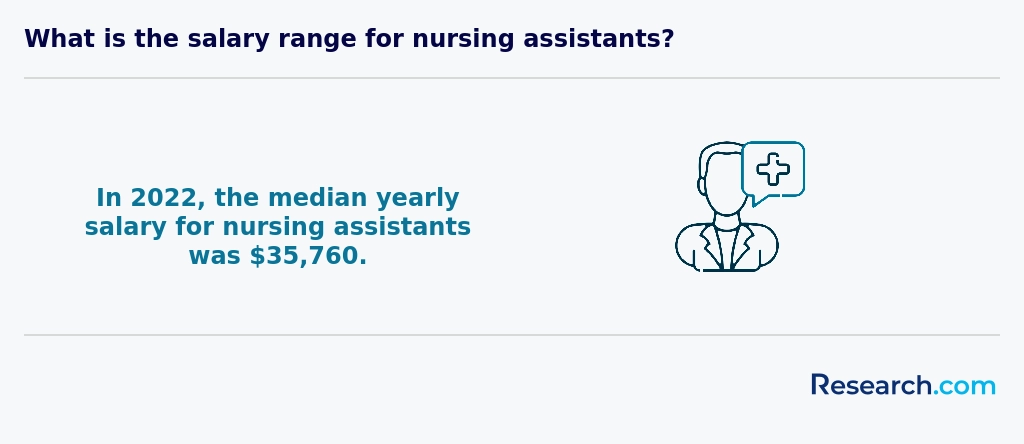
For online nursing students, accreditation and state authorization are practical enrollment requirements, not just quality labels. The Commission on Collegiate Nursing Education (CCNE) and the Accreditation Commission for Education in Nursing (ACEN) are the two primary nursing accreditation bodies recognized by the U.S. Department of Education. A program’s accreditation status may influence federal financial aid access, transferability, employer acceptance, and eligibility for licensure or certification exams.
Students should confirm both institutional accreditation and programmatic nursing accreditation. They should also check whether the program is authorized to enroll students in their state. Online nursing programs often publish state authorization maps, but students should still confirm directly with the school and, when necessary, the State Board of Nursing. This step helps avoid problems with clinical placement approval, certification eligibility, or post-graduation licensure.
State authorization issues to check
- Whether the school can enroll students who live in your state.
- Whether required clinical hours can be completed in your state.
- Whether the program meets your state’s advanced practice or nursing licensure rules.
- Whether preceptors and clinical sites must meet specific state requirements.
Some students enter nursing after earning a bachelor’s degree in another field. For those learners, direct-entry or bridge pathways may provide a structured route into advanced nursing study. If you are still comparing pre-doctoral options, review the shortest online direct entry msn programs for non-nurses to understand how accelerated MSN pathways can fit into a longer nursing education plan.
The safest approach is to verify licensure fit before applying. Do not assume that an online program approved in one state automatically satisfies requirements in another.
Financial aid for online nursing degrees in America often comes through federal grants, loans, state programs, private scholarships, and employer tuition assistance. Graduates from schools like the University of Texas or Ohio State University frequently share how completing the FAFSA opened access to Pell Grants-need-based funds up to $7,395 annually-which eased their financial burden significantly. These grants don't require repayment, making them an ideal starting point for many students.
Loans such as Direct Subsidized and Unsubsidized Loans are another common option, but it's essential to weigh the long-term impact of debt. Some graduates, especially those attending public universities, found federal loans manageable due to lower interest rates and flexible repayment plans compared to private loans.
State-specific scholarships and programs, like the Nurse Corps Scholarship Program, often require a service commitment but provide valuable support to those willing to work in underserved areas. Private scholarships from bodies like the American Association of Colleges of Nursing also reward merit or financial need, contributing to a mixed funding landscape.
Meanwhile, working nurses pursuing online degrees benefit from employer tuition reimbursement. Many have expressed relief and motivation upon receiving such benefits, which reduce immediate out-of-pocket expenses and encourage career advancement without sacrificing income.
Program speed matters, but cost can determine whether a doctoral nursing degree is sustainable. Students comparing online doctorate options should consider total tuition, mandatory fees, clinical expenses, possible travel, scholarship availability, and whether a faster timeline reduces or increases financial pressure.
Arizona students, and students comparing regional tuition options, may benefit from reviewing cost-focused rankings alongside speed-focused rankings. For a deeper look at budget-conscious options, explore the Low Cost Nursing Degree Programs Ranking in Arizona. Use it to compare tuition, accreditation, support services, and program structure before deciding whether a faster program is also the most financially responsible choice.
Enrolling in an online nursing degree program in America typically requires a high school diploma or equivalent, a baseline requirement across institutions such as those affiliated with the Commission on Collegiate Nursing Education (CCNE) or the Accreditation Commission for Education in Nursing (ACEN). Graduates from online BSN programs at well-known universities often reflect on how completing prerequisite courses like human anatomy, microbiology, and general chemistry helped them feel prepared and confident when progressing into more complex subjects.
These foundational courses also serve to align applicants with standards from the American Association of Colleges of Nursing (AACN), ensuring readiness for the demanding curriculum. For those aiming at graduate levels, such as MSN or DNP programs popular among students at respected colleges, having an active Registered Nurse (RN) license earned through the NCLEX-RN exam is crucial. Many share that the clinical experience required, alongside maintaining a GPA near 3.0, reinforced their practical skills and deepened their engagement with patient-centered care.
Applicants should also anticipate additional requirements like letters of recommendation or personal statements, which some schools use to assess the candidate's professionalism and commitment. Within this framework, prospective students appreciate the clear prerequisites as a roadmap that provides structure and motivation on their path to joining the nursing profession in the U.S.
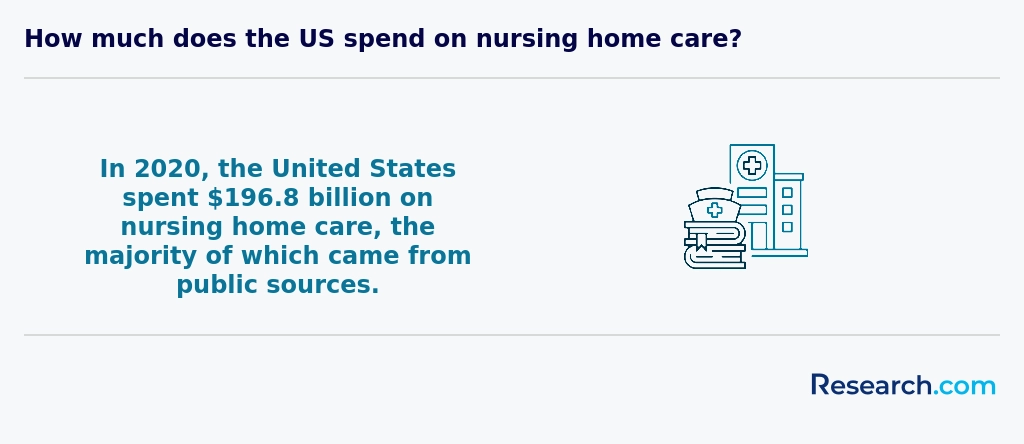
Doctoral nursing programs generally follow two major paths: the Doctor of Nursing Practice (DNP) and the PhD in Nursing. Both are terminal degrees, but they serve different professional goals.
DNP (Doctor of Nursing Practice)
- Practice-focused: leadership, clinical excellence, health policy
- Capstone project: implements evidence-based solutions in real settings
- Duration: typically 1.5–3 years post-MSN
- Career outcomes: clinical director, executive nurse, policy advisor
PhD in Nursing
- Research-focused: theory development, scholarly inquiry, teaching
- Dissertation: original research contributing to nursing science
- Duration: usually 3–6 years
- Career outcomes: university faculty, research scientist, principal investigator
Choose the DNP if your goal is to improve clinical practice, lead healthcare teams, implement evidence-based change, or move into executive practice roles. Choose the PhD if your goal is to conduct original research, teach at the university level, publish scholarship, or become a principal investigator.
Many nurses build toward doctoral study through earlier credentials. Some strengthen their foundation through programs like an RN-to-BSN at easy nursing programs to get into before advancing to a doctorate.
Online nursing degree programs in America commonly include courses like anatomy and physiology, pathophysiology, and pharmacology, which together build a strong clinical foundation. Graduates from popular schools report that understanding these subjects greatly boosts their confidence when handling real patients.
Many students highlight health assessment and nursing research as especially valuable, helping them develop sharp clinical judgment and evidence-based decision-making skills. For example, graduates from well-known nursing colleges often share how leadership and management courses prepared them to navigate high-pressure healthcare environments effectively.
Some programs also offer community and public health nursing courses, encouraging students to appreciate diverse population needs-an essential perspective given America's varied healthcare landscape. Graduate-level courses may focus on specialties such as family or psychiatric nursing, which many find rewarding as they apply advanced clinical knowledge in real-world settings.
Overall, these courses aim to balance theoretical knowledge with practical skills, supporting students in becoming adaptable, compassionate healthcare professionals.
Online nursing degree specializations USA typically include a range of focused areas that meet the diverse needs of American healthcare. Graduates often highlight specializations like Family Nurse Practitioner (FNP), which emphasizes primary care and preventive health-an appealing choice for those who want to serve all ages in community settings. Another common path is Psychiatric-Mental Health Nurse Practitioner (PMHNP), a field gaining urgency due to increasing mental health awareness. Many students from respected institutions find this specialization personally rewarding, given the opportunity to address psychological well-being directly.
Specializations like Acute Care Nurse Practitioner (ACNP) prepare nurses to handle critical cases in hospitals, demanding a high level of commitment but opening doors to advanced clinical roles. Meanwhile, some prefer tracks in Nursing Education or Administration, drawn by the chance to influence future nurses or manage health services efficiently. Beyond these, fields such as Pediatric Nursing and Gerontological Nursing reflect demographic realities, making them practical choices. For those exploring options, understanding the nuances of each specialization helps tailor their education to career goals.
Prospective students curious about timeline efficiency often ask what is the best 12 month fnp program, seeking fast yet comprehensive training. Evaluating these specializations thoughtfully ensures alignment with personal and professional aspirations within America's evolving healthcare landscape.
Choosing the best online nursing degree in America means carefully balancing factors like accreditation, cost, and flexibility. Graduates from well-known public universities often highlight the reassurance they felt knowing their programs were accredited by bodies like CCNE or ACEN, which ensured their education met national standards and supported licensure. However, some students pursuing affordable online nursing doctorate programs USA emphasize the importance of comparing total costs beyond tuition, including technology and clinical placement fees, which vary widely between institutions.
Another critical aspect is clinical experience. Many graduates recall how programs at popular colleges provided hands-on opportunities through clinical placements arranged near their homes, a factor especially important for those in rural areas who need practical exposure without excessive travel. This on-the-ground support often distinguishes top accredited online nursing degrees America from less effective options.
Flexibility is also key. Students juggling work and family responsibilities benefit from programs offering asynchronous classes and strong support services. Some find that specialization options or tracks tailored to registered nurses significantly enhance their career prospects. For non-nurses exploring advanced paths, looking into the shortest online direct entry msn programs for non-nurses can be a strategic choice.
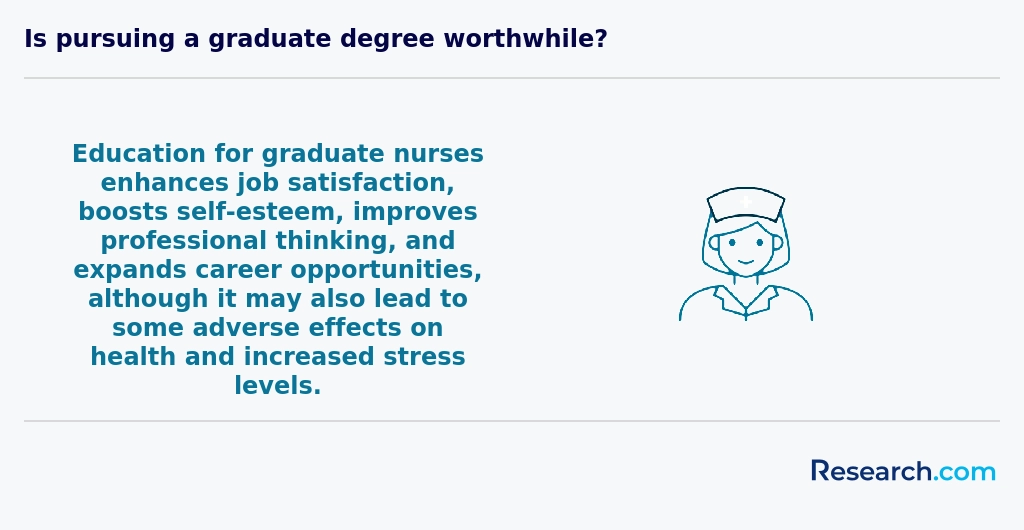
Graduates of an online nursing degree in America commonly pursue roles such as Registered Nurse (RN), where they engage directly with patients in hospitals or clinics, often sharing how they find this frontline work both challenging and rewarding. Many from well-known nursing schools, like those at the University of Pennsylvania or Johns Hopkins University, highlight the practical skills gained through their programs as crucial for this role. Beyond the RN track, some choose to advance into Nurse Practitioner (NP) roles, gaining autonomy in diagnosing and treating patients, which reflects a growing trend among online nursing degree career options USA that promises stronger financial stability and professional growth.
Other job opportunities America offers include specialized positions like Clinical Nurse Specialists, Nurse Educators, and Nurse Anesthetists, with graduates frequently expressing pride in making tangible impacts on healthcare quality and education. Additionally, healthcare administration roles appeal to those interested in leadership rather than direct patient care, showing the diversity available.
For students concerned about affordability while exploring these nursing degree job opportunities America, it's worth consulting resources such as the Low Cost Nursing Degree Programs Ranking in Arizona to find programs that fit both budget and career ambitions.
The job market for graduates with an online nursing degree in America remains promising, reflecting steady demand driven by an aging population and advancements in healthcare. Many graduates from well-known nursing programs in universities across the country report feeling confident entering roles in hospitals, outpatient centers, or public health agencies. However, the competitive nature of this field means students benefit from choosing accredited programs to ensure their credentials are respected by employers.
Graduates often share how flexible online formats allowed them to balance work and study while still gaining quality education, which helped them secure positions quickly after graduation. Especially for those earning degrees from institutions recognized for rigorous training, the nursing career opportunities in America can be diverse and rewarding, ranging from bedside care to administrative roles.
Despite the strong demand, prospective students should weigh the cost of programs and potential earnings carefully. One helpful resource for exploring potential careers is the best paid bachelor degrees guide. Such insights assist in understanding how various nursing pathways align with long-term financial goals.
2027 Fastest Online Doctorate in Nursing Degree Programs Ranking in the USA
Investing in your education is a significant decision that can shape your future, and the Research.com team understands the importance of making informed choices. To assist prospective students nationwide, we have meticulously crafted the "2027 Fastest Online Doctorate in Nursing Degree Programs Ranking in the USA." Our commitment to quality, credibility, and accuracy is reflected in the extensive research and analysis conducted to compile this ranking.
We utilized the following reputable data sources to ensure a comprehensive evaluation of online nursing doctorate programs:
By exploring this ranking, readers will gain valuable insights into the fastest programs available, helping them make informed decisions to advance their careers efficiently. For more details on our methodology, please visit our Research.com methodology page.





# 14 position
Duquesne University
Executive Nurse Leadership and Health Care Management, Post-Masters


# 19 position
Maryville University of Saint Louis
Doctor of Adult-Gerontology Primary Care Nurse Practitioner


Frequently Asked Questions About nursing
Online nursing degree students in America can enhance their learning by actively engaging with course materials and instructors. Interaction through discussion boards and virtual study groups helps build a supportive community, which is crucial for retention and success.
Scheduling regular study times and balancing clinical practice hours with coursework are essential. According to the American Association of Colleges of Nursing, nearly 82% of nursing programs now incorporate online learning, highlighting its growing importance.
Utilizing available resources, such as virtual simulations and libraries, further strengthens practical skills. Students should also connect with state nursing boards to ensure clinical placements meet licensure requirements specific to their states.
The nursing field in America is evolving rapidly, creating new opportunities for specialization. Emerging niches include gerontological nursing, focusing on elderly care as the U.S. population ages. According to the U.S. Census Bureau, adults aged 65 and older will comprise nearly 20% of the population by 2030, increasing demand for skilled professionals in this area.
Another growing specialty is informatics nursing. This niche blends healthcare and information technology to improve patient care through data management and electronic health records, a focus supported by the American Nurses Association.
Additionally, telehealth nursing is expanding, particularly after the COVID-19 pandemic accelerated remote patient care. The Bureau of Labor Statistics highlights a rising need for nurses adept in virtual consultation and monitoring.
After completing an online nursing degree in America, preparing for the job market requires strategic steps to enhance employability. First, graduates should obtain RN licensure by passing the NCLEX-RN exam, as required in all states. According to the National Council of State Boards of Nursing (NCSBN), the pass rate for first-time test takers was about 87% in 2023, making exam preparation crucial.
Networking through professional organizations like the American Nurses Association can open job opportunities. Additionally, gaining clinical experience through internships helps build practical skills employers seek.
Maintaining updated certifications such as Basic Life Support (BLS) also improves job prospects in this competitive field.
Employers in the United States highly value certain skills in nursing degree graduates, especially those who complete online programs. Clinical competence is essential; graduates must demonstrate the ability to provide safe and effective patient care. Communication skills also rank near the top, as nurses need to coordinate with patients, families, and healthcare teams efficiently.
Critical thinking and problem-solving abilities are crucial for adapting to complex medical situations. According to the American Association of Colleges of Nursing (AACN), about 70% of nursing employers emphasize strong clinical judgment in hires. Additionally, technological proficiency is increasingly important due to electronic health records and telehealth services.
Finally, professionalism and empathy remain central to nursing careers, supporting patient trust and teamwork within healthcare settings.
Finding nursing internships in America requires targeted research and proactive networking. Students often start by consulting their online nursing program's career services, which usually maintain updated lists of affiliated hospitals, clinics, and healthcare facilities offering internships.
The American Association of Colleges of Nursing (AACN) reports that clinical experience is essential in nursing education, and around 80% of nursing programs collaborate with healthcare providers to secure internship placements.
Additionally, platforms like the National Student Nurses' Association provide resources and guidance for locating internships across states. It's beneficial to connect directly with local hospitals and health centers to inquire about openings, especially in regions with a high demand for nurses.
Finally, students should attend nursing conferences and career fairs, where they can meet potential employers and learn about internship opportunities firsthand.
Online nursing degrees in America significantly enhance career mobility by providing flexible access to advanced education. Nurses with a bachelor's or higher degree from accredited online programs can pursue leadership roles more easily. According to the U.S. Bureau of Labor Statistics, nurses holding a Bachelor of Science in Nursing (BSN) or higher generally have better job prospects and higher earning potential.
These degrees allow working professionals to balance employment and study, accelerating qualification for specialized fields like nurse practitioner or nurse educator roles. The American Association of Colleges of Nursing states that 65% of healthcare employers prefer BSN-prepared nurses, which boosts advancement chances.
Furthermore, online programs often include updated curriculum aligned with healthcare industry demands, supporting nurses to stay competitive nationwide.
Studying for a nursing degree in America equips students with skills to thrive in interdisciplinary healthcare teams. Programs emphasize collaboration with professionals in medicine, social work, pharmacy, and public health. According to the American Association of Colleges of Nursing (AACN), 82% of nursing curricula include training in teamwork and communication.
Online nursing degrees often integrate case studies and simulation exercises that mimic real-world interdisciplinary scenarios. This experiential learning helps nurses understand various roles and coordinate patient care effectively.
Furthermore, courses frequently cover leadership and healthcare policy, preparing nurses to contribute to clinical decision-making beyond bedside care. This broad skill set aligns with the increasing demand for nurses in multifaceted roles across diverse healthcare settings.
Choosing between a thesis and a non-thesis nursing degree program in America depends largely on your career goals and learning preferences. A thesis program involves conducting original research, which is ideal for students interested in academic or research roles. The American Association of Colleges of Nursing (AACN) notes that thesis options often prepare graduates for PhD pathways or teaching positions.
Non-thesis programs focus more on practical skills and coursework, suiting nurses aiming for leadership or clinical practice. According to NCES data, non-thesis programs typically require less time to complete, often appealing to working professionals balancing study with jobs.
Consider your long-term ambitions and time availability when deciding which path best fits your needs.
American students interested in studying nursing abroad through online programs have limited but growing options. Due to strict U.S. nursing licensure requirements, most online nursing degrees come from regionally accredited U.S. schools. However, some international universities offer online nursing coursework that can complement U.S.-based credits, especially in global health or specialized nursing topics.
According to the National Council of State Boards of Nursing (NCSBN), graduates from non-U.S. institutions must meet evaluation criteria to sit for the NCLEX-RN exam. This impacts the appeal of fully foreign nursing degrees for licensure in the U.S.
Many U.S. students use study-abroad programs during their on-campus nursing courses to gain international experience while ensuring proper accreditation.
Many students pursuing online nursing degrees in America seek part-time jobs that enhance their education and resume. Common roles include certified nursing assistants (CNAs), medical scribes, and patient care technicians. These positions offer hands-on experience with patient care, critical for nursing competencies.
According to the U.S. Bureau of Labor Statistics (BLS, 2023), CNAs held over 1.3 million jobs nationwide, making it a readily available position. Such work helps students develop clinical skills and time management.
Additionally, jobs in medical offices as administrative assistants or health educators allow nursing students to understand healthcare systems and patient interactions. Flexible scheduling of these roles supports academic commitments.
Choosing part-time work related to healthcare can improve practical knowledge, foster networking opportunities, and increase employability after graduation.
Online nursing students in America have various networking opportunities designed to connect them with peers, faculty, and healthcare professionals. Many programs offer virtual discussion boards, group projects, and live webinars that foster interaction. According to the American Association of Colleges of Nursing (AACN), about 70% of nursing schools provide access to alumni networks, which can be instrumental for mentorship and career advancement.
Additionally, students can join professional organizations like the American Nurses Association or specialty groups, which host online events and provide platforms for collaboration. These resources help create connections essential for clinical placements and job searches.
Alumni networks offer significant advantages to online nursing degree students in America. These networks provide access to a broad community of nursing professionals, enabling students to build valuable connections for career advancement. According to the American Association of Colleges of Nursing (AACN), nearly 90% of nursing positions are filled through networking.
Through alumni events, mentorship programs, and online forums, students can seek guidance on licensure, certifications, and clinical opportunities tailored to their specialization. These networks also support job placement and professional development, important as the Bureau of Labor Statistics projects a 9% growth in registered nurse employment through 2032.
In short, alumni networks enhance both educational experiences and future career success for online nursing students in the U.S.
Customizing an online nursing degree program in America allows students to align education with specific career goals. Many programs offer flexible electives and specialization options, such as nurse practitioner, nurse educator, or healthcare administration tracks. According to the American Association of Colleges of Nursing (AACN), 63% of nursing schools provide various concentrations within their online programs to meet workforce demands. Students can also select part-time or accelerated formats based on their schedules and experience.
Clinical placements often reflect a student's chosen focus, facilitating relevant hands-on learning. Additionally, some schools enable credit transfer from prior nursing certifications, reducing time and cost.
Online nursing students in America often face significant challenges balancing rigorous coursework with clinical practice requirements. According to the American Association of Colleges of Nursing (AACN), clinical placements can be difficult to secure remotely, given the hands-on nature of nursing education.
Time management is a common struggle, as many students juggle work, family, and study commitments simultaneously. A 2023 survey by Nursing Education Perspectives found that 62% of online nursing students reported stress linked to managing these responsibilities.
Additionally, limited face-to-face interaction with instructors and peers may hinder immediate feedback and hands-on skill development. Connectivity issues and access to reliable technology can also disrupt learning.
With an online nursing degree in the United States, graduates can pursue several widely recognized professional certifications. These include the Certified Nurse Practitioner (CNP), Certified Nurse Midwife (CNM), and Certified Registered Nurse Anesthetist (CRNA), depending on specialization. Many nurses also aim for the Certified Nurse Educator (CNE) credential if they are interested in academic roles. According to the American Association of Colleges of Nursing (AACN), certification enhances career opportunities and validates expertise in clinical settings.
Certification requirements typically include passing a standardized exam and meeting specific clinical experience hours. Online degree programs accredited by bodies recognized by the National Council of State Boards of Nursing (NCSBN) often prepare students well for these credentials.
Writing a winning application for an online nursing program in America requires clear organization and attention to specific requirements. Most programs expect applicants to have a valid RN license and a minimum GPA, often around 3.0. Including detailed clinical experience and highlighting leadership skills in nursing can strengthen your application. According to the American Association of Colleges of Nursing (AACN), emphasizing your commitment to improving healthcare outcomes is highly valued.
Craft a compelling personal statement that explains your motivation and goals. Provide accurate transcripts and strong letters of recommendation from professional contacts familiar with your nursing work. Meet all deadlines and follow the application guidelines precisely to improve your chances.
The nursing profession holds a vital role globally, with diverse opportunities and challenges. In the United States, the Bureau of Labor Statistics projects a 9% growth in registered nurse employment from 2022 to 2032, reflecting strong national demand. This growth aligns with trends worldwide, where aging populations and healthcare needs drive a rising demand for qualified nurses.
On a global scale, nurses are recognized as essential healthcare providers, often leading patient care teams. Many countries, including the U.S., emphasize advanced education for nurses through online degree programs to address workforce shortages and improve expertise. Internationally, the World Health Organization highlights nursing as key to achieving universal health coverage.
For U.S. students, earning an online nursing degree can offer flexibility, making it easier to enter a profession that is respected and in increasing demand both nationally and globally.
Gaining practical experience while pursuing an online nursing degree in America is essential for meeting licensure requirements and developing clinical skills. Most accredited programs require students to complete clinical hours at approved healthcare facilities. These placements are usually arranged locally, allowing students to work in hospitals, clinics, or nursing homes near their residence.
The number of required clinical hours varies; for example, the American Association of Colleges of Nursing states that Bachelor of Science in Nursing (BSN) programs typically mandate 500 to 700 hours. Additionally, some programs partner with healthcare providers to facilitate externships and practicums.
Virtual simulations are increasingly used to supplement hands-on experience, helping students practice decision-making and patient care scenarios safely. These tools, supported by the National Council of State Boards of Nursing, help bridge experience gaps during the COVID-19 era and beyond.
Choosing the right concentration within an online nursing degree program in America begins with understanding your career goals. Nursing specialties like Family Nurse Practitioner, Nurse Anesthesia, and Psychiatric-Mental Health are among the most in-demand fields, according to the Bureau of Labor Statistics, projecting a 40% growth rate for nurse practitioners by 2030.
It's essential to consider the specific licensure requirements and certifications tied to each concentration, as they vary by state. Many programs offer specializations aligned with national standards set by the American Association of Colleges of Nursing.
Evaluate your interests and work experience, and compare curricula designs. Programs accredited by organizations such as the Commission on Collegiate Nursing Education (CCNE) ensure quality education and can impact your eligibility for federal financial aid.
See What Experts Have To Say About Studying Nursing
Read our interview with Nursing experts

Lisa Grubb
Nursing Expert
Assistant Professor
Johns Hopkins School of Nursing

- Nursing Internship and Externship Programs https://jobs.mayoclinic.org/nursinginternexternprograms
- Tips for Creating a Perfect Nursing School Application https://www.allnursingschools.com/articles/how-to-create-the-perfect-nursing-school-application/
- Career Advancement Pathways for Nurses : Expert RN shares 10+ Professional growth opportunities - MuminMed https://blog.muminmed.com/career-advancement-pathways-for-nurses/
- How Long Is Nursing School in The USA? | Shiftmed Blog https://www.shiftmed.com/professionals/blog/how-long-is-nursing-school-in-the-usa/
- Do I Have to Write a Thesis to Complete a Master’s Degree in Nursing? https://www.bestmasterofscienceinnursing.com/faq/write-thesis-complete-masters-degree-nursing/
- How to Set and Achieve Your Nursing Career Goals | HealthTrust https://engage.healthtrustjobs.com/how-to-set-achieve-nursing-career-goals
- Search Nursing Jobs - ANA Career Center https://jobs.ana.org/
- How to Be Successful in Nursing School: 10 Tips https://credenzahealth.com/career-advice/10-ways-to-excel-as-a-nursing-student
- Exploring Diverse Nursing Career Horizons - N2S Healthcare Blog https://n2shealthcare.com/blog/exploring-diverse-nursing-career-horizons-n2s-healthcare-blog
- Nurse Salary https://nursinglicensemap.com/resources/nurse-salary/