
2027 Most Affordable Nursing Degree Programs Ranking in the USA

Co-Founder and Chief Data Scientist
Are you considering a nursing degree but worried about the costs? Our article introduces the 2027 Most Affordable Nursing Degree Programs Ranking in the USA, carefully created by the Research.com team of data scientists. This ranking helps you find nursing programs that offer great value without sacrificing quality.
Choosing the right program is a big step toward a rewarding career in healthcare. Reading this article will guide you through affordable options that can set you up for success and financial peace of mind.
Investing in a nursing degree opens doors to a meaningful profession where you can make a real difference.
Key benefits of getting nursing degree in America
- Graduates with a nursing degree can expect strong earnings, such as Registered Nurses, Clinical Nurse Educators, Public Health Nurses, and Emergency Room Nurses, each earning a mean annual wage of $94,480, while Operating Room Nurses can earn up to $128,490 annually.
- Nursing degree graduates from well-known universities often find diverse career paths, including hospital work, community health, education, and emergency care, offering rewarding and stable job opportunities.
- Online nursing degrees from reputable schools provide flexible learning options, helping students balance work and study efficiently while earning the same valuable credentials as traditional degree programs.
- 2027 Most Affordable Nursing Degree Programs Ranking in the USA
- What can I expect from nursing degree in America?
- Where can I work with nursing degree in America?
What can I expect from nursing degree in America?
The average cost of a nursing degree in America varies widely depending on the type of program and institution. Graduates of public universities like the University of North Carolina or state colleges often report paying between $40,000 and $70,000 for a Bachelor of Science in Nursing (BSN) over four years, including tuition, fees, and supplies. Private institutions such as Johns Hopkins University may have higher tuition, sometimes exceeding $100,000, but many students find scholarships and financial aid to help manage expenses.
Students emphasize the value of investing in accredited programs that combine strong academics with extensive clinical rotations, often offered through hospitals affiliated with their schools. These hands-on experiences are not only essential for licensure but also foster confidence and job readiness, making the cost worthwhile.
Financial planning is crucial; many new nursing students create budgets factoring in living expenses, textbooks, and exam fees alongside tuition. Some graduates share how leveraging federal aid and employer tuition reimbursement programs eased their financial burden, enabling them to focus on building rewarding careers in healthcare.
Where can I work with nursing degree in America?
Graduates from nursing programs at well-known institutions like the University of Pennsylvania or Johns Hopkins often find themselves employed in hospitals, which remain the top workplace for about 55% of nurses in America. Imagine working a shift in an intensive care unit or a maternity ward, where fast-paced environments demand strong skills and provide deeply rewarding experiences.
Others discover fulfilling roles in outpatient care centers or physician offices, offering routine care and engaging directly with patients for follow-ups and minor procedures. Nursing alumni from schools such as the University of Washington frequently highlight the satisfaction of providing consistent, personalized care in these settings.
Home healthcare is another growing field. Graduates from programs like the University of Michigan recount supporting patients recovering from surgery in their own homes, creating meaningful connections while delivering critical care.
Many also explore careers in public health or administration, applying their knowledge to manage community wellness programs or lead healthcare teams. Nursing students from universities like Emory reflect on the pride that comes from educating populations and shaping healthcare policies.
Federal roles and military nursing provide exciting, unique career paths, combining service with professional growth. Overall, nursing degrees in America unlock diverse career opportunities tailored to different lifestyles and ambitions.
Graduates from nursing programs in America can expect competitive salaries across various roles. For instance, registered nurses, including those who studied at well-known institutions like the University of Pennsylvania or University of Michigan, typically earn a mean annual wage of about $94,480, which translates to roughly $45.42 per hour. This figure aligns with many early-career nurses who start around $58,000 to $70,000, then grow their income as they gain experience.
Specialized nursing roles bring even higher paychecks. Operating room nurses, often taking advanced clinical training, see mean annual wages near $128,490 or $61.78 hourly. Graduates who advance into these areas report feeling pride in their expertise and financial rewards that match their hard work.
Many graduates from popular nursing colleges share how gaining certifications or seeking jobs in high-demand geographic areas significantly boosted their income. By focusing on skill-building and choosing the right location, new nurses in America can maximize their earnings and job satisfaction while contributing meaningfully to healthcare.
- Nursing degrees in the U.S. include ADN, BSN, and advanced degrees like MSN, with BSN becoming the preferred entry-level credential.
- Annual tuition for a BSN ranges from $10,000 to $20,000 at public universities and $30,000 to $50,000 at private institutions; ADN programs cost around $6,000 to $10,000 per year.
- Entry-level registered nurses earn about $60,000 per year, while experienced BSN nurses can make $80,000 to $90,000 annually.
- Advanced practice nurses with graduate degrees may earn between $100,000 and $120,000 or more depending on their specialty.
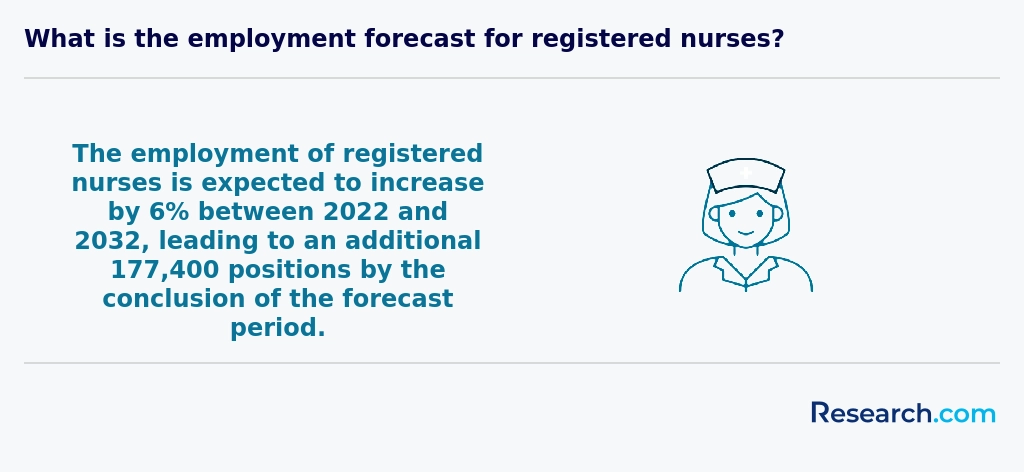
- The nursing job market is expected to grow 9% from 2022 to 2032, faster than average for all jobs, due to rising healthcare demand and nurse retirements.
Completing a nursing degree in America typically varies by the program you choose. An Associate Degree in Nursing (ADN) usually takes two to three years at community colleges like those in California or Texas, perfect for students eager to start their nursing careers quickly. Graduates often share how this route helped them enter the workforce with confidence in a relatively short time.
If you aim for a Bachelor of Science in Nursing (BSN), expect about four years at universities such as the University of Michigan or Ohio State. Many graduates highlight that while it takes longer, the BSN program offered a richer experience with leadership and research skills that boosted their career options and earning potential.
For those already holding an ADN, RN-to-BSN bridge programs at institutions like Western Governors University provide flexibility, allowing working professionals to upgrade their credentials in one to two years, often through online courses. This balance suits students who need to keep their jobs while advancing.
Advanced degrees like the MSN require an additional one to three years post-BSN and open doors to specialized nursing roles. Many nurses find this path highly rewarding as it equips them for leadership and expert clinical positions.
Accreditation and state approval are non-negotiable in nursing education. Before enrolling, confirm that the program can lead to licensure in the state where you plan to practice. A low tuition price is not worth the risk if the program does not qualify you for the NCLEX-RN or meet state board standards.
- Look for nursing accreditation from CCNE or ACEN, the two main nursing accrediting bodies recognized by the U.S. Department of Education.
- Confirm approval by your State Board of Nursing, which determines whether the program meets licensure eligibility requirements.
- Review recent NCLEX-RN pass rates. Programs with rates above 80% generally indicate stronger curriculum alignment and exam preparation.
- Choose accredited programs when possible because they can support federal financial aid eligibility, transfer credits, graduate study, and employer confidence.
- If you need a program with more accessible admissions, compare nursing programs with high acceptance rates that still meet accreditation and state approval standards.
Always verify licensure rules directly with the state board and the school. Requirements can vary by state, program format, and clinical placement location.
Online nursing degrees in America, like those offered by institutions such as the University of Cincinnati, provide flexibility ideal for working adults or parents managing busy schedules. Graduates often highlight how studying remotely allowed them to balance clinical hours at nearby hospitals with family commitments, reducing stress associated with commuting.
On-campus programs, for example at the University of Washington, immerse students in direct face-to-face learning and hands-on experiences in simulation labs and affiliated hospitals. Many graduates appreciate the vibrant campus life and immediate access to faculty, which fosters strong professional networks and mentorship opportunities.
Both formats require clinical training, but online students coordinate placements locally, which can feel empowering yet requires proactive communication. On-campus students typically access more structured clinical supervision, benefitting from quick faculty feedback during training.
Cost also varies: public university nursing students pay roughly $9,000 annually in-state, making online options attractive by cutting additional campus-related expenses. Choosing between formats depends on your lifestyle, financial situation, and preferred learning environment, which successful students at large American nursing schools weigh carefully.
ROI helps you estimate whether the cost of a nursing degree makes sense compared with expected earnings after graduation. A strong ROI does not always mean choosing the cheapest program. It means choosing a program that is affordable, accredited, likely to lead to licensure, and aligned with the roles you want.
- Compare total program cost with expected earnings. The average BSN cost is $89,556–$211,392, or approximately $30,884/year. The mean RN salary is $89,010/year, or approximately $7,417/month. Specialized roles such as Operating Room Nurse report $124,680/year.
- Estimate your payback period. If your estimated annual net income after taxes and living expenses is $50,000, divide your total program cost by that amount. For example, $120,000 ÷ $50,000 is approximately 2.4 years. Scholarships, grants, employer support, and lower-cost public programs can shorten this timeline.
- Plan for loan repayment before borrowing. Federal income-driven plans can cap payments at 10–20% of discretionary income. Public Service Loan Forgiveness (PSLF) may eliminate remaining debt after 10 years of qualifying employment.
- Consider accelerated pathways when appropriate. Career changers who already hold a bachelor’s degree may reduce time in school through online absn programs for non nurses, which often complete a BSN in 12–18 months instead of the traditional four-year track.
Before enrolling, calculate your likely borrowing, monthly payment, graduation timeline, and expected first-year income. This gives you a clearer view of affordability than tuition alone.
The average cost of a nursing degree in America varies widely, but median figures suggest that students typically spend about $41,240 in total. For in-state residents attending public universities known for their nursing programs-such as the University of North Carolina or University of Washington-the cost can be significantly lower, averaging around $16,320. Graduates from these schools often share how financial planning and scholarships helped them handle tuition fees without overwhelming debt, making the goal of becoming a nurse feel attainable and empowering.
Many students choose affordable nursing programs in United States community colleges or public universities which offer solid education with lower price tags compared to private institutions. For example, those pursuing an Associate Degree in Nursing from a community college often spend between $6,000 and $15,000, depending on residency. Meanwhile, Bachelor of Science in Nursing degrees at reputable state universities range higher but remain manageable with proper aid and work-study options.
It's practical for prospective students to look beyond tuition figures-factoring in supplies, uniforms, and clinical fees. Taking advantage of federal financial aid programs, grants, and employer tuition reimbursement plans can reduce the overall financial burden. Many students are pleasantly surprised by available resources when they thoroughly research their options, such as programs listed in the cheapest nursing degree rankings.
This approach helps turn the dream of a nursing career into a financially feasible reality, allowing students to focus on their studies and patient care without undue stress about cost.
Many nursing students at universities like the University of Michigan or the University of North Carolina find federal financial aid essential for managing costs. Filling out the FAFSA unlocks access to Pell Grants, which can cover up to $7,395 per year without repayment. Subsidized federal loans also offer manageable interest rates, making it easier to focus on studies rather than finances.
Specialized scholarships from organizations such as the Health Resources and Services Administration (HRSA) provide targeted support, often requiring service in underserved areas after graduation. Some state programs similarly offer scholarships, creating opportunities for those attending colleges like Ohio State or the University of Florida. Graduates frequently share how employer tuition reimbursement helped them advance from RN to BSN without overwhelming debt.
The Nurse Corps Loan Repayment Program is another powerful option, offering up to 85% loan forgiveness for nurses working in critical shortage facilities. Work-study jobs related to nursing at schools like Johns Hopkins allow students to earn while gaining clinical experience, reducing debt and building confidence for their nursing careers.
To enroll in a nursing degree program in America, you must first hold a high school diploma or GED, a requirement nearly all programs share. For example, graduates from nursing programs at the University of Pennsylvania emphasize how their strong high school foundation in science and math-especially courses like biology, chemistry, and algebra-helped them excel from day one. Completing these prerequisite courses with a grade of C or higher is essential to demonstrate readiness for college-level nursing coursework.
Many nursing applicants face the TEAS exam, which tests reading, math, science, and English skills. Nursing students at Ohio State University often share how preparing for the TEAS strengthened their study habits and confidence before starting clinical practice. In addition, letters of recommendation and healthcare experience, even volunteering at local clinics, enhance applications by showing genuine commitment.
Keep in mind that before clinical rotations, schools like UCLA require background checks and immunization records to protect both students and patients. These requirements ensure you're prepared for hands-on learning and patient interaction in real-world settings.
The most affordable nursing program is the one that keeps total cost manageable while still qualifying you for licensure and the career path you want. Tuition matters, but it should not be the only factor. A low-cost program that lacks proper accreditation, has limited clinical placements, or does not meet your state’s nursing board requirements can delay licensure and cost more in the long run.
When comparing affordable nursing programs, look closely at these cost drivers:
- Degree level: ADN programs are usually shorter and less expensive than BSN programs, while MSN and DNP programs require a larger investment but may support advanced roles.
- Institution type: Community colleges and public universities often provide lower tuition, especially for in-state students.
- Residency status: In-state tuition can significantly reduce the total price at public institutions.
- Program format: Online coursework can reduce commuting and housing costs, but nursing programs still require in-person labs, simulations, or clinical rotations.
- Clinical placement support: A cheaper program may be less convenient if students must arrange their own clinical sites or travel long distances.
- Fees and supplies: Budget for uniforms, background checks, immunizations, equipment, exam fees, books, and transportation to clinical sites.
Online options can be useful for students who need flexibility, especially working adults and parents. However, an online nursing program should still provide a clear clinical plan and meet state licensure rules. If cost is your top concern, compare tuition, fees, and program outcomes among the cheapest nursing degree options before making a final decision.
Nursing degree programs in America typically include a mix of science, clinical practice, and leadership courses designed to build strong, practical skills. Graduates from well-known colleges like the University of Pennsylvania or the University of Michigan often highlight foundational courses such as Human Anatomy and Physiology, Microbiology, and Nutrition for understanding patient health at a deeper level.
Clinical courses like Fundamentals of Nursing and Adult Health Nursing prepare students to confidently handle real patient care scenarios, with hands-on experience in hospitals or community clinics. Many find pharmacology particularly empowering, as it directly impacts medication safety and patient outcomes.
Courses in Nursing Leadership and Healthcare Ethics also feature prominently, helping students develop professionalism and decision-making skills essential for advancing in diverse healthcare settings. Graduates often recall feeling prepared and confident entering their first nursing roles, thanks to the comprehensive and practical curriculum offered by respected nursing programs across the country.
Nursing degrees in America typically offer a variety of specializations tailored to meet diverse healthcare demands. Common types of nursing specializations in America include Registered Nurse (RN) Generalist, Adult-Gerontology, Pediatrics, Psychiatric-Mental Health, Midwifery, Family Nurse Practitioner (FNP), and Oncology. Graduates from universities like the University of Pennsylvania or University of Michigan often share how specializing enhanced their confidence in clinical settings, especially when caring for elderly patients or children.
For example, students focusing on Adult-Gerontology find meaningful opportunities addressing aging populations, which is highly relevant given America's demographic shifts. Those interested in mental health appreciate the intensive training in Psychiatric-Mental Health nursing, preparing them to support diverse patient needs effectively.
Graduate-level programs frequently offer advanced options, and many students consider online absn programs for non nurses to accelerate their path, balancing education with personal responsibilities. Exploring nursing degree specializations in the USA allows students to align their passion with career growth and job satisfaction.
To choose the best nursing degree in America, start by assessing program accreditation, such as through CCNE or ACEN, ensuring the degree meets licensure requirements and offers access to federal aid. Many graduates from well-known public universities highlight how accredited programs gave them confidence and smoother paths to becoming licensed nurses.
Next, factor in cost and financial aid options. Public colleges often charge around $7,000 yearly in tuition, while private schools may exceed $20,000. Students praised affordable nursing degree programs in the USA for balancing quality and budget, allowing them to focus on their studies without overwhelming debt. Exploring scholarships and aid specific to nursing can significantly reduce expenses.
Consider how quickly you want to start working. ADN programs last about two years, ideal for immediate workforce entry, while BSNs at popular colleges provide broader job opportunities and typically yield 10-15% higher salaries. Graduates frequently recommend checking NCLEX-RN pass rates and clinical placement quality to ensure hands-on experience. For those seeking faster routes, fast-track lpn programs are also worth exploring.
Finally, location, class sizes, and career goals are crucial. Many graduates from top nursing schools in America by cost emphasize how smaller classes improved their learning and personalized mentorship. If aiming for leadership roles, a BSN or advanced degree is often essential, supported by insights from the Nursing Workforce Survey.
Graduates holding a nursing degree in America have a wide range of career paths available to them, tailored to their education and interests. Many start as Registered Nurses (RNs), working in hospitals or clinics delivering hands-on patient care, where a sense of fulfillment comes from directly improving lives. Those with a Bachelor of Science in Nursing (BSN) often move into leadership roles or specialized positions such as nurse educators or clinical nurse specialists, which can be found at institutions like the University of Pennsylvania or the University of Washington.
For those pursuing advanced roles, becoming an Advanced Practice Registered Nurse (APRN)-including nurse practitioners and nurse anesthetists-offers opportunities for greater autonomy and higher salaries. This pathway is popular among graduates who appreciate both clinical challenge and community impact, especially in underserved areas.
Other appealing options include public health nursing, healthcare administration, travel nursing, and research nursing, which some graduates have found offers flexibility and excitement. For students exploring cost-effective education routes, reviewing the Most Affordable Online Master's in Nursing Degree Programs Ranking in Columbia, MO can provide valuable guidance. These diverse career opportunities highlight the dynamic potential of nursing career options in the USA.
The nursing degree job outlook USA is very promising, especially for graduates from well-known nursing programs at universities such as the University of Pennsylvania or Johns Hopkins. Many graduates find rewarding employment quickly after completing their degrees, thanks to the ongoing shortage of skilled nurses nationwide. For example, graduates working in urban hospitals often experience diverse patient care environments that enhance their skills and job satisfaction.
The diversity of nursing career opportunities in America is a strong motivator for many students. Nurses take on roles in hospitals, outpatient clinics, and community health centers, as well as in rural and underserved areas where demand is particularly high. Graduates report feeling fulfilled by making meaningful differences in patient lives and having stable, well-paying jobs. Registered Nurses starting with typical salaries around $77,600 can further increase earnings by specializing or advancing to roles like Nurse Practitioners.
For students concerned about affordability, many find value in programs designed to be accessible and cost-effective. Those exploring accelerated paths often look into top 6 month associate degree online options that balance cost and swift entry into the workforce, making the financial commitment manageable while addressing the strong job demand.
2027 Most Affordable Nursing Degree Programs Ranking in the USA
Investing in your education is a significant decision that can shape your future, and the Research.com team understands the importance of making informed choices. To assist prospective nursing students across the USA, we have carefully developed the "2027 Most Affordable Nursing Degree Programs Ranking in the USA." Our dedication to quality, credibility, and accuracy is demonstrated through thorough research and rigorous analysis behind this ranking.
We utilized the following reputable data sources to ensure a comprehensive evaluation of nursing degree programs:
By exploring this ranking, readers will gain valuable insights into the most affordable nursing degree programs nationwide, enabling them to make well-informed decisions that align with their career goals and financial considerations. For more details on how this ranking was created, please visit our Research.com methodology page.


# 14 position
Thomas Edison State University
Master of Science in Nursing


Frequently Asked Questions About nursing
To maximize their learning experience, nursing degree students in America should engage actively in both classroom and clinical settings. The National Council of State Boards of Nursing emphasizes the importance of hands-on practice, which is critical for developing essential skills. Networking with instructors and peers can provide valuable insights and support throughout the program. Utilizing resources such as simulation labs, which 75% of nursing schools now offer, enhances practical learning. Additionally, students should take advantage of internships and volunteer opportunities to gain real-world experience. Staying informed about continuing education and certification updates also prepares students for a competitive job market.
The nursing field in America is evolving rapidly, with several emerging niches attracting new professionals. One notable area is gerontological nursing, driven by the aging U.S. population. The U.S. Census Bureau projects that by 2030, all baby boomers will be over 65, increasing demand for specialized elderly care.
Telehealth nursing is also growing, accelerated by advances in digital technology and remote patient monitoring. According to the American Nurses Association, telehealth roles are expected to expand significantly post-pandemic.
Additionally, genetic nursing offers opportunities as personalized medicine advances. Nurses trained in genetics help interpret tests and guide patient care based on genetic information, a field supported by initiatives from the National Human Genome Research Institute.
Other emerging fields include pain management and environmental health nursing, reflecting broader healthcare needs and societal shifts.
After earning a nursing degree in America, preparing for the job market requires strategic planning. First, obtaining licensure through the National Council Licensure Examination (NCLEX-RN) is essential for registered nurses. According to the National Council of State Boards of Nursing, passing this exam is a mandatory step to practice professionally.
Next, gaining clinical experience through internships or residencies can improve employment prospects. The Bureau of Labor Statistics reports that healthcare employers often prefer candidates with hands-on experience.
Networking is also vital; joining professional organizations like the American Nurses Association helps build connections and access job listings. Finally, continuing education and certifications in specialties such as pediatrics or geriatrics can increase competitiveness in the job market.
Employers in the United States value several key skills in nursing degree graduates. Clinical competence is essential; nurses must demonstrate strong abilities in patient care, medication administration, and infection control. According to the National Council of State Boards of Nursing (NCSBN), critical thinking skills greatly impact patient outcomes and are highly sought after.
Communication skills are equally important, as nurses often coordinate with patients, families, and healthcare teams. The U.S. Bureau of Labor Statistics highlights that effective interpersonal skills improve teamwork and patient satisfaction.
Additionally, adaptability and technological proficiency are increasingly important due to evolving healthcare technologies and electronic health records.
Finding internships relevant to a nursing degree in America typically begins with exploring opportunities through your nursing school's career services. Many accredited nursing programs are tied to hospitals and clinics that offer clinical placements or internships as part of the curriculum.
The American Association of Colleges of Nursing (AACN) states that over 80% of nursing students receive clinical placements before graduation, providing practical experience in various healthcare settings.
Additionally, students can search for internships on healthcare job platforms and state nursing boards' websites, which sometimes list approved clinical internship programs. Networking with healthcare professionals and attending nursing career fairs also improves chances of securing internships.
Early application is important because internships in high-demand areas, like intensive care and pediatric nursing, fill quickly. Some programs require students to have a minimum GPA or CPR certification before applying.
In the United States, earning a nursing degree significantly enhances career mobility and advancement opportunities. According to the Bureau of Labor Statistics, registered nurses with a Bachelor of Science in Nursing (BSN) tend to access higher-paying roles and leadership positions more quickly than those with an associate degree. A BSN is often required for specialized fields like nurse practitioner or nurse educator, with a projected job growth of 40% through 2031.
Higher degrees improve eligibility for advanced certifications and clinical roles, expanding career pathways. Employers increasingly prefer degree-holding nurses for managerial and research positions, reflecting industry trends towards evidence-based practice.
Studying for a nursing degree in America equips students with skills essential for interdisciplinary roles. Nursing programs accredited by bodies like the CCNE emphasize teamwork across healthcare fields, including medicine, pharmacy, and social work. According to the American Association of Colleges of Nursing (AACN), over 80% of Bachelor of Science in Nursing (BSN) curricula integrate interprofessional education to improve communication and patient outcomes.
Courses often include simulation labs and clinical rotations where nursing students collaborate with other professionals. This hands-on approach fosters understanding of various healthcare perspectives, crucial in settings such as hospitals and community health centers. Such preparation aligns with the evolving demands of the U.S. healthcare system, which increasingly relies on collaborative care models.
When choosing between a thesis and a non-thesis nursing degree program in America, consider your career goals first. Thesis programs typically require original research and a written document, making them ideal for students aiming for roles in academia, research, or doctoral studies. Non-thesis programs usually focus on advanced clinical skills and coursework, preparing graduates for leadership or practice-focused positions.
The average cost for these programs varies by institution, with online or public universities often offering more affordable options for both pathways. According to the American Association of Colleges of Nursing, nearly 40% of graduate nursing students enroll in non-thesis tracks, reflecting demand for practice-oriented education.
Additionally, thesis programs can take longer to complete, often up to two years, while non-thesis tracks may be shorter and more flexible, accommodating working nurses. Understanding your professional ambitions helps guide the choice between research intensity and practical application.
American students interested in studying nursing abroad have several pathways to consider. Many US institutions partner with international universities to offer exchange programs or dual degrees, allowing students to gain global experience while earning credits toward their US nursing degree. According to the American Association of Colleges of Nursing (AACN), over 50% of nursing schools provide study abroad opportunities or clinical placements overseas.
Popular destinations include the United Kingdom, Australia, and Canada, where nursing curricula often align with US standards. Students can also enroll directly in foreign nursing programs, but must carefully verify licensure transferability through the National Council of State Boards of Nursing (NCSBN).
Part-time job opportunities that complement nursing degree education in America include roles such as certified nurse assistant (CNA), medical scribe, and home health aide. These positions provide practical experience in clinical settings, improving essential skills like patient care and medical documentation. According to the U.S. Bureau of Labor Statistics, CNAs earn a median wage of around $15 per hour and often work flexible shifts, making the job suitable for students.
Medical scribing offers exposure to healthcare workflows and terminology, which is beneficial for nursing students aiming to deepen their understanding of electronic health records. Home health aide jobs allow students to interact directly with patients outside of traditional hospital settings.
Nursing students in America have numerous networking opportunities that can enhance their education and career prospects. Many universities encourage joining professional organizations such as the American Nurses Association (ANA), which offers student memberships, webinars, and conferences. These platforms allow students to connect with experienced nurses and peers nationwide.
Clinical placements and internships at local hospitals or healthcare facilities also provide practical networking environments. According to the National League for Nursing, about 85% of nursing students engage in clinical experiences, essential for building professional contacts.
Additionally, nursing schools often host career fairs and workshops featuring healthcare employers, enabling students to explore job opportunities and gain mentorship.
Alumni networks play a crucial role for nursing degree students in America by providing valuable connections within the healthcare field. According to the American Association of Colleges of Nursing, strong alumni ties often lead to job referrals and career mentoring, which are important given the competitive landscape in nursing employment.
These networks also offer access to continuing education opportunities and workshops tailored specifically for nursing professionals. Many alumni groups facilitate local meetups or online communities where members can share advice on passing licensure exams like the NCLEX-RN.
Furthermore, nursing students benefit from mentorship programs that former graduates establish, helping with career planning and navigating challenges unique to nursing careers in the US.
Customizing your nursing degree program in America allows you to align education with specific career goals. Many universities offer specialized tracks such as pediatrics, geriatrics, or informatics nursing. Selecting electives and clinical rotations focused on these areas helps build targeted expertise.
Degree programs often provide options between Associate Degree in Nursing (ADN), Bachelor of Science in Nursing (BSN), and advanced practice degrees. The BSN is increasingly preferred by employers, with studies showing that 55% of registered nurses held a BSN in 2020, according to the U.S. Bureau of Labor Statistics.
Additionally, some schools offer accelerated, part-time, or online formats, supporting diverse schedules and career timelines. Certification courses during or post-degree can further tailor qualifications to roles like nurse anesthetist or nurse educator.
Nursing students in America often face several significant challenges during their education. One major difficulty is the demanding coursework combined with clinical practice, which requires long hours and high levels of concentration. According to the American Association of Colleges of Nursing (AACN), the rigorous academic and hands-on training can lead to increased stress and burnout.
Financial burdens also affect many students, with the average nursing student loan debt reaching approximately $40,000, as reported by the National Student Nurses' Association in 2023. This financial pressure adds to the overall strain of completing a nursing program.
Additionally, nursing students must develop strong time management skills to balance academic responsibilities with clinical shifts, often scheduled irregularly. The multifaceted workload and emotional demands, especially in clinical settings during events like the COVID-19 pandemic, further complicate their experience.
With a nursing degree in America, graduates can pursue various professional certifications that enhance their credentials and career opportunities. Common certifications include the Registered Nurse (RN) license, which is required to practice nursing nationwide. Beyond RN, nurses can obtain specialty certifications such as Certified Nurse Practitioner (CNP), Certified Nurse Midwife (CNM), or Certified Registered Nurse Anesthetist (CRNA).
The American Nurses Credentialing Center (ANCC) offers over 30 specialty certifications covering areas like pediatrics, oncology, and emergency care. According to the Bureau of Labor Statistics, certified nurses often earn higher salaries and have better job prospects.
Nursing certifications typically require passing a rigorous exam and maintaining continuing education credits, confirming expertise in specific nursing fields.
Writing a winning application for a nursing program in America requires careful preparation and attention to detail. Start by researching the specific requirements of each program, as they can vary widely. Most nursing programs expect a strong academic record, particularly in science and math courses.
Be sure to craft a clear and compelling personal statement. This should highlight your motivation for nursing, relevant experiences, and how you plan to contribute to the field. According to the American Association of Colleges of Nursing, over 70% of applications are rejected due to weak essays.
Additionally, securing strong letters of recommendation from healthcare professionals or professors can boost your chances. Many programs also require the TEAS exam; aim for a score above 70%, which is often considered competitive.
The nursing profession holds a respected status worldwide, with the United States playing a major role in shaping global nursing standards. According to the U.S. Bureau of Labor Statistics (BLS), registered nursing is among the fastest-growing occupations in America, with employment projected to grow 9% from 2022 to 2032. This growth reflects a global demand for well-trained nurses, driven by aging populations and increasing healthcare needs.
American nursing education programs are recognized internationally for their rigorous standards and evidence-based approaches. Many countries look to U.S. models when developing or reforming their nursing curricula.
Globally, nurses often face challenges such as workforce shortages and varying access to education, but the United States provides strong pathways from associate degrees to doctoral levels, supporting diverse career advancement opportunities.
Gaining practical experience while studying for a nursing degree in America is vital for developing essential clinical skills. Most nursing programs require students to complete supervised clinical placements in hospitals, clinics, or long-term care facilities. These experiences typically begin in the second year of study and total between 500 to 1,000 hours, depending on the program type.
Students can also participate in internships, externships, or volunteer positions for hands-on learning. The American Association of Colleges of Nursing reports that clinical hours are a core part of accreditation, ensuring students are workforce-ready upon graduation. Additionally, simulation labs offer safe environments to practice procedures before real patient care.
Choosing the right concentration within a nursing degree program in America starts with understanding your career goals and interests. Nursing offers several specialties, such as pediatrics, geriatrics, critical care, and psychiatric nursing. Each concentration addresses different patient needs and work environments.
The U.S. Bureau of Labor Statistics reports that registered nurses with specialized skills often experience higher demand and better salaries. For example, nurse anesthetists earn a median annual wage exceeding $180,000, according to 2022 data. Consider job outlook, personal strengths, and clinical experiences.
Research accredited programs to ensure your chosen concentration meets state licensing requirements. This will affect your ability to practice and advance. Many schools provide clinical placements aligned with specific concentrations, offering valuable hands-on learning.
See What Experts Have To Say About Studying Nursing
Read our interview with Nursing experts

Lisa Grubb
Nursing Expert
Assistant Professor
Johns Hopkins School of Nursing

- How to Choose the Right Nursing Program for Your Career Goals - Maria College https://mariacollege.edu/blog/how-to-choose-the-right-nursing-program-for-your-career-goals
- Your Path to Becoming a Nurse. https://www.allnursingschools.com/how-to-become-a-nurse/
- Nursing Study Abroad Programs | Go Overseas https://www.gooverseas.com/study-abroad/nursing
- How Long Is Nursing School in The USA? https://www.shiftmed.com/professionals/blog/how-long-is-nursing-school-in-the-usa/
- Nursing Career Paths [Infographic] https://nursinglicensemap.com/blog/nursing-career-pathways/
- Nursing Internship and Externship Programs https://jobs.mayoclinic.org/nursinginternexternprograms
- How Do Nurses Navigate Career Advancement? | NursingEducation https://nursingeducation.org/insights/career-advancement/
- Do I Have to Write a Thesis to Complete a Master’s Degree in Nursing? https://www.bestmasterofscienceinnursing.com/faq/write-thesis-complete-masters-degree-nursing/
- Nursing Internships Abroad: An Introduction - RealStep https://www.real-step.com/en/articles/nursing-internships-abroad/
- The Nurses' Alumni Association https://giving.mainlinehealth.org/get-involved/auxiliaries-and-womens-boards/lankenau-medical-center-womens-board/the-nurses-alumni-association


