
2027 Most Affordable Nursing Degree Programs Ranking in Milwaukee

Co-Founder and Chief Data Scientist
Looking to start a nursing career in Milwaukee without breaking the bank? This article introduces the 2027 Most Affordable Nursing Degree Programs Ranking in Milwaukee, developed by the Research.com team of data scientists. Their detailed research helps you identify nursing programs that offer quality education at the right price.
Choosing the right nursing degree can open doors to a rewarding future. By exploring this ranking, you'll gain valuable insights to make a confident, informed decision about your education and career path.
Key benefits of getting nursing degree in Milwaukee
- Nursing degree graduates in Milwaukee can earn competitive salaries, with Registered Nurses earning a mean annual wage of $94,480 and Operating Room Nurses earning up to $128,490, reflecting strong financial benefits.
- Graduates from local schools like Marquette University have diverse career paths, including roles as Public Health Nurses, Emergency Room Nurses, or Clinical Nurse Educators, offering flexibility and growth.
- Completing a nursing degree online from institutions like the University of Wisconsin-Milwaukee allows students to balance work and study, providing convenience and access to quality education without commuting stress.
- 2027 Most Affordable Nursing Degree Programs Ranking in Milwaukee
- What can I expect from nursing degree in Milwaukee?
- Where can I work with nursing degree in Milwaukee?
What can I expect from nursing degree in Milwaukee?
The average cost of a nursing degree in Milwaukee varies depending on the program and institution but generally ranges from moderate to somewhat high compared to national averages. For example, graduates from the University of Wisconsin-Milwaukee recall tuition fees around $10,000 to $15,000 per year for in-state students pursuing a BSN, excluding additional expenses like textbooks and clinical supplies. Meanwhile, programs at private institutions such as Mount Mary University tend to be higher, often exceeding $20,000 annually, which can challenge students balancing finances with intensive study schedules.
Many nursing students in Milwaukee actively seek financial aid to offset these costs. Federal Pell Grants and scholarships available through various schools often provide welcomed relief, making the investment feel more manageable. Graduates often share that the commitment feels worthwhile given Milwaukee's growing demand for nurses, and the financial support helps reduce the pressure of tuition payments during clinical rotations and study periods.
Still, prospective students should weigh these costs against other factors like program NCLEX pass rates and clinical experience quality at local hospitals. The price is a significant consideration but should be balanced with the value of education and career prospects in Milwaukee's healthcare industry.
Where can I work with nursing degree in Milwaukee?
Graduates with a nursing degree from Milwaukee institutions like the University of Wisconsin-Milwaukee or Milwaukee Area Technical College find a wide variety of employment opportunities. Many start their careers in local hospitals such as Aurora St. Luke's Medical Center or Froedtert Hospital, where roles range from emergency room nursing to specialty care units. These environments can be intense but rewarding, offering hands-on experience that many alumni describe as both challenging and fulfilling.
Beyond hospitals, nursing graduates often find meaningful work in long-term care facilities and nursing homes. Here, nurses provide vital support to elderly patients, which some graduates say offers a sense of purpose through building lasting patient relationships. Community health centers and public health organizations in Milwaukee also hire nurses for roles focused on vaccination drives and chronic illness management, important areas especially evident during recent health crises.
Additionally, home healthcare positions enable nurses to care for patients directly in their homes, a growing field reflecting the city's shift toward outpatient care. Some graduates take different paths into teaching or healthcare administration at local colleges, appreciating the opportunity to influence the next generation of nurses. While job settings vary, Milwaukee nursing graduates often emphasize a shared commitment to community well-being and professional growth.
Graduates from nursing programs in Milwaukee, such as those at Marquette University or the University of Wisconsin-Milwaukee, often find that their degrees open doors to well-paying careers. According to recent data, registered nurses in the area earn an average annual salary of $94,480, reflecting competitive local opportunities. This figure aligns with specialized roles, too; for example, operating room nurses can expect salaries as high as $128,490, showing the value of pursuing advanced or specific nursing disciplines.
Many graduates describe the excitement of stepping into roles where their training matters, seeing how theoretical knowledge gained during studies directly impacts patient care and influences their earnings. Entry-level nurses in Milwaukee typically start between $55,000 and $65,000, but those who pursue further certifications or advanced schooling can move steadily into higher-paying positions.
One graduate from a Milwaukee nursing college shared how clinical rotations in local hospitals gave them confidence and preparation, leading to an immediate job offer with a solid salary. This practical experience often helps bridge the gap between education and full-time professional life, underscoring the financial benefits of nursing degrees here.
- Milwaukee offers nursing degrees including ADN, BSN, and advanced nursing programs for various student types.
- ADN tuition ranges from $8,000 to $15,000 at public community colleges; BSN costs range from $15,000 to $35,000 at four-year universities.
- Nursing jobs in Milwaukee are growing faster than average, with opportunities in hospitals, outpatient centers, and nursing homes.
- Starting salaries for new nurses are typically between $55,000 and $65,000 per year, increasing with experience and certifications.
- Mid-career registered nurses earn between $70,000 and $85,000 annually, while advanced practice nurses earn more.
- Nurses must pass the NCLEX-RN exam, and many programs include preparation for this licensing requirement.
Completing a nursing degree in Milwaukee typically ranges from about 2 to 4 years, depending on the chosen pathway. Graduates from community colleges like Milwaukee Area Technical College often reflect on their ADN program taking around 2 to 3 years, allowing them to enter the workforce relatively quickly while balancing part-time jobs or family responsibilities.
At universities such as the University of Wisconsin-Milwaukee or Marquette University, a full-time BSN program usually spans 4 years. Many students appreciate this timeframe for the comprehensive training it offers, preparing them for more advanced nursing roles. Some graduates who previously earned a bachelor's degree find accelerated BSN programs, completed in 12 to 18 months, to be a rewarding challenge that fits their goals.
Licensed RNs pursuing RN-to-BSN bridge programs typically commit 1 to 2 years, adjusting their studies around work schedules. These real-life commitments reflect how clinical hours and financial considerations can extend timelines, showing that the "typical" duration is flexible and deeply personal to each student's circumstances.
Affordability matters, but the cheapest nursing program is not always the best value. In Milwaukee, students should compare total cost with accreditation, clinical access, NCLEX-RN preparation, graduation support, and transfer or advancement options. A lower tuition bill can become expensive if credits do not transfer, clinical placements are limited, or graduates are not well prepared for licensure.
Start by identifying the credential you need. An ADN can be a faster route into registered nursing, while a BSN may offer broader career mobility and stronger preparation for leadership, public health, and graduate study. Working nurses may also consider bridge programs if they plan to move from an associate degree into advanced roles.
When comparing Milwaukee options, review these factors together:
- Tuition and fees: Look beyond published tuition and include books, uniforms, clinical supplies, exam fees, commuting, parking, and licensing costs.
- Accreditation and state approval: Confirm that the program is accredited and approved for Wisconsin licensure eligibility.
- NCLEX-RN performance: A strong pass rate can signal effective instruction, advising, and exam preparation.
- Clinical partnerships: Programs with reliable local clinical placements can help students gain experience in Milwaukee healthcare settings.
- Financial aid access: Compare scholarships, grants, loans, work-study, and employer tuition benefits before assuming a program is unaffordable.
Students who want a wider cost comparison can review the cheapest nursing programs in Wisconsin to see how Milwaukee programs fit within statewide options.
Choosing between online and on-campus nursing degrees in Milwaukee often comes down to how students balance their time and learning preferences. Graduates from the University of Wisconsin-Milwaukee often recall the energy and immediacy of face-to-face classes, where spontaneous discussions and direct access to campus labs enriched their clinical understanding. Meanwhile, those who studied at Milwaukee Area Technical College appreciate the flexibility online programs provided, especially when juggling jobs or family commitments, even though they still had to complete clinical hours at local healthcare facilities.
On-campus programs offer a structured schedule that some find motivating, embedding students in a community with easy access to faculty and peers. Conversely, online learners prize the ability to control their study hours, using virtual communication tools to connect remotely. Tuition rates in Milwaukee can be similar; however, online students often save on commuting and housing, which eases financial pressure. Ultimately, whether engaging in hands-on learning at a Milwaukee hospital or navigating coursework from home, students often feel a strong sense of accomplishment tailored to their lifestyle.
Before enrolling in any nursing program, confirm that it supports your path to practice in Wisconsin. Accreditation and state approval affect whether you can sit for the NCLEX-RN, qualify for licensure, transfer credits, pursue graduate education, and meet employer expectations.
- Program accreditation by the Commission on Collegiate Nursing Education (CCNE) or the Accreditation Commission for Education in Nursing (ACEN)
- State approval from the Wisconsin Board of Nursing for eligibility to sit for the NCLEX-RN exam
- Strong NCLEX-RN pass rates (aim for programs reporting 85% or higher)
- Partnerships with accredited clinical sites for hands-on training
After graduation, RN candidates apply for licensure through the Wisconsin Board of Nursing. The process includes submitting official transcripts, completing the NCLEX-RN application, passing a background check, and paying required fees. Students considering flexible bachelor’s-level options can compare cheapest online bsn programs while still verifying clinical and licensing requirements in Wisconsin.
The average cost of a nursing degree in Milwaukee varies widely depending on the type of program and institution. For many students pursuing an Associate Degree in Nursing (ADN) at public community colleges like Milwaukee Area Technical College, tuition is more affordable, often falling near the median in-state total cost of around $35,420. Graduates recall the financial relief of choosing such pathways, enabling them to balance work and study without overwhelming debt.
However, Bachelor of Science in Nursing (BSN) programs at public universities and private colleges typically push total expenses closer to or above the median total cost of $50,920, especially for out-of-state students. While this higher investment can feel daunting, many students express satisfaction with the increased clinical opportunities and networking possibilities available at these institutions, which may justify the expense in the long term.
It's prudent for prospective students to recognize that the average cost of nursing degree programs Milwaukee-wide must also account for additional fees, textbooks, and uniforms, which can add 20% to 30% more to annual expenses. With financial aid and scholarships frequently accessible, students often find creative ways to mitigate costs, a crucial factor in maintaining motivation throughout their demanding education journey.
Anyone aiming to find cost-effective options should explore resources like the cheapest nursing programs in Wisconsin. This can help pinpoint schools that offer quality education aligned with budget constraints, ensuring that pursuing a nursing career in Milwaukee is both attainable and rewarding.
An ADN to MSN bridge program can help registered nurses move from associate-level preparation into graduate-level nursing without repeating unnecessary coursework. These programs are built for RNs who want advanced clinical, leadership, education, or specialty roles while continuing to build on prior nursing education and practice experience.
Many nurses consider rn to np online bridge tracks because they combine flexible coursework with required clinical experiences. Typical ADN to MSN bridge programs can be completed in 18–24 months and often include advanced pharmacology, healthcare policy, nursing research, leadership, and specialization coursework such as nurse practitioner or clinical nurse specialist preparation.
Before choosing this pathway, confirm whether the program matches your licensure status and career goal. ADN to MSN programs are not all structured the same way. Some lead to advanced practice preparation, while others focus on leadership, education, or administration. Clinical placement support is especially important for students in Milwaukee because graduate nursing roles often require carefully supervised specialty practice hours.
When comparing bridge programs, prioritize:
- Accreditation: Choose an accredited program recognized by employers and licensing bodies.
- Clinical placement support: Ask whether the school helps secure placements or expects students to find their own sites.
- Specialization fit: Match the track to your goal, such as primary care, acute care, education, or leadership.
- Schedule flexibility: Online coursework can help working nurses, but clinical requirements still require planning.
- Return on investment: Consider tuition, time away from work, and potential career mobility.
Graduates in advanced roles may see higher starting salaries-often exceeding $100,000 annually-and broader opportunities in primary care, acute care, specialty practice, or leadership. The best choice is the program that aligns cost, clinical access, accreditation, and the specific role you want.
Nursing students in Milwaukee commonly rely on a variety of financial aid sources to manage tuition costs, especially at institutions like the University of Wisconsin-Milwaukee (UWM) and Milwaukee Area Technical College (MATC). Many graduates recall applying through FAFSA to access federal aid programs, including Pell Grants that can cover substantial portions of tuition for low-income students. These grants have provided relief amid the challenging expenses often faced during nursing studies.
State aid also plays a significant role. The Wisconsin Higher Education Grant (WHEG) is frequently mentioned by Milwaukee residents pursuing nursing as it reduces tuition at public colleges based on financial need. Some students emphasize how this grant made technical programs at MATC more affordable while allowing them to stay close to home.
Locally, scholarships from groups like the Wisconsin Nurses Association and tuition assistance from Milwaukee hospitals add further support, especially for those willing to work in community health settings post-graduation. Work-study opportunities tied to clinical placements offer both income and invaluable experience, which many students describe as energizing and confidence-building.
Federal loans remain widely used but require careful planning, since managing repayment is crucial to avoid long-term debt stress after completing a demanding nursing curriculum.
Accreditation is nonnegotiable when evaluating nursing programs. It helps confirm that a program meets recognized academic and clinical standards, and it can affect licensure eligibility, graduate school admission, employer recognition, and financial aid access. The top-ranked Milwaukee nursing programs hold accreditation from the Commission on Collegiate Nursing Education (CCNE) or the Accreditation Commission for Education in Nursing (ACEN).
Outcome data should be reviewed alongside accreditation. Recent data show that the University of Wisconsin–Milwaukee’s BSN program has a 92% first-time NCLEX-RN pass rate, while Marquette University’s MSN program achieves a 95% pass rate. ADN programs report retention rates above 88%, and BSN tracks exceed 80% completion within four years. More than 85% of 2023 graduates secured employment within six months of graduation.
These figures help students separate low-cost programs from high-value programs. A program with low tuition, weak support, and poor completion outcomes may cost more in the long run. A program with higher tuition but strong completion, licensure, and employment outcomes may provide a better path to practice.
Students who plan to continue into doctoral nursing education should apply the same standard: look for accredited programs with clear outcomes, relevant clinical or leadership preparation, and costs that fit long-term plans. For broader comparison, see the Cheapest Online Doctorate in Nursing Degree Programs Ranking in the South.
Enrolling in a nursing degree program in Milwaukee typically means meeting several academic and practical prerequisites. Most students aiming for programs at local institutions, such as Milwaukee Area Technical College or UW-Milwaukee, find that a high school diploma or GED is a minimum requirement, establishing a baseline for academic readiness.
Graduates often recall the importance of completing prerequisite courses in biology with labs focusing on human anatomy, chemistry, and college-level math like statistics. These classes provide a scientific foundation crucial for understanding patient care. Additionally, strong English composition skills are emphasized to aid effective communication-something a number of successful students highlight as key during clinical rotations.
Aside from coursework, meeting GPA thresholds-generally between 2.5 and 3.0-and preparing for tests like the TEAS can determine admission chances. Many students who volunteered at Milwaukee healthcare centers found this exposure both rewarding and instrumental in their acceptance.
Finally, practical factors such as background checks and up-to-date immunizations are non-negotiable to ensure safety during clinical placements. These steps, while demanding, help students feel confident and prepared amid Milwaukee's rigorous nursing education environment.
Graduate outcomes are one of the clearest ways to judge whether an affordable nursing program delivers value. Tuition matters, but a program’s NCLEX-RN pass rate, graduation rate, retention support, and job placement strength show whether students are completing the program and moving into nursing practice.
The NCLEX-RN pass rate is especially important because passing the exam is required for registered nurse licensure. In Milwaukee, top institutions report pass rates that consistently exceed the national average of 85%. The University of Wisconsin–Milwaukee reports a 92% NCLEX pass rate, Marquette University reports a 95% success rate, Milwaukee Area Technical College reports a pass rate around 88%, and Alverno College reports a pass rate around 90%.
Graduation rates also deserve close attention. The 2023 data shows that Milwaukee nursing programs maintain an average graduation rate of 78%, which points to the importance of advising, tutoring, clinical coordination, and student support. Strong completion outcomes can reduce the risk of spending money on credits without earning the credential.
Prospective students should compare outcomes by degree level. ADN, BSN, and RN-to-BSN students may have different timelines, academic support needs, and career goals. If you are exploring bachelor’s-level completion options with cost in mind, review the cheapest bsn programs for additional affordable pathways that may fit working nurses.
| Outcome to review | Why it matters |
| NCLEX-RN pass rate | Shows how well the program prepares graduates for licensure testing. |
| Graduation rate | Indicates whether students receive enough support to complete the degree. |
| Employment after licensure | Helps you assess whether graduates move quickly into nursing roles. |
| Clinical placement quality | Affects readiness for patient care and local hiring connections. |
Nursing degree programs in Milwaukee, such as those at Marquette University and the University of Wisconsin-Milwaukee, typically include a diverse range of courses designed to prepare students comprehensively for healthcare roles. Graduates often highlight foundational science classes like human anatomy, physiology, microbiology, and chemistry as vital for understanding patient care at a deep level.
Many students find the specialized courses-Medical-Surgical Nursing, Maternal and Child Health Nursing, and Mental Health Nursing-especially engaging, as these bring practical and emotional challenges tied directly to real-life patient situations. One common reflection among alumni is how these classes foster both confidence and compassion when caring for diverse patient populations.
Experiential learning through clinical rotations at local hospitals and community health centers is a cornerstone of these programs. Hands-on experiences allow students to apply theoretical knowledge in dynamic settings, preparing them well for licensure and professional practice in Milwaukee's healthcare environment.
Pharmacology, nursing research, and healthcare policy courses further enhance students' understanding by focusing on medication safety, evidence-based practice, and navigating complex healthcare systems. Such coursework is essential for fostering critical thinking and responsiveness to evolving healthcare challenges in Wisconsin.
Nursing degree specializations Milwaukee students encounter often reflect both national healthcare trends and local needs. Common tracks include Registered Nurse (RN) to Bachelor of Science in Nursing (BSN) programs that prepare graduates for leadership roles, as well as Family Nurse Practitioner (FNP) specializations, which address primary care shortages in Milwaukee's diverse communities. Graduates from well-known institutions in the city report the rewarding challenge of applying skills learned in Geriatric Nursing to support Wisconsin's aging population.
Other popular focus areas involve Pediatric Nursing, where students gain hands-on experience with children's hospitals in the region, and Psychiatric-Mental Health Nursing, responding to growing awareness of mental health issues. Emergency Nursing prepares students to work in busy trauma centers, a critical skill in Milwaukee's fast-paced hospital environments. Students have noted that these specializations provide a tangible sense of purpose and immediate impact on patients' lives.
Some students opt for community health nursing or nurse midwifery, aligning their careers with public health initiatives. Considering costs and program availability, those seeking affordable options often explore cheapest bsn programs tailored to their circumstances.
Choosing the best nursing degree in Milwaukee means weighing your goals against practical factors like time, cost, and future opportunities. Graduates from local institutions often reflect on the difference between ADN and BSN programs; while ADN programs typically require two years and afford quicker entry into the workforce, BSN programs usually span four years and open doors to advanced roles and higher pay. For students prioritizing best affordable nursing programs Milwaukee, tuition at public colleges averages about $9,000 annually, yet private options can exceed $20,000, forcing a balance between budget and program quality.
Many students value accredited programs by CCNE or ACEN, as observed by recent graduates who stress the reassurance accreditation provides when applying for licensure and clinical placements. Milwaukee schools with partnerships at Froedtert Hospital enhance clinical experience, crucial for preparing confidently for the NCLEX-RN exam. Some nursing students appreciate flexible schedules that let them work while studying, and for those interested in advancing beyond the BSN, exploring rn to np online pathways is a useful step.
Using local statistics, such as programs consistently exceeding 85% NCLEX pass rates, can help prospective students gauge quality without relying solely on reputation. Ultimately, the top nursing degrees Milwaukee cost and program structure should align not only with career plans but also with one's lifestyle and educational preferences.
Graduates with a nursing degree in Milwaukee find a broad spectrum of career paths shaped by the city's dynamic healthcare landscape. Many jump directly into roles as Registered Nurses, working in diverse environments such as emergency rooms or outpatient clinics at institutions like Froedtert & the Medical College of Wisconsin. These graduates often highlight the satisfaction of hands-on patient care combined with competitive wages, reflecting the robust local demand for skilled nurses.
Beyond typical nursing jobs in Milwaukee, some graduates pursue specialized positions such as Licensed Practical Nurses or Advanced Practice Registered Nurses, which demand different levels of education but offer varied responsibilities and rewards. Others leverage their clinical experience to become Nurse Educators or enter public health roles, contributing to community wellness efforts across Milwaukee.
Additionally, some nursing graduates explore healthcare administration or nursing informatics, reflecting a growing interest in leadership and technology integration. For those worried about tuition costs, the average range of $8,000 to $20,000 per year in Wisconsin is often tempered by financial aid, making programs at local universities more accessible. Prospective students can also consider options like the Cheapest Online Doctorate in Nursing Degree Programs Ranking in the South to further their education affordably.
The nursing job opportunities in Milwaukee reflect a robust and steadily growing market fueled by local healthcare demands. Graduates from well-known Milwaukee colleges often find that the region's hospitals and care facilities, such as Froedtert and Aurora Health Care, actively seek new nursing talent, especially in critical care and outpatient roles. These graduates share that while salary ranges around $70,000 to $80,000 are competitive for the area, securing specialized certifications or advanced degrees can markedly improve hiring chances and pay scale.
Students pursuing a Milwaukee nursing degree career outlook appreciate the relatively affordable tuition rates in public institutions, which typically range from $7,000 to $12,000 annually. This makes college education financially approachable, encouraging many to enter the field. Hands-on clinical experiences in local facilities strengthen their readiness and confidence in real-world nursing roles, fostering enthusiasm amid the job search.
With the expansion of telehealth and outpatient services, new nursing graduates are witnessing emerging roles beyond traditional hospital settings. Many also explore certificate careers that pay well, broadening avenues within nursing. Overall, challenges like nurse shortages in specialties further improve opportunities for recent graduates, creating a dynamic environment for those invested in Milwaukee's healthcare sector.
2027 Most Affordable Nursing Degree Programs Ranking in Milwaukee
Investing in your education is a significant decision that can shape your future, and the Research.com team understands the importance of making well-informed choices. To support prospective students in Milwaukee, we have carefully developed the "2027 Most Affordable Nursing Degree Programs Ranking in Milwaukee." Our dedication to quality, credibility, and accuracy is demonstrated through rigorous research and thorough analysis behind this ranking.
We utilized the following reputable data sources to ensure a comprehensive evaluation of nursing degree programs:
By exploring this ranking, readers will gain valuable insights into affordable and high-quality nursing programs in Milwaukee, empowering them to make confident and informed educational decisions. For more information on how this ranking was created, please visit our Research.com methodology page.


Frequently Asked Questions About nursing
Nursing degree students in Milwaukee can maximize their learning experience by engaging actively in both classroom and clinical settings. Milwaukee offers clinical placements in diverse healthcare facilities such as Froedtert Hospital and Aurora Health Care, providing real-world exposure essential for skill development. According to the Wisconsin Center for Nursing, hands-on practice improves critical thinking and patient care abilities.
Students should also participate in nursing organizations like the Wisconsin Nurses Association to access workshops and networking opportunities. Utilizing university resources, including tutoring and career counseling, further supports academic success. Maintaining a balanced study schedule while gaining practical experience is key to thriving in Milwaukee's competitive nursing field.
The nursing profession is evolving rapidly, with several emerging niches gaining importance in Milwaukee and across the United States. One key area is geriatric nursing, driven by Wisconsin's growing elderly population; by 2030, people aged 65 and older will make up over 20% of Milwaukee's residents, increasing demand for specialized care.
Another expanding field is telehealth nursing, which combines technology with patient care to provide remote monitoring and consultation. This niche surged during the COVID-19 pandemic and continues to grow due to greater access and efficiency.
Psychiatric mental health nursing also remains critical, with rising awareness of mental health challenges in urban areas like Milwaukee. Nurses trained in this specialty are vital to community health programs and hospitals.
Lastly, nurse informatics is an emerging area where clinical expertise and data management intersect, helping healthcare facilities improve patient outcomes through technology.
After completing a nursing degree in Milwaukee, preparing for the job market involves several key steps. First, obtaining licensure as a Registered Nurse (RN) through the NCLEX-RN exam is essential to begin professional practice. Wisconsin's nursing boards report a pass rate of around 85%, reflecting strong preparation.
Gaining clinical experience is also critical. Many Milwaukee healthcare employers value internships or practicum hours completed during your degree, particularly in local hospitals such as Froedtert or Aurora Health Care. Networking through local nursing associations like the Wisconsin Nurses Association can provide job leads and mentorship.
Additionally, staying informed on healthcare trends in Milwaukee is beneficial. The city's aging population drives demand for skilled nurses, especially in long-term care and community health settings. Online job portals list steadily growing nursing vacancies that graduates can target.
Employers in Milwaukee prioritize both clinical and interpersonal skills when hiring nursing degree graduates. Strong proficiency in patient care, including medication administration and clinical assessments, is essential. According to the Wisconsin Department of Health Services, communication skills rank highly because nurses must effectively collaborate with patients and healthcare teams.
Critical thinking and adaptability are also in demand, especially given the dynamic healthcare environment in Milwaukee's hospitals and clinics. Data from the Wisconsin Center for Nursing highlights problem-solving abilities as key to improving patient outcomes.
Additionally, familiarity with electronic health records (EHR) systems is increasingly important, reflecting the region's focus on digital healthcare technologies. Employers expect new nurses to be well-prepared in this area from their academic training.
Finding nursing internships in Milwaukee involves a strategic approach combining local resources and institutional connections. Many nursing programs in Milwaukee, such as those at the University of Wisconsin-Milwaukee and Milwaukee Area Technical College, have established partnerships with nearby hospitals and clinics. These partnerships often provide students with hands-on clinical experiences required for licensure.
Students should also explore the Milwaukee Health Department and health systems like Froedtert & the Medical College of Wisconsin, known for offering externships and internships. Networking through professional nursing associations, such as the Wisconsin Nurses Association, can open additional opportunities.
Utilizing college career centers and online platforms designed for healthcare placements can further support internship searches.
Obtaining a nursing degree in Milwaukee significantly enhances career mobility and advancement opportunities within the region's healthcare sector. According to the Wisconsin Department of Workforce Development, registered nurses (RNs) in Milwaukee experience a steady job growth rate of about 12% through 2028, which is higher than the national average. A formal nursing degree, such as a Bachelor of Science in Nursing (BSN), is often preferred by employers, especially for leadership roles and specialties like critical care or pediatrics.
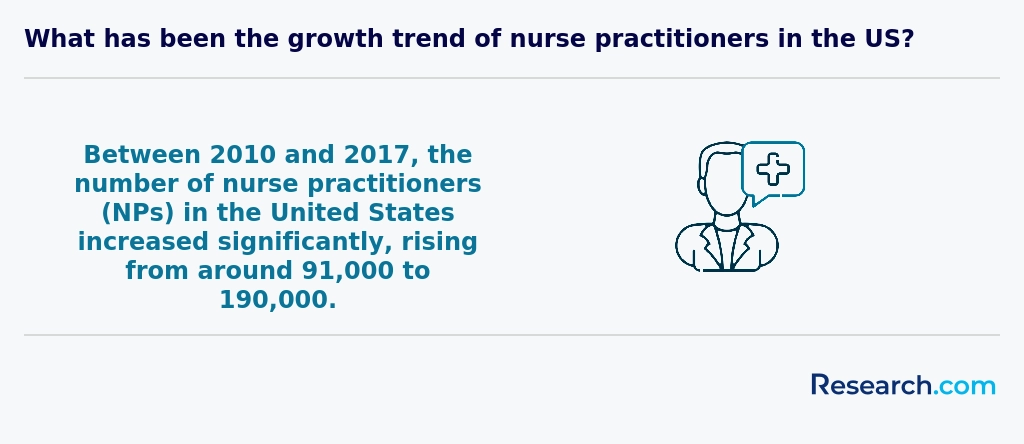
Higher credentials also allow nurses to pursue advanced practice roles, including nurse practitioner or clinical nurse specialist positions, which require graduate education.
Locally, many hospitals and health systems in Milwaukee give preference to applicants with accredited degrees, facilitating promotions and salary increases. This trend aligns with national standards advocating for more highly educated nursing professionals to meet complex healthcare demands.
Studying for a nursing degree in Milwaukee equips students with essential skills to work effectively in interdisciplinary healthcare teams. Local nursing programs emphasize collaboration with professionals from medicine, social work, and allied health fields. According to the Wisconsin Nurses Association, nearly 70% of nurses in Milwaukee report working in settings that require interdisciplinary coordination.
Milwaukee institutions offer clinical experiences in diverse environments, such as hospitals and community health centers. These placements help nursing students understand various roles and improve communication with other care providers. Additionally, many programs incorporate interprofessional education (IPE) curricula aligned with the American Association of Colleges of Nursing recommendations, fostering teamwork skills vital for patient-centered care.
Choosing between a thesis and a non-thesis nursing degree program in Milwaukee depends on your career goals and learning preferences. A thesis option typically requires conducting original research and writing a detailed paper, which suits students interested in advanced clinical roles or pursuing a PhD.
Non-thesis programs often focus more on practical skills and coursework, ideal for those aiming to enter nursing leadership or clinical practice quickly. According to the Wisconsin Center for Nursing, Milwaukee offers diverse programs where approximately 40% of nursing graduates pursue non-thesis paths to meet workforce demands.
Consider your time availability as thesis programs may require more time. Also, explore local university resources for mentorship and research opportunities aligned with your interests.
Students in Milwaukee seeking nursing education abroad have several pathways through U.S. institutions that offer international study options. Universities such as the University of Wisconsin-Milwaukee and Marquette University sometimes provide exchange programs or partnerships with nursing schools overseas. These programs enable students to gain clinical experience in diverse healthcare settings while earning credits applicable to their U.S. degrees.
Additionally, nursing students can explore study abroad opportunities through organizations like Global Education Milwaukee, which facilitate placements in countries with strong healthcare systems. However, it's important to verify accreditation and clinical hour recognition to ensure licensure eligibility back in Wisconsin.
According to the Wisconsin Center for Nursing, hands-on clinical experience remains essential, so international options typically supplement rather than replace domestic clinical training.
Milwaukee offers various part-time job opportunities that can complement nursing degree education. Many students find work as certified nursing assistants (CNAs) in local hospitals and long-term care facilities, gaining hands-on experience while earning income. According to the Wisconsin Department of Workforce Development, Milwaukee's healthcare sector is projected to grow by over 10% through 2028, creating ample roles for nursing students.
Pharmacies and outpatient clinics also frequently hire nursing students as pharmacy technicians or medical scribes, which helps develop clinical knowledge and patient communication skills. Additionally, research assistant positions at institutions like the Medical College of Wisconsin provide valuable exposure to nursing research and healthcare trends.
Nursing students in Milwaukee have access to strong networking opportunities through local universities and healthcare organizations. Institutions like the University of Wisconsin-Milwaukee and Marquette University offer student nursing associations that host events and connect students with alumni and local nurses.
Milwaukee's concentration of hospitals, such as Froedtert & the Medical College of Wisconsin, provides clinical placements and networking events. These partnerships allow students to build professional relationships during their studies.
The Wisconsin Nurses Association also hosts regular meetings and conferences in Milwaukee, promoting collaboration and career growth within the nursing community.
Alumni networks play a vital role for nursing degree students in Milwaukee by providing professional connections and mentorship. Graduates often share job leads and advice, helping current students navigate the competitive healthcare job market. According to the Milwaukee Business Journal, over 60% of nursing job placements in the city are influenced by networking.
These networks facilitate access to clinical opportunities and continuing education events. Additionally, connections with local hospitals like Froedtert and Aurora Health Care offer benefits for career growth. Participation in alumni associations also encourages lifelong learning and professional development, which are crucial in nursing.
Overall, alumni networks strengthen a student's support system, improve employment prospects, and enrich their educational experience in Milwaukee's nursing programs.
Customizing a nursing degree program in Milwaukee involves selecting courses and clinical experiences that align with your career goals. Many local institutions offer flexible Bachelor of Science in Nursing (BSN) and Associate Degree in Nursing (ADN) programs, allowing students to focus on specialties such as pediatrics, geriatrics, or community health.
Milwaukee's healthcare facilities often partner with schools to provide diverse clinical rotations. This hands-on training helps students gain practical skills in preferred settings. Additionally, some programs offer elective courses in leadership, informatics, or public health, enhancing your qualifications.
The Wisconsin Center for Nursing reports that specialized training increases job placement rates in the city. As a result, tailoring your education can boost both expertise and employability in Milwaukee's growing healthcare market.
Nursing students in Milwaukee often face multiple challenges throughout their education. One key difficulty is balancing clinical hours with coursework. Wisconsin requires nursing students to complete both classroom instruction and hands-on clinical practice, which can be demanding alongside other responsibilities. According to the Wisconsin Center for Nursing, clinical placements have become more competitive, limiting opportunities and adding stress for students.
Financial strain is another common issue. The cost of nursing programs, textbooks, and supplies can be high, and many students rely on part-time jobs that affect study time. Additionally, students must adapt to rapidly evolving healthcare technology and maintain up-to-date knowledge on medical practices throughout their studies.
With a nursing degree obtained in Milwaukee, graduates can pursue several professional certifications to enhance their career opportunities. Common certifications include the Certified Registered Nurse Anesthetist (CRNA), Certified Nurse Midwife (CNM), and Certified Nurse Practitioner (CNP).
Additionally, nurses often seek specialty certifications such as Critical Care Registered Nurse (CCRN) or Oncology Certified Nurse (OCN), which can increase earning potential and job prospects. The Wisconsin Board of Nursing recognizes these certifications, aligning with national standards by organizations like the American Nurses Credentialing Center (ANCC).
According to the U.S. Bureau of Labor Statistics, Milwaukee's healthcare sector offers numerous advanced nursing roles requiring certification, making it a practical career move for local nursing graduates.
Writing a winning application for a nursing program in Milwaukee requires careful preparation and attention to detail. Start by researching the specific admission requirements of schools such as the University of Wisconsin-Milwaukee and Milwaukee Area Technical College. These programs often require a minimum GPA of 2.5 to 3.0 and prerequisite coursework in anatomy, biology, and chemistry.
Strong letters of recommendation from healthcare professionals or educators can make your application stand out. Highlight relevant volunteer or work experience in healthcare to demonstrate your commitment. Many programs also value a well-written personal statement explaining your passion for nursing and career goals.
According to the Wisconsin Board of Nursing, meeting these standards increases your chances of acceptance in Milwaukee's competitive nursing landscape. Early application submission before deadlines in fall or spring is advised, as some programs fill quickly.
Globally, nursing is recognized as a vital profession, with demand steadily increasing due to aging populations and health challenges. In the United States, and specifically in Milwaukee, nursing offers strong career stability, with the Bureau of Labor Statistics projecting a 9% growth in registered nurse jobs from 2022 to 2032. This growth reflects a worldwide trend, where nurses play key roles in healthcare delivery, emergency response, and health education.
Milwaukee's nursing programs incorporate international best practices while meeting U.S. standards set by the American Nurses Credentialing Center (ANCC). Graduates are prepared for diverse roles, often eligible to work abroad, given the global shortage of qualified nurses.
Understanding these global perspectives helps prospective students appreciate the versatility and importance of a nursing degree in Milwaukee and beyond.
Gaining practical experience is a vital part of pursuing a nursing degree in Milwaukee. Most accredited nursing programs in the area include clinical rotations, where students work directly with patients under supervision in hospitals, clinics, or long-term care facilities. These placements allow students to apply classroom knowledge in real-life settings.
Milwaukee has several healthcare institutions, such as Aurora Health Care and Froedtert & the Medical College of Wisconsin, that partner with nursing schools to provide clinical opportunities. Additionally, many programs encourage internships or externships during summer breaks, enhancing hands-on skills.
The Wisconsin Center for Nursing reports that clinical training helps students meet license requirements set by the Wisconsin Board of Nursing, necessary to become a registered nurse (RN).
Choosing the right concentration within a nursing degree program in Milwaukee involves evaluating your career goals and the local healthcare needs. Nursing specializations such as family practice, gerontology, and psychiatric nursing reflect opportunities in Milwaukee's diverse population. According to the Wisconsin Department of Health Services, the city has a growing demand for nurses in elder care and mental health due to an aging population and increased awareness of behavioral health issues.
Prospective students should consider program accreditation and clinical training opportunities nearby. Locally, working with Milwaukee-area hospitals and clinics can influence skill development. Additionally, reviewing state licensure requirements and expected job growth rates, which the U.S. Bureau of Labor Statistics estimates at 12% for registered nurses in Wisconsin through 2031, helps align education choices with future employment.
- 2027 Most Affordable Nursing Degree Programs Ranking in Madison
- 2027 Most Affordable Nursing Degree Programs Ranking in Chicago
- 2027 Most Affordable Nursing Degree Programs Ranking in Peoria
- 2027 Most Affordable Nursing Degree Programs Ranking in Indianapolis
- 2027 Most Affordable Nursing Degree Programs Ranking in Detroit
- 2027 Most Affordable Nursing Degree Programs Ranking in Saint Paul
- 2027 Most Affordable Nursing Degree Programs Ranking in Minneapolis
- 2027 Most Affordable Nursing Degree Programs Ranking in Saint Louis
- 2027 Most Affordable Nursing Degree Programs Ranking in Cleveland
- 2027 Most Affordable Nursing Degree Programs Ranking in Louisville
See What Experts Have To Say About Studying Nursing
Read our interview with Nursing experts


- Getting RN Experience After Graduation | All Nursing Schools https://www.allnursingschools.com/articles/getting-rn-experience/
- Interdisciplinary Education and Practice https://www.aacnnursing.org/news-data/position-statements-white-papers/interdisciplinary-education-and-practice
- From our readers…Strengthening nursing networks https://www.myamericannurse.com/from-our-readersstrengthening-nursing-networks/
- How to Choose the Right Nursing School for Your Career Goals | Archer Review https://www.archerreview.com/blog/how-to-choose-the-right-nursing-school-for-your-career-goals
- Wisconsin Nursing Schools and Programs - Wisconsin Center for Nursing https://wicenterfornursing.org/education/nursing-schools/
- UW-Milwaukee ‘Flex’ program helps nursing students chart career success https://www.luminafoundation.org/focus-magazine/summer-2017/uw-milwaukee-flex-program-helps-nursing-students-chart-career-success/
- The Nurses' Alumni Association https://giving.mainlinehealth.org/get-involved/auxiliaries-and-womens-boards/lankenau-medical-center-womens-board/the-nurses-alumni-association
- How a BSN Prepares You for Graduate Nursing Degrees (MSN, DNP) https://blog.methodistcollege.edu/bsn-prepares-you-graduate-nursing-degrees
- Nursing - SUM Admission https://admission.sum.edu.pl/nursing/
- NURSING - University College of Enterprise and Administration https://en.wspa.pl/nursing-graduate-program/


