
2027 Best Online Nursing Degree Programs Ranking in Chicago, IL

Co-Founder and Chief Data Scientist
Exploring nursing degree options can feel overwhelming, especially when aiming for quality and flexibility. This article features the 2027 Best Online Nursing Degree Programs Ranking in Chicago, IL, compiled by the Research.com team of data scientists to guide you toward the programs that truly stand out.
Whether you're starting your nursing journey or advancing your career, understanding which programs offer strong value and support makes a difference. Reading this ranking can help you make a confident, informed decision tailored to your goals and lifestyle.
Key benefits of getting online nursing degree in Chicago
- Nursing degree graduates in Chicago can earn competitive salaries, such as $94,480 annually for Registered Nurses and Public Health Nurses, with Operating Room Nurses earning higher at $128,490 per year.
- Graduates from top Chicago universities often explore diverse careers, from clinical nursing to emergency room roles, offering rewarding opportunities to impact community health and patient care.
- Online nursing degrees provide flexibility and convenience, allowing students to balance work and study while gaining quality education recognized by institutions like the University of Illinois Chicago.
- 2027 Best Online Nursing Degree Programs Ranking in Chicago, IL
- What can I expect from online nursing degree in Chicago?
- Where can I work with online nursing degree in Chicago?
What can I expect from online nursing degree in Chicago?
For many students diving into online nursing degrees in Chicago, the average cost is an inviting mix of affordability and value. Graduates from popular institutions like DePaul University or the University of Illinois at Chicago often share how tuition for these programs tends to be more competitive than traditional on-campus routes, sometimes ranging between $10,000 and $25,000 depending on the degree level and program length. This range reflects tuition alone, excluding fees or textbooks, but financial aid and scholarships frequently soften the overall expense.
One graduate recalls balancing work and study, appreciating how the flexible schedule allowed them to keep earning while investing in their future-without feeling overwhelmed by crushing debt. Another highlights the local networks that link classroom learning with Chicago's bustling hospitals, making the investment not just financial but richly experiential.
Such online programs blend virtual lectures with in-person clinical hours nearby, offering vigorous training without breaking the bank, fueling ambitions in a city where nursing opportunities bloom vibrantly.
Where can I work with online nursing degree in Chicago?
Graduates from online nursing programs at Chicago's top schools like Loyola University or DePaul University often find themselves stepping into vibrant healthcare environments. Imagine joining the fast-paced team at Northwestern Memorial Hospital, where every shift brings new challenges and opportunities to grow as a registered nurse. Others share excitement about working in community health centers across the city, helping underserved neighborhoods through vital clinics that shape better public health outcomes.
Many online degree holders discover rewarding roles in long-term care facilities or home healthcare agencies, providing comforting support to aging patients in their own homes. One alum from Rush University recalls the fulfillment of educating patients on managing chronic illnesses, making a tangible difference every day. Public health and government organizations such as the Chicago Department of Public Health also offer adventurous career paths focused on disease prevention and community wellness.
With Illinois licensure and an accredited online degree in hand, the city's diverse healthcare landscape becomes a playground full of promising and meaningful opportunities.
With an online nursing degree in Chicago, graduates often step into roles like Registered Nurse, Clinical Nurse Educator, Public Health Nurse, or Emergency Room Nurse, all offering a mean annual wage near $94,480, according to the latest data. Imagine starting your shift at a bustling Chicago hospital or community clinic, using skills honed from programs provided by well-known institutions such as the University of Illinois at Chicago or DePaul University. Many graduates share how this salary supports their vibrant city lifestyles while advancing their careers.
For those who crave even greater challenges and rewards, becoming an Operating Room Nurse can be a thrilling path. These professionals earn an impressive mean wage of $128,490 annually, reflecting the high demand and specialization required. Stories from recent grads echo excitement about entering fast-paced surgical environments, inspired by training received through Chicago's top nursing programs.
Whether working nights with shift differentials or pursuing specialties, Chicago's nursing graduates find their online education a gateway to vibrant, well-paying careers that balance passion with financial stability.
- The average entry-level salary for registered nurses (RNs) in Chicago is about $65,000 annually, increasing to over $90,000 with experience and specialization.
- All online nursing programs must meet Illinois Board of Nursing accreditation standards, and students need to complete in-person clinical rotations locally.
- Tuition for an online Bachelor of Science in Nursing (BSN) in Chicago ranges from $25,000 to $45,000, with some programs offering financial aid or scholarships.
- Associate Degree in Nursing (ADN) programs are generally more affordable but may result in lower starting salaries compared to BSN degrees.
- Nursing jobs in Chicago are projected to grow by 12% statewide over the next decade, supported by the city's extensive healthcare facilities.
Diving into an online nursing degree in Chicago opens doors to exciting possibilities, but how long does it take? Graduates from local schools like Loyola University Chicago or the College of DuPage often share how their journeys vary based on the program they chose. For instance, an Associate Degree in Nursing (ADN) typically wraps up in 2 to 3 years, perfect for those eager to step quickly into nursing roles and the NCLEX-RN exam.
Others embrace the challenge of a Bachelor of Science in Nursing (BSN) through programs at universities like Rush or UIC, investing 3 to 4 years without prior credits. Yet, many show pride in completing RN-to-BSN tracks within 12 to 24 months, balancing work and study with determination.
Meanwhile, nursing adventurers aiming higher find online MSN programs that take between 1.5 and 3 years but lead to specialized careers and leadership roles. Many speak of accelerated courses designed for busy Chicagoans, turning the hard work into a rewarding climb filled with growth and opportunity.
Admission to online nursing degree programs in Chicago, IL is typically competitive and documentation-heavy. Requirements differ by degree level, so applicants should distinguish between pre-licensure programs, RN-to-BSN programs, MSN programs, and graduate certificates.
Common application requirements include:
- Completed online application
- Official transcripts from high school or prior colleges
- Minimum GPA, often 3.0 for some programs and 2.5 for others
- Prerequisite coursework such as anatomy, physiology, and microbiology
- Entrance exams such as the TEAS or HESI for some programs
- RN license and nursing experience for many MSN programs
- Personal statement or professional goals essay
- Letters of recommendation
- Background check, immunization records, and clinical eligibility documentation
- Application fee
Some institutions may also require interviews, writing samples, skills assessments, or proof of current employment in healthcare. To improve admission chances, applicants should complete prerequisites early, prepare for entrance exams, request transcripts well before deadlines, and submit a focused personal statement that connects their background to nursing practice.
Applying to multiple accredited programs can also reduce risk, especially when clinical seats are limited. Before submitting an application, confirm that the program is properly accredited, approved for your intended licensure pathway, and able to support clinical placement in your location.
Picture yourself navigating nursing studies at a bustling Chicago campus like Loyola or Rush University, where on-campus graduates rave about hands-on experiences in simulation labs and walking just minutes to clinical rotations at nearby hospitals such as Northwestern Memorial. The energy of face-to-face classes and instant feedback from instructors creates a vibrant learning environment that sparks confidence and connection.
Now, imagine pursuing the same nursing degree online from the comfort of your home, juggling family responsibilities or a part-time job. Graduates highlight the freedom to study on their own schedule, accessing lectures through digital platforms, which is a game-changer for busy Chicagoans. Yet, securing local clinical placements adds an adventurous twist, requiring proactive coordination but offering immersive community-based experiences.
The core is the same-both paths lead to RN licensure-but the journey varies. On-campus offers immediate campus resources and social networking, while online provides flexibility and cost savings on commuting. Chicago's nursing programs embrace these choices, ensuring rigorous standards and real-world readiness no matter your route.
A nurse nutritionist combines nursing practice with nutrition-focused patient care. This specialization may appeal to nurses interested in chronic disease management, preventive health, patient education, wellness counseling, and interdisciplinary care planning.
Nurse nutritionists may help assess dietary needs, design individualized nutrition plans, educate patients on therapeutic diets, and monitor outcomes. In Chicago, these roles may be found in hospitals, outpatient clinics, community health settings, chronic disease programs, and wellness initiatives.
Reasons students may consider nutrition nursing include:
- Rising demand: Public health efforts focused on obesity, diabetes, cardiovascular disease, and chronic illness management can increase the need for nurses with nutrition expertise.
- Competitive salaries: Specialized clinical roles may command higher pay scales, and experienced nurse nutritionists report median salaries 10–15% above general RN averages.
- Diverse settings: Opportunities may include acute care, outpatient counseling, community programs, university hospitals, and corporate wellness programs.
A typical pathway may include:
- Earn a BSN or ADN from an accredited institution, with relevant coursework in biochemistry and metabolism.
- Complete targeted nutrition courses or a post‐baccalaureate certificate in clinical nutrition.
- Obtain certification through the Commission on Dietetic Registration (CDR) or American Nurses Credentialing Center (ANCC) specialty exams, when appropriate.
- Maintain licensure through continuing education in both nursing and nutrition.
For a step-by-step overview of how nursing practice can connect with dietetics expertise, review our guide to the steps to becoming a nurse nutritionist.
The average cost of an online nursing degree in Chicago typically centers around a median total tuition of $29,175, offering a realistic figure for budgeting your journey in this vibrant city. Many graduates from well-regarded Chicago universities have found this investment aligns with the quality and flexibility they sought in their programs, particularly those pursuing RN to BSN or Bachelor of Science in Nursing paths. These students vividly recall balancing coursework with their busy lives, appreciating how the cost matched the convenience and reputable instruction they received.
When exploring the average cost of online nursing degree Chicago students face, it's useful to think beyond tuition alone. Additional fees for technology, books, and clinical placements can add to expenses, but are often embraced as part of the comprehensive learning experience. Some graduates share how these fees supported their seamless access to online resources and hands-on practice opportunities in local health facilities.
Many prospective nurses in Chicago find encouragement knowing public universities often price tuition competitively for residents, though online rates may sometimes be uniform regardless of residency. These financial considerations play a key role when choosing schools known for their nursing programs, where the investment promises valuable career advancement. If you're exploring your options further, consider looking into top online nursing schools massachusetts for comparison and inspiration on how programs structure costs and support students.
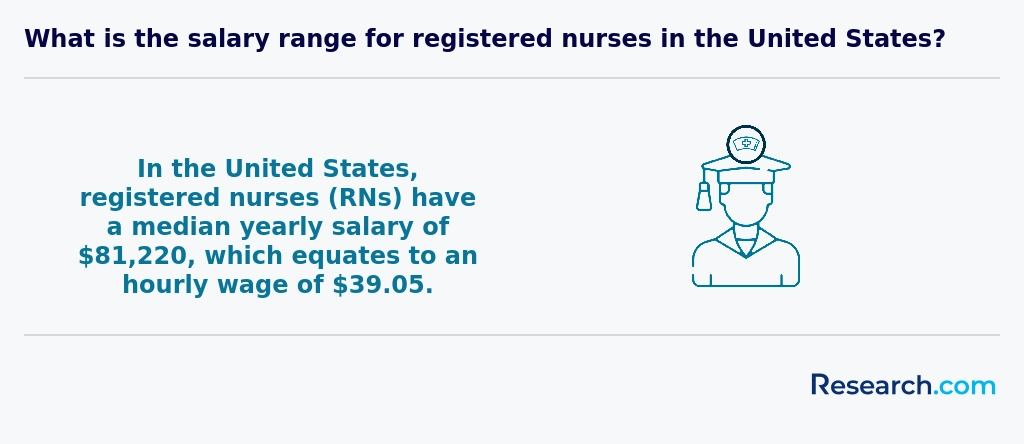
Accreditation and licensure preparation are among the most important factors when choosing an online nursing program in Chicago, IL. A flexible format is not enough if the program does not meet the standards needed for licensure, employment, or graduate study.
Students should verify:
- Programmatic accreditation: Look for accreditation from the Commission on Collegiate Nursing Education (CCNE) or the Accreditation Commission for Education in Nursing (ACEN).
- State approval: Confirm that the program aligns with Illinois Board of Nursing expectations if you plan to practice in Illinois.
- NCLEX-RN eligibility: Pre-licensure students should confirm that completing the program allows them to sit for the NCLEX-RN exam.
- Clinical experience quality: The curriculum should include supervised clinical experiences at approved healthcare facilities.
- Exam preparation support: Strong programs may offer NCLEX-RN review courses, virtual simulation labs, practice exams, remediation, and faculty-led workshops.
- Licensure support services: Advising, transcript processing, clinical documentation help, and licensure application guidance can reduce delays after graduation.
Programs with published first-time NCLEX-RN pass rates above 90% demonstrate a strong commitment to student success. Students should verify those rates directly with the school and compare them with state expectations.
For nurses planning to pursue advanced practice roles, strong licensure preparation can support later graduate study. Students interested in nurse practitioner pathways can compare the best-rated nurse practitioner programs in Arizona to understand how advanced practice curricula, accreditation, and state board approval processes can vary.
Imagine unlocking financial doors while studying nursing online through a university like the University of Illinois Chicago or Rush University. Many students find that filling out the FAFSA is their first exciting step toward federal aid, opening access to Pell Grants that can cover up to $7,395 per year-no repayment needed. It's a relief many graduates recall during those first semesters, easing the weight of tuition bills.
Beyond federal aid, Illinois residents dive into the Illinois Monetary Award Program (MAP) Grants, which adjust based on need and availability. Chicago-based nursing graduates often mention local scholarships from hospitals and healthcare organizations that reward commitment to the city's vibrant medical community-imagine earning a scholarship while preparing to serve Chicago's diverse neighborhoods.
Many find additional hope in university-specific awards. Nursing schools proudly offer merit and diversity scholarships, especially helpful for adult learners balancing life and study. Meanwhile, some grads have embraced loan forgiveness programs like Nurse Corps, transforming community work in underserved Chicago areas into real, tangible relief.
Finally, working in a local hospital often translates into employer-sponsored tuition reimbursement, a practical, uplifting benefit for those advancing their careers right where they live.
Student support can make a major difference in online nursing education. Because nursing programs are academically demanding and include clinical expectations, students should compare support services before enrolling, not after they begin struggling.
Important support resources include:
- Academic advising: Advisors help students plan courses, track prerequisites, stay on schedule, and prepare for licensure milestones.
- Tutoring: Strong programs may offer tutoring in pharmacology, anatomy, physiology, research, writing, and test preparation.
- Technical support: Online students need reliable access to the learning platform, virtual simulations, video tools, and testing systems.
- Virtual simulation labs: Simulations help students practice clinical judgment, prioritization, communication, and patient safety skills.
- Library and research access: Digital journals, evidence-based practice databases, citation tools, and librarian consultations support nursing assignments and scholarly writing.
- Career services: Resume reviews, interview preparation, job search guidance, alumni networks, and virtual career fairs can help students connect with employers.
- Mental health and wellness support: Online counseling, stress-management resources, and peer support can help students manage the pressure of nursing school.
Students who want to compare affordability in other regions can review the Low Cost Online Nursing Degree Programs Ranking in the Northeast.
Before enrolling, ask whether support services are available to online students at the same level as campus students, whether tutoring is included in tuition, and whether career services have relationships with Chicago-area healthcare employers.
Diving into an online nursing degree in Chicago calls for a solid set of prerequisites that prepare you for the exciting journey ahead. Most programs, like those at top Chicago colleges, expect you to have a high school diploma or GED, setting the stage for your academic adventure. Imagine a recent graduate who found success by first mastering foundational courses such as biology, chemistry, and anatomy-these subjects build the scientific backbone crucial for nursing.
Many students share how tackling math, especially statistics or algebra, and English composition enhanced their critical thinking and communication skills, vital for both online classes and clinical settings. Some programs even ask for a Certified Nursing Assistant (CNA) credential or hands-on healthcare experience, especially if you're aiming for accelerated or bridge options.
Picture the challenge and excitement of preparing for the TEAS exam together with peers from Chicago's diverse nursing community, testing your skills in reading, math, science, and English. Alongside academic readiness, graduates emphasize the importance of assembling a strong application package, including recommendation letters and background checks, which open doors to vibrant nursing careers.
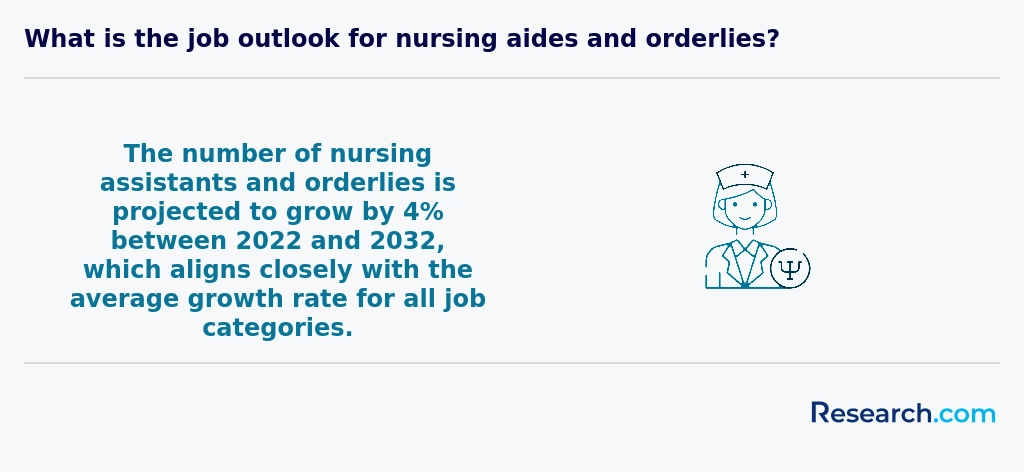
Before practicing as an RN in Illinois, students must complete an approved pathway, meet state requirements, and pass the NCLEX-RN. Because licensure rules can affect your ability to work, confirm requirements with the Illinois Department of Financial and Professional Regulation and your school before enrolling.
- Choose a CCNE- or ACEN-accredited online program with a first-time NCLEX pass rate above 85%.
- Submit an application, fingerprint card, and background check to the Illinois Department of Financial and Professional Regulation.
- Register for and schedule your NCLEX-RN exam through Pearson VUE.
- Document and complete all required clinical hours under RN supervision.
- Use review courses, practice tests, faculty support, remediation tools, and virtual simulations to improve exam readiness.
NCLEX preparation should start before the final term. Strong students build a study plan around test blueprints, weak-content review, timed practice questions, and rationales. After licensure, nurses who want advanced clinical leadership or doctoral roles may compare the cheapest online DNP programs.
Diving into an online nursing degree in Chicago means engaging with courses that bring the heartbeat of healthcare right to your screen. Graduates from well-known institutions like DePaul University and Loyola University Chicago often share how classes like Human Anatomy and Physiology transformed their understanding of the body's intricate systems, making virtual labs feel almost like hands-on discovery. Imagine mastering Microbiology and its focus on pathogens while reflecting on real-world challenges like pandemic response-this connection sparks both curiosity and purpose.
Courses such as Pharmacology empower students with knowledge about medication effects, a crucial skill when caring for patients in busy Chicago hospitals or community clinics. Many recall how Health Assessment coursework sharpened their observational skills, perfectly preparing them for those first clinical visits.
The blend of Nursing Fundamentals and advanced topics like Pathophysiology helps learners explore not only diseases but also the person behind the patient. Chicago's nursing students appreciate that even online, they build confidence through community health insights and mental health nursing perspectives, vital for serving the city's diverse populations.

Diving into online nursing degree specializations Chicago opens a vibrant world of pathways tailored to the city's unique healthcare pulse. Graduates from Chicago's top nursing colleges often share how advancing from an RN to a BSN transformed their confidence and expanded their roles in bustling urban hospitals. For those craving deeper impact, Family Nurse Practitioner programs prepare you to serve diverse communities with primary care, reflecting the city's dynamic population.
Imagine specializing as a Psychiatric-Mental Health Nurse Practitioner, responding to the growing mental health needs that Chicago's neighborhoods face daily. Alternately, Adult-Gerontology Acute Care Nurse Practitioner programs attract nurses eager to address the complex cases seen in Chicago's aging population. Meanwhile, Clinical Nurse Specialist tracks empower experienced nurses to lead change in patient care quality, often serving as mentors in their institutions.
Nearby, many find joy exploring Nursing Education specializations, inspired to teach and ease local faculty shortages. These diverse options fuel enthusiasm in students across Chicago's universities, showing how web-based learning in nursing offers adventure and fulfillment in equal measure.
Finding the best online nursing programs Chicago offers means diving into the details that really matter: accreditation, flexibility, and hands-on experience. Imagine a graduate from a well-known Chicago university juggling late-night study sessions after work, grateful for asynchronous courses that let them learn on their own clock. This flexibility can be a game-changer for busy lives.
Choosing an affordable nursing degree Chicago IL provides involves weighing tuition against hidden costs like clinical placement fees-essential for passing the NCLEX-RN, a must for Illinois nursing licensure. Graduates often share how local clinical partnerships helped them gain confidence, connecting classroom knowledge with real patients just a short commute away.
What really fuels success is strong support: advisors who guide you through tough spots, tech help when software glitches occur, and career services that open doors post-graduation. For those curious about the demand for healthcare professionals, choosing the right program can feel like embarking on a rewarding adventure with plenty of support along the way.
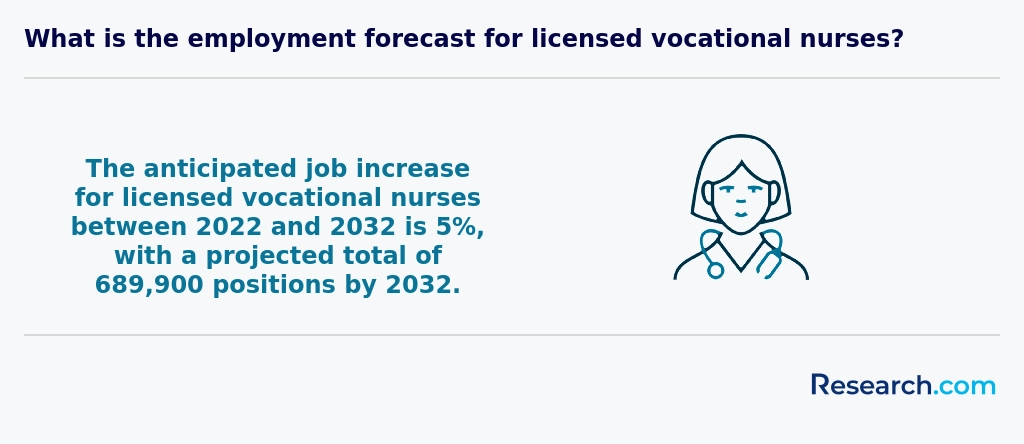
Graduates with an online nursing degree in Chicago find themselves stepping into a world of exciting career options, fueled by the city's vibrant healthcare ecosystem. Imagine starting as a staff nurse in renowned institutions like Northwestern Memorial or the University of Chicago Medical Center, where you're part of dynamic teams tackling diverse patient needs every day. Many graduates share how these roles sparked their passion for specialty areas-one might dive into pediatric nursing at children's hospitals, while another embraces geriatric nursing to support Chicago's seniors.
The journey doesn't stop at bedside care. Chicago's growing demand for nurses opens doors to public health roles, critical care, and psychiatric nursing. Students from local colleges often explore these pathways through hands-on experience and community initiatives, discovering which field truly resonates with them. For those curious about advanced roles, an online nursing degree also paves the way to become a nurse practitioner or educator, with training accessible and flexible.
The array of online nursing degree career options Chicago offers lets students tailor their path while balancing life. If you're also interested in expanding your healthcare knowledge beyond nursing, you might explore online sonography degrees research opportunities to complement your skills.

The online nursing job market Chicago graduates enter is vibrant and filled with opportunity. Those completing their degrees from well-known institutions like DePaul University or the University of Illinois Chicago often share stories of immediate interest from major hospital systems eager to hire nurses with BSN qualifications. These graduates find themselves welcomed into environments ranging from bustling medical centers to specialized clinics serving diverse communities.
Nurses with online degrees often appreciate how Chicago's healthcare landscape supports career growth, offering roles in pediatrics, informatics, and gerontology. The nursing degree employment opportunities Chicago IL presents are stable and rewarding, backed by a low unemployment rate and competitive salaries around $80,000 annually. Many graduates find their investment worthwhile, especially when employers provide tuition reimbursement programs that ease financial burdens.
With healthcare employers increasingly valuing higher education, exploring accredited online nursing programs California or local Chicago options opens new doors. Students embark on this path inspired by real success stories and the city's thriving healthcare demand.
2027 Best Online Nursing Degree Programs Ranking in Chicago, IL
Investing in your education is a significant decision that can shape your future, and the Research.com team understands the importance of making informed choices. To support prospective students seeking nursing degrees in Chicago, IL, we have meticulously developed the "2027 Best Online Nursing Degree Programs Ranking in Chicago, IL." Our dedication to quality, credibility, and accuracy is evident in the extensive research and analysis behind this ranking.
We utilized the following reputable data sources to ensure a comprehensive evaluation of nursing programs:
By exploring this ranking, readers will gain valuable insights into the best online nursing degree programs available in Chicago, enabling them to make well-informed educational decisions. For more details on our process, please visit our Research.com methodology page.

# 2 position
Rush University
Master of Nursing

Frequently Asked Questions About nursing
Online nursing degree students in Chicago can maximize their learning experience by actively engaging with course materials and faculty. Many Illinois nursing programs use virtual simulations and interactive platforms to enhance clinical skills practice. According to the Illinois Department of Financial and Professional Regulation, staying current with state nursing licensure requirements is essential, supporting practical learning with up-to-date knowledge. Students should also seek local clinical placements in Chicago hospitals to complement online coursework with hands-on experience. Additionally, joining professional nursing associations like the Illinois Nursing Students Association offers networking and educational resources that enrich learning beyond the virtual classroom.
The nursing field is expanding into specialized areas that reflect changes in healthcare needs and technology. In Chicago, emerging niches include telehealth nursing, which supports patients remotely through digital communication tools. This area has grown due to the COVID-19 pandemic and ongoing demand for accessible care.
Another growing niche is gerontological nursing, focusing on elderly care. With Chicago's increasing aging population, this specialty is vital for managing chronic conditions and improving quality of life. According to the Illinois Department of Public Health, the region expects a 20% increase in adults over 65 by 2030.
Additionally, nurses specializing in informatics are in high demand. They manage healthcare data systems to improve patient outcomes and operational efficiency. These emerging niches offer promising career paths for students pursuing online nursing degrees in Chicago.
Preparing for the job market after completing an online nursing degree in Chicago involves several key steps. First, obtaining licensure through the Illinois Department of Financial and Professional Regulation is essential. Passing the NCLEX-RN exam confirms readiness for registered nursing positions. Networking within Chicago's healthcare community can open opportunities-organizations like the Chicago Nurses Association offer valuable connections. Clinical experience, even part-time or volunteering, strengthens your resume since Chicago's healthcare sector values practical skills. According to the Illinois Workforce Development Board, nursing jobs in Chicago are projected to grow 12% through 2030, highlighting strong demand. Continuous education and certification in specialties can also enhance employability.
Employers in Chicago seeking nursing degree graduates prioritize several critical skills. Clinical competence remains essential, as nurses must confidently perform procedures and manage patient care effectively. According to the Illinois Nurses Association, strong communication skills are vital for coordinating with healthcare teams and engaging with diverse patient populations.
Analytical thinking and problem-solving abilities are highly valued, given the complex nature of healthcare environments in Chicago's hospitals. Familiarity with electronic health records and healthcare technology also stands out, reflecting national trends seen in U.S. Bureau of Labor Statistics data.
Cultural sensitivity and adaptability are increasingly important in Chicago's multicultural communities. Overall, a combination of technical expertise and interpersonal skills makes graduates more attractive to local employers.
Finding nursing internships in Chicago involves leveraging local healthcare networks and educational resources. Many online nursing programs partnering with Chicago institutions facilitate clinical placements in hospitals such as Northwestern Memorial and Rush University Medical Center. According to the Illinois Department of Financial and Professional Regulation, clinical experience is vital for licensure and employers prefer candidates with practical internships.
Students should contact their program's internship coordinator early to access placement opportunities. Additionally, exploring Chicago's extensive public health system and community clinics can broaden options.
Job boards like the Illinois Health and Hospital Association's site often list internships specifically for nursing students. Networking through professional organizations such as the Illinois Nurses Association is also beneficial.
An online nursing degree can significantly enhance career mobility and advancement opportunities for nurses in Chicago. The city's healthcare sector is rapidly growing, with over 70,000 registered nurses employed as of recent data from the Illinois Department of Employment Security. Online programs offer flexible scheduling, allowing working professionals to upskill without interrupting their careers.
Higher credentials, such as a Bachelor of Science in Nursing (BSN) or Master of Science in Nursing (MSN), obtained through online education, are increasingly preferred by Chicago hospitals and healthcare providers. According to a 2023 report by the Chicago Nurses Association, BSN-prepared nurses have a 15% higher chance of promotion into supervisory or specialized roles.
Additionally, online nursing degrees can meet Illinois's continuing education requirements efficiently and prepare nurses for licenses such as the Nurse Practitioner (NP) credential, widening their scope of practice and earning potential.
Studying for a nursing degree online in Chicago equips students with skills essential for interdisciplinary roles in healthcare. Programs often emphasize collaboration with professionals like physicians, social workers, and therapists, reflecting Chicago's diverse medical landscape. According to the Illinois Nursing Workforce Center, 65% of nurses in Cook County participate in multidisciplinary teams, highlighting local practice trends.
Online curricula integrate courses on healthcare informatics, communication, and leadership, preparing nurses to coordinate patient care effectively. Chicago's hospitals and clinics frequently require nurses to work alongside various specialists, ensuring holistic treatment approaches. This exposure enhances adaptability and problem-solving abilities critical for modern healthcare environments.
Choosing between a thesis and a non-thesis nursing degree program in Chicago depends on your career goals and time commitment. Thesis programs focus on research, preparing students for roles in academia or leadership. Non-thesis tracks emphasize practical skills, making them suitable for professionals seeking advanced clinical or managerial positions.
According to the Illinois Board of Higher Education, about 40% of nursing graduate students in Chicago opt for thesis programs, reflecting strong interest in research careers. Conversely, non-thesis options offer more flexible scheduling, which benefits working nurses.
Understanding your future plans and workload is key to making the right choice.
Students in Chicago interested in studying nursing abroad through online degrees have several practical options, primarily via international partnerships or accredited global institutions offering remote programs. While the U.S. nursing licensure process requires graduation from a Commission on Collegiate Nursing Education (CCNE) or Accreditation Commission for Education in Nursing (ACEN)-accredited program, some foreign universities collaborate with U.S. schools to provide coursework abroad that aligns with these standards.
Chicago students should consider programs that facilitate clinical placements in the U.S. This ensures eligibility for the NCLEX licensing exam required to practice nursing nationally.
According to the Illinois Board of Nursing, partnerships enabling cross-border learning are limited but growing.
Students must verify that any international online program meets Illinois state requirements for licensure to avoid complications.
Students pursuing online nursing degrees in Chicago have several part-time job options to enhance their education and gain relevant experience. Common roles include certified nursing assistant (CNA) positions, medical receptionist jobs, and pharmacy technician roles. The Illinois Department of Employment Security reports that CNAs in Chicago earn an average hourly wage of $15 to $18, providing both income and clinical exposure.
Working in hospitals, clinics, or long-term care facilities offers practical skills that complement academic learning. Positions like patient care assistant or home health aide also improve hands-on care abilities. These roles often provide flexible hours suited for students balancing coursework.
Such employment not only boosts resumes but helps build professional networks within Chicago's robust healthcare sector, which continues growing, supported by Chicago Cook Workforce Partnership data.
Online nursing students in Chicago benefit from various networking opportunities despite the remote format of their studies. Many local universities offering online programs, such as the University of Illinois at Chicago, encourage participation in virtual meetups and professional nursing organizations.
Additionally, the Illinois Nurses Association provides events and workshops that online students can attend to connect with practicing nurses and alumni. According to the Illinois Department of Employment Security, Chicago has over 50,000 nursing professionals, creating a large network for clinical placements and job referrals.
Hospitals and healthcare systems in Chicago often host career fairs and informational sessions open to both on-campus and online students. This fosters valuable local connections crucial for clinical experience and employment after graduation.
Alumni networks provide valuable support to online nursing degree students in Chicago by connecting them with experienced professionals in the local healthcare community. These networks offer opportunities for mentorship, which enhances students' clinical knowledge and professional growth.
Chicago is home to over 40 hospitals and numerous healthcare facilities, making networking essential for job placement after graduation. According to the Illinois Board of Nursing, strong professional connections increase employment rates among nursing graduates.
Additionally, alumni networks often share job openings, internships, and continuing education resources tailored to the Chicago market, helping students navigate the competitive healthcare environment.
This support system fosters collaboration and keeps students informed about industry trends, licensing updates, and career advancement opportunities specific to Chicago's nursing sector.
Customizing an online nursing degree program in Chicago allows students to align education with specific career goals. Many Illinois nursing schools offer flexible curricula where students can select electives focusing on specialties such as gerontology, pediatrics, or mental health. According to the Illinois Board of Nursing, choosing a program with clinical placements in Chicago hospitals can provide valuable local experience.
Students may also pursue accelerated tracks or part-time options depending on their professional schedules. Programs often include leadership or research components for nurses aiming at administrative or advanced practice roles.
Consulting academic advisors and reviewing state licensure requirements can ensure degrees meet both career ambitions and Illinois nursing standards.
Online nursing students in Chicago often face challenges balancing clinical practice requirements with remote coursework. Unlike traditional programs, online formats require students to secure nearby healthcare facilities for hands-on training, which can be difficult in busy urban settings. Additionally, reliable internet access and technology proficiency remain critical; about 10% of Chicago households lack high-speed internet, complicating access to virtual lessons (U.S. Census Bureau, 2022).
Time management is another common issue. Many students juggle work and family commitments alongside demanding studies. According to the Illinois Board of Higher Education, nursing programs require around 40-60 clinical hours per semester, adding pressure to students' schedules. Limited in-person interaction with instructors may also affect support quality, requiring students to be proactive in seeking help.
With an online nursing degree in Chicago, you can pursue several professional certifications to advance your career and expand your expertise. Common certifications include the Certified Nurse Assistant (CNA), Licensed Practical Nurse (LPN), and Registered Nurse (RN) credentials, depending on your degree level.
For registered nurses, specialty certifications such as the Certified Emergency Nurse (CEN) or Critical Care Registered Nurse (CCRN) are widely recognized. These certifications are offered by national organizations like the American Nurses Credentialing Center (ANCC) and can bolster job prospects in the Chicago healthcare market.
According to the Illinois Department of Financial and Professional Regulation, more than 100,000 nurses are licensed statewide, highlighting strong demand for certified professionals in the region.
To write a winning application for an online nursing program in Chicago, start by clearly demonstrating your passion for nursing and commitment to the healthcare field. Chicago boasts a growing healthcare sector, making nursing degrees highly competitive, so highlighting relevant experience is essential. Include any clinical work, volunteer activities, or certifications such as CNA or EMT that align with nursing.
Ensure your academic records meet the program's requirements, often requiring a minimum GPA of around 3.0. Use your personal statement to explain why you prefer online learning and how it suits your professional goals and schedule. According to Illinois Board of Higher Education, well-crafted essays and strong letters of recommendation significantly improve acceptance chances.
Lastly, tailor each application to the specific program's mission and values, emphasizing your ability to succeed in a rigorous online environment.
Nursing is a respected profession worldwide, responding to critical healthcare needs. In the United States, including Chicago, the demand for registered nurses is expected to grow 9% from 2020 to 2030, faster than average for all occupations, according to the U.S. Bureau of Labor Statistics.
Globally, nursing focuses on patient-centered care, but requirements and roles can differ. Many countries emphasize advanced education and specialization, which aligns with trends in Chicago's healthcare institutions encouraging higher degrees, including online options.
Internationally, nursing offers opportunities to work across borders, but U.S. licensure requires passing the NCLEX-RN exam. This ensures a consistent standard of knowledge and skills, facilitating safe practice whether locally or abroad.
Chicago's diverse population also gives nursing students exposure to various health conditions, preparing them for global challenges in the profession.
Gaining practical experience while studying for an online nursing degree in Chicago is essential for licensure and career readiness. Many accredited programs partner with local hospitals, clinics, and long-term care facilities throughout the Chicago area to offer clinical placements.
Students usually complete hands-on training through these partnerships, often required by the Illinois Board of Nursing. Clinical hours can range from 500 to 800, depending on the program.
Additionally, students may use simulation labs offered by nearby campuses or clinical affiliates. These labs provide controlled, real-world nursing scenarios to improve skills safely.
Online students should communicate early with program advisors to secure local practicum sites and comply with state regulations.
Choosing the right concentration within an online nursing degree program in Chicago requires assessing your career goals and local healthcare needs. Chicago's diverse medical community offers various specialties such as family nursing, geriatrics, and psychiatric nursing. Research from the Illinois Department of Employment Security highlights a growing demand for geriatric and pediatric nurses, reflecting the city's aging population and family-centered care.
Consider your personal interests and strengths, alongside job market trends. Accredited programs often provide detailed descriptions of their concentrations, helping you evaluate which aligns best with your desired role. Additionally, look for concentrations that meet Illinois Board of Nursing licensure requirements to ensure eligibility for state certification.
- 2027 Best Online Nursing Degree Programs Ranking in Hammond, IN
- 2027 Best Online Nursing Degree Programs Ranking in Romeoville, IL
- 2027 Best Online Nursing Degree Programs Ranking in Joliet, IL
- 2027 Best Online Nursing Degree Programs Ranking in Berrien Springs, MI
- 2027 Best Online Nursing Degree Programs Ranking in Mequon, WI
- 2027 Best Online Nursing Degree Programs Ranking in Peoria, IL
- 2027 Best Online Nursing Degree Programs Ranking in Toledo, OH
- 2027 Best Online Nursing Degree Programs Ranking in Flint, MI
- 2027 Best Online Nursing Degree Programs Ranking in Livonia, MI
- 2027 Best Online Nursing Degree Programs Ranking in Cincinnati, OH
See What Experts Have To Say About Studying Nursing
Read our interview with Nursing experts

Lisa Grubb
Nursing Expert
Assistant Professor
Johns Hopkins School of Nursing

- College of Nursing - Chicago Nursing School https://www.rushu.rush.edu/college-nursing
- Nursing Scholarships & Financial Aid Resources | AACN https://www.aacnnursing.org/students/scholarships-financial-aid
- Online Nursing Prerequisites | Sophia Nursing Pathway https://www.sophia.org/online-courses/course-pathways/nursing-pathway/
- School of Nursing https://www.ccc.edu/malcolm-x/departments/nursing-department/
- How Long Does It Take to Earn a BSN Degree? https://www.chamberlain.edu/blog/how-long-does-it-take-to-earn-a-bsn
- Complete Guide to Mastering Illinois Nursing Prerequisites https://www.prereqcourses.com/mastering-illinois-nursing-prerequisites/
- Online Nursing Prerequisites: Complete Guide & Cost ... https://www.straighterline.com/blog/which-online-nursing-prerequisites-should-you-take-online
- Preventing First Year Attrition In Nursing Students https://www.atitesting.com/educator/blog/knowledge/2026/08/11/preventing-first-year-attrition-in-nursing-students
- Online Accelerated Nursing Programs in Illinois https://onlinedegrees.elmhurst.edu/accelerated-nursing-programs-illinois
- Nursing Jobs in Chicago, IL - Credenza https://credenzahealth.com/jobs/in-chicago-il


