2027 Best Online Master's in Nursing Degree Programs Ranking in Pittsburgh, PA

Co-Founder and Chief Data Scientist
Choosing the right nursing program is an important step toward advancing your career and making a real difference in healthcare. Our article presents the 2027 Best Online Master's in Nursing Degree Programs Ranking in Pittsburgh, PA, carefully developed by the Research.com team of data scientists to guide you through your options.
By exploring this ranking, you'll discover quality programs that fit your goals and lifestyle. Whether you're starting or advancing your nursing journey, this resource helps you make an informed, confident choice toward a rewarding future.
Key benefits of getting online nursing degree in Pittsburgh
- Nursing graduates in Pittsburgh can expect competitive salaries, with Nurse Practitioners earning a mean annual wage of $128,490 and Clinical Nurse Specialists, Administrators, and Educators earning around $94,480 per year.
- Career paths for nursing graduates from local schools like the University of Pittsburgh include advanced clinical roles, education, and healthcare administration, offering diverse and rewarding opportunities.
- Completing a nursing degree online through institutions such as the University of Pittsburgh allows flexibility to balance work and study, making it easier for busy adults to advance their careers without relocating.
- 2027 Best Online Master's in Nursing Degree Programs Ranking in Pittsburgh, PA
- What can I expect from online nursing degree in Pittsburgh?
- Where can I work with online nursing degree in Pittsburgh?
What can I expect from online nursing degree in Pittsburgh?
The average cost of an online nursing degree in Pittsburgh typically ranges from $400 to $700 per credit hour, depending on the institution and program level. Graduates from well-regarded local universities often share that while tuition may appear substantial, the investment is balanced by the flexible pacing and the opportunity to continue working while studying. Many students appreciate programs at prominent Pittsburgh colleges that offer accredited curricula aligned with national standards, ensuring their education supports licensure requirements.
For example, nurses pursuing a Bachelor of Science in Nursing (BSN) or a Master of Science in Nursing (MSN) often find that clinical placements nearby reduce additional costs related to travel or relocation. These partnerships with local healthcare providers such as major hospital systems enrich the learning experience without increasing expenses.
Additionally, prospective students frequently highlight the availability of scholarships, employer tuition assistance, and federal aid as positive financial supports, making these programs more accessible and easing concerns about affordability during their academic journey.
Where can I work with online nursing degree in Pittsburgh?
Graduates with online nursing degrees in Pittsburgh find diverse employment opportunities across the region's extensive healthcare network. Many secure roles at the University of Pittsburgh Medical Center (UPMC), a renowned health system where nurses contribute to patient care, specialize in fields like oncology or critical care, and advance into nursing administration. Alumni from institutions such as the University of Pittsburgh and Duquesne University report rewarding experiences applying their skills in these dynamic clinical environments.
Beyond hospital settings, online nursing graduates frequently work in outpatient clinics and physician offices scattered throughout Pittsburgh's urban and suburban areas. They play vital roles in patient education and chronic disease management, often partnering with community health organizations focused on underserved populations. Graduates appreciate how their advanced degrees prepare them to engage meaningfully in preventive care initiatives.
Long-term care facilities and nursing homes offer steady demand for skilled nurses, especially given the region's aging population. Those with online degrees often enjoy fulfilling careers in these supportive care settings. Additionally, some graduates pursue educational and research positions at local universities and institutes, finding satisfaction in advancing health policies and nursing knowledge in Pittsburgh.
Graduates of online nursing programs in Pittsburgh, such as those from the University of Pittsburgh or Duquesne University, often find rewarding salary prospects aligned with their degree and specialization. Registered nurses generally start with wages around $79,000 annually, consistent with the Pittsburgh metropolitan average reported by the U.S. Bureau of Labor Statistics. Advancing to roles like Nurse Practitioner can significantly boost earnings, with mean annual wages reaching $128,490.
Nursing professionals holding advanced degrees, including Clinical Nurse Specialists and Nurse Educators, typically see salaries near $94,480. Graduates express enthusiasm about their career growth, especially when working in specialty fields like critical care, which offers the same high earning potential as Nurse Practitioners with an average wage over $128,000.
Many Pittsburgh nursing graduates appreciate employer-supported tuition assistance that facilitates online degree completion while enhancing their qualifications. This investment often leads to greater job stability and elevated income, reflecting the strong local demand for skilled nursing professionals.
- Online nursing degrees in Pittsburgh include BSN and MSN programs that combine online classes with local clinical experience.
- Tuition for BSN programs ranges from $20,000 to $40,000, while MSN programs cost between $25,000 and $50,000.
- Starting salaries for nurses from Pittsburgh programs average about $65,000 per year, with median salaries rising to $75,000-$85,000 depending on specialization.
- The job market is strong, with registered nurse demand expected to grow by 12% over the next decade due to an aging population and healthcare expansion.
- Accreditation by CCNE or ACEN is essential, and out-of-state programs must meet Pennsylvania Board of Nursing standards for licensure eligibility.
Completing an online nursing degree in Pittsburgh generally aligns with national timelines but offers flexibility tailored to local students' needs. For example, graduates from well-regarded Pittsburgh institutions often complete a Bachelor of Science in Nursing (BSN) within four years if studying full-time. Those with prior college credits or related degrees frequently accelerate their studies, finishing in as little as two to three years, balancing coursework with personal and professional responsibilities.
Registered nurses advancing through online RN-to-BSN programs typically finish between 12 and 24 months. Many find this duration manageable, especially when juggling work and family, thanks to part-time pacing options popular in Pittsburgh's nursing schools.
Meanwhile, online Master of Science in Nursing (MSN) programs usually require about two years full-time, though part-time pathways can extend up to four years. Graduates often share how flexible scheduling and local clinical partnerships helped them maintain steady progress without sacrificing job commitments.
This adaptability-alongside Pittsburgh's supportive healthcare community-creates a conducive environment where students feel confident and motivated to complete their degrees efficiently.
Navigating Pennsylvania’s licensure requirements is a critical step after earning an online nursing degree in Pittsburgh, PA. Graduates must pass the NCLEX-RN exam administered by the Pennsylvania Board of Nursing to become licensed Registered Nurses. Preparation typically involves comprehensive review courses, practice question banks, and mentorship programs offered by your institution’s career services. Many students report that forming virtual study groups and utilizing online simulation tools significantly boost NCLEX-RN pass rates. Beyond initial licensure, continuing education ensures you remain up to date with evolving best practices. Pennsylvania requires RNs to complete 30 contact hours of approved continuing education every two years. Courses in pharmacology updates, patient safety, and evidence-based practice can be taken through accredited providers or professional organizations like the Pennsylvania State Nurses Association (PSNA). Engaging in webinars and attending local chapter meetings in Pittsburgh also fosters a community of practice and keeps you informed about state-specific regulations. Advanced certifications demonstrate specialized expertise and can accelerate career advancement. Certifications such as Certified Nurse Educator (CNE), Certified Pediatric Nurse (CPN), or Critical Care Registered Nurse (CCRN) are offered by national bodies like the American Nurses Credentialing Center (ANCC). Preparing for these exams often mirrors NCLEX prep-dedicated study time, practice exams, and peer support. For nurses aiming for doctoral roles and leadership positions, exploring options such as the Most Affordable Online Doctorate in Nursing Degree Programs can provide a cost-effective pathway to higher credentials. Joining professional associations and networking in Pittsburgh’s healthcare community enriches your professional development. Consider memberships in the PSNA, the American Association of Critical-Care Nurses (AACN), or specialty groups aligned with your clinical interests. These organizations offer career fairs, mentorship opportunities, and exclusive access to job listings. By actively participating in conferences and online forums, you not only fulfill continuing education requirements but also build the relationships necessary for sustained career growth in nursing.
Online nursing degree programs in Pittsburgh provide flexible learning environments through digital platforms, enabling students to balance studies with work or family commitments. For example, a graduate from a well-known Pittsburgh university appreciated being able to participate in lectures and complete assignments from home, which allowed her to maintain her job while advancing her education. In contrast, graduates of on-campus programs highlight the value of face-to-face interaction and hands-on practice in simulation labs and classrooms, which can deepen understanding through immediate feedback from instructors.
Regardless of format, clinical placements are completed in person, often coordinated locally by Pittsburgh institutions to help students gain real-world experience within the city's healthcare system. This practical component is vital for licensure, ensuring graduates meet Pennsylvania's rigorous clinical hour requirements.
Students attending Pittsburgh's online programs often mention savings on commuting and housing costs, enhancing affordability without compromising educational quality. Meanwhile, those on campus enjoy access to extensive campus resources, fostering a sense of community and professional networking opportunities.
One of the most critical indicators of an online Master’s in Nursing program’s quality is its graduates’ performance on licensure exams such as the NCLEX-RN. In Pittsburgh, reputable institutions often boast first-time NCLEX pass rates above 90%, demonstrating robust curricular alignment with licensure standards. Prospective students should look for programs that provide dedicated NCLEX review courses, live question-and-answer sessions, and simulation labs-both virtual and in-person-so you can practice clinical decision-making under exam conditions. Beyond exam prep, comprehensive programs offer personalized support through academic coaches and peer study groups. These resources help identify knowledge gaps early, reinforce pharmacology concepts, and refine test-taking strategies. Graduates frequently credit structured review workshops and adaptive learning platforms for their confidence on test day. When evaluating program outcomes, ask for cohort pass-rate statistics broken down by specialty track to ensure the curriculum aligns with your career goals. For RNs seeking to further advance without additional clinical rotations, alternative pathways such as bridge programs can be valuable stepping stones. If you’re interested in building on your existing license with minimal in-person requirements, explore online rn bsn programs without clinicals to compare pass-rate trends and support services before committing.
The average cost of an online nursing degree in Pittsburgh is approximately $27,243, reflecting a median total cost across various programs. Graduates from popular local universities often note that this investment aligns with the quality and flexibility that online nursing programs in the region offer. Many students pursuing an online nursing degree balance their studies with work or family commitments, appreciating how these programs accommodate their busy schedules while maintaining rigorous academic standards.
When comparing tuition fees in Pittsburgh, online nursing program tuition fees Pittsburgh PA generally fall between $15,000 to $36,000, depending on whether the school is public or private. Public universities usually provide more affordable options, with total tuition costs for degrees like the Master of Science in Nursing often ranging from $15,000 to $22,000. Private institutions may charge 20% to 40% more, sometimes pushing costs up to $36,000.
Additional expenses, such as technology fees and clinical practice components, may also affect the total cost. Despite this, graduates frequently express satisfaction with the comprehensive learning experience that makes the cost worthwhile. Students who explore financial aid, scholarships, or employer tuition reimbursement find practical ways to manage expenses.
Prospective students looking for the most cost-effective options are encouraged to research affordable nursing schools in Pennsylvania, which often include reputable universities that blend quality education with reasonable pricing. These programs empower students professionally while considering their financial planning for an online nursing degree in Pittsburgh.
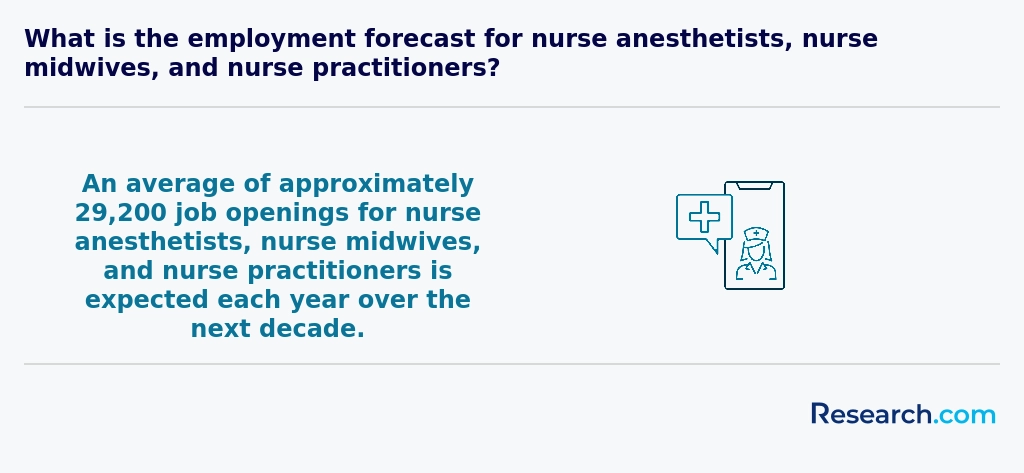
When considering an online nursing program, it's essential to weigh the costs against the potential return on investment. Pursuing a degree from one of the affordable nursing schools in Pennsylvania can significantly impact your financial situation and career prospects. By choosing a program that balances affordability with quality education, you can set yourself up for success in the nursing field. This balance is crucial as it allows students to focus on their studies and clinical training without being overly burdened by debt, ultimately leading to a more fulfilling and financially stable career in nursing.
Students pursuing an online nursing degree in Pittsburgh can access a variety of financial aid opportunities to ease the financial burden. Graduates from local institutions such as the University of Pittsburgh and Duquesne University often share how federal aid through the FAFSA unlocks Pell Grants-providing up to $7,395 annually without the need for repayment-which was essential in managing tuition costs. Additionally, federal Direct Loans offer low-interest options that many students rely on to bridge funding gaps.
State-specific aid is also vital. For instance, Pennsylvania residents benefit from the Pennsylvania Higher Education Assistance Agency (PHEAA), which administers grants like the Pennsylvania State Grants program that reward financial need. Many Pittsburgh nursing students report that local scholarships from organizations such as Pittsburgh Mercy Health System or the Sigma Theta Tau Nursing Society provided crucial supplemental funding.
Working nurses attending schools like Chatham University frequently attest to employer tuition reimbursement programs, which lighten debt by covering part or all of their tuition costs. Programs like the National Health Service Corps further support graduates by offering loan repayment in exchange for serving underserved Pennsylvania communities, providing both relief and career motivation.
Applying to an online nursing program in Pittsburgh involves a clear, step-by-step approach to ensure you meet each requirement and deadline. Start by researching accredited MSN options and aligning them with your career goals. Non-nurses seeking accelerated entry paths can explore the quickest direct entry msn for non nurses online to identify programs designed for efficient graduate-level transition. Step 1: Review Prerequisites and Deadlines • Verify prerequisite coursework (e.g., biology, chemistry, anatomy) and maintain the minimum GPA (often 3.0 or higher). • Schedule required entrance exams, such as the TEAS or GRE, well before application deadlines. • Note application windows-most programs admit new cohorts in fall and spring. Step 2: Prepare and Organize Application Materials • Transcripts: Request official transcripts from all colleges and universities. • Resume/CV: Highlight clinical experience, volunteer work, and leadership roles in healthcare settings. • Personal Statement: Craft a narrative that connects your nursing passion with program-specific values and outcomes. • Letters of Recommendation: Secure two to three strong endorsements from academic advisors, clinical supervisors, or professional mentors. Step 3: Complete the Online Application and Financial Aid Forms • Applicant Portal: Create an account, complete all personal and academic history fields, and upload documents in PDF format. • Application Fees: Budget for non-refundable fees, which may range from $50–$100 per program. • FAFSA: Submit the Free Application for Federal Student Aid early to maximize eligibility for grants, loans, and institutional scholarships. Tips for a Competitive Application • Emphasize unique experiences-such as community health projects or research involvement-that demonstrate initiative and critical thinking. • Proofread every component of your application and consider peer or mentor reviews to catch errors. • Attend virtual information sessions or connect with admissions advisors to ask questions and express genuine interest. By following these steps and tailoring each element of your application, you’ll present a comprehensive profile that showcases your readiness for the demands of an online nursing master’s program in Pittsburgh.
Enrolling in online nursing degree programs in Pittsburgh requires meeting clear academic and professional prerequisites that align with both local and national standards. Undergraduate applicants typically present a high school diploma or GED, complemented by completed coursework in biology, chemistry, anatomy, and statistics. These foundation courses, often required by institutions like the University of Pittsburgh or Duquesne University, prepare students for the rigorous nursing curriculum ahead.
Graduate applicants for Master of Science in Nursing programs must have earned a bachelor's degree in nursing or a related field from an accredited school and hold a valid Registered Nurse (RN) license. Many local graduates recall how holding an RN license-and having one to three years of clinical experience-proved essential when applying to competitive programs like those offered online by Chatham University.
Additionally, most Pittsburgh programs require official transcripts, letters of recommendation, and personal statements that showcase career objectives clearly. Although test requirements like the GRE are sometimes waived, maintaining a GPA around 3.0 remains a common standard. These prerequisites ensure students embark on their nursing journey fully prepared to thrive.

Clinical practicums are an essential component of online MSN programs in Pittsburgh, blending virtual coursework with hands-on experience at accredited sites. Most programs require 500–700 supervised clinical hours, ensuring you develop real-world skills before graduation.
- Typical requirements: 500–700 hours of supervised practice
- Common sites: UPMC hospitals, Allegheny Health Network facilities, community health centers
- Placement support: dedicated advisors coordinate site agreements and schedules
- Simulation labs: virtual simulations count toward clinical hour totals
- Timeline: clinical placements usually begin in your second or third semester, with flexible hours to fit work and life commitments
For a clinical-free bridge option, explore our rn to bsn no clinicals pathway.
Online nursing degree programs in Pittsburgh commonly offer a comprehensive curriculum combining core sciences and specialized nursing topics. Students at well-regarded institutions experience courses in anatomy, physiology, microbiology, and pharmacology, laying a rigorous foundation essential for patient care. Graduates often reflect on how these classes enhanced their understanding of the human body, preparing them to handle real-life medical situations confidently.
Courses such as pathophysiology and health assessment sharpen diagnostic skills crucial for clinical decision-making. Online learners also engage deeply with evidence-based practice and research methods, empowering them to critically analyze new clinical information-skills highly praised by students at Pittsburgh's top nursing schools.
Specialized coursework frequently includes Advanced Nursing Practice, Health Policy and Ethics, Healthcare Informatics, and Population Health Management. Many students appreciate how these subjects connect theory to practical leadership and community health roles in local Pittsburgh healthcare settings.
Alongside academics, clinical practicums completed at area hospitals help students translate online learning into hands-on experience, an aspect consistently highlighted as rewarding and confidence-building by graduates of Pittsburgh nursing programs.
Online nursing degree specializations Pittsburgh students often pursue include Family Nurse Practitioner (FNP), Adult-Gerontology Acute Care, and Nursing Education, reflecting the city's distinct healthcare demands. Graduates from well-known universities in Pittsburgh frequently describe a rewarding experience becoming FNPs, providing essential primary care to diverse age groups, especially as the local aging population increases pressure on healthcare resources.
Specialized nursing programs in Pittsburgh online also feature tracks like Healthcare Administration, which prepares nurses for leadership roles within expanding health systems. Graduates appreciate how these programs blend theoretical knowledge with practical challenges faced by Pittsburgh's healthcare organizations. Additionally, other options such as Pediatric Nursing, Psychiatric-Mental Health Nursing, Emergency Nursing, Informatics Nursing, and Women's Health Nurse Practitioner offer broad expertise for nurses aiming to meet diverse patient needs.
Students looking to avoid clinical rotations altogether may find benefits in online rn bsn programs without clinicals, often complemented by specialized tracks that suit busy professionals seeking flexibility and focused skills.
When selecting the best online nursing degree in Pittsburgh, start by confirming the program's accreditation through recognized bodies like the Commission on Collegiate Nursing Education (CCNE) or the Accreditation Commission for Education in Nursing (ACEN). Graduates from well-known Pittsburgh institutions often highlight how accreditation ensured their readiness for licensure and competitive job placement. Considering affordability is equally important; many students find that affordable nursing degrees Pittsburgh PA offer a balanced approach between tuition costs and quality. Flexibility also plays a crucial role-programs with local clinical placement options in Pittsburgh allow students to complete hands-on training at familiar hospitals, making the learning experience more manageable alongside work or family obligations.
Faculty expertise and student support services significantly enhance student satisfaction, as shared by online learners from notable Pittsburgh colleges. These resources contribute to confidence when preparing for the NCLEX-RN exam. For those seeking specific pathways, exploring the quickest direct entry msn for non nurses online might provide an accelerated route into nursing, especially within the best online nursing programs in Pittsburgh.
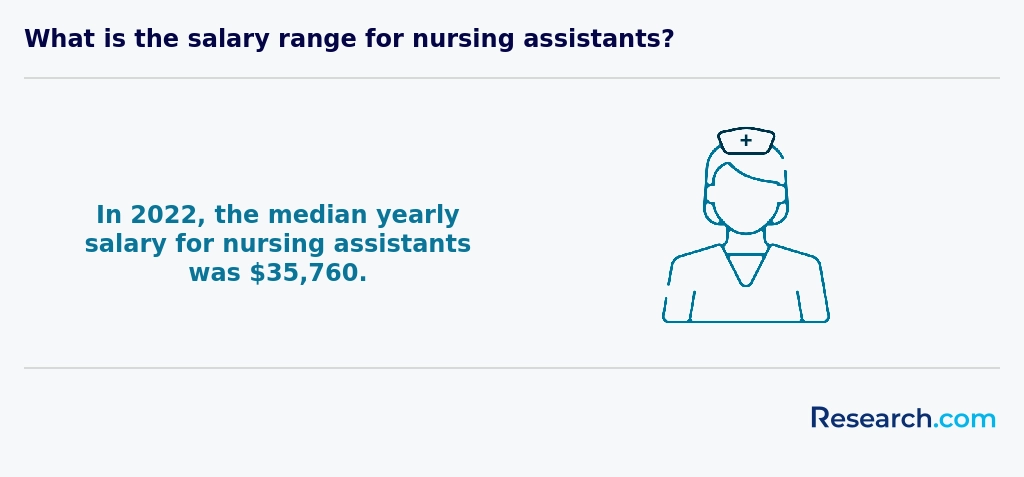
Graduates of online nursing degree programs in Pittsburgh frequently pursue diverse career paths tailored to the region's robust healthcare sector. Entry-level roles such as Registered Nurses (RNs) are prevalent among those holding a Bachelor of Science in Nursing (BSN), offering opportunities in prominent hospitals and outpatient centers throughout Pittsburgh. Many graduates from notable institutions in the city find fulfillment working directly in patient care within UPMC or Allegheny Health Network, where hands-on experience cultivates professional growth and confidence.
Advanced degree holders, including those with a Master of Science in Nursing (MSN), often expand their career horizons to encompass specialized roles. These include Family Nurse Practitioners (FNPs), Clinical Nurse Specialists (CNS), and Nurse Educators who engage in shaping future nursing professionals at regional universities reputed for nursing education. Additionally, leadership positions such as Nurse Administrators and Healthcare Managers are attainable, guiding teams and managing healthcare services effectively.
Emerging fields like telehealth nursing have become especially attractive for graduates seeking flexible schedules supported by online education formats. Those exploring further educational investment may consult resources like the Most Affordable Online Doctorate in Nursing Degree Programs to advance their qualifications. The strong Pittsburgh nursing degree job outlook reflects the growing demand for skilled professionals across these varied roles, ensuring rewarding career opportunities.
The job market for graduates holding an online nursing degree in Pittsburgh is robust, driven by a well-established healthcare sector anchored by institutions such as the University of Pittsburgh and Chatham University. These graduates find ample opportunities in hospitals, outpatient centers, and community health services, responding to rising demand fueled by the city's expanding urban and suburban populations. Registered nurses with a Bachelor of Science in Nursing (BSN), obtained through online programs, typically secure starting salaries between $65,000 and $75,000, reflecting competitive pay in the region.
Many graduates appreciate the flexibility of online education, balancing work and study while gaining credentials valued by Pittsburgh's healthcare employers. Advanced practice registered nurses (APRNs) with online Master of Science in Nursing (MSN) degrees often achieve salaries exceeding $100,000. This strong outlook aligns with local workforce needs, making online nursing jobs in Pittsburgh PA a promising pathway for career growth for those who want to pursue a career for introverts or other specialized roles.
Students and professionals report that nursing programs in Pittsburgh emphasize up-to-date skills and practical training tailored to regional needs, enhancing employability. The collaborative efforts between educational institutions and local healthcare providers ensure that graduates are well-prepared to meet demand in primary care, elderly care, and specialty units, securing rewarding employment in the competitive but welcoming job market.
2027 Best Online Master's in Nursing Degree Programs Ranking in Pittsburgh, PA
Investing in your education is a significant decision that can profoundly impact your career, and the Research.com team recognizes the importance of making well-informed choices. To aid prospective nursing students in Pittsburgh, PA, we have carefully developed the "2027 Best Online Master's in Nursing Degree Programs Ranking in Pittsburgh, PA." Our dedication to quality, credibility, and precision is evident in the rigorous research and thorough analysis that underpin this ranking.
We utilized the following reputable data sources to ensure a comprehensive evaluation of nursing programs:
By reviewing this ranking, readers will gain valuable insights into the top online master's nursing programs in Pittsburgh, helping them make confident decisions about their educational futures. For a detailed explanation of our ranking process, please visit our Research.com methodology page.


Frequently Asked Questions About nursing
Online nursing degree students in Pittsburgh can maximize their learning by taking advantage of local clinical placement opportunities. Pittsburgh hosts numerous hospitals and health systems, such as UPMC and Allegheny Health Network, which often collaborate with educational institutions to provide hands-on experience. Combining online coursework with practical clinical hours helps bridge theory and real-world nursing skills.
Engaging actively with instructors and peers through virtual platforms enhances understanding and professional networking. Given the rigorous demands of nursing programs, time management and regular study schedules are essential for success. Additionally, students should utilize Pittsburgh's healthcare resources and local nursing associations for support and career guidance, strengthening their educational journey and future employment prospects.
Emerging niches within the nursing field reflect changes in healthcare demands and technology. In Pittsburgh, specialties such as telehealth nursing are growing rapidly, driven by increased access to digital care platforms. The Pennsylvania Department of Health reports telehealth services usage rose by over 50% since 2020, highlighting expanded opportunities for nurses skilled in remote patient monitoring.
Another expanding area is gerontological nursing, in response to Pittsburgh's aging population. Nurses specializing in elderly care are essential for managing chronic conditions and improving quality of life. Additionally, informatics nursing, which integrates data management with patient care, is gaining traction as hospitals adopt advanced electronic health records systems. These emerging niches offer promising career paths for online nursing degree graduates seeking to meet Pittsburgh's healthcare needs.
After completing an online nursing degree in Pittsburgh, preparing for the job market involves several strategic steps. First, graduates should obtain licensure by passing the NCLEX-RN exam, required in Pennsylvania for registered nurses. According to the Pennsylvania State Board of Nursing, timely application and exam preparation are crucial. Next, building a professional network is vital; Pittsburgh's healthcare sector is robust, with major employers like the University of Pittsburgh Medical Center offering varied opportunities.
Engaging in local nursing associations, such as the Pennsylvania State Nurses Association, provides access to job postings and mentorship.
Finally, consider internships or clinical placements during the program to gain experience, as data from the Bureau of Labor Statistics shows experiential learning improves employment chances in nursing professions.
Employers in Pittsburgh prioritize both clinical expertise and interpersonal skills when hiring nursing degree graduates. Key abilities include strong patient care techniques, critical thinking, and proficiency with electronic health records (EHR) systems, essential for modern healthcare settings. According to the Pennsylvania Center for Nursing, communication skills and teamwork are among the top soft skills required.
Pittsburgh healthcare facilities also value graduates who show adaptability to fast-paced environments and cultural competence to serve diverse communities effectively. Familiarity with local health issues, such as the region's high rates of chronic disease, enhances a nurse's readiness for the job market. These skills combined improve patient outcomes and align with employer expectations.
Finding internships in Pittsburgh relevant to a nursing degree begins with utilizing local healthcare networks. The city hosts major hospitals such as UPMC and Allegheny Health Network, which offer clinical internships and partnerships with nursing schools. Many online programs in Pittsburgh require or recommend these practical experiences for licensure.
Students should connect with university career centers or nursing program advisors who maintain lists of available placements. Additionally, Pittsburgh's growing healthcare sector increases opportunities in specialized areas like geriatrics and trauma.
Resources like the Pennsylvania State Board of Nursing also provide guidelines on approved clinical hours and eligible facilities. Exploring local public health departments and nonprofit organizations may reveal less competitive but valuable internships. Early application and direct contact with sites improve chances significantly.
In Pittsburgh, earning an online nursing degree significantly enhances career mobility and advancement opportunities. The region's growing healthcare sector, including leading institutions like UPMC, demands highly qualified nursing professionals with advanced skills. According to the Pennsylvania Department of Labor & Industry, registered nurses in Pittsburgh have a projected job growth of 9% through 2030, outpacing many other professions.
Online programs enable nurses to balance work and study, making it easier to gain advanced credentials such as a Master of Science in Nursing (MSN). These degrees often lead to roles in management, education, or specialized clinical areas. Additionally, advanced certifications tied to online education improve salary potential, a crucial factor in Pittsburgh's competitive job market.
Local employers increasingly recognize accredited online degrees from reputable universities, expanding choices for career advancement. Nurses with these qualifications often access leadership tracks and higher pay grades in both hospitals and community health systems.
Studying for a nursing degree in Pittsburgh offers a solid foundation for interdisciplinary roles within healthcare. Accredited online nursing programs in the region emphasize collaboration with diverse professionals such as physicians, pharmacists, and social workers. This is essential as Pittsburgh's healthcare sector, including large systems like UPMC, prioritizes team-based care models.
Courses often integrate case studies and simulations focusing on communication and coordination across disciplines. According to the Pennsylvania Department of Labor, the demand for nurses skilled in interdisciplinary teamwork is growing by over 15% annually in Pittsburgh's metro area.
Additionally, many programs provide access to local clinical partnerships, exposing students to real-world interdisciplinary environments and enhancing practical skills in patient-centered care.
When choosing between a thesis and a non-thesis online nursing degree in Pittsburgh, consider your career goals and learning preferences. A thesis program involves conducting original research and writing a detailed paper, which can benefit those aiming for doctorates or research roles. Non-thesis options focus more on coursework and practical application, suitable for nurses prioritizing clinical practice or administrative positions.
Pittsburgh's nursing programs align with national trends where about 40% of master's nursing students prefer non-thesis tracks for faster completion. According to the Pennsylvania Department of Education, research-focused paths can take up to two years longer.
Evaluate faculty expertise, program flexibility, and expected time commitment when making your decision.
Students in Pittsburgh interested in studying nursing abroad face unique challenges due to licensing and accreditation requirements in the United States. Most online nursing degrees from international institutions may not align with the standards set by the Pennsylvania State Board of Nursing. Therefore, Pittsburgh students frequently choose U.S.-based programs with international study options or partnerships. Some universities offer global clinical experiences, but these are typically part of advanced nursing degrees and require travel.
Because Pittsburgh had over 30,000 employed registered nurses in 2023, local demand supports U.S.-accredited online programs as a practical route. The National Council Licensure Examination (NCLEX-RN) remains mandatory for all nursing graduates seeking licensure in Pennsylvania, regardless of study location.
Part-time job opportunities that complement nursing degree education in Pittsburgh include roles such as certified nursing assistants (CNAs), medical scribes, and patient care technicians. These positions provide practical experience working closely with healthcare professionals, enhancing clinical skills while balancing academic commitments. According to the Pennsylvania Department of Labor & Industry, Pittsburgh's healthcare sector is growing steadily, with nursing-related jobs projected to increase by over 10% through 2030.
Hospitals like UPMC offer part-time positions specifically designed for students pursuing nursing degrees. Such roles often allow flexible schedules to accommodate online coursework. Additionally, local clinics and long-term care facilities provide part-time employment for students to develop patient interaction and administrative skills relevant to nursing practice.
Online nursing students in Pittsburgh have several networking opportunities despite their remote status. Many local universities, such as the University of Pittsburgh and Duquesne University, offer virtual events, webinars, and discussion groups that connect students with faculty and peers. These events often include guest speakers from Pittsburgh's healthcare sector, fostering professional relationships.
The city's robust healthcare industry-featuring prominent employers like UPMC-provides additional networking avenues through internships, clinical placements, and job fairs specifically for nursing students. According to the Pittsburgh Business Times, UPMC employs over 80,000 healthcare workers locally, creating a large professional network.
Professional organizations like the Pennsylvania State Nurses Association host regional chapters and virtual meetups tailored for online students, supporting career growth and mentorship. These combined resources contribute to a rich networking environment for online nursing students in Pittsburgh.
Alumni networks significantly support online nursing degree students in Pittsburgh by connecting them with experienced professionals in the region.
These networks provide mentorship opportunities, helping students navigate the job market and gain practical advice tailored to Pittsburgh's healthcare environment.
Additionally, alumni often share job openings within local hospitals and clinics, enhancing employment prospects for graduates.
The Pittsburgh area has a growing demand for nurses, with the Pennsylvania Center for Workforce Information reporting a consistent rise in nursing jobs, which alumni networks help students to access.
Networking through alumni can also lead to collaborations in research or continuing education, vital for career advancement in nursing.
Customizing an online nursing degree program in Pittsburgh allows students to align their education with specific career goals. Many local programs offer specialty tracks such as nurse practitioner, nurse educator, or healthcare administration. Students can often select electives focusing on areas like geriatrics or pediatrics, tailoring their skills for targeted roles.
Clinical placement options in various Pittsburgh healthcare settings, including University of Pittsburgh Medical Center, provide real-world experience necessary for licensure and career advancement. According to the Pennsylvania Department of Labor, registered nurses in the Pittsburgh metro area earn a median annual wage above the national average, highlighting the benefits of specialized training.
Flexible scheduling and part-time enrollment options support working professionals, making it easier to balance education with job responsibilities.
Online nursing students in Pittsburgh often face challenges balancing coursework with professional and personal responsibilities. Many are working nurses, which adds time-management pressures. According to data from the Pennsylvania State Board of Nursing, Pittsburgh's healthcare workforce is growing, increasing demand but also competition for clinical placement sites.
Securing quality clinical experiences remains a major hurdle. Local hospitals and clinics have limited slots, making hands-on training access difficult for online students. Technical issues also arise, as reliable internet and updated devices are essential for virtual labs and lectures.
Moreover, some students report feelings of isolation compared to traditional, in-person programs. Support networks through schools and local nursing associations can help address this but vary by institution.
With an online nursing degree, especially a master's program, graduates in Pittsburgh can pursue several professional certifications to advance their careers. Common certifications include the Certified Nurse Practitioner (CNP), Certified Nurse Educator (CNE), and Clinical Nurse Specialist (CNS). These certifications are often required for specialized nursing roles and enhance job prospects in hospitals and healthcare facilities across Pennsylvania.
According to the Pennsylvania Board of Nursing, certification requirements typically include completing an accredited program and passing a national exam. Pittsburgh, home to multiple healthcare systems such as UPMC, values these credentials for professional advancement.
Certifications can lead to roles in primary care, education, or administration, reflecting the diverse opportunities an online nursing degree can open. For precise eligibility and renewal rules, checking with certifying bodies like the American Nurses Credentialing Center is advised.
To write a winning application for an online nursing program in Pittsburgh, start by clearly demonstrating your passion for nursing and healthcare. Pittsburgh is home to leading institutions like the University of Pittsburgh, ranked among the top nursing schools nationally by U.S. News & World Report. Highlight relevant clinical experience and any certifications, such as CNA or LPN licenses.
Ensure your academic records reflect strong performance in prerequisite courses, especially in sciences. A well-crafted personal statement that aligns with the program's mission and local healthcare needs strengthens your appeal. Lastly, secure recommendation letters from professionals familiar with your work ethic and skills.
The nursing profession is recognized worldwide for its critical role in healthcare systems. In the United States, including Pittsburgh, nursing offers diverse career opportunities driven by a growing demand for skilled professionals. According to the U.S. Bureau of Labor Statistics, nursing jobs are projected to grow 6% from 2021 to 2031, faster than the average for all occupations. Globally, many countries face nursing shortages, prompting increased emphasis on advanced education such as online master's degrees. Pittsburgh's healthcare sector supports this trend through partnerships between universities and hospitals, promoting accessible online nursing programs tailored for local and international students. This reflects a global shift valuing higher nursing education for improved patient care and leadership roles.
Gaining practical experience while pursuing an online nursing degree in Pittsburgh is essential for meeting licensure requirements and developing clinical skills. Most accredited programs include clinical placements in local hospitals, clinics, or community health centers to ensure hands-on training. Pittsburgh hosts several top healthcare facilities, such as UPMC, where students may complete clinical hours. Students often collaborate with program coordinators to identify suitable sites near their homes. According to the Pennsylvania State Board of Nursing, students must typically complete at least 500 clinical hours to graduate. This blend of online coursework and local practical experience prepares students effectively for nursing careers.
Choosing the right concentration within an online nursing degree program in Pittsburgh involves evaluating your career goals and the local healthcare market. Pittsburgh has a growing need for specialized nurses, especially in gerontology and acute care, due to its aging population, according to the Pennsylvania Department of Labor & Industry.
Research common nursing roles in the city and their salary ranges; for example, nurse practitioners in Pittsburgh earn an average of $110,000 annually, per the Bureau of Labor Statistics. Ensure your program offers concentrations aligned with these in-demand specialties.
Additionally, consider accreditation and the program's partnerships with Pittsburgh-area hospitals, which can enhance clinical placement opportunities and job prospects.
- 2027 Best Online Nursing Degree Programs Ranking in Morgantown, WV
- 2027 Best Online Nursing Degree Programs Ranking in Flint, MI
- 2027 Best Online Nursing Degree Programs Ranking in South Orange, NJ
- 2027 Best Nursing Degree Programs Ranking in Cleveland
- 2027 Best Nursing Degree Programs Ranking in Harrisonburg
- 2027 Best Nursing Degree Programs Ranking in Washington
- 2027 Best Nursing Degree Programs Ranking in Baltimore
- 2027 Best Nursing Degree Programs Ranking in Detroit
- 2027 Best Nursing Degree Programs Ranking in Lynchburg
- 2027 Best Nursing Degree Programs Ranking in Rochester
See What Experts Have To Say About Studying Nursing
Read our interview with Nursing experts

Lisa Grubb
Nursing Expert
Assistant Professor
Johns Hopkins School of Nursing

- Interdisciplinary Education and Practice https://www.aacnnursing.org/news-data/position-statements-white-papers/interdisciplinary-education-and-practice
- What Types Of Online Nursing Programs Are There? https://www.accreditedschoolsonline.org/nursing/degrees/
- Can I Get a Nursing Degree Online? | University of Phoenix https://www.phoenix.edu/articles/nursing/can-i-get-a-nursing-degree-online.html
- Essential Tips for Nursing Students to Advance Their Careers https://almanaltraining.com/essential-tips-for-nursing-students-to-advance-their-careers/
- Online Nursing Prerequisites: Complete Guide & Cost Savings | StraighterLine https://www.straighterline.com/blog/which-online-nursing-prerequisites-should-you-take-online
- Top Skills Employers Want in Practical Nursing Graduates https://vervecollege.edu/what-employers-look-for-in-practical-nursing-graduates/
- School of Nursing Alumni Resources https://nursing.utmb.edu/About/Alumni
- CCAC Announces New Financial Assistance and Support for Existing and Potential Nursing Students https://www.ccac.edu/newsroom-and-marketing/ccac-newsroom/2023/0601-ccac-announces-new-financial-assistance-and-support-program-for-nursing-students.php
- Pros And Cons Of Online Nursing In 2025 | Davis & Elkins https://www.dewv.edu/the-pros-and-cons-of-online-nusing-in-2025-is-it-right-for-you/
- Online versus Face-to-Face Nursing Degrees: A Study of Recruiters’ Perceptions - OJDLA https://ojdla.com/articles/online-versus-face-to-face-nursing-degrees-a-study-of-recruiters-perceptions