2027 Best Nursing Degree Programs Ranking in Dover

Co-Founder and Chief Data Scientist
Choosing the right nursing degree program is an important step toward a rewarding healthcare career. For students in Dover, finding a program that fits your goals and lifestyle can feel overwhelming.
This article introduces the 2027 Best Nursing Degree Programs Ranking in Dover, carefully developed by the Research.com team of data scientists. Their data-driven approach ensures you get reliable insights to help you make an informed decision.
Exploring these top programs can open doors to meaningful work, growth, and personal fulfillment in nursing. Let's guide you toward options worth considering for your future.
Key benefits of getting nursing degree in Dover
- Salary for nursing degree graduates: Graduates in Dover can expect competitive pay, such as Registered Nurses earning around $94,480 annually, with Operating Room Nurses earning significantly more at $128,490 a year.
- Potential career paths: A nursing graduate from a popular Dover college might pursue roles in emergency rooms, public health, or clinical education, showcasing the diversity of rewarding opportunities available.
- Benefits of online nursing degrees: Online programs from Dover institutions offer flexibility and convenience, enabling students to balance work and study while advancing their nursing careers efficiently.
- 2027 Best Nursing Degree Programs Ranking in Dover
- What can I expect from nursing degree in Dover?
- Where can I work with nursing degree in Dover?
What can I expect from nursing degree in Dover?
The average cost of pursuing a nursing degree in Dover varies depending on the type of institution and degree level. For public colleges, in-state tuition for an Associate Degree in Nursing (ADN) typically ranges between $6,000 and $10,000 per year, resulting in a total cost of approximately $12,000 to $20,000 for the two-year program. Bachelor of Science in Nursing (BSN) programs at universities such as Delaware State University or University of Delaware in Dover generally cost around $10,000 to $15,000 annually for in-state students, totaling $40,000 to $60,000 over four years.
Graduates from Dover's nursing programs often recall manageable tuition fees that, combined with scholarships and grants, made their education affordable. Many emphasize that attending a public institution enabled them to focus more on clinical experience without the constant stress of tuition debt. Private nursing schools, while less common in Dover, generally demand higher tuition, sometimes double public rates.
Where can I work with nursing degree in Dover?
Nursing degree graduates in Dover find diverse employment options across multiple healthcare settings, reflecting the city's robust demand for nursing professionals. Many graduates from institutions like Delaware State University actively secure roles at Bayhealth Hospital, Kent Campus, where they work in fast-paced medical-surgical units, emergency rooms, and intensive care departments. These roles offer hands-on patient care combined with collaboration in interdisciplinary teams, providing graduates with fulfilling, real-world experiences.
Other common career paths include opportunities in outpatient care centers and physician offices, popular among nursing alumni seeking roles in preventive care and chronic disease management. Graduates often report satisfaction working in community health settings such as clinics supported by Delaware Technical Community College, focusing on immunization programs and health education.
Long-term care facilities also employ nursing graduates, allowing them to develop skills in elder care and rehabilitation, areas which have seen steady employment growth per Delaware Department of Labor data. Additionally, home healthcare has expanded due to demographic trends, creating flexible roles that many find rewarding and impactful.
Graduates with a nursing degree in Dover, including those from well-regarded local institutions, often find favorable salary prospects linked directly to their education and chosen specialty. Registered Nurses (RNs) typically earn a mean annual wage of around $94,480 in the area, aligning with data from the U.S. Bureau of Labor Statistics. This reflects a robust local demand that recent graduates frequently observe when entering hospitals or outpatient centers near their universities.
Nurses who specialize can see even higher earning potential. For example, those trained to work in operating rooms report mean annual wages up to $128,490, significantly above the average RN salary. Many graduates pursuing specialized roles feel encouraged by such figures, which boost their motivation to continue advanced training.
Other common nursing careers include clinical nurse educators, public health nurses, and emergency room nurses, each averaging about $94,480 annually. Graduates from Dover's nursing programs often highlight their positive personal experiences balancing hands-on clinical practice with classroom learning, which prepares them well for these roles.
Overall, nursing degree holders in Dover can expect salaries that reward their commitment and skills, with opportunities to increase earnings through specialization and experience.
- Dover offers accredited ADN and BSN nursing programs at community colleges and universities.
- Tuition for ADN programs averages $8,000 to $12,000 per year, while BSN programs range from $12,000 to $20,000 annually for in-state students.
- Additional costs include textbooks, uniforms, and licensing exam fees.
- Starting salaries for registered nurses in Dover average around $60,000 per year, with mid-career nurses earning $75,000 to $85,000.
- Registered nurse jobs in Dover are projected to grow by 12% by 2030, outpacing the national average.
- Employment opportunities exist in hospitals, outpatient centers, nursing homes, and home health care settings in Dover and nearby metropolitan areas.
Completing a nursing degree in Dover typically ranges from 2 to 4 years, influenced mainly by the chosen program and enrollment status. Graduates from community colleges offering Associate Degree in Nursing (ADN) programs near Delaware County often finish in about two years, allowing them to quickly enter the workforce as registered nurses. This pathway appeals to those seeking a faster transition into nursing careers.
Meanwhile, students attending Delaware's universities for a Bachelor of Science in Nursing (BSN) invest around four years in rigorous study. This longer timeframe includes leadership and research components, which many find rewarding as it enhances career prospects and salary potential. Graduates often reflect on the comprehensive training they received during their college years that prepared them well for diverse nursing roles.
Additionally, working nurses in Dover frequently pursue RN-to-BSN bridge programs, completing them within 1 to 2 years. This flexible option supports career advancement without full-time study interruptions. Many appreciate the adaptability this pathway offers, catering to real-life demands such as jobs and families.
Many Dover students leverage articulation agreements and bridge pathways to fast-track their nursing education. Common options include:
- LPN-to-RN and LPN-to-BSN Tracks: Local community colleges partner with four-year institutions to allow Licensed Practical Nurses (LPNs) to transfer credits directly into Associate or Bachelor’s programs, reducing redundancy and time to degree.
- RN-to-BSN Online Options: Registered Nurses with an ADN can complete a BSN online in as few as 12–18 months, often with credits for clinical experience and flexible scheduling.
- Medical Assistant to LPN Pathways: For those entering healthcare through a medical assistant role, accelerated certificate programs offer seamless transitions. Prospective students can compare top ma to lpn online degree programs that combine foundational clinical skills with licensed practical nursing coursework.
- Credit for Prior Learning (CPL): Many institutions grant CPL for military service, healthcare certifications, or professional experience, shaving months off traditional timelines. By exploring these bridge programs, Dover’s future nurses can optimize costs, capitalize on existing expertise, and enter the workforce sooner with licensure-eligible credentials.
Online nursing programs in Dover offer flexible scheduling that suits working students or those with family commitments. Coursework is accessed remotely through digital platforms, allowing graduates from institutions like Wesley College to study lectures and complete assignments at their convenience. However, clinical hours remain mandatory and must be completed in approved local healthcare facilities, reflecting a consistent 30-50% practical training component emphasized by the National League for Nursing.
Conversely, traditional on-campus programs at places such as Delaware State University provide daily face-to-face interaction with faculty and peers, enhancing immediate feedback and collaborative learning. Students benefit from simulation labs and hands-on practice directly on campus, which many graduates find pivotal in building confidence before entering clinical settings.
Cost-wise, on-campus tuition in Dover typically ranges from $8,000 to $15,000 annually. Online options may offer slightly lower tuition due to fewer facility fees, but students should factor in technology needs and travel for clinical placements. Both paths prepare students effectively, but personal learning style and lifestyle demands often guide the choice.
The average nursing degree cost in Dover varies notably depending on residency status and the program level. For in-state students attending public institutions such as Delaware Technical Community College, the median in-state total cost stands at approximately $10,670, which includes tuition and required fees. This affordability allows many students to pursue nursing careers without overwhelming financial burden. Graduates from these programs often share positive experiences, citing manageable expenses alongside quality practical training.
On the other hand, the median total cost for all students, which includes out-of-state students in both public and private settings, is around $36,424. Students at the University of Delaware pursuing a Bachelor of Science in Nursing (BSN) might encounter costs closer to this figure due to higher tuition fees, but find the investment worthwhile given the comprehensive curriculum and strong clinical partnerships. Many report that the holistic learning environment and access to advanced facilities justify the expense.
Other costs such as textbooks, uniforms, and clinical supplies are additional but tend to be offset by numerous financial aid options available locally. Prospective nursing students in Dover benefit from scholarships, grants, and loans tailored for healthcare education, which help reduce the total cost of nursing programs Dover offers. This support encourages a diverse pool of students who feel motivated to succeed in nursing.
Students looking to expand their qualifications or explore specialized nursing paths might explore resources related to nurse practitioner degrees minnesota alumni network, demonstrating a proactive approach to career advancement beyond the initial degree.
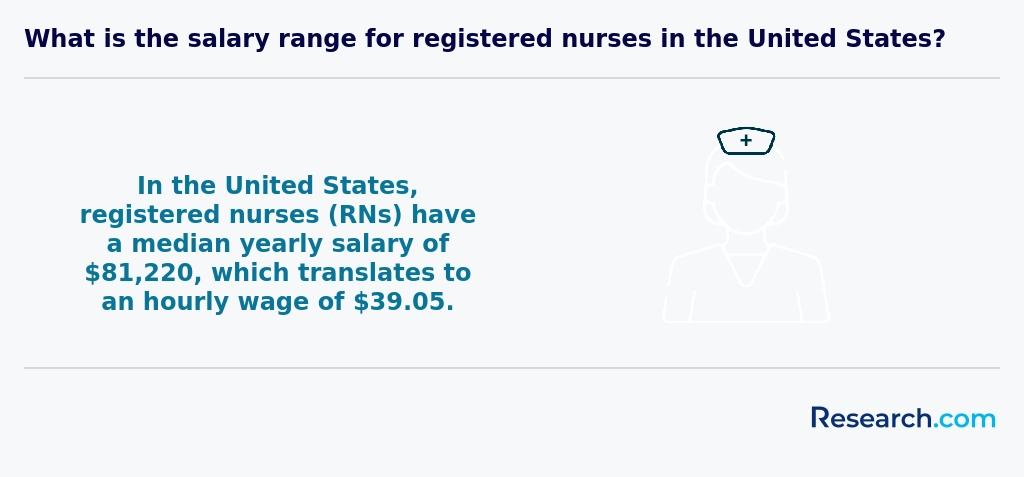
Nursing students in Dover, DE benefit from a robust network of academic and professional support services designed to enhance learning outcomes and career readiness. Most local institutions offer comprehensive tutoring centers, where certified nurse educators provide one-on-one assistance in subjects such as anatomy, pharmacology, and clinical skills. Simulation labs equipped with high-fidelity mannequins allow students to practice emergency response and patient assessment in realistic scenarios, fostering confidence before clinical rotations. Career services offices guide students through resume building, interview preparation, and job placement, boasting strong partnerships with Bayhealth Medical Center and other leading healthcare employers. Regular workshops on stress management, time management, and study strategies ensure that students maintain both academic performance and personal well‐being. Peer mentoring programs pair first‐year students with upperclassmen who share insights on balancing coursework, clinical hours, and part‐time employment. In addition, online learners can access 24/7 technical support and virtual libraries stocked with the latest nursing journals and research databases. Those considering advanced practice roles may explore opportunities highlighted in the Most Affordable Online Doctorate in Nursing Degree Programs Ranking in the West to plan their career trajectory. By leveraging these resources, Dover nursing students are well-prepared to excel academically and transition seamlessly into professional practice.
Nursing students at institutions like Delaware State University in Dover frequently rely on federal aid such as the Pell Grant, which offers up to $7,395 annually without requiring repayment. Completing the FAFSA is essential to unlock these funds, alongside access to Direct Subsidized and Unsubsidized Loans that provide lower interest rates than private lenders. Graduates often express relief knowing these options help manage tuition costs, which average between $9,000 and $15,000 per year for in-state students.
Beyond federal support, Delaware's Health Care Provider Loan Repayment Program plays a critical role, incentivizing nursing graduates to work in underserved local areas by reducing their education debt. Many students from Dover's nursing colleges find this program motivating, as it aligns financial aid with community service goals.
Scholarships from organizations like the Delaware Nurses Association further ease financial burdens. Nursing students have shared how awards ranging from $1,000 to over $5,000 made a tangible difference in covering costs.
Local hospitals also contribute by offering tuition reimbursement, enabling nursing students to gain valuable experience while financing their education. Knowing these varied options exist provides reassurance and optimism for many pursuing nursing careers in Dover.
One of the most accessible entry points into nursing in Dover, DE, is the Licensed Practical Nurse (LPN) certificate program, which typically takes 12–18 months to complete. LPNs perform essential patient care tasks-such as monitoring vital signs, administering medications under RN supervision, and assisting with daily living activities-while gaining real-world experience that forms a strong foundation for more advanced nursing roles. Graduates often report that the hands-on nature of LPN training accelerates their clinical confidence and provides immediate employment opportunities in hospitals, long-term care facilities, and outpatient clinics. For LPNs who wish to advance their careers, LPN-to-RN bridge programs offer a streamlined pathway to an Associate Degree in Nursing (ADN) or a Bachelor of Science in Nursing (BSN). These bridge curricula recognize previous LPN coursework and clinical hours, allowing students to complete RN prerequisites-such as advanced pharmacology, pathophysiology, and community health nursing-over 12 to 24 months. Upon graduation, students are eligible to sit for the NCLEX-RN licensure exam, opening doors to higher salaries (the average RN salary in Dover is $89,010) and expanded scopes of practice. When evaluating LPN and bridge options, consider program accreditation, NCLEX-PN pass rates, and the availability of clinical rotations at Bayhealth Medical Center or other reputable healthcare partners. Many local institutions also offer flexible part-time or evening schedules, ideal for working LPNs. Prospective students should verify prerequisites such as a high school diploma or equivalent, background checks, health screenings, and minimum GPA requirements before applying. While most LPN applicants in Dover enroll in in-state programs, some choose to explore out-of-state options renowned for specialized tracks or accelerated formats. For those interested in comparing offerings, the best rated florida lpn program provides insight into top-ranked curricula, faculty expertise, and clinical partnerships that may inform your decision-making process. By beginning as an LPN and leveraging bridge programs, students can build a sustainable nursing career with clear milestones-first achieving licensure, then advancing to RN status, and ultimately pursuing specialized roles or graduate studies. This stepwise approach balances immediate workforce entry with long-term professional growth in Dover’s robust healthcare ecosystem.
To enroll in nursing degree programs in Dover, applicants typically must have a high school diploma or GED, which forms the baseline educational requirement. Many graduates recall that having solid foundations in biology, chemistry, and math was crucial for handling the academic rigor at local institutions like Delaware Technical Community College and Wesley College.
Prospective students need to complete prerequisite courses such as Human Anatomy and Physiology, Chemistry, Microbiology, Nutrition, and Psychology before full admission. These classes build essential knowledge and confidence, helping students excel in hands-on clinical training later.
Standardized admission tests, including the TEAS or HESI, are frequently mandated. These exams ensure readiness by evaluating skills in reading, math, science, and English-skills that successful nursing students highlight as key to thriving in challenging coursework.
While prior healthcare experience is not always required, many nursing students share that volunteer work or clinical experience boosted their applications and gave them a meaningful glimpse into patient care.

Before you can practice as an RN in Dover, DE, you must:
- Complete an ACEN- or CCNE-accredited nursing program.
- Pass the NCLEX-RN exam administered by the Delaware Board of Nursing.
- Submit a licensure application, official transcripts, background check, and fees.
- Provide proof of required immunizations and health screenings.
- Renew your license every two years with 30 hours of continuing education.
For RNs seeking a BSN, consider the cheapest rn to bsn to enhance job prospects.
Nursing degree programs in Dover commonly include a robust set of courses that build a strong foundation in both science and nursing practice. Graduates from leading institutions in Dover often recall how initial coursework in anatomy, physiology, microbiology, and chemistry equipped them with essential knowledge of the human body, which was critical when they began clinical rotations.
Students in these programs also take specialized classes in pharmacology and pathophysiology, where they learn to understand disease mechanisms and the safe use of medications. One graduate described pharmacology as a course that boosted her confidence, enabling her to manage patient medications effectively during her hospital clinicals.
Practical nursing courses cover areas such as health assessment, patient care management, mental health nursing, and maternal and child health. Many nursing students at popular Dover colleges find community and public health nursing particularly rewarding, as it offers real-world exposure to diverse patient populations.
Nursing degree specializations in Dover offer targeted educational paths that reflect both local healthcare challenges and evolving national priorities. Popular options include Registered Nurse (RN) to Bachelor of Science in Nursing (BSN) programs, which focus on leadership and evidence-based practices, enhancing roles in community health. Graduates from Dover's notable colleges often describe gaining confidence managing complex patient care scenarios after completing Adult-Gerontology Nursing, a specialization responding directly to Delaware's aging population and its demand for skilled care providers.
Other vital tracks such as Pediatric Nursing address the growing need for child and adolescent healthcare, while Psychiatric and Mental Health Nursing meet the rising demand for mental health expertise, as highlighted by data from Delaware health authorities. Emergency and Critical Care Nursing prepare students for high-pressure environments like Dover's emergency rooms, where rapid, informed decisions are critical. Prospective students at Dover institutions frequently emphasize the practical benefits of these specialized programs, which align with real-world healthcare demands.
In addition to clinical nursing options, Dover students interested in complementary healthcare roles may explore programs like medical office administration, broadening their career flexibility within the healthcare sector.
Dover nursing programs with specialization options thus provide an adaptable, data-driven pathway that supports strong employment prospects and responsive local healthcare.
Choosing the best nursing degree in Dover involves evaluating degree type, cost, accreditation, and clinical opportunities. Graduates from popular nursing colleges in Dover often recommend pursuing a Bachelor of Science in Nursing (BSN) due to stronger long-term career prospects and leadership opportunities, supported by data from the American Association of Colleges of Nursing (AACN). Many report feeling confident entering the workforce, knowing their degree aligns with employer preferences.
Affordability also plays a key role in decision-making. Prospective students seeking affordable nursing degrees Dover 2027 highlight that public institutions in Delaware typically charge between $10,000 and $15,000 annually for in-state tuition, which suits tight budgets better than pricier private colleges. One common approach is comparing tuition alongside hidden costs like textbooks and exam fees.
Clinical experience is another decisive factor-students appreciate programs with strong partnerships at local hospitals, which enrich hands-on training essential for success. For students exploring options beyond Dover, resources such as nursing colleges fort worth courses offer insights into alternative pathways that complement Dover-based studies.
Nursing degree graduates in Dover face diverse nursing career opportunities in Dover that extend beyond traditional roles. Most graduates from institutions like Delaware Technical Community College and the University of Delaware quickly secure positions as Registered Nurses (RNs) in local hospitals such as Bayhealth Medical Center, where median annual wages approximate $72,000. This stable entry role supports hands-on patient care in acute and long-term settings.
Many choose advanced specialties, becoming Nurse Practitioners, Clinical Nurse Specialists, or Nurse Educators, addressing critical shortages in healthcare staff and faculty. Graduates report a strong sense of fulfillment working in pediatrics, oncology, or nurse anesthesia programs, demonstrating that the jobs align with both professional growth and community impact. Several nursing graduates from Dover have also transitioned to non-clinical roles in healthcare administration or public health nursing, focusing on preventive care strategies within local populations.
Prospective students weighing the nursing degree jobs Dover market against tuition costs find in-state programs especially attractive, making investment worthwhile. For those considering other options, information like nursing programs cost Georgia may provide valuable comparative insight into broader educational costs.
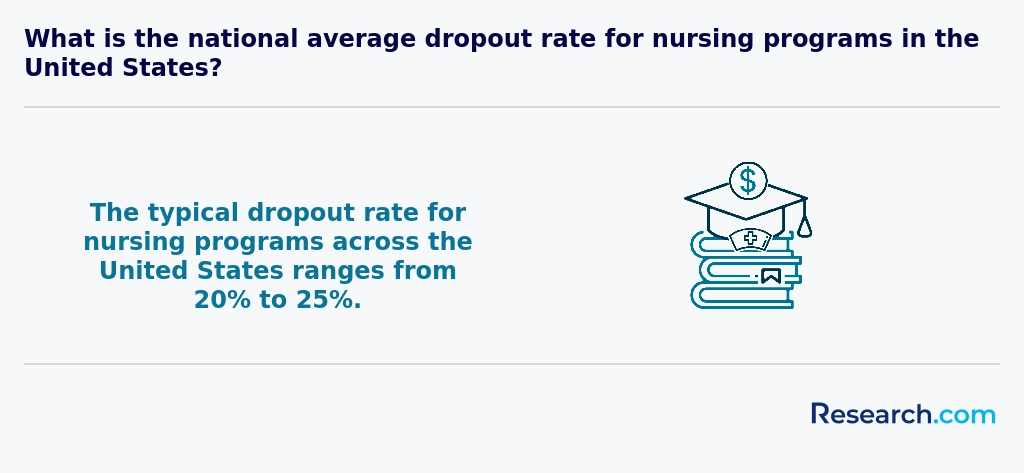
The nursing job outlook in Dover remains strong due to the city's expanding healthcare infrastructure and an aging population requiring specialized medical care. Graduates from popular nursing programs at local colleges report positive employment results, often securing roles at major employers like Bayhealth Medical Center and outpatient care centers. These institutions actively seek nurses skilled in pediatric, medical-surgical, and geriatric care, aligning well with graduates' training.
Dover nursing degree employment opportunities are supported by a median annual wage near $72,000, slightly above the national BLS average, which enhances the appeal of nursing careers in this region. Recent graduates share experiences of manageable student debt relative to strong starting salaries, fostering optimism about their financial and professional futures.
The cost of education varies, with community colleges offering programs around $8,000 annually and four-year institutions closer to $25,000. This makes pursuing a nursing degree in Dover a sound investment when balanced against robust job prospects and available incentives. Students also benefit from professional and ethical solutions embedded in local curricula that emphasize real-world readiness.
2027 Best Nursing Degree Programs Ranking in Dover
Investing in your education is a significant decision that can shape your future, and the Research.com team understands the importance of making informed choices. To assist prospective students in Dover, we have meticulously crafted the "2027 Best Nursing Degree Programs Ranking in Dover." Our commitment to quality, credibility, and accuracy is reflected in the extensive research and analysis conducted to compile this ranking.
We utilized the following reputable data sources to ensure a comprehensive evaluation of nursing programs:
By exploring this ranking, readers will gain valuable insights into the best nursing degree programs available in Dover, helping them make informed decisions about their educational paths. For more details on our methodology, please visit our Research.com methodology page.

# 3 position
Delaware Technical Community College-Terry
Bachelor of Science in Nursing

Frequently Asked Questions About nursing
Nursing degree students in Dover can enhance their learning by combining classroom study with hands-on clinical experience. Local healthcare facilities such as Bayhealth Medical Center offer valuable clinical placement opportunities, allowing students to apply theoretical knowledge in real-world settings.
Engaging with simulation labs, increasingly common in Dover nursing programs, helps build critical thinking and technical skills. Students should also take advantage of tutoring services and study groups offered by institutions like Delaware State University, which is within commuting distance.
Networking with practicing nurses and attending nursing workshops can provide insights into the evolving healthcare environment, further strengthening students' readiness for the workforce.
The nursing field is evolving rapidly, with several emerging niches gaining attention across the United States, including in Dover. One key area is geriatric nursing, driven by the aging population in Delaware and nationwide. According to the U.S. Bureau of Labor Statistics, demand for nurses specializing in elderly care is expected to grow by 17% through 2030.
Another growing specialty is informatics nursing, where professionals focus on managing healthcare data to improve patient outcomes. This niche blends technology and clinical expertise, aligning with the increasing adoption of electronic health records locally.
Additionally, community health nursing is on the rise in Dover, emphasizing prevention and wellness in diverse populations. This reflects broader public health goals to address chronic disease management and health education in urban and rural areas.
Lastly, nurse practitioners (NPs) with advanced practice roles are expanding, especially in primary care settings. This trend helps alleviate physician shortages and improve access to healthcare for Dover residents, a shift supported by ongoing healthcare reforms.
After completing a nursing degree in Dover, preparing for the job market involves several key steps. First, obtaining licensure through the NCLEX-RN exam is essential to practice as a registered nurse in Delaware. The Delaware Board of Nursing provides detailed guidelines and application processes.
Networking plays a crucial role; joining local organizations such as the Delaware Nurses Association can connect graduates with employers and mentorship opportunities. Additionally, gaining clinical experience through internships or residencies enhances practical skills that employers seek.
According to the U.S. Bureau of Labor Statistics, registered nursing jobs in Delaware are projected to grow by 7% through 2031, reflecting a favorable job market for new graduates.
Employers in Dover highly value nursing graduates who demonstrate strong clinical skills and critical thinking abilities. According to the Delaware Health Care Commission, practical knowledge in patient care and effective use of medical technology are essential for success in local healthcare settings.
Communication skills are also crucial, as nurses must interact clearly with patients, families, and multidisciplinary teams. Dover hospitals often emphasize teamwork and empathy in their hiring practices, reflecting a growing need for compassionate care professionals.
Additionally, adaptability and stress management are important skills, given the fast-paced environment in many Dover medical facilities. Graduates proficient in electronic health records (EHR) systems have a distinct advantage. These attributes collectively increase job readiness and employability in the competitive Dover nursing market.
Finding nursing internships in Dover involves a strategic approach combining local resources and educational networks. Many nursing programs in Dover partner with nearby hospitals such as Bayhealth Medical Center and Dover Behavioral Health Hospital, which regularly offer internships and clinical placements for students.
Prospective nursing students should consult their college's career services and nursing department, as these offices often maintain updated lists of available internships. Additionally, contacting healthcare facilities directly can reveal unadvertised opportunities.
The Delaware Nurses Association and the Delaware Health Sciences Alliance provide useful guidance and support for nursing students seeking hands-on experience. According to the Delaware Department of Labor, healthcare internships improve employment prospects by 15% within the state. Networking during local nursing conferences and job fairs in Dover may also help secure roles aligned with your education.
Obtaining a nursing degree in Dover significantly enhances career mobility and advancement opportunities within the healthcare sector. Registered nurses (RNs) with degrees such as an Associate Degree in Nursing (ADN) or a Bachelor of Science in Nursing (BSN) are in high demand locally, as Dover's healthcare facilities prioritize hiring academically qualified professionals. According to the Delaware Department of Labor, nursing roles in Dover are expected to grow by 15% through 2030, reflecting strong job security for degree holders.
Higher nursing degrees often lead to increased responsibilities, such as leadership or specialized clinical roles. BSN-prepared nurses in Dover frequently qualify for promotions faster, including positions in management or advanced practice nursing. Additionally, many employers offer tuition reimbursement for nurses pursuing further education, creating a clear pathway to career advancement.
Studying for a nursing degree in Dover offers comprehensive preparation for interdisciplinary roles essential in modern healthcare. Nursing programs integrate coursework in communication, ethics, and healthcare technologies, promoting collaboration with diverse medical professionals. According to the Delaware Board of Nursing, over 60% of nursing curricula in the region emphasize teamwork skills across disciplines such as medicine, social work, and pharmacy.
Dover's clinical placements often occur in hospitals and community health settings where students engage with multidisciplinary teams. This hands-on experience enhances understanding of patient-centered care requiring coordination between doctors, therapists, and nurses.
Such training equips graduates to adapt swiftly to dynamic healthcare environments, a quality supported by recent workforce studies from Delaware's Department of Health and Social Services.
When choosing between a thesis and a non-thesis nursing degree program in Dover, students should consider their career goals and learning preferences. A thesis program requires conducting original research and writing a detailed paper, which is ideal for those interested in academic or research careers.
Non-thesis options focus more on clinical practice and coursework, appealing to students aiming for direct patient care or leadership roles in healthcare settings.
According to the National League for Nursing, Dover's nursing graduates have a 92% employment rate within six months, reflecting strong clinical opportunities locally.
Evaluating program structure, time commitment, and future plans will help make the best choice.
Students based in Dover interested in studying nursing abroad have several options within the US higher education framework. Many universities offer study-abroad programs focused on healthcare, allowing nursing students to gain international clinical experience while earning credits applicable to their degrees. Programs in countries like the UK, Australia, and Canada are popular due to similarities in healthcare standards and language.
Additionally, some US institutions offer dual-degree nursing programs in collaboration with foreign universities. These partnerships provide opportunities to graduate with credentials recognized both in the US and abroad. Data from the American Association of Colleges of Nursing (AACN) shows that interest in global nursing education has grown 15% in recent years.
For nursing students in Dover specifically, nearby universities such as the University of Delaware facilitate exchange programs that include nursing internships abroad, helping students build global competencies essential for modern healthcare.
Students pursuing nursing degrees in Dover often seek part-time jobs that enhance their clinical skills while supporting their education. Common opportunities include working as certified nursing assistants (CNAs) or home health aides. These roles provide hands-on patient care experience, which is crucial for nursing students learning about patient management and healthcare protocols.
Local hospitals and long-term care facilities frequently hire part-time aides, offering flexible schedules suited to class commitments. According to the Bureau of Labor Statistics, the median hourly wage for nursing assistants in Delaware was approximately $14.50 in 2023, making it a practical option for students.
Additionally, positions such as medical scribe or pharmacy technician can improve medical terminology knowledge and documentation skills, complementing academic coursework.
Nursing students in Dover have access to multiple networking opportunities essential for career growth. Local colleges often host events connecting students with healthcare professionals from nearby hospitals such as Bayhealth Medical Center. These gatherings allow students to engage in mentorship and internship discussions.
The Delaware Nurses Association, active in Dover, organizes workshops and seminars that foster professional relationships among nurses and students. Additionally, nursing students can join state-wide groups like the Delaware Student Nurses Association, promoting peer networking and leadership development.
Many clinical placements in Dover provide real-world networking by enabling students to work alongside experienced nurses, enhancing both skills and connections.
Alumni networks provide valuable support to nursing degree students in Dover by connecting them with experienced graduates working in local healthcare settings. These networks often facilitate mentorship opportunities, helping students gain practical insights and career advice tailored to the Dover healthcare environment.
Local nursing alumni can also provide job leads and referrals, which is critical in competitive markets like Dover. According to the Delaware Nurses Association, 65% of recent nursing graduates found employment through alumni contacts.
Additionally, alumni events and online groups foster ongoing professional development, allowing students to stay updated on nursing best practices and state regulations relevant to Delaware.
Customizing a nursing degree program in Dover allows students to align their education with specific career goals. Many local institutions offer flexible curriculum options, including elective courses in specialties such as pediatrics, gerontology, or emergency nursing. Students can often choose between part-time and full-time study schedules to fit their personal and professional lives.
Additionally, practical experience through clinical rotations in nearby healthcare facilities supports career-focused learning. According to the Delaware College of Nursing, hands-on exposure in local hospitals enhances skills tailored to regional community needs.
Some programs also incorporate leadership or research components, enabling students to prepare for advanced practice or administration roles. Exploring these options helps nursing students in Dover build a personalized academic path.
Nursing students in Dover face several challenges typical to rigorous healthcare education. One major hurdle is managing demanding clinical hours alongside coursework. Clinical rotations often require students to spend long shifts in hospitals, which can affect their work-life balance.
Additionally, many students report stress related to mastering complex medical knowledge and skills. According to data from the Delaware Nurses Association, about 40% of nursing students in the state experience high levels of academic stress during their programs.
Financial concerns also affect students in Dover, as nursing degrees can be costly. While scholarships and grants are available, students must often juggle part-time jobs with study.
Lastly, adapting to changes in healthcare regulations and technology requires continuous learning, which some students find overwhelming, especially with limited support resources in smaller campuses or clinical sites.
With a nursing degree in Dover, graduates can pursue several professional certifications to advance their careers. Common certifications include the Certified Nurse Assistant (CNA) for entry-level clinical roles, and the Registered Nurse (RN) licensure, which is mandatory for practicing nursing professionally in the US.
Advanced certifications such as Certified Nurse Practitioner (CNP), Clinical Nurse Specialist (CNS), and Certified Nurse Midwife (CNM) are available for nurses seeking specialization. These require additional education and passing national board exams.
The Delaware Board of Nursing oversees licensure and certification, ensuring standards meet national guidelines, and local employers often prefer these credentials.
Applying to nursing programs in Dover requires clear and focused preparation. First, ensure your academic transcripts reflect strong performance, especially in science courses like biology and chemistry, as these are often prerequisites. Most programs also require passing the TEAS (Test of Essential Academic Skills) exam, so preparing with practice tests is crucial.
Highlight any healthcare-related experience, such as volunteering or working as a CNA; Dover hospitals like Bayhealth value practical experience. Writing a compelling personal statement that explains your motivation to pursue nursing and your commitment to patient care strengthens your application.
Finally, obtain strong letters of recommendation from supervisors or instructors who can attest to your skills and character. According to the Delaware Nurses Association, these elements significantly improve acceptance chances into local nursing programs.
The global perspective on a nursing career highlights its vital role in improving healthcare worldwide. In the United States, including places like Dover, nursing is among the fastest-growing professions, with the Bureau of Labor Statistics projecting a 9% job growth rate from 2022 to 2032. This trend reflects a strong international demand for skilled nurses due to aging populations and increased chronic illnesses.
Many countries recognize the importance of nursing degrees, often requiring rigorous education and clinical experience. U.S. nursing programs follow high standards set by organizations like the American Nurses Credentialing Center, ensuring graduates are prepared for diverse healthcare environments globally.
Moreover, nurses trained in Dover benefit from access to a variety of clinical placements in local hospitals, supporting practical skills development that aligns with global healthcare needs. This prepares them to work not only within the U.S. but also in international settings where nursing qualifications are increasingly transferable.
Gaining practical experience while studying for a nursing degree in Dover is essential for career readiness. Many nursing programs in the area include clinical rotations as a core component. These rotations provide hands-on training in local hospitals, clinics, and healthcare facilities. For example, ChristianaCare and Bayhealth Medical Center often partner with nursing schools to offer diverse clinical placements.
Additionally, students can seek internships and volunteer opportunities in Dover's healthcare community. These experiences allow students to observe and assist registered nurses in real-world settings. According to the Delaware Nurses Association, students who complete more than 500 clinical hours tend to perform better in licensing exams.
Choosing the right concentration within a nursing degree program in Dover begins with understanding local healthcare demands. Areas like geriatric care and community health nursing are prominent due to Dover's aging population and public health initiatives, according to the Delaware Health Statistic Center. Prospective students should evaluate their interests and strengths in clinical areas such as pediatrics, mental health, or emergency care, alongside job market trends specific to the Dover region.
It is important to review program offerings at Dover-area institutions, ensuring concentrations align with licensure requirements and career goals. Speaking with academic advisors and local healthcare employers can provide valuable insights into which specializations offer the best employment prospects.
- 2027 Best Nursing Degree Programs Ranking in Baltimore
- 2027 Best Nursing Degree Programs Ranking in Washington
- 2027 Best Nursing Degree Programs Ranking in Brooklyn
- 2027 Best Nursing Degree Programs Ranking in New York
- 2027 Best Nursing Degree Programs Ranking in Bronx
- 2027 Best Nursing Degree Programs Ranking in Virginia Beach
- 2027 Best Nursing Degree Programs Ranking in Harrisonburg
- 2027 Best Nursing Degree Programs Ranking in Lynchburg
- 2027 Best Nursing Degree Programs Ranking in Pittsburgh
- 2027 Best Nursing Degree Programs Ranking in Rochester
See What Experts Have To Say About Studying Nursing
Read our interview with Nursing experts


- What Nursing Concentration Is Right for Me? | Maryville Nursing https://nursing.maryville.edu/blog/what-nursing-concentration-is-right-for-me
- Guide to Making a Career Change to Nursing https://teach.com/online-ed/healthcare-degrees/online-msn-programs/career-change-to-nursing/
- 51 Trending Nursing Specialties | All Nursing Schools https://www.allnursingschools.com/specialties/
- RN Jobs in Dover, DE | Credenza https://credenzahealth.com/jobs/rn/in-dover-de
- Know more about thesis vs non- thesis: what is the difference? https://studyfans.com/en/blogs/816
- How Long Does It Take to Get a Nursing Degree? https://www.denvercollegeofnursing.edu/blog/nursing/how-long-does-it-take-to-get-a-nursing-degree-.html
- How to Choose the Right Nursing Program for Your Career Goals - Maria College https://mariacollege.edu/blog/how-to-choose-the-right-nursing-program-for-your-career-goals
- NURSING - University College of Enterprise and Administration https://en.wspa.pl/nursing-graduate-program/
- Nursing Schools In Dover, DE https://www.nursingschools.com/schools/delaware/dover/
- Access to University: Healthcare Professions - Dover College https://www.dovercollege.ac.uk/courses/access-to-university-healthcare-professions-2/