2027 Most Affordable Online Doctorate in Nursing Degree Programs Ranking in the USA

Co-Founder and Chief Data Scientist
Choosing the right nursing doctorate program can be overwhelming. To make this easier, the Research.com team of data scientists created the 2027 Most Affordable Online Doctorate in Nursing Degree Programs Ranking in the USA. This guide helps students identify quality programs that fit their budget and career goals.
By exploring this article, you'll discover affordable options that open doors to advanced nursing roles. Earning a nursing doctorate offers personal growth, greater impact in healthcare, and promising career opportunities. This ranking supports your journey toward achieving these rewards with confidence.
Key benefits of getting online nursing degree in America
- Salary for nursing degree graduates: Graduates working as Advanced Practice Registered Nurses or Nurse Practitioners earn a mean annual wage of $128,490, reflecting rewarding financial stability in nursing careers.
- Career paths: Nursing degree holders from popular universities often pursue roles such as Family Nurse Practitioner or Psychiatric Nurse Practitioner, offering diverse and fulfilling opportunities to impact patient care positively.
- Benefits of online degrees: Completing a nursing degree online, like at a well-known university, offers flexibility and accessibility, allowing graduates to balance work and study while gaining the same respected credentials as traditional programs.
- 2027 Most Affordable Online Doctorate in Nursing Degree Programs Ranking in the USA
- What can I expect from online nursing degree in America?
- Where can I work with online nursing degree in America?
What can I expect from online nursing degree in America?
The average cost of an online nursing degree in America varies widely but typically ranges between $20,000 and $60,000 depending on the institution and degree level. Graduates from respected programs at universities like Ohio State or the University of Arizona often recall the financial commitment as challenging but manageable, especially when weighed against the flexibility and quality of education received. Many found relief in reduced expenses related to housing and commuting, which made balancing work and study more practical.
In these programs, tuition fees reflect rigorous coursework and essential clinical experiences, which graduates know are crucial for real-world readiness. One common reflection is that investing in a reputable, accredited program offers long-term benefits, including eligibility for state licensure and stronger job prospects.
Students often share that diligent budgeting combined with financial aid and employer tuition reimbursement helped make their dreams attainable. The cost is significant, yet it's an investment in a rewarding nursing career rooted in practical learning and flexible study schedules offered across American universities.
Where can I work with online nursing degree in America?
Graduates of online nursing programs from respected institutions like the University of Pennsylvania or the University of Michigan often find themselves stepping confidently into diverse healthcare settings across America. Many begin their careers as registered nurses in hospitals, where the fast-paced environment offers daily opportunities to make a real difference in patient care and teamwork. Others thrive in outpatient clinics or nursing homes, appreciating a more steady rhythm while maintaining meaningful patient interactions.
Those advancing through online Master of Science in Nursing programs frequently move toward roles with greater autonomy, such as nurse practitioners or nurse anesthetists. This shift opens doors at specialty clinics or community health centers, where they diagnose and treat patients, gaining deeper responsibility and professional satisfaction. Graduates recount an enriching sense of impact when employed in public health departments or telehealth, addressing wide-ranging patient needs remotely-a rapidly growing field in the digital age.
Understanding licensure via the NCLEX-RN exam and taking advantage of the Nurse Licensure Compact further expands where graduates can practice, often beyond state lines. This flexibility reassures many students as they envision a future with meaningful career mobility and rewarding patient-centered work.
Graduates of online nursing programs in America can anticipate competitive earnings, especially when advancing into specialized roles. For instance, those working as Family Nurse Practitioners, Psychiatric Nurse Practitioners, or Adult Nurse Practitioners typically earn a mean annual wage of about $128,490, according to recent data from the U.S. Bureau of Labor Statistics.
Graduates from respected programs at universities such as the University of Pennsylvania or the University of Washington often feel encouraged by peers who highlight how their advanced degrees enabled access to these well-paying positions. Many share how moving from an initial registered nurse role to a nurse practitioner helped them nearly double their earnings, reflecting a meaningful career investment.
This financial growth is not just about numbers; it translates into improved quality of life and professional satisfaction, which resonates deeply among graduates juggling family, work, and education through flexible online programs. Achieving licensure and certifications through these degrees opens doors to roles with substantial responsibility and reward.
It's important to remember that while entry-level registered nurses start around $60,000 to $75,000, progressing through online BSN or MSN degrees can elevate salaries well beyond six figures-an inspiring prospect for many dedicated students nationwide.
- Many accredited online nursing programs offer degrees such as BSN, MSN, and DNP, allowing flexibility for working professionals.
- Tuition costs vary widely, with traditional BSN programs ranging from $40,000 to $80,000, and graduate degrees like MSN or DNP costing between $30,000 and $100,000 or more.
- Registered nurse employment is projected to grow 6% from 2021 to 2031, driven by an aging population and higher healthcare demand.
- Entry-level registered nurses earn a median annual wage of about $77,600, while advanced degree holders such as nurse practitioners can earn over $120,000 annually.
- Online nursing programs must be accredited by bodies like CCNE or ACEN, and graduates need to pass the NCLEX-RN exam to become licensed registered nurses.
Bachelor of Science in Nursing programs often require about 4 years, but many online students at schools such as Purdue University find themselves extending to 5 or 6 years due to part-time schedules. This flexibility helps balance family or job commitments, which brings comfort despite longer duration.
RN-to-BSN bridge programs are a favorite for working nurses, typically finishing in 1 to 2 years. Many graduates from institutions like Arizona State University express pride in advancing their careers without returning to full-time study.
For those pursuing advanced degrees, completing an MSN online can take 18 months to 3 years. Doctoral studies like the DNP or PhD may require 3 to 5 years, often filled with rigorous research and clinical hours, yet graduates feel a deep sense of accomplishment upon completion.
Choosing an accredited online doctorate in nursing program is critical to ensuring your degree is recognized by state nursing boards and qualifies you for advanced licensure. Accreditation from bodies like the Commission on Collegiate Nursing Education (CCNE) or the Accreditation Commission for Education in Nursing (ACEN) guarantees that your curriculum meets rigorous standards for faculty qualifications, clinical practice, and research. Before enrolling, verify that your chosen program holds regional accreditation (e.g., SACSCOC, HLC) in addition to nursing-specific approval, as this dual recognition supports credit transfer, federal aid eligibility, and professional credibility. Licensure requirements vary by state, so mapping your program’s clinical practicum locations and residency guidelines against your state board’s regulations is essential. Many online doctorate programs partner with local healthcare facilities to facilitate supervised clinical hours; confirm that these affiliations satisfy your state’s practice hour mandates. Additionally, if you plan to sit for advanced practice exams-such as the Doctor of Nursing Practice (DNP) certification-ensure your degree aligns with National Council of State Boards of Nursing (NCSBN) criteria for board-certified nurse practitioners. For students considering the pathway to a doctorate who have not yet completed a BSN, it’s also helpful to compare undergraduate options that balance quality and cost, such as the Most Affordable Online Bachelor’s in Nursing Degree Programs. Reviewing these programs can streamline your progression from BSN to DNP, helping you meet both accreditation and licensure benchmarks efficiently. By prioritizing accredited curricula and understanding state-specific licensure rules up front, you’ll safeguard your eligibility for advanced nursing roles and ensure a smoother transition into leadership, academia, or specialized clinical practice.
Graduates from universities such as the University of Michigan and the University of North Carolina often share how online nursing degrees offered them the flexibility to continue working while pursuing their education. The ability to access lectures and assignments at any time helped them balance demanding jobs and family responsibilities without sacrificing the quality of learning. This flexibility is especially valuable in America, where many students juggle multiple commitments.
In contrast, students at institutions like Johns Hopkins University or the University of Pennsylvania highlight the immersive experience of on-campus programs. They appreciate face-to-face interactions with faculty and peers, which foster networking and deeper engagement. The hands-on labs and simulation centers create a dynamic learning environment that feels tangible and directly connected to clinical practice.
Both paths require clinical hours, a crucial element often completed locally for online students through partner facilities, ensuring practical skills match rigorous standards set by the CCNE or ACEN. What resonates most is how each format suits individual lifestyles, making nursing education in America accessible yet authentically preparing future nurses for real-world challenges.
When exploring online doctorate in nursing programs, it’s essential to distinguish between the Doctor of Nursing Practice (DNP) and the Doctor of Philosophy in Nursing (PhD), as each degree caters to different career trajectories. The DNP emphasizes advanced clinical leadership, evidence-based practice, and healthcare systems improvement, typically requiring 35–45 credit hours beyond a master’s degree. In contrast, a PhD in Nursing focuses on original research, theory development, and academic scholarship, often spanning 48–60 credit hours with a dissertation component. Curriculum and Outcomes DNP curricula include courses in healthcare finance, quality improvement, and population health, culminating in a capstone project that implements a clinical intervention or policy change. Graduates often step into roles as Chief Nursing Officers, Clinical Nurse Specialists, or Health Policy Analysts. PhD students, however, engage deeply in research methodology, biostatistics, and advanced nursing theory, preparing for careers as nurse researchers, faculty members, and grant writers. Admission Requirements and Duration Most DNP programs require an MSN with a minimum 3.0 GPA and active RN licensure; some offer BSN-to-DNP tracks for direct entry. PhD programs similarly expect an MSN or master’s in a related field, alongside GRE scores and a research proposal. DNP tracks can be completed in 2–3 years full-time, while PhD programs may take 3–5 years depending on dissertation progress. Prospective students seeking a faster clinical pathway might also explore direct entry MSN programs for non-nursing majors to build foundational expertise before embarking on doctoral studies. Choosing the Right Path Select a DNP if your goal is to translate research into practice, lead multidisciplinary teams, and influence healthcare delivery. Opt for a PhD if you aspire to design and conduct original research, teach at the university level, or shape nursing knowledge through scholarly publications. Both pathways demand strong critical thinking, advanced communication skills, and a commitment to lifelong learning, equipping graduates to address complex challenges in modern healthcare.
The average cost of an online nursing degree in America reflects a combination of factors including institutional type, residency status, and program level. Graduates often share how attending public universities as in-state students can significantly reduce expenses, with median in-state total costs around $27,495, while out-of-state or attending private institutions pushes the median closer to $35,245. Many find these numbers quite manageable, especially when compared to the perceived price of traditional on-campus programs.
For those pursuing advanced education like an online nursing doctorate, the financial investment grows, but it often aligns with the value gained through flexible schedules and access to prominent faculty. A common experience among graduates from well-known nursing schools is balancing tuition with savings from eliminated commuting and housing expenses. This sense of empowerment helps mitigate concerns about the larger upfront costs, making programs more accessible than expected.
When exploring the average cost of online nursing degree USA options, potential students appreciate hearing from peers who used resources such as scholarships, employer tuition reimbursement, and financial aid. Finding the most affordable nursing programs can be a key turning point, especially within public universities offering substantial economic relief. Such stories underscore the importance of thorough research and smart budgeting in making this career path both rewarding and achievable.

Earning a Doctor of Nursing Practice (DNP) equips you for advanced roles, but securing licensure and certification ensures you can practice to the full extent of your training. Key steps include:
- Complete a CCNE- or ACEN-accredited DNP program with the required clinical hours (often 1,000+).
- Pass a national certification exam in your specialty (e.g., FNP, AGNP, PMHNP) through boards like ANCC or AANP.
- Apply for an APRN license in your state, meeting any additional state-specific requirements.
- Maintain certification with ongoing continuing education and clinical practice hours.
Explore top accredited dnp online programs that align with these certification standards and state authorizations.
Many students pursuing online nursing degrees in America find that federal financial aid serves as a vital foundation for funding their education. For instance, graduates from institutions like Arizona State University often rely on Federal Pell Grants, which provide need-based awards that do not require repayment, easing financial burdens for those balancing work and study.
Additionally, Federal Direct Student Loans with manageable interest rates help students across public universities afford their tuition over time. Some nursing graduates recall how the Federal Nursing Scholarship and Loan Repayment Programs offered targeted assistance, especially when committing to underserved areas.
State-specific aid can also make a real difference. Many students at the University of Maryland Global Campus share how state grants and loan forgiveness motivated them to continue their education while planning careers in rural healthcare.
Moreover, institutional scholarships often reward merit and dedication, providing emotional encouragement alongside financial relief, which many nursing students acknowledge as indispensable.
Workplace tuition reimbursement programs further empower nurses advancing their qualifications, demonstrating how employers value ongoing education.
Finally, professional nursing associations expand possibilities, fostering hope and inclusivity for diverse learners dedicated to this essential field.
When evaluating online nursing doctorate programs, understanding the key distinctions between a Doctor of Nursing Practice (DNP) and a PhD in Nursing is essential. A DNP curriculum emphasizes advanced clinical practice, leadership in healthcare systems, and evidence-based quality improvement, whereas a PhD program focuses on original research, theoretical frameworks, and academic scholarship. Prospective students should ask whether their long-term goals align with hands-on practice and policy implementation (DNP) or with contributing to nursing science through peer-reviewed publications and teaching (PhD). Career outcomes diverge accordingly: DNP graduates often pursue roles as clinical leaders, nurse executives, or advanced practice registered nurses (APRNs) who design and evaluate patient-care protocols. In contrast, PhD holders typically enter academia as faculty members, lead clinical research trials, or influence health policy at governmental and nonprofit agencies. Employers in both spheres value strong analytical skills, but DNP roles demand proficiency in population health interventions, while PhD positions require mastery of research methodology and grant writing. Program structure and cost considerations also vary. DNP pathways generally integrate practicum hours with coursework in informatics and systems leadership, whereas PhD tracks center on a dissertation and original research proposal. For those eyeing advanced practice roles at a competitive price point, it’s wise to compare doctorate options with specialized NP training-many candidates find value in exploring our cheapest nurse practitioner online programs to optimize both skill acquisition and financial investment. By aligning your professional aspirations with the curriculum focus, credit requirements, and practicum or dissertation expectations, you can select the online nursing doctorate that best supports your career trajectory.
Enrolling in an online nursing degree program in America typically begins with solid academic foundations. Graduates from respected universities like the University of Pennsylvania or the University of Michigan often reflect on their early challenges meeting prerequisites such as holding a high school diploma or GED. These credentials unlock doors to programs like ADN or BSN, setting the stage for success. Required coursework in biology, chemistry, and math becomes the building block that shapes nursing knowledge, and students describe feeling a confident sense of preparedness after mastering these subjects.
Many nursing hopefuls share how submitting standardized test scores-whether SAT, ACT, or nursing-specific exams like TEAS-felt intimidating at first but ultimately validated their readiness. Advanced learners moving into RN-to-BSN or MSN programs emphasize the importance of an active RN license, which anchors their clinical experience. This hands-on background often fuels a deeper appreciation for theory and practice alike.
Letters of recommendation, personal statements, and shared professional stories become gateways to meaningful connection with admissions teams at schools such as Johns Hopkins University. These materials allow applicants to highlight real-world nursing moments, offering a glimpse of their passion and perseverance in healthcare.
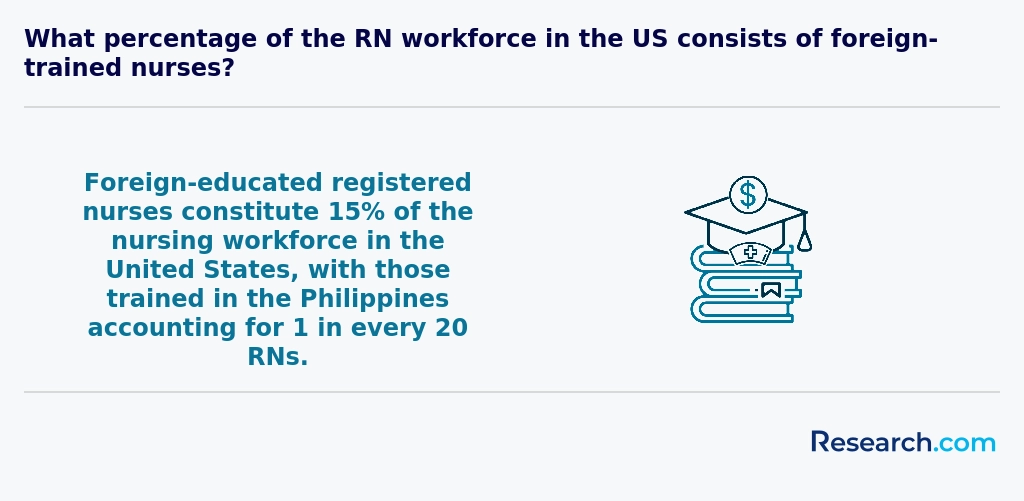
When considering online nursing programs, it's essential to weigh the costs against the benefits, especially for those on a tight budget. Prospective students can find numerous affordable options by exploring the most affordable nursing programs, which cater to various financial situations and career goals. By comparing program costs, financial aid options, and potential career outcomes, individuals can make informed decisions about their nursing education, ultimately leading to a fulfilling and financially stable career in healthcare.
Online nursing degree programs in America thoughtfully combine courses that build a solid foundation in both theory and practice. Graduates from well-regarded programs at universities like the University of Central Florida often describe courses such as Human Anatomy and Physiology and Microbiology as eye-opening, giving them a deep understanding of the human body and the invisible enemies that nurses must combat daily. These initial courses make subsequent learning, like Pharmacology and Health Assessment, feel not only manageable but empowering, as students begin to connect medication knowledge with hands-on patient evaluation skills.
Courses in Clinical Nursing Practice and Nursing Ethics and Law typically prepare students for real-world challenges, often shared by online learners at institutions like Ohio State University. They recount how these courses sharpened their ability to make ethical decisions under pressure, a crucial skill in healthcare settings. Leadership and Management classes inspire students to envision themselves as future influencers in hospitals, while Evidence-Based Practice encourages them to constantly seek the latest research to improve patient care. These courses collectively foster confidence and readiness for a dynamic and rewarding nursing career in the U.S.
Online nursing degree programs in America commonly offer specializations that meet the diverse needs of the healthcare sector, reflecting both career aspirations and regional demands. Graduates from well-known universities often recount how the Family Nurse Practitioner (FNP) specialization equipped them to deliver primary care effectively, especially in underserved communities where such professionals are highly sought after. This path remains a favorite among those pursuing the best online nursing degree specializations America, due to its versatility and demand.
Other graduates share their rewarding journeys in the Psychiatric-Mental Health Nurse Practitioner (PMHNP) track, where they provide vital mental health services amid a notable provider shortage. Clinical options like Adult-Gerontology Acute Care, Pediatric, Neonatal, and Women's Health Nurse Practitioner roles also attract students aiming to specialize in critical or formative care.
Additionally, specializations in nursing education and leadership prepare students to take on influential roles beyond patient care. For those exploring affordable online nursing specializations USA, it's worth considering program costs alongside clinical practicum requirements, as highlighted by many graduates. Many find value in exploring direct entry MSN programs for non-nursing majors that offer focused pathways aligned with their goals.
Choosing the best online nursing degree in America hinges on understanding accreditation, affordability, and flexibility. Graduates from top programs at well-known universities often share how accreditation from bodies like CCNE or ACEN reassured them the curriculum was rigorous and nationally respected, easing their path through licensure exams. Costs also play a huge role; many find themselves weighing options between public institutions with average tuitions near $9,349 and private colleges that can exceed $36,000 annually. Online degrees offer a more affordable alternative, typically between $5,000 and $15,000 per year, which aligns well with diverse personal budgets.
For working students, programs designed with asynchronous classes and part-time schedules provided much-needed balance, a reality echoed by numerous nursing graduates. When selecting among the best online nursing degree programs USA offers, consider how the program's flexibility matches your life. The focus of the degree-whether BSN, MSN, or DNP-should align with your professional goals, as graduates aiming to become nurse practitioners seek different credentials than those pursuing leadership roles.
Many students also highlight the importance of specializations and NCLEX pass rates. Programs that offer areas like family nurse practitioner tracks attract students who value both focused education and strong career support services. Employment rates and alumni success stories from popular colleges add confidence during the decision process. State authorization is another key factor, especially when planning clinicals, so always verify program approval in your state. For those prioritizing budget, exploring the cheapest nurse practitioner online programs is a practical step toward a rewarding career.
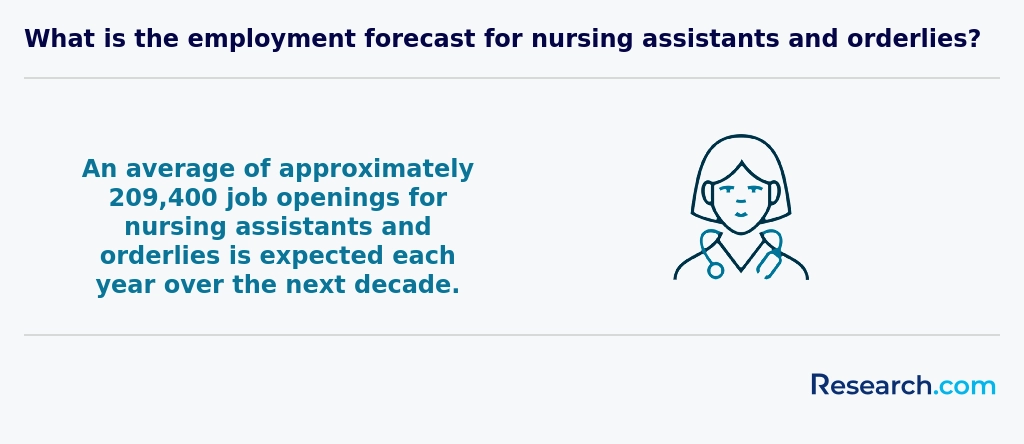
Graduates with an online nursing degree in America find themselves at a crossroads of diverse and rewarding career paths. Many step into roles as registered nurses in hospitals, outpatient clinics, or community health centers-experiences shared by graduates from institutions like the University of Florida and Ohio State University highlight the fulfillment found in direct patient care. The flexible nature of online programs allows students to balance study with work, fostering confidence as they progress.
For those pursuing advanced degrees such as an MSN or DNP, the opportunities broaden substantially. Graduates take on specialized clinical roles like nurse practitioners or nurse anesthetists, often serving in underserved areas with a deep sense of purpose. The journey through an online nursing degree careers USA program frequently leads to expanded autonomy and leadership in healthcare settings, echoing stories from alumni of Boston College and the University of Pennsylvania.
Beyond clinical work, administrative and educational roles attract many graduates eager to influence nursing practice and policy. Some find their calling as nursing educators or health policy advisors, shaping future caregivers and healthcare standards. Prospective students weighing financial options may explore the Most Affordable Online Bachelor's in Nursing Degree Programs to find the best fit for their ambitions and budget.
Graduates holding online nursing degrees in America often find themselves in a robust and expanding job market. Those who earned their degrees from well-regarded programs at universities known for strong nursing curricula frequently share how their combination of clinical experience and flexible online study positioned them to step confidently into rewarding roles. Employers increasingly recognize the value of online nursing degree holders who demonstrate dedication and competence, especially in areas experiencing acute nursing shortages such as large medical centers and community health settings.
The nursing career opportunities in America are influenced heavily by demographic shifts, including an aging population that demands more specialized care. Many graduates from institutions with respected online programs note their ability to balance work and education allowed them to advance swiftly into roles requiring a Bachelor of Science in Nursing (BSN) or even a Doctor of Nursing Practice (DNP). These roles often offer competitive salaries and greater job security, fostering a sense of pride and accomplishment in their journey.
For those considering further advancement, pursuing a quickest masters degree online can open doors to nurse practitioner positions or increasingly autonomous roles. This seamless pathway proves valuable in today's healthcare landscape, where adaptability and up-to-date knowledge are critical assets in a thriving nursing job market USA.
2027 Most Affordable Online Doctorate in Nursing Degree Programs Ranking in the USA
Investing in your education is a significant decision that can shape your future, and the Research.com team understands the importance of making informed choices. To assist prospective students, we have meticulously crafted the "2027 Most Affordable Online Doctorate in Nursing Degree Programs Ranking in the USA." Our commitment to quality, credibility, and accuracy is reflected in the extensive research and analysis conducted to compile this ranking.
We utilized the following reputable data sources to ensure a comprehensive evaluation of online nursing doctorate programs:
By exploring this ranking, readers will gain valuable insights into affordable, high-quality nursing doctorate programs, enabling them to make well-informed decisions about their educational investments. For more details on our approach, please visit our Research.com methodology page.


# 18 position
Chamberlain University - St. Louis
Doctor of Nursing Practice


Frequently Asked Questions About nursing
Online nursing degree students in America can maximize their learning by actively engaging with all course materials and participating in virtual discussions. Research from the National League for Nursing emphasizes the importance of interaction to improve critical thinking skills. Students should create a consistent study schedule, balancing clinical requirements with theoretical coursework, as nursing programs often require hands-on experience in approved healthcare settings.
Utilizing digital resources, such as simulation labs and recorded lectures, also enhances understanding. According to the American Association of Colleges of Nursing, students who combine online study with practical experience tend to perform better on the NCLEX-RN licensure exam. Seeking support from faculty and peer networks is key for maintaining motivation and addressing challenges early.
The nursing field in America is rapidly evolving, creating new opportunities in specialized areas. Emerging niches include telehealth nursing, which has grown significantly due to increased demand for remote healthcare services. According to the American Nurses Association, telehealth roles are expected to expand by over 20% through 2030.
Another growing area is gerontological nursing, driven by the aging U.S. population. The U.S. Census Bureau projects that by 2030, one in five Americans will be over 65, increasing the need for experts in elderly care.
Additionally, informatics nursing is becoming essential, as technology integration in healthcare requires nurses skilled in data management and patient record systems.
Preparing for the job market after completing an online nursing degree in America involves strategic steps to enhance employability. First, graduates must obtain licensure by passing the NCLEX-RN exam, a mandatory requirement for registered nurses in all states. According to the National Council of State Boards of Nursing, the NCLEX-RN pass rate for first-time US test takers was 87.22% in 2023. Gaining clinical experience through internships or volunteer opportunities can significantly boost practical skills.
Developing a strong resume and networking through professional organizations like the American Nurses Association helps connect with potential employers. Staying current with healthcare technology and continuing education further improves job prospects in this competitive field.
Employers in the United States value several core skills in nursing degree graduates, especially those trained through online programs. Clinical competence remains a top priority, as nurses must proficiently perform patient assessments, administer medications, and manage care plans.
Communication skills are critical. According to the American Association of Colleges of Nursing (AACN), effective interaction with patients and interdisciplinary teams directly impacts patient outcomes.
Employers also seek critical thinking and problem-solving abilities, essential for making quick, informed decisions in dynamic healthcare environments. Additionally, technological proficiency is increasingly important given the rise of electronic health records (EHRs) and telehealth services.
Finding internships relevant to a nursing degree in America requires proactive planning and research. Many nursing programs, including online ones, partner with hospitals, clinics, and community health centers to offer clinical internships. According to the American Association of Colleges of Nursing (AACN), over 60% of nursing schools in the US have established clinical placement agreements to assist students.
Students should start by consulting their school's career services or nursing department for internship listings. Networking with licensed nurses, professional associations like the American Nurses Association, and local healthcare providers also helps identify opportunities.
Online nursing students must ensure internships comply with state licensing requirements, as clinical hours are mandatory for graduation and certification.
Online nursing degrees in America significantly enhance career mobility and advancement opportunities. The flexibility of these programs allows working nurses to pursue higher education without interrupting their employment, which is crucial given that the U.S. Bureau of Labor Statistics projects a 9% growth in registered nurse jobs from 2020 to 2030.
Advanced degrees, such as a Master of Science in Nursing (MSN) or Doctor of Nursing Practice (DNP) earned online, often lead to leadership roles, specialized clinical positions, or academic appointments. According to the American Association of Colleges of Nursing, nurses with graduate degrees earn approximately 20-30% more than those with only a bachelor's degree.
Accredited online nursing programs meet the same standards as traditional ones, ensuring graduates remain competitive in the evolving healthcare landscape, where higher qualifications are increasingly required for advancement.
Studying for a nursing degree in America equips students with essential skills for interdisciplinary roles by emphasizing collaboration across healthcare sectors. According to the American Association of Colleges of Nursing (AACN), modern nursing programs integrate teamwork, communication, and leadership training alongside clinical expertise. This prepares graduates to work effectively with physicians, therapists, social workers, and other professionals in diverse settings.
Online nursing degrees often include courses on healthcare systems, policy, and evidence-based practice, reinforcing the ability to navigate complex medical environments. The Bureau of Labor Statistics projects a 9% growth in registered nurse employment through 2031, highlighting growing demand for versatile nurses.
When choosing between a thesis and a non-thesis online nursing degree program in America, consider your career goals and time commitment. Thesis programs emphasize research, requiring students to design and complete an original study, which can benefit those aiming for academic or research positions. According to the American Association of Colleges of Nursing, about 30% of nursing doctorate graduates pursue research careers. Non-thesis options focus on coursework and practical skills, appealing to professionals targeting leadership or clinical roles.
Keep in mind thesis programs often take longer due to research demands. Non-thesis paths may be faster, fitting busy nurses' schedules. Verify program accreditation through agencies like CCNE or ACEN before deciding.
American students interested in studying nursing abroad through online programs have limited but growing options. Many U.S. institutions partner with foreign universities to offer joint nursing degrees, allowing students to complete coursework online while gaining international credentials. However, students must ensure these programs are accredited by U.S. nursing bodies such as the Commission on Collegiate Nursing Education (CCNE) for recognition and licensure purposes.
According to the National Council of State Boards of Nursing (NCSBN), graduates from international programs must pass the NCLEX-RN exam to practice in the U.S. This impacts program selection for students looking to return home.
Online nursing degrees abroad may provide cost savings and diverse cultural perspectives but require due diligence regarding curriculum and state nursing board requirements.
Many part-time jobs can complement nursing degree education in America, providing both income and relevant experience. Common roles include Certified Nursing Assistant (CNA), medical scribe, and patient care technician. These positions allow students to gain clinical exposure while managing flexible hours that fit academic schedules.
The U.S. Bureau of Labor Statistics reported that CNAs earn a median wage of about $15 per hour as of 2023, making this a practical option for nursing students. Working in these roles enhances patient interaction skills and familiarity with healthcare environments, which are crucial for nursing careers.
Additionally, jobs in telehealth support and medical billing offer administrative experience relevant to nursing while accommodating online study commitments.
Online nursing students in America have access to various networking opportunities despite the remote nature of their studies. Many accredited programs offer virtual events, webinars, and discussion forums where students can connect with peers and faculty. According to the American Association of Colleges of Nursing, nearly 80% of nursing programs incorporate online student organizations, enhancing engagement.
Professional nursing associations, such as the American Nurses Association and Sigma Theta Tau International, also provide virtual conferences and local chapter events. These platforms enable online students to build professional relationships, seek mentorship, and explore job opportunities across the country.
Additionally, some schools facilitate clinical placements and residencies, encouraging face-to-face networking in healthcare settings.
Alumni networks provide valuable support for online nursing degree students in America by fostering connections within the nursing community. These networks often offer mentorship opportunities, helping recent graduates navigate certification processes like the NCLEX-RN exam. According to the American Nurses Association, strong professional connections can improve job placement rates, which is critical given the projected 9% growth in nursing jobs through 2031 (Bureau of Labor Statistics, 2023).
Alumni groups also share job openings and continuing education resources, enhancing career advancement. For online students who lack on-campus interactions, these networks create vital professional ties that bridge geographical distances and promote collaboration.
Customizing an online nursing degree in America allows you to align education with your specific career goals. Many programs offer diverse specializations such as family nurse practitioner, nurse educator, or healthcare leadership. Choosing courses that focus on these areas helps build expertise tailored to your interests.
Additionally, some programs provide flexible electives and clinical placements, enabling you to gain experience in preferred healthcare settings. According to the American Association of Colleges of Nursing, nearly 80% of nursing schools offer options to personalize studies, increasing relevance for future roles.
Carefully reviewing program curricula and accreditation ensures your degree meets licensing and certification requirements in your state.
Online nursing students in America often face significant challenges balancing their rigorous coursework with personal and professional responsibilities. According to the American Association of Colleges of Nursing (AACN), time management is one of the most critical hurdles, as students must allocate hours for both online classes and clinical practice. Technical difficulties also arise, with some students lacking reliable internet access or updated devices, which can impede participation in virtual labs and discussions.
The need for in-person clinical hours presents another obstacle, requiring students to secure local placements that meet program standards. Financial strain is common too; a 2022 AACN report shows that many nursing students juggle tuition costs alongside living expenses without always having access to adequate financial aid.
With an online nursing degree in the United States, many students pursue professional certifications to enhance their careers. Common certifications include the Registered Nurse (RN) license, which is essential for clinical practice. Beyond that, certifications like the Certified Nurse Practitioner (CNP), Certified Nurse Educator (CNE), and Certified Nurse Manager and Leader (CNML) are popular among graduates seeking specialization.
The American Nurses Credentialing Center (ANCC) offers over 20 certification programs, reflecting diverse nursing roles. According to the Bureau of Labor Statistics, certified nurses often earn higher salaries and enjoy better job security.
These certifications typically require passing an exam and maintaining continuing education, making an accredited online degree a flexible pathway to advancement.
Writing a winning application for an online nursing program in America requires careful preparation and clarity. First, highlight your academic achievements, especially in science and healthcare-related courses, as programs often look for strong foundational knowledge. The National League for Nursing reports that competition for nursing degrees is growing, so showcasing relevant healthcare experience, like volunteering or work in clinical settings, strengthens your profile.
Ensure your personal statement clearly explains your motivation for nursing and your career goals. Use specific examples to demonstrate commitment and empathy, qualities essential in nursing. Also, request letters of recommendation from professionals who know your skills and dedication well.
Finally, pay attention to program-specific prerequisites, such as minimum GPA requirements or entrance exams, and meet all deadlines promptly. The American Association of Colleges of Nursing (AACN) offers resources to help applicants navigate these requirements effectively.
Globally, nursing is recognized as a vital healthcare profession with increasing demand. In the United States, the nursing workforce is projected to grow 9% from 2020 to 2030, according to the U.S. Bureau of Labor Statistics. This reflects a worldwide trend driven by aging populations and expanded healthcare access. Many countries emphasize advanced education and specialization to improve care quality and meet complex patient needs.
American online nursing degrees offer flexible pathways to enter or advance in this global profession. The World Health Organization highlights the importance of well-educated nurses in achieving universal health coverage, aligning with U.S. emphasis on higher education credentials like BSN and doctorate degrees for leadership roles.
Thus, pursuing an online nursing degree in America can position students competitively for both national and international opportunities within a growing and respected field.
Gaining practical experience during an online nursing degree in America is essential, as hands-on skills are critical in nursing. Most accredited programs require students to complete clinical hours at healthcare facilities near their residence. These include hospitals, clinics, nursing homes, or community health centers.
Programs often partner with local sites to arrange supervised clinical placements. According to the American Association of Colleges of Nursing (AACN), students typically complete 500 to 1,000 clinical hours depending on the degree level and specialization.
Some schools also offer simulation labs or virtual clinical experiences to supplement real-world practice. This blend of virtual and in-person training ensures students meet licensing requirements set by State Boards of Nursing.
Choosing the right concentration within an online nursing degree program in America starts with understanding your career goals. Nursing offers diverse specialties, such as family nurse practitioner, nurse educator, or psychiatric nursing, each requiring specific skills and certifications. According to the American Association of Colleges of Nursing (AACN), nurse practitioners are among the fastest-growing roles, with a 45% projected job growth from 2021 to 2031.
Consider your interests and the patient populations you want to work with. Research the curriculum and clinical requirements of each concentration, ensuring they align with your schedule and learning style. Accreditation from bodies like CCNE or ACEN guarantees program quality and eligibility for licensure.
Also, evaluate the state licensing requirements where you plan to practice, as they may differ. Finally, review employment outlooks and salary data from the U.S. Bureau of Labor Statistics to match your concentration with market demand and earning potential.
See What Experts Have To Say About Studying Nursing
Read our interview with Nursing experts


- What Are the Best Jobs to Work While in Nursing School? https://www.dewv.edu/what-are-the-best-jobs-to-work-while-in-nursing-school/
- Online Nursing Prerequisites: Complete Guide & Cost Savings | StraighterLine https://www.straighterline.com/blog/which-online-nursing-prerequisites-should-you-take-online
- Working While in Nursing School: 25 Ways to Make Money as a Nursing Student https://credenzahealth.com/career-advice/working-while-in-nursing-school-25-ways-to-make-money-as-a-nursing-student
- Can I Get a Nursing Degree Online? | University of Phoenix https://www.phoenix.edu/articles/nursing/can-i-get-a-nursing-degree-online.html
- How Do Nurses Navigate Career Advancement? | NursingEducation https://nursingeducation.org/insights/career-advancement/
- How Long Is Nursing School in The USA? | Shiftmed Blog https://www.shiftmed.com/professionals/blog/how-long-is-nursing-school-in-the-usa/
- Online Bachelor of Science in Nursing https://an.edu/programs/bachelors-degrees/online-bachelor-of-science-in-nursing/
- Know more about thesis vs non- thesis: what is the difference? https://studyfans.com/en/blogs/816
- Your Questions About Online Nursing School, Answered https://www.allnursingschools.com/how-to-get-into-nursing-school/online-programs/
- From our readers…Strengthening nursing networks https://www.myamericannurse.com/from-our-readersstrengthening-nursing-networks/