
2027 Easiest Online Master's in Nursing Degree Programs Ranking in Massachusetts

Co-Founder and Chief Data Scientist
Choosing the right nursing master's program can be overwhelming, especially when balancing work and life in Massachusetts. This article introduces the 2027 Easiest Online Master's in Nursing Degree Programs Ranking in Massachusetts, carefully crafted by the Research.com team of data scientists to guide you in making an informed decision.
By exploring this ranking, you'll discover flexible, accessible options that fit your lifestyle while advancing your career. Earning a nursing degree opens doors to rewarding opportunities and personal growth, making it a meaningful step forward.
Key benefits of getting online nursing degree in Massachusetts
- Nursing degree graduates in Massachusetts can earn competitive salaries, such as Nurse Practitioners and Critical Care Nurses making around $128,490 annually, and roles like Clinical Nurse Specialists earning approximately $94,480 per year.
- Graduates from institutions like the University of Massachusetts Amherst often pursue diverse career paths, including advanced practice, administration, and education, offering flexibility to match personal interests and goals.
- Completing a nursing degree online, for example at Northeastern University, allows students to balance work and life commitments while gaining the same respected credentials as traditional programs, making education more accessible and convenient.
- 2027 Easiest Online Master's in Nursing Degree Programs Ranking in Massachusetts
- What can I expect from online nursing degree in Massachusetts?
- Where can I work with online nursing degree in Massachusetts?
What can I expect from online nursing degree in Massachusetts?
The average cost of an online nursing degree in Massachusetts can vary quite a bit depending on the school and program level, but you're generally looking at somewhere between $15,000 and $40,000 for a full program. For example, graduates from well-known schools like Northeastern University or Simmons University often share how investing in their online Bachelor of Science in Nursing (BSN) was totally worth it-especially because many programs offer flexible payment plans or financial aid to help lighten the load.
A lot of students mention that while the sticker price might seem high at first, the higher-than-average salaries for nurses in Massachusetts make the cost easier to handle in the long run. Imagine finishing your MSN online from a place like UMass Boston while working full-time-the convenience and career boost really make those tuition dollars feel like a smart move.
Plus, the state's strong hospital networks mean you'll have plenty of job options, which adds a real sense of security when thinking about paying for school. It's a challenge, sure, but most grads say the flexibility and career gains totally outweigh the price tag.
Where can I work with online nursing degree in Massachusetts?
If you earn an online nursing degree in Massachusetts, you're opening doors to lots of different careers across the state. Graduates from schools like UMass Amherst or Northeastern often land jobs in big hospitals such as Massachusetts General or Boston Medical Center, working in emergency rooms, surgical units, or specialty clinics. It's a great feeling knowing your online degree is respected and gets you into those top healthcare spots.
Many grads also find rewarding work in long-term care facilities, helping care for the elder population that's growing fast in Massachusetts. Picture yourself making a real difference in nursing homes or community health centers, especially in places where healthcare access is tough-like some smaller towns or cities outside Boston.
For those who go further and become nurse practitioners, the state's full practice authority means you can independently manage patient care, prescribe meds, and run your own clinics. That's a big deal, especially for grads from online MSN or DNP programs at schools like Simmons University who want more freedom in their work.
And don't forget: you'll need to pass the NCLEX and get licensed by the Massachusetts Board of Registration in Nursing to work anywhere in the state-so your online program's accreditation is key!
If you're rolling through an online nursing degree in Massachusetts, the paycheck can really reflect the state's high demand and top-notch healthcare scene. Graduates landing jobs as nurse practitioners around Boston can expect to make roughly $128,490 a year, according to recent data. That's a solid step up from the national average and definitely feels rewarding after years of hard work.
Take a graduate from a popular school like Northeastern or UMass Amherst-they often report how their online MSN programs helped them step into these advanced roles with confidence. Clinical nurse specialists, nurse administrators, and nurse educators also pull in decent wages, around $94,480 annually, which is nothing to sneeze at. Imagine balancing your studies online while working toward a career where the rewards show up not just in your bank account but in your day-to-day impact on patient care.
And for those eyeing critical care? Salaries can match nurse practitioners, around $128,490 yearly. Plus, living in metro hubs like Boston bumps those numbers up even more while giving you access to great hospitals and clinics eager for skilled nurses. It really feels like Massachusetts supports your growth, both professionally and financially, once you've got that online degree in hand.
- Massachusetts expects a 12% job growth for registered nurses between 2020 and 2030, exceeding the national average.
- Online BSN programs in Massachusetts typically cost between $20,000 and $50,000, while MSN programs range from $25,000 to $60,000 for in-state tuition.
- Starting salaries for new nurses average around $75,000 per year, with experienced registered nurses earning about $90,000 annually.
- Advanced practice registered nurses, including nurse practitioners, earn average salaries over $110,000 in the state.
- NCLEX-RN exam completion and in-person clinical hours are required for licensure; many online programs partner with local healthcare providers to support this.
- Accreditation from CCNE or ACEN is essential and widely available for online nursing programs in Massachusetts.
If you're looking to finish an online nursing degree in Massachusetts, the time it takes really depends on the program and how you balance it with your life. For example, if you're aiming for an ADN through a local community college like Middlesex Community College, you're probably looking at around two years full-time. Many grads talk about juggling work and classes, so part-time options stretch the timeline to three years or more, which feels manageable when you're juggling family or jobs.
Now, if a Bachelor of Science in Nursing (BSN) sounds more like your path, schools like UMass Boston offer both traditional and accelerated online options. Full-time students usually complete it in about four years, but if you already have a non-nursing bachelor's degree, the accelerated BSN option can wrap things up in just 12 to 18 months. Graduates love this route because it fast-tracks their nursing career while still being flexible.
For those eyeing a Master of Science in Nursing (MSN), programs at institutions like Simmons University often take two years full-time, or up to four if you're going part-time. Many grads appreciate how the part-time pace lets them keep working and gain experience while leveling up their education.
One thing to remember is that no matter what degree you pursue, clinical hours need to be done in person. This hands-on part can feel intense, but most students say it's where they really connect with the nursing community and solidify their skills.
Ensuring your online Master’s in Nursing is properly accredited and equips you for licensure is vital. In Massachusetts, reputable programs hold both institutional accreditation (e.g., New England Commission of Higher Education) and programmatic accreditation from bodies such as the Commission on Collegiate Nursing Education (CCNE) or the Accreditation Commission for Education in Nursing (ACEN). These accreditations guarantee that your curriculum aligns with state board requirements and national standards, enabling seamless eligibility for the NCLEX-RN or advanced practice licensure exams. Most programs in the state also publish their NCLEX pass rates-often exceeding the 90% threshold-so you can compare outcomes. To support your exam success, look for programs offering:
- Dedicated NCLEX prep modules and practice question banks
- Live or asynchronous review sessions led by faculty with clinical expertise
- Partnerships with local healthcare facilities for state-approved clinical hours
- Access to academic tutoring, writing centers, and virtual simulation labs State Board of Registration in Nursing (BORN) approval ensures your practicum hours count toward licensure. Be sure to verify that your chosen program has direct articulation agreements with the Massachusetts BORN or other state boards if you plan to relocate. For prospective students balancing cost and quality, you may also explore our Cheapest Online Nursing Degree Programs Ranking in Michigan to understand how affordability intersects with accreditation standards nationwide. By choosing an accredited, board-approved program with strong licensure support, you’ll position yourself for a smooth transition from graduation to clinical practice.
If you're thinking about studying nursing in Massachusetts, the biggest difference between online and on-campus programs comes down to how and where you learn. Online programs, like those offered by popular schools here, let you grab lectures, do assignments, and even take exams from your couch or favorite coffee shop. It's perfect if you're juggling a job or family, giving you the freedom to set your own pace. Graduates often mention how much they loved avoiding long commutes and campus fees, saving cash and stress.
But remember, whether online or in-person, Massachusetts requires hands-on clinical hours at healthcare spots nearby. So even online students are out there in hospitals and clinics, getting real-world experience. On-campus programs, like those at well-known universities in Boston, offer the buzz of face-to-face classes, study groups, and quick chats with professors, which many grads say helped them build confidence and make solid friends.
Either way, you're getting the same licensure-ready education, just delivered differently to fit your lifestyle.
Before enrolling in an online nursing program in Massachusetts, verifying both institutional and programmatic accreditation is essential to ensure eligibility for licensure and quality education. The New England Commission of Higher Education (NECHE) provides regional accreditation for colleges and universities in Massachusetts, while specialized bodies like the Commission on Collegiate Nursing Education (CCNE) and the Accreditation Commission for Education in Nursing (ACEN) evaluate nursing curricula for rigor and compliance with industry standards. Prospective students should confirm that the program is approved by the Massachusetts Board of Registration in Nursing (MBRN) to guarantee eligibility to sit for the NCLEX-RN exam and meet state licensure requirements. Programmatic accreditation not only influences eligibility for federal financial aid and transfer of credits but also signals to employers that graduates have met nationally recognized standards. You can typically verify accreditation status on the CCNE or ACEN websites by searching for the institution name. Additionally, reviewing published NCLEX-RN first-time pass rates-often available on school webpages or state nursing board reports-offers a clear indicator of program effectiveness and student preparedness. For those balancing cost concerns with accreditation standards, it can be helpful to examine parallel examples in related fields; for instance, some applicants compare accredited offerings like cheap pmhnp graduate certificate programs online to understand how programmatic quality correlates with tuition rates and outcomes. Ultimately, by prioritizing accredited programs approved by the MBRN and recognized by CCNE or ACEN, you’ll safeguard your investment and streamline your path to licensure and professional practice.
If you're thinking about getting an online nursing degree in Massachusetts, the typical cost can be a big factor to keep in mind. On average, the total tuition fees for nursing programs in Massachusetts hover around $28,800, but this number can vary quite a bit depending on whether you're an in-state or out-of-state student and which school you pick. Many graduates from well-known schools around Boston have shared how managing the tuition felt doable once they factored in financial aid and flexible payment options.
Public universities usually offer the most affordable rates, especially for in-state students, with yearly tuition often between $15,000 and $25,000. Private colleges, which might bring a bit more prestige or specialized programs, tend to cost from $30,000 up to $45,000 a year. Students often mention that while the price tag can feel intimidating, the investment feels worth it as they can complete their degree online while balancing work or family life.
Keep in mind that besides tuition, there are additional expenses like textbooks, technology fees, and clinical placement costs - the latter sometimes requires in-person hours, adding a bit of travel or logistics to your routine. But many find that cutting out daily commuting and housing costs online really helps offset these extras. For those wondering about options, checking out the cheapest nursing schools in Massachusetts is a great step toward finding a program that fits your budget and lifestyle.
Ensuring that an online nursing master’s program holds the right accreditation and meets state licensure standards is essential for career success. In Massachusetts, prospective MSN students should verify that their chosen institution is accredited by the Commission on Collegiate Nursing Education (CCNE) or the Accreditation Commission for Education in Nursing (ACEN). These bodies evaluate curriculum rigor, faculty qualifications, and clinical practice partnerships to confirm quality. Additionally, the Massachusetts Board of Registration in Nursing (BORN) mandates that graduates from online programs complete a minimum number of supervised clinical hours and pass the NCLEX-RN examination to obtain licensure. When comparing programs, look for clear clinical placement support and documentation processes that align with BORN requirements. Some schools even offer virtual simulation labs to supplement in-person clinical rotations, reducing travel burdens while maintaining hands-on competencies. Students transferring credits or seeking advanced standing should ensure courses originate from regionally accredited institutions. It’s also wise to research state reciprocity agreements if you plan to practice outside Massachusetts after graduation. Finally, consider leveraging resources used in other accelerated tracks-similar to how those exploring accelerated lpn programs evaluate accreditation-to guide your decision. By prioritizing accredited programs and understanding licensure pathways, you’ll avoid costly delays, satisfy regulatory requirements, and step confidently into advanced nursing roles.
If you're diving into an online nursing degree in Massachusetts, you'll find there's quite a bit of financial help ready to back you up. Many grads from schools like UMass and Northeastern share how federal aid, especially Pell Grants-which can cover up to $7,395 a year-was a game changer for their budgets. There's also the Massachusetts Nursing Incentive Program, offering from $1,250 up to $10,000 annually if you commit to working in underserved areas, which really helped some grads stay local while easing loan pressure.
Plus, a bunch of online programs toss in institutional scholarships based on merit or need, so it's always worth checking what your school's financial aid office offers. A lot of students mention filling out the FAFSA was their first step to unlocking many of these options.
Some grads working at hospitals in Massachusetts have even benefited from tuition reimbursement through their employers-a real win-win where you earn and learn simultaneously while helping tackle the nursing shortage.
When considering an online nursing degree in Massachusetts, one of the most important factors to consider is affordability. With the rising cost of tuition and living expenses, it's essential to find a program that fits your budget. Fortunately, there are several affordable options available, including those offered by public universities and community colleges. For example, some of the cheapest nursing schools in Massachusetts include Massachusetts Bay Community College and Holyoke Community College, which offer competitive tuition rates and flexible payment plans. By exploring these options and comparing costs, you can find an online nursing program that meets your needs and budget, allowing you to achieve your career goals without breaking the bank.
If you're thinking about enrolling in an online nursing program in Massachusetts, you'll want to have your basics covered first. Most programs expect you to have a high school diploma or a GED, which is pretty standard. Now, if you're eyeing a Master of Science in Nursing (MSN) at a place like UMass Amherst or Simmons University, having a Bachelor of Science in Nursing (BSN) and an active RN license is usually a must. Graduates often mention how proving their RN license, which involves passing the NCLEX-RN and meeting state rules, made the process feel official and motivating.
Along with that, schools typically want to see your academic transcripts - a GPA around 3.0 or better is often expected. Some grads from institutions like Northeastern share how prepping with prerequisite courses in anatomy or microbiology really boosted their confidence and made the material click during the program.
Many programs will ask for a personal statement or letters of recommendation too. Some MSN students reminisce about how sharing their healthcare experiences made their applications stand out. Also, reliable internet and a decent computer are essentials since you'll be juggling online classes and clinical simulations.
- Seek CCNE or ACEN accreditation to ensure the program meets national quality standards.
- Confirm state authorization by the Massachusetts Board of Registration in Nursing.
- Accredited programs guarantee eligibility for the NCLEX-RN and prepare you for advanced practice certification.
Verifying accreditation protects your investment and streamlines clinical placements with approved healthcare partners. If you’re exploring other entry-level options, check our easiest nursing programs to get into.
If you're diving into an online nursing degree in Massachusetts, expect to tackle some pretty solid courses that really get you ready for the real world. Graduates from places like UMass often share how Advanced Pathophysiology helped them understand what's going on inside patients' bodies, which made clinical work feel way less intimidating. Pharmacology is another big one - knowing meds and their effects is crucial, especially when you're out in the field making decisions.
Health Assessment courses are super hands-on too, even online students manage to practice evaluating patients thoroughly, often during their local clinical hours. And don't forget Nursing Research and Evidence-Based Practice - it's awesome how grads appreciate applying the latest findings to boost patient care instead of just sticking to old routines.
Plus, courses in Healthcare Policy and Ethics really hit home with Massachusetts nursing students since the state's healthcare environment is uniquely progressive. Leadership and Population Health classes also prepare you to take on roles beyond bedside care, whether that's managing teams or focusing on community wellness.
If you're exploring online nursing specializations Massachusetts offers plenty that fit a variety of interests and career goals. Graduates from popular colleges here often rave about the Family Nurse Practitioner (FNP) track, which gets you ready to handle primary care for all ages-a huge plus in communities where doctors are hard to find. Many say it feels rewarding knowing they're filling a real gap in healthcare around the state.
Then there's Psychiatric-Mental Health Nursing, which students love for its focus on helping people face tough mental health challenges. It's a growing field with a lot of meaning, especially given how much Massachusetts emphasizes behavioral health. Adult-Gerontology Acute Care is another favorite for those passionate about working with older adults, which is a big deal here thanks to the aging population.
Other popular choices include Pediatric Nursing, Neonatal Nursing, Women's Health Nursing, and even Health Systems Leadership and Administration. Some grads remark that looking into accelerated lpn programs opened doors to these interesting career paths. If you want to see what fits your style, it's smart to check out all the Massachusetts MSN degree concentration options available online.
Picking the best online nursing degree in Massachusetts means focusing on a few key things that really matter. First off, make sure the program is accredited by CCNE or ACEN - this is a big deal because it means the program meets state standards and sets you up for licensure. Lots of graduates from popular schools around Boston say having local clinical placements helped them gain essential hands-on experience without leaving the state.
Cost is another big factor. Nursing programs can get pricey, but weighing tuition against financial aid options really pays off, especially in Massachusetts where nurses earn solid wages. If you're looking specifically for affordable nursing programs Massachusetts online, know that some grads found success also by exploring options like cheap pmhnp graduate certificate programs online to boost their career without breaking the bank.
Think about flexibility too - busy students juggling family or work love programs with easy-to-use tech and solid support. Graduates often say this balance helped keep them motivated and on track. Finally, check out NCLEX pass rates for programs in Massachusetts; those stats reflect how well students are set up for real success after graduation.
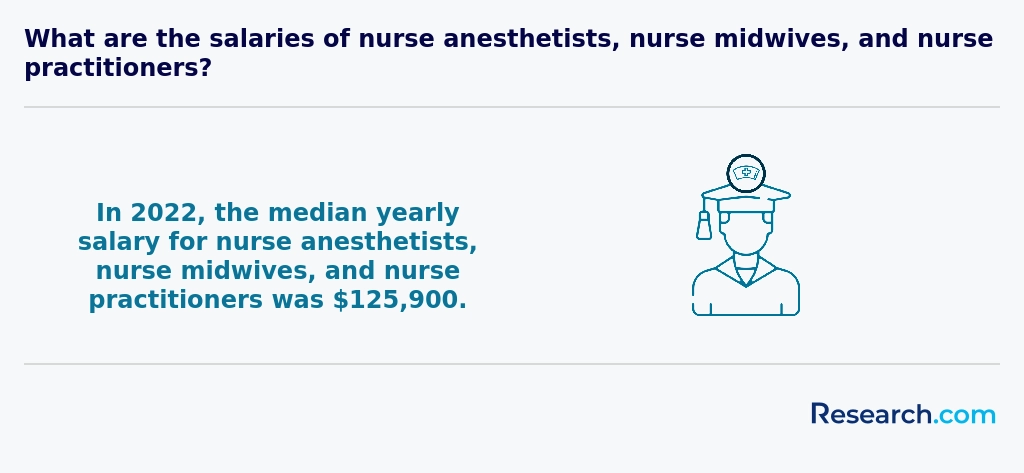
If you're earning an online nursing degree in Massachusetts, you've got plenty of exciting career paths ahead. Many graduates from popular schools here find themselves stepping into roles like registered nurse (RN) pretty quickly after passing the NCLEX-RN exam. Beyond that, there's a bunch of specialized options like Clinical Nurse Specialist, Nurse Practitioner, or even Nurse Anesthetist-especially if you pursue an advanced degree like an MSN. These paths are popular because Massachusetts gives advanced practice registered nurses a lot of freedom to diagnose and treat patients, which feels really empowering to grads.
Some graduates from top universities in Massachusetts have shared how they've transitioned into public health nursing or healthcare administration, using their online degree to serve communities and lead teams. Others get into research or nursing education, leveraging the state's strong medical research ties. If you're curious about tuition, check out the Cheapest Online Nursing Degree Programs Ranking in Michigan for comparison, though Massachusetts costs can be a bit higher.
All in all, online nursing career opportunities in Massachusetts are diverse and promising, matching the state's growing healthcare demands and providing solid job outlook Massachusetts offers right now.
The job market for online nursing degree graduates in Massachusetts is looking pretty bright, especially if you're balancing work or family with school. Many grads from well-known schools around Boston and Worcester find they can step straight into rewarding roles thanks to the steady demand. Nursing jobs in Massachusetts aren't just about hospitals either-there's a need in community clinics and long-term care facilities, making job options diverse and flexible.
Graduates often mention how online programs at popular colleges help them stay on track while still working, which means they're ready to jump into roles as registered nurses or even advanced practice nurses. The Massachusetts nursing degree employment outlook is especially positive because the state expects nurse jobs to grow faster than the national average. Plus, if you're curious about exploring healthcare while managing other life priorities, you can check out online degree programs for seniors for ideas that fit your situation.
2027 Easiest Online Master's in Nursing Degree Programs Ranking in Massachusetts
Investing in your education is a significant decision that can shape your future, and the Research.com team understands the importance of making informed choices. To assist prospective students in Massachusetts, we have meticulously crafted the "2027 Easiest Online Master's in Nursing Degree Programs Ranking in Massachusetts." Our commitment to quality, credibility, and accuracy is reflected in the extensive research and analysis conducted to compile this ranking.
We utilized the following reputable data sources to ensure a comprehensive evaluation of nursing programs:
By exploring this ranking, readers will gain valuable insights into the easiest online master's in nursing programs available in Massachusetts, enabling them to make confident and well-informed decisions about their educational journey. For more details on our methodology, please visit our Research.com methodology page.


Frequently Asked Questions About nursing
Online nursing degree students in Massachusetts can maximize their learning by actively engaging with both digital coursework and local clinical opportunities. Massachusetts requires hands-on clinical hours, so leveraging partnerships between schools and healthcare facilities is essential. Participating in simulation labs, when offered, further enhances practical skills. Time management is crucial; students should create consistent study schedules to balance coursework with work or family commitments.
Connecting with faculty and peers through virtual platforms fosters collaboration and support. Additionally, Massachusetts nursing students benefit from statewide resources like the Massachusetts Board of Registration in Nursing, which provides up-to-date licensing requirements and professional development.
The nursing field is continuously evolving with new specialties emerging to meet healthcare needs. In Massachusetts, areas like telehealth nursing are growing rapidly, driven by increased remote patient care. According to the Massachusetts Board of Registration in Nursing, telehealth services expanded significantly during the COVID-19 pandemic and are expected to remain a vital component of care.
Another emerging niche is gerontological nursing, focusing on an aging population. Massachusetts has one of the fastest-growing elderly demographics in the US, increasing demand for nurses specialized in elderly care.
Additionally, informatics nursing, which merges healthcare with data management, is gaining importance as hospitals adopt advanced technologies.
After completing an online nursing degree in Massachusetts, preparing for the job market involves several key steps. First, it is essential to obtain licensure by passing the National Council Licensure Examination (NCLEX-RN), which is mandatory for registered nurses in Massachusetts. According to the Massachusetts Board of Registration in Nursing, maintaining an active license requires completing continuing education every two years.
Networking within local healthcare systems and professional organizations like the Massachusetts Nurses Association can provide valuable connections and job leads. Additionally, gaining clinical experience through internships or volunteer work enhances practical skills and employability.
Staying informed on Massachusetts-specific healthcare trends supports targeted job searching, as the state expects a 16% increase in nursing job openings by 2030 (Massachusetts Executive Office of Labor and Workforce Development). Building a strong resume and preparing for interviews tailored to regional healthcare providers improves chances of success in the competitive nursing job market.
Employers in Massachusetts highly value nursing graduates who demonstrate strong clinical skills combined with effective communication. According to the Massachusetts Department of Higher Education, practical patient care and critical thinking are essential for new nurses, especially in diverse healthcare settings across the state.
Additionally, proficiency in electronic health records (EHR) systems is increasingly important. A 2023 Massachusetts Board of Registration in Nursing report highlights that familiarity with digital tools improves patient outcomes and workflow efficiency.
Adaptability and teamwork also rank among top skills, reflecting the collaborative nature of healthcare teams in Massachusetts hospitals and community clinics. Nurses who show empathy and cultural competency are preferred due to the state's diverse patient population.
Finding nursing internships in Massachusetts while pursuing an online degree involves a combination of research and networking. Many nursing programs in the state partner with local hospitals and clinics to provide hands-on clinical experiences required for licensure. The Massachusetts Board of Registration in Nursing mandates clinical hours, so it is crucial to confirm these opportunities with your school's clinical coordinator.
Popular healthcare systems in Massachusetts, such as Mass General Brigham and Boston Medical Center, often offer internships for nursing students. Websites like the Massachusetts Nursing Association and the Massachusetts Health & Hospital Association list internship openings and resources.
Additionally, reaching out to local community health centers can increase the chances of finding placements. According to the U.S. Bureau of Labor Statistics, Massachusetts employs about 64,000 registered nurses, indicating a robust market with internship opportunities.
Online nursing degrees in Massachusetts play a significant role in enhancing career mobility and advancement for registered nurses. According to the Massachusetts Board of Registration in Nursing, advanced credentials like a Master of Science in Nursing (MSN) or Nurse Practitioner (NP) certification increase job opportunities and earning potential.
Massachusetts has a high demand for advanced practice nurses, with the U.S. Bureau of Labor Statistics projecting a 16% growth in nurse practitioner jobs statewide through 2031. Completing an accredited online nursing program allows nurses to pursue leadership, teaching, or specialized clinical roles without disrupting their current employment.
The flexibility of online degrees also helps nurses meet the state's continuing education requirements efficiently while expanding their qualifications and pathways for promotion.
Online nursing degree programs in Massachusetts emphasize interdisciplinary skills critical for modern healthcare. These programs integrate courses that cover collaboration with physicians, social workers, and other healthcare professionals. This approach aligns with state healthcare demands, where team-based care is essential for improving patient outcomes.
Massachusetts nurses work in diverse settings such as hospitals, community clinics, and public health organizations. As of recent data from the Massachusetts Board of Registration in Nursing, there are over 100,000 licensed nurses, many engaged in roles requiring coordination across disciplines.
Additionally, curricula often include training in communication, healthcare policy, and informatics, preparing graduates to navigate complex health systems effectively.
When choosing between a thesis and a non-thesis nursing degree program in Massachusetts, consider your career goals and learning preferences. Thesis programs typically focus on research and prepare students for doctoral study or academic roles. Non-thesis tracks often emphasize practical skills, ideal for advancing clinical practice or leadership in healthcare settings.
In Massachusetts, where the nursing workforce is expected to grow by 16% through 2030 (Massachusetts Department of Labor), many students favor non-thesis options for quicker entry into advanced roles. However, thesis programs offer valuable opportunities for contributing original research in a state known for healthcare innovation.
Cost, time commitment, and faculty expertise also matter when deciding. Many accredited online programs in Massachusetts provide flexible paths for working nurses.
Students based in Massachusetts seeking to study nursing abroad often explore international partnerships between local institutions and foreign universities. Some Massachusetts nursing programs offer exchange or dual-degree options in collaboration with global schools, allowing students to gain international experience while meeting U.S. licensure requirements.
Currently, Massachusetts has a high demand for registered nurses, with the Massachusetts Department of Higher Education reporting a 13% growth in nursing degrees awarded between 2018 and 2022. This trend encourages students to consider broadening their perspectives through global study.
However, because nursing licensure is state-regulated, students must ensure foreign coursework meets the Massachusetts Board of Registration in Nursing criteria. Online nursing degrees abroad are less common due to accreditation challenges but may be available through specific cross-border programs that adhere to U.S. standards.
For reliable information, students should consult the Massachusetts Board of Registration in Nursing and institutional advisors to verify international program legitimacy and transferability of credits.
Students pursuing online nursing degrees in Massachusetts can benefit from part-time jobs that build relevant skills while accommodating study schedules. Positions such as certified nursing assistants (CNAs) or patient care technicians offer hands-on clinical experience in hospitals or long-term care facilities. According to the Massachusetts Executive Office of Labor and Workforce Development, these roles typically pay $15 to $20 per hour, supporting financial needs and professional growth. Additionally, medical scribing or health coaching jobs allow nursing students to enhance documentation and patient communication skills. These opportunities align well with nursing curricula and improve employability post-graduation.
Online nursing students in Massachusetts have several networking opportunities despite the virtual setting. Many universities offering online programs also facilitate access to professional nursing organizations such as the Massachusetts Nurses Association (MNA), which has over 24,000 members statewide. These organizations host events, workshops, and conferences that help students connect with experienced nurses and healthcare leaders.
Additionally, virtual career fairs and alumni networks provide platforms for students to build professional relationships. Clinical placements in Massachusetts healthcare facilities also encourage in-person networking with supervisors and peers, which can be pivotal for future job prospects.
Online students frequently benefit from discussion boards and group projects, promoting collaboration and peer support within their programs. According to the Massachusetts Department of Higher Education, programs often emphasize building these connections to enhance career growth in the state's growing healthcare market.
Alumni networks play a crucial role for online nursing degree students in Massachusetts by providing valuable professional connections. Graduates often share job leads and clinical opportunities, helping students navigate the competitive healthcare job market in the state.
These networks offer mentorship from experienced nurses who understand Massachusetts's specific healthcare landscape, including state licensure requirements and regional best practices. According to the Massachusetts Board of Registration in Nursing, building strong professional ties significantly improves employment outcomes for new nurses.
In addition, alumni groups facilitate continuing education and skills development, which is vital in a state known for its leading hospitals and health systems. This ongoing support enhances students' career growth and adaptation to evolving nursing roles within Massachusetts.
In Massachusetts, customizing your online nursing degree program to align with your career goals involves selecting specialized tracks or concentrations offered by many institutions. Common options include nurse educator, nurse practitioner, or leadership roles. These specializations help build expertise in high-demand fields, matching Massachusetts' growing healthcare needs. According to the Massachusetts Board of Registration in Nursing, demand for advanced practice nurses is rising by over 10% annually, emphasizing the value of targeted skills.
Many programs also offer flexible elective choices, allowing you to focus on areas like gerontology or pediatrics. Clinical placements can sometimes be arranged locally, giving practical experience relevant to your preferred settings.
Additionally, some schools provide options for certification preparation, which is crucial for advancing in Massachusetts' competitive healthcare market.
Online nursing students in Massachusetts often face challenges balancing rigorous coursework with clinical requirements. Unlike traditional programs, online learners must secure local clinical placements, which can be limited due to high demand within the state's healthcare system.
Technical issues also arise, as reliable internet and familiarity with digital platforms are essential for success. According to the Massachusetts Board of Registration in Nursing, the state's demand for nurses is growing, intensifying competition for clinical sites and job opportunities after graduation.
Additionally, maintaining motivation and effective time management in a remote environment can be difficult for many students juggling work and family responsibilities.
With an online nursing degree in Massachusetts, graduates can pursue a range of professional certifications that enhance career prospects. Common certifications include the Certified Nurse Educator (CNE), Certified Nurse Manager and Leader (CNML), and specialty certifications such as Certified Pediatric Nurse (CPN) or Certified Oncology Nurse (OCN).
The Massachusetts Board of Registration in Nursing recognizes certifications that often require passing a national exam and meeting clinical experience criteria. Earning certifications can lead to higher salaries; for example, certified nurses in Massachusetts typically earn 10-15% more than non-certified peers, according to the Massachusetts Department of Labor Statistics.
Many online programs prepare students for these credentials by including coursework aligned with certification standards. Additionally, nurses seeking advanced roles such as nurse practitioner or nurse anesthetist will pursue certifications from bodies like the American Nurses Credentialing Center (ANCC).
To write a winning application for an online nursing program in Massachusetts, start by thoroughly researching each school's admission requirements.
Showcase your academic achievements clearly, especially your GPA and relevant coursework, since many programs expect at least a 3.0 GPA.
Highlight any nursing experience or certifications, such as a CNA or LPN license, to strengthen your practical background.
Write a compelling personal statement that explains your motivation for pursuing nursing in Massachusetts, referencing the state's growing demand for nurses, which increased by 15% from 2018 to 2023 according to the Massachusetts Department of Public Health.
Lastly, request strong letters of recommendation from nursing professionals or professors familiar with your abilities.
The nursing profession holds a vital role globally, with widespread recognition of its importance in public health systems. In the United States, registered nurses are among the largest health care occupations, and Massachusetts reflects this trend with over 125,000 licensed nurses as of 2023, according to the Massachusetts Board of Registration in Nursing.
Worldwide, nursing careers are valued for their adaptability and critical responsibilities in diverse healthcare settings. Many countries face nursing shortages, making this field promising for career stability and growth.
For students in Massachusetts pursuing online nursing degrees, understanding global demand highlights the profession's broad impact and mobility.
Students pursuing an online nursing degree in Massachusetts can gain practical experience through clinical placements, which are typically required by the state's Board of Registration in Nursing. These hands-on experiences usually occur at hospitals, clinics, or long-term care facilities near the student's location. Many online programs assist students in securing local clinical sites to meet Massachusetts' clinical hour requirements, which often total around 500 hours for advanced nursing degrees.
Additionally, some institutions offer simulation labs or virtual clinical experiences to supplement in-person practice. Nursing students should also consider volunteering or working as nursing assistants to build skills and strengthen their resumes. According to the Massachusetts Department of Higher Education, strong clinical partnerships between universities and healthcare organizations enhance practical training opportunities.
Choosing the right concentration within an online nursing degree program in Massachusetts starts with understanding your career goals and interests. Popular specializations include family nurse practitioner, psychiatric mental health, and nurse educator roles. Massachusetts has a high demand for advanced practice registered nurses (APRNs), with the Bureau of Labor Statistics projecting a 22% growth in nurse practitioner jobs statewide by 2030.
Review the curriculum of each concentration carefully. Look for programs that match state licensure requirements and provide clinical experience opportunities in Massachusetts healthcare settings. Additionally, consider faculty expertise and available mentorship, which can impact your learning and job prospects.
Research local healthcare trends such as aging population needs or expanded mental health services to align your choice with future opportunities. Consulting resources like the Massachusetts Board of Registration in Nursing and regional workforce reports can guide informed decisions.
- 2027 Easiest Online Master's in Nursing Degree Programs Ranking in Connecticut
- 2027 Easiest Online Master's in Nursing Degree Programs Ranking in New York
- 2027 Easiest Online Master's in Nursing Degree Programs Ranking in New Jersey
- 2027 Easiest Online Master's in Nursing Degree Programs Ranking in Pennsylvania
- 2027 Easiest Online Master's in Nursing Degree Programs Ranking in Virginia
- 2027 Easiest Online Master's in Nursing Degree Programs Ranking in Ohio
- 2027 Easiest Online Master's in Nursing Degree Programs Ranking in Kentucky
- 2027 Easiest Online Master's in Nursing Degree Programs Ranking in North Carolina
- 2027 Easiest Online Master's in Nursing Degree Programs Ranking in South Carolina
- 2027 Easiest Online Master's in Nursing Degree Programs Ranking in Tennessee
See What Experts Have To Say About Studying Nursing
Read our interview with Nursing experts


- Know more about thesis vs non- thesis: what is the difference? https://studyfans.com/en/blogs/816
- Strategies to assist entry-level nursing students as they transition into practice https://www.myamericannurse.com/strategies-to-assist-entry-level-nursing-students-as-they-transition-into-practice/
- How to Choose a Nursing Program | All Nursing Schools https://www.allnursingschools.com/how-to-get-into-nursing-school/choose-the-right-school/
- Nursing Study Abroad Programs | Go Overseas https://www.gooverseas.com/study-abroad/nursing
- School of Nursing Alumni Resources https://nursing.utmb.edu/About/Alumni
- Top Nursing Skills U.S. Employers Want to See on Your Resume | O'Grady Peyton https://www.ogradypeyton.com/blog/job-seeker-resources/top-nursing-skills-u.s.-employers-want-to-see-on-your-resume
- How to Write https://esign.com/letter-of-intent/school/nursing/
- Guide to Mastering Massachusetts Nursing Prerequisites https://www.prereqcourses.com/guide-to-massachusetts-nursing-prerequisites/
- How to Choose the Right Nursing School for You | Houston Christian University https://hc.edu/articles/how-to-choose-the-right-nursing-school-for-you/
- Top Skills Employers Want in Practical Nursing Graduates https://vervecollege.edu/what-employers-look-for-in-practical-nursing-graduates/


