
2027 Easiest Online Master's in Nursing Degree Programs Ranking in South Carolina

Co-Founder and Chief Data Scientist
For students in South Carolina eager to advance their nursing careers, choosing the right online master's program is a big decision. This article introduces the 2027 Easiest Online Master's in Nursing Degree Programs Ranking in South Carolina, carefully developed by the Research.com team of data scientists.
By exploring this ranking, you'll gain clear insights to help identify programs that balance quality with accessibility. Pursuing a nursing degree is a rewarding step toward growth and greater impact in healthcare. Let this guide support your journey with confidence and clarity.
Key benefits of getting online nursing degree in South Carolina
- Nursing degree graduates in South Carolina can expect strong earning potential, with Nurse Practitioners and Critical Care Nurses earning around $128,490 annually, while Clinical Nurse Specialists, Nurse Administrators, and Nurse Educators earn about $94,480 per year.
- Career paths are diverse, from advanced clinical roles to leadership and teaching positions, exemplified by graduates from the University of South Carolina who find opportunities across hospitals, clinics, and academic settings.
- Online nursing degrees offer flexibility and convenience, allowing students like those from Clemson University to balance work, family, and study while advancing their education without relocating or disrupting their lifestyle.
- 2027 Easiest Online Master's in Nursing Degree Programs Ranking in South Carolina
- What can I expect from online nursing degree in South Carolina?
- Where can I work with online nursing degree in South Carolina?
What can I expect from online nursing degree in South Carolina?
If you're wondering about the cost of getting an online nursing degree in South Carolina, expect to pay around $8,000 to $12,000 per year for graduate programs at well-known public schools like the University of South Carolina or Clemson University. Many grads share how this is a big relief compared to on-campus programs, especially since you save on commuting or moving expenses.
One recent graduate from a South Carolina university mentioned how they balanced work and study, appreciating the online setup that made tuition manageable without sacrificing quality. Plus, these schools often use tech like Canvas and virtual simulations that make learning feel interactive-even from home.
For many students, the blend of affordable tuition and flexible scheduling means nursing dreams stay within reach, especially since you're getting a program designed to meet state licensure rules and offer clinical hours near your home. It's a win-win if you want quality and value together.
Where can I work with online nursing degree in South Carolina?
If you earn an online nursing degree in South Carolina, you're looking at a bunch of cool job options across the state. Graduates from schools like the Medical University of South Carolina (MUSC) or Clemson University often land roles in big hospitals such as MUSC Health or Prisma Health, where the action never stops and every day feels meaningful. Many grads say working in these places makes them feel like true lifesavers.
But it's not just hospitals-there's also outpatient centers, nursing homes, and home health care gigs. With South Carolina's aging population, nurses are in high demand to support folks right at home, making this a sweet spot for those who want flexible schedules and heartfelt connections. Plus, if you go for advanced degrees after your online program, you could become a nurse practitioner or educator, stepping up with more pay and independence.
Rural clinics and public health agencies also need passionate nurses, so if you're someone who loves community work, South Carolina's wide-open spaces offer rewarding places to make a real difference.
If you're earning your online nursing degree in South Carolina, expect some pretty solid salary options once you graduate. For instance, nurse practitioners in the state pull in an average annual wage of about $128,490, which is a fantastic bump from the typical RN pay. Clinical nurse specialists and nurse administrators also enjoy strong figures, each making around $94,480 a year. Nurse educators match that number, bringing home an average of $94,480 annually as well.
Many graduates from schools like the University of South Carolina or Clemson find that these salaries reflect the growing demand for qualified nurses in cities like Charleston and Greenville. Imagine working in a bustling hospital downtown, or maybe teaching the next generation of nurses at a local community college-that's the kind of career path where these salaries come into play.
The good news is that these figures often come with room to grow, especially as you gain experience and additional certifications. So, if you're looking at online programs in South Carolina, know you're setting yourself up for a rewarding career that pays well and stays flexible to your lifestyle.
- Tuition for online nursing programs in South Carolina ranges from $7,000 to $15,000 per year for in-state BSN or MSN students, with higher costs for out-of-state learners.
- Starting salaries for recent BSN graduates are between $58,000 and $62,000 annually, increasing to $65,000-$75,000 for experienced RNs depending on specialization and location.
- The employment of registered nurses in South Carolina is expected to grow by about 16% over the next decade, which is above the national average.
- Programs combine online coursework with in-person clinicals and must be accredited by CCNE or ACEN to qualify for the NCLEX-RN licensure exam.
- Graduates must pass the NCLEX-RN and apply for licensure through the South Carolina Board of Nursing to practice in the state.
If you're thinking about earning a nursing degree online in South Carolina, the time it takes really depends on the path you choose. For example, a full-time BSN usually takes about four years, which is perfect if you're starting fresh and want a steady pace. On the other hand, lots of graduates from schools like the University of South Carolina and Clemson love the accelerated BSN programs that wrap up in just 12 to 18 months-great if you already have a non-nursing bachelor's and want to jump in fast.
Some folks have balanced life and work while tackling the RN-to-BSN bridge programs from places like Greenville Technical College, finishing in about one to two years. If you're aiming higher with a Master's in Nursing, expect 18 months to three years depending on your focus and schedule. The best part? These programs usually offer flexible, online classes that fit around busy lives. Just keep in mind, South Carolina requires clinical hours done locally, so you'll get some hands-on experience close to home while studying online.
Accreditation and licensing approval are the cornerstones of a credible online Master’s in Nursing program in South Carolina. Prospective students should verify that their chosen program is accredited by either the Commission on Collegiate Nursing Education (CCNE) or the Accreditation Commission for Education in Nursing (ACEN), as these seals of quality not only ensure rigorous academic standards but also satisfy eligibility requirements for state licensure. Additionally, South Carolina Board of Nursing approval guarantees that clinical components meet state regulations and that graduates can sit for the NCLEX-RN or, for advanced practice nurses, the appropriate certification exams. Key accreditation and licensure considerations: • CCNE vs. ACEN Accreditation: Both are recognized by the U.S. Department of Education, but program curricula, faculty qualifications, and clinical partnerships may vary. • South Carolina Board of Nursing Approval: Required for all clinical hours to count toward state licensure; confirm any online program’s clinical site affiliations. • NCLEX-RN Pass Rates: A critical quality metric-programs with pass rates above 85% demonstrate strong preparation for entry-level practice. • Advanced Practice Licensure: For MSN tracks (e.g., FNP or AGACNP), confirm that program coursework meets APRN consensus model requirements for national certification and state licensure. For students interested in alternative pathways such as direct-entry MSN tracks, you may also explore the best direct entry nursing programs to compare accreditation benchmarks and admissions prerequisites across top-ranked institutions.
Choosing between online and on-campus nursing degrees in South Carolina mostly comes down to how you like to learn. Online programs, like those offered by USC or Clemson, let you hit the books from your couch or favorite coffee spot, which works great if you're juggling a job or family stuff. Graduates often say the flexibility made all the difference, letting them study when it fit their busy lives without uprooting to campus.
On the flip side, if you love that classroom buzz and face-to-face time with professors and classmates, schools like College of Charleston offer hands-on labs and real-time support that many students find super motivating. Being on campus means you get to dive into group projects, simulation labs, and quick chats with instructors right after class.
Either way, in South Carolina, you'll still need to complete clinical hours in local hospitals or clinics-it's a must for licensure. So, even online students end up getting that in-person experience, just closer to home.
Accredited programs ensure your degree meets professional standards and prepares you for licensure.
- Look for national accreditation by CCNE or ACEN.
- Verify approval from the South Carolina Board of Nursing for NCLEX eligibility.
- Compare NCLEX pass rates and required clinical hours.
- Confirm partnerships with local healthcare providers for hands-on training.
- Explore affordable online nursing programs for cost-effective, accredited options.
If you're looking at the average cost of online nursing degree South Carolina programs, you can expect to pay around $24,260 for the entire program on average. This sits comfortably between more affordable public universities and pricier private schools in the state. Many nursing students from popular universities like the University of South Carolina or Clemson University have found this to be a reasonable investment for the quality and flexibility of an online program.
One graduate shared how choosing an online nursing path saved both time and commuting costs, making the overall price feel much more manageable. Tuition fees might vary based on in-state versus out-of-state status, program level, and additional expenses like clinical fees or technology charges, but generally, South Carolina offers affordable options compared to other states.
For those interested in more advanced study, graduate nursing programs usually charge tuition per credit hour, so the total cost might fluctuate between $12,000 and $40,000 depending on the number of credits needed. It's smart to explore financial aid and scholarships offered in South Carolina schools, which many students have used to ease the financial load while pursuing their degree.
If you're considering specialty paths, check out the best direct entry nursing programs available online in South Carolina. These options not only fit diverse budgets but also offer valuable credentials for your career.
Overall, when weighing online nursing program tuition fees South Carolina, remember there's a blend of cost and convenience that makes earning your nursing degree possible without breaking the bank.

Choosing an accredited program is the first step toward a recognized nursing degree and seamless licensure in South Carolina. Look for national accreditation by CCNE or ACEN and state board approval to ensure curriculum quality and eligibility for certification exams.
Key quality indicators to compare programs:
- CCNE or ACEN accreditation status
- State Board of Nursing program approval
- NCLEX-RN/NP first-time pass rates
- Structured licensure exam review courses
Many programs also partner with local hospitals for clinical placements and offer dedicated support-tutoring, simulation labs, and career advising-to boost your confidence and readiness. For those aiming to advance quickly to doctoral practice roles, explore the shortest dnp program online.
If you're thinking about an online nursing degree in South Carolina, know that the financial aid options are pretty solid-especially if you act early. Graduates from schools like the University of South Carolina and Clemson University often mention how filling out the FAFSA opened doors to federal grants and low-interest loans that kept their expenses manageable. That Federal Pell Grant, which can cover up to about $7,500 a year, really takes the pressure off when tuition adds up.
On top of that, the South Carolina Nursing Scholarship Program is a real game-changer for many students. A lot of graduates found it super helpful to receive funding by agreeing to work in underserved areas after finishing their degree. Plus, programs run by the South Carolina Department of Health and Environmental Control can help pay down loans if you commit to nursing at critical shortage facilities-pretty awesome if you want to give back and reduce debt simultaneously.
Many online programs also get that you're juggling work and school, so they often provide flexible payment plans. If you're already working within a hospital network or healthcare system in South Carolina, check out employer tuition reimbursement-it's been a lifesaver for those advancing their education without breaking the bank.
A cornerstone of any reputable online nursing master’s program in South Carolina is its accreditation status and approval by the South Carolina Board of Nursing. Accreditation from bodies such as the Commission on Collegiate Nursing Education (CCNE) or the Accreditation Commission for Education in Nursing (ACEN) ensures that curricula meet rigorous national standards and that credits are transferable across institutions. Programs approved by the state board also guide you through licensure requirements, from submitting your APRN application to scheduling your NCLEX-RN or NCLEX-PN examination. Many graduates emphasize that dedicated NCLEX preparation resources-practice question banks, virtual simulation labs, and live review sessions-play a pivotal role in achieving high first-time pass rates. South Carolina schools in our 2025 ranking report average NCLEX-RN pass rates exceeding 90%, demonstrating their commitment to student success and patient safety. Prospective students should confirm that their chosen program publishes both CCNE/ACEN accreditation and official state board approval before enrolling. For those without a nursing background seeking an accelerated entry point, South Carolina institutions often partner with bridge pathways like the online bsn for non nurses, which similarly adhere to accreditation guidelines and NCLEX preparation standards. By selecting an accredited, board-approved program with robust exam support, you’ll be well positioned not only to pass the NCLEX but also to launch a thriving, licensure-compliant nursing career in South Carolina.
If you're thinking about starting an online nursing degree in South Carolina, you'll need a few essentials first. Most programs, like the ones at the University of South Carolina or Clemson, ask you to have a high school diploma or GED. Then, it's helpful to have some background in science subjects like biology and chemistry-those classes really set you up for success later on.
Many students share how tough but rewarding it was to complete prerequisite courses like anatomy or statistics before jumping into the full nursing program. If you're aiming for a Bachelor of Science in Nursing (BSN), those classes are usually a must. For Master's level programs, like the ones at MUSC, having an active RN license and a bachelor's degree already is key.
Also, expect to send in scores from tests like the TEAS. Plus, background checks and proof of vaccinations are standard since clinical work is part of the deal. Graduates often mention that meeting these requirements made them feel ready and confident to handle real-life healthcare settings around South Carolina.
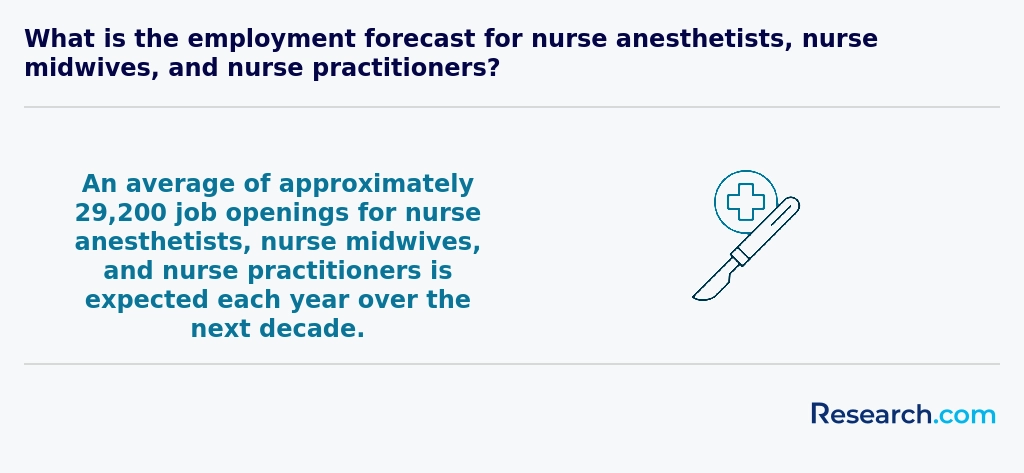
Accreditation and state licensure approval are essential for ensuring your online nursing master’s degree prepares you for legal practice and credentialing in South Carolina.
- Choose programs accredited by the Commission on Collegiate Nursing Education (CCNE) or the Accreditation Commission for Education in Nursing (ACEN).
- Verify the program is approved by the South Carolina Board of Nursing to meet licensure and continuing education requirements.
- Ensure clinical practicum hours align with state regulations for MSN specializations.
- Confirm NCLEX-RN eligibility (for BSN-to-MSN bridge) or direct APRN certification pathways.
If you plan to pursue a doctoral degree after your MSN, explore our phd in nursing online programs for affordable options.
When you dive into an online nursing degree in South Carolina, you'll find courses that cover everything from the basics to the kind of advanced skills nurses really need on the job. For example, students at popular schools like the University of South Carolina or Clemson University often mention how Human Anatomy and Physiology helped them visualize exactly what's going on inside their patients' bodies-super useful when you're starting out.
Courses like Pathophysiology and Pharmacology teach you how diseases work and how medications can safely treat them, which grads say felt like unlocking the real science behind nursing. Plus, Health Assessment classes get you ready to evaluate patients' health with confidence, a skill future nurses rave about when describing their first clinical practicum in South Carolina hospitals.
You'll also study nursing research to critically assess the latest healthcare studies and leadership courses that prepare you for roles beyond bedside care. Many find community and public health nursing classes especially rewarding, since they get to address South Carolina's real population health challenges. It's a blend of book smarts and real-world readiness that grads love!
If you're thinking about online nursing specializations South Carolina has some pretty cool options to choose from. Lots of students pick Family Nurse Practitioner because it covers all ages and comes with solid job prospects; graduates from popular universities often say this path feels really rewarding since they get to help whole families. Then there's Adult-Gerontology Nurse Practitioner, which is perfect if you want to work with older adults - a smart choice because South Carolina's aging population really needs more nurses in this area.
Some graduates also go for Psychiatric-Mental Health Nurse Practitioner programs, especially as mental health awareness grows across the state. Nursing Education and Clinical Nurse Leader are other solid picks for those wanting to teach future nurses or lead healthcare teams. Schools like those known for their nursing programs usually offer these, and sometimes you'll hear from grads that a mix of online learning with a bit of local clinical work really helped them stay connected.
For anyone starting out or even switching gears, there's also a neat chance to explore an online bsn for non nurses that opens up these specializations later on. It's a friendly path that a lot of students appreciate when balancing life in South Carolina with their studies.
South Carolina MSN degree concentrations are designed with real-world needs in mind, so picking your niche feels practical and motivating.
Picking the best online nursing degree in South Carolina starts with accreditation-it's the key to making sure your credits count and you'll be prepared for the NCLEX licensure exam. Many graduates from universities like the University of South Carolina mention how important it was to choose a program accredited by CCNE or ACEN. These programs often offer the flexibility you need, especially if you're juggling work or family, with asynchronous classes and multiple start dates. For example, nurses who completed their degrees at Clemson appreciate how part-time options let them advance their careers without quitting their jobs.
Cost is another big deal. Affordable online MSN degrees South Carolina offer usually fall between $6,000 and $10,000 per year for in-state students, which is a relief compared to out-of-state costs. Plus, there are scholarships and financial aid specifically for nursing students that can really ease the burden.
Don't forget about clinicals! Even online programs require in-person clinical practice, so it helps if your school partners with hospitals nearby. Many successful grads highlight how local clinicals helped them build confidence and important connections. If you want to dig deeper into what are the most useful college majors alongside nursing, it's worth checking out some resources for a broader perspective.
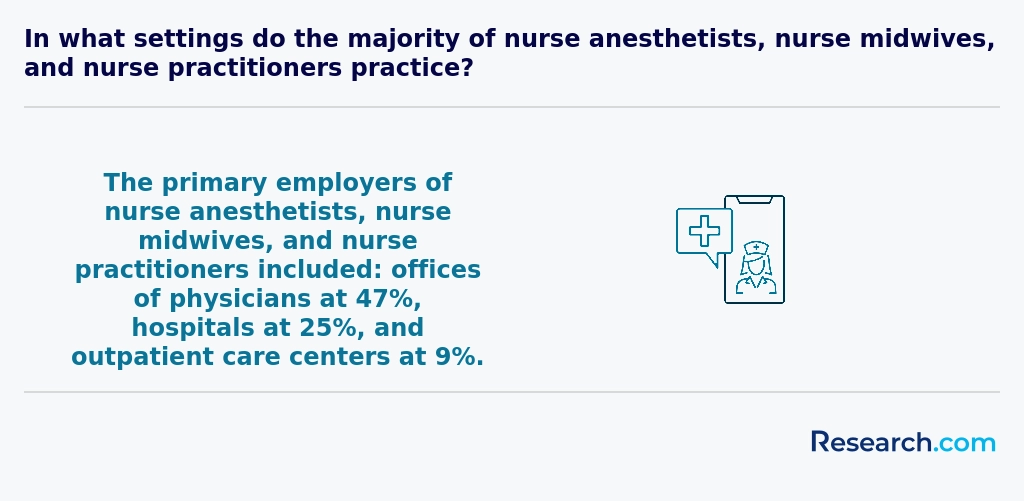
If you're thinking about an online nursing degree in South Carolina, you've got some pretty cool career options ahead. Graduates from popular schools here, like Clemson or the University of South Carolina, often land jobs as Registered Nurses, working in hospitals or outpatient centers. These jobs pay around $63,000 a year in the state and offer stability as healthcare keeps growing. Others use their degree to become Nurse Practitioners, especially with a Master's degree, which lets them provide advanced care - a perfect fit for those who want more responsibility and a chance to make a real difference in rural or underserved areas.
Many graduates also become Nurse Educators because South Carolina really needs more faculty to train new nurses. If you're interested in leadership, roles like Nurse Administrator or Healthcare Manager are a strong path too, managing staff and improving patient care. Nursing degree job opportunities SC are definitely on the rise, and the online route is a smart way to get there. If you want something flexible, check out the easiest online degree to get options that fit your pace.
The job market for graduates with an online nursing degree in South Carolina is looking pretty solid right now. Nursing graduates from popular programs at universities like Clemson or the University of South Carolina often share how quickly they found positions in hospitals, clinics, or community health centers. The demand for nurses is driven by everything from an aging population to growing healthcare needs, especially in rural parts of the state where nurses are in short supply.
Many grads mention the flexibility to balance work and school thanks to online programs, which lets them gain experience while finishing their degrees. If you're curious about the variety of paths nursing can take, check out this list of college majors. The South Carolina nursing degree job outlook is promising too-registered nurses earn a median wage around $63,000, while advanced roles push well beyond $90,000. So, if you want online nursing jobs in South Carolina, you're stepping into a field with strong job security and plenty of opportunity for growth.
2027 Easiest Online Master's in Nursing Degree Programs Ranking in South Carolina
Investing in your education is a significant decision that can greatly impact your career and personal growth, and the Research.com team recognizes the importance of providing reliable guidance. To support prospective students in South Carolina, we have carefully developed the "2027 Easiest Online Master's in Nursing Degree Programs Ranking in South Carolina." Our dedication to quality, credibility, and accuracy is demonstrated through comprehensive research and rigorous analysis.
We utilized the following reputable data sources to ensure a thorough and trustworthy evaluation of nursing programs:
By exploring this ranking, readers will gain valuable insights into accessible and quality online nursing master's programs, empowering them to make well-informed educational choices with confidence. For more information on how this ranking was created, please visit our Research.com methodology page.


Frequently Asked Questions About nursing
Online nursing degree students in South Carolina can maximize their learning by actively engaging with interactive course materials and participating in virtual discussions. Consistent communication with instructors and peers helps deepen understanding and build professional networks. Utilizing state nursing resources, such as the South Carolina Board of Nursing's guidelines, ensures students meet clinical hour requirements effectively.
Scheduling regular study times and creating a dedicated workspace reduces distractions and enhances focus. According to the South Carolina Nursing Workforce Report, demand for advanced nursing skills is expected to grow by 17% by 2030, making up-to-date knowledge essential.
Clinical practicum placements in local healthcare facilities also provide valuable practical experience supporting online coursework.
The nursing field is evolving rapidly, with several emerging niches gaining importance, especially in South Carolina. One key area is gerontological nursing, driven by the state's growing elderly population. According to the South Carolina Department on Aging, residents aged 65 and older are expected to increase by 35% by 2030, creating demand for specialized care.
Another expanding niche is informatics nursing, which integrates healthcare with technology. Nurses in this field help manage electronic health records and improve patient data analytics. This role is crucial as South Carolina hospitals continue adopting advanced digital systems.
Additionally, community and public health nursing are growing due to statewide efforts to address chronic illnesses like diabetes and heart disease. The South Carolina Department of Health and Environmental Control highlights ongoing initiatives targeting rural healthcare improvement, increasing need for skilled nurses in these areas.
After completing an online nursing degree in South Carolina, preparing for the job market requires several important steps. First, obtaining licensure through the South Carolina Board of Nursing is essential; graduates must pass the NCLEX-RN exam to practice legally as registered nurses. South Carolina's nursing employment is expected to grow by 12% through 2030, offering many job opportunities in hospitals, clinics, and community health settings (South Carolina Department of Employment and Workforce).
Networking with local healthcare employers and joining professional nursing organizations like the South Carolina Nurses Association can increase job prospects and provide access to resources. Additionally, gaining clinical experience through internships or volunteer work in healthcare facilities is valuable. Tailoring resumes to highlight skills learned in the online program, including telehealth competencies, can make candidates more competitive in the evolving nursing job market.
Employers in South Carolina seek nursing graduates with a strong combination of clinical skills and soft skills. Critical thinking and effective communication are essential, as nurses often coordinate with doctors, patients, and families. According to the South Carolina Nurses Association, teamwork and adaptability are highly valued due to the dynamic healthcare settings.
Technical proficiency with electronic health records and patient monitoring systems is increasingly important, reflecting the growing role of technology in healthcare across the state. Additionally, cultural competence is vital in South Carolina's diverse population to provide high-quality patient-centered care.
Leadership skills also stand out, especially for those pursuing advanced nursing roles, supporting healthcare improvements and patient safety initiatives.
Finding nursing internships in South Carolina begins with understanding the state's healthcare landscape. Nursing students should contact local hospitals, clinics, and public health departments, as many partner with accredited nursing programs to offer clinical placements.
The South Carolina Board of Nursing requires students enrolled in nursing programs to complete supervised clinical hours, which often happen through internships or practicums. Schools offering online nursing degrees usually assist in placing students by leveraging their hospital networks.
According to the South Carolina Department of Health and Environmental Control, major healthcare employers like Prisma Health and the Medical University of South Carolina offer structured internships. Reaching out directly to nursing education coordinators at these institutions is recommended.
Additionally, use state-specific job boards and resources such as the South Carolina Nursing Association's website to find updated internship opportunities tailored for nursing students in the state.
Online nursing degrees in South Carolina significantly enhance career mobility and advancement opportunities. According to the South Carolina Center for Nursing Workforce, the state expects a 12% growth in nursing jobs from 2022 to 2032, emphasizing demand for skilled professionals. An online degree offers flexible access to accredited programs, enabling nurses to earn advanced qualifications such as MSN or DNP without relocating.
Employers in South Carolina increasingly value higher education for leadership roles, specialized clinical positions, and salary increases. Advanced degrees gained online meet state licensure and certification requirements, opening doors to nurse practitioner or administrative careers. The convenience of online study supports working nurses advancing their credentials while balancing job demands.
Studying for a nursing degree in South Carolina provides strong preparation for interdisciplinary roles through comprehensive curricula that emphasize collaboration with healthcare professionals. Online programs in the state often include courses on healthcare systems, communication, and team-based care, essential for working alongside physicians, therapists, and social workers. According to the South Carolina Nurses Association, interdisciplinary training helps nurses contribute effectively to patient-centered care teams, improving outcomes.
Students also gain practical experience via clinical placements in diverse settings, reinforcing skills in coordination and leadership. This approach aligns with national healthcare trends focusing on integrated care models, equipping graduates to adapt to evolving roles in the healthcare system.
When choosing between a thesis and a non-thesis nursing degree program in South Carolina, consider your career goals and learning preferences. Thesis programs focus on research and require students to complete a substantial research project, ideal for those interested in leadership roles, academia, or pursuing a doctoral degree.
Non-thesis programs emphasize practical skills and clinical application without a research component, making them suitable for nurses aiming to advance clinically or administratively in South Carolina's healthcare system.
According to the South Carolina Board of Nursing, the state's demand for nurse leaders and educators is growing by 15% annually, indicating value in research skills. However, many employers in the state prioritize hands-on experience over research, favoring non-thesis graduates.
Students in South Carolina interested in studying nursing abroad through online programs have several pathways to consider. While most international nursing programs require in-person clinical work, some U.S.-based universities offer partnerships with foreign institutions that allow parts of the curriculum to be completed online. This can include virtual simulations and remote coursework combined with approved clinical placements locally or abroad.
It is important for students to ensure any international program is accredited by recognized U.S. nursing boards, such as the South Carolina Board of Nursing, to facilitate licensure upon return.
According to the South Carolina Department of Labor, nursing remains one of the state's fastest-growing occupations, making accredited education essential for career advancement.
Students should also consider programs compliant with the Commission on Collegiate Nursing Education (CCNE) or Accreditation Commission for Education in Nursing (ACEN) standards to guarantee quality and transferability of credits.
Part-time job opportunities in South Carolina that complement nursing degree education typically include roles such as certified nursing assistants (CNAs), medical assistants, and patient care technicians. These positions provide valuable hands-on experience with patient care, crucial for nursing students pursuing online degrees.
According to the South Carolina Department of Employment and Workforce, healthcare support roles have a steady demand, with opportunities growing by approximately 10% through 2030. Working part-time in hospitals, clinics, or nursing homes allows students to apply classroom knowledge in real-world settings.
Additionally, roles in community health outreach and medical administrative support help develop communication and organizational skills important for nursing professionals.
Online nursing students in South Carolina have access to several valuable networking opportunities despite the remote format. Many universities offer virtual events, webinars, and discussion forums where students connect with peers and faculty. For example, institutions like the University of South Carolina facilitate online nursing cohorts that encourage collaboration and mentorship.
The South Carolina Nurses Association (SCNA) also hosts regular conferences and local chapter meetings that online students can attend virtually or in person to build professional relationships. According to the Bureau of Labor Statistics, South Carolina's nursing workforce is growing steadily, making networking essential for career advancement.
Additionally, students can join clinical placements across diverse healthcare settings statewide, allowing face-to-face interaction with licensed nurses and healthcare professionals, enhancing their network beyond the digital space.
Alumni networks offer valuable support for online nursing degree students in South Carolina. These networks connect students with graduates who have firsthand experience in the local healthcare system. This can lead to mentorship opportunities, career advice, and job referrals, often critical in a competitive job market. According to the South Carolina Nurses Association, approximately 75% of nurses find new positions through professional connections, highlighting the importance of networking.
Alumni also provide access to continuing education, workshops, and specialized training tailored to South Carolina's healthcare needs. This ongoing support helps graduates stay current in nursing practices and regulations specific to the state.
Engaging with alumni fosters a sense of community and belonging, which can be especially important for online students who study remotely.
Customizing an online nursing degree in South Carolina allows students to align their education with specific career goals. Many programs offer specialized tracks such as Family Nurse Practitioner, Nurse Educator, or Healthcare Administration. Selecting clinical placements in local healthcare settings helps integrate practical experience relevant to your interests.
Students can often choose electives focusing on advanced practice, leadership, or informatics to build expertise. South Carolina's nursing workforce demand, reported by the South Carolina Board of Nursing, highlights growth in primary care and elderly care fields, suggesting strategic specialization opportunities.
Accredited online programs provide flexible pacing and support, enabling nurses to balance work while advancing their qualifications.
Online nursing students in South Carolina often face challenges related to balancing coursework with clinical practice requirements. Many programs require in-person clinical hours, which can be difficult to schedule, especially for working professionals. According to the South Carolina Board of Nursing, students must complete specific clinical hours to qualify for licensure.
Another common challenge is limited access to local clinical placements, as rural areas in South Carolina have fewer healthcare facilities available for internships. Technical issues such as unreliable internet connectivity can also disrupt learning, particularly in less urbanized regions.
Finally, online students may struggle with less direct interaction with faculty and peers, which can affect motivation and understanding of complex nursing concepts.
With an online nursing degree in South Carolina, graduates can pursue several key professional certifications to advance their careers. Many choose to become a Registered Nurse (RN) by passing the NCLEX-RN exam, which is required to practice nursing in the state.
Additionally, nurses may seek specialty certifications such as the Certified Nurse Practitioner (CNP), Certified Nurse Educator (CNE), or certifications in areas like geriatrics, pediatrics, and critical care. The South Carolina Board of Nursing recognizes these certifications, which can enhance job prospects and salary potential.
Certification organizations like the American Nurses Credentialing Center (ANCC) offer these credentials widely recognized across the US.
Writing a winning application for an online nursing program in South Carolina requires clear preparation and attention to detail. Start by carefully reviewing the program's requirements, as many accredited programs expect a minimum GPA around 3.0 and relevant clinical experience. Highlight your commitment to nursing through a strong personal statement, emphasizing your professional goals and how the program aligns with South Carolina's healthcare needs.
Include letters of recommendation from supervisors or instructors who can attest to your clinical skills and work ethic. Additionally, meet all deadlines promptly and ensure your transcripts and certifications are complete. According to the South Carolina Board of Nursing, online applicants benefit from demonstrating knowledge of local health challenges and regulations.
The global perspective on a nursing career highlights the growing demand for skilled nurses worldwide, including in the United States. Nursing is recognized as a vital profession with opportunities for international work and cultural exchange. In South Carolina, the nursing workforce is expected to grow significantly due to an aging population and expanding healthcare needs. According to the South Carolina Department of Labor, employment for registered nurses in the state is projected to grow by 14% from 2020 to 2030, faster than the average for all occupations.
Online nursing degrees offer flexibility for South Carolina students aiming to join this global profession. The increasing integration of technology in healthcare encourages continuous learning and adaptation, marked by standards set across nations. Moreover, nursing licensure requirements have begun to align internationally to support workforce mobility, benefiting graduates in South Carolina who may seek global career opportunities.
Gaining practical experience while pursuing an online nursing degree in South Carolina involves completing clinical hours required by the state's Board of Nursing. Most accredited online programs partner with local hospitals, clinics, or healthcare facilities to provide students with in-person training. Online students must coordinate clinical placements, which typically total between 500 to 700 hours depending on the program.
South Carolina reported a 15% shortage of nurses in recent years, increasing opportunities for students to find clinical sites. Students may also gain hands-on experience through simulation labs offered by partner institutions. This blend of virtual coursework and real-world practice ensures readiness for the NCLEX-RN licensing exam and professional work.
Choosing the right concentration within an online nursing degree program in South Carolina depends on your career goals and the state's healthcare needs. Concentrations such as Family Nurse Practitioner, Nurse Educator, and Nurse Administrator are popular due to strong job growth. According to the South Carolina Department of Employment and Workforce, nursing roles are expected to grow by 15% through 2030, especially in primary care and aged care.
Consider your interests and local demand. For example, the growing elderly population increases demand for geriatric nursing expertise. Also, check if the program is accredited and aligns with South Carolina Board of Nursing licensure requirements. Research clinical placement opportunities offered online programs provide in your region to gain hands-on experience.
- 2027 Easiest Online Master's in Nursing Degree Programs Ranking in Georgia
- 2027 Easiest Online Master's in Nursing Degree Programs Ranking in North Carolina
- 2027 Easiest Online Master's in Nursing Degree Programs Ranking in Florida
- 2027 Easiest Online Master's in Nursing Degree Programs Ranking in Tennessee
- 2027 Easiest Online Master's in Nursing Degree Programs Ranking in Virginia
- 2027 Easiest Online Master's in Nursing Degree Programs Ranking in Kentucky
- 2027 Easiest Online Master's in Nursing Degree Programs Ranking in Mississippi
- 2027 Easiest Online Master's in Nursing Degree Programs Ranking in Louisiana
- 2027 Easiest Online Master's in Nursing Degree Programs Ranking in Arkansas
- 2027 Easiest Online Master's in Nursing Degree Programs Ranking in Missouri
See What Experts Have To Say About Studying Nursing
Read our interview with Nursing experts


- School of Nursing Alumni Resources https://nursing.utmb.edu/About/Alumni
- What Are the Best Jobs to Work While in Nursing School? https://www.dewv.edu/what-are-the-best-jobs-to-work-while-in-nursing-school/
- How Much Can I Earn With a BSN? https://www.allnursingschools.com/bsn/salary/
- Can I Get a Nursing Degree Online? | University of Phoenix https://www.phoenix.edu/articles/nursing/can-i-get-a-nursing-degree-online.html
- How to Set and Achieve Your Nursing Career Goals | HealthTrust https://engage.healthtrustjobs.com/how-to-set-achieve-nursing-career-goals
- Guide to Making a Career Change to Nursing https://teach.com/online-ed/healthcare-degrees/online-msn-programs/career-change-to-nursing/
- How Do Nurses Navigate Career Advancement? | NursingEducation https://nursingeducation.org/insights/career-advancement/
- Guide to Mastering South Carolina Nursing Prerequisites https://www.prereqcourses.com/guide-south-carolina-nursing-prerequisites/
- Top Nursing Skills U.S. Employers Want to See on Your Resume | O'Grady Peyton https://www.ogradypeyton.com/blog/job-seeker-resources/top-nursing-skills-u.s.-employers-want-to-see-on-your-resume
- 2025 Best Online Nursing Programs in South Carolina https://www.onlineu.com/degrees/nursing/south-carolina


