
2027 Most Affordable Nursing Degree Programs Ranking in Columbus

Co-Founder and Chief Data Scientist
Choosing the right nursing degree program in Columbus can feel overwhelming. That's why we're here to help you simplify your decision-making process.
The article presents the 2027 Most Affordable Nursing Degree Programs Ranking in Columbus, developed by the Research.com team of data scientists. This ranking highlights affordable and quality options, making it easier for you to find the best fit for your goals.
Whether you're starting fresh or advancing your career, earning a nursing degree opens doors to meaningful and stable opportunities. Dive in and discover programs worth considering.
Key benefits of getting nursing degree in Columbus
- The mean annual salary for nursing degree graduates in Columbus is about $94,480 for roles like Registered Nurse and Public Health Nurse, with Operating Room Nurses earning up to $128,490 annually, offering strong financial stability.
- Nursing graduates from Columbus State Community College often pursue diverse careers such as Emergency Room Nurse, Clinical Nurse Educator, or Public Health Nurse, showing many exciting paths for growth and impact in healthcare.
- Completing a nursing degree online through institutions like Franklin University allows flexible scheduling and balances work-life commitments, making it easier to advance your career without interrupting your current lifestyle.
- 2027 Most Affordable Nursing Degree Programs Ranking in Columbus
- What can I expect from nursing degree in Columbus?
- Where can I work with nursing degree in Columbus?
What can I expect from nursing degree in Columbus?
The average cost of obtaining a nursing degree in Columbus varies significantly depending on the type of program and institution chosen. For example, graduates from local community colleges pursuing an Associate Degree in Nursing (ADN) often report tuition expenses under $10,000 for the full program, a financial relief that makes entry into nursing more accessible. In contrast, those attending universities offering Bachelor of Science in Nursing (BSN) programs, such as those in Columbus, typically face tuition costs that range from $25,000 to $40,000, reflecting the more comprehensive curriculum and extended program length.
Many students express satisfaction with the value of their education despite the cost differences. Graduates from ADN programs appreciate the quicker and more affordable path, which allowed them to enter the workforce with less financial stress. Meanwhile, BSN graduates recognize that the higher expense often correlates with broader career opportunities and enhanced clinical training, making the investment worthwhile for their long-term goals.
Financial aid and scholarships, especially those linked to local healthcare service commitments, play a vital role in alleviating the burden. Students from Ohio's popular nursing schools frequently highlight these supports as crucial in turning their educational ambitions into reality, helping balance enthusiasm for nursing with practical financial concerns.
Where can I work with nursing degree in Columbus?
Graduates from nursing programs in Columbus, such as those at Ohio State University, find diverse employment opportunities that reflect the city's expansive healthcare landscape. Many step into roles at prominent hospitals like OhioHealth Riverside Methodist Hospital, where the fast-paced environment demands skills in specialties ranging from critical care to oncology. These settings offer dynamic challenges, fueling a sense of purpose and professional growth.
Others discover fulfilling positions in outpatient care centers or federally qualified health centers, where regular hours and community-focused care appeal to those seeking work-life balance while making a tangible impact. Nursing homes also attract graduates who find meaningful work supporting aging populations with long-term medical needs. For some, teaching at local institutions or engaging in public health efforts through Columbus Public Health Department opens rewarding career paths beyond traditional clinical roles.
While the majority require RN or LPN licensure, students appreciate how Columbus nursing education prepares them practically and emotionally. Graduates often describe their training as empowering, enabling them to navigate varying healthcare settings confidently, whether in bustling hospitals or community programs, reflecting the city's rich, versatile nursing workforce.
Graduates with nursing degrees in Columbus can expect varied earnings depending on their roles and employers. Registered Nurses typically earn a mean annual wage around $94,480, reflecting strong demand across local healthcare settings such as Ohio State University's medical facilities and Columbus-based hospitals. This is notably competitive given the cost of living in the area. For nurses moving into specialized positions, earnings improve substantially. For instance, Operating Room Nurses in Columbus earn an average of $128,490 annually, demonstrating the financial benefits tied to advanced skills and certifications obtained during or after nursing programs.
Graduates often share how the rigorous training and clinical experiences at Columbus colleges have equipped them to qualify for higher-paying roles like Clinical Nurse Educators or Emergency Room Nurses, both averaging similar annual salaries near $94,480. These roles come with demanding responsibilities but also offer rewarding compensation, especially within large hospital systems or government agencies.
While entry-level salaries in Columbus may start lower, these figures highlight a promising trajectory for nursing graduates, allowing many to feel confident in their investment in local nursing education and the vibrant healthcare community here.
- Tuition for associate degree in nursing (ADN) programs ranges from $5,000 to $10,000 per year in Columbus.
- Bachelor's degree nursing programs (BSN) typically cost between $10,000 and $20,000 annually for in-state students.
- Registered nurse (RN) jobs in Columbus are expected to grow by about 12% over the next decade.
- Newly graduated nurses usually start with salaries between $58,000 and $65,000 per year.
- Experienced nurses with advanced education can earn median salaries of $70,000 to $80,000 annually.
- Most nursing programs require passing the NCLEX-RN exam for licensure after graduation.
Completing a nursing degree in Columbus varies based on the program chosen and prior education. For example, graduates from community colleges offering the Associate Degree in Nursing (ADN) typically spend 2 to 3 years completing their studies, balancing coursework with clinical hours. Many appreciate the affordability and hands-on training that prepare them well for the NCLEX-RN licensing exam.
At universities like Ohio State University, students pursuing the traditional Bachelor of Science in Nursing (BSN) often invest 4 years in rigorous study, including leadership and research components. Graduates describe a rewarding experience that enhances both clinical skills and career opportunities.
For those shifting careers, accelerated BSN programs in Columbus offer an intensive, 12 to 18-month pathway. These programs demand full-time commitment but provide a faster route to licensure, which many find motivating despite the intensity. Flexible pacing options and challenges like clinical placements may extend timelines for some, but overall, completing a nursing degree here requires dedication combined with practical experience and exam preparation.
Continuing education is a major part of nursing career growth in Columbus. Registered Nurses who want to move beyond entry-level clinical roles often consider graduate or doctoral study, including the Master of Science in Nursing (MSN), Doctor of Nursing Practice (DNP), or research-focused PhD.
Advanced nursing degrees typically require 18–36 months of full-time study, with part-time and online tracks increasingly popular for working professionals. The right choice depends on whether your goal is direct patient care, leadership, teaching, research, policy, informatics, or administration.
How advanced nursing degrees differ
| Degree | Best fit | Common outcomes |
| MSN | RNs seeking specialization, leadership, education, or advanced clinical preparation | Nurse Practitioner, Clinical Nurse Leader, Nurse Educator, informatics or leadership roles |
| DNP | Nurses focused on advanced practice, care delivery, executive leadership, and quality improvement | Chief Nursing Officer, Clinical Director, advanced practice and systems leadership roles |
| PhD | Nurses interested in research, academic careers, policy development, and knowledge generation | Faculty, researcher, policy or healthcare research roles |
Master’s programs often include specializations in family practice, nurse leadership, or informatics. Coursework may cover evidence-based practice, healthcare policy, advanced pathophysiology, population health, and role-specific clinical preparation. Students comparing affordability and flexibility can review the Most Affordable Online Master’s in Nursing Degree Programs Ranking in the South to identify programs that may fit their schedule and budget.
Doctoral pathways serve different purposes. DNP programs emphasize care delivery models, quality improvement, and interprofessional collaboration. PhD programs focus on research methods, theory, and the generation of new nursing knowledge. Before applying, compare accreditation, faculty expertise, clinical requirements, dissertation or project expectations, and whether the specialization supports your long-term career plan.
The primary difference between online and on-campus nursing degrees in Columbus lies in how students engage with their learning environment. Graduates from Ohio State University's on-campus program often highlight the value of immediate, face-to-face interactions with faculty and peers, which fosters confidence and quick feedback during hands-on labs and simulations. This direct engagement helps many feel more supported, especially when mastering complex nursing skills.
Conversely, online nursing students from institutions like Franklin University appreciate the flexibility to fit coursework around jobs and family, enabling them to pursue their passion without sacrificing current responsibilities. Still, these students must arrange clinical practice locally, which can vary widely in quality and supervision depending on the site.
Cost is also an important consideration. While online options can reduce commuting and housing expenses, tuition at Columbus-area schools remains similar across formats, so careful financial planning is essential. Both pathways require accreditation, such as from the CCNE, ensuring graduates meet professional standards.
An Associate Degree in Nursing (ADN) can be a practical route into registered nursing, but many Columbus-area nurses later pursue higher credentials for leadership, education, advanced practice, or specialized clinical roles. Bridge programs are designed to shorten that path by recognizing prior nursing education and RN experience.
ADN-to-MSN pathways can allow ADN graduates to earn an MSN in as little as two years, depending on the program structure, enrollment pace, prerequisites, and specialization. These programs may combine BSN-level transition coursework with graduate nursing study, which can reduce duplication compared with earning each degree separately.
Common advantages of ADN-to-MSN bridge programs
- Accelerated timeline: Some programs combine foundational BSN and MSN coursework, reducing the total time compared with completing degrees one after another.
- Cost efficiency: Students may avoid repeating coursework and can move more directly into graduate-level preparation.
- Flexible scheduling: Many bridge programs are built for working nurses who need evening, part-time, hybrid, or online coursework.
- Clinical progression: Advanced coursework and supervised clinical experiences can support movement into roles such as nurse educator, nurse leader, or advanced practice nurse, depending on the track.
What to check before applying
- CCNE or ACEN accreditation
- RN licensure requirements for admission
- Whether a BSN is awarded along the way
- MSN specialization options, such as family nurse practitioner or clinical nurse educator
- Clinical placement support and location requirements
- Total tuition and fees, not just per-credit cost
Nurses seeking direct movement toward advanced practice can also compare online rn to fnp pathways to understand how admission requirements, clinical expectations, and scheduling differ across bridge options.
The average cost of a nursing degree in Columbus can vary significantly depending on the type of institution and residency status. For many students pursuing affordable nursing programs Columbus 2027, community colleges like Columbus State Community College offer a more budget-friendly option, with in-state tuition costs near $4,000 per year for associate degrees. Graduates from these programs often share how the lower costs allowed them to focus more on clinical experience without the burden of overwhelming debt.
Public universities offer a middle ground in terms of expense. Ohio State University, a leading choice for nursing education in Columbus, typically charges in-state students between $16,000 and $17,000 annually when tuition and fees are combined. Out-of-state students often face substantially higher prices, sometimes more than double. Many graduates from OSU appreciate the balance between cost and the quality of training, recognizing that their investment aligns well with their career goals.
Private institutions in Columbus represent the higher end of the scale, where annual tuition for nursing degrees can exceed $20,000. These schools often provide financial aid packages that reduce the net price, making them an option worth exploring. The real challenge for potential students lies in comparing these various costs alongside non-tuition expenses like books, uniforms, and certification fees, which graduates commonly report as adding thousands to the total.
Considering these factors, the median total cost of a nursing degree in Columbus hovers around $45,000, with in-state students typically paying closer to $16,600. Those looking for the cheapest nursing programs in ohio may gravitate toward community colleges or public universities. This approach enables them to pursue a rewarding nursing career while managing financial pressures in a realistic way.

To become a licensed nurse in Ohio, students must complete an approved educational pathway and meet state licensure requirements. The process is sequential, so choosing the right program at the start can prevent delays after graduation.
- Graduate from a CCNE- or ACEN-accredited nursing program.
- Register for and pass the NCLEX-RN exam.
- Apply to the Ohio Board of Nursing for your RN license.
- Complete a criminal background check and fingerprinting.
- Fulfill biennial continuing education requirements to renew licensure.
Students interested in advanced practice, doctoral preparation, or leadership roles may eventually compare cheapest bsn to dnp programs. Before enrolling in any advanced pathway, confirm admission requirements, clinical expectations, certification alignment, and Ohio licensure implications.
Financial aid for nursing students in Columbus comes in various forms that can significantly ease the burden of tuition costs. For instance, graduates from Columbus State Community College often speak positively about institutional scholarships that reward academic success or community involvement, making higher education in nursing more attainable. Federal aid remains a cornerstone, with Pell Grants offering up to $7,395 in aid for those who qualify based on financial need, helping students at both community colleges and larger universities like The Ohio State University.
Beyond federal support, state-specific scholarships from organizations such as the Ohio Nurses Foundation provide critical funding, especially for those enrolled in ADN or BSN programs locally. Many students find these opportunities vital, as they combine financial relief with connections to local healthcare employers.
Additionally, nursing students in Columbus frequently benefit from work-study jobs and paid clinical placements at institutions like OhioHealth, which not only help financially but also build real-world experience. Some even leverage hospital tuition reimbursement programs, balancing the challenge of education with hands-on learning.
Loan forgiveness programs like the Nurse Corps Loan Repayment Program present another valuable option, particularly for those willing to work in underserved Columbus communities, aligning financial aid with meaningful career choices and personal fulfillment.
Accreditation should be one of the first filters you use when evaluating nursing programs in Columbus, OH. A properly accredited program gives students stronger assurance that the curriculum, faculty qualifications, clinical training, and student outcomes meet recognized nursing education standards.
Prospective students should verify whether a program is accredited by nationally recognized nursing accreditors such as the Commission on Collegiate Nursing Education (CCNE) or the Accreditation Commission for Education in Nursing (ACEN). Accreditation is especially important because it can affect licensure eligibility, transfer credit, graduate school admission, employer preferences, and financial aid access.
For Ohio RN licensure, students should also confirm that their program meets Ohio Board of Nursing requirements and prepares graduates to sit for the NCLEX-RN licensure exam. Programs must also document a minimum of 750 clinical hours in diverse healthcare settings, including environments such as acute care hospitals and community health centers, so students can build safe, supervised patient-care experience before entering practice.
Licensure-related items to verify before enrollment
- Program approval and accreditation status
- Eligibility to take the NCLEX-RN after graduation
- Clinical hour requirements and placement sites
- Background check and fingerprinting policies
- CPR certification requirements
- Immunization and health documentation requirements
- Any prior coursework or GPA standards needed for admission
After becoming licensed as an RN, many nurses continue into BSN completion programs to improve advancement options. Working registered nurses who need flexible study can compare the ranking of most affordable online rn to bsn programs while still confirming each program’s institutional and program-specific accreditation.
Enrolling in a nursing degree program in Columbus typically starts with foundational academic prerequisites that can feel both challenging and motivating. Graduates from popular colleges in the area often recall how having a high school diploma-or a GED-and solid grades in science and math gave them the confidence to tackle nursing studies ahead. For example, biology and chemistry classes from high school aren't just formalities; they form the essential baseline for complex nursing concepts later encountered at Ohio State University or Columbus State Community College.
Most programs likewise require completion of college-level prerequisite courses such as anatomy, physiology, microbiology, and statistics. Graduates frequently highlight that these subjects built their critical thinking and prepared them for clinical work. Many nursing hopefuls find the TEAS exam demanding but view it as a fair assessment of skills in reading, math, and science-key areas for success in this demanding field.
Beyond academics, students benefit from understanding practical requirements like immunization records and background checks, which reflect real-world responsibilities encountered during clinical rotations. Though some prerequisites such as letters of recommendation or interviews differ by institution, applicants at schools like Franklin University often find these elements help them demonstrate dedication and passion for nursing.
The most affordable nursing programs in Columbus, OH, are typically those that combine reasonable tuition with accredited coursework, local clinical placements, and strong preparation for the NCLEX-RN exam. Cost matters, but the cheapest option is not always the best value if it delays licensure, lacks clinical access, or does not align with the nursing role you want.
Prospective students should compare public colleges, private institutions, associate degree pathways, BSN programs, and online or hybrid options. A lower tuition rate can be attractive, but you should also review fees for labs, uniforms, background checks, testing, equipment, transportation, and clinical compliance requirements.
Students comparing local and statewide options can also review the cheapest nursing programs in ohio to see how Columbus programs compare with other affordable nursing pathways across the state.
What to compare before choosing a low-cost nursing program
- Accreditation: Look for recognized nursing accreditation, especially from CCNE or ACEN, and confirm the institution is properly authorized.
- Licensure preparation: Make sure the curriculum prepares graduates for the NCLEX-RN and meets Ohio Board of Nursing expectations.
- Clinical access: Ask where students complete clinical rotations and whether placements are arranged by the school.
- Total cost: Compare tuition, fees, books, supplies, testing, transportation, and lost work time.
- Program length: A shorter ADN may get you into the workforce faster, while a BSN may support broader job options and advancement.
- Financial aid: Review federal grants, institutional scholarships, state aid, employer reimbursement, and payment plans.
Nursing degrees in Columbus typically include a diverse range of courses designed to balance theory with hands-on skills. Graduates from well-known local institutions often highlight how foundational courses like human anatomy, physiology, microbiology, and chemistry helped them grasp the complexities of the human body and diseases. These basic sciences are complemented by pharmacology classes, where students learn critical concepts about medications and their effects.
Beyond science, many students appreciate courses focused on clinical and patient-centered care-such as medical-surgical nursing, maternal and child health, and mental health nursing. For example, nursing students at Columbus colleges often share how the health assessment and physical examination modules prepared them for real-world hospital settings, enhancing confidence during clinical rotations in local healthcare facilities.
- Pathophysiology
- Nursing research and evidence-based practice
- Community and public health nursing
- Leadership and management in nursing
Such courses not only equip students with necessary knowledge but also foster critical thinking for diverse patient populations, making the learning experience in Columbus both comprehensive and practical. However, students should consider how different colleges tailor their programs to emphasize specific specialties or community health priorities.
Nursing degree specializations in Columbus tend to cover a broad spectrum aligned with both local healthcare demands and national trends. For example, many Columbus nursing programs feature Registered Nurse (RN) to Bachelor of Science in Nursing (BSN) completion tracks, which graduates find essential for advancing their careers without starting over. Family Nurse Practitioner (FNP) specializations are also popular due to the city's evolving demographics, allowing nurses to provide primary care across diverse age groups at institutions near Ohio State University or Columbus State Community College.
Another common focus is Adult-Gerontology Acute Care Nursing, reflecting the growing elderly population in Columbus's hospitals. Meanwhile, pediatric nursing specializations attract students passionate about working with children, often training through partnerships with local children's hospitals. Graduates who pursued psychiatric-mental health nursing in Columbus emphasize how the city's increased focus on mental well-being shapes valuable clinical experiences.
Students balancing cost and career goals often refer to the ranking of most affordable online rn to bsn programs when selecting programs with relevant specialized options. Considering these specializations helps future nurses tailor their training and position themselves effectively within Columbus's robust healthcare system.
Choosing the best nursing degree in Columbus means balancing practical concerns with long-term career goals. Graduates from popular nursing colleges often recall weighing the length and flexibility of programs, especially when juggling work alongside studies. For many, programs accredited by ACEN or CCNE provided reassurance that their degree held value locally and nationally. A graduate from a Columbus institution shared how prioritizing NCLEX pass rates helped them feel confident entering the workforce-an important factor given Ohio's average pass rate of around 85% to 90%.
Cost is a reality for many, so exploring the most affordable nursing programs Columbus offers is crucial. One graduate appreciated how transparent tuition and fees made budgeting less stressful. Clinical placements in well-regarded Columbus hospitals can transform theoretical knowledge into rewarding hands-on experiences that build a strong professional network. Many students also found support services like tutoring or financial aid vital to their success.
For those aiming to advance, BSN degrees frequently open doors to higher-paying and more specialized roles. Columbus colleges often provide bridge options for working nurses, including online rn to fnp pathways, making continued education accessible and flexible.
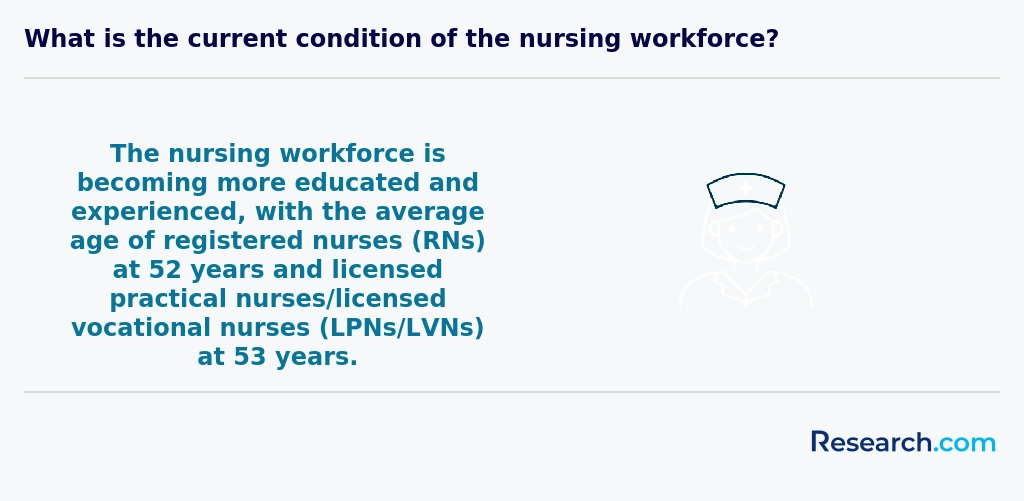
Graduates with a nursing degree in Columbus find a wide array of career paths that reflect the city's healthcare diversity. Many start as Registered Nurses (RNs) in hospitals or outpatient clinics, where the demand is steadily growing, aligning with projections of a 12% employment increase statewide by 2030. Nursing students from Columbus State Community College often share how their clinical rotations immersed them in dynamic hospital environments, preparing them for these roles.
Beyond general nursing jobs, specialized roles offer alternative directions. For example, Licensed Practical Nurses (LPNs) provide crucial support under RNs, while Advanced Practice Registered Nurses (APRNs) enjoy greater autonomy in diagnostics and prescriptions. Others work in targeted fields such as pediatric or psychiatric nursing, where graduates from Ohio State University report the rewarding challenge of addressing unique patient needs.
In discussing Columbus nursing degree job prospects, it's essential to note opportunities in education and administration, as well as public health nursing focused on community outreach. Many find these roles emotionally fulfilling, contributing to healthcare beyond bedside care. Students often weigh these paths carefully, considering program affordability and salary outlooks, sometimes consulting rankings like the Most Affordable Online Master's in Nursing Degree Programs Ranking in the South for advanced study options.
The nursing job opportunities in Columbus present a robust and growing market for graduates, supported by a variety of healthcare employers such as OhioHealth and Nationwide Children's Hospital. Registered nurses in this metropolitan area earn an average of about $69,000 annually, a salary that many local graduates from community colleges and universities find encouraging as they start their careers. These figures reflect a balance between living costs and competitive demand, making nursing an appealing field for those invested in long-term stability.
Graduates from Columbus-based programs frequently emphasize how clinical experiences in diverse facilities prepare them for various patient care situations, enhancing their confidence and employability. The Columbus nursing degree employment outlook remains optimistic, with a projected 10% growth rate fueled by an aging population and increased healthcare needs. Many graduates appreciate that hospitals offer sign-on bonuses and tuition reimbursement, which help offset their educational expenses.
For students seeking flexible paths, options like accelerated online degrees for working adults provide a practical solution to balance work and study. This accessibility attracts many candidates who want to advance quickly but responsibly within the nursing field.
2027 Most Affordable Nursing Degree Programs Ranking in Columbus
Investing in your education is a significant decision that can shape your future, and the Research.com team understands the importance of making informed choices. To help prospective students in Columbus, we have diligently created the "2027 Most Affordable Nursing Degree Programs Ranking in Columbus." Our dedication to quality, credibility, and accuracy is evident through the detailed research and analysis behind this ranking. We utilized the following reputable data sources to ensure a comprehensive evaluation of nursing programs:
By reviewing this ranking, readers will obtain valuable insights into affordable nursing degree options in Columbus, empowering them to make well-informed decisions about their educational goals. For more information about our approach, please visit our Research.com methodology page.


# 6 position
Franklin University
Master of Science in Nursing

# 7 position
Franklin University
Bachelor of Science in Nursing
# 8 position
Chamberlain University-Ohio
Bachelor of Science in Nursing


Frequently Asked Questions About nursing
Nursing degree students in Columbus can maximize their learning experience by engaging fully with both classroom and clinical opportunities. Columbus offers a variety of practical settings, including partnerships with OhioHealth and Nationwide Children's Hospital, where students gain hands-on experience essential for skill development. According to the Ohio Board of Nursing, clinical hours remain a critical component in licensure preparation, emphasizing real-world practice.
Students should also take advantage of study groups and simulation labs available at institutions such as Columbus State Community College. Research shows that active collaborative learning helps improve clinical reasoning. Additionally, staying informed about state-specific nursing requirements and continuing education via the Ohio Board of Nursing website ensures students meet all professional standards during their studies.
The nursing field in Columbus is evolving with several emerging niches offering new career paths for students pursuing nursing degrees. One growing area is gerontological nursing, driven by Ohio's increasing elderly population, which is expected to rise by over 15% by 2030 according to the Ohio Department of Aging. Nurses specializing in this field focus on elderly care and chronic disease management.
Another promising niche is telehealth nursing. With Columbus healthcare systems expanding virtual care, telehealth nurses conduct remote patient monitoring and education, improving access to services.
Additionally, specialty fields like oncology and psychiatric nursing are gaining importance due to rising cancer rates and mental health awareness in Ohio. These niches require advanced skills and offer diverse job opportunities locally.
After completing a nursing degree in Columbus, it is essential to focus on licensing and gaining practical experience to enter the job market effectively. Graduates must pass the NCLEX-RN exam to become licensed Registered Nurses in Ohio. According to the Ohio Board of Nursing, the pass rate for first-time test takers in Columbus-area programs is above 85%, reflecting strong preparation standards.
Networking locally is crucial. Joining the Ohio Nurses Association and attending events in the Columbus healthcare community can provide valuable job leads. Also, internships or volunteer positions within large Columbus hospitals like OhioHealth or Mount Carmel can enhance skills and resumes.
Finally, understanding regional demand is helpful; the U.S. Bureau of Labor Statistics projects a 15% growth in nursing jobs through 2031 in the Columbus metropolitan area, indicating good employment prospects.
Employers in Columbus prioritize several key skills when hiring nursing degree graduates. Chief among these is strong clinical competence, ensuring nurses can effectively perform assessments and administer treatments. According to OhioMeansJobs, critical thinking and decision-making abilities rank highly, as nurses must quickly analyze patient conditions and respond appropriately.
Communication skills are essential, enabling clear interactions with patients, families, and healthcare teams. Familiarity with electronic health records (EHR) systems is increasingly important due to ongoing digitalization in Columbus healthcare facilities. Additionally, cultural competency is valued since Columbus serves a diverse population.
The Ohio Board of Nursing highlights professionalism and ethical practice as foundational traits employers seek in new graduates entering the field.
Finding internships in Columbus related to nursing degrees involves leveraging local healthcare networks and educational resources. Columbus hosts several major hospitals, such as OhioHealth and Mount Carmel Health System, which regularly offer clinical internship programs for nursing students. According to the Ohio Board of Nursing, practical experience is essential and often required for licensure.
Students should also connect with nursing schools like Ohio State University or Columbus State Community College, where career services often facilitate internship placements. Additionally, professional organizations like the Ohio Nurses Association can provide listings and guidance.
Applying early and networking within Columbus's healthcare community significantly improves chances of securing valuable internships.
Obtaining a nursing degree in Columbus significantly enhances career mobility and advancement opportunities. The city's healthcare sector is rapidly expanding, with the Bureau of Labor Statistics projecting a 15% growth in registered nursing jobs in Ohio by 2032. This growth creates demand for qualified nurses, making degree holders more competitive.
Higher education credentials such as a Bachelor of Science in Nursing (BSN) or advanced degrees often lead to better salaries and leadership roles in Columbus hospitals and clinics. According to the Ohio Health Workforce Report 2023, BSN-prepared nurses in the region earn approximately 20% more than those with only an associate degree.
Many Columbus employers value advanced nursing degrees for specialized roles, including nurse practitioners and clinical nurse specialists, which support career advancement. Overall, a nursing degree offers clear pathways toward long-term professional growth in Columbus's evolving healthcare environment.
Studying for a nursing degree in Columbus offers strong preparation for interdisciplinary roles in healthcare. Local nursing programs emphasize collaboration between nurses, physicians, social workers, and other health professionals. This approach reflects national trends promoting team-based patient care, which improves health outcomes.
Programs in Columbus, such as those at Ohio State University and Columbus State Community College, integrate clinical experiences in diverse settings like hospitals and community clinics. This exposure helps students develop communication and coordination skills essential for working within multidisciplinary teams.
According to the Ohio Board of Nursing, registered nurses in Columbus increasingly engage in roles that require understanding healthcare systems and contributing to patient management alongside other disciplines.
When choosing between a thesis and a non-thesis nursing degree program in Columbus, consider your career goals and learning preferences. Thesis programs focus on research, requiring you to conduct original studies and write a detailed paper. This path suits students aiming for roles in academia, research, or advanced clinical positions.
Non-thesis programs emphasize coursework and practical skills, often including clinical experiences instead of research. They typically take less time to complete and prepare students for direct patient care or managerial roles.
Local data from the Ohio Board of Nursing shows that 65% of nursing graduates in Columbus enter clinical practice immediately, making non-thesis programs popular. However, if you plan to pursue a PhD or teaching, a thesis program may better fit your needs.
Students based in Columbus seeking to study nursing abroad have several viable pathways. Many local institutions, including Ohio State University, offer exchange programs with accredited international nursing schools. These programs provide clinical experience and coursework that align with U.S. nursing licensure requirements. According to the American Association of Colleges of Nursing, over 20% of BSN programs incorporate global components, enabling students to gain multicultural healthcare exposure.
Additionally, students can pursue dual-degree programs combining Columbus-based studies with international credentials, often in partnership with universities in Canada, the UK, or Australia. These options help students expand their professional networks and skills in diverse healthcare settings.
Financial aid and scholarships specific to study abroad nursing programs are also available through some Columbus colleges, making overseas education more accessible.
Part-time job opportunities in Columbus that complement nursing degree education often involve direct patient care and healthcare support roles. Common options include working as a Certified Nursing Assistant (CNA), medical assistant, or phlebotomist. These positions provide hands-on experience in clinical settings, reinforcing nursing skills and knowledge.
Columbus has a strong healthcare sector, with institutions like OhioHealth and the Ohio State University Wexner Medical Center frequently hiring part-time staff. According to the Bureau of Labor Statistics, CNAs in the Columbus metro area earn an average hourly wage of around $14, offering both income and practical learning.
Additionally, roles in home health aide services or hospital patient transport can enhance communication, time management, and patient care abilities essential for nursing students. These jobs fit typical academic schedules and help build valuable professional networks in the local healthcare community.
Nursing students in Columbus benefit from numerous networking opportunities that support their career growth and professional development. Local colleges, such as Ohio State University and Columbus State Community College, host nursing student organizations and events that connect students with healthcare professionals.
Hospitals in Columbus, including Nationwide Children's Hospital and Mount Carmel Health System, frequently offer clinical rotations and internships, providing students with valuable contacts in the nursing field.
Columbus nursing students also have access to professional groups like the Ohio Nurses Association, which organizes regional conferences and seminars in the area. These events help students build relationships with experienced nurses and potential employers.
Moreover, city-wide health career fairs attract large nursing employers and facilitate direct interaction with recruiters, enhancing job prospects upon graduation.
Alumni networks play a crucial role for nursing degree students in Columbus by providing valuable connections and career support. Graduates from Columbus-area nursing programs often engage with these networks to access job openings and mentorship opportunities, which are vital in a competitive healthcare job market.
According to the Ohio Board of Nursing, hospitals in Columbus frequently prioritize candidates recommended through alumni and professional networks. These connections can also offer guidance on licensing exams and continuing education requirements unique to Ohio's standards.
Furthermore, alumni networks foster a sense of community that helps students navigate challenges during their studies and early careers, enhancing their professional growth and job placement rates within the local healthcare system.
In Columbus, nursing degree programs offer flexibility to tailor coursework and clinical experiences according to your career goals. Many schools provide options for specialization, such as pediatrics, geriatrics, or psychiatric nursing. You can also select between different degree pathways, including Associate Degree in Nursing (ADN), Bachelor of Science in Nursing (BSN), or accelerated programs.
Elective courses and practicum placements allow you to focus on areas where you want to gain expertise. For example, some programs partner with local hospitals like Ohio State University Wexner Medical Center to offer specialized clinical rotations.
Additionally, online and hybrid course formats help accommodate working professionals. According to the Ohio Board of Nursing, customizing your education in Columbus can improve job readiness and meet the demands of the region's growing healthcare sector.
Nursing students in Columbus face several common challenges during their education. One major difficulty is balancing rigorous coursework with clinical hours, which often require long and irregular shifts. According to the Ohio Board of Nursing, clinical placements in local hospitals can be competitive, limiting opportunities for hands-on experience. Financial strain is another concern, as the average annual cost for nursing programs in Columbus ranges between $8,000 and $15,000, excluding living expenses.
Time management and stress are also significant issues, with many students reporting high levels of anxiety due to demanding exams and patient care responsibilities. Additionally, adapting to fast-paced healthcare environments can be challenging for new students. Support services at local colleges are growing but may not fully meet demand yet.
With a nursing degree in Columbus, graduates can pursue several professional certifications to enhance their careers. Common credentials include the Certified Nurse Assistant (CNA), Registered Nurse (RN) licensure, and advanced certifications like Certified Nurse Practitioner (CNP) or Clinical Nurse Specialist (CNS).
Specialty certifications offered by the American Nurses Credentialing Center (ANCC) are popular, such as in pediatrics, geriatrics, and acute care.
Columbus nurses often seek certifications in Basic Life Support (BLS) and Advanced Cardiovascular Life Support (ACLS), essential for hospital work.
According to the Ohio Board of Nursing, over 30,000 licensed RNs are in Columbus, creating demand for specialized qualifications to improve employment prospects.
Writing a winning application for a nursing program in Columbus starts with understanding local program requirements. Most nursing schools, including Columbus State Community College and Ohio State University, expect a solid academic record, especially in science courses like biology and chemistry. Make sure to highlight your GPA, which typically should be above 3.0 for competitive programs.
In addition to transcripts, strong letters of recommendation from healthcare professionals or instructors improve your application. According to the Ohio Board of Nursing, demonstrated clinical experience or volunteer work in healthcare settings strengthens your candidacy.
Personal statements should clearly explain your passion for nursing, referencing Columbus's growing healthcare employment, which is projected to increase by 15% through 2030, per the U.S. Bureau of Labor Statistics.
Lastly, prepare for the TEAS (Test of Essential Academic Skills), often required for admission; a score above the 60th percentile will enhance your chances significantly.
Nursing careers are increasingly recognized worldwide for their essential role in healthcare systems. In the United States, including Columbus, nursing is one of the fastest-growing professions. The U.S. Bureau of Labor Statistics projects a 9% employment growth for registered nurses from 2022 to 2032.
Globally, nursing standards vary, but common themes include a focus on patient safety, advanced clinical skills, and cultural competence. Many countries emphasize continuing education, with the U.S. requiring ongoing professional development to maintain licensure.
Columbus offers diverse nursing programs aligning with international trends, such as Bachelor of Science in Nursing (BSN) degrees that prepare nurses for broader healthcare challenges. This prepares graduates to work domestically or internationally with a recognized credential.
According to the Ohio Board of Nursing, Columbus-area nurses participate in national efforts to advance evidence-based practices, reflecting the global push for high-quality care.
Gaining practical experience while studying for a nursing degree in Columbus is essential for building clinical skills and confidence. Many nursing programs in this city integrate hands-on clinical rotations in local hospitals and healthcare facilities such as OhioHealth and Nationwide Children's Hospital. These rotations expose students to real-world patient care under the supervision of licensed nurses.
Students can also benefit from simulation labs, which replicate medical scenarios for safe, controlled practice. According to the Ohio Board of Nursing, clinical hours are a mandatory part of nursing education, typically ranging from 500 to over 700 hours depending on the program level.
Additionally, volunteering or working as a nursing assistant in Columbus healthcare settings provides valuable experience and networking opportunities.
Choosing the right concentration within a nursing degree program in Columbus depends on your career goals, interests, and the local healthcare demands. Columbus has a strong healthcare sector, with a growing need for specialized nurses in areas like gerontology, pediatrics, and acute care, reflecting Ohio's aging population and diverse patient needs.
Researching local hospital systems such as OhioHealth and Mount Carmel Health System can provide insight into which nursing specialties are hiring most aggressively. Additionally, check accreditation and outcomes of nursing programs offered by Columbus-based colleges like Columbus State Community College or Ohio State University.
Consider your preferred work environment. For example, if you enjoy working with children, pediatrics might be suitable. If you aim to support aging adults, gerontological nursing could be better. Practical clinical opportunities and faculty expertise in your chosen concentration also matter.
- 2027 Most Affordable Nursing Degree Programs Ranking in Cleveland
- 2027 Most Affordable Nursing Degree Programs Ranking in Pittsburgh
- 2027 Most Affordable Nursing Degree Programs Ranking in Detroit
- 2027 Most Affordable Nursing Degree Programs Ranking in Indianapolis
- 2027 Most Affordable Nursing Degree Programs Ranking in Louisville
- 2027 Most Affordable Nursing Degree Programs Ranking in Harrisonburg
- 2027 Most Affordable Nursing Degree Programs Ranking in Lynchburg
- 2027 Most Affordable Nursing Degree Programs Ranking in Chicago
- 2027 Most Affordable Nursing Degree Programs Ranking in Washington
- 2027 Most Affordable Nursing Degree Programs Ranking in Milwaukee
See What Experts Have To Say About Studying Nursing
Read our interview with Nursing experts

Lisa Grubb
Nursing Expert
Assistant Professor
Johns Hopkins School of Nursing

- THE FIELD OF NURSING - FIRST-DEGREE OF STUDIES https://wnoz.wum.edu.pl/pl/content/field-nursing-first-degree-studies
- Nursing Accelerated Program https://www.capital.edu/academics/majors-and-minors/nursing-accelerated-program/
- How to Choose a Nursing Program: A Comprehensive Guide - Madonna ABSN https://absn.madonna.edu/blog/how-to-choose-a-nursing-program/
- Nursing Student Clinical Experience in the COVID Era | Lecturio Nursing https://www.lecturio.com/blog/the-nursing-student-clinical-experience-in-the-covid-era-and-a-look-ahead/
- Columbus State Community College https://www.cscc.edu/academics/departments/nursing/registered-nurse/admissions.shtml
- How to Choose a Nursing Program | All Nursing Schools https://www.allnursingschools.com/how-to-get-into-nursing-school/choose-the-right-school/
- Nursing - SUM Admission https://admission.sum.edu.pl/nursing/
- Nursing Jobs in Columbus, OH | Credenza https://credenzahealth.com/jobs/in-columbus-oh
- How Do Nurses Prepare to Work in a Multidisciplinary Team? | NursingEducation https://nursingeducation.org/insights/multidisciplinary-team/
- Essential Tips for Nursing Students to Advance Their Careers https://almanaltraining.com/essential-tips-for-nursing-students-to-advance-their-careers/


