2027 Most Affordable Nursing Degree Programs Ranking in Illinois

Co-Founder and Chief Data Scientist
Are you considering a nursing career in Illinois? Choosing an affordable and quality nursing degree program can make all the difference in your educational journey and future success.
This article features the 2027 Most Affordable Nursing Degree Programs Ranking in Illinois, created by the Research.com team of data scientists to help you make an informed choice. By exploring this ranking, you'll discover programs that balance cost and quality, so you can pursue your passion without unnecessary financial stress.
Getting a nursing degree opens doors to a rewarding and stable career, and this guide supports you every step of the way.
Key benefits of getting nursing degree in Illinois
- Salary for nursing degree graduates: Registered Nurses and Public Health Nurses in Illinois earn a mean annual wage of about $94,480, while Operating Room Nurses can earn significantly more, with an average salary of $128,490, reflecting strong financial rewards in this field.
- Career paths: Nursing graduates from Illinois universities often find diverse roles in hospitals, community health, and education, offering exciting opportunities to make a meaningful impact in various healthcare settings.
- Online degrees: Earning a nursing degree online in Illinois provides flexibility to balance studies with life commitments, as seen with graduates from prominent programs, allowing for a smooth transition into the nursing profession without sacrificing current responsibilities.
- 2027 Most Affordable Nursing Degree Programs Ranking in Illinois
- What can I expect from nursing degree in Illinois?
- Where can I work with nursing degree in Illinois?
What can I expect from nursing degree in Illinois?
When considering the average cost of a nursing degree in Illinois, many students find community colleges to be a budget-friendly starting point. Typically, ADN programs at these institutions range from $5,000 to $8,000 per year for in-district students. Graduates from these programs often share how affordable tuition allowed them to focus more on their clinical practice and less on financial stress.
On the other hand, attending well-known universities like the University of Illinois or Rush University means tuition might be higher, but students benefit from extensive clinical partnerships and robust NCLEX preparation support. Many talk about investing in a degree that brings not only education but confidence and access to career resources.
Scholarships such as the Illinois Nurse Education Scholarship Program also play a key role in easing the financial burden, making nursing degrees more attainable. This blend of affordable options and support makes nursing education in Illinois both accessible and rewarding.
Where can I work with nursing degree in Illinois?
With a nursing degree earned at institutions like the University of Illinois at Chicago or Loyola University Chicago, many graduates find themselves stepping confidently into a variety of healthcare settings. Imagine starting your career in a bustling Chicago hospital, working alongside specialists in emergency care or pediatrics-this is a common path that offers hands-on experience and growth opportunities. Graduates often share how rewarding it feels to provide critical care in these environments.
Others choose long-term care facilities or nursing homes, particularly to support Illinois's growing elderly population. Alumni from colleges such as Illinois State University report deep satisfaction in managing chronic conditions and forming lasting connections with patients on this path. These roles are rich with purpose and stability.
Community health centers in cities like Peoria also attract nursing graduates drawn to outreach work and health education. This setting blends clinical skills with meaningful community impact and flexible schedules. Outpatient and specialty clinics round out typical options, where nurses engage in patient assessments and care coordination.
Each pathway demands licensure through the Illinois Board of Nursing, a crucial step that graduates meet with pride as they advance their careers locally.
Graduates holding a nursing degree from respected Illinois institutions like the University of Illinois at Chicago or Northern Illinois University can anticipate rewarding salaries right from the start. Entry-level registered nurses often earn around $78,000 annually, which aligns with the state's demand for skilled professionals. As you grow in your career, specialized roles become accessible with substantial pay increases. For example, many Illinois graduates pursuing positions as Clinical Nurse Educators or Public Health Nurses enjoy mean annual wages of about $94,480, reflecting the value employers place on advanced nursing skills.
In bustling healthcare hubs like Chicago, some graduates working as Emergency Room Nurses also earn similar wages, benefiting from increased patient volume and complexity. If you set your sights on operating room nursing, the rewards are even greater, with mean annual salaries reaching approximately $128,490, showing how expertise in high-stakes environments accelerates earning potential.
By starting your nursing journey at a community college or university within Illinois, you tap into a network of mentors and practical experiences that open doors to these vibrant career paths. This journey can lead you to roles that are both fulfilling and financially empowering.
- Illinois offers multiple nursing programs including LPN, ADN, and BSN degrees regulated by the Illinois Department of Financial and Professional Regulation.
- Tuition costs vary: BSN programs at public universities range from $15,000 to $30,000, ADN degrees at community colleges cost $7,000 to $15,000, and private schools can exceed $40,000.
- Entry-level registered nurses in Illinois earn about $65,000 annually, with salaries rising to $85,000 or more after five years of experience.
- Nursing jobs in Illinois are growing by approximately 12% from 2020 to 2030, especially in hospitals, outpatient centers, and long-term care facilities.
- Nursing graduates must pass the NCLEX-RN exam to obtain licensure and complete clinical practicum hours as part of program requirements.
Completing a nursing degree in Illinois depends largely on the path you choose, but there are clear timelines to help you plan. Many students start with an Associate Degree in Nursing (ADN) at local community colleges like City Colleges of Chicago, finishing in about two years. These graduates often feel empowered going straight into the workforce, equipped to pass the NCLEX-RN and begin their nursing careers quickly.
If you're aiming for a Bachelor of Science in Nursing (BSN), prepare for about four years of study at universities such as the University of Illinois at Chicago or Illinois State University. Graduates often share how the extra time deepened their skills and opened doors to leadership roles and better salaries, making the commitment worth every moment.
For those starting with an ADN, RN-to-BSN programs at schools like Northern Illinois University can be completed in 1 to 2 years, allowing you to build on what you already know while progressing in your nursing career. Remember, these programs include clinical hours, vital for real-world experience, so balance is key as you stay motivated toward your goal.
Illinois nursing programs can be competitive, but they are not always the lowest-cost option in the Midwest. Students who live near a state border, qualify for regional tuition agreements, or are open to relocating should compare total cost across states-not just sticker tuition.
| Program type | Illinois average annual cost | Midwest average annual cost | Decision point |
| ADN Programs | $12,300 | approximately $11,200 | Illinois may cost more annually, but local clinical access and commuting savings can affect total value. |
| BSN Programs | $30,884 | roughly $28,000 | Students should compare net price, scholarships, clinical partnerships, and NCLEX outcomes. |
These differences can create savings of $2,000–$4,000 per year for ADN and BSN students outside Illinois. However, Illinois programs may offer advantages such as clinical partnerships with major hospitals, urban healthcare exposure, and access to large employer networks.
For a broader regional comparison, review the Most Affordable Nursing Degree Programs Ranking in the Midwest, which examines tuition, fees, and financial aid opportunities across nearby states.
Choosing between online and on-campus nursing programs in Illinois hinges on your personal lifestyle and learning preferences. Graduates from the University of Illinois at Chicago often praise the rich, hands-on experience they gained by attending classes in person-engaging directly with faculty and utilizing campus resources like simulation labs. This face-to-face interaction fosters a supportive community and real-time feedback, which many find invaluable.
On the other hand, graduates from online programs appreciate the flexibility to balance work, family, and studies, especially when completing coursework at their own pace. However, they still arrange clinical hours locally, ensuring they gain essential practical skills. This hybrid approach suits those juggling responsibilities while pursuing their passion.
Both paths require dedication and discipline but knowing Illinois nursing schools typically structure clinical placements through the IDFPR helps you plan ahead. These different formats reflect not just where you learn, but how you grow as a nurse ready for Illinois' healthcare challenges.
Bridge programs help working nurses move from one credential to the next without repeating unnecessary coursework. For ADN-prepared RNs, these pathways can lead to BSN, MSN, nurse educator, clinical leadership, or advanced practice preparation.
What to compare in bridge programs
- Program structure and duration: Accelerated curricula often combine online didactic instruction with in-person clinical rotations, allowing students to finish in as little as 12–24 months. Competency-based models may recognize prior learning and RN experience.
- Admission requirements: Common requirements include an active RN license, a minimum GPA, commonly 2.5–3.0, and completed science prerequisites. Some programs also request recommendation letters or a personal statement.
- Clinical placement support: Ask whether the school arranges placements or expects students to find their own. This matters especially for working RNs and students in rural areas.
- Career alignment: Bridge programs should match your goal. A nurse educator path, family nurse practitioner track, and clinical nurse specialist program prepare graduates for different responsibilities.
Graduates of bridge programs may qualify for roles such as Nurse Practitioner, Clinical Nurse Specialist, or Nurse Educator-positions with median salaries often exceeding $100,000. Advanced credentials can also support greater autonomy, leadership opportunities, and specialization in areas such as family practice or acute care.
If you are asking can i go from adn to msn, the answer is yes: many accredited institutions in Illinois and beyond offer bridge tracks for working RNs who want graduate-level preparation. Review accreditation, clinical hour requirements, and state authorization carefully before enrolling.
The average nursing degree cost in Illinois typically centers around $34,740 for in-state students and can reach about $45,684 when considering all students, including out-of-state. Graduates from schools like the University of Illinois at Chicago often share how the investment in their education felt manageable thanks to thoughtful budgeting and the availability of financial aid. Public universities generally offer more affordable tuition compared to private colleges, where fees can be significantly higher but sometimes balanced by scholarships and aid opportunities.
For students pursuing the Illinois affordable nursing program tuition route, many find community colleges to be a practical start. These ADN pathways can cost less than $5,000 annually, allowing students to enter the workforce sooner without overwhelming debt. Later, an RN-to-BSN pathway is commonly chosen to upgrade credentials while working. This strategic approach not only makes financial sense but also keeps motivation high, allowing students to build confidence alongside their education.
It's important to remember additional expenses-like textbooks, uniforms, and exam fees-that add around $2,000 to $4,000 annually to the total cost. Many nursing students recount how preparing for these often overlooked costs helped them avoid surprises during their program. To explore more about savings and options, consider checking out an affordable online nursing school in Illinois that fits your lifestyle and budget.
Graduating from a nursing program is not the final step to practice as an RN in Illinois. You must complete the state licensure process, meet Illinois Department of Financial and Professional Regulation (IDFPR) requirements, and pass the NCLEX-RN exam.
RN licensure by examination
New graduates generally need to submit official transcripts, a completed licensure application, and a fingerprint-based background check to the IDFPR. Applicants also pay the applicable fees-currently $100 for licensure by examination-and schedule the NCLEX-RN through Pearson VUE.
Because Illinois tracks pass-rate outcomes, NCLEX performance should be part of your school comparison. A lower-cost program is not necessarily a better value if it has weak exam preparation, limited clinical support, or poor student completion outcomes.
Licensure by endorsement
Licensed nurses moving to Illinois may apply through endorsement instead of retaking the NCLEX, provided their original license remains in good standing. Endorsement applicants typically submit a completed application, verify employment history, provide proof of active practice within the past two years, complete a criminal background check, and pay the endorsement fee of $75.
APRNs and specialty certification
Advanced practice registered nurses (APRNs) must also hold national certification in their specialty, such as family, pediatric, or psychiatric mental health, through recognized boards like ANCC or AANP. After APRN licensure through IDFPR, nurses must maintain certification, pay annual renewal fees, and complete at least 25 continuing education hours every two years.
If you are planning for nurse practitioner preparation, researching an np specialty program easy to get into can help you understand how admission requirements, specialty choice, and certification timelines fit together.
If you're pursuing a nursing degree in Illinois, financial aid options can significantly ease the journey. Many graduates from the University of Illinois at Chicago share how filling out the FAFSA unlocked Pell Grants of up to $7,395 annually, allowing them to focus more on clinical practice than financial stress. Federal work-study programs were another lifeline, offering paid opportunities to gain hands-on experience.
State-level support through the Illinois Student Assistance Commission also plays a major role. Nursing students at institutions like Loyola University Chicago have benefited from the Monetary Award Program (MAP), receiving need-based grants that help reduce tuition costs by thousands of dollars. These awards feel like a breath of fresh air when tuition at private schools can exceed $15,000 per year.
Moreover, targeted scholarships and loan repayment programs, such as those from the Illinois Nursing Workforce Center, encourage graduates to serve in underserved communities-turning financial aid into a pathway for meaningful impact. Graduates often describe these resources as game changers that make nursing education in Illinois both affordable and rewarding.
If you are interested in nursing but not ready to commit to a full degree, start by clarifying your immediate goal: entering healthcare quickly, testing whether nursing is the right fit, or preparing for RN licensure. Each goal points to a different next step.
- Explore online and flexible options: Students who need to keep working or manage family responsibilities can compare affordable online nursing school in Illinois. Online coursework may reduce commuting time, but nursing programs still require in-person clinical training.
- Consider a certificate or healthcare support role: Shorter healthcare programs can help you gain patient-care experience before applying to an ADN or BSN program. This can also strengthen your nursing school application.
- Start with an ADN: An Associate Degree in Nursing can be a practical route for students who want to become eligible for RN licensure sooner and keep tuition lower.
- Plan for a BSN or MSN later: Many nurses begin with an ADN, then use RN-to-BSN or ADN-to-MSN bridge programs to advance into leadership, education, or advanced practice roles.
The best alternative depends on your timeline, finances, academic background, and willingness to complete clinical requirements. Before enrolling, verify accreditation, confirm that the program supports Illinois licensure, and ask where clinical placements are located.
To enroll in a nursing degree program in Illinois, you'll want to start with a high school diploma or GED, just like many successful nursing graduates from institutions such as the University of Illinois Chicago or Illinois State University. These programs expect you to have completed coursework in biology, chemistry, anatomy, and algebra-subjects that form the backbone of nursing knowledge. Imagine walking into your first anatomy class confident because you already have a solid foundation.
Many students prepare by taking the TEAS test, a standardized exam that evaluates your skills in reading, math, science, and English. Passing this test is a crucial step; it's a bit like unlocking the door to your future clinical rotations and hands-on learning.
Beyond academics, Illinois programs often require you to be up-to-date on immunizations, hold CPR certification, and pass a background check. These steps ensure both your safety and your patients'. Reflect on how this readiness echoes the responsibility nurses carry every day.
While not formally required, volunteering in healthcare settings is highly encouraged-many graduates recall how these experiences clarified their passion and gave them an edge during admission. Embrace each prerequisite as a valuable milestone on your path to a rewarding nursing career.
Graduates must earn state licensure by passing the NCLEX-RN exam, which measures readiness for safe entry-level nursing practice in Illinois. When comparing schools, NCLEX-RN pass rates are one of the clearest indicators of whether a program prepares students for licensure.
- NCLEX eligibility: Complete an ACEN or CCNE-accredited program, submit an application to the Illinois Board of Nursing, pay licensing fees, and pass a background check.
- Typical pass rate benchmarks: Top BSN programs at University of Illinois Chicago and Loyola University Chicago average 90–95%, while many community college ADN programs average 85–90%.
- Why pass rates matter: High NCLEX success can reflect a strong curriculum, experienced faculty, consistent exam preparation, and quality clinical experiences.
- How to use this data: Look at trends over multiple years rather than one isolated year, and compare pass rates with retention, graduation, and student support services.
- Tips for success: Use NCLEX review courses, join peer study groups, and practice with question banks aligned to the exam blueprint.
Students planning advanced practice after RN licensure can also compare cheap online fnp programs to understand how graduate nursing costs and certification pathways differ.
When you dive into a nursing degree in Illinois, you'll find courses designed to build a strong foundation and prepare you for real-life challenges. Programs at schools like the University of Illinois Chicago or Illinois State University start with vital subjects such as human anatomy, physiology, and microbiology. These give you a clear understanding of how the body works and how diseases develop, setting you up for success in clinical settings.
Nursing-specific classes quickly become the core of your studies. Graduates often share how courses like Fundamentals of Nursing and Pharmacology gave them confidence in providing patient care and administering medications safely. You'll also explore Adult Health Nursing, Pediatric Nursing, and Mental Health Nursing, each bringing insights into caring for different patient groups.
At colleges such as City Colleges of Chicago, the blend of theory and hands-on practice in clinical practicums helps students connect textbook knowledge to caring for real patients. This practical exposure is what truly ignites passion and readiness for a nursing career in Illinois.
Exploring nursing degree specializations in Illinois opens doors to rewarding careers tailored to your passions and strengths. Many students at top nursing schools like the University of Illinois Chicago find themselves drawn to Adult-Gerontological Nursing, where caring for aging populations facing chronic illnesses becomes a daily, impactful mission. Others choose Pediatric Nursing, inspired by hands-on experiences in children's hospitals around Illinois, nurturing young patients through their most vulnerable moments.
Graduates from various Illinois programs often highlight Mental Health Nursing, responding to the rising statewide need for compassionate care in psychiatric settings. Many discover the excitement of working in fast-paced environments such as critical care and emergency nursing, gaining confidence while managing complex trauma cases in Chicago's leading hospitals. These choices reflect the full spectrum of Illinois nursing program specialization options, giving you flexibility to match your goals with local healthcare demands.
For those interested in further advancement, specialties tied to advanced practice roles require graduate study but offer meaningful rewards. If you're curious about the np specialty program easy to get into, Illinois provides paths to those advanced roles as well, helping you find a clear way forward.
Choosing the best nursing degree in Illinois starts with identifying what fits your goals and lifestyle. Graduates from popular universities often share how an ADN provided fast entry into healthcare, while others valued the deeper knowledge and broader opportunities earned through a BSN program. When searching for the best nursing degree programs in Illinois, consider program accreditation-schools recognized by CCNE or ACEN ensure your education meets top standards employers respect throughout the state.
Cost matters, but don't let it be the only factor. Many affordable nursing schools Illinois 2027 will offer scholarships and financial aid, just like some public universities charge significantly less than private ones, yet maintain excellent clinical placement connections that students find rewarding. These hands-on experiences, often in renowned Chicagoland hospitals or local clinics, build confidence and open doors.
Remember to explore flexible programs that accommodate working students, including online and hybrid options. Also, check NCLEX-RN pass rates and career support for graduates to understand the program's success. If you're wondering can i go from adn to msn, many programs in Illinois support such pathways, offering a transformative journey toward advanced nursing roles.
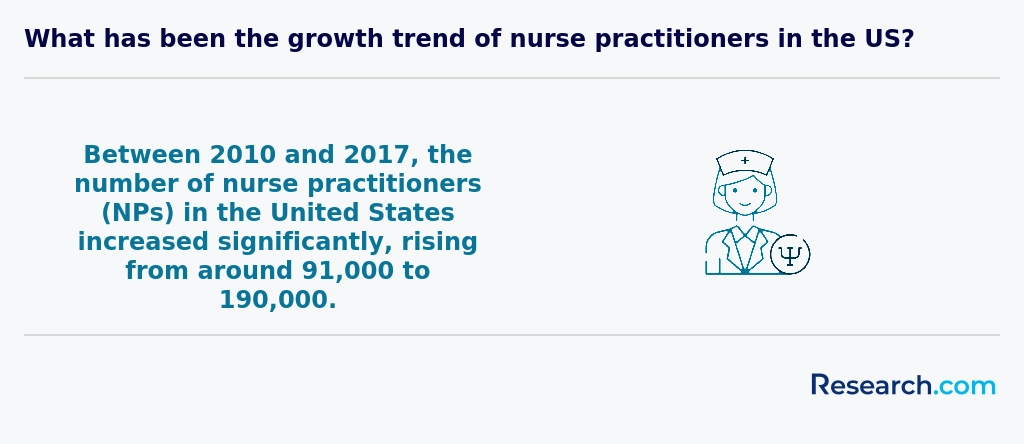
Graduates with a nursing degree in Illinois find diverse and rewarding career paths awaiting them. Many start as Registered Nurses (RNs), gaining experience in renowned hospitals and community health centers throughout the state. Some alumni from popular institutions like the University of Illinois at Chicago have shared how their clinical rotations prepared them for real-world nursing challenges, boosting their confidence and career readiness. For those seeking advanced roles, becoming a Nurse Practitioner is an appealing option, offering an expanded scope of practice that includes diagnosing and prescribing, with salaries often exceeding $110,000 annually.
Specializing further opens up a world of opportunities: Certified Nurse Midwife roles let you support women's reproductive health, while Nurse Anesthetist positions are ideal for those aiming at high-paying careers in surgical care. Public Health Nursing is another vital path, focusing on community well-being and prevention. Nursing education and administration also provide meaningful ways to shape the field from a leadership or teaching perspective. If you are exploring nursing career opportunities in Illinois, consider checking the Most Affordable Nursing Degree Programs Ranking in the Midwest to find cost-effective routes to your dream job.
The nursing job opportunities in Illinois are both diverse and promising. Graduates from well-known programs at universities such as the University of Illinois Chicago and Illinois State University often find themselves stepping confidently into vibrant healthcare environments. From bustling Chicago hospitals to community health organizations across the state, the demand for skilled nurses continues to grow, fueled by an aging population and expanding healthcare needs. Many recent graduates share stories of landing positions in long-term care facilities or outpatient clinics within months of completing their degrees, highlighting a rewarding path to professional fulfillment.
Illinois nursing degree career outlook remains strong, with employment projected to rise about 12% through 2030. These opportunities come with competitive salaries, often above the national average, especially in urban centers. For those considering ways to accelerate their entry into this field, exploring best associate degrees in 6 months online can be a strategic choice, offering practical, expedited pathways into nursing across the state.
2027 Most Affordable Nursing Degree Programs Ranking in Illinois
Investing in your education is a significant decision that can shape your future, and the Research.com team understands the importance of making informed choices. To assist prospective students in Illinois, we have meticulously crafted the "2027 Most Affordable Nursing Degree Programs Ranking in Illinois." Our commitment to quality, credibility, and accuracy is reflected in the extensive research and analysis conducted to compile this ranking.
We utilized the following reputable data sources to ensure a comprehensive evaluation of nursing degree programs:
By exploring this ranking, readers will gain valuable insights into the most affordable nursing degree options available in Illinois, empowering them to make well-informed decisions about their academic and professional futures. For more details on our methodology, please visit our Research.com methodology page.


Frequently Asked Questions About nursing
Nursing degree students in Illinois can maximize their learning experience by combining rigorous academic study with practical clinical exposure. Illinois is home to over 80 nursing programs, many offering partnerships with local hospitals and healthcare facilities, enabling students to gain hands-on experience early. According to the Illinois Board of Nursing, clinical practice is a critical component for licensure, so students should seek programs that emphasize diverse clinical rotations.
Students benefit from actively engaging with simulation labs, which Illinois institutions increasingly incorporate to mimic real-life scenarios. Networking with professionals through local nursing associations, like the Illinois Nurses Association, also provides valuable mentorship and career insights. Additionally, staying informed about Illinois-specific healthcare regulations and trends supports a well-rounded education.
The nursing field in Illinois is evolving with several emerging niches that reflect broader healthcare trends. One rapidly growing area is geriatric nursing, driven by Illinois' aging population. According to the Illinois Department of Public Health, individuals aged 65 and older represent over 16% of the state's population, increasing demand for specialized elder care.
Another important niche is informatics nursing, where professionals integrate information technology with patient care. The Illinois Center for Nursing highlights this as a key growth sector, as hospitals adopt electronic health records. Additionally, community health nursing is expanding, focusing on preventive care and health education, especially in underserved urban and rural Illinois regions.
Lastly, mental health nursing is gaining attention, with rising needs outlined in state health reports. These specialized roles require advanced training and offer diverse career opportunities in the state's healthcare system.
After earning a nursing degree in Illinois, preparing for the job market involves several key steps. First, graduates must pass the National Council Licensure Examination (NCLEX-RN) to become licensed registered nurses, as required by the Illinois Department of Financial and Professional Regulation (IDFPR). According to the Illinois Health Care Workforce Center, the state projects a 12% growth in nursing jobs from 2020 to 2030, especially in metropolitan areas like Chicago.
Networking through clinical rotations, job fairs, and professional organizations such as the Illinois Nursing Workforce Center can enhance job prospects. Additionally, gaining certifications in specialized areas like gerontology or pediatric nursing can increase employability. Staying informed about Illinois' healthcare trends and targeting high-demand facilities will improve chances of securing a position quickly.
Employers in Illinois value nursing graduates who demonstrate strong clinical skills combined with effective communication. According to the Illinois Nurses Association, practical experience in patient care and proficiency in electronic health records are essential for new nurses.
Critical thinking and problem-solving abilities rank high on employers' lists, especially given the fast-paced healthcare environments in cities like Chicago. The Illinois Department of Public Health emphasizes that teamwork and adaptability are vital for success in both urban hospitals and rural healthcare settings.
In addition, cultural competence is increasingly important due to Illinois' diverse population. Nurses who can provide culturally sensitive care improve patient outcomes and job performance, as supported by statewide nursing workforce studies.
Finding internships in Illinois related to nursing degrees involves several strategic steps. Many nursing programs in Illinois have formal partnerships with hospitals and healthcare facilities, offering students direct access to clinical internships as part of their curriculum. It's important to consult your college's career services and nursing department for these opportunities.
Additionally, organizations like the Illinois Nurses Association provide resources and networking events that can connect students with internships. Major hospitals, such as Northwestern Memorial and Rush University Medical Center, commonly offer summer internships and clinical rotations for nursing students.
The Illinois Department of Public Health also publishes information about healthcare workforce programs, which may include internship openings. Utilizing online platforms like Handshake or Indeed with filters for nursing internships in Illinois aids in finding current postings.
According to the Illinois Board of Nursing, practical experience through internships is critical, as it directly impacts licensure preparedness and employment prospects in the state's competitive healthcare market.
A nursing degree in Illinois significantly enhances career mobility and advancement opportunities within the state's healthcare sector. According to the Illinois Department of Financial and Professional Regulation, obtaining an Associate Degree in Nursing (ADN) or a Bachelor of Science in Nursing (BSN) is crucial for eligibility to sit for the NCLEX-RN licensing exam. Licensed Registered Nurses (RNs) with a BSN often experience greater access to leadership roles and specialized positions. The Illinois Center for Nursing notes that BSN-prepared nurses have a 16% higher likelihood of promotion compared to those without a bachelor's degree.
Hospitals in Illinois increasingly prefer BSN graduates due to better patient outcomes associated with this level of education, as supported by research from the American Association of Colleges of Nursing. This trend leads to expanded job opportunities and higher salaries. Additionally, advanced degrees like a Master's in Nursing or Nurse Practitioner certifications open doors to roles in administration, education, and advanced clinical practice within Illinois healthcare systems.
Studying for a nursing degree in Illinois offers students strong preparation for interdisciplinary roles in healthcare. Many Illinois nursing programs integrate coursework and clinical experiences that encourage collaboration with professionals from medicine, social work, and pharmacy. The Illinois Board of Higher Education highlights that nursing curricula often emphasize communication, teamwork, and critical thinking skills essential for working on diverse care teams.
Additionally, Illinois hospitals and clinics frequently partner with universities to offer clinical placements where nursing students interact with multiple healthcare disciplines. According to the Illinois Department of Public Health, this exposure improves students' ability to coordinate patient care effectively in real-world settings. The state's focus on interdisciplinary education aligns with nationwide trends emphasizing holistic patient outcomes through team-based approaches.
Choosing between a thesis and a non-thesis nursing degree program in Illinois depends on your career goals and learning preferences. Thesis programs require conducting original research and writing a formal paper, which suits students interested in academic or research careers. According to the Illinois Board of Higher Education, universities such as the University of Illinois offer thesis options primarily for those aiming at doctoral study or research positions.
Non-thesis programs focus more on clinical practice and coursework, ideal for those seeking immediate professional advancement or leadership roles in healthcare settings. The Illinois Center for Nursing highlights increased demand for advanced practice nurses, benefiting from practical, hands-on training provided in non-thesis tracks.
Consider factors like program length, workload, and your long-term goals when deciding. Public universities in Illinois often provide both options with varying tuition rates, so cost may also influence your choice.
Students in Illinois interested in studying nursing abroad have several pathways available, though options may be limited compared to domestic programs. Many universities in Illinois participate in exchange programs or partnerships with international institutions, allowing students to complete part of their nursing education overseas. For example, some schools collaborate with nursing programs in Canada, the United Kingdom, or Ireland, which have accredited curricula recognized by U.S. standards.
It is important for students to verify that foreign nursing programs meet the requirements of the Illinois Board of Nursing for licensure. Graduates from abroad must pass the NCLEX-RN exam to practice in Illinois.
According to the National Council of State Boards of Nursing (NCSBN) and Illinois Board of Nursing, international study options require careful planning to ensure transferability of credits and eligibility for licensure. Students should also consider language proficiency and cultural differences when selecting programs abroad.
Part-time job opportunities in Illinois can effectively complement nursing degree education by providing practical experience and financial support. Common roles include certified nursing assistant (CNA), medical scribe, and home health aide positions. CNAs assist patients with daily activities, building foundational skills used in nursing. Medical scribes help document patient care during clinical visits, deepening understanding of medical terminology and procedures.
Illinois has a growing demand for healthcare workers- the Illinois Department of Employment Security projects a 12% increase in nursing-related jobs through 2030. Part-time work in pharmacies or outpatient clinics also offers relevant exposure while accommodating students' class schedules. Such jobs enhance resumes and professional networks, supporting career advancement in nursing.
Nursing students in Illinois have access to numerous networking opportunities critical for professional growth. The Illinois Nurses Association (INA) offers statewide events, workshops, and conferences connecting students with experienced nurses and healthcare leaders. According to INA, over 40% of nursing students participate in their programs annually. Many universities, such as the University of Illinois Chicago and Illinois State University, host student nursing organizations that facilitate peer networking and mentorship programs.
Clinical placements in diverse medical settings further expand students' professional contacts. Additionally, Illinois hosts the Midwest Nursing Research Society conference, attracting thousands of nursing professionals eager to share knowledge and connect.
Alumni networks offer valuable benefits to nursing degree students in Illinois by fostering professional connections and mentorship opportunities. Many Illinois nursing programs, such as those at the University of Illinois and Northern Illinois University, encourage graduates to stay engaged through these networks. According to the Illinois Nursing Workforce Center, about 75% of recent nursing graduates find employment within six months, often leveraging alumni contacts. These networks also provide access to job listings, continuing education resources, and local healthcare industry insights, which are especially useful in a state with over 70,000 employed registered nurses. For students, alumni connections can ease the transition from education to practice.
In Illinois, customizing a nursing degree program starts with selecting a degree level that matches your career goals, such as an Associate Degree in Nursing (ADN), Bachelor of Science in Nursing (BSN), or advanced degrees like MSN or DNP. Many institutions offer flexible options including part-time, online, or hybrid study formats to accommodate working students. You can also tailor your education by choosing clinical placements and electives focused on specialties like pediatrics, geriatrics, or public health, aligning with Illinois' healthcare demands.
The Illinois Nursing Workforce Center reports that BSN-prepared nurses are increasingly preferred, particularly for leadership and specialized roles.
Certification preparation and internships within Illinois hospitals further enhance your career readiness and help you meet state licensure requirements efficiently.
Nursing students in Illinois face several challenges throughout their education journey. One major hurdle is managing rigorous coursework combined with demanding clinical hours. Illinois nursing programs often require upwards of 700 clinical practice hours, which can be stressful for students balancing school, work, and personal responsibilities (Illinois Board of Nursing).
Another common issue is the rising cost of education. Tuition and fees for nursing degrees in Illinois vary widely, but affordability remains a concern, particularly for those attending private institutions or out-of-state students (College Board, 2023). This financial pressure can affect students' ability to continue their studies uninterrupted.
Additionally, students encounter competition for clinical placement sites due to a growing number of nursing enrollees statewide, limiting hands-on learning opportunities (Illinois Nurses Association, 2022). This can impact preparedness and confidence before entering the workforce.
Finally, the stressful nature of nursing education and work-life balance often leads to emotional and mental health challenges, a problem recognized increasingly by Illinois nursing schools aiming to provide better student support (American Nurses Association, 2023).
With a nursing degree in Illinois, graduates can pursue several professional certifications that enhance career opportunities and expertise. Common certifications include the Registered Nurse (RN) license, which is required to practice nursing in the state and is granted by the Illinois Department of Financial and Professional Regulation (IDFPR).
Beyond the RN license, nurses may seek specialty certifications such as Certified Nurse Practitioner (CNP), Certified Nurse Midwife (CNM), or Certified Registered Nurse Anesthetist (CRNA). Other options include certifications in areas like pediatric nursing, oncology nursing, and gerontological nursing, verified by national bodies like the American Nurses Credentialing Center (ANCC).
According to the Illinois Center for Nursing, approximately 70% of nurses in Illinois hold at least one specialty certification, underscoring their value in improving patient outcomes and career advancement.
To write a winning application for a nursing program in Illinois, start by carefully reviewing the specific requirements of each school. Most programs expect applicants to have completed prerequisite courses such as biology, chemistry, and anatomy with strong grades. Illinois nursing schools also often require a competitive GPA, generally around 3.0 or higher, reflecting academic readiness.
Focus on crafting a clear personal statement explaining your motivation for nursing, relevant experiences, and career goals. Highlight any healthcare volunteer work, internships, or certifications like CPR. The Illinois Board of Nursing recommends demonstrating your commitment to patient care and ethical practice.
Many programs use the TEAS exam or HESI to evaluate applicants' readiness-prepare thoroughly to score well. Lastly, secure strong letters of recommendation from academic or healthcare professionals who know your capabilities.
The nursing profession holds a significant global reputation, valued for its critical role in healthcare systems worldwide. In the United States, including Illinois, demand for skilled nurses is soaring; the U.S. Bureau of Labor Statistics projects a 9% growth in registered nurse jobs from 2021 to 2031. This trend reflects a worldwide need for qualified nursing professionals due to aging populations and expanding healthcare access.
Illinois supports this demand with numerous accredited nursing programs recognized for meeting rigorous standards. Globally, nursing careers offer competitive salaries, diverse work environments, and opportunities for travel or specialization.
Internationally, nurses often contribute to public health initiatives, disaster response, and community care, showcasing the profession's versatility. Understanding these global dynamics prepares Illinois students to adapt in a rapidly evolving healthcare landscape.
Gaining practical experience while studying for a nursing degree in Illinois is essential for developing clinical skills and improving job prospects. Most Illinois nursing programs require students to complete clinical rotations at accredited hospitals, clinics, or community health organizations. These placements allow students to work directly with patients under the supervision of licensed nurses and faculty.
The Illinois Department of Financial and Professional Regulation (IDFPR) oversees nursing education standards, ensuring students get quality hands-on training. In addition, programs often offer simulation labs where students practice procedures in a controlled environment before clinical work.
Many students also seek internships or volunteer opportunities at healthcare facilities in cities like Chicago or Peoria to enhance their real-world experience during their studies.
Choosing the right concentration within a nursing degree program in Illinois requires understanding your career goals and the demand for specialties in the state. Illinois offers various options such as family nursing, pediatric nursing, and geriatric care, each with different clinical focuses.
Consider workforce data from the Illinois Department of Financial and Professional Regulation showing high demand for gerontological and mental health nurses. These fields offer expanded job opportunities and competitive salaries.
Also, evaluate program curriculum and clinical experiences to match your interests and strengths. Researching licensure requirements and certification options in Illinois ensures your chosen concentration aligns with professional standards.
Consult Illinois nursing schools and professional organizations for updated information on available specialties and employment trends.
- 2027 Most Affordable Online Nursing Degree Programs Ranking in Indiana
- 2027 Most Affordable Online Nursing Degree Programs Ranking in Wisconsin
- 2027 Most Affordable Online Nursing Degree Programs Ranking in Iowa
- 2027 Most Affordable Online Nursing Degree Programs Ranking in Missouri
- 2027 Most Affordable Online Nursing Degree Programs Ranking in Kentucky
- 2027 Most Affordable Online Nursing Degree Programs Ranking in Michigan
- 2027 Most Affordable Online Nursing Degree Programs Ranking in Ohio
- 2027 Most Affordable Online Nursing Degree Programs Ranking in Tennessee
- 2027 Most Affordable Online Nursing Degree Programs Ranking in Kansas
- 2027 Most Affordable Online Nursing Degree Programs Ranking in North Dakota
See What Experts Have To Say About Studying Nursing
Read our interview with Nursing experts


- Illinois College of Nursing | Chicago Nursing School https://icnursing.com/
- Nursing Careers in Illinois: What New Graduates Should Know https://vervecollege.edu/nursing-careers-in-illinois/
- What Are the Best Jobs to Work While in Nursing School? https://www.dewv.edu/what-are-the-best-jobs-to-work-while-in-nursing-school/
- Best Nursing Programs in Illinois for 2023 | Incredible Health https://www.incrediblehealth.com/blog/best-nursing-programs-illinois/
- Nursing Study Abroad Programs | Go Overseas https://www.gooverseas.com/study-abroad/nursing
- How to Choose the Right Nursing School for Your Career Goals | Archer Review https://www.archerreview.com/blog/how-to-choose-the-right-nursing-school-for-your-career-goals
- Nursing Internships Abroad: An Introduction - RealStep https://www.real-step.com/en/articles/nursing-internships-abroad/
- How to Set and Achieve Your Nursing Career Goals | HealthTrust https://engage.healthtrustjobs.com/how-to-set-achieve-nursing-career-goals
- How Do Nurses Prepare to Work in a Multidisciplinary Team? | NursingEducation https://nursingeducation.org/insights/multidisciplinary-team/
- The Nurses' Alumni Association https://giving.mainlinehealth.org/get-involved/auxiliaries-and-womens-boards/lankenau-medical-center-womens-board/the-nurses-alumni-association