2027 Most Valuable Nursing Degree Programs Ranking in Greenville

Co-Founder and Chief Data Scientist
Choosing the right nursing degree program in Greenville can shape your future career and personal growth. This article introduces the 2027 Most Valuable Nursing Degree Programs Ranking in Greenville, created by the Research.com team of data scientists to guide students with reliable, data-driven insights.
By exploring this ranking, you'll discover which programs offer the best value and support your goals. Pursuing a nursing degree opens doors to a rewarding profession that makes a difference in people's lives. Let this guide empower your decision and bring you closer to your aspirations.
Key benefits of getting nursing degree in Greenville
- Graduates with a nursing degree in Greenville can expect competitive salaries, such as $94,480 annually for Registered Nurses and Public Health Nurses, or up to $128,490 for Operating Room Nurses, ensuring financial stability and rewarding career growth.
- Nursing graduates from Greenville's well-known universities often find diverse career paths, from clinical nursing to specialized roles like Emergency Room Nurses, offering exciting opportunities to make a meaningful impact in healthcare.
- Online nursing degrees from Greenville institutions provide flexibility and convenience, helping students balance work and study while achieving the same respected qualifications as traditional programs.
- 2027 Most Valuable Nursing Degree Programs Ranking in Greenville
- What can I expect from nursing degree in Greenville?
- Where can I work with nursing degree in Greenville?
What can I expect from nursing degree in Greenville?
The average cost of a nursing degree in Greenville varies depending on the type of program and institution. For example, ADN programs at community colleges typically cost between $7,000 and $12,000 for in-district students, making them a budget-friendly option for many local learners. Graduates often share that this path offered hands-on clinical training at nearby hospitals like Prisma Health without overwhelming student debt.
On the other hand, pursuing a BSN at a university in Greenville generally runs from $20,000 to $35,000 for the full program. Students appreciate that these programs include advanced coursework and access to simulation labs, which prepare them well for the NCLEX-RN and future nursing roles. One graduate mentioned feeling confident walking into clinical rotations due to integrated real-world practice opportunities.
Master's programs cost more-upwards of $30,000 to $50,000-but graduates report these investments pay off quickly with career advancement and higher salaries. Many leverage local health system partnerships for clinical hours, turning education into valuable networking and job prospects in Greenville's growing healthcare sector.
Where can I work with nursing degree in Greenville?
Graduates from nursing programs at Greenville Technical College often find rewarding jobs at Prisma Health Greenville Memorial Hospital, where they gain hands-on experience in emergency rooms or maternity wards. This direct patient care involvement builds confidence and practical skills crucial for early career success.
Nurses with a Bachelor of Science in Nursing from local institutions frequently join outpatient clinics or long-term care facilities, like the Greenville Health System Rehab Hospital. Many appreciate the fulfilling work caring for elderly patients and helping them regain independence, which offers a sense of purpose beyond just routine care.
Community health centers in Greenville also hire nurses specializing in chronic disease management and preventive care. Graduates often mention how meaningful it feels to educate families and impact public health outcomes in their neighborhoods. This role suits those aiming for a blend of clinical work and patient interaction.
For those advancing to nurse practitioner roles or management, Greenville's growing demand in pediatrics and mental health opens numerous doors. Local nursing alumni share that securing these positions often follows a clear plan of continuing education paired with experience in clinical settings.
Finally, teaching roles and research opportunities at institutions like Greenville Technical College allow graduates to contribute academically while deepening their clinical knowledge-an appealing path for nurses passionate about shaping future healthcare professionals.
Graduates from nursing programs in Greenville, such as those at Greenville Technical College or the University of South Carolina Upstate, can expect strong starting salaries that reflect the region's healthcare demand. Entry-level registered nurses (RNs) typically earn around $65,000 annually, though nationally the mean wage is higher at roughly $77,000. This local figure corresponds closely with BLS data showing Greenville-area RNs making an average of $94,480 per year, which includes roles like Clinical Nurse Educators and Public Health Nurses.
A graduate moving into specialized positions, such as an Emergency Room Nurse, can anticipate maintaining this competitive $94,480 average. More advanced roles, like Operating Room Nurses, can command significantly higher earnings, with mean annual wages reaching $128,490. These figures highlight the value of pursuing additional certifications or degrees post-BSN, which many Greenville-area graduates do to boost income and career satisfaction.
Graduates often share that their Greenville nursing education equipped them practically for these roles, where overtime pay and shift differentials add to take-home pay. This real-world preparation creates confidence and excitement for new nurses entering the local healthcare workforce.
- The cost of nursing degrees in Greenville ranges from $10,000 to $25,000 per year, varying by public or private colleges.
- Public colleges generally have lower tuition for in-state students, while private schools may offer more specialized programs.
- Greenville's healthcare sector is growing, with strong demand for registered nurses and other nursing roles.
- The average starting salary for nursing graduates is between $55,000 and $65,000 annually.
- Nurses with experience and advanced certifications can expect salaries around $75,000 or higher within five to ten years.
- State initiatives support clinical placements, making practical training an important factor in program choice.
Completing a nursing degree in Greenville depends largely on the path you choose. Graduates from Greenville Technical College often share that their Associate Degree in Nursing (ADN) took about two years, combining hands-on clinical work with classroom lessons. This route gets you ready to take the NCLEX-RN exam and start your nursing career fairly quickly.
For those aiming higher, earning a Bachelor of Science in Nursing (BSN) at places like Furman University or Clemson University's Greenville campus usually means a four-year commitment. Students appreciate the in-depth training that includes leadership skills and public health knowledge, which opens doors to better job prospects.
If you already have a degree or are an RN looking to advance, accelerated BSN programs or RN-to-BSN options allow you to finish in 12 to 18 months or 1 to 2 years, respectively. Many find the faster pace challenging but rewarding, fitting well with busy schedules and career goals.
When evaluating nursing programs, it's essential to consider not only local options but also how they compare to national standards and other regions. Prospective students can explore the valuable nursing school in North Carolina to understand the broader context of nursing education. This comparison can highlight the strengths and unique aspects of programs in Greenville, NC, and provide a more informed perspective on making the best educational choice. By examining national trends, accreditation standards, and graduate outcomes across different states, students can make more informed decisions about their nursing education and future career paths.
Online nursing degrees in Greenville offer flexibility ideal for students juggling work or family. Graduates from Greenville Technical College often share how accessing lectures anytime helped them stay on track despite busy schedules. Coursework is delivered digitally, but clinical hours must still be completed in person at local healthcare facilities, which programs coordinate nearby.
In contrast, on-campus programs at institutions like Furman University provide direct face-to-face learning with hands-on labs and immediate faculty support. Students frequently mention the advantage of building strong peer networks and receiving instant feedback during clinical rotations at Greenville-area hospitals.
Cost-wise, online programs can save money on commuting and housing, but some Greenville schools charge similar tuition for both formats, so checking school-specific policies is crucial. Online learners should be ready for self-discipline and reliable internet, while on-campus students benefit from structured schedules and in-person resources.
Graduates with a BSN in Greenville, NC, looking to elevate their careers often pursue specialized advanced practice pathways, such as nurse practitioner roles. By enrolling in bridge programs or accelerated MSN tracks, nurses can gain the clinical expertise and autonomy needed to diagnose, prescribe, and manage patient care independently. For those seeking flexible, fast-track options, consider exploring our list of best accelerated nurse practitioner online programs, which highlight accredited pathways that balance rigorous coursework with practical training. Key benefits of advanced practice pathways include:
- Expanded clinical responsibilities, from primary care to acute specialty units
- Higher earning potential, with average NP salaries exceeding $115,000 annually in many regions
- Greater autonomy in treatment planning and patient management Most programs require:
- A valid RN license and minimum GPA (often 3.0 or higher)
- Completion of foundational graduate-level nursing courses
- Clinical practicum hours under NP preceptors By mapping out your timeline-typically 18 to 24 months for full-time accelerated MSN programs-you can transition smoothly from a BSN to an NP role. Networking with faculty, attending local healthcare conferences, and leveraging Greenville’s clinical partnerships will accelerate your success and ensure you’re ready to meet the growing demand for advanced practice nurses.
The average nursing degree cost Greenville students face is around $7,361 for in-state total expenses, making it a practical option compared to national averages. For example, graduates from Greenville Technical College often find that their associate degree programs fit well within this budget, helping them avoid excessive debt while gaining quality education. These students frequently share how managing additional fees-like textbooks, uniforms, and clinical supplies, which can total between $1,500 and $3,000 annually-is part of their budgeting process.
Out-of-state students or those attending private nursing schools in Greenville should expect higher tuition, sometimes exceeding $20,000 per year. Many graduates note that while private universities may demand more financially, they also provide specialized resources that can boost confidence and readiness for the nursing profession. Adding the cost of the NCLEX-RN exam fee, approximately $200, completes the full picture of expenses necessary when planning your nursing education.
Considering nursing degree tuition and fees Greenville offers, it is important to explore financial aid options. Many students successfully access scholarships, grants, and federal assistance targeted at healthcare education, which significantly reduces their financial burden. To stay informed about evolving opportunities and the global acceptance of online degrees, students should research widely and plan their finances accordingly.
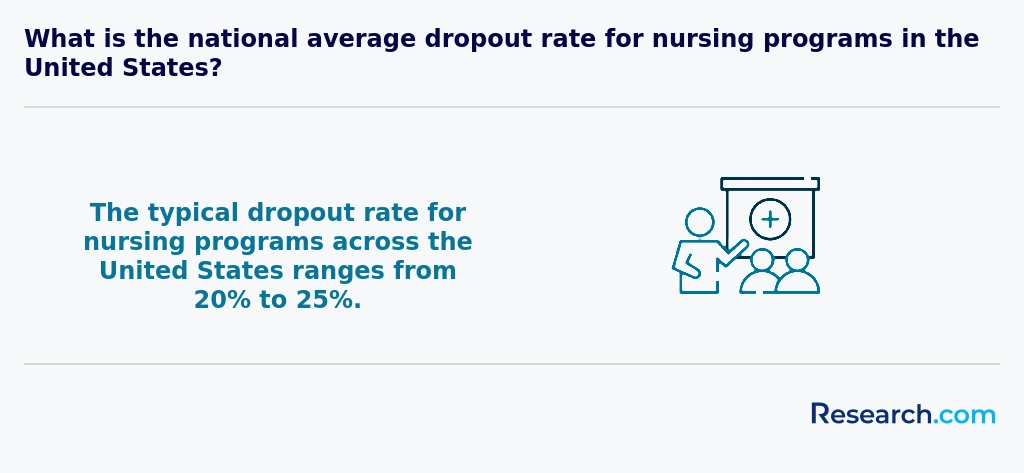
Choosing a nursing program in Greenville, NC, that meets rigorous quality standards is essential for ensuring eligibility for licensure and maximizing career prospects. Accreditation by recognized bodies such as the Commission on Collegiate Nursing Education (CCNE) and the Accreditation Commission for Education in Nursing (ACEN) guarantees that curricula, faculty credentials, and clinical experiences adhere to national benchmarks. Prospective students should verify that their chosen program holds state board approval from the North Carolina Board of Nursing, which confirms compliance with regulations for licensure and patient safety. High-quality nursing programs often feature low faculty-to-student ratios, ensuring personalized instruction and mentorship. East Carolina University’s state-of-the-art simulation labs and partnerships with Vidant Medical Center and ECU Health allow students to practice critical skills in realistic settings before entering clinical rotations. Faculty members typically hold advanced degrees and boast extensive clinical backgrounds, enriching classroom lectures with real-world insights into patient care, evidence-based practice, and leadership. Program quality also extends to continuous improvement through regular accreditation reviews, alumni feedback, and outcome tracking, such as NCLEX pass rates and graduate employment statistics. When evaluating programs, request the most recent accreditation reports and outcome data from admissions offices or nursing school websites. For nurses considering doctoral study, cost-effective yet accredited pathways are available; explore the Inexpensive Online Doctorate in Nursing Degree Programs Ranking in the Northeast to compare reputable options and strengthen your qualifications for advanced practice or leadership roles.
Nursing students in Greenville can tap into several practical financial aid options to ease their educational expenses. For example, graduates from institutions like Greenville Technical College often point to the FAFSA as their first step, securing Pell Grants worth up to $7,395 annually. This federal support is especially helpful for those juggling work and studies.
State aid through South Carolina's Lottery Tuition Assistance program is another key resource, reducing costs for in-state students attending public schools such as the University of South Carolina Upstate.
Many local healthcare employers also offer tuition reimbursement programs. Nurses working part-time at Greenville hospitals share how this benefit allowed them to cover costs without halting their careers.
Veterans studying nursing benefit from the GI Bill and state-specific tuition assistance, which significantly reduce their financial burden.
Additionally, scholarships-especially those targeting merit or financial need-and loan forgiveness programs tied to service in underserved areas provide invaluable relief, as reported by recent graduates balancing student debt and family life.
Strong NCLEX-RN outcomes demonstrate program quality and preparedness. Key metrics for Greenville’s nursing programs include:
- East Carolina University: 2023 first-time pass rate of 92%, above the national average of 88%
- Pitt Community College: Consistent 90–93% pass rates over the past three years, reflecting robust clinical training
- University of North Carolina at Greenville: 94% pass rate in 2023, aided by comprehensive review courses and simulation labs
- Statewide benchmark: North Carolina’s overall NCLEX-RN average is 89%, indicating Greenville programs outperform state norms
Strategies to boost licensure success:
- Participate in structured NCLEX review sessions and practice exams
- Join peer-led study groups focusing on high-yield topics
- Utilize simulation labs for hands-on skill reinforcement
For benchmarking, explore NCLEX results at leading nursing programs in california.
To enroll in a nursing degree program in Greenville, you first need a high school diploma or GED-this is non-negotiable and a universal starting point. Graduates from local schools often share how completing prerequisites like Anatomy and Physiology, Chemistry, and Microbiology was challenging but rewarding, especially for those attending popular institutions such as Greenville Technical College or Furman University. Aim to earn at least a C in these courses, as most programs require it for admission.
Next, expect to take the TEAS exam. Many students recall nervously preparing for this test, which covers math, reading, science, and English. Greenville colleges usually look for a minimum score around 60-70%, so adequate study can boost confidence and chances.
Clinical requirements are crucial too. Imagine securing your spot at Greenville's hospitals by promptly providing up-to-date immunizations and passing thorough background checks-these steps help protect vulnerable patients and ensure smooth clinical placements.
Finally, gaining healthcare experience, like CNA certification or volunteering, often sets applicants apart. Graduates frequently mention how this hands-on experience deepened their understanding and strengthened their applications at Greenville nursing schools.

Nurse Practitioner (NP) roles represent one of the most in-demand advanced practice nursing careers, combining clinical expertise with autonomous patient care. In Greenville, NC, aspiring NPs typically begin with a Master of Science in Nursing (MSN) or Doctor of Nursing Practice (DNP) from accredited institutions like East Carolina University. These programs integrate advanced health assessment, pharmacology, and pathophysiology with specialty tracks-family, pediatric, or geriatric care-preparing graduates for certification through bodies such as the American Association of Nurse Practitioners (AANP). Most NP programs in Greenville require a BSN and active RN license, followed by 500–700 clinical hours under preceptorship at sites including ECU Health Medical Center and local community clinics. Coursework is often offered in hybrid formats, blending online lectures with on-campus intensives to accommodate working nurses. Students learn differential diagnosis, population health management, and evidence-based practice, ensuring readiness for board exams and seamless transition into primary or specialty care settings. Graduates report average starting salaries ranging from $105,000 to $120,000, reflecting the high value placed on NP credentials. With North Carolina projecting a 35% growth in APRN positions by 2030, local opportunities span rural outreach clinics, telehealth services, and hospital-based specialty units. To find programs tailored for flexible, accelerated NP training, consider exploring the easiest np degree programs online, which can help streamline prerequisites and clinical placements for busy professionals.
Nursing degree programs in Greenville commonly begin with foundational courses such as Anatomy and Physiology, Microbiology, Chemistry, and Nutrition. These subjects build the scientific background crucial for understanding patient care. Graduates from local universities often recall how mastering these basics helped them confidently approach clinical situations during their rotations.
Following the sciences, you'll take practical courses like Fundamentals of Nursing, Health Assessment, Pharmacology, Adult and Pediatric Nursing, and Mental Health Nursing. Students from popular Greenville colleges emphasize how these classes translate directly to real-world skills, making clinical shifts in hospitals and clinics feel less overwhelming.
Leadership and ethics courses are also part of Greenville's nursing programs. Courses like Nursing Leadership and Management, Ethics in Nursing Practice, and Community and Public Health Nursing prepare you to handle decision-making and teamwork challenges, which many graduates find empowering as they advance in their careers.
Hands-on clinical rotations in Greenville's diverse healthcare facilities tie everything together, giving you the confidence to apply what you've learned in supportive, real-life environments before graduation.
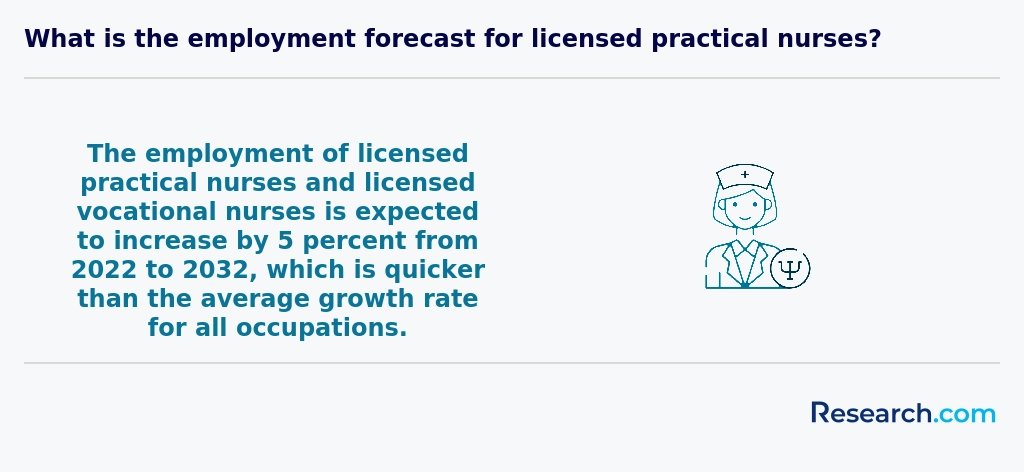
Nursing degree specializations in Greenville are designed to meet the practical needs of today's healthcare environment. Popular options include Registered Nurse (RN) to Bachelor of Science in Nursing (BSN) programs, which many graduates choose to elevate their credentials while continuing to work. Others pursue pediatric nursing to focus on child and adolescent care, or geriatric nursing due to Greenville's increasing senior population. Graduates often share how clinical rotations at local hospitals helped them gain confidence in critical care nursing, managing intensive care units with hands-on experience.
Greenville nursing program specialization options also include psychiatric/mental health nursing, addressing the growing demand for mental health support. Advanced Practice Registered Nurse (APRN) tracks offer roles like Nurse Practitioners with focus areas tailored to family or acute care. Students at local colleges find these programs flexible enough to support working adults. Costs vary but investing in these focused fields typically aligns well with job market demand, making the extensive training worthwhile.
For those exploring clinical pathways or alternative healthcare roles, it's helpful to review resources like Michigan medical assistant educational requirements to understand related fields and certifications.
To choose the best nursing degree in Greenville, start by identifying which credential matches your career goals-whether an LPN certificate, ADN, BSN, or MSN. Many graduates from popular colleges in Greenville emphasize the practical benefits of BSN programs, which lead to higher salaries and better job prospects locally. Compare tuition costs carefully: ADN programs at community colleges here range from $4,000 to $10,000 annually, while BSN degrees at universities can be $15,000 to $35,000, aligning well with national trends for affordable nursing degrees Greenville SC offers.
Next, prioritize programs accredited by CCNE or ACEN to ensure quality education and smoother licensure processes. Practical experience matters-graduates often praise the strong clinical placement opportunities with Greenville's healthcare facilities, which build confidence and real-world skills. Check NCLEX-RN pass rates reported by the South Carolina Board of Nursing; aim for programs consistently scoring above 85%. For more specialized focus areas, exploring nursing universities fort worth specializations can offer insights into curriculum depth and career paths.
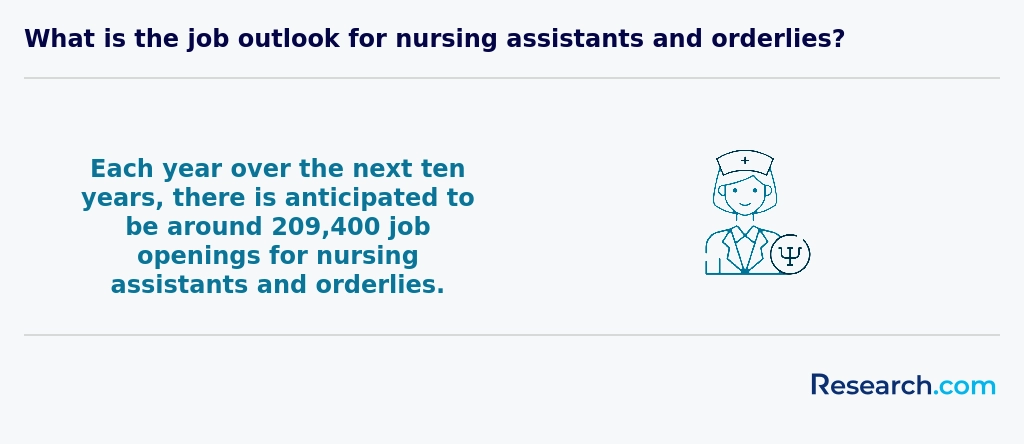
Graduates with a nursing degree in Greenville find a variety of rewarding nursing career opportunities in Greenville that fit different interests and skills. Many start as Staff Nurses at major hospitals like Prisma Health Greenville Memorial Hospital, navigating real-world patient care and collaborating with experienced medical teams in surgery, emergency, or pediatrics. These early roles help build confidence and practical expertise.
Others choose to advance through specializations such as Nurse Practitioners or Nurse Anesthetists, often pursuing graduate education locally at programs supported by Greenville Technical College. These paths offer greater autonomy and higher salaries, which graduates appreciate after facing the challenges of initial clinical roles.
Community health is also a strong option, with nurses working in public health or home care, providing direct support to underserved patients outside hospital settings. Nursing students from Greenville's programs often find this work fulfilling, linking everyday practice with meaningful impact.
Some graduates pivot to teaching or research positions at local institutions, combining their clinical experience with training future nurses or contributing to healthcare advancements. For career flexibility, exploring online options like online medical coding career opportunities serves as a complementary path for nursing graduates in Greenville seeking to expand their skills.
Job prospects for nursing graduates Greenville remain robust due to local healthcare growth, making it a practical time to plan a nursing career in this region.

Graduates from nursing programs in Greenville find a robust job market that addresses both local and regional healthcare needs. Nursing job opportunities in Greenville benefit from a growing population and expanding medical facilities such as Prisma Health, which actively hire nurses with various degree levels. Many nursing graduates from popular institutions feel confident entering roles in hospitals, outpatient centers, and home health agencies, thanks to competitive salaries averaging near $65,000 annually in the Greenville area.
Success stories from recent nursing grads highlight the advantage of Greenville's healthcare sector growth and ongoing nursing shortages nationwide. This environment often results in sign-on bonuses and opportunities for career advancement, making the nursing degree employment outlook in Greenville particularly positive. Community colleges and universities here offer affordable tuition, which combined with local demand ensures strong returns.
For those planning their careers, it's practical to keep up with state licensing requirements, and resources like nursing license renewal Kansas provide guidance on maintaining credentials efficiently.
2027 Most Valuable Nursing Degree Programs Ranking in Greenville
Investing in your education is a significant decision that can shape your future, and the Research.com team understands the importance of making informed choices. To assist prospective students in Greenville, we have meticulously crafted the "2027 Most Valuable Nursing Degree Programs Ranking in Greenville." Our commitment to quality, credibility, and accuracy is reflected in the extensive research and analysis conducted to compile this ranking.
We utilized the following reputable data sources to ensure a comprehensive evaluation of nursing programs:
By exploring this ranking, readers will gain valuable insights into the most impactful nursing degree programs available in Greenville, empowering them to make well-informed decisions about their educational and professional futures. For more details on our methodology, please visit our Research.com methodology page.

Frequently Asked Questions About nursing
Nursing degree students in Greenville can maximize their learning experience by engaging actively in both classroom and clinical settings. Local institutions often partner with regional healthcare facilities, providing hands-on training that is essential for skill development. According to the South Carolina Nurses Association, Greenville-area nursing programs emphasize clinical rotations, which allow students to work directly with patients under supervision.
Complementing practical experience with strong study habits and time management helps students absorb complex material efficiently. Utilizing Greenville's resources, such as healthcare conferences and workshops, also expands knowledge beyond the curriculum.
Networking with local nursing professionals can provide mentorship opportunities, which enhance career readiness and professional growth.
The nursing field in Greenville is expanding into several emerging niches that reflect broader healthcare trends. One growing area is geriatric nursing, driven by an aging population in South Carolina, where individuals over 65 are expected to comprise 21% of the population by 2030, according to the U.S. Census Bureau. Specialized oncology nursing also remains in high demand as cancer rates increase. Additionally, nurse informaticists, who integrate nursing with information technology to improve patient care, are becoming vital in Greenville's expanding health systems. Telehealth nursing has surged since 2020, offering remote patient monitoring and consultation. These niches offer promising career paths for local nursing students.
After completing a nursing degree in Greenville, preparing for the job market involves several key steps focused on practical experience and networking. First, obtaining licensure through the National Council Licensure Examination for Registered Nurses (NCLEX-RN) is mandatory to practice legally. Greenville's healthcare sector employs over 6,000 nurses, according to the Bureau of Labor Statistics (2023), highlighting steady job availability.
Gaining clinical experience through internships or residencies at local hospitals such as Prisma Health is highly beneficial. Additionally, joining professional nursing organizations like the South Carolina Nurses Association can expand networking opportunities and access to continuing education.
Employers in Greenville prioritize several key skills when hiring nursing degree graduates. Clinical competence is essential; graduates must be proficient in patient assessment, medication administration, and emergency response. According to the Bureau of Labor Statistics, practical skills correlate strongly with job performance in nursing roles.
Communication abilities are highly valued, as nurses collaborate closely with doctors, patients, and families. A Greenville hospital survey found that 85% of employers consider effective verbal and written communication a top hiring criterion.
Critical thinking and decision-making skills are crucial for managing complex patient care situations. Additionally, teamwork and adaptability enable nurses to thrive in fast-paced healthcare settings typical of Greenville's medical centers.
Finding internships relevant to a nursing degree in Greenville involves leveraging local healthcare facilities and educational institutions. Many hospitals and clinics, such as Prisma Health and Greenville Health System, offer structured internship programs for nursing students. These internships provide hands-on experience critical to licensure and skill development.
Additionally, students should consult Greenville's community colleges and universities like Greenville Technical College, which often partner with local healthcare providers to place students in clinical internships. Early application is essential, as positions can be competitive.
Students can also explore opportunities through the South Carolina Nurses Association, which occasionally advertises internships and scholarships. According to the Bureau of Labor Statistics, internships increase employment chances by about 15% in nursing careers.
A nursing degree significantly enhances career mobility and advancement opportunities in Greenville. The city benefits from a growing healthcare sector, with the Greenville Health System being a major employer seeking qualified nurses. According to the U.S. Bureau of Labor Statistics, registered nurses in the Greenville metropolitan area earn a median annual salary of approximately $65,000, exceeding the national average.
Holding a Bachelor of Science in Nursing (BSN) often leads to higher paying roles, leadership positions, and access to specialized nursing fields like critical care or pediatrics. Employers in Greenville increasingly prefer BSN-prepared nurses due to evolving healthcare standards.
Advanced degrees such as a Master of Science in Nursing (MSN) or Doctor of Nursing Practice (DNP) open paths to management, education, and advanced clinical roles within local hospitals and clinics.
Studying for a nursing degree in Greenville offers strong preparation for interdisciplinary roles commonly found in healthcare settings. Nursing programs here emphasize teamwork among nurses, physicians, therapists, and social workers, reflecting real-world clinical environments. According to the Greenville Health System, local nursing curricula incorporate case studies and simulation exercises designed to build communication and collaboration skills.
Graduates are trained to understand the roles of other health professionals, which enhances patient care coordination. Data from the South Carolina Board of Nursing highlights that 78% of Greenville nursing graduates engage in interdisciplinary teams within their first year of employment. Such programs often include clinical rotations in diverse departments, strengthening adaptability and multi-disciplinary cooperation essential for modern healthcare.
Choosing between a thesis and a non-thesis nursing degree program in Greenville depends largely on your career goals and learning preferences. Thesis programs require conducting original research and writing a detailed paper, ideal for students aiming for academic roles or doctoral studies. Non-thesis options often focus on practical skills and coursework, appealing to those seeking clinical or administrative nursing careers.
Greenville's nursing schools align with national trends, where approximately 40% of graduate nursing students opt for thesis tracks, while others prefer practical, hands-on learning through non-thesis routes (American Association of Colleges of Nursing, 2023).
Consider how much time you can dedicate; thesis programs usually take longer because of research demands. Additionally, local hospitals in Greenville often value practical experience, which non-thesis programs emphasize.
Students based in Greenville who wish to study nursing abroad have several pathways through US higher education programs offering international study options. Many nursing schools in Greenville, such as Clemson University and Greenville Technical College, provide study abroad programs or clinical exchange partnerships with institutions in countries like the United Kingdom, Australia, and Canada.
These programs typically last from a few weeks to a full semester, allowing students to gain global healthcare perspectives and clinical experience in diverse settings. According to the Greenville Chamber of Commerce, around 12% of nursing students at local universities participate in some form of international training or coursework annually.
Additionally, Greenville students may consider accredited online nursing degrees with international clinical placements, facilitating broader geographic options without relocating. To participate, students usually need approval from their home institution's nursing department to ensure credits transfer properly and meet licensure requirements.
Part-time job opportunities in Greenville that complement nursing degree education include roles such as certified nursing assistant (CNA), medical scribe, and home health aide. These positions provide practical experience and improve clinical skills while students pursue their studies. According to the Bureau of Labor Statistics, Greenville's healthcare sector continues to grow, creating demand for skilled nursing support roles.
Hospitals like Prisma Health and the Greenville Health System often hire part-time nursing assistants, offering flexible schedules that accommodate class times. Additionally, pharmacy technician jobs in local pharmacies help students learn medication management and patient communication.
These roles not only enhance resumes but also provide valuable networking opportunities within Greenville's healthcare community.
Nursing students in Greenville have several valuable opportunities to build professional networks. Local colleges often collaborate with area hospitals such as Prisma Health, which employs many Greenville nursing graduates. Clinical rotations and internships provide firsthand experience and connections with healthcare professionals.
Moreover, Greenville hosts chapters of national nursing organizations like the American Nurses Association (ANA) and Sigma Theta Tau International. These groups organize workshops, conferences, and social events that foster peer and mentor relationships.
The Greenville Health System and nearby medical facilities also host career fairs and seminars, giving students direct access to potential employers and industry experts, enhancing their professional growth and job prospects.
Alumni networks play a crucial role for nursing degree students in Greenville by providing valuable professional connections. These networks often facilitate mentorship opportunities, where experienced graduates offer guidance and advice on navigating clinical placements and licensure exams. According to the Greenville Health System, nursing alumni frequently help new graduates find job openings within local hospitals and clinics.
Access to an established alumni community can also enhance students' chances of securing internships and volunteer positions, which are essential for practical experience. Additionally, alumni events promote continuous learning and access to the latest nursing practices through workshops and seminars organized specifically for Greenville-based professionals.
Customizing a nursing degree program in Greenville to fit your career goals involves selecting options that align with your interests and professional plans. Many local colleges offer concentrations such as pediatric nursing, geriatric care, or community health, allowing students to focus on specific populations.
Additionally, Greenville's nursing programs often provide clinical placement opportunities in diverse healthcare settings, from hospitals to outpatient clinics. This hands-on experience is essential to tailor your practical skills toward your desired nursing field.
Students can also pursue advanced certifications or electives in specialized areas like emergency nursing or informatics, supported by local accreditation bodies like the South Carolina Board of Nursing.
Flexible scheduling, including part-time and online courses, helps balance education with work commitments. According to the Greenville Health System reports, nurses with specialized training tend to have higher employment rates locally.
Nursing students in Greenville face several common challenges during their education. A primary difficulty is balancing rigorous coursework with demanding clinical hours. Many students report stress managing time effectively between classes, clinical rotations, and personal responsibilities. According to Greenville Technical College, over 60% of nursing students cite clinical performance anxiety as a major obstacle.
Financial strain also affects many students, as nursing programs often require additional expenses for uniforms, equipment, and licensing exams. Scholarships and financial aid options exist but are competitive.
Additionally, students must adapt to evolving healthcare technologies and protocols, which requires continuous learning and flexibility.
With a nursing degree in Greenville, graduates can pursue several professional certifications to enhance their careers and meet healthcare demands. Popular certifications include the Registered Nurse (RN) license, which is essential for practice across South Carolina. Additionally, many nurses seek credentials like Certified Nurse Practitioner (CNP), Certified Nurse Midwife (CNM), or Clinical Nurse Specialist (CNS), depending on their focus area.
Certifications in nursing specialties such as medical-surgical nursing or pediatric nursing are available through organizations like the American Nurses Credentialing Center. Greenville-area hospitals recognize these credentials for advanced roles and higher pay.
According to the South Carolina Board of Nursing, over 30% of Greenville's nursing professionals hold one or more certifications. These credentials improve patient care skills and open doors to leadership or specialized clinical positions.
Writing a winning application for a nursing program in Greenville requires careful preparation and attention to detail. Start by researching programs thoroughly, focusing on admission requirements specific to Greenville institutions like Greenville Technical College and Furman University. Many programs expect a competitive GPA, typically above 3.0, along with strong scores on the TEAS exam. Highlight any healthcare experience or volunteering in your application, as local hospitals such as Prisma Health value practical exposure.
Craft a clear and concise personal statement emphasizing your motivation, dedication, and understanding of nursing's challenges. Include any academic achievements and leadership roles.
Request letters of recommendation from educators or healthcare supervisors who can attest to your skills and work ethic. Finally, proofread your entire application carefully to ensure it is error-free and complete.
The nursing profession is recognized globally as critical to healthcare delivery, with growing demand in countries including the United States. In Greenville, nursing careers benefit from strong local healthcare infrastructure and educational institutions that prepare students effectively for worldwide opportunities. According to the U.S. Bureau of Labor Statistics, registered nursing jobs are projected to grow 6% from 2021 to 2031, reflecting steady global needs.
Internationally, nurses often face different roles and responsibilities, but core competencies remain consistent: patient care, communication, and critical thinking. Greenville's nursing programs emphasize these skills, making graduates competitive both locally and abroad. Many students pursue advanced degrees to meet diverse global health challenges.
Gaining practical experience while studying for a nursing degree in Greenville is essential to prepare for a successful career. Many nursing programs in this area offer clinical rotations in local hospitals and healthcare facilities, allowing students to apply classroom knowledge in real-world settings. For example, students often complete hands-on training at institutions such as Greenville Memorial Hospital, gaining exposure to various nursing specialties.
Additionally, Greenville's nursing schools frequently collaborate with community clinics and long-term care centers to provide diverse practice opportunities. According to recent data from the South Carolina Board of Nursing, clinical hours are required for licensure, ensuring students accumulate sufficient direct patient care experience. Volunteering and internships are also valuable ways to build skills during study.
Choosing the right concentration within a nursing degree program in Greenville involves assessing your career goals and local healthcare needs. Greenville has a growing healthcare sector, with a strong demand for registered nurses in specialties like gerontology, pediatrics, and critical care, according to the Greenville Health System reports. Consider concentrations that match workforce demands to increase job opportunities after graduation.
Research the curriculum of programs offered by local institutions such as Clemson University and Furman University. Look for concentrations that provide clinical experience aligned with your interests. Additionally, consult with academic advisors to understand licensure requirements in South Carolina for your chosen specialty.
Reviewing employment trends published by the South Carolina Department of Labor can also guide your decision, helping you focus on concentrations with higher earning potential and job stability in Greenville's healthcare market.
- 2027 Most Valuable Nursing Degree Programs Ranking in Virginia Beach
- 2027 Most Valuable Nursing Degree Programs Ranking in Charlotte
- 2027 Most Valuable Nursing Degree Programs Ranking in Washington
- 2027 Most Valuable Nursing Degree Programs Ranking in Columbia
- 2027 Most Valuable Nursing Degree Programs Ranking in Baltimore
- 2027 Most Valuable Nursing Degree Programs Ranking in Brooklyn
- 2027 Most Valuable Nursing Degree Programs Ranking in New York
- 2027 Most Valuable Nursing Degree Programs Ranking in Macon
- 2027 Most Valuable Nursing Degree Programs Ranking in Bronx
- 2027 Most Valuable Nursing Degree Programs Ranking in Atlanta
See What Experts Have To Say About Studying Nursing
Read our interview with Nursing experts


- Guide to Making a Career Change to Nursing https://teach.com/online-ed/healthcare-degrees/online-msn-programs/career-change-to-nursing/
- Online versus Face-to-Face Nursing Degrees: A Study of Recruiters’ Perceptions - OJDLA https://ojdla.com/articles/online-versus-face-to-face-nursing-degrees-a-study-of-recruiters-perceptions
- Nursing - SUM Admission https://admission.sum.edu.pl/nursing/
- Know more about thesis vs non- thesis: what is the difference? https://studyfans.com/en/blogs/816
- School of Nursing Alumni Resources https://nursing.utmb.edu/About/Alumni
- Top Skills Employers Want in Practical Nursing Graduates https://vervecollege.edu/what-employers-look-for-in-practical-nursing-graduates/
- Overview http://www.sctrac.org/GreenvilleTechnicalCollege/TransferProfile/tabid/476/Default.aspx
- Work-life balance | Careers Crossroads | RCN Careers Resources | Royal College of Nursing https://www.rcn.org.uk/Professional-Development/Your-career/Nurse/Career-Crossroads/Career-Ideas-and-Inspiration/work-life-balance
- NURSING - University College of Enterprise and Administration https://en.wspa.pl/nursing-graduate-program/
- Nurse Salary https://nursinglicensemap.com/resources/nurse-salary/