
2027 Most Valuable Nursing Degree Programs Ranking in Charlotte

Co-Founder and Chief Data Scientist
Choosing the right nursing degree program in Charlotte can feel overwhelming. To help you make an informed decision, this article introduces the 2027 Most Valuable Nursing Degree Programs Ranking in Charlotte, created by the Research.com team of data scientists.
By exploring this ranking, you'll discover which programs offer the best value and opportunities for your future career. A nursing degree opens doors to rewarding work and personal growth, giving you confidence to succeed in healthcare.
Read on to find the program that fits your goals and passion for nursing.
Key benefits of getting nursing degree in Charlotte
- Salary for nursing degree graduates: Registered Nurses and Public Health Nurses in Charlotte earn a mean annual wage of $94,480, while Operating Room Nurses can earn as much as $128,490, offering strong financial stability.
- Career paths: Nursing graduates from local colleges like the University of North Carolina at Charlotte find diverse opportunities, including clinical nurse educator, emergency room nurse, and public health nurse roles, allowing flexible and rewarding career choices.
- Online degree benefits: Earning a nursing degree online through schools such as UNC Charlotte allows for flexible scheduling and balanced work-life commitments, making it easier to advance while managing other responsibilities.
- 2027 Most Valuable Nursing Degree Programs Ranking in Charlotte
- What can I expect from nursing degree in Charlotte?
- Where can I work with nursing degree in Charlotte?
What can I expect from nursing degree in Charlotte?
The average cost of pursuing a nursing degree in Charlotte varies depending on the type of program and institution. For many students attending well-known schools like the University of North Carolina at Charlotte or Central Piedmont Community College, tuition for an associate degree in nursing (ADN) typically falls within an affordable range compared to national averages. Graduates often recall balancing reasonable tuition costs with excellent hands-on clinical experiences at local healthcare leaders such as Atrium Health or Novant Health, which significantly enhance their real-world readiness.
Many nursing students in Charlotte find that their investment in education is balanced by strong job prospects and a supportive learning environment. The quality education each graduate receives, paired with thorough preparation for the NCLEX-RN licensure exam, inspires confidence and excitement about entering the nursing workforce.
Choosing a nursing program in Charlotte means embracing both value and quality-graduates often feel motivated by the community's commitment to healthcare excellence and the tangible cost benefits that make their dreams achievable.
Where can I work with nursing degree in Charlotte?
Graduates with a nursing degree from Charlotte's leading institutions often find themselves warmly welcomed into a thriving healthcare community. Many step confidently into roles at renowned hospitals like those affiliated with top local universities, where they gain hands-on experience while making a real difference in patient care. It's common to hear how these graduates cherish their early days working alongside skilled professionals in bustling hospital wards, feeling truly valued for their contributions.
Nursing careers in Charlotte extend beyond hospitals. Graduates frequently embrace opportunities in specialized outpatient clinics, such as cardiology or pediatrics centers, where they thrive delivering compassionate care in more intimate settings. The city's strong focus on outpatient and community health means nursing graduates are continually growing their skills and impact, whether by joining nonprofit health initiatives or educating underserved populations.
Many alumni also find rewarding paths in long-term care facilities and nursing education, inspired by the chance to support elderly patients or mentor the next generation of nurses. With Charlotte's dynamic healthcare landscape, nursing graduates confidently see a future rich with meaningful work and personal fulfillment.
Graduates with a nursing degree from Charlotte's well-regarded institutions often find themselves stepping into rewarding roles with competitive salaries. Registered nurses starting in Charlotte can expect an average annual wage of about $94,480, according to recent data, which reflects the strong local healthcare market and expanding opportunities.
Those advancing into specialized fields shine even brighter. For example, registered nurses who become operating room nurses enjoy mean annual wages near $128,490, highlighting the financial benefits of pursuing advanced skills and certifications. Meanwhile, clinical nurse educators, public health nurses, and emergency room nurses also earn solid salaries around $94,480 annually, ensuring a stable foundation for a fulfilling career.
Many recent graduates from Charlotte's nursing programs feel energized by these prospects. They share how their education not only opened doors to high-paying jobs but also gave them confidence to make tangible impacts within local hospitals like Atrium Health and Novant Health. This blend of education, experience, and opportunity turns ambitions into thriving careers in one of the region's fastest-growing sectors.
- Tuition for nursing degrees in Charlotte ranges from about $8,000 to $15,000 per year at public universities; private schools may cost more.
- Associate Degree in Nursing (ADN) programs typically take two years, while Bachelor of Science in Nursing (BSN) programs usually take four years.
- Starting salaries for entry-level nurses in Charlotte are between $55,000 and $65,000 annually, with experienced nurses earning $75,000 to over $90,000 yearly.
- The local nursing job market is expected to grow by around 15% in the next decade, reflecting a strong demand for qualified nurses.
- Nursing graduates must pass the NCLEX-RN licensing exam, which many Charlotte programs prepare students for thoroughly.
Completing a nursing degree in Charlotte is an achievable and rewarding journey that varies depending on the path you choose. Many graduates from Central Piedmont Community College proudly finish their Associate Degree in Nursing (ADN) within 2 to 3 years, balancing classroom learning with real-life clinical practice that fuels their confidence and readiness to serve the community.
For those inspired to deepen their expertise, earning a Bachelor of Science in Nursing (BSN) typically takes around 4 years at institutions like the University of North Carolina at Charlotte. Graduates often highlight how the comprehensive training, including leadership and research, opened doors to advanced roles and meaningful impacts on patient care.
Charlotte also offers accelerated programs for individuals with a prior bachelor's degree, enabling completion in just 12 to 18 months-a fast track to joining the nursing workforce with purpose and determination.
Many who pursue a Master of Science in Nursing (MSN) find the 1.5 to 3-year programs enrich their specialization and leadership potential, reflecting a continued commitment to growth and excellence in healthcare.
Many aspiring nurses in Charlotte, NC, begin their careers as Licensed Practical Nurses (LPNs) before transitioning to Registered Nurse (RN) roles through bridge or ladder programs. These pathways offer accelerated timelines, hands-on clinical training, and often reduced tuition costs compared to traditional ADN or BSN tracks. By enrolling in an LPN-to-RN program, students can leverage their practical experience to complete an Associate Degree in Nursing (ADN) in as little as 12–18 months, then advance to a Bachelor of Science in Nursing (BSN) via RN-to-BSN completion options. Charlotte-area institutions partner with local hospitals and clinics to ensure LPN bridge students receive consistent mentorship and clinical rotation placements. Coursework typically includes advanced pharmacology, health assessment, and leadership in nursing practice, preparing graduates for the NCLEX-RN exam and supervisory roles. Small cohort sizes and dedicated faculty advisors foster personalized feedback, enhancing both critical thinking and patient-care skills. For those seeking flexible entry points, an online lpn credential can serve as an initial credential before joining an LPN-to-RN bridge. Online LPN programs offer self-paced modules, virtual simulation labs, and periodic on-site skills checks, making it possible for working professionals to balance job responsibilities with coursework. After licensure, these practical nurses can enroll in accelerated bridge pathways in Charlotte, benefiting from waived prerequisites and streamlined credit transfers. Students in bridge programs often report higher NCLEX-RN pass rates-averaging 92% across accredited Charlotte institutions-due to focused exam-preparation workshops, peer study groups, and clinical simulation experiences. Financial incentives, such as employer tuition reimbursement and state-sponsored LPN grants, further reduce out-of-pocket expenses. Prospective nursing students should evaluate program accreditation, transfer credit policies, and clinical affiliations to ensure seamless progression from LPN to RN, ultimately positioning themselves for both competitive salaries and expanded career opportunities in acute care, community health, and leadership roles.
Choosing between online and on-campus nursing degrees in Charlotte opens exciting pathways to a rewarding career. Online programs offer incredible flexibility, perfect for those balancing work or family while advancing their education. Graduates from Queen's University of Charlotte often share how studying remotely allowed them to learn at their own pace without sacrificing their daily responsibilities.
Yet, every nursing student, whether online or on-campus, embraces hands-on clinical experiences essential for mastering real-world skills. Local partnerships with Atrium Health and other clinics ensure all students gain valuable practice in trusted healthcare settings. This blend of virtual classes and in-person training creates confident, compassionate nurses ready to thrive.
On-campus programs provide vibrant, immersive learning environments. Students enjoy face-to-face mentorship, access to simulation labs, and close-knit community connections that spark motivation and personal growth. Many graduates treasure these rich experiences that deepen their understanding and ignite passion for patient care.
Both options empower aspiring nurses in Charlotte to achieve their dreams with quality education tailored to their unique lifestyles and goals.
Accreditation is a critical factor that ensures nursing programs meet national and state standards for educational quality and clinical training. In Charlotte, reputable institutions-such as the University of North Carolina at Charlotte and Queens University of Charlotte-hold accreditation from the Commission on Collegiate Nursing Education (CCNE) or the Accreditation Commission for Education in Nursing (ACEN). Prospective students should verify that their chosen program is approved by the North Carolina Board of Nursing (NCBON), as this approval is mandatory for NCLEX-RN eligibility and subsequent licensure in the state. Beyond institutional accreditation, program-specific approvals govern clinical placements and simulation labs. Accredited programs maintain partnerships with local hospitals and outpatient clinics, ensuring students complete supervised practicum hours in diverse healthcare settings. These partnerships are regularly reviewed by accrediting bodies to guarantee compliance with evolving clinical standards and patient safety protocols. Additionally, programs must report NCLEX-RN pass rates annually; a consistently high pass rate (typically above 90%) indicates that graduates are well-prepared for licensure exams and real-world patient care. Understanding accreditation and licensure requirements also helps students compare program costs and outcomes effectively. While Charlotte programs adhere to rigorous state and national standards, prospective students may also explore comparable rankings-such as our Affordable Online Nursing Degree Programs Ranking in Pittsburgh, PA-to gauge affordability and accreditation frameworks in other regions. By confirming accreditation status and licensing approval before enrolling, students can ensure a smooth path to licensure, employment, and professional growth in the nursing field.
The journey to earning a nursing degree in Charlotte is an exciting investment in your future, with the average nursing degree cost in Charlotte around $19,833 for in-state students. Many graduates have expressed how this investment opened doors to fulfilling careers where they make a difference every day. For example, students at Central Piedmont Community College enjoy affordable ADN programs costing between $4,000 and $6,000 per year, making the dream of becoming a nurse accessible and realistic. Moving forward, those enrolled at universities like UNC Charlotte find the BSN programs reasonably priced, ranging from $9,000 to $12,000 annually for in-state learners. These costs are manageable considering the valuable skills and opportunities gained throughout the program.
Graduates from private institutions such as Queens University typically experience higher tuition fees, often exceeding $30,000 a year. However, many find that scholarships and financial aid significantly ease the financial burden, transforming challenges into opportunities. When you consider the total cost of nursing programs Charlotte NC students face, including books, uniforms, and exam fees, the overall path still reflects a worthwhile investment in career growth and lifelong stability.
Countless nursing graduates share inspiring stories of how affordable education in Charlotte empowered them to pursue rewarding roles. These programs are not just about cost but about cultivating compassionate healthcare professionals. For those exploring options, it's helpful to review the valuable nursing programs in North Carolina to identify the best fit that aligns with your aspirations and resources.
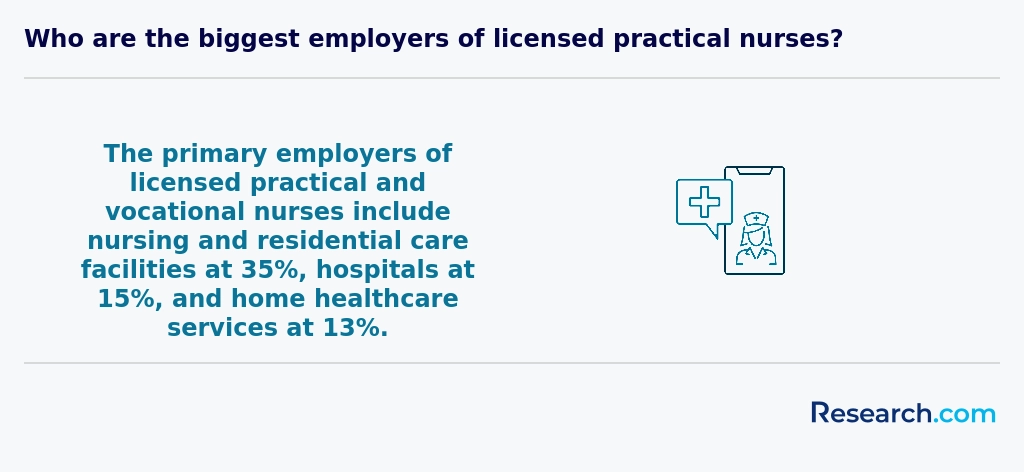
Accreditation confirms that a nursing program meets rigorous academic and clinical standards. In Charlotte, look for accreditation from the Commission on Collegiate Nursing Education (CCNE) or the Accreditation Commission for Education in Nursing (ACEN) to ensure eligibility for licensure and employer recognition.
NCLEX-RN pass rates reflect how well programs prepare students for real-world practice. Compare the latest first-time pass rates to evaluate quality:
- Central Piedmont Community College ADN: 88–92%
- UNC Charlotte BSN: 85–89%
- Accelerated BSN tracks: 90–95%
For aspiring BSN students seeking accredited, affordable online pathways, explore the cheapest rn to bsn program online.
Financial aid in Charlotte opens doors for many nursing students eager to serve their communities. Graduates from institutions like the University of North Carolina at Charlotte or Central Piedmont Community College often share how Pell Grants helped them afford tuition without the pressure of repayment. These grants, offering up to $7,395 annually, can ease the financial strain and brighten the path to a rewarding nursing career.
For those committed to staying in North Carolina, the North Carolina Nursing Scholarship Program offers an incredible opportunity by covering a large portion of tuition in exchange for service within the state. This not only supports students financially but also builds a strong local healthcare network, creating a sense of pride and purpose.
Many find encouragement through employer tuition reimbursement programs offered by local hospitals, where the promise of working in a familiar facility after graduation turns dreams into reality. Private scholarships from organizations like the Charlotte Chamber of Commerce also uplift students, helping with costs beyond tuition, such as books and supplies. These resources make pursuing nursing in Charlotte an achievable and inspiring journey.
Charlotte’s top nursing programs boast robust clinical partnerships with leading healthcare organizations, ensuring students gain hands-on practicum experience across diverse settings. Through formal affiliations with Atrium Health, Novant Health, and regional community clinics, students rotate in Level I trauma centers, pediatric units, outpatient facilities, and long-term care homes. These strategic collaborations not only reinforce classroom learning but also immerse students in real-world patient care, fostering critical thinking and clinical judgment from day one. Beyond hospital rotations, nursing students benefit from partnerships with school-based health centers and public health agencies, where they lead health screenings, wellness workshops, and community outreach initiatives. This exposure to population health equips graduates with a holistic understanding of preventive care and health education, vital for addressing Charlotte’s growing healthcare needs. Faculty mentors liaise directly with clinical preceptors, providing ongoing feedback and performance evaluations that sharpen students’ technical skills and professional resilience. Simulation labs at partner institutions mirror high-pressure scenarios-code blue responses, neonatal resuscitation, and disaster triage-allowing learners to practice interventions under expert supervision before entering live clinical environments. These immersive simulations, combined with reflective debriefings, cultivate confidence and adaptability, ensuring graduates are practice-ready upon NCLEX licensure. For those aiming to advance into leadership or specialized advanced practice roles after completing their practicum requirements, exploring the fastest dnp programs can provide an accelerated pathway to expert clinical skills and organizational leadership.
To join a nursing degree program in Charlotte, you need a high school diploma or GED, laying the essential groundwork for your journey. Many students at prominent colleges in Charlotte recall how strong foundations in biology, chemistry, and math empowered them to grasp complex nursing concepts with confidence and enthusiasm.
Standardized test scores like the SAT or ACT are commonly required, but some schools offer flexible, test-optional pathways, opening doors for diverse talents. Maintaining a solid GPA, often around 2.5 to 3.0, shows your readiness to embrace the challenges ahead and makes your application shine.
Before diving into core nursing courses, you'll complete prerequisites such as anatomy, physiology, microbiology, chemistry, nutrition, and statistics. Many Charlotte nursing students appreciate finishing these beforehand, feeling well-prepared and excited to focus fully on clinical skills and patient care.
Beyond academics, providing immunization records, physical exams, and background checks demonstrates your commitment to safety and professionalism-qualities celebrated by graduates who've thrived in Charlotte's supportive nursing community.
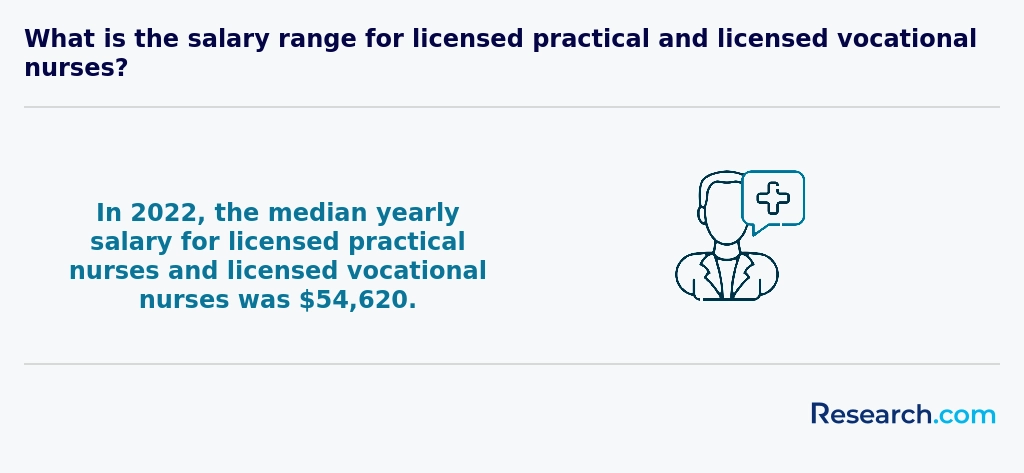
For prospective nursing students in Charlotte, NC, understanding the local nursing education landscape is crucial for making informed decisions about their educational paths. The city is home to several reputable institutions, such as the University of North Carolina at Charlotte and Queens University of Charlotte, which offer robust nursing programs. These programs provide students with the necessary skills to thrive in various nursing roles, from entry-level positions to advanced practice nursing. Students can expect to find valuable nursing programs in North Carolina that cater to different learning styles and career aspirations. By exploring these programs and their specializations, students can align their educational goals with the demands of the healthcare industry, ensuring a rewarding and dynamic career.
Nursing students in Charlotte dive into a rich blend of courses designed to build strong foundations and practical expertise. Core science classes like Anatomy and Physiology help students visualize the human body's incredible design, while Microbiology and Chemistry provide vital insights into how medications and infections affect patient care.
Graduates from well-known Charlotte institutions often share how Nutrition and Psychology courses deepen their understanding of holistic health, enabling them to connect more meaningfully with patients. These classes pave the way for specialized studies, including Pediatric Nursing and Maternal and Newborn Nursing, where students learn to offer compassionate care to diverse populations.
At universities such as those affiliated with Atrium Health and Novant Health, students experience real-world challenges in clinical rotations that bring these lessons to life. Whether mastering Medical-Surgical Nursing skills or exploring Mental Health Nursing approaches, Charlotte's nursing programs empower students with knowledge and confidence to thrive in dynamic healthcare settings.
Nursing degree specializations in Charlotte offer exciting opportunities to shape your future in healthcare. Many graduates from well-known Charlotte colleges share how specializing in fields like Registered Nurse (RN) to Bachelor of Science in Nursing (BSN) helped them gain leadership confidence while supporting patient care. Schools here provide pathways tailored to your passion-whether you want to become an advanced practice nurse, pediatric nurse, or excel in critical care settings.
Charlotte's nursing programs include highly sought-after areas such as Pediatric Nursing, Geriatric Nursing, Psychiatric-Mental Health Nursing, and Public Health Nursing, each designed to meet local community needs. Students often describe their experiences as empowering, especially when learning hands-on skills in stimulating environments like university hospitals or community clinics.
For those exploring multiple options, online curricula, including online lpn courses, offer flexible approaches to advance your education. Choosing the best nursing specialties in Charlotte NC combines passion with purpose, preparing graduates to thrive as compassionate, skilled professionals in a rapidly growing healthcare hub.
Choosing the best nursing degree in Charlotte means focusing on accredited programs that offer strong clinical partnerships with local healthcare leaders like Atrium Health and Novant Health. Graduates from these programs often share how hands-on experiences in Charlotte's bustling hospital systems boosted their confidence and prepared them exceptionally well for real nursing roles.
Many Charlotte nursing schools provide options that fit busy schedules, including part-time and evening classes, making it inspiringly possible for working adults to pursue their dreams without sacrificing current responsibilities. When exploring affordable nursing schools Charlotte NC, consider schools offering in-state tuition benefits or scholarships that helped past students graduate debt-free while gaining valuable skills.
Successful nursing graduates frequently highlight the importance of programs with high NCLEX pass rates and small class sizes fostering personalized mentorship. If your goal is to advance quickly, some graduates benefit from accelerated paths or even discover the fastest dnp programs to elevate their careers.
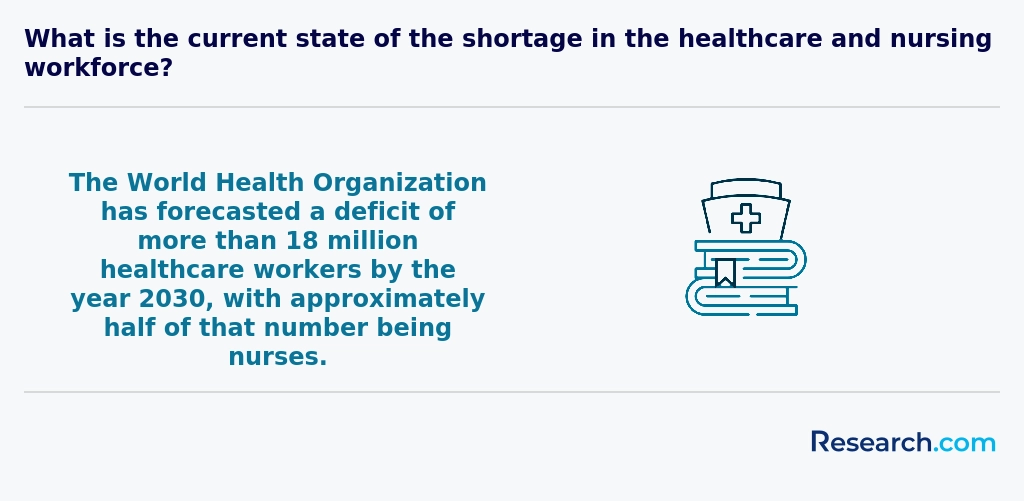
Nursing graduates in Charlotte find their skills in high demand across diverse and rewarding career paths. Many alumni from Charlotte's well-known nursing programs thrive as Registered Nurses (RNs), working hands-on in busy hospitals such as Atrium Health, providing compassionate care that directly impacts patients' lives. Others pursue roles as Licensed Practical Nurses (LPNs), supporting medical teams in outpatient clinics or residential care, gaining invaluable experience early in their careers.
Advancing their expertise, some graduates take on roles as Nurse Practitioners (NPs) or Clinical Nurse Specialists (CNS), stepping into leadership positions that allow them to diagnose, treat, and improve healthcare delivery in specialized fields like pediatrics or geriatrics. The growing need for primary care providers in Charlotte means these advanced roles are especially promising.
For those interested in community impact, becoming a Public Health Nurse brings a fulfilling opportunity to promote wellness and disease prevention through partnerships with local organizations. Nursing students inspired by such diverse career opportunities often explore affordable pathways to success, like those highlighted in the Affordable Online Nursing Degree Programs Ranking in Pittsburgh, PA, ensuring they can focus on their calling without overwhelming financial burden. Exploring these nursing career opportunities in Charlotte can truly shape a bright and fulfilling future.
Graduates frequently mention how their studies at Charlotte's colleges not only equipped them with clinical expertise but also with the confidence to thrive in the best nursing jobs in Charlotte NC, where passion meets meaningful impact every day.
The nursing job market trends in Charlotte paint an encouraging picture for graduates stepping into the healthcare field. With major institutions like Atrium Health and Novant Health actively hiring, many nursing graduates from popular Charlotte colleges find themselves quickly employed in hospitals or outpatient clinics. These graduates often share how rewarding it feels to serve a growing population, especially as North Carolina's aging residents increase the demand for compassionate, skilled care.
Employment outlook for nursing graduates Charlotte is strengthened by local educational opportunities, including affordable ADN programs at community colleges and BSN programs at regional universities. Graduates describe their academic journeys as both challenging and inspiring, highlighting access to hands-on clinical experiences that build confidence and career readiness.
In Charlotte, competitive salaries and diverse job settings create an inviting environment for new nurses. Many students looking for flexible and efficient pathways also explore best paying 6 month certificate programs online, enabling quicker entry into nursing roles. The city truly supports nursing professionals ready to make a meaningful impact.
2027 Most Valuable Nursing Degree Programs Ranking in Charlotte
Investing in your education is a significant decision that can shape your future, and the Research.com team understands the importance of making informed choices. To assist prospective students in Charlotte, we have meticulously crafted the "2027 Most Valuable Nursing Degree Programs Ranking in Charlotte." Our commitment to quality, credibility, and accuracy is reflected in the extensive research and analysis conducted to compile this ranking. We utilized the following reputable data sources to ensure a comprehensive evaluation of nursing degree programs:
By exploring this ranking, readers will gain valuable insights into the most valuable nursing degree programs available in Charlotte, enabling them to make well-informed decisions about their educational paths. For more details on our methodology, please visit our Research.com methodology page.

# 3 position
Chamberlain University-North Carolina
Bachelor of Science in Nursing


Frequently Asked Questions About nursing
Nursing degree students in Charlotte can maximize their learning by combining classroom instruction with clinical practice at local healthcare facilities. Charlotte offers numerous opportunities through partnerships between nursing schools and hospitals such as Atrium Health and Novant Health, which provide hands-on experience essential for skill development.
Engaging in simulation labs also helps students practice critical procedures in a controlled environment. According to the North Carolina Board of Nursing, clinical hours significantly enhance student competency and readiness for licensure exams.
Additionally, students should actively participate in study groups and seek mentorship programs offered by institutions like the University of North Carolina at Charlotte, fostering collaboration and professional growth.
The nursing field in Charlotte is evolving, with several emerging niches attracting attention. One prominent area is gerontological nursing, responding to the region's growing older adult population. According to Carolinas HealthCare System data, nurses specializing in elderly care are in increasing demand.
Another expanding niche is telehealth nursing. As technology advances, Charlotte healthcare providers are seeking nurses skilled in remote patient monitoring and virtual care. The North Carolina Board of Nursing highlights telehealth as a critical growth area.
Additionally, psychiatric nursing is gaining importance. Mental health services in Charlotte have expanded, increasing the need for nurses who can manage behavioral and psychological conditions.
These fields offer promising career paths for new nursing graduates in Charlotte.
After completing a nursing degree in Charlotte, preparing for the job market involves several strategic steps. First, obtaining licensure through the National Council Licensure Examination (NCLEX-RN) is essential to practice as a registered nurse in North Carolina.
Networking within Charlotte's healthcare community is highly beneficial. Hospitals such as Atrium Health and Novant Health frequently recruit local graduates. According to 2023 data from the North Carolina Board of Nursing, Charlotte has a growing demand for nurses, with job growth projected at 15% over the next decade.
Consider gaining clinical experience through internships or volunteer work to build practical skills and increase job prospects. Additionally, preparing a strong resume and practicing interview skills tailored for healthcare positions can significantly improve hiring chances.
Employers in Charlotte prioritize a blend of clinical expertise and interpersonal skills when hiring nursing degree graduates. According to the North Carolina Board of Nursing, strong critical thinking and patient assessment abilities are essential for new nurses to ensure quality care and safety.
Communication skills are equally important, as nurses must effectively collaborate with healthcare teams and interact with patients from diverse backgrounds. Additionally, proficiency in electronic health records (EHR) systems is increasingly demanded in Charlotte's hospitals.
Local healthcare surveys highlight that adaptability and stress management are vital due to the fast-paced environment of Charlotte's medical facilities. These core skills help graduates succeed and meet the region's healthcare needs.
Finding nursing internships in Charlotte begins with exploring local healthcare facilities, as the city is home to major hospitals like Atrium Health and Novant Health. These institutions often offer clinical internship programs tailored for nursing students. Additionally, Charlotte's proximity to research centers and community clinics provides diverse opportunities for hands-on experience.
Students should contact the career services offices at nursing schools such as the University of North Carolina at Charlotte, which maintains partnerships with local healthcare providers. According to the North Carolina Board of Nursing, clinical hours completed during internships are crucial for licensure.
Leveraging online platforms like Handshake or local job boards can also reveal current internship openings specifically designed for nursing students in Charlotte's healthcare sector.
A nursing degree significantly enhances career mobility and advancement opportunities in Charlotte. The city's healthcare sector is rapidly growing, with the Charlotte Regional HealthCare Partnership reporting a 15% increase in nursing job openings from 2020 to 2023. Holding a degree, especially a Bachelor of Science in Nursing (BSN) or higher, often fulfills employer requirements, positioning graduates for roles beyond entry-level nursing jobs.
Advanced degrees open pathways to specialized fields such as nurse practitioner, nurse educator, or healthcare administration, which offer higher salaries and leadership roles. Additionally, Charlotte-based hospitals like Atrium Health prioritize nurses with degrees for promotions, reflecting national trends supported by the American Nurses Association. Overall, a nursing degree enhances professional flexibility and access to a broader range of nursing careers within the Charlotte healthcare market.
Studying for a nursing degree in Charlotte equips students with skills essential for interdisciplinary healthcare roles. Local nursing programs emphasize collaboration with professionals like physicians, pharmacists, and social workers, reflecting real-world clinical environments.
Charlotte's healthcare sector, including institutions like Atrium Health and Novant Health, supports experiential learning through interprofessional simulations and clinical rotations. These experiences improve communication and teamwork, vital in patient-centered care.
According to the North Carolina Board of Nursing, over 70% of nursing graduates in Charlotte report readiness to work in diverse healthcare teams. This preparation aligns with national standards promoting interprofessional education to enhance patient outcomes.
Choosing between a thesis and a non-thesis nursing degree program in Charlotte depends largely on your career goals. Thesis programs emphasize research, preparing students for roles in nursing education, policy, or advanced clinical research. Non-thesis options focus on practical skills and clinical experience, often preferred by those aiming for direct patient care or administrative positions.
In Charlotte, nursing programs are offered by universities like UNC Charlotte and Queens University, with both formats available. Research shows that about 30% of local nursing graduates pursue advanced research roles, making thesis programs valuable for those targeting such paths (Source: North Carolina Board of Nursing, 2023).
If you prefer hands-on learning and faster completion, a non-thesis track may suit you better. Meanwhile, a thesis requires strong research skills and time for a final project. Consider your time commitment, career objectives, and interest in research when deciding.
Students in Charlotte seeking to study nursing abroad have several pathways available within the U.S. higher education framework. Many local nursing programs, such as those at the University of North Carolina at Charlotte, offer study abroad options or clinical placements in partner institutions overseas. These programs typically last several weeks and provide international clinical experience alongside academic study.
Additionally, Charlotte students can enroll in U.S.-based nursing programs that have formal exchange agreements with hospitals and universities abroad, enabling credit transfer and exposure to global healthcare systems. The Commission on Collegiate Nursing Education (CCNE) accredits numerous programs supporting such opportunities. According to the National Student Clearinghouse, study abroad participation among nursing students nationwide has grown by 15% in recent years.
International clinical experience can enrich cultural competence-a critical skill for nurses-making such programs particularly valuable for Charlotte's diverse healthcare environment.
Charlotte offers various part-time job opportunities that can complement nursing degree education effectively. Many nursing students find work as certified nursing assistants (CNAs) or medical assistants, gaining hands-on clinical experience while earning income.
The city's expanding healthcare sector, including major employers like Atrium Health and Novant Health, often hires part-time staff, providing exposure to diverse medical settings. According to the U.S. Bureau of Labor Statistics, healthcare support roles in Charlotte grew by 8% between 2020 and 2023, signaling strong job availability.
Additionally, jobs such as medical scribes or patient care technicians help students develop critical skills relevant to nursing responsibilities. These roles support both learning and networking within the local healthcare community.
Nursing students in Charlotte benefit from various networking opportunities that can enhance their professional growth. Several local organizations, such as the Charlotte Chapter of the American Nurses Association (ANA), host regular events and workshops where students can meet experienced nurses and healthcare professionals.
Many universities in Charlotte partner with major healthcare providers like Atrium Health and Novant Health, offering clinical placements, internships, and job fairs. These connections provide valuable firsthand experience and contacts in the regional healthcare community.
Additionally, Charlotte hosts nursing conferences and seminars annually, attracting industry leaders and educators. Participating in these events allows students to stay updated on healthcare trends and expand their professional network effectively.
Alumni networks play a significant role in supporting nursing degree students in Charlotte. These networks connect current students with graduates who have navigated the local healthcare landscape, providing mentorship and career guidance. According to the North Carolina Nurses Association, networking through alumni groups increases job placement success after graduation by nearly 30% in the Charlotte area.
In Charlotte's competitive nursing job market, connections made via alumni can lead to exclusive internships and clinical opportunities at major hospitals like Atrium Health. Students benefit from advice on licensure, continuing education, and specialization options specific to regional healthcare needs. Alumni events also foster professional development and lifelong learning, which are essential for maintaining licensure and advancing nursing careers in North Carolina.
Customizing a nursing degree program in Charlotte allows students to align education with their specific career goals. Many local institutions offer flexible options, including specialties like pediatrics, gerontology, or critical care. Students can often choose between traditional on-campus classes and online or hybrid formats to fit their schedules.
Charlotte's healthcare environment is dynamic, with organizations such as Atrium Health and Novant Health providing clinical placements for hands-on experience. According to the North Carolina Board of Nursing, over 1,200 nursing graduates entered the workforce in the Charlotte metro area in 2023, showcasing strong demand for specialized skills.
Additional certifications, electives, and clinical hours tailored to certain nursing fields enable further customization. Exploring these choices early helps students build a program suited to future roles in hospitals, clinics, or community health settings.
Nursing students in Charlotte face several typical challenges during their education. One primary difficulty is balancing rigorous coursework with clinical rotations. Clinical hours are often demanding, requiring students to manage time effectively between hospital shifts and academic responsibilities. According to the North Carolina Board of Nursing, clinical placements in Charlotte-area hospitals can be competitive, limiting hands-on experience for some students.
Another challenge is the high cost of nursing programs, which can exceed $15,000 annually at local institutions like Central Piedmont Community College. Financial stress adds to the pressure of maintaining strong academic performance. Additionally, students report that keeping up with fast-evolving healthcare technologies and protocols requires continuous learning outside of class time.
Emotional stress and burnout are common, as nursing programs expose students to intense patient care situations. Support services vary, but some Charlotte schools have increased counseling and peer mentoring to help.
With a nursing degree earned in Charlotte, graduates can pursue several professional certifications to enhance their careers. Common certifications include the Registered Nurse (RN) license, required for clinical practice and issued by the North Carolina Board of Nursing.
Beyond RN licensure, nurses may seek specialty certifications such as Certified Nurse Practitioner (CNP), Certified Nurse Midwife (CNM), or certifications in areas like critical care, pediatrics, and geriatrics. Many employers in Charlotte value credentials from organizations like the American Nurses Credentialing Center (ANCC).
Obtaining these certifications typically requires additional clinical hours and passing an exam, but they often lead to higher salaries and expanded job opportunities across Charlotte's growing healthcare sector. Data from the U.S. Bureau of Labor Statistics shows that the Charlotte metro area's demand for specialized nurses is rising steadily.
Writing a winning application for a nursing program in Charlotte begins with a clear understanding of the requirements set by local schools such as UNC Charlotte and Central Piedmont Community College. Admission committees typically expect a strong academic record, especially in science courses like biology and chemistry. Highlighting relevant healthcare experience, including volunteer work or CNA certification, can improve your chances.
The average acceptance rate for nursing programs in Charlotte hovers around 40%, reflecting competitive standards (source: NC Board of Nursing, 2023). Crafting a personalized personal statement that explains your motivation to serve the community resonates well with reviewers.
Be sure to request strong letters of recommendation from instructors or healthcare professionals familiar with your commitment and skills. Finally, submitting all materials before deadlines is crucial, as Charlotte programs strictly adhere to timelines.
The nursing profession continues to grow globally, with strong demand influenced by aging populations and expanding healthcare needs. In the United States, and specifically in Charlotte, NC, the growth is mirrored by a 15% projected increase in registered nursing jobs through 2031, according to the Bureau of Labor Statistics.
Globally, nurses often face diverse roles influenced by regional healthcare systems, but the core skills remain consistent. For Charlotte students, understanding these global perspectives can enhance career flexibility, especially as international healthcare collaborations increase.
Charlotte's nursing programs emphasize cultural competence, preparing graduates for diverse environments both locally and abroad. According to the North Carolina Board of Nursing, Charlotte hospitals frequently recruit internationally trained nurses, highlighting global integration in the profession.
Gaining practical experience while studying for a nursing degree in Charlotte is essential for career readiness. Many nursing programs in the area include clinical rotations in local hospitals and healthcare facilities, allowing students hands-on patient care under supervision. Facilities like Atrium Health and Novant Health often partner with universities to host these practical sessions.
Moreover, Charlotte boasts a robust network of internships and externships offering real-world experience. According to the North Carolina Board of Nursing, most Bachelor of Science in Nursing (BSN) programs require at least 500 clinical hours before graduation.
Students can also volunteer or work as nursing assistants, which provides valuable exposure to healthcare settings while studying.
Choosing the right concentration within a nursing degree program in Charlotte begins with understanding your career goals and interests. Nursing specializations such as gerontology, pediatrics, or critical care often reflect the demand in local healthcare facilities. According to the North Carolina Board of Nursing, Charlotte's growing elderly population highlights a strong need for geriatric nursing expertise.
Consider program offerings at institutions like the University of North Carolina at Charlotte or Central Piedmont Community College, which provide tailored tracks. It is also important to review licensure requirements and continuing education opportunities related to each concentration.
Shadowing professionals or speaking with academic advisors can provide practical insights into daily responsibilities and job prospects within various nursing fields in Charlotte.
- 2027 Most Valuable Nursing Degree Programs Ranking in Columbia
- 2027 Most Valuable Nursing Degree Programs Ranking in Atlanta
- 2027 Most Valuable Nursing Degree Programs Ranking in Macon
- 2027 Most Valuable Nursing Degree Programs Ranking in Virginia Beach
- 2027 Most Valuable Nursing Degree Programs Ranking in Washington
- 2027 Most Valuable Nursing Degree Programs Ranking in Cincinnati
- 2027 Most Valuable Nursing Degree Programs Ranking in Nashville
- 2027 Most Valuable Nursing Degree Programs Ranking in Jacksonville
- 2027 Most Valuable Nursing Degree Programs Ranking in Louisville
- 2027 Most Valuable Nursing Degree Programs Ranking in Columbus
See What Experts Have To Say About Studying Nursing
Read our interview with Nursing experts


- Know more about thesis vs non- thesis: what is the difference? https://studyfans.com/en/blogs/816
- Top Nursing Skills U.S. Employers Want to See on Your Resume | O'Grady Peyton https://www.ogradypeyton.com/blog/job-seeker-resources/top-nursing-skills-u.s.-employers-want-to-see-on-your-resume
- What Are the Best RN Certifications for Your Career? https://credenzahealth.com/career-advice/what-are-the-best-rn-certifications-for-your-career
- Getting RN Experience After Graduation | All Nursing Schools https://www.allnursingschools.com/articles/getting-rn-experience/
- Guide to Making a Career Change to Nursing https://teach.com/online-ed/healthcare-degrees/online-msn-programs/career-change-to-nursing/
- How to Write https://esign.com/letter-of-intent/school/nursing/
- School of Nursing Alumni Resources https://nursing.utmb.edu/About/Alumni
- Nursing Jobs: Signing Bonus & Flexible Scheduling | Novant Health https://jobs.novanthealth.org/nursing
- How to Choose a Nursing Program: A Comprehensive Guide - Madonna ABSN https://absn.madonna.edu/blog/how-to-choose-a-nursing-program/
- Nursing students’ clinical practice education experience during the COVID-19 pandemic: a qualitative study https://www.springerpflege.de/nursing-students-clinical-practice-education-experience-during-t/50630360


