
2027 Most Valuable Nursing Degree Programs Ranking in Washington

Co-Founder and Chief Data Scientist
Choosing the right nursing degree program is an important step for your future career in healthcare. Our article introduces the 2027 Most Valuable Nursing Degree Programs Ranking in Washington, created by the Research.com team of data scientists. This ranking is designed to help you discover the programs that offer the best value and opportunities.
By exploring this guide, you'll gain clear insights to make an informed choice that fits your goals. Pursuing a nursing degree can open doors to rewarding and meaningful work, and we're here to support your journey every step of the way.
Key benefits of getting nursing degree in Washington
- Nursing degree graduates in Washington can earn competitive salaries, such as $94,480 annually for Registered Nurses and Public Health Nurses, while Operating Room Nurses earn even higher at $128,490 per year.
- Graduates from popular Washington colleges often explore diverse career paths, including clinical nursing, public health roles, and specialty areas like emergency or operating room nursing, offering rewarding opportunities.
- Completing a nursing degree online provides flexibility and convenience, allowing students to balance life and study while earning a respected qualification from well-known Washington universities.
- 2027 Most Valuable Nursing Degree Programs Ranking in Washington
- What can I expect from nursing degree in Washington?
- Where can I work with nursing degree in Washington?
What can I expect from nursing degree in Washington?
The average cost of obtaining a nursing degree in Washington varies depending on the program and institution. For example, ADN programs at community colleges typically range from $6,000 to $12,000 in total tuition, making them an affordable starting point for many students. Graduates from these programs often share how manageable expenses allowed them to focus on gaining practical experience through clinical rotations at local hospitals.
BSN programs at universities such as the University of Washington or Seattle University tend to be higher, with tuition costs ranging between $30,000 and $60,000 for the entire degree. Many students express satisfaction that their investment provided strong access to advanced simulation labs and close mentorship from faculty, which reinforced their confidence in patient care skills before graduation.
Financial aid, scholarships, and work-study options are widely utilized to reduce the burden. Students advise researching specific financial support available at each school and considering part-time CNA roles or healthcare volunteering to both build experience and offset costs effectively. This practical approach helps make nursing degrees in Washington both attainable and rewarding.
Where can I work with nursing degree in Washington?
Graduates with a nursing degree from universities like the University of Washington or Seattle University find diverse job opportunities across Washington's thriving healthcare landscape. Many immediately step into roles at major hospitals such as UW Medical Center or Swedish Medical Center, where they gain hands-on experience in fast-paced environments like emergency rooms or surgical units. This direct patient care work is both challenging and deeply rewarding, fueling a strong sense of purpose.
Others choose outpatient clinics or community health centers, playing key roles in preventive care and chronic disease management. These settings provide a chance to build long-term patient relationships, which many graduates describe as fulfilling and impactful. Nursing students often mention how their clinical rotations in these environments helped them develop communication skills essential for patient education.
Long-term care and home health are also popular paths, especially given Washington's aging population. Graduates with specialized certifications find joy in supporting elderly patients' independence, often becoming trusted members of patients' home care teams. State health departments also hire nurses passionate about public health, where they contribute to vaccination programs and emergency preparedness, making a tangible difference in their communities.
Graduates from nursing programs at well-known Washington institutions like the University of Washington or Seattle University often start with salaries around $70,000 to $80,000 annually, reflecting entry-level registered nurse roles. With some experience, most find that their earnings quickly rise, often reaching the average registered nurse salary near $94,480 per year, according to the latest Bureau of Labor Statistics data.
Many graduates pursue specialized roles. For example, working as an operating room nurse can significantly boost income, with mean wages around $128,490 annually in Washington. This specialization demands extra skills but brings a rewarding salary jump, making it a smart next step for motivated nurses.
Graduates often share how practical training and networking opportunities available through programs at local universities made entering these higher-paid positions smoother. Urban centers such as Seattle and Tacoma offer additional pay incentives, sometimes 10-15% above statewide averages, helping cover the higher cost of living.
For those starting out or aiming to move into specialized fields, focusing on certifications and gaining solid clinical experience can make a real difference in income and career satisfaction in Washington's competitive healthcare market.
- Nursing programs in Washington range from two-year associate degrees to four-year bachelor's degrees, with options for advanced degrees like MSN and DNP.
- Tuition for a BSN at public colleges averages about $9,500 per year for in-state students, while private schools can charge over $30,000 annually.
- The total cost of a four-year nursing degree, including fees and living expenses, can be between $40,000 and $100,000 or more.
- Entry-level registered nurses in Washington earn an average of $85,000 per year, with salaries exceeding $100,000 for experienced or specialized nurses.
- Employment for registered nurses in Washington is projected to grow by around 15% over the next decade, outpacing the national average.
- Licensing requires passing the NCLEX-RN exam, a criminal background check, and approval by the Washington State Nursing Care Quality Assurance Commission.
Completing a nursing degree in Washington typically takes between 2 and 4 years, depending on the program chosen. Many graduates from local community colleges find the Associate Degree in Nursing (ADN) an efficient route, finishing in about 2 to 3 years. This quick timeline allows them to enter the workforce sooner, gaining valuable nursing experience while preparing for the NCLEX-RN licensing exam.
For those aiming for a broader education and greater career options, a Bachelor of Science in Nursing (BSN) at universities like the University of Washington usually requires around 4 years. Graduates often share how the more extensive coursework in leadership and public health helped them feel well-prepared for diverse nursing roles.
Working nurses from community colleges often take advantage of RN-to-BSN bridge programs offered by Washington institutions. These flexible programs can be completed in 12 to 24 months, accommodating busy schedules with online classes.
Those pursuing advanced roles pursue a Master of Science in Nursing (MSN), adding about 2 more years after their BSN, opening doors to specialized and leadership positions.
Accreditation ensures your nursing education meets state and national quality standards, unlocks eligibility for federal aid, and qualifies you to sit for the NCLEX-RN exam.
- Accredited by the Accreditation Commission for Education in Nursing (ACEN) or Commission on Collegiate Nursing Education (CCNE)
- Approved by the Washington State Nursing Care Quality Assurance Commission
- Meets curriculum requirements for general education, clinical hours, and simulation labs
After graduation, apply through the Washington State Department of Health to:
- Submit fingerprint background check and immunization records
- Register for and pass the NCLEX-RN exam
- Receive your Washington RN license and begin practice
Many students start with an ADN, then advance via bridge programs like the cheapest rn to bsn to expand career options and meet evolving licensure requirements.
Online nursing degrees in Washington provide flexibility for students juggling work and family. Graduates from the University of Washington, for example, appreciate being able to study anatomy or pharmacology through prerecorded lectures on their own schedules. This eliminates long commutes and eases living costs while still meeting state requirements.
However, hands-on clinical experience remains essential. Online students arrange local practicums at healthcare facilities near them, ensuring real patient care exposure. This means you gain valuable skills within your community, balancing convenience with practical training.
On-campus programs, like those at Washington State University, offer face-to-face interaction with instructors and peers, which many graduates find motivating. Access to on-site simulation labs and immediate feedback helps build confidence and professional networks in ways that virtual classrooms can't fully replicate.
Both pathways lead to licensing eligibility in Washington, so the best choice depends on whether you prioritize schedule flexibility or immersive, in-person learning experiences.
Investing in a nursing degree in Washington, DC requires balancing tuition expenses, living costs, and the earning potential you’ll unlock post-graduation. With ADN programs costing between $23,900 and $66,320 and BSN programs ranging from $89,556 to $211,392, understanding your break-even point is crucial. For example, a new RN earning a mean annual wage of $89,010 could recoup a $100,000 BSN investment in just over one year of full-time practice, assuming typical loan repayment rates and living expenses. Factoring in licensing exam fees and certification costs, graduates should model repayment scenarios to minimize long-term debt burdens. Beyond salary, career growth accelerates ROI: operating room nurses average $124,680 annually, while advanced practice roles like Nurse Practitioners can exceed $120,000. Pairing this with employer-sponsored loan forgiveness or Public Service Loan Forgiveness programs in DC’s robust public health sector can further shorten payback periods. Prospective students should also weigh grant opportunities-such as HRSA scholarships-and part-time work in campus health clinics to reduce reliance on unsubsidized loans. For those seeking benchmark comparisons, it’s helpful to explore cost-effective alternatives outside DC’s premium market. If your budget demands more affordable online options, consider our Inexpensive Online Nursing Degree Programs Ranking in Iowa to see how lower tuition and flexible scheduling can enhance your overall return on investment.
The average nursing degree cost in Washington varies depending on residency and institution, but median total expenses provide a practical benchmark. For in-state students, the median total cost is around $67,710, while out-of-state students face a higher median approaching $77,794. These figures reflect tuition, fees, and additional program-related expenses.
At schools like the University of Washington and Seattle Central College, graduates often recall balancing affordable tuition with living costs in urban centers, highlighting the value of local community colleges for those seeking cost-effective ADN degrees. These programs typically represent a lower upfront financial commitment, offering pathways to advanced nursing roles without the highest tuition rates.
Success stories from these institutions emphasize leveraging available financial aid options, including state grants, scholarships, and the Nursing Faculty Loan Program, which can make pursuing a nursing degree more accessible. Many students recommend early financial planning and exploring scholarships tailored specifically to nursing, helping to mitigate out-of-pocket costs.
Understanding the Washington nursing program tuition and fees landscape equips prospective students to make informed decisions aligned with their budget and career goals. For insights on nursing education value in nearby regions, consider checking out the valuable nursing schools in District of Columbia.

Preparing a compelling application for a nursing degree in Washington, DC requires strategic planning and attention to detail. Start by strengthening your academic profile: maintain a competitive GPA in prerequisite courses like biology and chemistry, and retake standardized tests such as the TEAS if your initial score falls below program benchmarks. Volunteering at local clinics or shadowing registered nurses at MedStar Washington Hospital Center will not only boost your resume but also demonstrate genuine clinical exposure. Next, dedicate time to your personal statement by telling a concise, authentic story that highlights your passion for patient care and resilience under pressure. Use specific examples-such as leading a health fair or assisting in community outreach-to showcase leadership skills and cultural competence. During the interview stage, prepare by researching each institution’s mission and values; practicing common nursing interview questions will increase your confidence and allow you to articulate why a particular program aligns with your career goals. Letters of recommendation should come from faculty members or healthcare supervisors who can attest to your work ethic, critical thinking, and interpersonal skills. A balanced mix of academic and clinical references provides a holistic view of your readiness for rigorous nursing study. Finally, consider gaining foundational nursing experience by exploring alternative pathways-if you find the prerequisite workload challenging, you might explore the best lpn programs in north carolina for accelerated hands-on training before applying to a BSN program.
Nursing students in Washington can access various financial aid options to help manage tuition costs, which typically range from $8,000 to $15,000 annually at public institutions. Federal Pell Grants are a crucial resource, offering up to $7,395 per year without repayment, providing relief to many who qualify. Some students at the University of Washington share how these grants made it possible to focus more on studies and less on finances.
Many also benefit from federal Work-Study jobs, which offer flexible, part-time work to earn money while gaining experience. Direct loans are available but should be used carefully to avoid burdensome debt.
State programs focus specifically on nursing. For instance, scholarships from the Washington State Nursing Care Quality Assurance Commission and the Nursing Education Loan Repayment Program reward students who plan to serve in high-need or underserved areas by easing debt after graduation.
Colleges like Seattle University provide merit and need-based scholarships, often tailored for nursing students, which graduates describe as a game-changer that boosts their confidence to pursue specialized fields.
Additionally, organizations such as the Washington State Nurses Association offer scholarships and grants that recognize academic excellence or financial challenges, expanding options beyond traditional funding routes.
Starting FAFSA early and actively communicating with each school's financial aid office helps students uncover these opportunities and plan effectively for their education journey.
Investing in a nursing degree in Washington, DC involves weighing tuition expenses against long-term salary potential. On average, a BSN in DC costs between $89,556 and $211,392, while RN graduates earn a mean annual wage of $89,010. To calculate your ROI, consider the payback period-how many years of work it takes to recoup educational costs. For instance, at $89,010 per year, a graduate of a $100,000 program recovers tuition in just over one year of practice, demonstrating a compelling financial return. Factors Affecting ROI:
- Program Length: Shorter programs accelerate time to licensure. Associate Degree in Nursing (ADN) holders can enter the workforce in two years, while BSN graduates typically finish in four.
- Financial Aid: Scholarships, grants, and Federal Stafford Loans can reduce out-of-pocket costs, improving net ROI.
- Specializations & Certifications: Advanced roles such as Nurse Anesthetist or Nurse Practitioner command six-figure salaries, shortening payback periods.
- Career Growth: Leadership positions and clinical specialties often come with bonuses and higher hourly rates, further boosting earnings. Maximizing Your ROI To accelerate earnings growth, consider advanced practice pathways. Programs that minimize time-to-completion can be especially valuable-many students explore the quickest dnp online options to boost credentials and salary potential in less time. Ultimately, by carefully evaluating program cost, length, and post-graduation salary trajectories, you can choose a nursing degree that delivers both professional fulfillment and strong financial returns.
To enroll in a nursing degree program in Washington, you must complete specific prerequisites that build a strong academic foundation. Graduates from well-known programs like those at the University of Washington and Seattle Central College recall that having completed courses such as Biology with lab, Chemistry with lab, Anatomy and Physiology, Microbiology, and Mathematics (algebra or statistics) was crucial. These courses prepare you for the complex science behind nursing and health care.
Most programs require a high school diploma or GED and expect you to maintain a minimum GPA around 2.5 to 3.0 in these prerequisite classes. Many students share how taking these courses seriously early on boosted their confidence before entering demanding clinical settings.
Applicants often submit scores from standardized tests like the TEAS or HESI, which assess reading, math, science, and English skills. Some programs also look for prior healthcare experience or certifications, such as a CNA license, to demonstrate practical knowledge.
Gathering strong letters of recommendation and preparing a compelling personal statement can make your application stand out, as many nursing schools in Washington place heavy emphasis on motivation and communication skills during interviews.
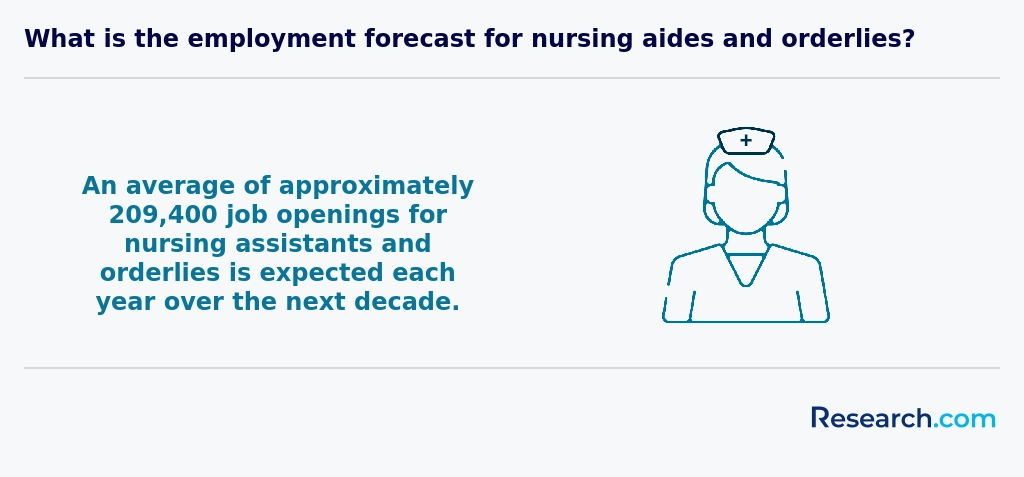
To navigation the complex landscape of nursing education in Washington, DC, prospective students must consider several factors, including program accreditation, curriculum, and cost. Understanding these elements is crucial for making informed decisions about one's educational journey. For instance, researching valuable nursing schools in District of Columbia can provide insights into the quality and reputation of various programs, helping students choose a path that aligns with their career aspirations and personal values. By delving into the specifics of nursing education, individuals can set themselves up for success in this rewarding and challenging field.
Nursing degrees in Washington commonly include courses that build a solid foundation in human anatomy, physiology, microbiology, and chemistry. Graduates from popular programs at universities like the University of Washington often highlight how these early courses made the complexity of the human body easier to understand, helping them confidently handle clinical challenges later on.
Specialized nursing courses cover vital areas such as medical-surgical nursing, pediatric and maternal-newborn care, psychiatric nursing, and community health. Graduates mention that clinical practicums connected to these subjects provide hands-on experience in hospitals and community clinics, making the theory immediately relevant.
Courses in pharmacology and pathophysiology teach students how medications affect the body and how diseases develop, crucial for safe patient care. Nursing ethics, communication, and healthcare policy classes equip students to navigate the healthcare environment with professionalism and empathy, which Washington nursing students find invaluable during their clinical rotations.
Research methods and evidence-based practice courses encourage staying current with medical advances-many say this approach boosts their confidence when making decisions in real healthcare settings, especially at institutions known for nursing excellence.
In Washington, nursing students can choose from a wide array of specializations to align with their career goals and local healthcare demands. Popular options include Family Nurse Practitioner (FNP), Psychiatric-Mental Health Nursing, Pediatric Nursing, and Gerontological Nursing, each addressing critical community needs. Graduates from colleges like the University of Washington report feeling well-prepared and confident when working in primary care settings, thanks to the hands-on focus in these specialties. Other sought-after paths include Emergency Nursing and Critical Care Nursing, where intense clinical training equips students for fast-paced hospital environments.
Exploring Washington nursing degree specialization options lets students effectively target high-demand fields while benefiting from the state's strong healthcare infrastructure. Many programs incorporate clinical placements in urban and rural settings, helping students gain practical experience. Those aiming to boost their earning power might find value in pursuing oncology nursing or community health nursing, supported by specialized certifications.
For practical decision-making, students can review tuition costs and program strengths across institutions to select the best fit. While focusing on Washington, it's helpful to note the best lpn programs in north carolina for comparative insights on nursing pathways.
Choosing the best nursing degree in Washington starts with understanding your career goals and how different programs align with them. Graduates from popular nursing schools in Washington often highlight the value of a BSN, which opens doors to higher salaries and leadership roles. For many, attending a university known for strong clinical partnerships enhances hands-on learning, making the transition to professional work smoother and more fulfilling. Consider affordable nursing degrees Washington state offers, especially if budgeting is key; community colleges provide quality ADN programs at lower costs, while universities offer broader BSN curricula.
Look closely at program accreditation and NCLEX-RN pass rates, as these directly impact your eligibility to work as a registered nurse in Washington. Many students balancing work and life responsibilities appreciate schools offering part-time or online options, like RN-to-BSN pathways or even quicker quickest dnp online programs, which fit demanding schedules without compromising quality.
Finally, think about location, cost, and faculty expertise. Graduates often share how small class sizes and attentive instructors helped them succeed. Combining these factors lets you choose from the best nursing programs in Washington that match your needs and aspirations.
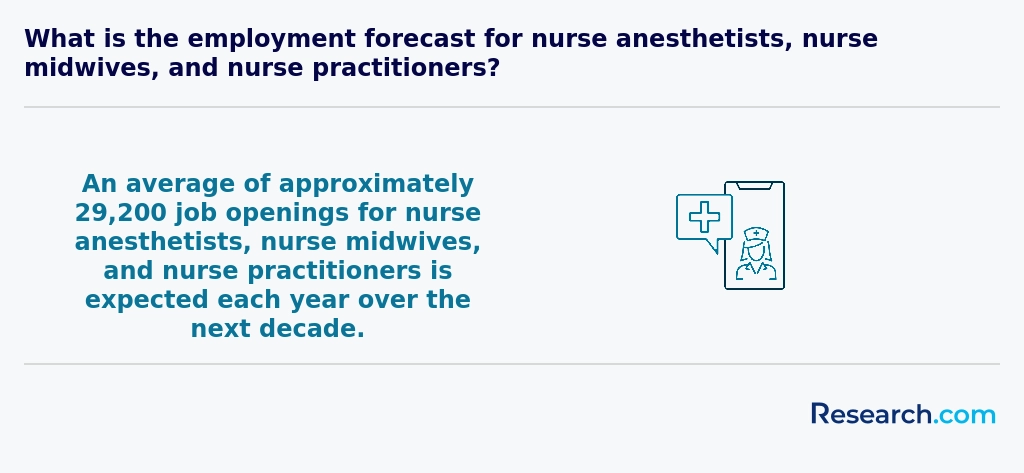
Graduates of nursing programs in Washington find a variety of rewarding paths due to the state's diverse healthcare landscape. Many become Registered Nurses (RNs) employed in busy hospitals or outpatient centers, earning between $95,000 and $105,000 annually. Those who studied at well-regarded institutions report feeling confident stepping into high-demand roles that offer stability and growth. Pursuing advanced degrees like a BSN, MSN, or DNP unlocks opportunities in leadership or specialized fields such as Nurse Practitioner or Clinical Nurse Specialist, benefiting from Washington's progressive nurse scope-of-practice laws.
Additional career options include becoming a Nurse Educator who shapes future nurses at colleges or universities, a Public Health Nurse improving community wellness, or a Case Manager coordinating patient care. Graduates from schools known for practical training emphasize how specialized nursing in areas like pediatrics or oncology provides both competitive pay and personal fulfillment. For students exploring affordable routes, the Inexpensive Online Nursing Degree Programs Ranking in Iowa can be a helpful resource.
These nursing career opportunities in Washington align well with the state's job prospects, and graduates often share how their education prepared them for meaningful, flexible roles across healthcare settings.
The nursing job outlook Washington 2027 shows a strong demand for graduates, especially from popular programs at community colleges and universities across the state. Many graduates from institutions like Seattle Central College and Washington State University report securing roles quickly in hospitals and outpatient care centers, reflecting steady growth fueled by an aging population and expanded healthcare access.
Employment opportunities increase when you consider the range of settings available, from nursing homes to rural clinics. These diverse environments not only broaden job prospects but also offer incentives that attract nursing professionals to underserved areas. Graduates often find that their education, whether through an associate or bachelor's degree, prepares them well to meet these varied needs.
Cost-effective options like public colleges in Washington keep nursing education affordable. For those seeking faster completion, exploring the best online associate degree in 6 months can be a strategic move, delivering quick entry into the workforce.
Nursing degree employment opportunities Washington continue to expand in advanced practice roles, including nurse practitioners, who enjoy high salaries and career advancement backed by continuing education and licensure pathways.
2027 Most Valuable Nursing Degree Programs Ranking in Washington
Investing in your education is a significant decision that can profoundly impact your career and future opportunities. The Research.com team is fully aware of the responsibility involved in providing reliable guidance and has taken extensive measures to ensure the quality, credibility, and accuracy of the "2027 Most Valuable Nursing Degree Programs Ranking in Washington." Through rigorous data collection and analysis, we aim to help prospective nursing students make well-informed choices tailored to their ambitions.
We utilized the following reputable data sources to develop this ranking:
By exploring this ranking, readers will gain valuable insights into the most valuable nursing degree programs in Washington, enabling them to confidently select programs that align with their goals. For a deeper understanding of how this ranking was created, please visit our Research.com methodology page.


Frequently Asked Questions About nursing
Nursing students in Washington can maximize their learning experience by actively engaging in clinical practice opportunities. Washington state requires clinical hours in diverse settings, such as hospitals, community centers, and outpatient clinics, allowing students to gain hands-on experience. According to the Washington Center for Nursing, clinical placements improve critical thinking and professional skills essential for licensure. Additionally, students should take advantage of state-supported nursing associations and mentorship programs to build professional networks. Staying updated with the Washington State Nursing Care Quality Assurance Commission guidelines ensures students meet licensure standards and emerging healthcare trends throughout their education.
In Washington, nursing is rapidly evolving with several emerging niches reflecting changes in healthcare needs. One notable area is geriatric nursing, driven by the state's aging population. According to the Washington State Department of Health, the demand for nurses specializing in elder care is projected to grow significantly by 2030.
Another fast-growing specialty is telehealth nursing, which has expanded due to the increased adoption of remote healthcare services during the COVID-19 pandemic. Nurses trained in telehealth technologies help bridge gaps in rural and underserved communities, a key concern in Washington's diverse geography.
Additionally, psychiatric-mental health nursing has become crucial, given rising awareness around mental health issues. The Washington Center for Nursing highlights continued growth in this field to support statewide mental health initiatives.
After completing a nursing degree in Washington, preparing for the job market involves several key steps. First, graduates must pass the National Council Licensure Examination (NCLEX-RN) to become a licensed registered nurse, a mandatory requirement enforced by the Washington State Nursing Care Quality Assurance Commission.
Networking is crucial; joining local professional organizations like the Washington State Nurses Association can provide job leads and mentorship. Additionally, clinical experience gained during your program is valuable-highlight it on your resume alongside any certifications such as Basic Life Support (BLS) or Advanced Cardiovascular Life Support (ACLS).
The Washington Employment Security Department reports that nursing jobs in the state are projected to grow by 13% through 2031, reflecting strong demand. Tailoring applications to healthcare facilities known to hire new graduates and preparing for interviews with a focus on patient care scenarios can improve employment prospects.
Employers in Washington prioritize several key skills when hiring nursing degree graduates. Clinical competence is essential; nurses must demonstrate strong patient care abilities and familiarity with advanced medical technologies. According to the Washington State Hospital Association, critical thinking and effective communication rank highly among employers because nurses often collaborate with diverse healthcare teams and patients.
Additionally, adaptability is crucial due to the fast-paced nature of healthcare settings. Employers also value proficiency in electronic health records, reflecting the state's push for digital healthcare practices. Leadership skills are important for career advancement, especially as Washington's nursing workforce grows to meet increasing demand.
Finding nursing internships in Washington begins with exploring opportunities through accredited nursing programs. Many colleges and universities in the state, such as the University of Washington and Seattle University, have established partnerships with local hospitals and clinics for clinical placements.
Students can also leverage the Washington State Department of Health's resources, which provide lists of approved clinical facilities. According to the Washington Center for Nursing, over 60% of nursing students secure internships within six months of enrollment by networking with healthcare providers.
Additionally, joining professional organizations like the Washington State Nurses Association can increase access to internship listings and career events.
Obtaining a nursing degree in Washington significantly enhances career mobility and advancement opportunities. Registered Nurses (RNs) with degrees such as an Associate Degree in Nursing (ADN) or Bachelor of Science in Nursing (BSN) generally earn higher salaries and qualify for more varied roles compared to those with only a nursing diploma. According to the Washington State Employment Security Department, BSN-prepared nurses are in higher demand for leadership, specialty, and advanced practice positions.
Many healthcare employers in Washington now prefer or require a BSN for career advancement, reflecting national trends. Additionally, degree completion often enables access to graduate nursing programs, such as Nurse Practitioner or Nurse Educator, which further increase job prospects and earning potential.
In summary, investing in a nursing degree is a strategic step for nurses in Washington aiming for greater professional success and flexibility within the evolving healthcare landscape.
Studying for a nursing degree in Washington equips students to work effectively in interdisciplinary healthcare teams. Many nursing programs in the state emphasize collaboration with other health professionals, including physicians, social workers, and pharmacists. This approach reflects the growing trend nationwide to improve patient outcomes through coordinated care.
Washington's nursing curricula often include courses on communication, ethics, and healthcare systems. These subjects prepare students to navigate diverse professional roles and healthcare settings confidently.
According to the Washington State Department of Health, nurses are increasingly involved in integrated care models, highlighting the importance of interdisciplinary skills. Additionally, clinical placements frequently occur in environments where teamwork across specialties is essential, such as hospitals and community health centers.
Such training creates graduates prepared for complex roles, responding to evolving health challenges in Washington and beyond.
When choosing between a thesis and a non-thesis nursing degree program in Washington, consider your career goals carefully. Thesis programs focus on research, ideal for students aiming to pursue a PhD or roles in academia and clinical research. These programs typically require a significant research project, fostering skills in data analysis and scholarly writing.
Non-thesis options emphasize practical skills and clinical experience, making them suitable for nurses targeting leadership, advanced practice, or direct patient care roles. According to Washington Center for Nursing, about 60% of local nursing programs offer both options to meet diverse professional needs.
Cost, program length, and faculty expertise are also key factors.
Students based in Washington interested in studying nursing abroad have several pathways to consider. Many universities in Washington maintain exchange partnerships with institutions worldwide, enabling nursing students to gain international experience while earning credits toward their degree. For example, the University of Washington offers study abroad programs in countries like Australia and the United Kingdom, known for their established nursing education.
Additionally, nursing students may enroll in international clinical rotations through affiliated hospitals, providing exposure to diverse healthcare settings. According to the Washington Center for Nursing, nearly 30% of nursing students participate in global health or study abroad activities during their academic career.
It is important to verify that foreign programs meet U.S. nursing accreditation standards to ensure licensure eligibility upon return.
Students pursuing nursing degrees in Washington can benefit from various part-time jobs that complement their education. Common opportunities include working as certified nursing assistants (CNAs) or nursing aides, which provide hands-on patient care experience. According to the Washington State Employment Security Department, CNAs earn an average hourly wage of $18.50, making it a practical option to build clinical skills while earning income.
Other roles such as medical transcriptionists or patient care coordinators offer administrative experience relevant to nursing. Hospital volunteer positions may also provide valuable exposure to healthcare settings without the same certifications.
These part-time jobs help students develop essential skills and improve employability after graduation.
Nursing students in Washington benefit from robust networking opportunities through state and local professional organizations. The Washington State Nurses Association (WSNA) offers events, conferences, and mentorship programs designed specifically for students and new graduates. These resources help build connections with experienced nurses and healthcare leaders in the state.
Many nursing schools in Washington encourage involvement in student chapters of national groups like the American Nurses Association. These chapters facilitate workshops and local networking events. According to the Washington Center for Nursing, over 40% of nursing students participate in such associations, enhancing their professional development.
Additionally, clinical placements in Washington's large healthcare systems provide practical networking chances with healthcare professionals, potentially leading to job offers post-graduation.
Alumni networks offer significant benefits to nursing degree students in Washington by providing access to professional connections and career resources. Graduates often support current students through mentoring, job referrals, and networking events. Given Washington's growing healthcare sector, with a projected 22% increase in registered nurse employment by 2030 according to the Washington State Employment Security Department, these connections can be crucial for entering the workforce.
Additionally, alumni associations frequently collaborate with nursing schools to provide updated industry information and continuing education opportunities. This ongoing relationship helps students stay informed about changes in nursing practice and licensing requirements specific to Washington.
In Washington, nursing degree programs offer several ways to tailor your education to match your career objectives. Many institutions allow students to select clinical specialties such as pediatrics, geriatrics, or mental health, providing focused training that aligns with workforce demands. Options for advanced practice roles like Nurse Practitioner or Nurse Anesthetist are also common in graduate programs.
Additionally, accelerated and bridge programs support those with prior healthcare experience or degrees, enabling faster degree completion. According to the Washington Center for Nursing, the state workforce priorities emphasize primary care and rural health, so students might consider these areas for specialization.
Elective courses and internships can further refine practical skills and professional networks, enhancing employability in competitive markets.
Nursing students in Washington often face challenges related to the demanding nature of their programs. Coursework and clinical hours require significant time commitment, which can lead to stress and burnout. According to the Washington Center for Nursing, nearly 60% of nursing students report high levels of anxiety during their studies.
Financial strain is another major obstacle. Tuition, exam fees, and living expenses add up, especially for those attending private institutions or out-of-state students. Scholarships and financial aid are available but not always sufficient.
Access to clinical placements can also be competitive in Washington, causing delays in program completion. Additionally, students must pass the NCLEX-RN exam to become licensed, a hurdle that requires thorough preparation.
With a nursing degree in Washington, graduates can pursue various professional certifications to advance their careers. Common certifications include the Registered Nurse (RN) license, obtained through the Washington State Nursing Care Quality Assurance Commission. Beyond that, nurses can specialize by earning certifications like the Certified Nurse Educator (CNE) or the Pediatric Nursing Certification Board (PNCB).
Advance practice registered nurses (APRNs) may pursue certifications such as Nurse Practitioner (NP), Clinical Nurse Specialist (CNS), or Certified Nurse Midwife (CNM). These require additional education and passing national exams. Washington's healthcare system supports these credentials to meet growing demand for specialized care. According to the Bureau of Labor Statistics, such certifications often lead to higher salaries and expanded job opportunities statewide.
Applying to a nursing program in Washington requires careful preparation to stand out. Start by researching programs accredited by the Commission on Collegiate Nursing Education (CCNE) or the Accreditation Commission for Education in Nursing (ACEN), ensuring your application aligns with their standards.
Highlight your academic achievements, especially in science and math courses, since Washington nursing programs often look for strong foundational knowledge. The average GPA for accepted students typically ranges from 3.0 to 3.5, depending on the institution.
Include a well-crafted personal statement that clearly explains your motivation for nursing and your commitment to healthcare in Washington. Mention any relevant volunteer work or clinical experience, as programs value practical exposure.
Complete prerequisite coursework and meet minimum TEAS (Test of Essential Academic Skills) scores, usually around the 60th percentile or higher. Washington's Nursing Care Quality Assurance Commission provides guidance on state-specific requirements worth reviewing.
Nursing careers are recognized worldwide for their critical role in healthcare systems. In the United States, including Washington State, nursing offers strong job stability and growth opportunities. According to the Washington State Employment Security Department, registered nurse employment is projected to grow 12% from 2020 to 2030, faster than the average for all occupations.
Globally, nurses often have transferable skills, allowing them to work in different countries with proper certification. Washington's high standards for nursing education and licensing align with international quality benchmarks, making local degrees reputable abroad.
The increasing demand for nurses is driven by aging populations and global health challenges, emphasizing nursing as a valuable, respected profession worldwide.
Gaining practical experience while studying for a nursing degree in Washington is essential for skill development and career readiness. Most accredited nursing programs in the state require clinical rotations in local healthcare settings. These placements occur in hospitals, clinics, and long-term care facilities, providing students hands-on exposure to patient care under supervision.
Additionally, many programs partner with major Washington healthcare systems to offer internships or externships. This real-world experience complements classroom learning and prepares students for licensure exams.
According to the Washington Center for Nursing, over 80% of nursing students in the state participate in clinical training by the end of their programs, highlighting the emphasis on practical skills.
Choosing the right concentration within a nursing degree program in Washington requires understanding your career goals and the local healthcare needs. Popular concentrations include Family Nurse Practitioner, Psychiatric-Mental Health, and Pediatric Nursing, reflecting Washington's diverse patient population. According to the Washington Center for Nursing, Family Nurse Practitioners are in high demand due to primary care shortages.
Research program curricula and clinical training opportunities to align with your interests. Consider state licensure requirements and certification options, as they vary by specialization. Additionally, review employment data from the Washington Employment Security Department, which projects strong growth in geriatric and home health nursing through 2030.
Networking with current professionals and attending open houses at Washington schools can clarify which path fits your skills and aspirations best.
- 2027 Most Valuable Nursing Degree Programs Ranking in Baltimore
- 2027 Most Valuable Nursing Degree Programs Ranking in Virginia Beach
- 2027 Most Valuable Nursing Degree Programs Ranking in Brooklyn
- 2027 Most Valuable Nursing Degree Programs Ranking in New York
- 2027 Most Valuable Nursing Degree Programs Ranking in Bronx
- 2027 Most Valuable Nursing Degree Programs Ranking in Rochester
- 2027 Most Valuable Nursing Degree Programs Ranking in Columbus
- 2027 Most Valuable Nursing Degree Programs Ranking in Charlotte
- 2027 Most Valuable Nursing Degree Programs Ranking in Boston
- 2027 Most Valuable Nursing Degree Programs Ranking in Detroit
See What Experts Have To Say About Studying Nursing
Read our interview with Nursing experts

Lisa Grubb
Nursing Expert
Assistant Professor
Johns Hopkins School of Nursing

- How to Choose the Right Nursing School for Your Career Goals | Archer Review https://www.archerreview.com/blog/how-to-choose-the-right-nursing-school-for-your-career-goals
- Top Nursing Skills U.S. Employers Want to See on Your Resume | O'Grady Peyton https://www.ogradypeyton.com/blog/job-seeker-resources/top-nursing-skills-u.s.-employers-want-to-see-on-your-resume
- Career Advancement Pathways for Nurses : Expert RN shares 10+ Professional growth opportunities - MuminMed https://blog.muminmed.com/career-advancement-pathways-for-nurses/
- How to Choose a Nursing Program | All Nursing Schools https://www.allnursingschools.com/how-to-get-into-nursing-school/choose-the-right-school/
- Nursing - Career Services https://www.uwb.edu/career-services/pre-health/explore/nursing
- Selecting Effective Learning Experiences for Nursing Students • BNS Institute https://bns.institute/nursing-education-research/effective-learning-experiences-nursing-students/
- Nurse Your Career in the Nation's Capital https://www.nurserecruiter.com/washingtondc/washington
- How to Choose the Right Nursing Program for Your Career Goals - Maria College https://mariacollege.edu/blog/how-to-choose-the-right-nursing-program-for-your-career-goals
- Nurse Salary https://nursinglicensemap.com/resources/nurse-salary/
- Effective clinical learning for nursing students https://www.myamericannurse.com/effective-clinical-learning-for-nursing-students/


