
2027 Easiest Online Nursing Degree Programs Ranking in Washington, DC

Co-Founder and Chief Data Scientist
If you're considering a nursing career in Washington, DC, finding the right program is essential. Our article introduces the 2027 Easiest Online Nursing Degree Programs Ranking in Washington, DC, developed by the Research.com team of data scientists. This ranking simplifies your search by highlighting approachable nursing programs worth exploring.
Getting a nursing degree opens doors to meaningful work and personal growth. Reading this article will help you make an informed and confident decision as you take your next step toward a rewarding nursing career.
Key benefits of getting online nursing degree in Washington
- Graduates with a nursing degree in Washington can expect strong salaries, with roles like Registered Nurse, Clinical Nurse Educator, Public Health Nurse, and Emergency Room Nurse earning around $94,480 annually, while Operating Room Nurses can earn up to $128,490 yearly.
- Nursing graduates from popular Washington universities often enjoy diverse career paths, including hospital nursing, community health, education, and emergency care, offering exciting opportunities to grow and make a real difference.
- Completing a nursing degree online offers great flexibility, allowing students to balance work and study while gaining a respected qualification from well-known Washington institutions, leading to rewarding careers without disrupting life.
- 2027 Easiest Online Nursing Degree Programs Ranking in Washington, DC
- What can I expect from online nursing degree in Washington?
- Where can I work with online nursing degree in Washington?
What can I expect from online nursing degree in Washington?
When considering the average cost of an online nursing degree in Washington, many students are surprised to find a wide range depending on the institution and degree level. Graduates from well-established programs at universities like the University of Washington or Washington State University often share how tuition alone can range from $12,000 to $30,000 for a bachelor's degree, excluding clinical fees or additional materials. This cost reflects the high quality and rigorous standards these schools maintain, ensuring that students are well-prepared for both the NCLEX-RN exam and the demanding realities of healthcare work.
Many students appreciate that, despite the investment, flexible online programs allow them to continue working or managing family responsibilities, making the overall experience more manageable and rewarding. One graduate described balancing night shifts while attending virtual lectures, emphasizing how this accessibility made advancing their career feel within reach rather than an overwhelming sacrifice.
Financial aid and employer tuition reimbursement often alleviate these costs, turning what seems like a steep price into a worthwhile step toward securing a stable and fulfilling profession in Washington's thriving healthcare sector.
Where can I work with online nursing degree in Washington?
Graduates with an online nursing degree from institutions like the University of Washington often discover their skills are in high demand across diverse healthcare environments throughout the state. Many find themselves thriving in hospitals such as Swedish Medical Center or Providence Health & Services, where the focus on patient-centered care mirrors the training they received in accredited online programs.
Some alumni reflect on their experiences working in rural clinics or community health agencies, where flexibility and adaptability learned during online studies prove invaluable. These roles go beyond traditional nursing, allowing professionals to engage in public health initiatives or chronic disease management-areas growing rapidly in Washington.
Others have embraced specialized career paths in school nursing or occupational health, finding fulfillment in preventive care and education. Their online BSN degrees open doors that challenge old assumptions about limited employment options, showing that licensure through the Washington Nursing Commission truly enables nurses to impact both urban hubs like Seattle and quieter, underserved areas.
Graduates from online nursing programs at institutions like the University of Washington often find their efforts rewarded with strong earnings. Registered Nurses typically earn a mean annual wage of about $94,480 in Washington, aligning with data for clinical nurse educators, public health nurses, and emergency room nurses-roles likely pursued soon after graduation. These salaries reflect a competitive market bolstered by Washington's vibrant healthcare systems.
Consider a graduate working in Seattle's bustling hospitals, where the blend of urban demand and advanced facilities drives compensation upward. For those who advance into specialties, such as operating room nurses, the financial prospects rise sharply, with mean wages reaching around $128,490 annually. This clearly shows that pushing beyond initial licensure can unlock substantial salary gains.
Many nursing graduates express pride and confidence entering the workforce, knowing their online degrees from respected programs in Washington open doors to rewarding careers. It's a vivid reminder that investing in nursing education here does not just fulfill a passion but pays off in tangible financial stability.
- Washington State expects a 14% job growth for registered nurses through 2031, which is faster than the national average.
- Online Bachelor of Science in Nursing (BSN) programs in Washington cost between $30,000 and $60,000 in total tuition.
- Entry-level registered nurses in Washington earn about $80,000 to $85,000 annually, with median salaries around $98,000 as experience increases.
- Licensure requires approval by the Washington State Nursing Care Quality Assurance Commission and passing the NCLEX-RN exam.
- Many programs offer flexible online coursework combined with supervised clinical placements at local healthcare facilities.
Completing an online nursing degree in Washington often surprises many who expect a fixed timeline. For example, graduates from the University of Washington commonly report that an Associate Degree in Nursing (ADN) can be finished in about 2 to 3 years, blending rigorous online coursework with clinical hours arranged nearby. This hands-on experience, vital for passing the NCLEX-RN, anchors their progress in reality, not just theory.
At institutions like Seattle University, bachelor's degree seekers find their paths differ sharply: full BSN programs typically span 3 to 4 years, but those with prior degrees often complete accelerated programs in as little as 12 to 18 months. One graduate recalled juggling a full-time job while appreciating the flexibility of online classes that allowed finishing ahead of schedule.
RN-to-BSN students in Washington highlight that pacing themselves over 1 to 2 years keeps motivation high amidst work and life demands. Meanwhile, those pursuing MSN degrees at places like Gonzaga University note the stretch from 2 to 3 years reflects deep specialization combined with professional growth.
Ultimately, completion times resonate differently depending on personal circumstances, previous credits, and the accessibility of local clinical placements, making the journey uniquely rewarding and flexible for each student.
Ensure your online nursing program is properly accredited and approved for licensure in Washington, DC. Key points to verify include:
- Programmatic accreditation by CCNE or ACEN
- Washington, DC Board of Nursing approval and NCLEX-RN eligibility
- Strong NCLEX pass rates to reflect program effectiveness
- State licensing reciprocity if you plan to practice elsewhere
For a head start on accessible BSN pathways, visit our easiest bsn program guide.
The core difference between online and on-campus nursing degrees in Washington lies in how and where learning unfolds. Graduates from universities like the University of Washington often recall the immersive, hands-on clinical experiences they had onsite, surrounded by peers and direct guidance from instructors. Meanwhile, those who pursued nursing from a college such as Washington State University highlight the freedom to balance full-time jobs with study schedules, appreciating how online classes allowed them to learn on their own terms.
The flexibility online programs offer isn't just convenience; it's a lifeline for many Washington nurses juggling family and work. One graduate shared how virtual lectures and discussions empowered her to maintain progress without sacrificing income or time with her children. Yet, both paths demand clinical hours performed in local healthcare facilities, anchoring theory to real-world practice.
Tuition differences add nuance: while on-campus students face higher direct costs, online learners often save significantly on commuting and housing-crucial in Washington's costlier urban areas. The decision ultimately challenges the assumption that traditional classroom settings mean better nursing education, revealing instead a spectrum of valid, personalized choices.
For students who may not be interested in pursuing a nursing degree, there are alternative fields that can provide a similarly rewarding and challenging career path. One such alternative is a fine arts degree, which can lead to careers in creative fields such as graphic design, photography, or theater. In Washington, DC, there are several institutions that offer affordable fine arts programs in District of Columbia, providing students with a range of options to explore their creative interests. By considering alternative degree programs, students can discover new passions and career paths that align with their skills and interests, leading to a fulfilling and successful career.
The average cost of an online nursing degree in Washington often surprises many, as it is not just a fixed number but a reflection of choices about the type of program and institution. Graduates from well-known public universities in Washington, such as Washington State University or Eastern Washington University, typically share how their in-state online BSN degrees ranged between $7,000 and $15,000 annually, providing a balance of quality education and affordability that many find reassuring. This perspective challenges the assumption that nursing degrees must be prohibitively expensive in the region.
For those exploring more affordable online nursing programs Washington DC options, especially ADN degrees, the yearly tuition can be even lower, often between $4,000 and $10,000. These figures allow students to envision themselves progressing through a successful nursing career without the weight of excessive debt and speak to the accessible nature of nursing education in Washington.
Graduate programs like MSN often present a larger financial commitment, with total tuition costs typically falling between $12,000 and $25,000. This variability mirrors the broader national trends but still encourages Washington students to weigh their options thoughtfully. Students recall how costs for clinical placements and required course materials added to the budget, underscoring the importance of budgeting beyond tuition alone.
Many find that diving deeper into financial aid possibilities or considering publicly funded institutions greatly mitigates costs, enabling a positive educational journey. For those seeking a broader perspective on related fields, programs offering affordable online public health degrees can also provide a valuable pathway. Such insights enrich the decision-making process for anyone questioning the true average cost of online nursing degrees in Washington.
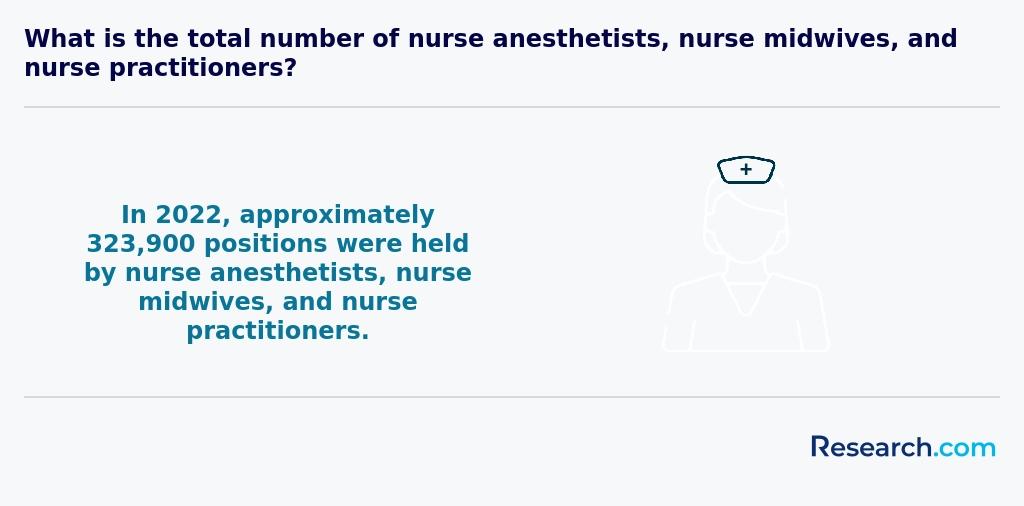
Accreditation is the cornerstone of any reputable online nursing program in Washington, DC, ensuring that graduates are eligible for licensure and federal financial aid. All major institutions in DC hold regional accreditation from the Middle States Commission on Higher Education and nursing-specific approval from either the Commission on Collegiate Nursing Education (CCNE) or the Accreditation Commission for Education in Nursing (ACEN). For example, Georgetown University’s online BSN and MSN programs are CCNE-accredited, while the University of the District of Columbia maintains ACEN accreditation for its ADN and BSN tracks. These endorsements guarantee adherence to rigorous academic standards and prepare students for the NCLEX-RN exam. NCLEX pass rates directly reflect a program’s effectiveness in readying students for professional practice. Recent data show: • Georgetown University: 95% first-time NCLEX-RN pass rate • George Washington University: 93% • Howard University: 90% • Catholic University of America: 92% • University of the District of Columbia: 88% Prospective students should verify each program’s annual NCLEX statistics-usually published on the institution’s website or through state nursing boards-to gauge preparedness outcomes. Moreover, successful completion of an accredited program is a prerequisite for advanced credentials; those aiming to progress to graduate study may explore our best online msn degree programs to continue their educational journey with confidence.
Financial aid for online nursing degrees in Washington often feels like a lifeline for many students navigating hefty tuition fees, which can surpass $10,000 annually. Graduates from institutions like the University of Washington or Seattle University frequently recount how FAFSA unlocked Pell Grants and Stafford Loans that eased their financial burdens, allowing them to focus on studies without drowning in debt.
The Washington Student Achievement Council's targeted grants add a uniquely local support layer, rewarding commitment to the state's healthcare needs. Imagine a licensed practical nurse student at Central Washington University discovering a scholarship from the Nursing Care Quality Assurance Commission-funding that feels like an investment not just in their education but in their future community service.
Moreover, institutional scholarships from these schools consider personal stories, academic merit, and even representation diversity, making aid more than a numbers game. Employers in Washington's booming healthcare market also step up, with tuition assistance programs designed to cultivate a skilled workforce. The practical impact is clear: nursing students feel empowered to pursue careers knowing they have allies beyond campus walls, including professional organizations like the Washington State Nurses Association that offer additional scholarships tied to community engagement.
Choosing a CCNE- or ACEN-accredited online nursing program in Washington, DC is essential not only for academic rigor but also for eligibility to sit for the NCLEX-RN and obtain state licensure. Accredited programs meet stringent standards in curriculum design, faculty qualifications, clinical partnerships, and student outcomes, ensuring you receive a recognized education that employers trust. In Washington, DC, the DC Board of Nursing requires graduation from an accredited program as a prerequisite for RN licensure-without this, even a stellar GPA won’t translate into a nursing license. When evaluating schools, verify accreditation status on the U.S. Department of Education’s database and the Commission on Collegiate Nursing Education (CCNE) or Accreditation Commission for Education in Nursing (ACEN) websites. Accreditation also impacts your ability to transfer credits between institutions, qualify for federal financial aid, and pursue advanced practice or graduate study. Prospective students should confirm that clinical rotations are pre-approved by the DC Board of Nursing to avoid last-minute scheduling complications. For those considering alternative entry points or stepping-stone credentials, exploring the best LPN online programs can provide a swift pathway into patient care while you complete an RN bridge-our guide to best lpn online programs outlines top-ranked options with proper accreditation and state approvals. Prioritizing accredited education safeguards your investment, accelerates your route to licensure, and positions you for success in Washington, DC’s competitive healthcare market.
Enrolling in an online nursing degree in Washington demands more than just enthusiasm; it requires a clear roadmap of essential prerequisites that shape a student's readiness. A high school diploma or GED is just the beginning-graduates from the University of Washington's nursing program often recall the challenge of maintaining a 2.5 GPA minimum, a concrete benchmark ensuring academic seriousness. For BSN hopefuls, prior coursework in anatomy, physiology, microbiology, and chemistry is more than a box to tick-it's the foundation that makes complex nursing concepts manageable in the virtual classroom.
Many students remember the intensity of the TEAS exam, a vital step at institutions like Washington State University, measuring critical skills in reading, math, and science that predict success in demanding nursing curricula. Beyond academics, the reality of healthcare environments hits home with necessary background checks, immunizations, and Basic Life Support certification. These requirements prepare students for real-world clinical encounters even in an online learning format, blending theory with lifesaving practice.
For experienced registered nurses advancing their careers through RN-to-BSN programs, holding a current Washington state nursing license, an associate degree, and relevant work experience brings confidence and mettle to the journey ahead. These prerequisites aren't hurdles but milestones, echoing the vibrant journeys of nursing graduates who see them as stepping stones to meaningful impact in healthcare.

Ensuring that your chosen online nursing program in Washington, DC is fully accredited and approved by the DC Board of Nursing is the first step toward a seamless path to licensure. Accreditation from the Commission on Collegiate Nursing Education (CCNE) or the Accreditation Commission for Education in Nursing (ACEN) guarantees that the curriculum meets rigorous national standards, qualifies you to sit for the NCLEX-RN exam, and is recognized by employers across the country. Prospective students should verify each program’s most recent NCLEX-RN first-time pass rates-programs with pass rates above 85% typically indicate strong faculty support, comprehensive clinical preparation, and effective review resources. In addition to national accreditation, DC programs must hold state approval, which ensures compliance with local clinical requirements and regulatory guidelines. Look for transparent reporting of clinical hour expectations, partnerships with area hospitals and health systems, and dedicated licensure exam coaching. Many programs also offer virtual NCLEX prep workshops, question banks, and one-on-one mentoring to boost confidence and performance on exam day. While cost and convenience are important, prioritizing accredited, licensure-ready programs will maximize your return on investment and career flexibility. For students weighing affordability alongside quality, consider exploring our Cheapest Online Nursing Degree Programs Ranking in the Midwest to compare tuition rates without compromising on accreditation or NCLEX success.
Online nursing degrees in Washington commonly include courses that go beyond rote memorization, inviting students to engage deeply with the complexities of healthcare. Graduates from top programs at places like the University of Washington or Seattle Pacific University often reflect on how foundational subjects-human anatomy, physiology, and pathophysiology-felt like unlocking the intricate machinery of the human body, which reshaped their understanding of patient care.
Pharmacology courses challenge students to rethink medication administration as an art requiring precision and empathy, crucial in Washington's diverse medical environments. Nursing theory and ethics classes prompt learners to question their assumptions about patient interaction and professional responsibility, fostering growth in emotional intelligence as much as knowledge.
Many graduates describe health assessment and mental health nursing classes as transformative, preparing them to recognize subtleties in patient behavior and symptoms in ways that textbooks alone cannot teach. Washington's emphasis on clinical practice, requiring hands-on experience at local facilities, makes these lessons tangible, blending theory with real-world impact.
Finally, the inclusion of healthcare policy and management in the curriculum encourages students to see their role within Washington's complex system-not just as caregivers but as informed advocates navigating legal and social challenges.
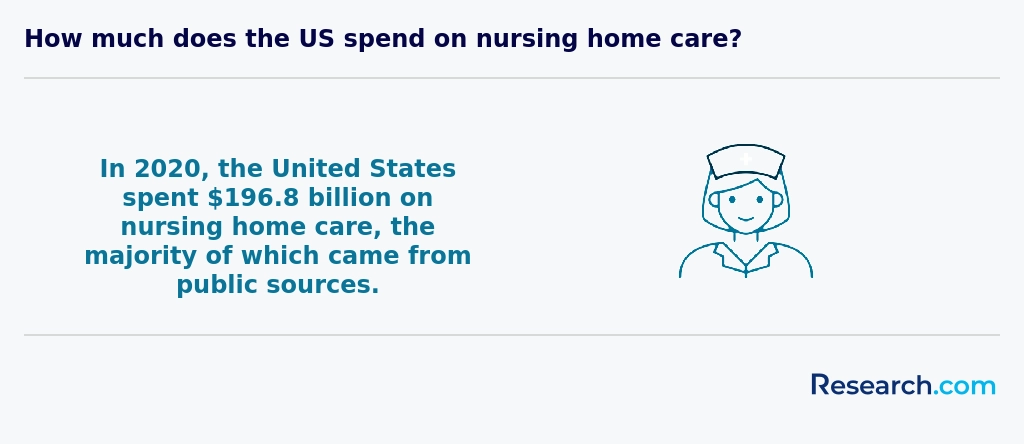
Nursing students in Washington discovering their career path online often find that the traditional idea of a one-size-fits-all nursing degree is outdated. Instead, programs frequently offer specializations like Family Nurse Practitioner (FNP), where graduates share how rewarding it is to serve diverse communities across the lifespan, honing skills that Washington's healthcare system urgently needs. Those pursuing psychiatric-mental health nursing reflect on the profound impact of addressing mental wellness, a growing priority in the region.
At institutions such as the University of Washington, graduates specializing in gerontology speak about fulfilling work with the aging population, embodying compassion in chronic and end-of-life care. Others focused on acute care describe their preparation to meet complex hospital demands, vital in critical situations. Pediatric nursing students emphasize their passion for child health and development, motivated by real-world pediatric challenges.
The availability of these focused tracks online challenges anyone weighing options, especially when considering the cost of nursing education. With Washington's nursing landscape evolving, exploring the best nursing specialties online Washington DC reveals how deliberate choices can shape a deeply satisfying nursing career.
Choosing the best online nursing degree in Washington isn't just about picking the cheapest program. Graduates from well-known colleges in the state often reflect on how accreditation by bodies like ACEN or CCNE shaped their confidence in the quality of education they received. Imagine balancing shifts at a hospital while attending asynchronous classes offered by these programs; it's this flexibility that adds true value for many working students. Those who prioritized programs with clinical placements in Washington found themselves better prepared for local healthcare demands, boosting their employability and success on the NCLEX-RN licensing exam.
Cost remains a real concern, especially for students seeking the best affordable online nursing programs Washington DC offers, as tuition can drastically differ between public and private institutions. Plus, programs inviting students to explore ekg technician training programs alongside nursing studies often enhance their practical skill set, making the degree even more marketable in a competitive field.
Ultimately, deeply investigating curriculum relevance to Washington's healthcare environment, graduation rates, and student support services can transform your nursing education experience from a mere credential into a fulfilling career launchpad.
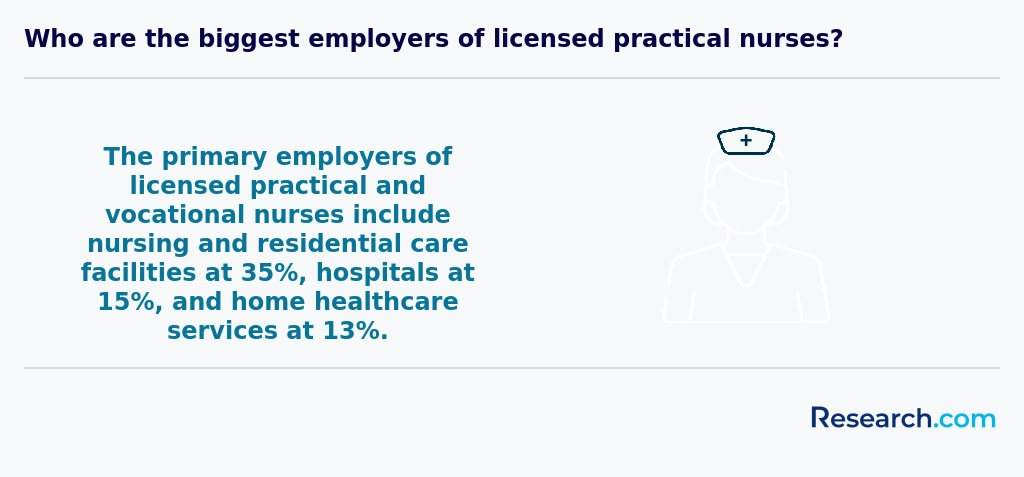
Graduates of an online nursing degree in Washington find diverse paths waiting beyond graduation, often challenging the notion that nursing is limited to direct patient care. Many who study nursing at well-known institutions like the University of Washington or Seattle University discover rewarding roles in emergency rooms, pediatrics, or mental health, where their work directly impacts vulnerable populations and evokes a deep sense of fulfillment. Some move into specialized fields such as oncology or geriatrics, bringing advanced expertise and compassion to complex scenarios common in Washington's healthcare settings.
Others leverage their degrees pursuing leadership or educational roles, shaping healthcare policies or training future nurses. The vibrant healthcare landscape of Washington DC nursing career opportunities includes advanced practice roles too. Nurses who seek to expand their scope often become certified registered nurse practitioners, a step many graduates take to increase their responsibility and salary. These career trajectories reflect a powerful blend of personal passion and professional growth, particularly resonant with students balancing work and study through online programs.

The job market for graduates with an online nursing degree in Washington remains robust, fueled by an aging population and expanding healthcare services. Registered nurses completing online programs at well-known institutions in Seattle or Tacoma often find themselves quickly absorbed into diverse roles, from hospital wards to community health clinics. Many graduates reflect positively on their ability to balance studies with work and family life, which makes online degrees particularly appealing in this state.
Despite Washington's high standards, including passing the NCLEX-RN and securing state licensure, many find this a worthwhile challenge given the state's competitive wages. Those entering the workforce are met with opportunities in metropolitan hubs and underserved rural areas alike, reflecting the broad demand for nurses. For students curious about specialties, programs here often encourage exploring options beyond registered nursing to roles such as LicensedPractical Nurses (LPNs).
Considering online nursing jobs in Washington DC is strategic; the state's strong emphasis on flexible nursing education pathways aligns with students' aspirations for both career growth and personal fulfillment. Graduates often emphasize that the certified, accredited online programs serve as solid foundations for meaningful, well-compensated work that truly impacts communities.
2027 Easiest Online Nursing Degree Programs Ranking in Washington, DC
Investing in your education is a significant decision that can shape your future, and the Research.com team understands the importance of making informed choices. To assist prospective nursing students in Washington, DC, we have carefully developed the "2027 Easiest Online Nursing Degree Programs Ranking in Washington, DC." Our dedication to quality, credibility, and accuracy is reflected in the thorough research and analysis carried out to create this ranking.
We utilized the following reputable data sources to ensure a comprehensive evaluation of nursing programs:
By exploring this ranking, readers will gain valuable insights into the most accessible online nursing degree programs in Washington, DC, enabling them to make well-informed decisions about their educational journeys. For more details on our methodology, please visit our Research.com methodology page.

Frequently Asked Questions About nursing
Online nursing students in Washington can enhance their learning by actively engaging with course materials and instructors through virtual discussion boards and scheduled video sessions. According to the Washington Center for Nursing, the demand for registered nurses is expected to grow by 15% through 2030, highlighting the importance of solid clinical skills alongside theoretical knowledge.
Students should also seek local clinical placements, as Washington state requires hands-on experience for nursing certification. Utilizing state resources like the Nursing Care Quality Assurance Commission helps students stay informed about regulatory updates.
Balancing studies with time management tools and joining online nursing communities can further improve understanding and professional networking.
Emerging niches in the nursing field reflect evolving healthcare needs and technological advances. One promising area is geriatric nursing, with Washington's aging population increasing demand for specialists skilled in elderly care, as noted by the Washington State Department of Health. Another growing specialty is telehealth nursing, which leverages digital communication to provide remote care, a trend accelerated by the COVID-19 pandemic.
Additionally, nurse informatics, focusing on integrating healthcare data with technology, is expanding rapidly due to the rise of electronic health records in Washington hospitals. Behavioral health nursing also sees growth, responding to rising mental health concerns in the state. These niches offer new career opportunities for online nursing degree graduates.
After completing an online nursing degree in Washington, preparing for the job market involves several key steps. First, graduates must obtain licensure through the Washington State Nursing Care Quality Assurance Commission by passing the NCLEX-RN exam. This is mandatory to practice as a registered nurse. Next, building a strong resume highlighting clinical experiences from your program and any externships is essential.
Networking with local hospitals and healthcare providers can help access job openings. According to the Washington State Employment Security Department, nursing jobs are projected to grow 19% by 2030, indicating strong demand. Continuing education and certifications in specialties like gerontology or pediatrics also increase employability.
Employers in Washington prioritize strong clinical skills in nursing graduates, emphasizing proficiency in patient care, medication administration, and critical thinking. According to the Washington Center for Nursing, effective communication stands out as a vital skill, enabling nurses to coordinate with healthcare teams and interact empathetically with patients.
Technological competency is also essential due to the increasing use of electronic health records and telehealth services in the state's healthcare system. Additionally, adaptability and problem-solving skills help nurses manage rapidly changing medical environments.
Understanding state-specific healthcare laws and ethics is important for compliance and patient safety. These skills collectively prepare graduates for success in Washington's competitive nursing job market.
Finding internships relevant to a nursing degree in Washington involves several strategic steps. Start by checking with your online program's career services, as many partner with local hospitals and clinics in Washington, DC. The District's Department of Health offers resources and listings for clinical placements crucial for nursing students. Additionally, explore large healthcare providers such as MedStar Health and George Washington University Hospital, which frequently offer internship opportunities for nursing students.
Networking through organizations like the Washington DC Nurses Association can also open doors. According to the Bureau of Labor Statistics, Washington has a growing demand for registered nurses, increasing internship availability. Registering early and maintaining strong academic performance is key to securing competitive placements.
Obtaining an online nursing degree in Washington greatly enhances career mobility and advancement opportunities. The state's healthcare sector is growing, with a 16% increase in registered nurse employment projected through 2030, according to the U.S. Bureau of Labor Statistics. Online programs provide flexibility, allowing working nurses to earn higher qualifications such as BSN or MSN without relocating. This flexibility supports career shifts into specialized roles or leadership positions, which often require advanced degrees or certifications.
Employers in Washington increasingly value graduates from accredited online nursing programs, recognizing their competency and readiness for evolving healthcare demands. Additionally, Washington's progressive nursing scope of practice supports advanced practice registered nurses (APRNs), creating growth avenues for degree holders.
Studying for a nursing degree in Washington equips students with skills essential for interdisciplinary healthcare roles. Washington's nursing programs often emphasize collaboration with professionals from fields such as medicine, social work, and pharmacy. This approach reflects the state's healthcare environment, which values coordinated care to improve patient outcomes.
The Washington Center for Nursing highlights that 70% of nurses in the state participate in interdisciplinary teams, emphasizing the demand for these competencies. Online programs include courses in communication, leadership, and ethical decision-making to build these skills.
Washington's nursing curricula align with national standards encouraging teamwork, preparing graduates for diverse care settings.
When choosing between a thesis and a non-thesis nursing degree program in Washington, consider your career goals and learning preferences. Thesis programs focus on original research, preparing students for roles in academia or advanced clinical research. Non-thesis tracks often emphasize practical skills and coursework, suitable for nurses aiming for leadership or advanced practice roles without a research focus.
In Washington, about 15% of nursing graduates pursue research-related careers, according to the Washington Center for Nursing. Online programs offer flexibility, but those selecting a thesis route should be prepared for a rigorous research commitment.
Accreditation by bodies like CCNE ensures program quality regardless of the path chosen.
Students in Washington interested in studying nursing abroad have several pathways, though direct online nursing degrees from foreign institutions can be limited by accreditation and licensing requirements in the U.S. Most nursing education pursued online by Washington residents is offered by U.S.-based, regionally accredited programs recognized by the Washington State Nursing Care Quality Assurance Commission.
For those seeking international experience, some U.S. nursing programs offer study abroad options, clinical placements, or partnerships with foreign universities. These opportunities allow students to gain global perspectives without compromising U.S. licensing eligibility.
The Washington Center for Nursing reports a growing demand for nurses, emphasizing the value of accredited, U.S.-recognized credentials in ensuring employability and licensure in Washington State.
For students pursuing online nursing degrees in Washington, part-time job opportunities can provide valuable experience and financial support. Roles such as Certified Nursing Assistant (CNA) or Patient Care Technician are common entry-level positions that complement nursing education by offering hands-on patient care experience.
Washington State's healthcare sector offers a strong demand for nursing aides, with the Employment Security Department projecting a 15% growth in healthcare support roles through 2028. Working in outpatient clinics or long-term care facilities can expose students to real-world nursing environments while managing flexible schedules.
Other opportunities include medical receptionist or medical transcriptionist roles, which enhance administrative skills important for nurses. Volunteering in community health programs related to the Washington State Department of Health can also provide networking and learning advantages.
Online nursing students in Washington have access to several networking opportunities that enhance their professional growth. Many accredited nursing programs encourage participation in virtual student organizations and forums, which connect learners with peers and faculty statewide. Additionally, students can join the Washington State Nurses Association (WSNA), which provides webinars, conferences, and mentorship tailored for nurses in the region.
Clinical placements and internships within Washington healthcare facilities also serve as key networking platforms. According to the Washington Center for Nursing, nearly 70% of new nursing hires find positions through professional connections made during clinical hours.
Furthermore, local health departments and hospitals often host online workshops and community events, fostering relationships between students and practicing nurses.
Alumni networks provide significant benefits to students pursuing online nursing degrees in Washington. These networks offer valuable professional connections, which can be especially helpful in the competitive healthcare job market. According to the Washington Center for Nursing, networking through alumni often leads to higher employment rates post-graduation.
Online nursing students can access mentorship opportunities, where experienced nurses guide them through career development and clinical challenges. Alumni groups also share local job openings and continuing education resources, crucial for maintaining nursing licenses in Washington.
Furthermore, these networks foster a sense of community despite physical distances, helping students engage with peers and healthcare leaders statewide. Such support enhances both academic success and professional growth.
Customizing an online nursing degree program in Washington is an effective way to align education with personal career objectives. Many Washington schools offer flexible curricula, allowing students to select specializations such as family nurse practitioner, gerontology, or psychiatric nursing. This flexibility helps meet the state's nursing demand, especially with Washington's registered nurse employment expected to grow by 22% through 2030, according to the Washington State Employment Security Department.
Additionally, students can choose clinical placements nearby or affiliated with local healthcare facilities, gaining hands-on experience aligned with their desired roles. Elective courses in leadership or informatics also help tailor the program. These options support diverse career paths in a state noted for high healthcare standards and innovation.
Online nursing students in Washington face several challenges unique to the state's educational and healthcare environment. One major issue is meeting clinical hour requirements, as Washington's nursing programs must comply with state Board of Nursing mandates. Finding local healthcare facilities for practicum hours can be difficult, especially in rural areas with fewer options. Additionally, technology barriers persist; reliable internet access varies across the state, impacting students' ability to attend virtual classes smoothly.
Another challenge is balancing work, study, and home responsibilities, common among Washington's nursing students, many of whom are working professionals. According to the Washington Center for Nursing, the state's growing demand for nurses increases pressure on students to complete degrees efficiently while gaining experience.
With an online nursing degree in Washington, you can pursue several professional certifications that enhance your career options. Common certifications include the Certified Nurse Practitioner (CNP), Registered Nurse (RN) license, and Licensed Practical Nurse (LPN) license, all regulated by the Washington State Department of Health. Additionally, specialty credentials like Certified Nurse Midwife (CNM) or Certified Registered Nurse Anesthetist (CRNA) are available for advanced practice nurses.
Washington boasts a robust healthcare sector, with over 19,000 registered nurses employed statewide according to the U.S. Bureau of Labor Statistics (2023). Online nursing degrees prepare students for the National Council Licensure Examination (NCLEX), essential for licensure.
Other certifications, such as Basic Life Support (BLS) and Advanced Cardiovascular Life Support (ACLS), are frequently sought by employers to demonstrate clinical readiness and patient care competence.
Writing a winning application for an online nursing program in Washington starts with understanding state-specific requirements. The Washington State Nursing Care Quality Assurance Commission requires applicants to hold a valid nursing license or meet eligibility for licensure. Emphasize your academic background and clinical experience clearly, as programs seek candidates with both strong theory and hands-on skills.
Highlight any certifications, such as CPR or specialty training, to demonstrate readiness. Include a well-crafted personal statement focusing on your commitment to serving Washington's diverse communities, supported by local healthcare needs data from the Washington State Department of Health.
Finally, ensure all transcripts and letters of recommendation are submitted on time. Many programs value applicants who can demonstrate strong communication and time management skills, crucial for online learning success.
Nursing is a highly respected profession worldwide, with increasing demand due to aging populations and global health challenges. In the United States, including Washington, nursing offers solid career stability and growth. According to the U.S. Bureau of Labor Statistics, registered nursing jobs are projected to grow by 9% from 2020 to 2030, faster than average for all occupations.
Globally, nurses play a critical role in healthcare systems, often seen as vital for improving patient outcomes and public health. For Washington-based students pursuing online nursing degrees, this means opportunities to impact both local communities and global health through various specialties and roles.
Washington state reported over 55,000 licensed registered nurses in 2022, emphasizing a strong local demand aligned with global trends. Nurses trained in Washington often benefit from rigorous education standards that prepare them to meet diverse healthcare needs worldwide.
Gaining practical experience while studying for an online nursing degree in Washington is essential for licensure and career readiness. Most accredited programs require clinical hours completed in person, arranged locally by the school. Students typically collaborate with healthcare facilities such as hospitals, clinics, or long-term care centers within Washington state to fulfill hands-on training requirements.
The Washington State Nursing Care Quality Assurance Commission mandates a minimum number of clinical hours for Registered Nurse licensure, often around 500 hours. These placements help students apply theory to real-world nursing tasks, under the supervision of licensed professionals.
Additionally, some programs partner with local health organizations to facilitate clinical placement, easing the process for online learners. Volunteering or working part-time in healthcare settings can also supplement practical skills.
Choosing the right concentration in an online nursing degree program in Washington involves evaluating your career goals and interests within nursing specialties. Popular concentrations include family nurse practitioner, psychiatric nursing, and adult-gerontology. Research Washington's healthcare needs; for example, the Washington State Department of Health reports a growing demand for primary care and mental health professionals. Consider licensure requirements, as different concentrations may lead to varied certifications recognized by the Washington Nursing Commission. Additionally, review the online program's curriculum and clinical placement options to ensure they align with Washington's healthcare settings. Connecting with local nursing associations can offer valuable insights into in-demand specialties.
- 2027 Easiest Online Nursing Degree Programs Ranking in Hampton, VA
- 2027 Easiest Online Nursing Degree Programs Ranking in Norfolk, VA
- 2027 Easiest Online Nursing Degree Programs Ranking in Morgantown, WV
- 2027 Easiest Online Nursing Degree Programs Ranking in Pittsburgh, PA
- 2027 Easiest Online Nursing Degree Programs Ranking in South Orange, NJ
- 2027 Easiest Online Nursing Degree Programs Ranking in Dobbs Ferry, NY
- 2027 Easiest Online Nursing Degree Programs Ranking in Greenville, NC
- 2027 Easiest Online Nursing Degree Programs Ranking in Radford, VA
- 2027 Easiest Online Nursing Degree Programs Ranking in Athens, OH
- 2027 Easiest Online Nursing Degree Programs Ranking in Rochester, NY
See What Experts Have To Say About Studying Nursing
Read our interview with Nursing experts

Lisa Grubb
Nursing Expert
Assistant Professor
Johns Hopkins School of Nursing

- Navigating Nursing School As A Non-Traditional Student https://blog.diversitynursing.com/blog/navigating-nursing-school-as-a-non-traditional-student
- Become an LPN or RN in Washington - Online Nursing Degrees https://www.onlinenursingdegrees.org/us/washington.htm
- Online Bachelor of Science in Nursing https://an.edu/programs/bachelors-degrees/online-bachelor-of-science-in-nursing/
- Best Online Nursing Programs in Washington https://www.onlineu.com/degrees/nursing/washington
- Nursing Career Pathways in Washington State https://caregivercareerswa.com/resources-caregivers/2025/nursing-career-pathways-washington-state
- Top Online Nursing Programs in Washington State https://www.freshrn.com/online-nursing-programs-washington-state/
- Bachelor of Science in Nursing (BSN) Degree Online Option https://www.chamberlain.edu/academics/nursing-school/bsn-online
- How Nursing Education Programs Prepare Students for Real ... https://executivenursefellows.org/how-nursing-education-programs-prepare-students-for-real-world-challenges.php
- Online Nursing Schools in Washington State: Find Top ... https://www.edumed.org/online-schools/nursing-rn-programs/washington-state/
- Earn While You Learn: Innovation During a Pandemic https://www.aha.org/case-studies/2022-01-18-earn-while-you-learn-innovation-during-pandemic


