
2027 Most Affordable Online Nursing Degree Programs Ranking in the Midwest

Co-Founder and Chief Data Scientist
Choosing the right nursing degree program is an important step toward a fulfilling career in healthcare. For students in the Midwest, finding affordable and quality online options can be challenging.
This article presents the 2027 Most Affordable Online Nursing Degree Programs Ranking in the Midwest, created by the Research.com team of data scientists. It provides clear, data-driven insights to help you make an informed decision.
Exploring these programs can open doors to meaningful work and personal growth, making your educational journey both rewarding and accessible.
Key benefits of getting online nursing degree in the Midwest
- Nursing graduates in the Midwest can expect competitive salaries, with Registered Nurses earning around $94,480 annually and Operating Room Nurses making up to $128,490 per year, reflecting strong financial rewards for dedicated professionals.
- A nursing degree opens doors to diverse careers such as Public Health Nurse or Emergency Room Nurse, providing exciting opportunities to impact patient care in various healthcare settings across the region.
- Online nursing degrees offer flexible schedules and reduce commuting time, making it easier for busy Midwest students to balance education with personal and work commitments while gaining the same valuable skills as traditional programs.
- 2027 Most Affordable Online Nursing Degree Programs Ranking in the Midwest
- What can I expect from online nursing degree in the Midwest?
- Where can I work with online nursing degree in the Midwest?
What can I expect from online nursing degree in the Midwest?
The average cost of an online nursing degree in the Midwest varies significantly, with many students benefiting from affordable tuition rates offered by public universities in states like Iowa and Indiana. Graduates from these programs often recount feeling relieved by manageable expenses, which allowed them to focus fully on their rigorous coursework without overwhelming financial stress. For example, students attending widely respected institutions such as the University of Iowa or Indiana State University typically encounter in-state tuition rates that make online nursing education accessible even for working professionals.
These costs can be notably lower than those in other regions, partly due to public colleges extending in-state tuition benefits to online learners. This affordability opens doors for many who balance family and work commitments, fostering a positive, determined mindset as they progress through their studies. Graduates highlight that lower costs combined with hands-on clinical experiences at local healthcare centers offered a practical and fulfilling pathway to licensure and employment within the Midwest's expanding nursing workforce.
Where can I work with online nursing degree in the Midwest?
Graduates with an online nursing degree from respected Midwestern institutions often find diverse employment opportunities throughout the region. For example, alumni from the University of Michigan and Ohio State University report securing roles in major urban hospitals in cities like Chicago and Cleveland, where Bachelor of Science in Nursing (BSN) credentials are highly valued for positions in critical care and surgical units. These environments provide fulfilling careers supporting patient recovery in fast-paced, transformative healthcare settings.
Beyond city hospitals, many graduates choose community health clinics or long-term care facilities in rural states such as Iowa and Missouri. Here, nurses bring vital care to underserved populations, enjoying the rewarding experience of meaningful community impact, often credited to the flexibility of online nursing education that allowed them to study without relocating.
Other career paths include public health nursing or administration within state health departments, where BSN-prepared nurses help design and implement wellness programs addressing chronic diseases. Graduates consistently highlight the pride and fulfillment derived from contributing to public health improvements across the Midwest.
Graduates with an online nursing degree in the Midwest commonly secure roles such as Registered Nurses, Clinical Nurse Educators, and Public Health Nurses, each earning an average annual wage of approximately $94,480. This salary level reflects both the regional demand and the specialized skills developed through programs offered by well-regarded institutions like the University of Illinois at Chicago and Ohio State University. Many graduates share how balancing work and study online enhanced their practical knowledge and helped boost their employability.
More specialized positions, such as Operating Room Nurses, command a significantly higher average salary of about $128,490 annually, underlining the financial benefits of pursuing advanced certifications or roles. Midwest nursing graduates often recount the positive impact of flexible online coursework combined with real-world clinical experience, which propels career advancement and salary growth.
This salary range, coupled with comprehensive benefits typical of healthcare employers, reassures students that investing in an online nursing degree in the Midwest leads not only to rewarding work but also to strong financial stability and career satisfaction.
- Online nursing degrees in the Midwest generally cost between $10,000 and $25,000, making them more affordable than many other U.S. regions.
- Financial aid and scholarships are commonly available from schools and state programs to help reduce costs for nursing students.
- The job market for registered nurses in the Midwest is growing at about 7% over the next decade due to population aging and expanded healthcare services.
- Starting salaries for entry-level nurses with online degrees average around $58,000 per year, with mid-career salaries rising to $70,000-$80,000 annually.
- Accreditation by bodies like CCNE or ACEN is crucial for nursing programs to ensure licensure and employment opportunities in the Midwest.
The typical completion time for an online nursing degree in the Midwest varies according to the program type and the student's prior qualifications. For those beginning with no prior nursing education, a Bachelor of Science in Nursing (BSN) generally requires about 4 years of study, mirroring traditional on-campus formats but offering the flexibility essential for working adults.
Graduates from renowned Midwestern institutions like the University of Illinois at Chicago and Ohio State University often share that the RN-to-BSN bridge programs provide a quicker pathway, typically completed within 12 to 24 months. These programs are designed to accommodate licensed nurses returning to advance their credentials without sacrificing employment commitments.
For Master of Science in Nursing (MSN) degrees, the timeframe ranges from 18 months for full-time students to up to 4 years for part-time learners. Many students appreciate the competency-based options and flexible scheduling these universities offer, enabling them to progress according to their personal and professional pace while fulfilling clinical requirements locally.
Achieving a high NCLEX pass rate is a key indicator of an online nursing program’s quality and its commitment to student success. Midwest institutions often report first-time NCLEX pass rates exceeding 90%, reflecting rigorous curricula and targeted exam preparation. To bolster certification outcomes, many programs offer:
- Comprehensive Review Modules: Interactive question banks, video tutorials, and timed practice exams help students become familiar with NCLEX-style questions and reinforce core nursing concepts.
- Simulation Labs and Virtual Clinicals: Realistic patient scenarios in online simulation platforms allow learners to apply critical thinking under exam-like conditions, improving both clinical judgment and test-taking confidence.
- Dedicated Exam Coaching: Personalized study plans, group workshops, and one-on-one mentoring ensure that students address individual weaknesses and maintain steady progress toward licensure.
- Continuous Feedback Loops: Regular instructor evaluations and peer-review sessions create a supportive environment where constructive feedback drives improvement prior to the NCLEX. Beyond licensure, many graduates choose to advance into specialized roles. For those aiming to elevate their practice, consider advanced tracks such as nurse practitioner roles through our best affordable np programs online, which combine clinical expertise with independent decision-making authority. Ensuring strong NCLEX performance and robust certification support not only secures your license to practice but also lays the foundation for a resilient and fulfilling nursing career.
Online nursing degrees in the Midwest provide remarkable flexibility, allowing students to balance work, family, and studies through asynchronous lectures and virtual discussions. Graduates from well-known institutions like the University of Illinois or Ohio State University often recount how this format enabled them to complete coursework during nontraditional hours without sacrificing their jobs or caregiving duties. Yet, clinical hours still require in-person attendance, typically arranged at nearby hospitals or clinics, ensuring hands-on experience meets state standards.
By contrast, on-campus nursing students at universities such as the University of Michigan benefit from direct interaction with faculty and peers, which fosters immediate support and collaborative learning in labs and study groups. Many appreciate the campus's fully equipped facilities and the ease of organized clinical placements through established community healthcare partnerships.
Both options lead to the same licensure paths, but the online route often reduces commuting and housing expenses, while on-campus programs maximize networking and in-person mentorship, critical for some learners navigating their nursing careers in the Midwest.
Choosing an accredited program and understanding licensure rules ensures your degree is recognized and you’re eligible for the NCLEX-RN exam.
- Programmatic accreditation from CCNE or ACEN confirms rigorous nursing standards.
- Regional accreditation (HLC, NCA, etc.) secures transferability and employer acceptance.
- Approval by your State Board of Nursing is mandatory for NCLEX-RN eligibility.
- Verify clinical site agreements or consider an rn to bsn online with no clinicals pathway if on-site hours present scheduling challenges.
Always review state-specific requirements early to avoid delays and guarantee a smooth path to licensure.
The average cost of an online nursing degree in the Midwest reflects a balanced approach between affordability and quality education. Median tuition figures indicate that students typically pay around $32,280 for their total program cost. For those qualifying as in-state students at popular institutions such as the University of Michigan or Ohio State University, expenses tend to be lower, closer to $28,825. Conversely, out-of-state learners may face costs averaging $34,400. This range makes the Midwest an appealing region for nursing candidates seeking affordable nursing programs Midwest tuition fees without compromising on academic rigor.
Graduates from these programs often praise the accessibility and cost-efficiency that Midwestern colleges provide, noting how in-state tuition rates significantly ease financial burdens. Many express satisfaction with the online format, which allows them to balance work, family, and study commitments effectively. Nursing students appreciate the availability of comprehensive support and flexible scheduling, which contribute positively to their overall educational experience.
For students exploring advanced opportunities, graduate nursing degrees such as online MSN programs carry higher tuition but remain competitively priced compared to other regions. Those interested in accelerated pathways often explore direct entry MSN programs for non nurses online available at several Midwestern universities, combining speed and affordability. This financial accessibility paired with reputable programs encourages many to pursue their nursing education in this region.

Enrolling in an accredited nursing program guarantees quality education and eligibility for licensure.
- CCNE or ACEN accreditation validates curriculum standards and academic rigor
- State board approval is required for clinical hours and NCLEX-RN eligibility
- Nurse Licensure Compact participation broadens practice rights across member states
For advanced practice roles, ensure any online dnp program also holds CCNE accreditation to qualify for certification exams.
Online nursing students in the Midwest commonly access a range of financial aid options that significantly ease the burden of education costs. Federal student aid, accessed through the FAFSA, plays a central role, offering Pell Grants that do not require repayment, alongside federal loans such as Direct Subsidized and Unsubsidized Loans. Graduates from universities like the University of Illinois and Ohio State University have praised how these funds provided essential support during their studies, allowing them to focus on learning rather than finances.
State-specific scholarships also make a tangible difference. For instance, nursing students at Indiana University benefit from the Workforce Ready Grant, while those attending nursing programs at Cleveland State University can apply for the Choose Ohio First Scholarship. These programs often give students hope and motivation, helping them overcome financial worries.
Regional hospital partnerships offer additional tuition reimbursements, especially valued by working nurses advancing their education. Many graduates report these collaborations as crucial to their career progression. Furthermore, organizations like the Midwest Nursing Research Society provide scholarships that lighten financial pressures, making the pathway to qualification more achievable.
Finally, individual online nursing schools frequently provide exclusive institutional scholarships, encouraging prospective students to actively explore their financial aid offices for personalized assistance.
Accreditation is the cornerstone of a reputable online nursing program in the Midwest, ensuring curriculum quality and eligibility for federal financial aid. Most top-tier institutions hold accreditation from the Commission on Collegiate Nursing Education (CCNE) or the Accreditation Commission for Education in Nursing (ACEN). State board approval further validates that a program meets the standards required for graduates to sit for the NCLEX-RN licensure exam. Prospective students should verify both institutional and programmatic accreditation through the U.S. Department of Education’s Database of Accredited Postsecondary Institutions and Programs. NCLEX-RN pass rates offer a concrete metric of program effectiveness. In the Midwest, accredited online BSN programs typically report first-time pass rates between 85% and 95%, comparable to their on-campus counterparts. High pass rates indicate strong academic support, rigorous exam preparation courses, and consistent feedback from faculty. When researching programs, look for published annual NCLEX pass rate data on school websites or in their Consumer Information disclosures. Beyond accreditation and pass rates, some students explore accelerated pathways such as direct entry MSN programs for non nurses online, which combine foundational nursing courses with master’s-level training. Whether you choose an ADN, BSN, or MSN track, confirm that your chosen program’s accreditation matches licensure requirements in your intended state of practice. Solid accreditation and strong NCLEX outcomes not only bolster your confidence but also enhance employability across diverse healthcare settings in the Midwest.
To enroll in an online nursing degree program in the Midwest, students must first hold a high school diploma or its equivalent, such as a GED, which is a universal requirement across respected institutions like those at the University of Illinois or Ohio State University. Many successful graduates recall how their completion of foundational science and math courses prepared them to meet rigorous academic standards.
Applicants typically submit official transcripts verifying a minimum GPA around 2.5 to 3.0, assuring programs of their readiness for demanding nursing curricula. Prerequisite courses-including human anatomy and physiology, microbiology, chemistry, nutrition, and statistics or college-level math-are commonly required and often transferable from community colleges, a fact appreciated by students who balanced family and work commitments.
Entrance exams such as the TEAS are also frequently mandated, testing essential academic skills to help students self-assess readiness. Additional prerequisites may involve proof of vaccinations, background checks, and CPR certification, all designed to guarantee safety and professionalism before clinical training begins. Graduates reflect positively on how these structured requirements supported their confidence and success throughout their studies.
One of the most reliable measures of program quality is the NCLEX-RN pass rate, which directly reflects how effectively an online nursing curriculum prepares students for professional practice. Across the Midwest’s most affordable online nursing programs, first-attempt NCLEX pass rates consistently range from 85% to 98%, outperforming the national average of approximately 88%. These metrics underscore the importance of robust academic support, comprehensive simulation labs, and dedicated faculty mentorship in driving licensure success. For example, graduates from the University of Wisconsin–Madison online BSN program report a 95% first-time NCLEX pass rate, while Indiana University’s online track boasts a 92% pass rate. Even smaller institutions, like certain community college–affiliated RN-to-BSN pathways, achieve pass rates near 90% by leveraging targeted review sessions and personalized exam coaching. This data demonstrates that affordability need not compromise educational outcomes when programs prioritize structured feedback and hands-on practice. Beyond licensure, graduate outcomes extend to program completion and employment rates. On average, 88% of students in these online programs complete their degrees within four years, with 84% securing nursing positions within six months of graduation. Employers across hospitals, outpatient clinics, and long-term care facilities recognize the rigorous training these programs provide, often extending job offers contingent on anticipated graduation and successful NCLEX results. Prospective MSN candidates seeking both cost-effectiveness and strong licensure performance can explore our Affordable Online Master's in Nursing Degree Programs Ranking in Kansas, where featured programs report NCLEX pass rates above 90% and robust post-graduate employment support. By examining these outcome metrics, students can confidently choose an online nursing pathway that balances affordability with proven success.
Online nursing degree programs in the Midwest include a blend of essential courses that build a strong foundation in healthcare. Graduates from well-regarded institutions in the region often recall courses such as anatomy and physiology, which enabled them to understand the intricacies of the human body before applying that knowledge in clinical settings. Subjects like microbiology and pathophysiology provide vital insights into disease mechanisms, helping students make informed decisions when caring for patients.
Core nursing classes are equally emphasized. Students describe how courses like Pharmacology prepared them to administer medications safely, while Fundamentals of Nursing instilled confidence through practical skills training. The inclusion of Health Assessment classes taught them to conduct thorough physical exams, a skill they found essential during local clinical placements.
Mental Health Nursing and Medical-Surgical Nursing courses were often highlighted by graduates as transformational, broadening their ability to care for diverse patient populations encountered in Midwest healthcare facilities. Additionally, leadership and research courses fostered a growth mindset, empowering many to pursue advanced roles within their communities.
Online nursing degree specializations Midwest institutions offer include Family Nurse Practitioner (FNP), Psychiatric-Mental Health Nursing, Gerontological Nursing, Emergency Nursing, and Public Health Nursing. Graduates from well-known Midwest universities describe how the FNP specialization allowed them to confidently provide primary care to diverse families, while those focusing on Psychiatric-Mental Health Nursing found strong community needs, especially in rural areas. These programs provide flexible, accessible pathways for students balancing work and life.
Students pursuing Midwest affordable nursing specialization options often appreciate the real-world relevance of their training. For example, Gerontological Nursing is crucial for addressing the growing elderly population in states like Iowa and Nebraska. Meanwhile, Public Health Nursing graduates value their preparedness to tackle rural health disparities, an issue prominent throughout the Midwest. Combining online coursework with local clinical placements enhances practical experience, as many report.
Those considering advanced roles can explore certifications endorsed by bodies such as the American Nurses Credentialing Center. For comprehensive options and cost-effective solutions, prospective students are encouraged to review the best affordable np programs online available in the region.
Choosing the best online nursing degree in the Midwest depends heavily on accreditation, curriculum, and clinical opportunities. Graduates from popular universities in the region often emphasize the reassurance that comes from enrolling in programs accredited by bodies like CCNE or ACEN, ensuring their education meets rigorous standards. These credentials are vital for licensure and professional credibility.
Many students appreciate programs that offer flexible formats, blending asynchronous coursework with weekend clinicals partnered with local healthcare facilities, allowing working professionals to advance without disrupting their schedules. Those pursuing advanced roles benefit from specialized degrees available in the Midwest, such as MSN or DNP programs with tracks in family nurse practitioner or nurse educator fields, aligning with state demands in Illinois and Michigan.
Cost efficiency is frequently cited by alumni, especially when exploring affordable online nursing degrees Midwest. Graduates recommend comparing total expenses beyond tuition, including clinical fees and materials. For those seeking financial aid or tuition reimbursement, consulting detailed rankings can be helpful; an excellent resource is the Affordable Online Master's in Nursing Degree Programs Ranking in Kansas, which highlights budget-conscious options without sacrificing quality.
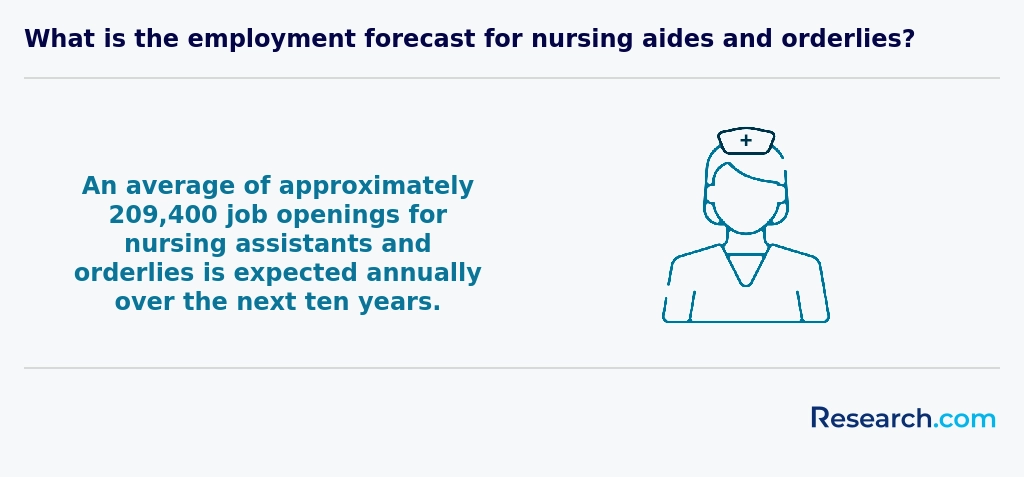
Graduates of online nursing degrees in the Midwest find a broad spectrum of career paths tailored to regional healthcare needs and professional aspirations. Many pursue positions as registered nurses (RNs), delivering essential care across hospitals and community settings, benefiting from robust job growth projected in the region. Others choose to specialize, obtaining roles such as Licensed Practical Nurse (LPN) or Nurse Practitioner (NP), with the latter demanding advanced degrees and offering significant autonomy and higher compensation. Clinical Nurse Specialists and Nurse Educators contribute their expertise in specialized care and training future professionals at respected institutions like the University of Illinois or Ohio State University. Midwest nursing degree job prospects also extend into healthcare administration, where graduates leverage clinical knowledge in leadership roles within diverse healthcare systems, from urban medical centers to rural clinics. The success stories of graduates navigating online nursing career opportunities in the Midwest emphasize flexibility and upward mobility, often balancing work with study. Students aiming to align their education with promising career outcomes will find valuable guidance in exploring college degrees that are worth it.
The Midwest online nursing job outlook remains robust, driven by steady demand for qualified nurses in states like Illinois, Ohio, and Minnesota. Graduates from popular regional institutions report positive experiences transitioning into roles across hospitals and outpatient clinics where competitive wages ranging from $75,000 to $85,000 annually support a fulfilling career. Nurses with online degrees, such as those earned through RN-to-BSN programs, benefit from flexible study options while meeting licensure requirements recognized by many employers throughout the region.
Those pursuing nursing career opportunities in the Midwest often mention the value of programs offered by universities well-known for their strong industry connections, enabling smooth job placement upon graduation. The importance of earning a BSN is widely acknowledged in career advancement, and graduates have expressed satisfaction with the balance between affordability and quality education. For professionals seeking to enhance their credentials, exploring high paying certification paths alongside their degrees can be a strategic step forward in this evolving job market.
2027 Most Affordable Online Nursing Degree Programs Ranking in the Midwest
Investing in your education is a significant decision that can shape your future, and the Research.com team understands the importance of making informed choices. To assist prospective nursing students in the Midwest, we have meticulously developed the "2027 Most Affordable Online Nursing Degree Programs Ranking in the Midwest." Our dedication to quality, credibility, and accuracy is demonstrated through rigorous research and analysis performed to create this ranking.
We utilized the following reputable data sources to ensure a comprehensive evaluation of the nursing degree programs:
By exploring this ranking, readers will gain valuable insights into the most affordable and credible online nursing programs in the Midwest, empowering them to make well-informed decisions about their educational investments. For more information on how this ranking was created, please visit our Research.com methodology page.


# 4 position
Bethel University, Minnesota
Nursing RN to BS


Frequently Asked Questions About nursing
Online nursing degree students in the Midwest can maximize their learning experience by actively engaging in virtual simulations and clinical practice opportunities. Many accredited programs require hands-on training in local healthcare facilities, ensuring real-world experience despite remote coursework. Utilizing resources such as online discussion boards and study groups helps build community and enhances understanding. According to the Midwest Nursing Research Society, collaborative learning improves retention by up to 25% in nursing education.
Students should also take advantage of state nursing board guidelines to ensure their program meets licensure requirements. Time management and consistent communication with instructors are essential for success in asynchronous environments.
The nursing field in the Midwest is expanding into several emerging niches driven by evolving healthcare needs. One key area is gerontological nursing, which focuses on care for the growing elderly population in states like Ohio and Michigan. According to the Midwest Nursing Workforce Center, demand for specialists in gerontology is expected to rise by over 20% through 2030.
Another niche gaining traction is telehealth nursing, especially after COVID-19 accelerated remote care adoption. Nurses skilled in telehealth technology provide vital services across rural Midwestern communities with limited access to traditional healthcare facilities.
Additionally, psychiatric-mental health nursing is becoming increasingly important due to rising mental health issues in the region. The American Nurses Association highlights a shortage of qualified mental health nurses, creating opportunities for those pursuing online nursing degrees with this specialty.
Preparing for the job market after earning an online nursing degree in the Midwest involves several key steps. First, obtaining licensure is essential; graduates must pass the NCLEX-RN exam to practice as registered nurses, with pass rates in Midwestern states often exceeding the national average according to the National Council of State Boards of Nursing.
Networking within local healthcare systems is also beneficial. Many Midwestern hospitals and clinics offer residency or mentorship programs to support new nurses. Leveraging these opportunities can improve employment prospects in a competitive regional market where demand for nurses remains high, partly due to an aging population highlighted by the U.S. Bureau of Labor Statistics.
Additionally, continuing education, such as specialty certifications, can enhance qualifications. Online graduates should use regional job boards, attend Midwestern nursing association events, and engage with alumni networks to stay informed about job openings and industry trends.
Employers in the Midwest highly value both technical and soft skills in nursing graduates. Clinical proficiency remains essential, with a strong emphasis on patient care, medication administration, and familiarity with electronic health records. According to the American Association of Colleges of Nursing, 75% of healthcare employers in Midwest states prioritize graduates who demonstrate these competencies.
Critical thinking and effective communication are also crucial. Nurses frequently collaborate with diverse healthcare teams and interact with patients from various backgrounds. The ability to quickly assess situations and make informed decisions is vital in fast-paced clinical environments found throughout the region.
Additionally, cultural competence and adaptability are becoming increasingly important due to the Midwest's growing and diverse populations, as reflected in recent reports by the Midwest Nursing Workforce Center.
Finding internships relevant to a nursing degree in the Midwest begins with leveraging partnerships between online nursing programs and local healthcare facilities. Many universities in states like Illinois, Ohio, and Michigan maintain agreements with hospitals and clinics to provide clinical placements for students.
Students should consult their school's career services or nursing department early to access internship listings. Additionally, organizations such as the Midwest Organization of Nurse Leaders offer resources and networking opportunities specific to this region.
The U.S. Bureau of Labor Statistics notes that the Midwest has growing healthcare demands, increasing available internships in urban centers like Chicago and Columbus. Utilizing platforms like Handshake or regional nursing associations can further enhance your search.
Online nursing degrees significantly enhance career mobility and advancement opportunities for professionals in the Midwest. Many hospitals and healthcare facilities in states like Illinois, Michigan, and Ohio prefer candidates with a Bachelor of Science in Nursing (BSN) or higher, which is readily attainable through accredited online programs. According to the American Association of Colleges of Nursing (2023), nearly 70% of Midwest healthcare employers require a BSN for leadership roles. Online degrees also allow working nurses to continue employment while upgrading their credentials, supporting promotions to management or specialized clinical positions. This flexibility responds to workforce shortages and evolving healthcare demands in the region.
Employers increasingly recognize the rigor of online nursing curricula accredited by bodies such as the Commission on Collegiate Nursing Education (CCNE). This acceptance aids graduates in securing advanced roles, including nurse practitioner or nurse educator. In addition, registered nurses pursuing online Master of Science in Nursing (MSN) programs benefit from higher salary averages. For example, the Bureau of Labor Statistics (2023) reports that nurse practitioners in the Midwest earn approximately 15-20% more than registered nurses. Such data underscores how online nursing degrees serve as vital tools for career growth in the Midwest's competitive healthcare market.
Studying for a nursing degree in the Midwest often emphasizes interdisciplinary collaboration, which prepares students to work effectively across various healthcare fields. Programs frequently incorporate courses in healthcare management, social work, and public health, fostering a comprehensive understanding of patient care.
Midwestern nursing degrees align with national standards set by organizations like the American Association of Colleges of Nursing (AACN), promoting teamwork skills essential for modern healthcare environments. According to the Health Resources & Services Administration (HRSA), many Midwestern states report growing demand for nurses skilled in interdisciplinary roles, especially in rural and underserved areas.
Online programs also use virtual simulations and interprofessional projects to build communication and leadership abilities, crucial for coordinating care among diverse healthcare professionals.
When choosing between a thesis and a non-thesis nursing degree program in the Midwest, consider your career goals carefully. A thesis program typically requires original research and suits students aiming for advanced clinical roles or doctoral studies. Non-thesis programs focus more on practical skills and coursework, ideal for nurses seeking to advance their practice or leadership without extensive research.
In the Midwest, many accredited online nursing programs offer both options. According to the American Association of Colleges of Nursing, about 40% of Midwest nursing master's graduates chose non-thesis tracks in 2022, reflecting workforce demands for skilled practitioners.
Evaluate faculty expertise, time commitment, and graduation requirements when making your decision. Online formats may differ in research support, so verify resources offered by each program.
Students in the Midwest interested in studying nursing abroad have limited direct options through online degree programs due to accreditation and licensing standards. Most U.S. nursing programs, especially online ones, emphasize clinical practice within U.S. healthcare settings to meet state Board of Nursing requirements. However, some Midwestern universities with online nursing degrees offer study abroad or international clinical experience opportunities as part of their curricula, primarily through partnerships or exchange programs.
According to the American Association of Colleges of Nursing, international clinical experiences remain rare in online nursing programs due to regulatory challenges. Students seeking global nursing education often must enroll in campus-based programs with established international collaborations.
For Midwestern students, focusing on online nursing degrees from accredited local universities ensures eligibility for U.S. licensure, which is essential for professional practice nationwide.
Students pursuing online nursing degrees in the Midwest can benefit greatly from part-time jobs that offer relevant experience. Positions such as Certified Nursing Assistant (CNA), medical scribe, or pharmacy technician provide practical skills while complementing academic learning. According to the Bureau of Labor Statistics, CNAs in the Midwest earn an average hourly wage between $12 and $15, making it a feasible option for students.
Many healthcare facilities in Midwest states like Illinois, Ohio, and Michigan actively hire part-time healthcare aides to support clinical staff. This hands-on exposure helps students understand patient care dynamics beyond textbooks.
Additionally, roles in health administration or telehealth services are growing, providing vital experience with evolving healthcare technologies.
Online nursing students in the Midwest benefit from various networking opportunities that enhance their professional growth. Many universities partner with regional healthcare systems, providing virtual events, job fairs, and mentorship programs specifically for their online learners. For example, the Illinois Nursing Workforce Center reports that connections made through university affiliations can increase employment chances by 20% post-graduation.
Midwestern nursing associations, such as the Ohio Nurses Association and the Minnesota Nurses Association, offer memberships to online students, granting access to conferences, webinars, and local chapters.
Additionally, online platforms like LinkedIn see active groups focused on Midwestern nursing communities, which help students and professionals exchange resources and job leads.
Alumni networks offer significant benefits to online nursing degree students in the Midwest by providing valuable professional connections. These networks connect current students with graduates working in regional healthcare systems, enhancing job prospects.
The Midwest nursing workforce is expected to grow by 15% through 2031, according to the U.S. Bureau of Labor Statistics, making networking critical for securing employment in this competitive market.
Alumni can also offer mentorship, guiding students through licensure preparation and clinical placement challenges common in online programs. This personalized support helps students navigate the unique demands of nursing education remotely.
Furthermore, alumni networks often facilitate continuing education opportunities and access to local nursing associations, enriching the professional development of online learners throughout the Midwest.
Customizing an online nursing degree in the Midwest begins with choosing a program that offers flexible course options. Many schools allow students to select electives aligned with specialties like pediatric, geriatric, or psychiatric nursing. This helps tailor education to specific career goals.
Midwestern institutions often provide multiple degree levels, from ADN to MSN or DNP, enabling students to advance in practice or leadership roles. Clinical placement sites are usually local, which benefits those already working in healthcare.
According to the American Association of Colleges of Nursing, about 65% of Midwest nursing programs have incorporated online formats to serve diverse student needs. This increases opportunities for part-time study and accelerated paths.
Additionally, some programs offer certificates or dual degrees in areas such as healthcare administration or informatics, enhancing career flexibility.
Online nursing students in the Midwest often face unique challenges related to clinical training requirements. Since nursing programs require hands-on experience, arranging local clinical placements can be difficult, especially in rural areas with fewer healthcare facilities. According to the American Association of Colleges of Nursing, about 40% of Midwestern nursing students report issues securing adequate practicum sites.
Connectivity is another concern; some parts of the Midwest experience limited high-speed internet access, impacting students' ability to engage in live lectures and virtual simulations. The Federal Communications Commission states nearly 25% of rural Midwestern households still lack broadband service.
Additionally, balancing work, family, and study is demanding, as many students in the region are working adults returning to education. These factors combine to make online nursing education in the Midwest challenging but manageable with the right support.
With an online nursing degree from the Midwest, you can pursue several key professional certifications that enhance your career opportunities. Popular options include the Registered Nurse (RN) license, which is essential for clinical practice and requires passing the NCLEX-RN exam.
Advanced roles often require certifications like the Certified Nurse Practitioner (CNP), Clinical Nurse Specialist (CNS), or Certified Nurse Midwife (CNM), which many online nursing programs prepare you to pursue after gaining experience.
The Midwest hosts numerous certification programs recognized nationally, such as those accredited by the American Nurses Credentialing Center (ANCC). According to the Midwest Alliance for Nursing, nearly 60% of nurses in this region hold at least one specialty certification, reflecting the importance of these credentials in local healthcare markets.
Writing a winning application for an online nursing program in the Midwest begins with demonstrating clear motivation and relevant experience. Admission committees look for candidates with strong academic records and healthcare exposure. Highlight any previous clinical roles, volunteer work, or certifications like CNA or CPR.
Since nursing demand in the Midwest is growing, with states like Illinois and Ohio expecting 15% job growth by 2030 according to the Bureau of Labor Statistics, emphasizing your commitment to serving local communities strengthens your case.
Ensure your personal statement is concise but compelling, outlining your career goals and how the online format fits your lifestyle. Also, provide polished letters of recommendation from nursing professionals or educators who can attest to your skills and dedication.
Globally, nursing is recognized as a vital profession that supports public health and healthcare systems. Within the United States, including the Midwest, nursing careers are valued for their stability and growth potential. According to the U.S. Bureau of Labor Statistics, registered nursing jobs in the Midwest are projected to grow by about 7% from 2021 to 2031, reflecting steady demand.
Many countries face nursing shortages, which emphasize the global need for qualified nurses. This trend encourages international collaboration and higher educational standards, benefiting students pursuing online nursing degrees in the Midwest. The region's programs often align with national licensing requirements, preparing graduates for both local and broader healthcare roles.
Midwestern nursing students thus enter a profession with respected global importance and strong regional job prospects.
Gaining practical experience while pursuing an online nursing degree in the Midwest is essential for licensure and career readiness. Most programs combine online coursework with clinical practicum hours completed at local healthcare facilities. Students typically arrange these placements in hospitals, clinics, or long-term care centers near their residence.
Many Midwest nursing programs partner with regional medical centers, ensuring students have access to quality clinical sites. According to the Midwest Nursing Research Society, participating in hands-on training can improve job placement rates significantly. On average, programs require between 500 to 700 clinical hours, aligning with state board of nursing requirements.
Students should communicate early with their school's clinical coordinator to identify suitable local opportunities. This ensures compliance with program and state regulations while gaining valuable patient care experience.
Choosing the right concentration within an online nursing degree in the Midwest depends on your career goals and regional demand. Popular options include family nurse practitioner, psychiatric nursing, and healthcare administration. According to the U.S. Bureau of Labor Statistics, the Midwest is projected to see a 12% growth in nurse practitioner jobs from 2022 to 2032, highlighting strong demand in clinical roles.
Consider how each concentration aligns with your interests and the patient populations you want to serve. Research local healthcare facilities' needs in states like Illinois, Ohio, and Minnesota, where nursing shortages vary by specialty. Additionally, examine the program's clinical placement support and partnerships within the Midwest to ensure hands-on training opportunities.
Licensing requirements differ by state, so confirm that your chosen concentration prepares you to meet these criteria locally. Lastly, evaluate online programs based on accreditation, faculty expertise, and flexibility to balance work, study, and personal commitments.
See What Experts Have To Say About Studying Nursing
Read our interview with Nursing experts

Lisa Grubb
Nursing Expert
Assistant Professor
Johns Hopkins School of Nursing

- Online Nursing Degree Programs | University of Phoenix https://www.phoenix.edu/online-nursing-degrees.html
- Know more about thesis vs non- thesis: what is the difference? https://studyfans.com/en/blogs/816
- How to Write https://esign.com/letter-of-intent/school/nursing/
- Online Nursing Schools in IL: Your Guide to Top Programs https://www.edumed.org/online-schools/nursing-rn-programs/illinois/
- How to Choose a Nursing Program: A Comprehensive Guide - Madonna ABSN https://absn.madonna.edu/blog/how-to-choose-a-nursing-program/
- Career Advancement Pathways for Nurses : Expert RN shares 10+ Professional growth opportunities - MuminMed https://blog.muminmed.com/career-advancement-pathways-for-nurses/
- Your Questions About Online Nursing School, Answered https://www.allnursingschools.com/how-to-get-into-nursing-school/online-programs/
- Top Skills Employers Want in Practical Nursing Graduates https://vervecollege.edu/what-employers-look-for-in-practical-nursing-graduates/
- Nursing Internship and Externship Programs https://jobs.mayoclinic.org/nursinginternexternprograms
- School of Nursing Alumni Resources https://nursing.utmb.edu/About/Alumni


