2027 Most Affordable Online Doctorate in Nursing Degree Programs Ranking in Wisconsin

Co-Founder and Chief Data Scientist
Choosing the right nursing degree program is a big step for students in Wisconsin seeking to advance their careers. Our article introduces the 2027 Most Affordable Online Doctorate in Nursing Degree Programs Ranking in Wisconsin, carefully created by the Research.com team of data scientists.
This ranking helps you identify quality programs that fit your budget and goals, making it easier to decide where to invest your time and resources.
Exploring these options can open doors to rewarding career opportunities and personal growth in nursing.
Key benefits of getting online nursing degree in Wisconsin
- Graduates with nursing degrees in Wisconsin can expect strong earning potential, with roles such as Family Nurse Practitioner and Psychiatric Nurse Practitioner offering a mean annual wage of about $128,490.
- Career paths after earning a nursing degree include advanced practice roles, hospital care, and specialty fields, as shown by many successful alumni from institutions like the University of Wisconsin-Madison.
- Completing a nursing degree online offers flexibility and convenience, allowing students from Wisconsin to balance work and study effectively, as experienced by graduates from online programs at the University of Wisconsin system.
- 2027 Most Affordable Online Doctorate in Nursing Degree Programs Ranking in Wisconsin
- What can I expect from online nursing degree in Wisconsin?
- Where can I work with online nursing degree in Wisconsin?
What can I expect from online nursing degree in Wisconsin?
The average cost of an online nursing degree in Wisconsin varies depending on the school and program level, but many students find in-state tuition at public universities to be quite affordable. Graduates from institutions like the University of Wisconsin and other system colleges report paying roughly between $7,000 and $12,000 per year for undergraduate programs, especially the Bachelor of Science in Nursing (BSN). This cost often includes access to robust online platforms and support services that make learning manageable for working adults.
Students appreciate that financial assistance is widely available, whether through scholarships, employer tuition reimbursement, or federal aid, which helps ease the upfront burden. For example, some graduates describe how balancing part-time jobs with flexible online coursework allowed them to continue earning while advancing their education.
Graduate-level programs such as MSN tend to be higher, ranging closer to $15,000 annually, but these still fall below national averages. Practical clinical hours arranged locally keep expenses reasonable without requiring relocation. This combination helps maintain budget control while gaining valuable experience essential for licensure.
Where can I work with online nursing degree in Wisconsin?
With an online nursing degree from a respected Wisconsin university, you can confidently pursue work in hospitals, the state's largest employers of nurses. Graduates from institutions like the University of Wisconsin and Marquette University often secure roles where their accredited education immediately counts towards licensure and practical duties.
Many graduates find fulfilling positions in outpatient clinics and physician offices, especially after gaining advanced credentials like nurse practitioner or clinical nurse specialist through online programs. These roles allow for hands-on patient care with growing independence, reflecting real stories from alumni who have smoothly transitioned into primary care settings.
Long-term care centers and assisted living facilities also hire nurses trained online, driven by Wisconsin's aging population. Alumni frequently mention meaningful daily interactions with elderly patients, highlighting the emotional rewards and steady demand in these environments.
Other graduates take up community health roles in public health departments or schools, where they use their flexible online education to support health promotion and patient education-areas praised for their balance of impact and work-life flexibility in recent graduate testimonials.
Remember, passing the NCLEX-RN exam and state licensure is key to unlocking these opportunities, making program accreditation a top priority during your online nursing studies in Wisconsin.
Graduates with an online nursing degree in Wisconsin can expect solid earning potential, especially when pursuing advanced roles. For example, many graduates from well-regarded programs at schools like the University of Wisconsin or Marquette University see registered nurse positions starting around $55,000 to $72,000 annually. This aligns with the state median for RNs, reflecting local job market conditions.
For those advancing to nurse practitioner roles, which often require a master's or doctoral degree completed online, the nationwide mean annual wage is about $128,490. Graduates stepping into family, psychiatric, adult, or acute care nurse practitioner positions in Wisconsin typically see salaries close to this figure, boosting financial stability and career satisfaction.
One graduate shared that after completing an online BSN and enrolling in a nurse practitioner program through a Wisconsin college, they quickly secured a position paying over $125,000. This practical path-from earning an online BSN to gaining certification and advanced practice licensure-demonstrates how strategic education choices in Wisconsin directly impact earning power and job security.
- Online nursing programs in Wisconsin range from associate degrees to advanced practice doctorates, suitable for new and working students.
- In-state tuition for online BSN programs at public universities averages between $8,000 and $12,000 per year, while private institutions charge $15,000 to $25,000 annually.
- Entry-level registered nurses in Wisconsin earn about $63,000 annually, with mid-career nurses making around $75,000 and nurse practitioners earning over $100,000 per year.
- The job market for nurses in Wisconsin is expected to grow by 10% over the next decade, faster than the national average.
- Nursing licensure requires passing the NCLEX-RN and state registration, with online programs providing preparation and local clinical placement support.
Completing an online nursing degree in Wisconsin typically depends on your starting point and study pace. For those beginning fresh, an Associate Degree in Nursing (ADN) usually takes 2 to 3 years. Many students at community colleges around Wisconsin appreciate the convenience of blended online and local clinical work, which fits well around jobs or family commitments.
If you already hold an ADN and want to advance, online RN-to-BSN programs often take about 12 to 18 months. Graduates from universities like the University of Wisconsin offer consistent praise for how these flexible BSN tracks help accelerate their careers without sacrificing income, allowing them to study evenings or weekends.
Master's degrees (MSN) generally extend over 18 months to 3 years, depending on part-time or full-time enrollment. Learners balancing work in hospitals around Milwaukee often find these timelines manageable thanks to online scheduling and specialization options.
Doctoral-level students pursuing a DNP dedicate about 3 to 4 years, often studying part-time while continuing clinical roles. In all cases, budgeting your time with attention to transfer credits and local clinical arrangements can make the process smoother and more motivating.
If you choose an online nursing degree in Wisconsin, expect mostly digital coursework that you can fit around your schedule. Graduates from programs like those at the University of Wisconsin-Milwaukee often highlight how studying online allowed them to balance family and work while accessing lectures anytime. You won't have daily classroom meetings, but you'll engage through live discussions or recorded materials on your own time.
On the other hand, attending an on-campus program-for example, at Marquette University-means showing up regularly for face-to-face classes and using campus labs with hands-on practice. Many students appreciate this structured setting for the immediate feedback and peer connections it offers, which can boost motivation and learning.
Both paths require you to complete clinical hours in approved Wisconsin healthcare facilities. This hands-on training is non-negotiable and ensures you gain real-world experience, whether you study online or on campus. Graduates frequently mention that these clinicals, often near home, were vital for building confidence and professional skills.
Doctorate programs in nursing generally fall into three main categories, each tailored to specific professional goals:
- Doctor of Nursing Practice (DNP): Focuses on clinical leadership, quality improvement and evidence-based practice. Graduates lead interdisciplinary teams, implement advanced care models and often pursue nurse practitioner roles; consider exploring cheap np programs for cost-effective NP pathways.
- Doctor of Philosophy in Nursing (PhD): Emphasizes original research, theory development and academic scholarship. Ideal for careers in university faculty positions, research institutions and policy advocacy.
- Doctor of Nursing Science (DNS): Combines advanced clinical expertise with rigorous research methods. Graduates contribute to healthcare innovation and may hold leadership roles in education, administration or specialized clinical settings.
Selecting the right doctorate depends on whether your career goal is direct patient care leadership, academic research or a hybrid of both.
The average cost of an online nursing degree in Wisconsin is around $32,367 in total, making it a practical choice for many students seeking quality education without breaking the bank. Graduates from public universities in Wisconsin often mention how affordable tuition paired with the convenience of online classes allowed them to balance studies and family life without undue financial stress. For instance, students enrolled in the University of Wisconsin system highlight the value of competitive tuition rates that stay lower than many out-of-state or private programs.
Undergraduate programs like a Bachelor of Science in Nursing (BSN) typically cost between $7,000 and $10,000 annually for in-state students, while graduate degrees such as MSN or DNP programs range higher, roughly $10,000 to $20,000 per year at public institutions. Graduates often note that these costs are manageable when you factor in financial aid opportunities and employer tuition reimbursement, which are quite common in Wisconsin. This makes affordable online doctorate nursing programs Wisconsin residents can realistically pursue while continuing to work.
Additional costs include books, supplies, technology fees, and clinical placement expenses. It's wise to budget around $1,000 yearly for materials. Many students also research local clinical sites early to avoid unexpected fees. For those comparing healthcare fields, checking out training programs for medical assistants may offer alternative affordable options within allied health.
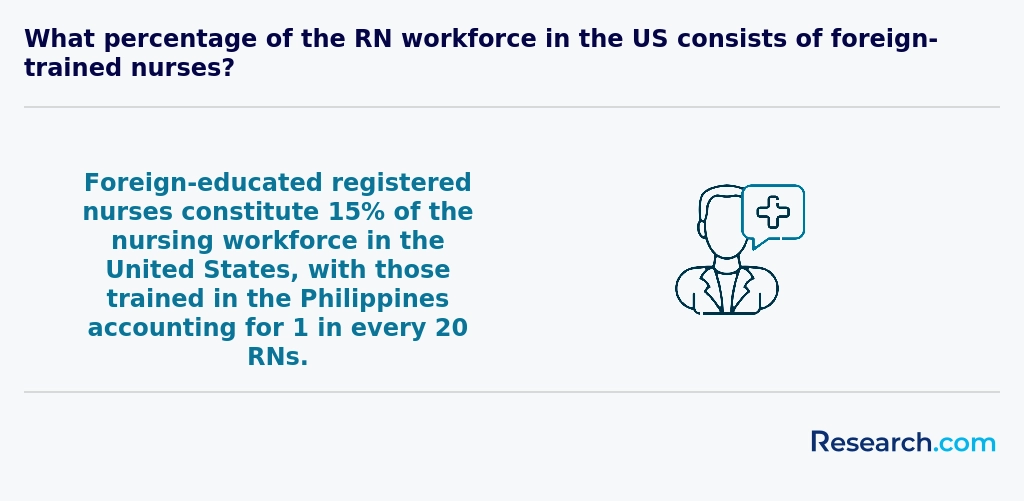
When evaluating an online doctorate in nursing program in Wisconsin, accreditation and state licensure alignment are non-negotiable factors for ensuring your degree is recognized by employers, qualifies for federal aid, and satisfies the Wisconsin Board of Nursing’s standards. The Commission on Collegiate Nursing Education (CCNE) and the Accreditation Commission for Education in Nursing (ACEN) are the two primary bodies approving doctoral programs; attending a program with one of these seals means your curriculum has met rigorous quality benchmarks. Before enrolling, confirm that your chosen institution holds active CCNE or ACEN accreditation and is listed on the Wisconsin Board of Nursing’s approved programs. Accreditation status influences eligibility for federal loans and scholarships, as well as your ability to sit for advanced practice and DNP licensure exams. Additionally, many employers and healthcare systems in Wisconsin require graduation from an accredited program to qualify for leadership, research, and teaching roles. Licensure reciprocity is another key consideration if you plan to practice outside Wisconsin. Accredited programs often include state-specific content to help you navigate the NCLEX-RN (for doctoral nurses with initial RN licensure) or DNP certification requirements in multiple jurisdictions. For those exploring alternative entry points into nursing practice, many students begin with foundational training; to compare pathways, explore our lpn programs for a clear view of how LPN credentials can align with your doctoral aspirations. Ensuring your online doctorate aligns with both accreditation and licensure standards will streamline your path to advanced practice and leadership in Wisconsin’s dynamic healthcare landscape.
Online nursing students in Wisconsin can ease their tuition burden by first completing the FAFSA to unlock federal aid options. Graduates of programs at universities like UW-Milwaukee report how Federal Pell Grants and Direct Subsidized Loans substantially lowered their upfront costs, allowing them to focus on studies without excessive debt.
The state's Wisconsin Higher Educational Aids Board (HEAB) offers targeted grants and scholarships based on need and academic achievement, which many online nursing students have successfully leveraged. For instance, those enrolled at institutions such as UW-Eau Claire found the Wisconsin Grants especially helpful when combined with federal aid, reducing overall expenses noticeably.
Additionally, practical funding often comes from employer tuition reimbursement programs or local hospital scholarships, a common story among nurses advancing their degrees while working. This financial support, alongside institutional scholarships available directly through schools like Marquette University, creates affordable pathways tailored for online learners balancing work and study.
Accreditation is the cornerstone of any reputable online doctorate in nursing program in Wisconsin. Prospective students should verify that their chosen program holds accreditation from the Commission on Collegiate Nursing Education (CCNE) or the Accreditation Commission for Education in Nursing (ACEN). State approval by the Wisconsin Board of Nursing ensures that graduates are eligible to sit for the National Council Licensure Examination (NCLEX-RN) and meet continuing-education requirements. Key considerations include:
- CCNE or ACEN accreditation status and renewal dates
- Wisconsin Board of Nursing program approval and compliance with state regulations
- Eligibility for financial aid, federal loans, and grant programs
- Transferability of credits and recognition by employers nationwide Beyond the doctorate, nurses seeking to expand their teaching or leadership credentials can explore a cheap graduate certificate in nursing education, which often carries its own accreditation standards. Confirm whether internships or clinical partnerships comply with state scope-of-practice laws, and review institutional support for licensure exam prep. Ensuring full accreditation and licensure alignment not only safeguards your investment but also accelerates your path to advanced practice, education, or leadership roles in Wisconsin’s dynamic healthcare environment.
To enroll in an online nursing degree program in Wisconsin, you must first hold a high school diploma or GED, which is a baseline for all applicants. Graduates from popular institutions like the University of Wisconsin and Milwaukee Area Technical College often stress how completing prerequisite courses-biology, chemistry, anatomy, physiology, and microbiology-boosted their confidence before tackling core nursing subjects.
If you're aiming for advanced degrees, such as BSN or DNP, an active Registered Nurse (RN) license is typically required. Many Wisconsin RN-to-BSN students find that having hands-on clinical experience beforehand makes online coursework more manageable and rewarding.
A minimum GPA around 2.5 to 3.0 is common, reflecting academic readiness; graduates frequently mention that maintaining this GPA eased their acceptance into competitive programs. Additionally, submitting application materials like personal statements and letters of recommendation is vital-as these help institutions gauge your passion and communication skills.
Finally, confirming the program's accreditation by bodies like CCNE or ACEN ensures your education meets Wisconsin's licensing standards, giving you peace of mind about your nursing career path.
One of the most critical measures of an online nursing program’s quality is its graduates’ NCLEX-RN pass rates and the licensure preparation resources provided. In Wisconsin, accredited online doctorate in nursing programs often partner with state boards and dedicated test-prep providers to ensure students are fully prepared for the NCLEX-RN. Prospective students should look for programs that offer:
- Dedicated NCLEX-RN review courses integrated into the curriculum, featuring practice questions, timed simulations, and targeted remediation plans.
- Access to virtual skills labs and proctored mock exams that closely mirror the actual licensure exam environment, helping reduce test anxiety and improve time management.
- Personalized mentorship from faculty members who have served on nursing licensure boards or worked as advanced practice nurses, offering one-on-one coaching and performance feedback.
- Comprehensive study guides, flashcards, and mobile-friendly review apps, ensuring busy professionals can study effectively between clinical rotations. Graduation outcomes data, including first-time NCLEX-RN pass rates, should be prominently displayed on program websites and in state reports. Programs with pass rates above 90% indicate strong academic rigor and effective support systems. For those exploring alternative pathways into nursing or seeking cost-effective undergraduate options, consider our Inexpensive Online Bachelor's in Nursing Degree Programs Ranking in New York to compare preparatory resources and licensure success across institutions. Ensuring a high NCLEX-RN pass rate not only validates the program’s credibility but also directly influences your eligibility for nursing licensure and career advancement in Wisconsin and beyond.
When pursuing an online nursing degree in Wisconsin, expect to take courses that build practical skills and deep understanding essential for patient care. Graduates from schools like the University of Wisconsin and Marquette University often highlight courses such as Advanced Pathophysiology, where they learned how diseases affect the body-a vital skill when assessing patients in real clinical settings.
Courses like Pharmacology teach medication management, which graduates find immediately applicable when managing patient treatments during their clinical rotations at local hospitals. Health Assessment classes sharpen your ability to perform thorough physical exams, a confidence booster when doing hands-on work nearby at Wisconsin health centers.
Many students appreciate the Evidence-Based Practice course, which brings nursing research into everyday decisions, making care safer and more effective. Leadership courses equip students with skills to lead nursing teams-useful for those envisioning supervisory roles.
Healthcare Policy and Ethics, plus Population Health, ground you in Wisconsin's healthcare laws and community needs. Graduates consistently praise how these courses prepare them for both the state licensure exams and their real-world nursing duties.

When considering online nursing specializations in Wisconsin, focus on options that match both your interests and the state's healthcare demands. Popular tracks include Family Nurse Practitioner (FNP), which prepares you to deliver primary care across all ages-a practical choice given Wisconsin's need for more primary care providers. Graduates from the University of Wisconsin's online programs often share how this specialization helped them confidently serve families in their communities.
Another common specialization is Psychiatric-Mental Health Nurse Practitioner (PMHNP), addressing mental health challenges which are increasingly recognized statewide. Many online students appreciate how flexible schedules allowed them to balance work and study while preparing to expand mental health services locally.
Explore Adult-Gerontology Nurse Practitioner (AGNP) if you want to work with Wisconsin's aging population. Students from technical colleges find this practical focus rewarding as they help elderly patients manage complex health issues.
For those interested in clinical practice or healthcare technology, Clinical Nurse Specialist (CNS) and Informatics Nursing are logical choices. These specializations prepare you to improve patient care quality or integrate healthcare data systems, aligning well with Wisconsin hospitals' priorities.
Remember that programs typically require local clinical hours for hands-on experience. If you want to compare nursing with other efforts, consider alternative career options. Choose programs with strong support for clinical placements to ensure smooth progress toward your goals.
Start by verifying program accreditation from reputable agencies like CCNE or ACEN; this is essential for licensure and quality assurance in Wisconsin. Graduates from popular colleges appreciate how accredited programs prepare them effectively for the NCLEX exam, increasing confidence when entering the workforce. Next, consider the degree paths aligned with your background-many registered nurses in Wisconsin choose RN-to-BSN programs to advance, while others pursue MSN or DNP degrees for leadership roles. Affordability matters: look at tuition rates since affordable nursing degrees in Wisconsin often reduce financial strain, especially when combined with scholarships and employer tuition reimbursement.
Also, evaluate program flexibility. Nursing students report positive experiences when programs partner locally for clinical placements, allowing them to complete hands-on hours near home. Check if the school supports student needs with accessible tutoring and career counseling. For comparative insight, some Wisconsin students explore options beyond the state by reviewing private nursing schools California offers, available through resources like private nursing schools California.

Graduates of online nursing degree programs in Wisconsin find multiple career paths that align with their skills and ambitions. Many start as registered nurses, working hands-on in hospitals, clinics, or community health settings, where their dedication directly impacts patient care. Those from programs at universities like the University of Wisconsin or Milwaukee Area Technical College often share how their practical training prepared them well for these roles. For students seeking higher earning potential, advancing to nurse practitioners is a proven path; Wisconsin's full prescriptive authority allows NPs to excel in primary care and specialties like pediatrics or geriatrics with salaries exceeding $110,000 annually.
Other career options include clinical nurse specialists and nurse educators, helping shape future nurses. Graduates also pursue nursing administration or public health nursing to influence healthcare delivery on a broader scale. Many find that online programs foster robust skills for these roles while offering flexibility and affordability.
Familiarizing yourself with local opportunities and exploring financial aid for students can make pursuing these online nursing career opportunities in Wisconsin even more attainable.
The job market for online nursing degrees in Wisconsin is robust, especially for graduates from popular programs at institutions like the University of Wisconsin and Marquette University. These graduates often find themselves quickly employed in hospitals, clinics, and rural care centers where nurse shortages remain a pressing issue. For example, many graduates share how the practical, flexible training offered online helped them adapt smoothly to busy healthcare settings. Employers value the skillsets acquired through these programs, particularly for advanced roles such as nurse practitioners and clinical nurse specialists, which have a strong Wisconsin nurse practitioner job outlook.
With over 84,000 licensed RNs statewide and steady growth in healthcare demand, online nursing degree holders from Wisconsin colleges benefit from competitive salaries averaging around $70,000 annually. Graduates often choose rural areas in northern or western Wisconsin for better opportunities and faster job placement. Prospective students should also consider financial aid options that many universities provide to reduce costs.
Those interested in expanding their career options can explore developing general skills for travel nurses to leverage opportunities beyond Wisconsin's borders.
2027 Most Affordable Online Doctorate in Nursing Degree Programs Ranking in Wisconsin
Investing in your education is a significant decision that can shape your future, and the Research.com team understands the importance of making informed choices. To assist prospective students in Wisconsin, we have meticulously crafted the "2027 Most Affordable Online Doctorate in Nursing Degree Programs Ranking in Wisconsin." Our commitment to quality, credibility, and accuracy is reflected in the extensive research and analysis conducted to compile this ranking.
We utilized the following reputable data sources to ensure a comprehensive evaluation of nursing programs:
By exploring this ranking, readers will gain valuable insights into the most affordable and reputable online doctorate in nursing programs in Wisconsin, empowering them to make well-informed decisions about their educational journeys. For more details on our methodology, please visit our Research.com methodology page.


Frequently Asked Questions About nursing
Online nursing students in Wisconsin can maximize their learning experience by actively engaging with both their virtual coursework and local clinical opportunities. Wisconsin offers over 40 accredited nursing programs recognized by the Wisconsin Board of Nursing, ensuring quality education aligned with state requirements. Students should take advantage of resources such as virtual simulations, discussion forums, and timely communication with instructors to enhance comprehension.
Additionally, Wisconsin's strong healthcare network allows students to arrange in-person clinical placements within the state, applying theoretical knowledge in real-world settings. According to the Wisconsin Department of Health Services, clinical experience is crucial for licensure and employment success. Time management and participation in online study groups also improve retention and skills development. Staying informed on state nursing regulations supports academic and professional progress.
The nursing field is rapidly evolving, with new specialties emerging that address growing healthcare needs. In Wisconsin, areas like gerontological nursing are expanding due to the aging population, with the state's senior residents expected to increase by 30% over the next decade, according to the Wisconsin Department of Health Services.
Other niches gaining traction include psychiatric-mental health nursing, reflecting rising demand for mental health services. Telehealth nursing has also grown, driven by technological advances and expanded access through online nursing degrees. Additionally, nurse informatics-where professionals manage healthcare data and technology-offers promising opportunities in Wisconsin's healthcare systems adapting to digital records.
Preparing for the job market after completing an online nursing degree in Wisconsin involves several strategic steps. First, graduates must obtain licensure through the Wisconsin Board of Nursing by passing the NCLEX-RN exam. This is mandatory to legally practice in the state.
Networking and gaining clinical experience are critical. Even with an online degree, Wisconsin employers value hands-on experience, which can be gained through internships or volunteer work in healthcare settings.
According to the Wisconsin Department of Workforce Development, demand for registered nurses is projected to grow by 12% through 2030, creating favorable job opportunities.
Additionally, updating resumes with relevant certifications such as BLS or ACLS enhances employability.
Employers in Wisconsin prioritize a blend of clinical and interpersonal skills when hiring nursing degree graduates. Strong communication abilities are essential, as nurses must effectively collaborate with patients and healthcare teams. Critical thinking and problem-solving skills enable nurses to make swift, informed decisions in high-pressure environments.
According to the Wisconsin Nurses Association, proficiency in patient care, medication administration, and electronic health record management are highly valued. Additionally, adaptability and cultural competence are key due to the state's diverse population.
Technical knowledge in evidence-based nursing practices and a commitment to continual learning also stand out, reflecting the dynamic nature of healthcare in Wisconsin.
Finding internships in Wisconsin related to a nursing degree requires targeted research and proactive networking. Start by contacting nursing programs at universities such as the University of Wisconsin-Madison or Marquette University, which often have established partnerships with local hospitals and clinics offering clinical placements. The Wisconsin Nurses Association also provides resources and listings for internship opportunities tailored to nursing students.
Additionally, check with healthcare providers in major Wisconsin cities, including Milwaukee and Madison, where demand for nursing professionals remains high. The Wisconsin Department of Workforce Development reports steady growth in healthcare jobs, making internships more accessible.
Online nursing students should leverage virtual career fairs and state nursing board websites to find updated internship listings. Early application is crucial due to competitive placement processes.
In Wisconsin, earning an online nursing degree significantly enhances career mobility and advancement opportunities. Online programs allow working nurses to gain advanced skills while maintaining employment, making it easier to pursue specialties such as nurse practitioner or clinical nurse leader roles.
The Wisconsin Department of Workforce Development projects a 19% increase in registered nurse jobs by 2030, indicating strong demand. Advanced degrees from accredited online programs can lead to higher salaries and leadership positions in hospitals and clinics.
Additionally, Wisconsin's support for telehealth expands roles for nurses with online training, offering flexibility and new career paths. Online degrees are recognized by state licensing boards, ensuring graduates meet requirements for advanced practice certification.
Studying for a nursing degree in Wisconsin prepares students for interdisciplinary roles by emphasizing collaboration across healthcare fields. Wisconsin nursing programs integrate coursework that combines clinical skills with communication, leadership, and teamwork training. This approach reflects the state's healthcare environment, where nurses frequently coordinate with physicians, social workers, and therapists.
According to the Wisconsin Board of Nursing, many online programs require practicum experiences in diverse healthcare settings, enhancing practical interdisciplinary engagement. Additionally, Wisconsin's healthcare workforce demand encourages nursing education to focus on holistic patient care, reinforcing the nurse's role as a key team member in complex care networks.
Choosing between a thesis and a non-thesis nursing degree program in Wisconsin depends largely on your career goals and learning preferences. A thesis program involves conducting original research and writing a detailed paper, which is ideal for students aiming for academic or research careers.
Non-thesis programs typically focus on coursework and practical experiences. These are better suited for professionals seeking advanced clinical practice or leadership roles without the time commitment of research.
According to the Wisconsin Technical College System, over 60% of nursing graduates pursue clinical careers, which may make non-thesis options more popular locally.
Consider program flexibility and your long-term plans when deciding.
Students based in Wisconsin interested in studying nursing abroad have a few viable options, although these are generally limited for fully online international programs. Most U.S. nursing licensure requirements, including Wisconsin's, stipulate that degrees must be from accredited institutions recognized by the Commission on Collegiate Nursing Education (CCNE) or the Accreditation Commission for Education in Nursing (ACEN).
Many international nursing programs lack these specific U.S. accreditations, which can complicate licensure. However, some students pursue international study through exchange programs or partnerships affiliated with U.S. universities, allowing credit transfer and meeting Wisconsin Board of Nursing requirements.
Wisconsin has a strong demand for nurses, with the state projected to add over 5,000 nursing jobs by 2030 (Bureau of Labor Statistics), encouraging students to carefully verify program accreditation and licensure acceptance before enrolling abroad.
Part-time job opportunities in Wisconsin can effectively complement nursing degree education by providing practical experience and financial support. Popular roles include certified nursing assistants (CNAs), medical assistants, and home health aides. These positions allow students to develop hands-on skills while working flexible hours that fit around online coursework.
Wisconsin's demand for healthcare support roles is strong due to the aging population and expanding healthcare facilities. According to the Wisconsin Department of Workforce Development, healthcare support occupations are projected to grow by 12% through 2028, higher than the average for all occupations. This growth offers stable employment prospects for nursing students.
Additionally, part-time work in clinical settings familiarizes students with patient care protocols and teamwork, enhancing their academic learning. Many employers in Wisconsin provide on-the-job training and flexible schedules, which accommodate the commitments of nursing students balancing education and work.
Online nursing students in Wisconsin have several networking opportunities that enhance their professional growth. Many universities offering online programs encourage participation in virtual student organizations and forums, connecting peers and faculty statewide. Additionally, Wisconsin's local chapters of national nursing associations, such as the Wisconsin Nurses Association (WNA), provide forums, conferences, and workshops accessible to online learners.
Clinical placements and partnerships with healthcare facilities across Wisconsin also serve as practical networking channels. The Wisconsin Department of Health Services highlights over 20,000 registered nurses in the state, creating a large professional community. Networking through these channels helps students build essential relationships for career advancement and mentorship.
Alumni networks offer valuable support for online nursing degree students in Wisconsin by connecting them to a broad community of professionals. These networks enable students to access career opportunities and mentorship from graduates who understand the local healthcare environment. Wisconsin's strong nursing demand-with a projected 15% growth rate through 2030 according to the Wisconsin Department of Workforce Development-makes these connections important for job placement. Furthermore, alumni often share insights on continuing education and certification pathways relevant to Wisconsin's nursing licensure requirements, helping students navigate the professional landscape more effectively.
Customizing an online nursing degree program in Wisconsin involves selecting courses and specializations that align with your career goals. Many Wisconsin institutions offer flexible curricula allowing students to focus on areas like family nurse practitioner, healthcare administration, or gerontology. You can often choose electives or clinical placements to gain experience in preferred fields.
State nursing boards, like the Wisconsin Board of Nursing, require specific clinical hours for licensure, so students must ensure their program meets these criteria. According to the Wisconsin Nurses Association, around 36% of nurses in the state are advancing their education to meet growing healthcare demands.
Additionally, online programs frequently provide part-time study options, enabling working professionals to balance education with employment. Exploring available certifications post-degree can also enhance specialization and career prospects within Wisconsin's healthcare market.
Online nursing students in Wisconsin often face several challenges related to balancing academic demands with personal and professional responsibilities. Many students work while studying, which can lead to time management difficulties.
Access to clinical placements is another common obstacle. Wisconsin requires nursing students to complete in-person clinical hours, and securing suitable sites can be competitive, especially in rural areas.
Technical issues also arise, including reliable internet access in some regions of Wisconsin, which may impact the ability to participate in live sessions or submit assignments on time.
Finally, some students report feeling isolated due to limited face-to-face interaction, which can affect motivation and engagement.
Graduates of online nursing degree programs in Wisconsin can pursue several professional certifications to advance their careers. Common certifications include the Certified Nurse Practitioner (CNP), Certified Nurse Educator (CNE), and Certified Clinical Nurse Specialist (CNS). These credentials demonstrate specialized knowledge and improve job prospects in various healthcare settings.
The Wisconsin Board of Nursing recognizes nationally accredited certifications, often requiring graduates to pass exams through bodies like the American Nurses Credentialing Center (ANCC) or the Pediatric Nursing Certification Board (PNCB).
According to the Wisconsin Center for Nursing, over 30% of registered nurses in the state hold advanced certifications, reflecting a growing emphasis on specialized skills.
Writing a winning application for an online nursing program in Wisconsin starts with understanding specific state requirements and nursing demand. Wisconsin is experiencing a nursing shortage, with the Wisconsin Center for Nursing projecting a need for 10,000 new nurses by 2028. Programs often require a strong academic record in science and health-related courses. Applicants should highlight clinical experience and commitment to healthcare in their personal statements. Including letters of recommendation from nursing professionals or instructors can strengthen an application. Additionally, meeting prerequisite coursework and submitting valid licensure or certifications, when applicable, is crucial for eligibility.
Nursing is a highly respected profession worldwide, with growing demand driven by aging populations and global health challenges. In the United States, including Wisconsin, registered nurses are expected to grow by 9% from 2020 to 2030, according to the U.S. Bureau of Labor Statistics.
Globally, nursing careers emphasize cultural competence and adaptability due to diverse patient populations. Wisconsin's nursing programs reflect this by incorporating evidence-based practices that meet both local and international healthcare standards.
Many online nursing degrees in Wisconsin align curriculum with global health trends, preparing graduates to work in various healthcare settings. The Wisconsin Center for Nursing reports steady growth in nurse employment, highlighting broad opportunities for career advancement within the state and beyond.
Students pursuing an online nursing degree in Wisconsin must complete clinical hours to gain practical experience. Wisconsin nursing programs typically partner with local healthcare facilities such as hospitals, long-term care centers, and clinics to provide in-person clinical placements. These affiliations allow students to fulfill state-required supervised practice hours essential for licensure.
Many programs require about 500 to 700 clinical hours, consistent with Wisconsin Board of Nursing standards. Students can often arrange clinical rotations near their residence, helping balance work, study, and hands-on experience. Additionally, some online programs offer simulation labs to supplement clinical learning.
Sources such as the Wisconsin Nurses Association provide guidance on approved clinical sites and requirements.
Choosing the right concentration within an online nursing degree in Wisconsin requires careful consideration of your career goals and the local healthcare needs. Wisconsin's Department of Workforce Development reports a growing demand for nurse practitioners and nurse anesthetists, making these concentrations promising options. Consider programs accredited by the Commission on Collegiate Nursing Education (CCNE) or the Accreditation Commission for Education in Nursing (ACEN), ensuring quality education recognized by employers.
Examine the required clinical hours and opportunities for local placements, as hands-on experience is crucial. Additionally, review Wisconsin's Nurse Practice Act for licensing implications related to your chosen concentration.
- 2027 Most Affordable Online Doctorate in Nursing Degree Programs Ranking in Illinois
- 2027 Most Affordable Online Doctorate in Nursing Degree Programs Ranking in Michigan
- 2027 Most Affordable Online Doctorate in Nursing Degree Programs Ranking in Indiana
- 2027 Most Affordable Online Doctorate in Nursing Degree Programs Ranking in Missouri
- 2027 Most Affordable Online Doctorate in Nursing Degree Programs Ranking in Ohio
- 2027 Most Affordable Online Doctorate in Nursing Degree Programs Ranking in Kentucky
- 2027 Most Affordable Online Doctorate in Nursing Degree Programs Ranking in Kansas
- 2027 Most Affordable Online Doctorate in Nursing Degree Programs Ranking in Tennessee
- 2027 Most Affordable Online Doctorate in Nursing Degree Programs Ranking in Pennsylvania
- 2027 Most Affordable Online Doctorate in Nursing Degree Programs Ranking in Virginia
See What Experts Have To Say About Studying Nursing
Read our interview with Nursing experts

Lisa Grubb
Nursing Expert
Assistant Professor
Johns Hopkins School of Nursing

- RN to BSN Program University of Wisconsin Nursing | BSN@Home https://bsnathome.com/
- Interdisciplinary Education and Practice https://www.aacnnursing.org/news-data/position-statements-white-papers/interdisciplinary-education-and-practice
- Client Challenge https://www.springerpflege.de/nursing-graduates-perceived-future-career-pathway-and-career-shi/50653658
- Nursing Study Abroad Programs | Go Overseas https://www.gooverseas.com/study-abroad/nursing
- Determine Your Career Goals for Nursing https://www.achievetestprep.com/blog/what-are-career-goals-for-nursing
- Know more about thesis vs non- thesis: what is the difference? https://studyfans.com/en/blogs/816
- Online Nursing Schools in Wisconsin: Choosing a Program https://www.edumed.org/online-schools/nursing-rn-programs/wisconsin/
- How to Choose a Nursing Program: A Comprehensive Guide - Madonna ABSN https://absn.madonna.edu/blog/how-to-choose-a-nursing-program/
- Top Skills Employers Want in Practical Nursing Graduates https://vervecollege.edu/what-employers-look-for-in-practical-nursing-graduates/
- What Are the Best RN Certifications for Your Career? https://credenzahealth.com/career-advice/what-are-the-best-rn-certifications-for-your-career