
2027 Most Affordable Online Doctorate in Nursing Degree Programs Ranking in Virginia

Co-Founder and Chief Data Scientist
Are you a nursing professional in Virginia looking to advance your career with an affordable online doctorate? This article introduces the 2027 Most Affordable Online Doctorate in Nursing Degree Programs Ranking in Virginia, carefully developed by the Research.com team of data scientists. It aims to guide you in finding quality nursing programs that fit your budget and goals.
By exploring this ranking, you'll gain valuable insights to make an informed decision about your education path. Pursuing a nursing doctorate opens doors to new opportunities and personal growth in a rewarding field.
Key benefits of getting online nursing degree in Virginia
- Salary potential: Graduates with nursing degrees in Virginia can expect strong salaries, with roles like Family Nurse Practitioner and Adult Nurse Practitioner earning a mean annual wage of about $128,490 according to recent data.
- Career paths: Nursing graduates from universities such as the University of Virginia often find diverse career options, including advanced practice, psychiatric, and acute care nursing, allowing for fulfilling and stable work in healthcare.
- Online degree benefits: Earning a nursing degree online from respected institutions like Virginia Commonwealth University offers flexibility and convenience, helping students balance study, work, and personal life while advancing their careers smoothly.
- 2027 Most Affordable Online Doctorate in Nursing Degree Programs Ranking in Virginia
- What can I expect from online nursing degree in Virginia?
- Where can I work with online nursing degree in Virginia?
What can I expect from online nursing degree in Virginia?
The average cost of an online nursing degree in Virginia varies significantly depending on the institution and residency status. Graduates from popular state universities often share how their tuition was more affordable as in-state students, typically ranging from $7,000 to $15,000 per year for undergraduate programs like the BSN. Private colleges or specialized graduate programs, such as MSN or DNP, may cost more, sometimes exceeding $25,000 annually.
Many students find that financial aid packages and scholarships targeted to nursing programs in Virginia make a substantial difference. For example, those studying at well-known universities like the University of Virginia or James Madison University have reported successful navigation of financial aid resources, reducing their overall burden. These programs balance reasonable tuition with quality education, a crucial factor for working professionals seeking advancement while managing expenses.
Because Virginia requires NCLEX-RN licensure, students also consider costs related to exam preparation and application fees. Overall, aiming for a state university often provides the most practical and cost-effective pathway into nursing careers within Virginia's healthcare system.
Where can I work with online nursing degree in Virginia?
Graduates holding an online nursing degree in Virginia find diverse job opportunities across hospitals, outpatient centers, and home health care. Many start their careers in major systems like Inova Health System or Sentara Healthcare, where graduates report feeling confident managing both clinical care and administrative tasks. These settings offer hands-on experience critical for career growth.
Others choose outpatient care or physician offices, attracted by the possibility of flexible hours-ideal for balancing family or further studies. Nurses in these roles often coordinate patient care and provide essential health education, making their work highly rewarding.
Home health care and nursing home employment are growing fields due to Virginia's aging population. Graduates frequently describe a strong sense of purpose when supporting elderly patients at home, a role perfectly suited to compassionate nurses from online programs at universities like Old Dominion or James Madison.
Advanced practice paths, such as nurse practitioners, are available for those pursuing further certification. Public health departments and nursing schools also welcome online graduates, valuing their tech-savvy skills and adaptability in evolving healthcare environments.
Graduates of online nursing degree programs in Virginia, such as those from popular institutions like the University of Virginia or Old Dominion University, often find themselves earning competitive salaries soon after licensure. Registered nurses typically start with salaries ranging from $65,000 to $80,000 annually, reflecting Virginia's strong healthcare market compared to the national average.
Those advancing to roles like Family Nurse Practitioner or Acute Care Nurse Practitioner-positions well supported by online MSN or DNP programs-can expect mean annual wages around $128,490, according to the latest Bureau of Labor Statistics data. This salary level offers significant financial stability and rewards advanced clinical skills.
Graduates report feeling proud and motivated by how quickly their investment in online education translates into meaningful income. Locations such as Northern Virginia enhance this earning potential due to higher demand and cost of living. With strategic focus on certifications and continued learning, Virginia-based nurses can confidently boost their salaries while serving diverse communities.
- Online nursing degrees in Virginia include RN-to-BSN, BSN, MSN, and DNP programs from accredited institutions.
- RN-to-BSN programs typically cost between $10,000 and $25,000, while MSN programs range from $20,000 to $40,000 in tuition.
- Nursing employment in Virginia is projected to grow about 9% from 2022 to 2032, matching the national average.
- Starting salaries for new nursing graduates average around $60,000 annually, with experienced nurses earning between $90,000 and $110,000.
- Graduates must pass the NCLEX-RN exam and meet Virginia's Board of Nursing requirements for licensure, whether their degree is earned online or on-campus.
Completing an online nursing degree in Virginia can vary significantly in time based on your previous education and program choice. For example, graduates from universities like Old Dominion or Liberty University often share how their full-time Bachelor of Science in Nursing (BSN) programs typically take around four years, but accelerated options can shorten this to 18-24 months if you hold a non-nursing bachelor's degree.
If you're starting fresh, many students choose an Associate Degree in Nursing (ADN) through community colleges such as Northern Virginia Community College, which combines online learning with required clinical hours and usually takes about two years to finish.
For those aiming higher, Master's programs in Virginia, including online MSN tracks, generally span 18 to 36 months, with part-time options praised by working nurses for balancing career and study. Doctoral degrees like DNPs often require 3 to 6 years, involving both online coursework and local clinical placements.
Graduates often emphasize how choosing accelerated or bridge programs and understanding local clinical hour requirements can speed up completion while keeping education quality solid.
Before beginning your nursing career in Virginia, it’s essential to understand the state’s licensure and certification process to ensure a seamless transition from graduation to clinical practice. Graduates of online nursing programs in Virginia must pass the National Council Licensure Examination for Registered Nurses (NCLEX-RN) and apply for licensure through the Virginia Board of Nursing. Key steps include: • Program Accreditation: Ensure your chosen online degree is accredited by the CCNE or ACEN, as only graduates from approved programs qualify to sit for the NCLEX-RN. • NCLEX-RN Application: Submit an application to the Virginia Board of Nursing, complete a criminal background check, and provide official transcripts verifying graduation from an accredited program. • Examination Preparation: Utilize NCLEX review courses and study materials offered by your institution’s learning support services to boost pass rates and confidence. • Advanced Practice Certification: For nurse practitioner or clinical nurse specialist tracks, secure national certification through bodies like the American Nurses Credentialing Center (ANCC) or the American Association of Nurse Practitioners (AANP) before applying for APRN licensure in Virginia. • Continuing Education: Maintain your license with 30 hours of approved continuing nursing education (CNE) every two years, including specific courses on HIV/AIDS and domestic violence as required by Virginia law. While focusing on Virginia requirements, you may also wish to compare affordability and certification standards in nearby states. Explore our Most Affordable Online Nursing Degree Programs Ranking in Georgia to broaden your options.
Online nursing degrees in Virginia offer flexibility that fits busy lifestyles, especially for working adults or parents. Graduates from universities like Old Dominion University appreciate being able to study asynchronously, accessing lectures and assignments anytime. This frees them from strict schedules, allowing learning around jobs or family commitments. However, they still complete clinical hours in-person at local healthcare facilities to meet Virginia's state nursing board requirements, grounding their education in real-world care.
On-campus programs, such as those at Virginia Commonwealth University, immerse students in traditional classrooms and labs. Graduates recall the energizing environment of face-to-face interaction, immediate feedback from professors, and hands-on practice in simulation centers. These connections can boost confidence and build supportive networks that feel invaluable.
Cost-wise, online students save on commuting and housing, easing financial pressure. Meanwhile, on-campus learners may face extra living expenses but benefit from direct access to campus resources. Both paths lead to the same NCLEX-RN eligibility, so the choice depends on your lifestyle and learning preferences in Virginia's nursing education landscape.
The pursuit of an online nursing degree in Virginia can be significantly influenced by the affordability of programs. Prospective students often find themselves navigating a complex landscape of tuition costs, financial aid options, and potential career outcomes. To make informed decisions, it's crucial to research and understand the various factors that contribute to the affordability of nursing education in Virginia. For instance, exploring affordable nursing programs in virginia can provide valuable insights into the cost-effectiveness of different programs. By considering these factors, aspiring nurses can choose a program that not only aligns with their financial resources but also supports their long-term career goals in the nursing profession.
The average cost of an online nursing degree in Virginia typically centers around $41,700 in total tuition, with some variation depending on residency status and program level. For instance, graduates from popular programs at well-known Virginia institutions often report paying between $34,000 and $36,000 if they are in-state students, while out-of-state students may see costs closer to $35,600. These figures provide a helpful benchmark for understanding financial commitment when pursuing nursing online in Virginia.
Students pursuing a Bachelor of Science in Nursing (BSN) online will find costs generally lower than those targeting advanced degrees like the Doctor of Nursing Practice (DNP) or Master of Science in Nursing (MSN). One graduate recalled how their investment felt manageable due to clear tuition estimates and the availability of financial aid options offered by their university. This highlights the importance of exploring scholarships, employer tuition assistance, and federal aid to ease expenses.
With the growing demand for nursing professionals in Virginia, affordable online nursing doctorate programs Virginia offer valuable opportunities to advance careers without relocating. Many nursing students find it encouraging to study at institutions known for strong program support and clinical placement assistance, reducing the financial strain beyond tuition.
To find the best fit in terms of cost and quality, prospective students should research tailored offerings from Virginia colleges. Those interested in budget-friendly options should review the affordable nursing programs in virginia, which list schools making online nursing education accessible without compromising excellence.
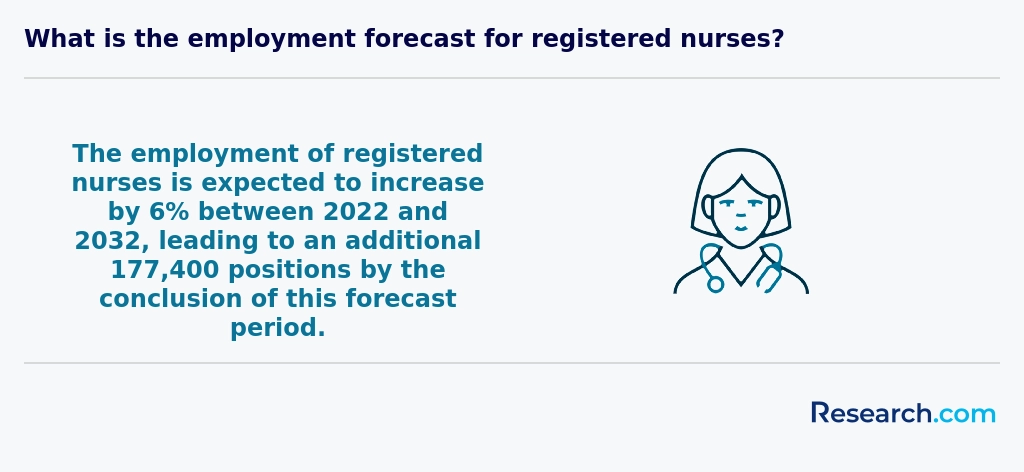
Before enrolling in any online doctorate in nursing program in Virginia, it’s essential to verify both institutional and programmatic accreditation. The Commission on Collegiate Nursing Education (CCNE) and the Accreditation Commission for Education in Nursing (ACEN) are the most widely recognized accrediting bodies; programs accredited by these agencies ensure that coursework meets national standards and that graduates are eligible for advanced practice licensure. Additionally, Virginia’s Board of Nursing must approve the program, guaranteeing that clinical and didactic components align with state regulations for nurse practitioners, nurse educators, and other doctorate-level roles. Licensure requirements for Doctor of Nursing Practice (DNP) graduates vary based on each specialization. After completing an accredited program, candidates must apply for a Virginia Advanced Practice Registered Nurse (APRN) license, submit proof of clinical hours, and pass any required national certification exams-such as the American Nurses Credentialing Center (ANCC) or the Pediatric Nursing Certification Board (PNCB) for Nurse Practitioners. Staying current with renewal deadlines and continuing education credits is equally crucial; many universities provide dedicated advisor support to help graduates maintain their licensure and meet certification requirements seamlessly. For those considering an LPN-to-DNP pathway, understanding how prior coursework transfers into a doctoral curriculum can save both time and money. Even if you’re exploring programs outside Virginia, comparing bridge options-such as the comprehensive lpn program new jersey-can highlight articulation agreements and credit equivalencies that accelerate your progression from practical nursing to a doctorate level. By confirming accreditation, state approval, and transfer policies up front, you’ll ensure a smooth trajectory toward advanced practice and leadership roles in nursing.
Students enrolled in online nursing programs at Virginia Commonwealth University or Old Dominion University often rely on FAFSA-based federal grants and loans to manage tuition costs. These federal aids, such as Pell Grants, provide crucial need-based funding that doesn't require repayment, easing financial stress significantly. Many find the low-interest federal loans more manageable than private ones, especially with flexible repayment plans tailored to healthcare professionals.
Virginia residents benefit from state-specific support like the Virginia Tuition Assistance Grant (TAG) and scholarships via the Virginia State Council of Higher Education. Nursing students from institutions like George Mason University have reported how these funds, alongside GO Virginia initiatives, made continuing education feasible without overwhelming debt.
Institutions commonly offer merit-based and need-based scholarships targeting nursing students. Graduates advancing from associate to bachelor's degrees at community colleges often praise these aid packages that recognize their dedication and boost motivation.
Loan forgiveness programs, including the Nurse Corps Scholarship and state repayment plans, attract students committed to serving underserved Virginia communities. Many alumni express pride in reducing their debt while making a real impact where nursing shortages are critical.
Choose a program accredited by the Commission on Collegiate Nursing Education (CCNE) or the Accreditation Commission for Education in Nursing (ACEN) and approved by the Virginia Board of Nursing. This ensures:
- Eligibility for federal financial aid and low-interest loans
- Qualification for national certification exams and state licensure
- Recognition by employers and seamless credit transfers
Verify each program’s accreditation on the Virginia Board of Nursing website before applying. For tips on strengthening your credentials, explore easy nursing schools to get into.
To enroll in an online nursing degree program in Virginia, you must first have a high school diploma or GED. Graduates of RN-to-BSN programs at universities like George Mason University often describe the importance of holding a valid RN license before advancing, as that is essential for many programs in the state. If you're aiming for a bachelor's or advanced degree, an accredited undergraduate degree is usually required, especially for direct-entry BSN or DNP tracks.
Most Virginia programs also expect you to complete prerequisite courses such as anatomy, physiology, microbiology, chemistry, and statistics. A minimum GPA around 2.5 to 3.0 is common, ensuring you're prepared for the challenging curriculum. Many students recall how submitting strong letters of recommendation and a clear personal essay helped secure their spot at schools like Old Dominion University.
Additionally, background checks, drug screenings, and English proficiency tests (if applicable) are standard. Meeting these criteria opens doors to Virginia's growing nursing workforce with confidence and pride.

The Doctor of Nursing Practice (DNP) stands as the pinnacle of clinical nursing education in Virginia, designed to equip experienced RNs and APRNs with the leadership and analytical skills needed to transform healthcare delivery. Unlike research-focused doctoral degrees, DNP curricula center on evidence-based practice, quality improvement, and healthcare policy. Key advantages include:
- Advanced Clinical Leadership: Core courses in systems thinking, health informatics, and organizational leadership prepare graduates to assume roles such as Chief Nursing Officer or clinical director.
- Evidence-Based Capstone Project: A hands-on DNP project enables students to design, implement, and evaluate practice interventions that improve patient outcomes and operational efficiency.
- Enhanced Career Prospects and Salary: DNP-prepared nurses often see salary increases of 15–20% compared to MSN-prepared counterparts, with competitive roles in academia, government, and private health systems.
- Flexible Online Learning: Accredited online DNP programs in Virginia offer asynchronous coursework and virtual residencies, making it feasible for working professionals to balance studies with full-time practice. For nurses who prioritize both affordability and quality, exploring low cost dnp programs ensures access to rigorous, accredited pathways without compromising budget or career momentum.
Online nursing degree programs in Virginia typically include courses that build a solid foundation in sciences and nursing practice. Graduates from well-known Virginia universities often highlight how courses like human anatomy, physiology, microbiology, and pharmacology helped them confidently understand patient care scenarios before stepping into clinical settings.
Nursing-specific classes such as health assessment, nursing research, and pathophysiology teach students to perform thorough evaluations and interpret symptoms accurately-skills essential for real-world nursing challenges faced in Virginia's diverse healthcare environments.
Clinical nursing courses emphasize evidence-based practice and patient care management. Many students appreciate that even online programs require in-person clinical hours at local healthcare sites, which they describe as crucial for applying classroom knowledge to actual patient interactions and meeting Virginia Board of Nursing licensure standards.
Courses on healthcare policy, ethics, and leadership prepare students to navigate administrative roles smoothly. Electives in specialties like pediatrics or gerontology allow learners from Virginia colleges to tailor their education to their passions, making the experience engaging and professionally rewarding.
Online nursing specializations Virginia students often pursue include Family Nurse Practitioner (FNP), Psychiatric-Mental Health Nurse Practitioner (PMHNP), and Adult-Gerontology Nurse Practitioner (AGNP). These tracks prepare graduates to meet critical healthcare needs, such as primary care for all ages, mental health services, and care for aging populations. For example, graduates from Old Dominion University highlight how the FNP program equipped them with practical skills to confidently manage patient care remotely and onsite.
Other specializations like Neonatal Nurse Practitioner (NNP) focus on intensive newborn care and are offered by universities with strong hospital partnerships. Leadership-focused nursing programs train students for managerial roles in healthcare facilities, a path that many working nurses in Virginia find rewarding. The advantage of flexible online courses supports nurses balancing work and study, as seen in experiences shared by Eastern Virginia Medical School students specializing in administration.
When choosing a specialization, Virginia nursing degree specialization options should align with career goals and certification requirements. Those interested in foundational nursing roles can also explore the lpn program new jersey for related pathways.
Choose online nursing programs in Virginia that are accredited by recognized bodies like CCNE or ACEN to ensure you meet licensure requirements. Graduates from popular Virginia colleges often highlight how accreditation boosted their confidence when applying for jobs or advancing their careers. Look for programs offering clinical partnerships so you gain hands-on experience, a critical piece in nursing education that online courses alone cannot provide.
Consider your career goals by selecting programs with specializations that match your interests, such as Nurse Practitioner or Nurse Educator tracks. Students from well-known Virginia universities frequently share how tailored curriculums helped them feel motivated and prepared for their specific nursing roles.
Cost matters-Virginia public universities usually offer competitive tuition for in-state students, making affordability easier to manage. Many students find relief through financial aid or scholarships. For those seeking affordable options, explore low cost dnp programs that fit your budget without sacrificing quality.
Finally, pick programs familiar with Virginia's Board of Nursing rules to streamline licensure. Strong support services, like academic advising and career counseling, help online students overcome challenges and stay on track. These elements make all the difference in choosing the best online nursing programs Virginia has to offer.

Graduates of online nursing degree programs in Virginia find diverse career paths tailored to their goals and specialties. Many become registered nurses, successfully passing the NCLEX-RN to work in hospitals and clinics across the state, benefiting from steady job growth. Others pursue advanced roles like nurse practitioners, earning competitive salaries around $115,000 while focusing on family health or pediatrics. For example, graduates from Virginia's well-regarded nursing programs often step into leadership roles or specialized fields, feeling confident and prepared to make a difference.
Additional career options include healthcare administration and nurse education, where experienced nurses shape future professionals at Virginia's universities. Public health nursing and nursing informatics are also growing areas that combine passion for community wellness and technology. Students exploring online pathways appreciate flexibility and practical skills development, connecting their education directly to real-world opportunities. Those curious about affordability and program options can explore the Most Affordable Online Nursing Degree Programs Ranking in Georgia to benchmark choices and plan strategically for their nursing futures.
By focusing on relevant, in-demand fields within Virginia, graduates leverage online nursing career opportunities in Virginia and enhance Virginia nursing degree job prospects through practical experience and specialized credentials.
The job market for online nursing degree graduates in Virginia remains strong, supported by steady demand across hospitals, long-term care, and community health centers. Graduates from well-known Virginia institutions find that employers value accredited online programs as long as clinical requirements and licensing are met. Nurses often share positive experiences of securing roles quickly post-graduation thanks to the state's growing healthcare needs and initiatives aimed at boosting health outcomes.
For those exploring online nursing jobs in Virginia, the aging population and expanding healthcare infrastructure create numerous opportunities for both entry-level RNs and advanced practice nurses. Graduates from prominent Virginia colleges report competitive salaries around the state median of $70,000, with potential increases in specialized or leadership roles.
Many students balance work and study by taking flexible online college courses for seniors and others, easing their path into nursing careers without relocating. This adaptability makes Virginia particularly attractive for those seeking to join the nursing workforce while managing personal commitments.
2027 Most Affordable Online Doctorate in Nursing Degree Programs Ranking in Virginia
Investing in your education is a significant decision that can shape your professional future, and the Research.com team is keenly aware of the importance of making well-informed choices. To support prospective students in Virginia, we have carefully developed the "2027 Most Affordable Online Doctorate in Nursing Degree Programs Ranking in Virginia." Our dedication to quality, credibility, and accuracy is demonstrated through rigorous analysis and thorough research behind this ranking.
We utilized the following reputable data sources to ensure a comprehensive evaluation of online nursing doctorate programs:
By using this ranking, readers gain valuable insights into affordable and high-quality online nursing doctorate programs in Virginia, enabling them to make confident decisions about advancing their nursing careers. For more information on how this ranking was created, please visit our Research.com methodology page.



Frequently Asked Questions About nursing
Online nursing degree students in Virginia can maximize their learning experience by actively engaging with both virtual and local resources. Virginia offers access to numerous clinical sites, which are essential for practical experience and are often coordinated through the student's institution. According to the Virginia Board of Nursing, hands-on clinical hours remain a critical requirement for licensure.
Students should also take advantage of online discussion forums and study groups to foster collaboration and deepen understanding of complex concepts. Time management is crucial since balancing coursework with clinical hours demands strong organizational skills.
Additionally, many Virginia nursing programs align with the Nurse Licensure Compact, which facilitates multi-state practice, broadening future employment opportunities. Staying informed through state nursing associations and maintaining contact with academic advisors helps students navigate licensure and career paths effectively.
The nursing field is evolving rapidly, creating new specialization opportunities for students earning online nursing degrees in Virginia. Emerging niches include gerontology, focusing on elderly care, which is critical as Virginia's senior population is projected to grow by 35% by 2030 (Virginia Center for Health Statistics).
Another developing area is psychiatric-mental health nursing, driven by increased demand for mental health services nationwide. Telehealth nursing also stands out, allowing nurses to provide care remotely-an innovation accelerated by the COVID-19 pandemic.
Additionally, informatics nursing, which blends healthcare and technology, is gaining momentum to improve patient data management. These niches offer exciting career paths for nurses seeking advanced education and diverse roles.
After earning an online nursing degree in Virginia, preparing for the job market involves several strategic steps. First, obtaining licensure from the Virginia Board of Nursing is crucial; passing the NCLEX-RN exam is mandatory for registered nurses. Virginia's growing healthcare sector, including organizations like the Virginia Hospital & Healthcare Association, offers diverse job opportunities.
Networking can enhance job prospects. Joining state nursing associations or attending local job fairs connects graduates with employers. Additionally, gaining clinical experience through internships or volunteer work strengthens resumes.
Finally, understanding salary expectations in Virginia helps. The U.S. Bureau of Labor Statistics reports registered nurses in Virginia earn a median wage near $70,000 annually, emphasizing competitive compensation in the region.
Employers in Virginia prioritize several key skills when hiring nursing degree graduates. Clinical competence is essential, as nurses must perform patient care tasks accurately and efficiently. Strong communication skills are also highly valued, enabling nurses to interact effectively with patients and healthcare teams. Critical thinking and problem-solving abilities are crucial to making informed decisions in fast-paced environments. According to the Virginia Board of Nursing, adaptability and teamwork are vital, given the diverse healthcare settings in the state. Additionally, proficiency with electronic health records and technology is increasingly important in Virginia's evolving medical facilities.
Finding internships in Virginia relevant to a nursing degree involves a strategic approach. Start by exploring partnerships that many Virginia nursing programs maintain with local hospitals and healthcare facilities. For example, large systems like Sentara Healthcare and VCU Health often offer clinical internship opportunities for nursing students.
Virginia's Board of Nursing emphasizes completing supervised clinical hours as part of degree requirements, which often include internships. Check with your online nursing program's clinical coordinator for approved sites in your area.
Additionally, use resources like the Virginia Nurses Association and local health departments, which can help connect students to internship listings. According to the Virginia Employment Commission, nurse employment grew by nearly 12% from 2018 to 2028, increasing internship availability across healthcare settings.
Applying early and maintaining communication with program advisors increases chances of securing competitive internships that fulfill educational and licensure requirements.
An online nursing degree in Virginia can significantly enhance career mobility and advancement opportunities. Registered nurses with advanced degrees, such as a Bachelor of Science in Nursing (BSN) or higher, are in higher demand across Virginia's healthcare system. According to the Virginia Employment Commission, nurses with BSN or higher typically earn 15% more than those with an associate degree and have access to roles in management, education, and specialized clinical positions.
The flexibility of online programs allows working nurses to upskill without interrupting their careers. This convenience often leads to quicker promotions and eligibility for competitive jobs, especially in urban areas like Richmond and Northern Virginia. Additionally, online degrees from accredited institutions meet licensure requirements in Virginia, ensuring graduates can practice and progress seamlessly.
Studying for a nursing degree in Virginia equips students with skills necessary for interdisciplinary healthcare roles. Virginia's nursing programs emphasize collaboration among healthcare professionals, reflecting the state's commitment to integrative patient care as highlighted by the Virginia Nurses Association. Many programs integrate courses on healthcare communication, leadership, and ethics that prepare students to work alongside doctors, pharmacists, and social workers effectively.
Clinical experiences often occur in diverse settings, including hospitals and community health centers, encouraging teamwork in real-world environments. According to the Virginia Department of Health Professions, 70% of nursing graduates feel well-prepared for multidisciplinary roles. This approach aligns with national trends emphasizing teamwork to improve patient outcomes.
When choosing between a thesis and a non-thesis nursing degree program in Virginia, consider your career goals. A thesis option typically suits students interested in research or pursuing a PhD later. It involves conducting original research and writing a document reviewed by faculty.
The non-thesis route usually focuses on clinical practice and coursework rather than research, ideal for nurses seeking advanced roles without research responsibilities. According to the Virginia Nurses Association, about 60% of nursing students in the state prefer non-thesis programs for their flexible scheduling and faster completion.
Additionally, online programs accredited by the Commission on Collegiate Nursing Education (CCNE) in Virginia may offer both options but differ in course load and time commitments.
Students based in Virginia seeking to study nursing abroad through online programs have limited direct options due to regulatory and accreditation differences. Most U.S.-accredited nursing degrees require clinical hours completed domestically or through approved local affiliates. Virginia recognizes nursing licenses from other states but does not have widespread reciprocity agreements with foreign institutions, which affects studying abroad.
Some Virginia students enroll in international online nursing programs but must verify accreditation and eligibility for U.S. licensing exams, such as the NCLEX-RN administered by the Virginia Board of Nursing. According to the Virginia Board of Nursing, degrees must meet U.S. standards for licensure.
Partnerships between Virginia universities and international schools occasionally allow clinical training abroad, but these are rare. Students should prioritize programs accredited by bodies recognized by the U.S. Department of Education for smoother licensure processes.
Part-time job opportunities in Virginia that complement nursing degree education include roles such as certified nursing assistant (CNA), medical scribe, and home health aide. These positions offer practical experience and flexible hours suitable for students pursuing online nursing degrees. The Virginia Employment Commission reports that CNAs earn a median wage of approximately $14 per hour, making this role accessible for many students. Medical scribes assist healthcare providers by managing patient documentation, improving clinical workflow while developing medical knowledge. Additionally, home health aides support patients in their homes, providing valuable hands-on care experience relevant to nursing studies.
Online nursing students in Virginia have access to various networking opportunities designed to enhance their professional growth. Many Virginia universities offer virtual events, webinars, and discussion forums that connect students with faculty, alumni, and healthcare professionals statewide. Organizations like the Virginia Nurses Association provide memberships that enable students to attend conferences and local chapter meetings.
Moreover, clinical placements required for online nursing programs often take place in Virginia hospitals and healthcare settings, fostering in-person networking. According to the Virginia Center for Nursing, approximately 75% of nurses stay employed within the state after graduation, highlighting the value of building local professional connections during study.
Alumni networks offer significant benefits to online nursing degree students in Virginia by fostering professional connections and career development. These networks connect graduates with experienced nurses who understand local healthcare challenges and opportunities. According to the Virginia Nurses Association, 70% of nurses found their current job through networking, highlighting the importance of these connections.
For online students who often lack on-campus interaction, alumni networks provide access to mentorship, job postings, and continuing education resources. Many Virginia nursing schools maintain active alumni groups that organize virtual events and share industry updates. This support system is crucial for advancing nursing careers in the state's competitive healthcare environment.
Customizing an online nursing degree program in Virginia allows students to align education with their career goals. Many accredited Virginia institutions offer specializations such as nurse practitioner, nurse educator, or nurse administrator. This flexibility helps students focus on roles in high demand within the state's healthcare workforce.
Students can often select clinical placements in Virginia to gain local healthcare experience. Additionally, some programs provide elective courses in areas like gerontology or psychiatric nursing, addressing Virginia's growing elderly population and mental health needs. According to the Virginia Department of Health, nursing specialties greatly impact employment opportunities.
Virginia's Online Consortium also facilitates credit transfers, enabling students to tailor coursework efficiently. Careful advisor consultation ensures the selected curriculum supports licensure requirements and professional certifications specific to Virginia's healthcare system.
Online nursing students in Virginia often face challenges related to clinical placement. State regulations require in-person clinical hours, which can be difficult to schedule and complete remotely. According to the Virginia Board of Nursing, aligning these hours with local healthcare facilities is a common barrier.
Another issue is maintaining a work-life balance. Many online nursing students are working professionals or caregivers, making it challenging to dedicate consistent study time.
Technical difficulties also arise, including unreliable internet access and adapting to different learning management systems.
Lastly, some students report limited interaction with instructors and peers, which can affect motivation and engagement.
With an online nursing degree in Virginia, graduates can pursue several professional certifications that enhance their career opportunities. Common certifications include the Certified Registered Nurse Anesthetist (CRNA), Nurse Practitioner (NP), and Clinical Nurse Specialist (CNS).
The Virginia Board of Nursing requires state licensure, and many certifications demand national exams offered by organizations such as the American Nurses Credentialing Center (ANCC) or the American Association of Nurse Practitioners (AANP).
Data from the Virginia Department of Health Professions (2023) shows over 70,000 registered nurses hold licenses in the state, with a growing demand for advanced practice registered nurses (APRNs) holding specialized credentials.
Certifications like Family Nurse Practitioner (FNP), Adult-Gerontology Primary Care Nurse Practitioner (AGPCNP), and Certified Nurse Midwife (CNM) are popular among online degree holders aiming to expand their scope of practice.
Applying to an online nursing program in Virginia requires careful preparation and attention to detail. Start by reviewing the program's specific admission requirements, which often include a valid nursing license in Virginia, a minimum GPA (commonly around 3.0), and relevant work experience. Highlight your clinical background and any specialized nursing skills, as Virginia employers value practical expertise.
Craft a personal statement that clearly explains your motivation for advancing your nursing education online, focusing on how it aligns with Virginia's healthcare needs. Use data from the Virginia Nurses Association to emphasize your commitment to serving local communities.
Request letters of recommendation from supervisors or educators who can attest to your professional competence and character. Finally, ensure all transcripts are official and submitted on time, as Virginia schools adhere strictly to deadlines.
The nursing profession is highly valued worldwide, showing strong growth and demand driven by aging populations and healthcare advancements. In the United States, including Virginia, registered nurses are expected to see a 7% job growth from 2021 to 2031, according to the U.S. Bureau of Labor Statistics.
Globally, nursing offers diverse career paths in clinical care, research, education, and leadership. Many countries face nursing shortages, emphasizing the profession's critical role in public health.
Virginia supports online nursing degrees that prepare students for licensing exams and professional practice, enabling them to meet both local and international standards.
Gaining practical experience is essential while pursuing an online nursing degree in Virginia. Most accredited programs require clinical hours to apply theoretical knowledge in real healthcare settings. Virginia students typically complete these clinicals at hospitals, clinics, or long-term care facilities near their residence.
The Virginia Board of Nursing ensures that clinical placements meet state standards for quality and safety. Many online programs collaborate with local healthcare providers, streamlining the process of finding suitable clinical sites.
Additionally, students may engage in simulation labs or virtual clinical experiences, which complement in-person training. According to the Virginia Nurses Association, graduates with strong clinical experience have better job prospects within the state's growing healthcare market.
When choosing a concentration within an online nursing degree program in Virginia, consider your career goals and the demands of the local healthcare market. Virginia's nursing workforce is growing, especially in areas like gerontology, family practice, and psychiatric nursing, reflecting population trends highlighted by the Virginia Employment Commission.
Research specific concentrations such as Nurse Practitioner, Nurse Educator, or Nurse Administrator to see which align with your interests and Virginia's job outlook. Online programs offering clinical placements in Virginia can provide valuable local experience.
Also, check if programs are accredited by the Commission on Collegiate Nursing Education (CCNE) or the Accreditation Commission for Education in Nursing (ACEN), ensuring recognized credentials.
- 2027 Most Affordable Online Doctorate in Nursing Degree Programs Ranking in Tennessee
- 2027 Most Affordable Online Doctorate in Nursing Degree Programs Ranking in Kentucky
- 2027 Most Affordable Online Doctorate in Nursing Degree Programs Ranking in Pennsylvania
- 2027 Most Affordable Online Doctorate in Nursing Degree Programs Ranking in South Carolina
- 2027 Most Affordable Online Doctorate in Nursing Degree Programs Ranking in Ohio
- 2027 Most Affordable Online Doctorate in Nursing Degree Programs Ranking in New Jersey
- 2027 Most Affordable Online Doctorate in Nursing Degree Programs Ranking in Georgia
- 2027 Most Affordable Online Doctorate in Nursing Degree Programs Ranking in Indiana
- 2027 Most Affordable Online Doctorate in Nursing Degree Programs Ranking in Florida
- 2027 Most Affordable Online Doctorate in Nursing Degree Programs Ranking in Connecticut
See What Experts Have To Say About Studying Nursing
Read our interview with Nursing experts


- School of Nursing Alumni Resources https://nursing.utmb.edu/About/Alumni
- Can I Get a Nursing Degree Online? | University of Phoenix https://www.phoenix.edu/articles/nursing/can-i-get-a-nursing-degree-online.html
- Online Nursing Prerequisites: Helpful Guide to BSN and ABSN Requirements [2025] - Prereqcourses https://www.prereqcourses.com/online-nursing-prerequisites/
- Study Nursing Abroad | Boomerang International Educational Services https://boomerangedu.com/study-nursing-abroad/
- What Are the Best Jobs to Work While in Nursing School? https://www.dewv.edu/what-are-the-best-jobs-to-work-while-in-nursing-school/
- How to Succeed in Nursing School (Proven Tips and Strategies) | NEIT https://www.neit.edu/blog/how-to-succeed-in-nursing-school
- | NRR | Dove Medical Press https://www.dovepress.com/internship-challenges-encountered-by-nursing-students-a-qualitative-st-peer-reviewed-fulltext-article-NRR
- How Much Can I Earn With a BSN? https://www.allnursingschools.com/bsn/salary/
- From our readers…Strengthening nursing networks https://www.myamericannurse.com/from-our-readersstrengthening-nursing-networks/
- How Do Nurses Prepare to Work in a Multidisciplinary Team? | NursingEducation https://nursingeducation.org/insights/multidisciplinary-team/


