2027 Best Nursing Degree Programs Ranking in the Northeast

Co-Founder and Chief Data Scientist
Choosing the right nursing degree program can shape your future in meaningful ways. Our 2027 Best Nursing Degree Programs Ranking in the Northeast offers clear, data-driven insights crafted by the Research.com team of data scientists. This ranking helps you explore top programs that fit your goals and lifestyle.
Whether you're starting your journey or advancing your career, nursing opens doors to rewarding opportunities. This article guides you to make an informed choice, so you feel confident and excited about pursuing a degree that truly matters in healthcare today.
Key benefits of getting nursing degree in the Northeast
- Nursing degree graduates in the Northeast can expect competitive salaries, with roles like Registered Nurse or Emergency Room Nurse earning around $94,480 annually and Operating Room Nurses earning up to $128,490 per year.
- Graduates from well-known Northeast schools often pursue diverse careers, including public health, clinical education, or specialized nursing, offering many exciting opportunities to grow and make a difference.
- Online nursing degrees from popular Northeast universities provide flexibility and convenience, allowing students to balance studies with work or family, making the path to a rewarding career more accessible and stress-free.
- 2027 Best Nursing Degree Programs Ranking in the Northeast
- What can I expect from nursing degree in the Northeast?
- Where can I work with nursing degree in the Northeast?
What can I expect from nursing degree in the Northeast?
When considering the average cost of a nursing degree in the Northeast, students often find a notable difference between public and private institutions. Graduates from public schools like the University of Massachusetts recall how in-state tuition made their rigorous nursing education more affordable, easing financial stress while immersing fully in clinical rotations. Conversely, those studying at prestigious private universities such as Columbia University acknowledge higher tuition costs but emphasize the valuable access to renowned medical centers like Massachusetts General Hospital, which enriches their hands-on learning experience.
Many nursing students appreciate the availability of financial aid and scholarships tailored specifically for this demanding field, which can significantly offset tuition expenses. This support creates an encouraging environment, helping learners focus on mastering skills and advancing confidently toward their careers. The cost, while substantial, often feels justified given the quality of education and robust employment prospects nurtured throughout the Northeast's nursing programs, making the investment both practical and rewarding.
Where can I work with nursing degree in the Northeast?
Graduates from nursing programs at institutions like Boston College and the University of Pennsylvania often find themselves stepping confidently into hospitals and medical centers that serve diverse communities across the Northeast. Working in renowned places such as Massachusetts General Hospital or NewYork-Presbyterian offers graduates the opportunity to specialize in areas like critical care and emergency nursing, where the fast pace and teamwork create a fulfilling, demanding environment.
Others discover rewarding roles in outpatient clinics and community health centers, where the focus is on patient education and chronic disease management. These settings allow nurses to connect deeply with patients, making a tangible difference in both urban and rural areas, which is something many graduates from Northeastern nursing schools feel passionate about.
Long-term care and home healthcare are also growing fields, especially with the Northeast's significant elderly population. Graduates often recall the satisfaction felt when providing compassionate care to older adults in nursing homes or patients' own homes, highlighting a meaningful, personal connection that enriches their careers.
Finally, some graduates choose to impact public health or education by joining health departments or academic institutions, finding joy in shaping future nurses or leading community initiatives that improve regional healthcare outcomes.
Graduates from nursing programs at well-known Northeast schools often find themselves entering the workforce with promising salaries. For example, a registered nurse (RN) coming out of institutions like Boston College or the University of Pennsylvania can expect mean annual wages near $94,480. This figure aligns closely with clinical nurse educators, public health nurses, and emergency room nurses in the region, all earning around the same average wage. Such earnings underscore the value placed on rigorous training and the high demand for skilled nurses in urban and suburban healthcare settings.
Operating room nurses, a highly specialized group frequently requiring additional certifications, command even greater pay. In the Northeast, this role can deliver mean annual wages around $128,490, reflecting the advanced expertise and critical responsibilities involved. Many graduates recall how their clinical rotations in metro hospitals prepared them for these roles and ultimately led to satisfying careers both financially and professionally.
Choosing to study in the Northeast not only taps into competitive salary ranges but also connects graduates with vibrant healthcare networks eager to reward advanced qualifications and dedication.
- Tuition at public nursing schools in the Northeast ranges from $12,000 to $20,000 per year for in-state students, while private schools may charge over $40,000 annually.
- Starting salaries for newly licensed nurses in the region average between $65,000 and $75,000 per year.
- Experienced registered nurses in the Northeast can earn between $80,000 and $95,000 annually.
- The job market for nurses is expected to grow by 7% to 10% through 2030, with strong demand in states like New York, Massachusetts, and Pennsylvania.
- Nursing programs often have partnerships with local hospitals to provide clinical placements for hands-on experience.
- Graduates must pass the NCLEX-RN exam for licensure, with some states requiring background checks and continuing education.
Completing a nursing degree in the Northeast generally requires a meaningful commitment of time, yet many find it deeply rewarding. For instance, graduates from well-regarded institutions like Boston College or the University of Pennsylvania often reflect on how their four-year BSN programs balanced rigorous coursework with hands-on clinical practice, preparing them thoroughly for the nursing profession.
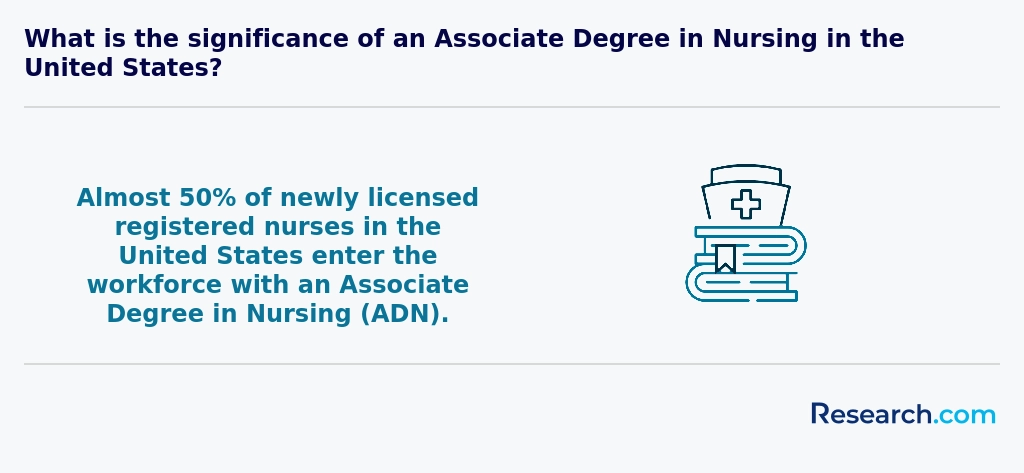
Many students begin with an Associate Degree in Nursing (ADN), which typically takes about two years at community colleges such as those in the CUNY system. These programs offer a quicker path into nursing, allowing graduates to start working soon, which brings a sense of accomplishment early on.
For those already holding an ADN, advancing through RN-to-BSN programs taking one to two years-common at Northeast universities-provides flexibility, especially for working nurses. This path often brings excitement and renewed motivation as students expand their skills and job prospects.
Finally, pursuing an MSN adds approximately two more years, often at institutions like New York University, allowing nurses to specialize or move into leadership roles. Many graduates remember the challenge but also the profound satisfaction in shaping their careers and making a broader impact in healthcare.
Accreditation is one of the most important checks when choosing a nursing program. It helps ensure that the degree is recognized by employers, supports eligibility for licensure, and meets accepted standards for nursing education.
Look for programs approved by:
- Commission on Collegiate Nursing Education (CCNE)
- Accreditation Commission for Education in Nursing (ACEN)
After graduation, RN candidates typically need to complete the following steps:
- Register for and pass the NCLEX-RN exam.
- Submit official transcripts and an application to the appropriate State Board of Nursing.
- Complete required background checks, immunizations, and fees.
- Verify eligibility through the Nurse Licensure Compact (NLC) if you plan to practice in multiple states.
Licensure rules can differ by state, so students should review the board requirements for the state where they intend to work. Nurses who later pursue advanced clinical leadership or practice roles may compare affordable DNP programs after gaining relevant clinical experience.
The key difference between online and on-campus nursing degrees in the Northeast often comes down to the learning environment and flexibility. Graduates from on-campus programs at institutions like the State University of New York (SUNY) frequently share how face-to-face interactions with instructors and hands-on clinical training at nearby hospitals helped build their confidence and practical skills.
Conversely, graduates from online nursing degrees appreciate the flexibility that programs offer, especially when balancing work or family responsibilities. They recount valuing the ability to study anatomy or pharmacology on their own time, though clinical hours still required them to seek local placements, which sometimes tested their resourcefulness.
Cost is another consideration; many students find public in-person programs in the Northeast tend to cost more than some online options, yet the convenience and immediacy of campus resources-like simulation labs and peer study groups-create a unique support system that virtual platforms try to emulate but can't fully replace.
- On-campus programs foster direct mentorship and supervised clinical practice in familiar healthcare settings.
- Online programs offer schedule flexibility but depend on students' initiative to find clinical sites nearby.
- In-person tuition at public Northeastern universities typically exceeds online fees, reflecting the broader campus experience.
- Networking opportunities and hands-on resources are more accessible on campus, enriching the educational journey.
Accelerated direct-entry MSN programs are designed for students who already hold a bachelor’s degree in a non-nursing field and want to enter nursing without completing a traditional second bachelor’s degree first. In the Northeast, these programs commonly combine intensive foundational nursing coursework, clinical rotations, simulation training, and graduate-level leadership or population health content.
These programs typically span 18–24 months and prepare graduates for RN licensure eligibility while awarding a Master of Science in Nursing. The pace is demanding. Students should expect full-time study, structured clinical scheduling, and limited flexibility compared with many standard graduate programs.
What to evaluate before applying
- Licensure pathway: Confirm that the program leads to NCLEX-RN eligibility in the state where you plan to practice.
- Clinical placement model: Ask whether the school arranges placements or expects students to find sites.
- Prerequisites: Many programs require science courses, a minimum GPA, and evidence of academic readiness.
- Career outcome: A direct-entry MSN may help you enter nursing quickly, but advanced practice roles may still require additional certification, experience, or specialized graduate preparation.
- Total cost and intensity: A shorter timeline can reduce time away from the workforce, but accelerated tuition and fees can still be substantial.
Competitive applicants often strengthen their files with healthcare volunteer work, patient-facing employment, shadowing, or internships. These experiences can also help you confirm that nursing is the right career change before committing to an intensive program.
To compare shorter pathways, tuition considerations, clinical expectations, and program structures, review this guide to an MSN program for non-nurses.
The average cost of obtaining a nursing degree in the Northeast typically centers around $50,651 for out-of-state students and about $33,751 for those attending as in-state residents. Many graduates from well-known nursing schools in New York or Massachusetts recall the challenge of managing these costs, especially when factoring in higher tuition at private institutions. Despite these expenses, they often emphasize the rewarding experience of hands-on clinicals and the strong professional networks formed during their studies.
Attending public universities offers some financial relief, as in-state tuition tends to be more affordable, yet the overall total cost of nursing programs in Northeast still reflects the region's metropolitan living expenses. Students frequently share stories of budgeting tightly while balancing intense coursework and long hours in hospital settings, which ultimately strengthened their determination and passion for the field.
Many aspiring nurses also explore financial aid options or seek scholarships tailored to this region to ease the financial load. Furthermore, those interested in advanced practice are encouraged to consider the cheapest bsn to dnp programs, an approach that some graduates found helped streamline their education and reduce cumulative expenses without sacrificing quality.
When calculating the average nursing degree cost Northeast 2027, it's essential to consider program length, institution type, and residency status, as these factors heavily influence the total investment needed for a fulfilling nursing career.

A strong nursing school application starts well before the deadline. Programs in the Northeast can be competitive, especially those with limited clinical placements, direct-entry options, or strong hospital partnerships. Build your timeline around prerequisites, testing, financial aid, and state-specific requirements.
Recommended application timeline
- 12–18 months before your start date: Research and compare programs. Decide whether you need an ADN, BSN, MSN, DNP, or bridge pathway. Check accreditation, NCLEX pass-rate information, clinical placement support, transfer credit policies, and whether the program aligns with your intended state of practice.
- 6–12 months before your start date: Prepare application materials. Request official transcripts from high school and prior colleges. Complete prerequisite coursework when required, especially sciences. Submit SAT, ACT, or TEAS results if the program requires them. Ask two to three recommenders who can speak to your academic preparation, patient-care readiness, reliability, and communication skills.
- 6–9 months before your start date: Complete financial aid planning. Submit the FAFSA as early as possible and review institutional scholarships, nursing grants, state aid, employer tuition benefits, and payment plans. Nursing programs often have added costs for uniforms, clinical supplies, background checks, immunizations, testing, and licensing fees.
- 3–6 months before your start date: Submit applications and track deadlines. Use a spreadsheet to monitor due dates, application fees, transcript status, test score delivery, recommendation letters, and supplemental forms. Missing one requirement can delay admission by a semester or a full academic year.
- 1–3 months before your start date: Prepare for interviews or final review. Some programs ask about patient-care scenarios, ethical judgment, teamwork, resilience, or previous healthcare exposure. If admitted, submit your deposit and complete required documentation, including immunization records and background checks.
- 1 month before your start date: Attend orientation, register for courses, review clinical expectations, and confirm technology, transportation, and schedule requirements. If your program includes clinical rotations, plan for early mornings, travel time, and site-specific onboarding.
Applicants who already know they want doctoral-level practice should map the full path early. Comparing BSN-to-DNP and related DNP options can help you understand how long-term cost, admissions requirements, and specialization choices may affect your plan.
Students pursuing nursing degrees in the Northeast often find federal aid essential for managing the high costs typical of this region. Graduates from schools like Boston University or the University of Pennsylvania frequently share how Pell Grants, which provide up to $7,395 annually, served as a vital stepping stone early in their education. For those with greater financial need, programs like the Federal Supplemental Educational Opportunity Grant (FSEOG) offer additional limited funds, easing the burden even further.
Federal student loans tailored for nursing students are another key resource. Many recall relief when qualifying for Direct Subsidized Loans, which pause interest accrual during enrollment-a meaningful advantage while focusing on demanding nursing coursework. Plus, the Direct PLUS loan option, although with higher interest, allows parents or graduate students to support their investments in nursing careers.
State-specific awards also make a real difference. Nurses who studied at institutions such as New York University often highlight the Registered Nurse Incentive Scholarship (RNIS), which rewards commitment to underserved areas with significant financial aid. Similarly, Massachusetts students benefit from Workforce Training Fund grants designed to encourage entry into healthcare roles.
Institutional scholarships at Northeastern colleges frequently help brighten students' prospects, rewarding merit or special circumstances. Some graduates emphasize how employer partnerships and hospital tuition reimbursement programs transformed their educational journeys into sustainable, hopeful careers in nursing, making financial challenges feel manageable and worthwhile.
Before practicing as a registered nurse, graduates must complete education, testing, and state licensure steps. Requirements can vary across Northeast states, so confirm current rules with the relevant board of nursing.
- Complete an accredited nursing program and submit official transcripts.
- Register for the NCLEX-RN exam through the National Council of State Boards of Nursing.
- Pass the NCLEX-RN to demonstrate competency in nursing fundamentals.
- Apply for state licensure, including required fees, background check, and immunization records.
- Renew your license every 1–2 years while meeting state-mandated continuing education requirements.
State boards vary: New York and Massachusetts require 30–45 CE hours per cycle; Pennsylvania mandates 30 hours. Nurses pursuing advanced practice, leadership, or specialized certification may consider DNP programs online as part of a long-term professional plan.
Enrolling in a nursing degree in the Northeast means meeting a set of clear, carefully designed prerequisites that many successful graduates recall as foundational to their journey. Most programs at renowned institutions like Boston College or the University of Pennsylvania expect applicants to have a high school diploma and solid skills in biology, chemistry, and math. Graduates often describe how completing prerequisite courses like anatomy and microbiology prepared them not just academically but also mentally for the challenges ahead.
Standardized tests such as the SAT or ACT remain a common requirement, though some schools are adopting test-optional policies, which can ease anxiety for many hopeful students. For example, those entering accelerated programs, often found at busy urban campuses in New York or Philadelphia, report that focused college-level coursework was key to their smooth transition.
Health clearances like immunizations and background checks are crucial, reflecting real-world readiness for clinical placements in top hospitals across the region. Alumni frequently highlight how submitting personal statements and recommendation letters allowed them to express their genuine passion and commitment, making the application process feel more personal and rewarding.
Graduating from a nursing program is not the final step before practice. Registered nurse candidates must pass the National Council Licensure Examination for Registered Nurses (NCLEX-RN) and satisfy the requirements of the state board where they seek licensure.
NCLEX support to look for in a nursing program
- NCLEX review courses built into the final semester or capstone sequence
- High-fidelity simulation labs that develop clinical judgment and prioritization
- Timed practice exams, remediation plans, tutoring, and faculty-led study groups
- Clinical partnerships that meet state requirements for supervised patient-care experience
Programs boasting NCLEX pass rates above 90% demonstrate consistent student success, but pass rates should be interpreted with context. Ask for the most recent data, the number of test takers, how the school supports students who are at risk, and whether NCLEX preparation is included in tuition or billed separately.
If affordability is a major concern, compare programs carefully rather than assuming a lower price means weaker preparation. This guide to Inexpensive Online Nursing Degree Programs can help you review lower-cost options while still considering licensure support.
Students in nursing programs at prominent Northeast schools often find themselves deeply engaged in courses that blend rigorous science with compassionate care. At institutions such as those in New York and Massachusetts, graduates frequently reflect on how anatomy, physiology, microbiology, and chemistry formed the essential backbone of their understanding of the human body and illness.
Beyond the hard sciences, courses in psychology and sociology help nursing students appreciate the mental and social factors shaping patient health. This broad perspective is invaluable for those working in busy urban hospitals or community clinics, where addressing emotional and social challenges is just as important as treating physical symptoms.
Nursing-specific classes cover a wide spectrum, including fundamentals of nursing practice, maternal and child health, medical-surgical nursing, and mental health care. Many graduates recall how pharmacology classes clarified medication effects, while research-focused coursework inspired critical thinking, empowering them to apply evidence-based practices in real clinical settings at their schools.
In nursing degree programs across the Northeast, students frequently encounter a rich variety of specializations that speak directly to the region's healthcare demands. Graduates from popular nursing schools often reflect on how specializing in areas like Family Nurse Practitioner or Psychiatric-Mental Health Nursing prepared them to meet community needs with confidence and compassion. Choosing pediatric or geriatric nursing, for example, means engaging deeply with vulnerable populations in states like New York or Massachusetts, where the aging demographic shapes healthcare priorities.
Many students appreciate how these programs balance rigorous clinical experiences with academic learning, especially in esteemed institutions often highlighted in discussions about the best nursing programs specialties Northeast. Some find their passion in highly specialized fields such as Nurse Anesthesia, which not only offers advanced skills but also strong career prospects. Others pursue Nursing Education, motivated by the desire to give back through teaching future nurses.
For those considering a tailored path, exploring an msn program for non-nurses in the Northeast can offer unique opportunities to pivot into nursing with focused specialization and support.
Choosing the best nursing degree programs Northeast 2027 requires careful attention to accreditation and the quality of clinical experiences, especially given the region's dense network of top hospitals. Graduates from well-known universities in the area often stress how accreditation by bodies like the CCNE made a critical difference in their confidence and licensure success. Many emphasize how having access to strong hospital partnerships allowed them to gain hands-on skills early, which proved invaluable when transitioning to professional roles.
Cost and program flexibility also weigh heavily on decisions. Students balancing work and study have found accelerated or online options beneficial, mirroring the evolving needs of nursing learners here. Those looking for affordable nursing schools in the Northeast often explore public institutions offering a balance of quality and price. Financial aid can ease this burden, and it's wise to compare tuition while keeping an eye on outcomes like NCLEX-RN pass rates.
For exploring budget-friendly paths, consider reviewing resources such as Inexpensive Online Nursing Degree Programs, which many students found helpful for planning their studies without sacrificing quality.
Graduates from nursing programs across the Northeast often find themselves navigating a diverse landscape of healthcare jobs for nursing graduates Northeast that extend well beyond traditional bedside roles. Many Registered Nurses from top institutions like Columbia University or the University of Pennsylvania share how their clinical experiences prepared them for steady employment in hospitals and outpatient centers where demand remains high. Others have embraced advanced practice roles such as Nurse Practitioners or Clinical Nurse Specialists, reflecting the region's growing need for specialized care.
Career paths also include public health nursing, especially in urban centers like Boston and Philadelphia, where graduates contribute to impactful community health initiatives serving underserved populations. For those inclined toward leadership, opportunities in nursing administration or informatics offer a chance to influence healthcare operations and policy, often accompanied by rewarding salaries that acknowledge the region's cost of living.
Many graduates find fulfillment in academia or research, drawn by institutions' strong emphasis on nursing scholarship. Given the range of pathways, students exploring nursing can even consider shorter, focused training options like the best 6 month online course with high salary to launch their careers efficiently.
The nursing job outlook in the Northeast is notably strong, reflecting a region where healthcare demands grow alongside its aging population. Graduates from well-regarded nursing programs at universities in cities like Boston or New York find diverse employment opportunities ranging from hospitals to outpatient care centers. Many report satisfying early careers in both urban medical centers and community health settings, appreciating the chance to develop specialized skills in advanced care environments.
Employment opportunities for nurses Northeast extend beyond traditional roles, with graduates welcomed in home healthcare and long-term care facilities. The competitive salaries, averaging around $87,000 annually, provide encouragement for many who invest in their nursing education despite sometimes steep tuition costs at private institutions. The positive sentiment expressed by recent nursing graduates from local colleges underscores a shared belief in the career's sustainability and financial viability.
For those considering further specialization or enhancement of credentials, exploring certificate programs online that pay well complements clinical experience and can open more doors within the region's robust healthcare sector.
2027 Best Nursing Degree Programs Ranking in the Northeast
Investing in your education is a significant decision that can shape your future, and the Research.com team understands the importance of making informed choices. To assist prospective students in the Northeast, we have meticulously crafted the "2027 Best Nursing Degree Programs Ranking in the Northeast." Our commitment to quality, credibility, and accuracy is reflected in the extensive research and analysis conducted to compile this ranking.
We utilized the following reputable data sources to ensure a comprehensive evaluation of nursing programs:
By exploring this ranking, readers will gain valuable insights into the best nursing degree programs offered in the Northeast, helping them make well-informed educational decisions. For more details on our methodology, please visit our Research.com methodology page.


Frequently Asked Questions About nursing
Nursing degree students in the Northeast can maximize their learning experience by engaging fully with clinical rotations at diverse healthcare facilities. The region offers extensive partnerships with top hospitals, such as Massachusetts General and NYU Langone, providing exposure to varied patient populations. According to the American Association of Colleges of Nursing, over 60% of BSN students in the Northeast participate in multiple clinical sites, which enhances practical skills and adaptability.
Students should also leverage simulation labs that many Northeast programs provide, allowing safe practice of critical nursing procedures. Additionally, joining nursing organizations like the New England Nursing Association offers networking and mentorship opportunities.
Utilizing available academic resources, such as tutoring and research seminars focused on regional health challenges, strengthens theoretical understanding. Finally, balancing coursework with real-world experience prepares students for licensure exams and future nursing roles.
The nursing field in the Northeast is evolving rapidly, with several emerging niches gaining prominence. One key area is geriatric nursing, driven by an aging population in states like New York and Massachusetts. According to the U.S. Census Bureau, nearly 16% of the Northeast's population is over 65, increasing demand for specialized elder care.
Another growing niche is telehealth nursing. The adoption of digital health technologies accelerated during the COVID-19 pandemic, with Northeast hospitals expanding remote monitoring and virtual consultations. This trend creates new roles focusing on technology integration and patient communication.
Behavioral health nursing also shows rising importance. Increasing awareness of mental health needs, especially among adolescents and veterans, fuels demand for nurses trained in psychological support.
Preparing for the job market after completing a nursing degree in the Northeast involves several important steps. First, obtaining licensure through the NCLEX-RN exam is mandatory to practice as a registered nurse. The Northeast has a strong demand for nurses, with states like New York and Massachusetts reporting growth rates near 15% from 2020 to 2030, according to the Bureau of Labor Statistics.
Networking is also crucial. Joining local nursing associations and attending regional job fairs can connect graduates with employers. Additionally, gaining clinical experience through internships or residencies helps build practical skills and improves employability.
Finally, continuing education and specialization, such as becoming a nurse practitioner or certified nurse midwife, can increase job prospects in this competitive market.
Employers in the Northeast highly value nursing graduates who demonstrate strong clinical competence combined with excellent communication skills. According to the Massachusetts Board of Registration in Nursing, effective patient communication and teamwork are critical, especially in diverse urban healthcare settings.
Analytical skills are increasingly important, as nurses must interpret complex medical data to deliver quality care. The New York State Department of Labor highlights that proficiency with electronic health records (EHR) is essential due to widespread digital integration.
Additionally, adaptability and cultural competence are key, given the region's diverse patient populations. Leadership skills also provide graduates an edge, aligning with rising demands for nurse coordinators and managers.
Finding internships for nursing degrees in the Northeast involves leveraging connections between educational institutions and healthcare facilities. Many nursing schools in the region maintain partnerships with hospitals, clinics, and long-term care centers to provide students with clinical experience.
Students should check with their school's career services or nursing department for internship listings. The Massachusetts Department of Higher Education, for example, reports that over 80% of nursing programs in the Northeast facilitate clinical placements through formal agreements.
Additionally, using statewide workforce boards and platforms like the Northeast Public Health Training Center can help locate opportunities. Networking at local healthcare events or through professional nursing associations may uncover internships not publicly advertised.
Obtaining a nursing degree significantly enhances career mobility and advancement opportunities in the Northeast. According to the Bureau of Labor Statistics (BLS), the Northeast states tend to offer higher median salaries for registered nurses compared to the national average, often linked to advanced qualifications.
Higher education, such as a Bachelor of Science in Nursing (BSN), is increasingly preferred by employers in hospitals and healthcare systems throughout the region. The American Association of Colleges of Nursing (AACN) reports that 70% of employers in the Northeast require or strongly prefer a BSN for competitive roles.
Nursing degrees also open doors to specialized positions and leadership roles. For example, nurses with advanced degrees can pursue careers as nurse practitioners or clinical nurse leaders, widening their career options in dense healthcare markets like New York and Massachusetts.
Studying for a nursing degree in the Northeast provides students with strong preparation for interdisciplinary roles through robust collaboration opportunities and diverse clinical experiences. Many nursing programs in this region emphasize teamwork with other healthcare professionals such as physicians, social workers, and pharmacists.
According to the New England Nursing Education Consortium, over 85% of nursing programs in the Northeast integrate interprofessional education into their curricula. This fosters communication and problem-solving skills essential in complex healthcare settings.
Moreover, healthcare facilities in the Northeast are often part of large, multidisciplinary networks, allowing nursing students access to varied clinical environments. These experiences build competence in coordinating patient care across disciplines, a key skill for modern nursing roles.
Choosing between a thesis and a non-thesis nursing degree program in the Northeast depends on your career goals and learning preferences. Thesis programs often focus on research, ideal for students aiming for doctoral studies or roles in academia. These programs require completing a significant research project and defending it before a committee.
Non-thesis programs generally emphasize practical skills and clinical experience, suited for students seeking immediate employment in healthcare settings. According to the National League for Nursing, many Northeast schools offer both options to accommodate diverse student needs.
Consider future plans, time commitment, and whether you prefer research or hands-on practice when deciding.
Students based in the Northeast interested in studying nursing abroad have several options through partnerships between US institutions and international universities. Many nursing programs in this region, such as those at New York University and Boston College, offer study abroad or exchange opportunities with schools in countries like Ireland, Australia, and the United Kingdom. These programs enable students to gain global healthcare perspectives while fulfilling clinical requirements.
According to the American Association of Colleges of Nursing, nearly 20% of BSN programs nationally incorporate international experience options, with Northeastern schools leading in such initiatives.
Participants can enhance cultural competency and professional skills, important in increasingly diverse US healthcare settings.
Part-time job opportunities in the Northeast that complement nursing degree education often include roles such as certified nursing assistants (CNAs), medical scribes, and home health aides. These positions provide valuable hands-on experience alongside academic learning.
For example, according to the U.S. Bureau of Labor Statistics (2023), the Northeast has a higher demand for CNAs, with states like New York and Massachusetts seeing above-average employment growth in healthcare support roles. These jobs help students develop clinical skills and patient interaction.
Additionally, campus health centers frequently hire nursing students for part-time jobs, enabling them to gain exposure to healthcare environments while managing their studies.
Nursing students in the Northeast benefit from diverse networking opportunities through local professional organizations, clinical placements, and academic events. The Northeast region hosts chapters of the American Nurses Association (ANA) where students can connect with practicing nurses and gain insights about the profession.
Clinical rotations in prominent hospitals across states like New York, Massachusetts, and Pennsylvania provide students with valuable hands-on experience and exposure to healthcare professionals. Universities often organize job fairs and alumni networking events, helping students establish relationships with potential employers.
According to the New England Nursing Research Society, collaboration and mentorship are emphasized to support new nurses' career development.
Alumni networks play a crucial role for nursing degree students in the Northeast by offering valuable professional connections. Many northeastern nursing programs have strong, active alumni communities that assist current students with mentorship, job placement, and career advice. According to the American Nurses Association, states in the Northeast report some of the highest nurse employment rates nationwide, increasing the importance of leveraging alumni contacts for competitive positioning.
These networks often facilitate access to clinical internships and job opportunities at leading hospitals and healthcare centers in the region. They also provide nursing students with real-world insights and support through networking events and forums.
By participating in an alumni network, students improve their chances of seamless transition into the workforce, which is vital in a field experiencing consistent growth in the Northeast.
Customizing a nursing degree program in the Northeast involves selecting specific tracks or concentrations that align with your career goals. Many accredited schools offer options such as pediatrics, gerontology, or psychiatric nursing. The U.S. Bureau of Labor Statistics highlights that specialized nurses in these areas often experience higher demand regionally. Additionally, you can tailor your clinical hours by choosing affiliates with hospitals or clinics that focus on your preferred patient population. Some programs also allow part-time study or online coursework, which supports working professionals. According to the American Association of Colleges of Nursing, about 65% of Northeast nursing programs incorporate simulation labs to enhance practical skills. These flexible components enable you to shape your education for maximum career relevance.
Nursing students in the Northeast face several common challenges throughout their education. One significant hurdle is the high cost of tuition, as many nursing programs in states like New York and Massachusetts rank among the most expensive nationwide, according to the College Board. This financial burden often leads students to seek loans or part-time work.
Additionally, clinical placements can be competitive due to dense populations and limited hospital partnerships, which may delay hands-on experience essential for licensure.
Lastly, the rigorous coursework combined with long clinical hours contributes to high stress levels, impacting many students' mental health, as reported by the American Nurses Association.
With a nursing degree in the Northeast, graduates can pursue several professional certifications to advance their careers. Common certifications include the Registered Nurse (RN) license, which is mandatory to practice nursing in all states. Additionally, many nurses seek specialty certifications such as Critical Care Registered Nurse (CCRN) or Certified Nurse Midwife (CNM), which enhance expertise and job opportunities.
The Northeast region, including states like New York and Massachusetts, has a high demand for advanced practice nurses, reflected in workforce reports from the Bureau of Labor Statistics. Certifications like Nurse Practitioner (NP) or Clinical Nurse Specialist (CNS) are valuable for those aiming at advanced roles.
National organizations like the American Nurses Credentialing Center offer certification exams recognized across the US, including the Northeast. These credentials often lead to higher salaries and greater professional recognition. Prospective students should research state-specific requirements and continuing education to maintain certification validity.
Applying to a nursing program in the Northeast requires careful preparation and attention to detail. Many competitive programs look for a strong academic record, particularly in science courses like biology and chemistry. According to the American Association of Colleges of Nursing, programs in this region often expect applicants to have a GPA of 3.0 or higher.
Crafting a compelling personal statement is crucial. Highlight your motivation for nursing, relevant experiences, and career goals clearly and concisely. Demonstrating an understanding of healthcare challenges specific to the Northeast can strengthen your application.
Letters of recommendation from healthcare professionals or instructors who know your abilities well can also improve your candidacy. Additionally, prepare for possible entrance exams or interviews with confidence and professionalism.
The nursing profession holds significant importance worldwide, reflecting its critical role in healthcare systems. In the United States, and particularly in the Northeast, nursing careers benefit from strong educational programs and diverse job opportunities. According to the Bureau of Labor Statistics, registered nursing jobs in the Northeast are projected to grow faster than the national average through 2031, highlighting ongoing demand. Globally, nurses often serve as frontline healthcare providers, making their expertise valuable in international contexts such as humanitarian aid and public health.
Regional education standards in the Northeast emphasize rigorous clinical training, preparing graduates for both local and global challenges. Institutions like Yale and Johns Hopkins contribute to research and innovation that influence nursing practices worldwide. For students considering a nursing degree in this region, understanding global nursing trends can expand career prospects across borders.
Gaining practical experience while studying for a nursing degree in the Northeast is essential for developing clinical competence. Most accredited nursing programs in this region incorporate mandatory clinical rotations in hospitals, community health centers, and long-term care facilities. These hands-on experiences allow students to apply theoretical knowledge in real healthcare settings under supervision.
Additionally, many programs partner with renowned medical institutions in states like New York, Massachusetts, and New Jersey, offering internships and externships that enhance real-world skills. According to the American Association of Colleges of Nursing (AACN), over 85% of nursing students in the Northeast complete clinical hours before graduation, meeting state licensure requirements.
Volunteer opportunities and simulation labs also provide valuable exposure, especially where direct patient contact is limited. These experiences are crucial to preparing nursing graduates for licensure exams and professional practice.
Choosing the right concentration within a nursing degree in the Northeast depends on several key factors. First, consider your personal interests and strengths, such as whether you prefer pediatric, geriatric, or critical care nursing. The Northeast hosts many specialized healthcare facilities offering diverse clinical experiences that can guide your choice.
Next, research local job market trends. For example, the Bureau of Labor Statistics projects a 15% growth in registered nurse jobs in the Northeast from 2022 to 2032. Concentrations like gerontology and psychiatric nursing are particularly in demand due to the region's aging population.
Finally, evaluate program offerings at accredited schools, such as those listed by the Commission on Collegiate Nursing Education (CCNE), to ensure quality education and licensure preparation.
See What Experts Have To Say About Studying Nursing
Read our interview with Nursing experts

Lisa Grubb
Nursing Expert
Assistant Professor
Johns Hopkins School of Nursing

- How to Choose the Right Nursing Program for Your Career Goals - Maria College https://mariacollege.edu/blog/how-to-choose-the-right-nursing-program-for-your-career-goals
- How to Choose a Nursing Program: A Comprehensive Guide - Madonna ABSN https://absn.madonna.edu/blog/how-to-choose-a-nursing-program/
- Working While in Nursing School: 25 Ways to Make Money as a Nursing Student https://credenzahealth.com/career-advice/working-while-in-nursing-school-25-ways-to-make-money-as-a-nursing-student
- What Nursing Concentration Is Right for Me? | Maryville Nursing https://nursing.maryville.edu/blog/what-nursing-concentration-is-right-for-me
- 10 Nursing Fields That Are Growing in Demand https://promedcert.com/blog/10-nursing-fields-that-are-growing-in-demand
- Scholarships & Financial Aid https://www.aacnnursing.org/students/scholarships-financial-aid
- Essential Tips for Nursing Students to Advance Their Careers https://almanaltraining.com/essential-tips-for-nursing-students-to-advance-their-careers/
- What Are the Best Jobs to Work While in Nursing School? https://www.dewv.edu/what-are-the-best-jobs-to-work-while-in-nursing-school/
- Medical University of GdaÅsk https://admission.mug.edu.pl/29318.html
- 51 Trending Nursing Specialties | All Nursing Schools https://www.allnursingschools.com/specialties/