2027 Most Popular Nursing Degree Programs Ranking in Utah

Co-Founder and Chief Data Scientist
Choosing the right nursing degree program is an important step toward a rewarding healthcare career. This article presents the 2027 Most Popular Nursing Degree Programs Ranking in Utah, crafted by the Research.com team of data scientists to guide you through your options.
By exploring these top programs, you'll gain valuable insights into quality education and career opportunities. Whether you're starting fresh or advancing your skills, a nursing degree can open doors to meaningful work and personal growth.
Keep reading to discover which programs stand out and make your decision easier.
Key benefits of getting nursing degree in Utah
- Graduates with a nursing degree in Utah can enjoy competitive salaries, such as Registered Nurses earning a mean annual wage of $94,480 and Operating Room Nurses making up to $128,490, offering strong financial stability.
- Nursing degree holders have diverse career paths including Registered Nurse roles, Clinical Nurse Educator, Public Health Nurse, and Emergency Room Nurse, reflecting flexible opportunities in Utah's healthcare system.
- Obtaining a nursing degree online from a Utah university allows great flexibility, enabling students to balance studies with life and work while gaining the same respected credentials as traditional programs.
- 2027 Most Popular Nursing Degree Programs Ranking in Utah
- What can I expect from nursing degree in Utah?
- Where can I work with nursing degree in Utah?
What can I expect from nursing degree in Utah?
Studying nursing in Utah opens the door to rewarding challenges-and understanding the financial side is part of that adventure. At universities like the University of Utah or Utah Valley University, in-state tuition for a Bachelor of Science in Nursing (BSN) typically ranges from $7,000 to $10,000 per year. Graduates often reflect on how this investment felt manageable, especially with financial aid and scholarships tailored specifically for nursing students easing the journey.
Imagine balancing rigorous coursework with hands-on clinical hours in vibrant hospital settings across Utah, knowing the cost feels justified by the valuable experience gained. Some graduates recall stretching their budgets but feeling motivated by the growing demand for nurses in both bustling Salt Lake City and rural communities, making their roles vital and fulfilling.
Private institutions may ask for more, but many students discover that careful planning and assistance can make nursing degrees in Utah accessible. The financial effort often feels like a gateway to a future full of meaningful opportunities and personal growth.
Where can I work with nursing degree in Utah?
Picture yourself stepping into one of Utah's bustling hospitals, like those connected to the University of Utah Health, where nursing graduates dive into roles ranging from emergency care to oncology. Many grads from local schools find this fast-paced environment exhilarating as they collaborate with doctors and support patients through critical moments.
Others discover rewarding careers in outpatient clinics or community health centers, where they help manage chronic illnesses and deliver preventive care to Utah's diverse populations. Imagine working alongside families while making a real difference in neighborhoods across Salt Lake City or Ogden.
Home health nursing also beckons as a heartfelt path-graduates often recount visiting patients' homes, offering personalized care and companionship, a role growing with Utah's aging residents.
Long-term care and assisted living centers provide another avenue, where nurses build meaningful relationships over time with elderly residents.
For those drawn to academia or research, Utah's universities offer positions shaping future nurses and advancing medical knowledge, fueling a sense of purpose and continuous discovery.
Graduates from nursing programs at universities like the University of Utah or Weber State often wonder, "How much can I actually make in Utah?" The answer is quite promising! Entry-level registered nurses typically start earning salaries around $79,630 annually here, based on both local and national trends. But if you look at the bigger picture, this figure aligns well, considering Utah's affordable living costs.
Imagine a recent graduate from Utah Valley University stepping confidently into their role. As a registered nurse, their average salary can reach about $94,480, opening doors to a stable, rewarding career. Those venturing into specialized areas, like emergency room nursing, hold a similar salary expectation, with a mean annual wage also near $94,480.
For the adventurous nurses aiming higher, the operating room offers an exhilarating career path with a remarkable mean wage of $128,490 per year. Graduates equipped with this specialization from Utah's nursing schools often share excitement about the blend of challenge and reward, both professionally and financially.
The nursing degrees obtained here do more than educate-they ignite opportunities where passion meets paycheck in the Beehive State.
- Utah offers ADN, BSN, and advanced nursing degrees, with programs accredited for NCLEX-RN eligibility.
- ADN tuition costs about $10,000 to $15,000 at public community colleges, while BSN programs range from $20,000 to $35,000 at four-year universities.
- Starting salaries for new nurses average $60,000 per year, with median RN salaries near $78,000 annually.
- Nursing job growth in Utah is projected at 16% over the next decade, outpacing the national average.
- Clinical training partnerships with local hospitals enhance student experience before graduation.
Exploring nursing education in Utah reveals a variety of exciting paths tailored to different ambitions and time commitments. For example, those eager to jump quickly into patient care often choose the Licensed Practical Nurse (LPN) programs offered at local community colleges, completing their studies in just 12 to 18 months. Imagine diving into hands-on skills in technical colleges around Utah, preparing you swiftly for essential healthcare roles.
If your vision is to become a registered nurse, many graduates from Salt Lake Community College share how their 2-year Associate Degree in Nursing (ADN) journey balanced classroom learning with real-world clinical experiences, fueling their confidence to care for patients effectively.
Others who pursued a Bachelor of Science in Nursing (BSN) at institutions like the University of Utah embraced the full 4-year adventure. They describe it as a rewarding blend of science, leadership, and clinical practice that opens doors to advanced career opportunities and deeper patient impact.
For those with existing degrees, accelerated BSN programs condense this experience into 11 to 18 months, a thrilling, fast-paced leap that many Utah grads find both challenging and exhilarating.
Graduates of Utah’s nursing programs consistently achieve NCLEX-RN pass rates above the national average, with top BSN programs reporting first-time pass rates between 90% and 98%. Achieving these outcomes relies on a structured preparation plan:
- Understand Exam Content: Review the NCLEX-RN Test Plan issued by the National Council of State Boards of Nursing (NCSBN) to identify key content areas-Safe and Effective Care Environment, Health Promotion, Psychosocial Integrity, and Physiological Integrity.
- Create a Study Schedule: Allocate daily study blocks starting at least three months before graduation. Balance content review with practice questions to reinforce critical thinking under timed conditions.
- Utilize Practice Exams: Regularly simulate exam conditions with question banks and full-length practice tests. Analyze performance trends to target weaker domains.
- Join Review Courses: Enroll in live or online review workshops offered by Utah-based schools. Cohort-based sessions foster peer support and accountability.
- Leverage Academic Resources: Tap into faculty office hours, tutoring centers, and study groups. Collaborative learning enhances retention of complex concepts like pharmacology and pathophysiology.
- Manage Test Anxiety: Incorporate mindfulness techniques, adequate sleep, and healthy nutrition into your routine to maintain focus and confidence on exam day. For students interested in fast-tracking their clinical skill development before tackling RN licensure, the top 6-month lpn to rn degree programs online offer a streamlined foundation that can boost practical competence and exam readiness. By combining rigorous academic study with targeted NCLEX-RN strategies, aspiring nurses in Utah can secure licensure and launch rewarding healthcare careers.
Imagine attending classes at the University of Utah, surrounded by peers and instructors, where hands-on clinical work at local hospitals builds your confidence step by step. On-campus nursing programs like this bring teamwork and face-to-face support, making every lesson feel immediate and engaging. Graduates often recall the buzz of campus life and those real-time conversations that turned theory into practice.
Now, picture studying from home through Utah Valley University's online program, where lectures fit around your busy schedule, and discussion boards connect you with classmates across the state. Online nursing students enjoy the freedom to learn asynchronously, perfect for those juggling jobs or family. Yet, they still venture out for in-person clinical hours, blending tech-driven learning with real-world healthcare experience.
Both paths dive into the same rigorous curriculum, preparing you for the NCLEX-RN licensure in Utah. Whether it's the campus camaraderie or the flexible independence that excites you, Utah's nursing degrees offer an adventurous journey tailored to your lifestyle.
When pursuing a nursing degree in Utah, one of the critical factors to consider is the financial aspect. The cost of tuition, fees, and other expenses can vary significantly depending on the institution and program type. Prospective students should research thoroughly to understand the total cost of attendance and explore available financial aid options, such as scholarships and grants. For instance, students can look into the most affordable nursing schools in Utah to make informed decisions about their educational investment. By considering these financial factors, nursing students in Utah can make the most of their educational journey and set themselves up for success in their future careers.
Exploring the average cost of nursing degree in Utah reveals an inviting landscape for aspiring healthcare professionals. For many, attending a community college with an associate degree nursing program can be an affordable entry, often aligning with a median in-state total cost around $9,620. Students enrolling in these programs, such as those at Salt Lake Community College, often share stories of balancing hands-on clinicals with manageable tuition, sparking excitement about entering the nursing field without overwhelming debt.
On the other hand, those pursuing a bachelor's degree, commonly found at institutions like the University of Utah or Utah Valley University, encounter a broader educational journey with tuition that naturally rises but opens doors to advanced nursing roles. These graduates frequently highlight their pride in completing a comprehensive program, feeling equipped and confident as they step into complex care environments.
While private nursing schools present higher tuition costs, the overall investment in Utah is often seen as a gateway to a rewarding career. Many students discover helpful scholarships through the Utah Board of Nursing, which soften the financial impact. To find the most affordable nursing schools in Utah and explore options suited to your budget, researching specific programs can uncover hidden gems.
It's worth noting that nursing degree program tuition fees can include additional expenses, but many Utah students cherish the support networks around them, celebrating small victories throughout their studies and beyond.

Ensuring a nursing program’s accreditation and alignment with Utah’s licensing standards is vital for both your education and career prospects. Accredited programs meet rigorous quality benchmarks set by recognized bodies, such as the Commission on Collegiate Nursing Education (CCNE) and the Accreditation Commission for Education in Nursing (ACEN). Here’s what you need to know: • National Accreditation: CCNE and ACEN accreditation confirm that a program’s curriculum, faculty qualifications, and clinical experiences adhere to industry best practices. Graduates of accredited programs are eligible to sit for the NCLEX-RN or NCLEX-PN licensure exams. • State Board Approval: In Utah, the Utah Division of Occupational and Professional Licensing (DOPL) must approve nursing programs to ensure that graduates meet state-specific requirements for licensure. Always verify program approval on the DOPL website before enrolling. • Clinical Site Verification: Accreditation bodies periodically review clinical partnerships, ensuring students gain hands-on experience in hospitals, community clinics, and specialized care settings. This oversight helps you build confidence and competence before entering the workforce. • Advanced Practice Accreditation: For those pursuing graduate-level credentials-such as Nurse Practitioner or Clinical Nurse Specialist-programs must hold separate accreditation for master’s or doctoral curricula. Prospective students exploring these tracks often ask whether are online psychiatric nurse practitioner programs affordable? Reviewing accreditation status ensures you invest in a program that counts toward national certification exams and state licensure. By choosing an accredited and state-approved program in Utah, you safeguard your ability to practice across diverse healthcare environments, streamline your path to licensure, and enhance your long-term career mobility.
Imagine stepping onto the campus of the University of Utah or Weber State University, feeling excitement mixed with the weight of tuition costs. Many nursing students here quickly discover a treasure trove of financial aid opportunities. Utah's Board of Regents and the Utah System of Higher Education open doors to grants designed specifically for allied health and nursing fields, giving students a much-needed boost without added debt.
Picture a graduate recalling how applying for a Pell Grant, which in 2023-2024 offers up to $7,395, made their dream feel more attainable. Paired with Federal Work-Study programs, these aid options not only ease tuition worries but also provide hands-on healthcare experience. Scholarships from local foundations and the Utah Nurses Association often reward dedication, especially for those committed to serving rural Utah communities.
For graduates drawn to giving back, loan forgiveness programs tied to working in underserved Utah areas are a game-changer. These supports transform financing nursing degrees at in-state colleges into an exciting, doable adventure rather than a financial hurdle.
Before beginning clinical practice, every nursing graduate in Utah must obtain licensure through the Utah Division of Occupational and Professional Licensing (DOPL). This process ensures you meet state standards for safe, effective patient care. 1. NCLEX-RN Examination • Eligibility: Submit official transcripts showing graduation from a state-approved nursing program. • Registration: Create an account with the National Council of State Boards of Nursing (NCSBN) and pay the exam fee. • Scheduling: Once you receive your Authorization to Test (ATT), schedule the NCLEX-RN at a Pearson VUE center. • Results: Typically available online within 48 hours. Passing the NCLEX-RN grants you the Registered Nurse (RN) credential in Utah. 2. Utah DOPL Application • Online Application: Complete the DOPL application, upload your NCLEX-RN results, and pay the licensing fee. • Background Check: Undergo fingerprinting and a criminal background check, as mandated by state law. • Approval Timeline: Licenses are usually issued within 2–4 weeks after all documentation is verified. 3. Certification and Renewal • Continuing Education: Utah requires RNs to complete 30 hours of approved continuing education every two years. • Advanced Practice: For those pursuing roles like Nurse Practitioner or Clinical Nurse Specialist, national certification (e.g., ANCC, AANP) is required in addition to DOPL approval. • Endorsement: If you hold an active RN license in another state, apply for endorsement rather than taking the NCLEX-RN again. 4. Planning for Advanced Degrees Nurses seeking leadership or doctorate-level roles can compare program costs and outcomes. For example, prospective DNP students may explore the Cheapest Online Doctorate in Nursing Degree Programs Ranking in the South to identify affordable pathways that meet both academic and certification requirements.
To embark on your nursing journey in Utah, you'll first need a high school diploma or a GED-this is the key that unlocks the door to nursing programs at schools like the University of Utah or Weber State. Many graduates recall how having solid biology and chemistry classes in high school gave them a head start, making courses about human anatomy and pharmacology feel less daunting.
Another adventure awaits with the Test of Essential Academic Skills (TEAS), a challenge that gauges your reading, math, science, and English skills. Many nursing hopefuls at Utah Valley University found this test both intense and rewarding, sharpening their confidence for the demanding coursework ahead.
Beyond academics, you'll dive into personal statements, letters of recommendation, and sometimes interviews that paint a picture of your passion and resilience. Most programs also require background checks and drug screenings, ensuring you're ready to safely care for patients in real clinical settings.
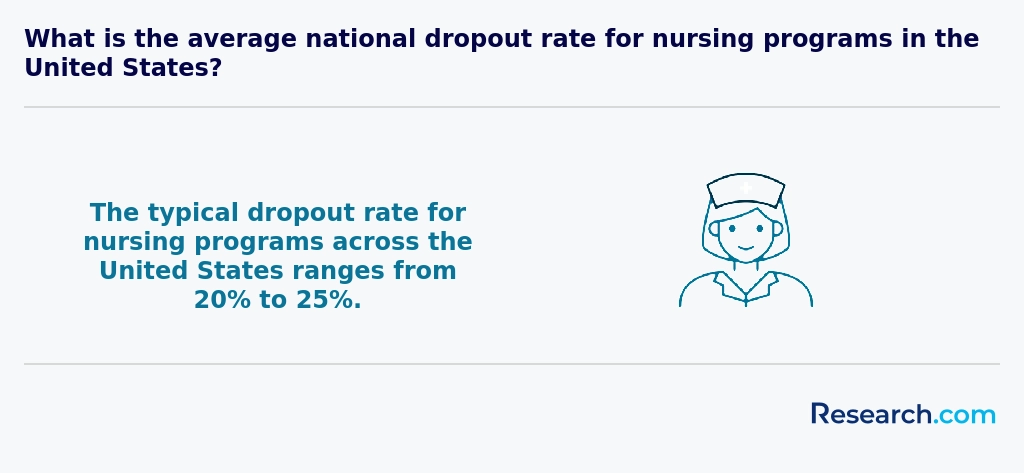
All nursing programs in Utah must be accredited by the Commission on Collegiate Nursing Education (CCNE) or the Accreditation Commission for Education in Nursing (ACEN) and approved by the Utah Division of Professional Licensing. Accreditation ensures your education meets national standards and qualifies you to sit for the NCLEX-RN exam.
- Choose a program with CCNE or ACEN accreditation to secure eligibility for state and national licensure.
- Complete the required clinical hours as mandated by the Utah Board of Nursing.
- Apply for and pass the NCLEX-RN exam to obtain your Registered Nurse (RN) license in Utah.
- Maintain licensure with a minimum of 30 hours of continuing education every two years.
Selecting reputable programs-some students even explore easy nursing programs to get into that meet these standards-ensures your qualifications are recognized both in Utah and nationwide.
Diving into a nursing degree in Utah means embracing a rich blend of courses that prepare you for the thrilling challenges of healthcare. Imagine walking through the halls of universities like the University of Utah or Weber State, where graduates often recall their excitement during foundational classes such as anatomy and physiology-unlocking the mysteries of the human body right before their eyes.
Courses in microbiology and chemistry feel like stepping into the world of tiny organisms and chemical reactions, essential for understanding how diseases and medicines interact. Nutrition and psychology bring a fresh perspective, helping students see patients as whole people with unique needs.
Core nursing courses spark curiosity and confidence: from mastering pharmacology and safe medication administration to exploring pathophysiology, graduates describe the "aha" moments when complex disease processes suddenly make sense.
Hands-on clinical rotations at Utah hospitals let students apply this knowledge, connecting theory to real emotions and stories of patients, making every lesson come alive in ways textbooks alone never could.
Utah nursing programs offer a thrilling array of specializations that beckon students eager to shape their healthcare careers. Graduates from universities across Utah often speak about the excitement of diving into the Registered Nurse (RN) to Bachelor of Science in Nursing (BSN) path, where clinical skills and leadership flourish. Those enrolled at popular colleges find themselves energized by advanced roles like Family Nurse Practitioner (FNP) and Psychiatric-Mental Health Nurse Practitioner (PMHNP), preparing them to tackle vital healthcare challenges with confidence.
Exploring nursing degree specializations in Utah also means encountering fields like Pediatric Nursing, where students connect deeply with children and families, or Geriatric Nursing, addressing the unique needs of Utah's growing elderly community. Imagine the adrenaline of Emergency and Critical Care Nursing, training at hospitals familiar to Utah graduates, readying students for fast-paced lifesaving situations.
Curious about specialized paths? Many wonder if are online psychiatric nurse practitioner programs affordable, a question often answered by those embracing Utah nursing program specialty options and their personal journeys.
Choosing the best nursing degree in Utah often starts with pinpointing which program matches your ambitions. Graduates from top universities in Utah express how earning a BSN opened doors in Salt Lake City's bustling healthcare scene, where many employers favor this credential. Picture yourself gaining hands-on experience through clinical placements at renowned local hospitals, a highlight often shared by students from well-regarded colleges across the state. This practical exposure makes learning exciting and deeply rewarding. For those weighing costs, nursing programs vary widely in price-from accessible community colleges to four-year universities-making affordability a key factor when exploring the best nursing degree programs Utah offers. Scholarships and employer tuition reimbursements can ease this journey, ensuring passion meets practicality. Remember to check accreditation and NCLEX pass rates, essential indicators of program quality. For adventurous students eager to accelerate, exploring the top 6-month lpn to rn degree programs online could be a thrilling path forward.
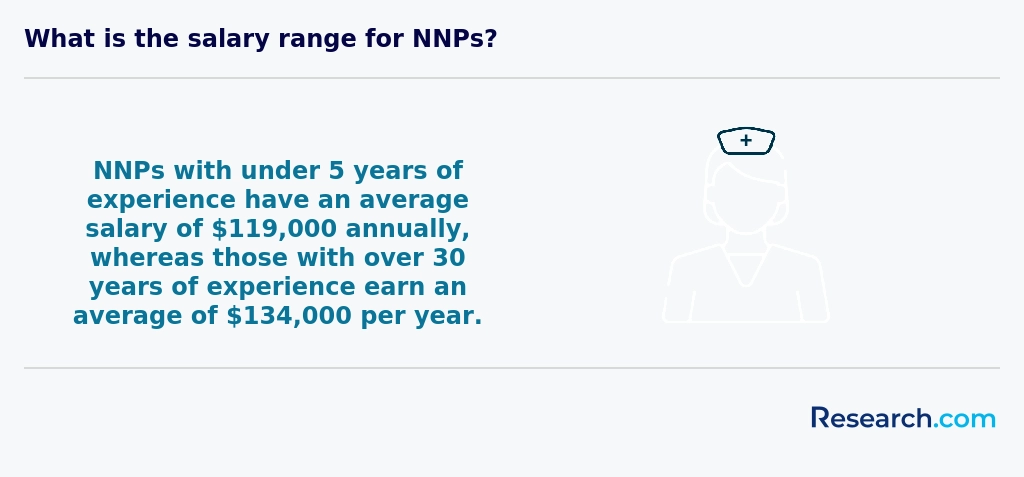
Graduates from popular nursing programs in Utah, such as those at the University of Utah, often embark on exciting nursing career opportunities in Utah that stretch far beyond the bedside role of a registered nurse. Many discover themselves thriving as nurse practitioners or clinical nurse specialists, combining hands-on care with leadership to improve health outcomes across communities. Imagine working in rural Utah, where nurse practitioners play a vital role filling healthcare gaps-graduates share how this fulfills a deep sense of purpose and adventure.
Others find joy in public health nursing, joining forces with local programs to promote wellness and disease prevention in neighborhoods across Salt Lake City and beyond. Nursing degree holders also explore diverse fields like oncology or psychiatric nursing, each offering specialized challenges and rewards. For those driven by academia, teaching at Utah colleges helps future nurses take flight. These Utah nursing degree job prospects reflect a dynamic world where your passion can unfold in many directions.
Cost considerations are real, but many students appreciate the value of degrees from institutions like the University of Utah, where tuition remains accessible. For those curious to deepen expertise with a doctorate, the Cheapest Online Doctorate in Nursing Degree Programs Ranking in the South is a handy guide, helping to navigate options while pursuing adventurous careers with impact.
The nursing job outlook Utah offers is vibrant and full of opportunity, especially for recent graduates from popular programs at universities like the University of Utah or Weber State. Many graduates describe a sense of excitement stepping into roles at growing hospitals in Salt Lake City or community clinics in smaller towns, where the demand for skilled nurses in pediatrics or mental health makes every day feel meaningful. Utah's expanding healthcare infrastructure means fresh nursing talent can find diverse environments to thrive, from fast-paced urban centers to tight-knit rural facilities.
Living and working in Utah also comes with its perks. Nurses appreciate the relatively lower cost of living compared to other western states, adding to the satisfaction of earning a competitive salary that averages around $78,000. For those exploring alternatives or faster pathways to a career, it's worth checking out programs like a quickest online associates degree, which can position students quickly for entry into this attractive job market.
Financially, scholarships and hiring incentives offered across Utah's healthcare landscape ease the way for new nurses entering this promising region. Graduates often share stories of support through tuition reimbursement and sign-on bonuses, making the journey not only rewarding but also exciting and accessible for future healthcare heroes.
2027 Most Popular Nursing Degree Programs Ranking in Utah
Investing in your education is a significant decision that can shape your future, and the Research.com team understands the importance of making informed choices. To assist prospective students in Utah, we have meticulously developed the "2027 Most Popular Nursing Degree Programs Ranking in Utah." Our commitment to quality, credibility, and accuracy is demonstrated through the thorough research and analysis conducted to compile this ranking. We utilized the following reputable data sources to ensure a comprehensive evaluation of nursing programs:
By exploring this ranking, readers will gain valuable insights into the most popular nursing degree programs available in Utah, empowering them to make well-informed decisions about their educational journeys. For more details on how this ranking was created, please visit our Research.com methodology page.


# 12 position
Arizona College of Nursing-Salt Lake City
Bachelor of Science in Nursing

# 13 position
Western Governors University
Bachelor of Science in Nursing

# 14 position
Western Governors University
Master of Science in Nursing
# 15 position
Nightingale College
Bachelor of Science in Nursing

# 16 position
Weber State University
Bachelor of Science in Nursing


# 18 position
Provo College
Bachelor of Science in Nursing


# 20 position
Eagle Gate College-Layton
Bachelor of Science in Nursing

Frequently Asked Questions About nursing
Nursing degree students in Utah can maximize their learning experience by engaging actively in both classroom and clinical settings. Utah is home to several accredited nursing programs that emphasize hands-on practice, which is crucial for skill development. Students should seek out clinical rotations in diverse healthcare environments, including rural and urban hospitals, to gain broad exposure.
Utilizing resources like the Utah Nurses Association provides networking and continuing education opportunities. According to the Utah Department of Workforce Services, registered nurses in Utah enjoy a strong job outlook, so gaining real-world experience is valuable. Additionally, students can benefit from Utah's statewide simulation labs offered by many programs, which enhance critical thinking and decision-making skills.
Emerging niches within the nursing field in Utah reflect growing healthcare trends and patient needs. One key area is geriatric nursing, driven by Utah's aging population. According to the Utah Department of Health, the senior population is expected to nearly double by 2040, increasing demand for specialized elder care.
Another rapidly expanding niche is telehealth nursing. Utah ranks high in broadband accessibility, supporting remote patient monitoring and virtual care, which has grown significantly since the COVID-19 pandemic. This niche requires nurses skilled in technology and patient communication.
Additionally, psychiatric-mental health nursing is gaining importance due to rising awareness of mental health issues in Utah. The state reports a strong need for mental health professionals, creating opportunities for nurses trained in this specialty.
Preparing for the job market after completing a nursing degree in Utah involves both practical experience and professional readiness. Graduates should first obtain licensure by passing the NCLEX-RN exam, a requirement overseen by the Utah Board of Nursing. According to the U.S. Bureau of Labor Statistics, Utah has a growing demand for registered nurses, with projected job growth of 9% through 2031.
Gaining clinical experience through internships or residencies enhances employability. Networking with local healthcare facilities and attending career fairs in Utah can connect graduates with potential employers. Additionally, developing strong communication and technical skills remains essential in competitive healthcare environments.
Employers in Utah seek nursing graduates who demonstrate strong clinical skills combined with excellent communication. According to the Utah Nurses Association, effective patient assessment and critical thinking are among the top abilities valued in entry-level nurses. Graduates should also show competence in electronic health records, as healthcare facilities statewide increasingly rely on digital documentation.
Adaptability is crucial, especially given Utah's diverse patient population and rural healthcare needs. Teamwork and empathy are consistently highlighted by employers, aligning with Utah's focus on patient-centered care. In 2023, the Utah Department of Workforce Services reported that employers preferred nurses able to multitask efficiently under pressure, reflecting the fast-paced clinical environments common in the state.
Finding nursing internships in Utah involves utilizing resources provided by nursing schools, hospitals, and state organizations. Many accredited nursing programs include clinical placement as part of their curriculum, which helps students gain hands-on experience in settings like hospitals, clinics, and public health departments.
Utah's major healthcare providers, such as Intermountain Healthcare and University of Utah Health, often offer structured internship or externship programs specifically for nursing students. Contacting these institutions' education or human resources departments can provide detailed information about available opportunities.
The Utah Board of Nursing also supports student development by approving clinical sites and maintaining standards, which ensures internships align with professional requirements.
Additionally, local nursing associations and online platforms like the Utah Nurses Association website offer updated listings of internships and volunteer positions.
In Utah, earning a nursing degree significantly enhances career mobility and advancement opportunities. The state's healthcare sector is growing rapidly, with the Utah Department of Workforce Services projecting a 12% increase in registered nurse jobs through 2031. This growth creates demand for qualified professionals.
A nursing degree, especially a Bachelor of Science in Nursing (BSN), is often required for leadership roles and specialized positions. Many Utah employers prefer or require a BSN for advancement, which can lead to higher salaries and roles such as nurse managers or clinical nurse specialists.
Additionally, advanced degrees like the Master of Science in Nursing (MSN) open pathways to nurse practitioner roles, which are in high demand in Utah's rural areas. According to the Utah Nurses Association, degree holders report better job security and broader career options statewide.
Studying for a nursing degree in Utah equips students with skills essential for interdisciplinary healthcare roles. Utah's nursing programs emphasize teamwork, communication, and collaboration across medical disciplines. Students regularly engage in clinical experiences alongside professionals such as physicians, pharmacists, and social workers, reflecting real-world healthcare environments.
According to the Utah Nurses Association, many programs integrate interdisciplinary simulation labs and case studies, enhancing practical understanding of coordinated patient care. Utah's focus on community health also prepares nurses to work with diverse teams addressing public health challenges.
This approach aligns with national trends promoting collaborative practice to improve patient outcomes, making Utah-trained nurses highly adaptable in various healthcare settings.
Choosing between a thesis and a non-thesis nursing degree program in Utah depends on your career goals and learning preferences. Thesis programs emphasize research and typically suit students aiming for doctoral studies or academic roles. They require completing an original research project under faculty supervision. In contrast, non-thesis programs focus more on clinical practice and coursework, ideal for nurses seeking advanced clinical roles or leadership positions.
In Utah, universities like the University of Utah offer both options, reflecting national trends where 40% of nursing graduate students choose thesis routes. Cost, program length, and future plans are key factors in this decision.
Students based in Utah who wish to study nursing abroad have several options through partnerships between Utah institutions and international universities. Some nursing programs in Utah, including those at the University of Utah and Weber State University, offer study abroad or exchange programs with nursing schools in countries like Canada, Australia, and the United Kingdom. These opportunities allow students to complete clinical hours and coursework internationally while earning credits toward their Utah nursing degree.
Utah's Board of Nursing also recognizes foreign nursing education programs that meet U.S. standards, facilitating licensure for students who pursue degrees abroad. According to the Utah Department of Workforce Services, about 9% of nurses in Utah hold degrees involving international study or experience, highlighting the growing trend of global nursing education among Utah students.
In Utah, nursing students seeking part-time work can find valuable opportunities that complement their education. Positions such as certified nursing assistant (CNA), medical assistant, or home health aide allow students to gain clinical experience while supporting patient care. The Utah Department of Workforce Services reports that CNAs earn an average hourly wage of around $14, making these roles both practical and financially accessible. Additionally, many hospitals and clinics in Utah offer part-time internships and technician roles that provide hands-on exposure to healthcare environments, enhancing the skills taught in nursing programs. These jobs help students build professional networks and meet clinical requirements efficiently.
Nursing students in Utah benefit from numerous networking opportunities that connect them with professionals and peers. Universities like the University of Utah and Brigham Young University offer active nursing student organizations that host regular events, workshops, and conferences. These platforms help students build connections and gain insights into the healthcare industry.
The Utah Nurses Association (UNA) is a key statewide organization with local chapters where students can engage with licensed nurses, attend seminars, and find mentorship programs. According to the Utah Department of Health, over 30,000 registered nurses work in the state, creating a strong community for networking.
Clinical placements in Utah hospitals and healthcare facilities also provide vital hands-on experience and professional contacts for future job opportunities.
Alumni networks offer significant benefits to nursing degree students in Utah by creating valuable professional connections. These networks often provide mentorship opportunities that help students navigate Utah's healthcare system effectively. According to the Utah Nurses Association, strong alumni ties can increase a student's chances of securing clinical placements and job offers post-graduation.
In Utah, where nursing demand is projected to grow 15% by 2030 as reported by the Utah Department of Workforce Services, these connections are crucial. Alumni networks also facilitate knowledge sharing about local healthcare trends and licensing requirements specific to the state. Access to this insider information supports students in transitioning smoothly from education to employment.
In Utah, customizing a nursing degree program to fit your career goals is achievable through various academic options. Many universities offer specialized tracks within Bachelor of Science in Nursing (BSN) programs, such as pediatrics, gerontology, or psychiatric nursing. These concentrations allow students to focus their studies on fields that align with their interests.
Additionally, students can select elective courses that develop skills in healthcare management, informatics, or community health. Utah's nursing programs often provide clinical placements in diverse settings across the state, helping learners gain experience relevant to their desired work environment.
According to the Utah Department of Health, tailoring your education can improve job prospects in a state with a growing demand for registered nurses, projected to increase 12% through 2030.
Nursing students in Utah frequently face several challenges as they pursue their degrees. A common issue is balancing demanding coursework with clinical hours, which can total over 700 hours in some programs, according to the Utah State Board of Nursing. This demanding schedule often leads to high stress levels and burnout.
Financial strain is another major concern. Tuition for nursing programs in Utah ranges widely, with some students taking on debt to cover costs, as reported by the Utah Higher Education Assistance Authority. Additionally, limited availability of clinical placements, particularly in rural areas, creates competition among students for practical experience.
With a nursing degree in Utah, graduates can pursue several professional certifications to enhance their careers. Common certifications include the Registered Nurse (RN) license, which is required to practice nursing in the state. Beyond that, nurses can seek specialty credentials like Certified Nurse Practitioner (CNP), Certified Nurse Educator (CNE), or certifications in areas such as geriatrics, pediatrics, and critical care.
Utah's Department of Commerce and the Utah Nurses Association provide guidance on certification requirements and continuing education to maintain licensure. National organizations like the American Nurses Credentialing Center (ANCC) also offer recognized certifications accepted across Utah healthcare facilities.
Obtaining certifications often results in higher salaries and expanded job opportunities, which aligns with Utah's growing demand for qualified nursing professionals.
Writing a winning application for a nursing program in Utah requires careful preparation and attention to specific requirements. Most Utah nursing schools seek applicants with a minimum GPA of 3.0, particularly in science and math courses, reflecting the state's focus on strong academic foundations. Additionally, many programs require prerequisite classes such as anatomy, physiology, and microbiology.
Applicants should also prepare a well-crafted personal statement. This essay should clearly express motivation for nursing, understanding of the profession, and relevant experiences. Highlighting volunteer work or healthcare-related jobs can strengthen the application.
Some Utah programs, including those at the University of Utah and Weber State University, require standardized tests like the TEAS (Test of Essential Academic Skills). Scoring well on such tests is critical, as they evaluate readiness for rigorous nursing studies.
Finally, obtaining strong letters of recommendation from academic instructors or healthcare professionals can support your application by demonstrating your suitability for nursing education in Utah. According to the Utah State Board of Nursing, these factors together improve admission chances in this competitive field.
Nursing is recognized globally as a vital profession that addresses public health needs and supports healthcare systems. The United States, including Utah, is known for maintaining high standards in nursing education and practice.
In Utah, the demand for nurses reflects a worldwide trend: the World Health Organization expects a global shortage of 5.7 million nurses by 2030. Utah's robust healthcare infrastructure and population growth contribute to an increasing demand for qualified nurses, making nursing degrees an excellent investment.
Globally, nurses play diverse roles from clinical care to health policy. In the U.S., including Utah, nurses must meet stringent licensing requirements, including passing the NCLEX-RN exam, ensuring quality care and professional mobility.
Gaining practical experience while studying for a nursing degree in Utah is essential for career readiness. Most nursing programs in Utah require clinical rotations, where students work in hospitals, clinics, or community health settings under supervision. These real-world experiences help students apply classroom knowledge. The Utah State Board of Nursing mandates specific clinical hours for licensing, so programs align with these requirements.
Additionally, many schools offer partnerships with healthcare facilities such as University of Utah Health and Intermountain Healthcare. These collaborations provide diverse clinical settings and specialties. Volunteering and internships can also supplement hands-on learning, enhancing skills and building professional networks.
Choosing the right concentration within a nursing degree in Utah starts with understanding the state's healthcare needs. Utah's growing elderly population increases demand for geriatric and acute care nurses, according to the Utah Department of Health. Students should also consider job placement rates; for example, University of Utah's College of Nursing reports a 90% employment rate within six months of graduation. Reflect on your personal interests-pediatric, mental health, or community nursing are common specialties. Additionally, review program accreditation and clinical opportunities available in Utah hospitals or clinics. Research advising services at Utah schools to help align concentrations with career goals and local workforce demands.
- 2027 Most Popular Nursing Degree Programs Ranking in Arizona
- 2027 Most Popular Nursing Degree Programs Ranking in Idaho
- 2027 Most Popular Nursing Degree Programs Ranking in Colorado
- 2027 Most Popular Nursing Degree Programs Ranking in California
- 2027 Most Popular Nursing Degree Programs Ranking in Washington
- 2027 Most Popular Nursing Degree Programs Ranking in Texas
- 2027 Most Popular Nursing Degree Programs Ranking in Kansas
- 2027 Most Popular Nursing Degree Programs Ranking in Oklahoma
- 2027 Most Popular Nursing Degree Programs Ranking in Minnesota
- 2027 Most Popular Nursing Degree Programs Ranking in Iowa
See What Experts Have To Say About Studying Nursing
Read our interview with Nursing experts

Lisa Grubb
Nursing Expert
Assistant Professor
Johns Hopkins School of Nursing

- Do I Have to Write a Thesis to Complete a Master’s Degree in Nursing? https://www.bestmasterofscienceinnursing.com/faq/write-thesis-complete-masters-degree-nursing/
- Medical University of GdaÅsk https://admission.mug.edu.pl/29318.html
- Your Questions About Online Nursing School, Answered https://www.allnursingschools.com/how-to-get-into-nursing-school/online-programs/
- Nursing Adventures in the Beehive State https://www.nurserecruiter.com/utah
- How to Choose the Right Nursing Program for Your Career Goals - Maria College https://mariacollege.edu/blog/how-to-choose-the-right-nursing-program-for-your-career-goals
- Top Skills Employers Want in Practical Nursing Graduates https://vervecollege.edu/what-employers-look-for-in-practical-nursing-graduates/
- Nursing Internship and Externship Programs https://jobs.mayoclinic.org/nursinginternexternprograms
- School of Nursing Alumni Resources https://nursing.utmb.edu/About/Alumni
- How to Write https://esign.com/letter-of-intent/school/nursing/
- THE FIELD OF NURSING - FIRST-DEGREE OF STUDIES https://wnoz.wum.edu.pl/pl/content/field-nursing-first-degree-studies