2027 Most Popular Nursing Degree Programs Ranking in Minnesota

Co-Founder and Chief Data Scientist
Choosing the right nursing degree program is an important step toward a rewarding career in healthcare. For students in Minnesota, this article offers valuable guidance based on the 2027 Most Popular Nursing Degree Programs Ranking in Minnesota created by the Research.com team of data scientists.
By exploring this ranking, you'll gain clear insights into programs that stand out for quality and reputation. Understanding your options can make the decision easier and set you on a path to meaningful work helping others.
Getting a nursing degree opens doors to stability, growth, and personal fulfillment in a caring profession.
Key benefits of getting nursing degree in Minnesota
- Salary for nursing degree graduates: Graduates in Minnesota can expect competitive pay, with Registered Nurses earning a mean annual wage of $94,480 and Operating Room Nurses earning up to $128,490, reflecting strong financial rewards for your commitment.
- Career paths: Nursing graduates from popular Minnesota colleges often find diverse opportunities in clinical nursing, public health, or emergency room settings, offering fulfilling roles that match various interests and skills.
- Online degree benefits: Earning a nursing degree online from respected Minnesota universities allows flexible scheduling and balancing life commitments, making it easier to pursue your dream career without relocating or sacrificing income.
- 2027 Most Popular Nursing Degree Programs Ranking in Minnesota
- What can I expect from nursing degree in Minnesota?
- Where can I work with nursing degree in Minnesota?
What can I expect from nursing degree in Minnesota?
Imagine walking through the bustling halls of the University of Minnesota's School of Nursing, where graduates recall balancing textbooks and clinical shifts-but always wondering about the price tag of it all. On average, a Bachelor of Science in Nursing (BSN) here can cost between $35,000 and $50,000 for the entire program, depending on residency and financial aid. For community college students seeking an ADN, the figure is kinder on the wallet-closer to $10,000 to $20,000 total-making those initial clinical hours feel even more achievable.
Seeing these numbers does not just dry out the dream; many find fresh hope with programs like the Minnesota Nursing Incentive Program offsetting costs and tying educational investment to community service rewards. Graduates share heartfelt gratitude for these opportunities, which transform daunting tuition into a stepping-stone rather than a barrier, lighting the way to a career that heals Minnesota's diverse populations.
Where can I work with nursing degree in Minnesota?
With a nursing degree in Minnesota, graduates find themselves stepping into vibrant roles across the state's bustling healthcare tapestry. Picture a graduate from the University of Minnesota eagerly donning scrubs at the Mayo Clinic, delivering life-saving acute care amid fast-paced hospital corridors. Another from St. Catherine University may thrive in outpatient clinics, guiding patients through chronic disease management with empathetic warmth and steady hands.
A nursing graduate often imagines working in long-term care facilities, where every day offers meaningful connections, supporting seniors in assisted living centers around Minneapolis. These roles bring rewarding moments, like helping an elderly patient celebrate small victories in health and independence. Public health nursing in Minnesota also shines as a path filled with purpose-graduates from Bethel University engage in rural outreach programs that bridge gaps in healthcare, making a tangible difference where few services reach.
Dreams of diverse careers unfold further: from school nurses fostering safe learning environments to home health nurses delivering comfort directly into patients' living rooms. Each opportunity reflects Minnesota's unique, caring spirit, inviting new nurses to leave their mark on communities big and small.
Picture yourself graduating from a nursing program at the University of Minnesota or Bethel University and stepping into Minnesota's vibrant healthcare scene. With a nursing degree in hand, you're looking at an annual wage that's both promising and encouraging: Registered Nurses here earn an average of $94,480, reflecting solid compensation for your expertise and dedication.
Imagine the steady pulse of an Emergency Room Nurse, hands and heart steady, earning the same robust $94,480 per year, while Operating Room Nurses command an even more impressive $128,490 annually. These figures aren't just numbers-they're lifelines to financial independence as you serve communities from Minneapolis's bustling hospitals to quieter regional clinics.
Graduates often feel a deep sense of accomplishment not just from entering a stable career but from knowing their advanced skills translate directly into these meaningful salaries. It's the blend of passion and practical reward, turning late-night study sessions at Minnesota State University into hands-on care that commands competitive pay within the state's growing health ecosystem.
- Nursing programs in Minnesota include LPN, ADN, and BSN, with BSN being increasingly preferred by employers.
- Tuition for ADN and BSN programs at public institutions ranges from $12,000 to $25,000 for in-state students, while private schools may charge over $30,000.
- Entry-level registered nurses earn about $62,000 per year, with potential salaries rising to $85,000 or more with experience.
- Job opportunities exist in hospitals, clinics, nursing homes, and community health organizations, especially in metropolitan areas like the Twin Cities.
- Graduates must pass the NCLEX-RN exam and meet state educational standards, including approved programs and clinical hours, for licensure in Minnesota.
Picture yourself stepping through the doors of a bustling Minnesota community college like Hennepin Technical College, diving into an LPN program that wraps up in just 12 to 18 months. The blend of hands-on clinical practice and focused classroom time propels you swiftly toward that first NCLEX-PN victory, unlocking entry-level nursing roles in local hospitals.
Or imagine the journey at Normandale Community College, where ADN students balance study and real-world experience over two to three years. Graduates often recall the mix of challenging coursework and supportive faculty that helped them conquer the NCLEX-RN exam and jump into the state's nursing workforce with confidence.
Then there's the university route-like the University of Minnesota-where a traditional BSN takes about four years of immersive learning, blending theory with extensive clinical rotations. Graduates reflect on how this longer, deeper adventure opened doors to advanced careers, boosted salaries, and richer professional fulfillment. Accelerated BSN options also spark excitement, squeezing this path into 12 to 18 months for those who already hold degrees, a thrilling express lane for the determined.
To pursue a nursing degree in Minnesota without accumulating significant debt, it's essential to consider the affordability of programs. The cost of tuition, fees, and living expenses can vary greatly among institutions. Prospective students should research and compare the costs of different programs to find the one that best fits their budget. For those interested in exploring affordable nursing programs in Minnesota, there are several options available. Many community colleges and public universities offer affordable nursing programs, including associate degree and bachelor's degree options. Additionally, some institutions may offer scholarships, grants, or financial aid packages to help make their programs more affordable. By prioritizing affordability and exploring available financial aid options, students can pursue their nursing education goals without breaking the bank.
Imagine juggling a full-time job while attending nursing classes late at night in your cozy Minnesota home-that's the daily rhythm for many online nursing students. They swear by the freedom to hit pause on lectures or dive into coursework between shifts. Yet, when it comes to real-world practice, they swap their slippers for scrubs at local clinics, fulfilling those nonnegotiable clinical hours mandated by the Minnesota Board of Nursing.
Contrast that with graduates from the University of Minnesota Twin Cities who praise the buzz of in-person labs and face-to-face guidance from faculty. Their days are sculpted by structured schedules and spontaneous coffee chats that turn into study sessions, fostering a close-knit community amid the campus's vibrant energy.
In Minnesota State University's online programs, students cherish cutting travel costs and avoiding housing fees, stretching their tuition dollars further. Meanwhile, on-campus peers relish hands-on access to simulation labs-the digital versus tangible dance shaping how nursing knowledge takes root.
Minnesota nursing degree programs combine foundational science with specialized nursing coursework to prepare students for diverse clinical settings. Core courses typically include:
- Anatomy & Physiology I and II: In-depth study of human body systems, essential for understanding patient health and disease processes.
- Microbiology: Principles of microorganisms and infection control critical to safe nursing practice.
- Pathophysiology: Analysis of disease mechanisms, enabling nurses to anticipate complications and intervene effectively.
- Pharmacology: Study of drug classifications, dosing, and administration to ensure safe medication management.
- Health Assessment: Techniques for comprehensive physical examinations and patient history taking.
- Nursing Fundamentals: Introduction to basic nursing skills, including vital signs, patient hygiene, and mobility assistance.
- Adult Health Nursing: Care strategies for adult patients with acute and chronic conditions in hospital and outpatient settings.
- Maternal and Child Health Nursing: Specialized care for expectant mothers, newborns, and pediatric populations.
- Mental Health Nursing: Approaches to supporting patients with psychiatric disorders, emphasizing therapeutic communication.
- Community and Public Health Nursing: Population-focused care, disease prevention, and health education in community settings.
- Leadership, Management, and Ethics: Principles of healthcare administration, team coordination, and professional standards.
- Nursing Research and Evidence-Based Practice: Critical appraisal of research to inform clinical decision-making. Hands-on simulation labs and clinical practicums complement classroom instruction, offering real-world exposure under faculty supervision. While Minnesota’s programs are known for their comprehensive curriculum and competitive tuition, students seeking cost comparisons or alternative regions can explore the Cheapest Nursing Degree Programs Ranking in Birmingham, AL to gauge affordability and program structure elsewhere.
The average cost of nursing degree in Minnesota hovers around $17,214 for in-state students, a figure that graduates often describe as an investment with tangible rewards. Imagine a recent graduate from one of Minnesota's well-regarded public universities, proudly stepping through clinical rotations without the crushing weight of unmanageable debt. Out-of-state students face a stiffer price tag, with total costs reaching upwards of $43,270, yet even this investment feels balanced by the solid nursing education received.
Graduates from programs across institutions like the University of Minnesota and other popular colleges recount vivid memories of balancing tuition payments with scholarship aid and clinical excitement. The tuition and fees are just one part of the story-students thoughtfully budget for books, supplies, and living expenses throughout their two- to four-year journey toward becoming a nurse. This realistic figure helps bring clarity to Minnesota nursing program tuition and fees, setting expectations for hopeful students mapping out their future.
For those seeking affordable paths, there are many affordable nursing programs in Minnesota that ease financial strain while delivering quality instruction. Knowing these numbers allows prospective nurses to navigate their options, keep enthusiasm high, and approach their studies with confidence, imagining themselves as successful graduates contributing to Minnesota's vibrant healthcare community.

Choosing a nursing program with the right accreditation and strong licensure outcomes ensures you meet Minnesota’s requirements and enter the workforce confidently.
- Commission on Collegiate Nursing Education (CCNE) or Accreditation Commission for Education in Nursing (ACEN) approval guarantees curriculum quality and eligibility for federal aid.
- Minnesota Board of Nursing authorization confirms the program meets state standards for clinical hours and scope of practice.
Graduates’ NCLEX-RN pass rates reflect program effectiveness. Look for schools reporting first-time pass rates above 85%-a key indicator of strong preparation. For CCNE-accredited online BSN programs with competitive tuition and solid licensure results, explore our cheap rn to bsn online programs.
Navigating the maze of nursing school expenses in Minnesota can feel like unlocking a treasure chest of relief, especially when you tap into federal student aid. Picture a nursing student at the University of Minnesota, receiving a Pell Grant that covers a hefty slice of tuition-up to $7,395 a year-smoothing the path without the looming weight of repayment. Meanwhile, Stafford Loans offer a safety net with low-interest terms, a lifeline for many grappling with the demands of clinical rotations and textbooks.
Zooming in on state-specific help, graduates from campuses like Winona State rave about the Minnesota State Grant, which cuts thousands off tuition bills and feels like a financial hug from their home state. Scholarships from the Minnesota Nurses Foundation feel like badges of honor, awarded to those passionately committed to serving the state's communities.
Then there's the magic of loan forgiveness for those who dive into underserved areas-working at a rural clinic in Duluth might erase your debts through the Nursing Education Loan Forgiveness Program. Add work-study gigs and employer tuition reimbursement into the mix, and many students find themselves not just surviving but thriving as they pursue their nursing dreams.
Minnesota’s accelerated Licensed Practical Nurse (LPN) pathways offer an efficient route for students eager to enter the workforce in under a year. These programs emphasize streamlined coursework and immersive clinical experiences, allowing candidates to graduate quickly and begin practicing at the bedside. Online and hybrid formats also provide flexibility for working adults or those balancing family commitments. Curriculum and Duration Most accelerated LPN programs can be completed in 9–12 months, combining fundamental nursing theory with hands-on skills labs. Core courses include Fundamentals of Nursing, Pharmacology, and Patient Care Technologies. Clinical rotations in partnering hospitals and long-term care facilities ensure real-world application of classroom learning. Online Flexibility and Support For students seeking remote study options, Minnesota institutions often partner with accredited platforms to deliver lectures and simulations online. Practical skills labs and clinical hours are scheduled locally, enabling students to maintain employment or personal commitments. Many graduates choose a lpn fast program to accelerate licensure preparation without sacrificing support services such as tutoring and career advising. Costs and Financial Aid Tuition for accelerated LPN tracks ranges from $8,000 to $15,000, depending on the institution. Eligible students can leverage federal aid via FAFSA, state grants, and targeted scholarships for practical nursing. Loan repayment options through the HRSA Nurse Corps may further reduce out-of-pocket expenses for those willing to serve in underserved communities. Licensure and Next Steps Upon program completion, graduates are eligible to sit for the NCLEX-PN exam. Passing this licensure exam awards the LPN credential, opening doors to roles in hospitals, clinics, and long-term care facilities. Many graduates then pursue bridge programs-such as LPN-to-RN pathways-building on their practical nurse foundation to earn an ADN or BSN and expand their scope of practice.
To step into a nursing program in Minnesota, imagine standing on the threshold of a gateway that demands more than just passion-it calls for solid groundwork. Graduates from top schools like the University of Minnesota or St. Catherine University often recall the thrill of completing tough prerequisites: biology with labs that made microscopic cells come alive, anatomy classes that revealed the exquisite complexity of the human body, and chemistry that connected life's building blocks.
Picture the pressure of preparing for the TEAS exam, a rite of passage testing your grit in reading, math, science, and English. Minnesota students describe this as both a challenge and an exhilarating boost, knowing passing it is key to unlocking doors in selective programs.
In addition to transcripts and heartfelt personal essays that narrate your nursing journey, some programs might request immunization records or background checks-real-world steps that underline the seriousness of clinical work ahead.
The vibrant mosaic of requirements at Minnesota's nursing colleges ensures that when you start, you're not just ready-you're eager, informed, and standing alongside peers who've transformed prerequisites into stepping stones for a rewarding career.
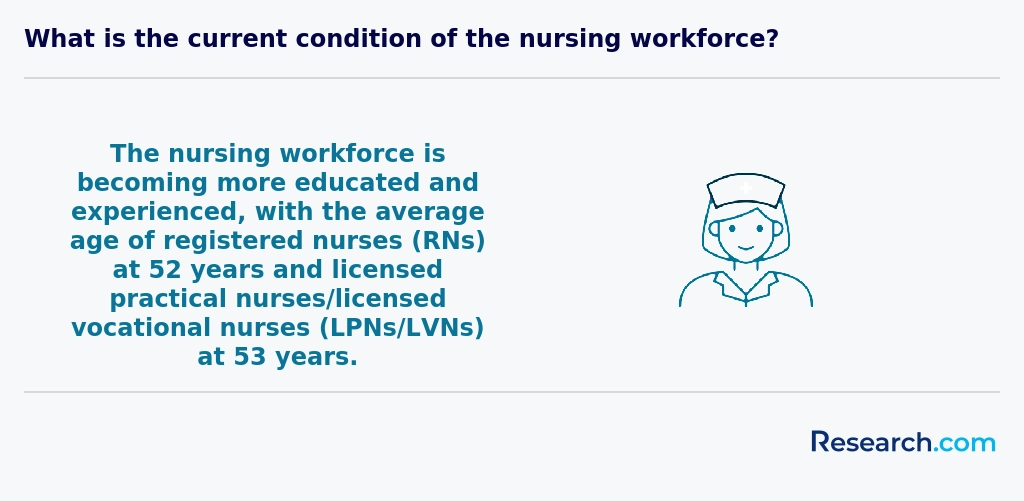
Licensed Practical Nurses (LPNs) seeking to advance their careers can leverage specialized LPN-to-RN bridge programs that build on prior clinical experience and often shorten the path to becoming a Registered Nurse (RN). In Minnesota, bridge curricula typically cover advanced nursing concepts, pharmacology, leadership, and community health, allowing LPNs to seamlessly transition without repeating foundational courses. Many institutions offer both on-campus and online formats, ensuring flexibility for working professionals. Accelerated bridge options can range from 12 to 24 months, but for those aiming to expedite licensure, a 6-month lpn to rn program online stands out as an increasingly popular choice. These fast-track programs focus on intensive clinical rotations and targeted NCLEX-RN preparation, enabling graduates to sit for the licensure exam sooner. Admissions often require a valid LPN license, minimum GPA benchmarks, and completion of prerequisite coursework such as Anatomy & Physiology and Microbiology. When evaluating LPN-to-RN programs, consider accreditation by the Accreditation Commission for Education in Nursing (ACEN) or Commission on Collegiate Nursing Education (CCNE), NCLEX-RN pass rates, and partnerships with local healthcare facilities for clinical placements. Prospective students should also review student support services like mentoring, tutoring, and career counseling, which can be instrumental in navigating accelerated schedules. By choosing a reputable bridge program, LPNs can maximize their existing skills, reduce time-to-degree, and secure higher salary potential as RNs in Minnesota’s thriving healthcare system.
Imagine diving into the vibrant classrooms of the University of Minnesota or Normandale Community College, where nursing students eagerly unravel the mysteries of anatomy, physiology, and microbiology. These are not just classes; they're explorations into the human blueprint, setting the stage for understanding lives in their most fragile states.
As graduates recall, pharmacology courses feel like mastering a delicate dance-learning how each medication interacts within the body to heal without harm. Picture yourself confidently calculating dosages, knowing this expertise saves lives in bustling Minneapolis hospitals.
Clinical judgment springs to life in health assessment and patient care classes, where students practice reading vital signs and interpreting emotions, becoming the calm in a storm of uncertainty. Minnesota's programs often weave in unique threads like mental health nursing, community care, and leadership-preparing you to navigate diverse healthcare landscapes, from St. Paul clinics to rural outreach.
- Pathophysiology to decode disease mechanisms
- Nutrition and health promotion focusing on prevention
- Maternity and pediatric nursing for nurturing families
- Leadership roles shaping the future of nursing
Ultimately, Minnesota's nursing courses craft more than nurses-they mold compassionate healers ready to face real challenges with knowledge and heart.
Imagine walking across the vibrant campuses of Minnesota's top nursing schools, where students dive deep into nursing degree specializations in Minnesota that shape their futures. Graduates often recall the thrill of mastering Family Nurse Practitioner (FNP) protocols, ready to serve both bustling Minneapolis clinics and remote rural towns with compassionate care. Others find their passion through Psychiatric-Mental Health Nursing, learning to navigate delicate emotional landscapes and bring hope to patients grappling with mental illness.
At the heart of these popular nursing programs Minnesota specialties also includes Adult-Gerontology Nursing, reflecting the state's growing elderly population, and Pediatric Nursing, where alumni fondly remember comforting children and supporting their families. Emergency Nursing graduates share stories of fast-paced hospital scenes in urban centers, while Public Health Nursing students embrace their role in community wellness initiatives.
For those exploring pathways beyond traditional RN tracks, Minnesota's diverse offerings include advanced options. Some even choose to boost their credentials through a 6-month lpn to rn program online-a swift, focused route praised for blending flexibility with hands-on training.
When choosing the best nursing degree in Minnesota, imagine yourself walking the halls of the University of Minnesota or Augsburg College, where graduates rave about hands-on clinical experiences that weave theory into the vibrant tapestry of real patient care. Think beyond just tuition costs-although affordable nursing schools Minnesota often provide a financial welcome mat-consider how a program's NCLEX-RN pass rates reflect a bridge to your future career victories. Visualize balancing life with classes that flex to your rhythm, much like graduates who praised evening and online options.
Accreditation isn't just a checkbox; it's the safety net that protects your license and reputation in Minnesota's healthcare ecosystem. Some past grads thrived by choosing programs endorsed by the Commission on Collegiate Nursing Education or Accreditation Commission for Education in Nursing, affirming their skill and confidence. For those eager to jump into practice fast, there's even a lpn fast program tailored to accelerate your journey.
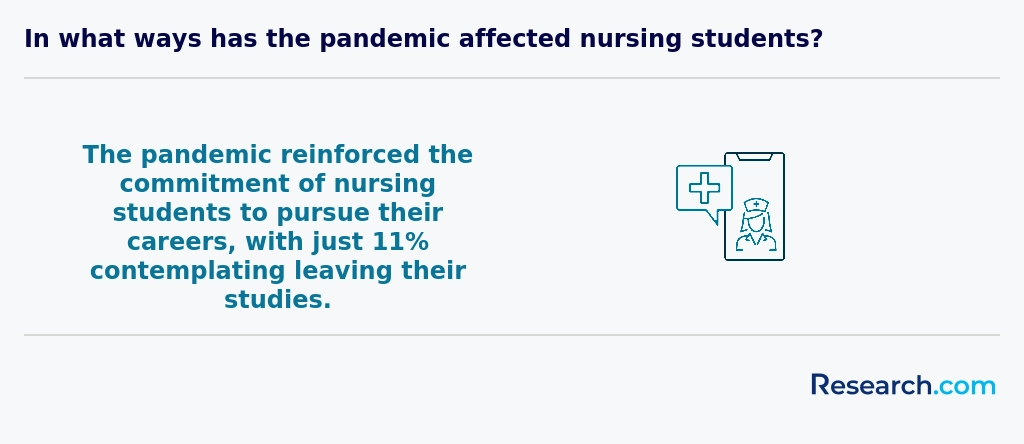
Graduates from nursing programs in Minnesota find themselves at a thrilling crossroads of opportunity, where the practical meets the pioneering. Whether stepping out from the halls of the University of Minnesota or Augsburg University, these new nurses quickly immerse in roles like Registered Nurses, who become vital lifelines in bustling Minneapolis hospitals or serene rural clinics. The allure of advanced practice, such as Nurse Practitioners or Clinical Nurse Specialists, calls many back to study further, fueling the state's vibrant healthcare evolution.
For those chasing broader horizons beyond bedside care, the spectrum spans healthcare administration, public health initiatives stirring community wellness, and the heartening realm of nursing education itself-where graduates ignite passion in future caregivers. With Minnesota's strong healthcare system, nursing career opportunities in Minnesota not only bring rewarding salaries but also deep personal satisfaction.
Graduates speak of managing complex patient journeys, inspired by mentors stationed at Minnesota State University campuses, painting a rich mosaic of community service and innovation. For prospective students evaluating pathways and costs, consulting the Cheapest Nursing Degree Programs Ranking in Birmingham, AL offers a unique financial perspective on investing in these impactful careers.
The nursing job market in Minnesota pulses with opportunity, especially for graduates stepping out of top programs at universities and colleges across the state. Picture a recent graduate from the University of Minnesota School of Nursing landing a role in a bustling Minneapolis hospital, where the demand for skilled nurses beats steadily in response to an aging population and expanding healthcare access. This scenario isn't rare-it's woven into the fabric of Minnesota nursing employment opportunities.
Imagine graduates from other favored institutions thriving in rural clinics, where the shortage of nurses makes their expertise priceless. The median wage for registered nurses hovers around $78,000, rewarding dedication with financial stability and room for growth. Advanced roles like nurse practitioners seem almost magnetic, drawing graduates eager to embrace higher salaries and leadership in patient care.
Students often find that pairing their nursing degree with fast paced degree programs at these institutions accelerates their pathway into this vibrant job market, combining quality education with promising employment results. Nursing job outlook Minnesota shines bright, promising fulfilling careers rooted in community impact and professional growth.
2027 Most Popular Nursing Degree Programs Ranking in Minnesota
Investing in your education is a significant decision that can shape your future, and the Research.com team understands the importance of making informed choices. To assist prospective students in Minnesota, we have meticulously crafted the "2027 Most Popular Nursing Degree Programs Ranking in Minnesota." Our commitment to quality, credibility, and accuracy is reflected in the extensive research and analysis conducted to compile this ranking.
We utilized the following reputable data sources to ensure a comprehensive evaluation of nursing programs:
By exploring this ranking, readers will gain valuable insights into the most popular nursing degree programs in Minnesota, helping them make well-informed decisions about their educational paths. For more details on our methodology, please visit our Research.com methodology page.




Frequently Asked Questions About nursing
To maximize their learning experience, nursing degree students in Minnesota should actively engage in clinical placements that reflect the state's diverse healthcare settings. Minnesota boasts a robust healthcare system, including leading hospitals like Mayo Clinic, providing valuable real-world exposure.
Students are encouraged to participate in simulation labs, which many Minnesota nursing programs offer to enhance hands-on skills before entering live clinical environments.
Leveraging state resources such as the Minnesota Board of Nursing and local nursing associations can provide networking, mentorship, and continuing education opportunities.
Finally, balancing coursework with practical experience and seeking internships or volunteer work in rural and urban Minnesota can deepen understanding and improve career readiness.
The nursing field in Minnesota is evolving with several emerging niches attracting attention from students and professionals. One rapidly growing area is gerontological nursing, driven by the state's aging population. According to the Minnesota Board of Nursing, nurses specializing in elder care will be in high demand over the next decade.
Another niche gaining prominence is telehealth nursing, supported by Minnesota's strong healthcare technology sector. Telehealth allows nurses to provide remote care, which became vital during the COVID-19 pandemic and continues expanding.
Additionally, psychiatric and mental health nursing is a critical growth area, reflecting increased statewide focus on mental health services. Nurses in this specialty help address shortages in behavioral health care access.
After completing a nursing degree in Minnesota, graduates should focus on a few key steps to enter the competitive job market. First, obtaining licensure is essential. Minnesota requires passing the NCLEX-RN exam to become a registered nurse (RN), ensuring candidates meet state standards.
Networking is crucial; joining organizations like the Minnesota Nurses Association can connect job seekers with industry professionals and offer career resources. Additionally, gaining practical experience through internships or clinical rotations during studies improves job readiness.
The Minnesota Department of Employment and Economic Development reports strong growth in nursing jobs, projecting a 15% increase from 2020 to 2030, highlighting opportunities in hospitals, long-term care, and community health.
Finally, keeping skills current with continuing education helps maintain licensure and enhances competitiveness.
Employers in Minnesota highly value nursing graduates who demonstrate strong clinical skills combined with effective communication. According to the Minnesota Board of Nursing, proficiency in patient assessment, medication administration, and care planning are essential. Graduates who can adapt to diverse healthcare environments, including rural and urban settings, are in greater demand.
Critical thinking and problem-solving abilities rank among the top skills, especially as healthcare in Minnesota increasingly integrates technology. Additionally, cultural competence is vital due to the state's diverse population, including significant Native American and immigrant communities.
Teamwork and emotional resilience also play key roles in successful nursing careers in Minnesota, reflecting trends reported by the Minnesota Department of Employment and Economic Development.
Finding nursing internships in Minnesota involves several practical steps. Many nursing programs at Minnesota colleges, such as the University of Minnesota and Augsburg University, have established partnerships with local hospitals and clinics. These collaborations often provide students with direct access to internships.
Students should also explore resources through the Minnesota Nurses Association, which offers listings and networking opportunities tailored to nursing students. Additionally, checking with the Minnesota Board of Nursing can provide information about approved clinical sites and internship opportunities.
Employers like Mayo Clinic and Hennepin Healthcare frequently offer paid or unpaid internships specific to nursing students, supporting clinical experience requirements set by the Minnesota Board of Nursing.
Applying early and maintaining strong academic standing can increase chances of securing these limited spots. Local health departments may also offer specialized internships focused on community health nursing.
In Minnesota, obtaining a nursing degree significantly enhances career mobility and advancement opportunities. According to the Minnesota Department of Employment and Economic Development (DEED), the state expects a 15% growth in registered nursing jobs by 2030, highlighting strong demand for qualified nurses.
A degree not only fulfills licensing requirements but also opens doors to specialized roles such as nurse practitioner, clinical nurse specialist, or nurse educator. Advanced credentials can lead to higher salaries; for example, Minnesota nurses with a Bachelor of Science in Nursing (BSN) typically earn more than their counterparts with an associate degree.
Moreover, many healthcare employers in Minnesota increasingly prefer or require BSN-prepared nurses for career advancement. The degree also facilitates eligibility for leadership positions, enhancing long-term professional growth in the state's robust healthcare sector.
Studying for a nursing degree in Minnesota equips students with skills to work effectively in interdisciplinary healthcare teams. Programs often emphasize collaboration with professionals such as physicians, social workers, and therapists to provide comprehensive patient care. According to the Minnesota Department of Health, many nursing curricula include simulation labs and community-based clinical experiences, fostering practical teamwork skills.
Furthermore, Minnesota nursing programs align with the U.S. Institute of Medicine's recommendations, integrating communication, ethics, and leadership training. This prepares graduates to navigate complex healthcare environments that demand coordination among various specialists.
Such interdisciplinary training is crucial in Minnesota, where rural and urban healthcare settings require nurses who can adapt and collaborate across disciplines.
Choosing between a thesis and a non-thesis nursing degree program in Minnesota depends on your career goals and learning preferences. Thesis programs typically focus on research, requiring students to conduct original studies and write a detailed paper. This path is well-suited for those interested in pursuing advanced research roles or doctoral studies.
Non-thesis programs emphasize clinical practice and coursework, often including practicum hours. These programs appeal to students aiming for direct patient care or leadership positions in healthcare settings.
According to the Minnesota Board of Nursing, many local employers value practical experience, which non-thesis tracks provide. Conversely, universities like the University of Minnesota report that thesis options prepare students effectively for PhD programs.
Students based in Minnesota interested in studying nursing abroad have several pathways to consider. Many US nursing programs, including those in Minnesota, offer study abroad partnerships with institutions in countries known for strong healthcare education, such as the United Kingdom, Australia, and Canada. These programs often include clinical placements or nursing practicums overseas, allowing students to gain diverse practical experience.
According to the Minnesota Board of Nursing, licensure requirements remain a key consideration for students aiming to work internationally or return to Minnesota. It's important to verify that foreign coursework meets accreditation standards recognized by US authorities, such as the Commission on Collegiate Nursing Education (CCNE).
Financial aid options may be limited for international studies, so students should explore scholarships specific to nursing or education abroad. The National Student Nurses' Association and some Minnesota institutions provide resources for this purpose.
Students pursuing nursing degrees in Minnesota have several part-time job opportunities that complement their education. Common roles include nursing assistants, home health aides, and medical scribes. These positions offer practical experience alongside academic learning. According to the Minnesota Department of Employment and Economic Development, nursing assistants earn an average of $16.50 per hour, providing both income and relevant clinical exposure.
Hospitals and long-term care facilities across Minnesota frequently hire part-time workers, creating flexible schedules suitable for students. Additionally, roles in community health organizations help students understand public health challenges in the state. Gaining hands-on experience while studying improves competency and employability after graduation.
Networking opportunities for nursing students in Minnesota are robust, thanks to the state's active healthcare community and academic institutions. Many universities, such as the University of Minnesota and St. Catherine University, offer student nursing organizations like the Student Nurses Association, which provide events and workshops designed to build professional connections.
The Minnesota Nurses Association frequently hosts conferences and seminars, where students can meet practicing nurses and healthcare leaders. Additionally, clinical placements in top Minnesota hospitals facilitate direct interaction with experienced professionals, enhancing real-world networking.
According to the Minnesota Board of Nursing, the state supports numerous mentorship programs, helping students transition from education to employment smoothly.
Alumni networks offer valuable support to nursing degree students in Minnesota by connecting them with experienced professionals. These networks provide mentorship opportunities, helping students navigate clinical placements and job searches.
Members often share advice on licensure exams like the NCLEX-RN, which is crucial since Minnesota reported a 90% first-time pass rate in 2023, according to the Minnesota Board of Nursing. Networking through alumni can increase access to local healthcare employers in Minnesota, where demand for registered nurses is projected to grow by 16% from 2020 to 2030 (Bureau of Labor Statistics).
Additionally, alumni events foster professional development and continuing education awareness.
In Minnesota, nursing degree programs offer various ways to tailor your education to match your specific career goals. Many schools provide options such as choosing between an Associate Degree in Nursing (ADN), a Bachelor of Science in Nursing (BSN), or advanced degrees like a Master of Science in Nursing (MSN).
Students can often select clinical specializations such as pediatrics, geriatrics, or psychiatric nursing. Some programs also offer elective courses in healthcare leadership or community health, which expand career opportunities.
Flexible scheduling, including part-time and online classes, supports those balancing work or family. According to the Minnesota Board of Nursing, over 70% of programs incorporate hands-on clinical experiences at local healthcare facilities, enhancing practical skills.
Nursing students in Minnesota face several common challenges throughout their education. One significant hurdle is managing the demanding coursework combined with clinical practice hours. The state requires comprehensive hands-on training, which often leads to time management struggles for students balancing personal and academic responsibilities. According to the Minnesota Board of Nursing, students must complete a minimum number of clinical hours to qualify for licensure, adding pressure to perform well in practical settings.
Financial constraints are also notable, as tuition and living costs in Minnesota's urban centers can be high. Additionally, nursing programs in Minnesota have competitive admission processes, making entry difficult for many applicants. Finally, adapting to rapidly evolving healthcare technology and protocols requires constant learning, which can overwhelm students as they prepare for licensing exams and employment.
Graduates with a nursing degree in Minnesota can pursue several professional certifications to enhance their career opportunities. Common certifications include the Registered Nurse (RN) license, which is required to practice nursing in the state. Beyond that, nurses often seek specialty certifications such as Certified Nurse Practitioner (CNP), Certified Nurse Midwife (CNM), or Certified Registered Nurse Anesthetist (CRNA).
Additional certifications include Medical-Surgical Nursing (CMSRN), Gerontological Nursing (RN-BC), and Pediatric Nursing (CPN), issued by recognized bodies like the American Nurses Credentialing Center. According to the Minnesota Board of Nursing, RN licensure requires passing the NCLEX-RN exam and completing accredited education.
These certifications can increase earning potential and open doors to leadership or specialized clinical roles within Minnesota's growing healthcare sector.
Writing a winning application for a nursing program in Minnesota requires careful preparation and attention to detail. First, ensure your academic records, especially in science and math, meet the program's requirements. Most Minnesota nursing schools expect a competitive GPA; for example, the University of Minnesota Twin Cities recommends a minimum GPA around 3.0.
Next, craft a clear and compelling personal statement that highlights your motivation, experiences, and commitment to nursing. Incorporate any volunteer or healthcare-related work to strengthen your profile.
Additionally, many schools in Minnesota require letters of recommendation from educators or healthcare professionals. Choose recommenders who know your strengths well.
Some programs might also require an entrance exam, such as the TEAS, so prepare accordingly to achieve a high score. According to the Minnesota Board of Nursing, practical experience and strong communication skills are valuable.
Nursing is a globally respected profession with growing demand due to aging populations and healthcare advancements. In the United States, including Minnesota, nurse shortages create numerous opportunities for graduates. According to the Minnesota Department of Employment and Economic Development, registered nursing jobs are projected to grow by 15% through 2030, faster than the average for all occupations.
Internationally, nursing standards vary, but the profession consistently requires strong clinical skills, compassion, and ongoing education. Many Minnesota nursing programs align with national and global competencies, making graduates competitive worldwide. Global health challenges, such as pandemics, further highlight nurses' vital role in communities everywhere.
Gaining practical experience while studying for a nursing degree in Minnesota is essential. Most accredited programs require clinical rotations, where students work in hospitals, clinics, or community health settings under supervision. These hands-on experiences are organized through partnerships between schools and healthcare facilities.
Students often spend between 500 to 700 clinical hours during their nursing program, according to the Minnesota Board of Nursing. These rotations cover various specialties like pediatrics, mental health, and elderly care, providing broad exposure.
Additionally, some schools offer simulation labs equipped with advanced mannequins that mimic real patient scenarios. Volunteering or working as a nursing assistant can also supplement clinical learning, improving skills and employability after graduation.
Choosing the right concentration within a nursing degree program in Minnesota begins with understanding your career goals. The state offers specialties like family nurse practitioner, psychiatric mental health, and pediatric nursing, each addressing different patient needs. Consider Minnesota's healthcare demand trends reported by the Minnesota Department of Employment and Economic Development, which highlight growth in elder care and mental health services.
Evaluate your interests and strengths in clinical settings. Hands-on experience during clinical rotations often helps clarify which specialty suits you best. Additionally, review program accreditation and faculty expertise to ensure quality education aligned with your chosen concentration.
Financial factors and licensure paths are also important. Some concentrations may lead to quicker employment or higher wages, as indicated by recent reports from the Bureau of Labor Statistics and local workforce surveys in Minnesota.
- 2027 Most Popular Nursing Degree Programs Ranking in Iowa
- 2027 Most Popular Nursing Degree Programs Ranking in Illinois
- 2027 Most Popular Nursing Degree Programs Ranking in Missouri
- 2027 Most Popular Nursing Degree Programs Ranking in Kansas
- 2027 Most Popular Nursing Degree Programs Ranking in Indiana
- 2027 Most Popular Nursing Degree Programs Ranking in Ohio
- 2027 Most Popular Nursing Degree Programs Ranking in Colorado
- 2027 Most Popular Nursing Degree Programs Ranking in Oklahoma
- 2027 Most Popular Nursing Degree Programs Ranking in Arkansas
- 2027 Most Popular Nursing Degree Programs Ranking in Louisiana
See What Experts Have To Say About Studying Nursing
Read our interview with Nursing experts

Lisa Grubb
Nursing Expert
Assistant Professor
Johns Hopkins School of Nursing

- Nursing Degree You Need to Become an RN https://www.allnursingschools.com/registered-nursing/degrees/
- Nursing career paths and outlooks - Children's Minnesota https://www.childrensmn.org/blog/nursing-career-paths-2/
- Study Nursing Abroad | Boomerang International Educational Services https://boomerangedu.com/study-nursing-abroad/
- How to Choose the Right Nursing Program for Your Career Goals - Maria College https://mariacollege.edu/blog/how-to-choose-the-right-nursing-program-for-your-career-goals
- School of Nursing Alumni Resources https://nursing.utmb.edu/About/Alumni
- Best Minnesota Nursing Schools and Programs | NursingEducation https://nursingeducation.org/state/minnesota/
- Nursing Internship and Externship Programs https://jobs.mayoclinic.org/nursinginternexternprograms
- Top Associate Degree in Nursing Program in Minnesota https://www.normandale.edu/academics/degrees-certificates/nursing/index.html
- News, Center for Nursing Equity and Excellence https://www.mncnee.org/about/news/
- How to Choose a Nursing Program: A Comprehensive Guide - Madonna ABSN https://absn.madonna.edu/blog/how-to-choose-a-nursing-program/