
2027 Most Popular Nursing Degree Programs Ranking in Arizona

Co-Founder and Chief Data Scientist
Are you considering a nursing degree in Arizona and wondering which programs stand out? This article features the 2027 Most Popular Nursing Degree Programs Ranking in Arizona, crafted by the Research.com team of data scientists to help you make an informed decision.
Choosing the right program can shape your future, opening doors to rewarding careers in healthcare. Reading this ranking gives you clear insights into top nursing schools, making your options easier to compare.
Embark on your nursing journey with confidence, knowing you're exploring programs trusted by experts and valued by students across Arizona.
Key benefits of getting nursing degree in Arizona
- Salary for nursing degree graduates: Nursing careers in Arizona offer competitive salaries, with Registered Nurses earning a mean annual wage of $94,480 and Operating Room Nurses earning up to $128,490, providing strong financial stability.
- Potential career paths: Nursing graduates from Arizona State University often pursue diverse roles including Clinical Nurse Educator and Public Health Nurse, enjoying rewarding and impactful careers in healthcare.
- Benefits of online degrees: Online nursing programs from institutions like the University of Arizona offer flexible schedules, making it easier for students to balance work and study while advancing their careers.
- 2027 Most Popular Nursing Degree Programs Ranking in Arizona
- What can I expect from nursing degree in Arizona?
- Where can I work with nursing degree in Arizona?
What can I expect from nursing degree in Arizona?
When it comes to the average cost of earning a nursing degree in Arizona, students often find a range depending on the type of program and school they choose. For example, getting an Associate Degree in Nursing (ADN) at a community college like Phoenix College can cost around $7,000 to $9,000 for in-state students, which feels pretty manageable for many. On the other hand, pursuing a Bachelor of Science in Nursing (BSN) at a university like the University of Arizona or Arizona State University usually runs higher-typically between $25,000 and $40,000 in total tuition, but many grads say the investment was worth it because of the hands-on clinical experience and strong job prospects afterward.
Graduates often share stories about gaining confidence through clinical hours at hospitals in Phoenix or Tucson, which really helped them connect textbook lessons to real patient care. Plus, financial aid options and programs like the Arizona Nursing Incentive Program can ease the financial load, especially if you're open to serving in underserved communities after graduation.
Where can I work with nursing degree in Arizona?
If you earn a nursing degree in Arizona, you've got a bunch of awesome options for where to work. Many grads from places like Arizona State University and Pima Medical Institute find themselves in hospitals since nearly half the state's nurses work there. It's a fast-paced environment where you can really see the impact of your care every day.
Others start out in outpatient clinics or take care roles in nursing homes and assisted living centers. One graduate shared how rewarding it was to build strong, ongoing relationships with residents in an assisted living community near Tucson. It feels great to know you're making a difference beyond just quick visits.
Some classmates went into public health jobs with local government agencies, focusing on prevention and community wellness programs. Arizona's emphasis on holistic care means nurses are key players in vaccination drives and health workshops.
And if you want more independence, becoming a nurse practitioner in Arizona gives you full practice authority, letting you treat patients on your own in clinics across the state. The diversity makes nursing degrees from local schools like Grand Canyon University super versatile and exciting!
If you finish a nursing degree in Arizona-say from schools like Arizona State University or the University of Arizona-you can expect pretty solid pay. Most grads jump into jobs as registered nurses making around $94,480 a year on average. That's a nice step up from starting out, and these figures match what many local grads report feeling good about when they land their first real gigs.
Some graduates take on more specialized roles like clinical nurse educators, public health nurses, or emergency room nurses, all pulling in about the same average salary of roughly $94,480 annually. It's neat because these roles offer variety depending on your interests and still pay well.
Then you have the operating room nurses, who tend to make quite a bit more-about $128,490 a year. Graduates with a passion for fast-paced, critical environments often find this path rewarding both emotionally and financially.
Arizona nursing grads often share how landing these jobs makes the long hours of study feel worth it. Plus, living in cities like Phoenix or Tucson means more opportunities and pay that can stretch further, which definitely adds to the excitement of starting your nursing career here.
- Arizona offers nursing programs including LPN certificates, ADN, BSN, and MSN degrees.
- ADN programs at community colleges cost between $5,000 and $12,000, while BSN programs at public universities range from $30,000 to $50,000.
- Additional expenses include textbooks, uniforms, licensure exams, and clinical fees.
- Starting salaries for new nurses average around $58,000 per year, with experienced RNs earning a median wage of about $75,000.
- The state expects an 18% growth in nursing jobs over the next decade, driven by population and healthcare demand.
- Licensure requires completing an approved program and passing the NCLEX exam; specialty certifications can increase job opportunities and pay.
If you're eyeing a nursing degree in Arizona, the timeline mostly depends on which path you pick. For example, becoming an LPN usually takes about 12 to 18 months. Many graduates from local technical schools find this route fast and rewarding since you can start working pretty quickly.
Going for an ADN at community colleges like Maricopa or Pima takes around two years of full-time study. Graduates love how hands-on and practical these programs are, and after passing the NCLEX-RN, they jump straight into nursing careers.
Then there's the BSN, which is usually a four-year plan at universities like ASU or NAU. Students often tell me they enjoy the deeper knowledge and better job chances that come with a BSN. If you already have a bachelor's in a different field, some Arizona schools offer accelerated BSN tracks finishing in just 12 to 18 months, which feels like a sweet deal.
For those aiming higher, MSN programs add about two more years post-BSN. Many grads say it's worth it for the leadership and specialist roles they land afterward.
Accreditation and strong licensure outcomes are key indicators of program quality in Arizona.
- Ensure ACEN or CCNE accreditation as recognized by the Arizona State Board of Nursing
- Review each program’s NCLEX-RN first-time pass rates (many top Arizona schools report 90%+)
- Accredited programs meet strict standards for curriculum, faculty and clinical experiences
- For cost-effective RN-to-BSN pathways with strong outcomes, see cheap rn to bsn online programs
Choosing between online and on-campus nursing programs in Arizona comes down to how you like to learn and your daily life vibes. If you're juggling work or family, an online program lets you study at your own pace and from anywhere, which is super convenient. But heads-up: you'll still need to get your hands dirty with clinical hours in a local hospital or clinic. Lots of grads from places like Arizona State University love this blend because they can watch lectures when it suits them and then practice real skills nearby.
On the flip side, if you thrive on face-to-face interaction, on-campus programs at schools like Northern Arizona University offer hands-on access to simulation labs, libraries, and instant feedback from professors. Many students find that being on campus helps build connections and boosts confidence during clinical rotations arranged by the school.
Tuition-wise, online courses might save you money on commuting and housing but watch out for tech fees. Either way, both options push you to complete those essential clinical hours to become a nurse ready for Arizona's healthcare scene.
When considering a nursing degree in Arizona, one of the crucial factors to think about is the cost. With the increasing demand for skilled nurses, it's essential to find a program that not only provides high-quality education but also fits your budget. For those looking for affordable options, researching the cheapest nursing school in Arizona can be a great starting point. Understanding the financial aspects of nursing education can help prospective students make informed decisions about their future careers. By exploring affordable nursing schools, individuals can find programs that offer a balance between quality education and financial feasibility, making their journey to becoming a nurse more accessible and less daunting.
When you're thinking about the average nursing degree cost Arizona offers, it helps to get a clear picture of what students actually pay. Many graduates from community colleges around the state share how their associate degrees in nursing turned out to be quite affordable, with total costs sitting somewhere near $13,000 for in-state students. This makes community colleges a popular choice for those looking to manage expenses without sacrificing quality education.
On the other hand, students who attended public universities-like Arizona State University-often talk about the more substantial investment required. Their nursing degree tuition and fees Arizona generally add up to around $35,000, reflecting the comprehensive learning experience and resources offered by these schools. Out-of-state students usually face higher costs, but many find that scholarships or financial aid balance it out.
Private nursing programs in Arizona, known for their specialized courses and sometimes accelerated paths, tend to be pricier, sometimes reaching up to $60,000. However, many students say the personalized attention and flexible schedules make the higher price tag worth it.
If you're curious about where to find the best deal, some graduates recommend checking out the cheapest nursing school in Arizona to get the most bang for your buck. Overall, understanding nursing degree tuition and fees Arizona helps you plan smartly and confidently for your future in nursing.
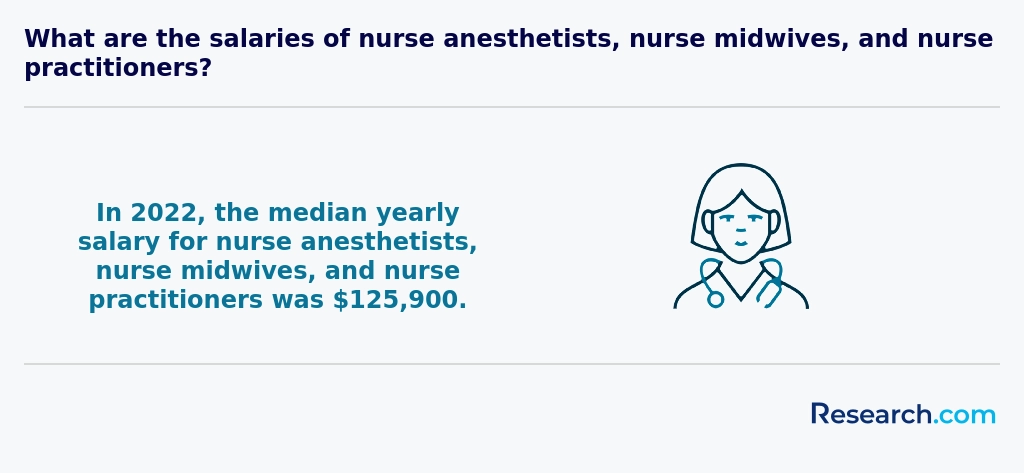
Continuing education is essential for Arizona nurses aiming to specialize, assume leadership roles, or expand their clinical expertise. Advanced degrees such as the Master of Science in Nursing (MSN) and Doctor of Nursing Practice (DNP) open doors to nurse practitioner positions, clinical nurse specialists, and executive leadership. Many Arizona institutions partner with healthcare systems to offer post-graduate residencies and practicum opportunities in specialties like family practice, acute care, and psychiatric nursing, ensuring that theory seamlessly translates into advanced patient care skills. When evaluating graduate programs, consider factors such as faculty credentials, simulation lab resources, and clinical placement support. Online formats provide flexibility, enabling working professionals to balance career and family commitments. For those weighing cost-effective online options, it can be helpful to review the Low Cost Online Master's in Nursing Degree Programs Ranking in Texas as a benchmark for affordability and curriculum structure. Certification courses, from Nurse Executive to Informatics Nursing, further enhance your qualifications and marketability. Engaging in continuing education not only boosts clinical competence but also fosters professional networks, mentors, and lifelong learning habits-key components for thriving in Arizona’s evolving healthcare landscape.
If you're diving into a nursing degree at places like Arizona State University or Northern Arizona University, there's a pretty good chance you'll find financial help to ease the burden. Most students start by filling out the FAFSA to unlock federal aid-think Pell Grants that don't need paying back, or work-study gigs where you get paid while gaining hands-on experience in healthcare settings.
Many grads mention how the Arizona Nursing Incentive Program helped them by offering scholarships if they promised to work in underserved parts of the state after graduating. It's kind of a win-win-you get support now, and communities in need get great nurses later.
Loan forgiveness programs like the Nurse Corps or state-specific repayment plans are also favorites. If you commit to critical shortage areas, these programs can knock off a big chunk of your student debt, sometimes over half!
Plus, local community colleges and state universities often have merit or need-based scholarships, so it's totally worth asking about what's available where you're studying. Many nursing students find this mix of options makes the whole education journey way less stressful.
One of the most critical milestones for aspiring nurses in Arizona is passing the NCLEX-RN licensure exam. Across accredited nursing programs in the state, first-time NCLEX-RN pass rates average around 88%–95%, reflecting the rigorous preparation students receive. Here’s how you can boost your chances of success: • Understand the Exam Blueprint: The NCLEX-RN covers four major categories-Safe and Effective Care Environment, Health Promotion and Maintenance, Psychosocial Integrity, and Physiological Integrity. Review the National Council of State Boards of Nursing (NCSBN) test plan to prioritize high-weight topics such as medication administration and patient safety. • Leverage Academic Resources: Many Arizona programs partner with testing services to offer live review courses and practice exams. Attend on-campus workshops or online modules that simulate the NCLEX-RN’s computerized adaptive testing format. • Build a Study Schedule: Allocate at least 6–8 weeks of dedicated study time after graduation. Break your plan into daily micro-learning sessions, alternating between content review, practice questions, and timed exams. • Use High-Quality Question Banks: Invest in reputable NCLEX-RN prep materials that include detailed rationales for both correct and incorrect answers. Analyze your progress weekly and focus on weaker areas, whether it’s pharmacology calculations or clinical judgment scenarios. • Form Study Groups: Collaborate with classmates to quiz each other on case studies and key concepts. Teaching topics to peers reinforces your own understanding and exposes you to diverse clinical perspectives. • Simulate Test Day Conditions: Take at least two full-length, timed practice exams in a quiet setting to build endurance and reduce test anxiety. Familiarize yourself with the testing center’s check-in procedures and policies. • Consider LPN-to-RN Pathways: If you’re a licensed practical nurse looking to transition, explore fast-track options through lpn accelerated programs. These specialized tracks often integrate NCLEX-RN preparation into the curriculum, shortening your pathway to RN licensure. • Engage Professional Tutors: For those needing extra support, one-on-one tutoring can pinpoint knowledge gaps and provide personalized exam strategies. By combining these strategies with the solid clinical foundation gained during your nursing degree in Arizona, you’ll be well-positioned to achieve a first-time NCLEX-RN pass and launch your nursing career with confidence.
If you're thinking about jumping into a nursing degree in Arizona, you'll want to have the basics locked down first. Most programs, whether you're eyeing an ADN at a community college or a BSN at a big university, expect you to have your high school diploma or GED ready. That's the starting line.
Then comes the fun part-getting through some key prerequisites like anatomy, physiology, microbiology, chemistry, and English. Many grads from places like Arizona State University or Pima Community College say tackling these classes helped them feel confident and prepared for the tough science and communication demands ahead.
Also, most schools require you to pass the TEAS exam, which tests your skills in reading, math, science, and English. You'll usually need to hit around the 60th to 70th percentile to make the cut.
Don't forget the little but important steps like background checks and showing up-to-date vaccinations-think MMR and flu shots-to keep everyone safe during clinicals. It's a lot, but graduates often describe this prep as a game-changer that sets them up for success.

To practice as a registered nurse in Arizona, graduates must obtain licensure through the Arizona State Board of Nursing. This process ensures that all nurses meet strict competency and safety standards before entering the workforce. Key steps include: 1. NCLEX-RN Examination - After graduation from an accredited nursing program, candidates must register for and pass the NCLEX-RN. High first-time pass rates often indicate strong program alignment with exam content. 2. Board Application and Background Check - Submit an application through the Arizona State Board of Nursing portal, including official transcripts, proof of clinical hours, and a fingerprint clearance card. Background checks help maintain patient safety and professional integrity. 3. License Activation and Fees - Pay the required licensure fee (currently $75) and schedule any additional jurisprudence exams if needed. Once approved, your license will be activated, allowing you to begin employment. 4. Continuing Education and Renewal - Arizona requires RNs to complete 30 contact hours of approved continuing education every two years. Topics often include pharmacology updates, patient safety protocols, and cultural competency. For LPNs seeking an accelerated pathway to RN licensure, consider an 6-month lpn to rn program online. These hybrid programs blend targeted coursework with supervised clinical rotations, helping candidates master NCLEX-RN content efficiently. Maintaining your license involves tracking CE credits through the Board’s e-licensing portal and staying informed about scope-of-practice changes. By understanding these requirements up front, Arizona nurses can focus on delivering high-quality care while advancing their careers.
If you're diving into a nursing degree in Arizona, expect a solid mix of courses that really get you ready for the real world. At places like Arizona State University or the University of Arizona, nursing students often start with basics like anatomy and physiology, which are key to understanding how the body works. Imagine sitting in class picturing how all those body parts work together-that's exactly what many grads remember as eye-opening.
Then, you'll tackle microbiology to learn about the tiny bugs that can cause big problems, plus chemistry and nutrition, which help you think about patient care from all angles. Nursing-specific classes cover everything from Foundations of Nursing Practice, where you practice hands-on skills and ethics, to Pharmacology, learning how medicines actually affect people.
Many grads recall the excitement of clinicals at local hospitals-it's where theory meets practice. Courses like Medical-Surgical Nursing and Pediatric Nursing feel tough at first, but they prepare you for anything. Mental Health and Community Health Nursing also give you tools to support people in loads of different situations, right here in Arizona.
If you're looking into nursing degree specializations in Arizona, you'll find plenty of options that fit different career goals. For example, many students from well-known universities like Arizona State University or Grand Canyon University often choose Family Nurse Practitioner programs because they get to work closely with patients of all ages, which feels really rewarding in communities where a lot of families need solid healthcare support.
Other popular paths include Psychiatric-Mental Health Nurse Practitioner and Pediatric Nursing, especially if you're passionate about helping kids or supporting mental health in your neighborhood. Geriatric Nursing is also a hit thanks to Arizona's growing elderly population, and grads say it's amazing to make a real difference in people's golden years.
Students in these programs often share how Critical Care and Public Health Nursing specializations prepare them to step right into vital roles in hospitals or community clinics, which feels pretty exciting. If you're eager to jump in faster, some even explore a 6-month lpn to rn program online to boost their careers quicker.
All in all, Arizona nursing program specialization options offer a great mix that taps into the state's unique healthcare needs and growing job market.
Picking the best nursing degree in Arizona really depends on what suits your lifestyle and career goals. Graduates from popular schools like Arizona State University often talk about how a BSN helped them land higher-paying jobs with leadership roles, especially since many hospitals here prefer BSN-prepared nurses. If you're looking for something quicker and affordable, community colleges offer ADN programs that usually take about two years and cost between $6,000 and $12,000-perfect if you want to start working as a registered nurse fast. Lots of students find the lpn accelerated route helpful for getting hands-on experience early. When you're scouting around, look for affordable nursing degrees Arizona that carry solid accreditation, because that's what sets you up for success with licensure and financial aid. Plus, flexible program formats like hybrid or online classes make it easier if you're juggling work, school, or family.
Every aspiring nurse in Arizona should also peek at NCLEX pass rates before committing. Graduates from top colleges often rave about their clinical placements that boosted confidence and hands-on skills, making the transition to real hospital shifts way less stressful.

If you're looking into nursing career opportunities in Arizona, there's actually a lot to choose from once you graduate. Many grads from popular schools like Arizona State University or Glendale Community College start out as Registered Nurses (RNs), working directly with patients in hospitals or clinics. It's hands-on and rewarding, especially with Arizona's demand for healthcare pros growing fast.
But if you want to specialize, there's a bunch of options. Some grads become Licensed Practical Nurses (LPNs) or Licensed Vocational Nurses (LVNs), which means shorter schooling but still solid jobs in home care or outpatient centers. Others go for advanced roles like Nurse Practitioners, who can prescribe meds and serve rural areas needing more healthcare access. You'll also find grads diving into public health nursing, helping educate communities or working on disease prevention, a perfect fit in diverse areas of Arizona.
For those eyeing something different, there's healthcare admin and nursing education-great paths if you love leadership or teaching. And if you're curious about funding your study, check out this Low Cost Online Master's in Nursing Degree Programs Ranking in Texas for ideas that can complement your Arizona nursing degree job prospects.
If you're looking into nursing job opportunities in Arizona, you're stepping into a field with plenty of action. Graduates from popular schools like Arizona State University or Pima Community College often share stories about landing solid jobs quickly, thanks to the state's growing healthcare needs. The demand is especially strong around Phoenix and Tucson, where hospitals and clinics are on the lookout for nurses with specialized skills.
The Arizona nursing degree employment outlook is bright because the state's aging population means more healthcare services, which means more jobs for nurses. Many grads find themselves working in nursing homes, outpatient centers, or home care with good starting salaries around $83,000 per year. Plus, some grads decide to improve their credentials by enrolling in one year master's programs online to boost career options even more.
2027 Most Popular Nursing Degree Programs Ranking in Arizona
Investing in your education is a significant decision that can shape your future, and the Research.com team understands the importance of making informed choices. To assist prospective nursing students in Arizona, we have meticulously developed the "2027 Most Popular Nursing Degree Programs Ranking in Arizona." Our commitment to quality, credibility, and accuracy is demonstrated through rigorous research and analysis conducted to compile this ranking.
We utilized the following reputable data sources to ensure a comprehensive evaluation of nursing programs:
By exploring this ranking, readers will gain valuable insights into the most popular nursing degree programs in Arizona, empowering them to make confident and well-informed decisions about their educational paths. For more details on our data gathering and evaluation process, please visit our Research.com methodology page.


# 12 position
Arizona State University Digital Immersion
Bachelor of Science in Nursing

# 13 position
Arizona State University Digital Immersion
Master of Science in Nursing
# 14 position
Arizona College of Nursing-Phoenix
Bachelor of Science in Nursing

# 15 position
Arizona College of Nursing-Tempe
Bachelor of Science in Nursing

# 16 position
Arizona College of Nursing-Tucson
Bachelor of Science in Nursing

# 17 position
Chamberlain University-Arizona
Bachelor of Science in Nursing

# 18 position
Aspen University
Bachelor of Science in Nursing

# 19 position
University of Phoenix-Arizona
Bachelor of Science in Nursing

# 20 position
Aspen University
Master of Science in Nursing
Frequently Asked Questions About nursing
Nursing degree students in Arizona can maximize their learning experience by engaging deeply with both academic and clinical components of their programs. Arizona offers diverse clinical placement opportunities due to its mix of urban and rural healthcare facilities, which is valuable for hands-on learning.
Students should take advantage of resources like simulation labs, which many Arizona schools provide to practice real-world scenarios safely. According to the Arizona Board of Nursing, strong clinical experience correlates with improved job readiness for graduates.
Joining student nursing associations and networking with local healthcare professionals can also broaden understanding of the field while building connections for future employment.
Finally, staying informed on the latest nursing research and state healthcare policies through reputable sources helps students align their learning with evolving professional standards.
The nursing field in Arizona is evolving with new specialized areas emerging to meet healthcare demands. One fast-growing niche is **telehealth nursing**, where nurses provide remote care through technology. This trend is driven by Arizona's large rural population and increasing use of digital health services, supported by data from the Arizona Department of Health Services.
Another expanding area is **gerontological nursing**, focusing on elderly care. Arizona's significant senior population-over 15% aged 65 or older-creates a strong need for nurses skilled in managing chronic conditions.
Additionally, **pediatric nurse practitioners** and **mental health nursing** are gaining importance as awareness of childhood and behavioral health grows in the state.
After completing a nursing degree in Arizona, preparation for the job market begins with obtaining licensure through the Arizona State Board of Nursing. Graduates must pass the NCLEX-RN exam to become registered nurses legally allowed to practice. The state's healthcare sector is growing; the Arizona Department of Employment Security projects a 25% increase in registered nurse jobs from 2020 to 2030, reflecting strong demand.
Building practical experience through internships or clinical rotations is vital. Networking with local healthcare providers and utilizing resources from Arizona's nursing associations can enhance job prospects. Additionally, many employers in Arizona prefer candidates with specialized certifications, such as in geriatrics or critical care.
Continuing education and staying current with healthcare technology also improve employability. Effective communication, cultural competency, and adaptability are sought-after soft skills in Arizona's diverse populations. Utilizing job fairs and online platforms specified for Arizona nurses offers targeted opportunities tailored to the state's healthcare market.
Employers in Arizona seek nursing graduates with strong clinical skills and the ability to deliver compassionate patient care. According to the Arizona Board of Nursing, proficiency in critical thinking and decision-making is essential as nurses often manage complex health situations. Communication skills are also highly valued, enabling effective interaction with patients and healthcare teams.
Technical competence with electronic health records and familiarity with state healthcare regulations are increasingly important due to Arizona's evolving healthcare landscape. Adaptability and teamwork are also key skills, reflecting the collaborative nature of modern nursing environments.
The Arizona Department of Economic Security projects a 16% growth in nursing careers by 2030, highlighting the demand for capable nurses who can meet diverse patient needs.
Finding internships relevant to a nursing degree in Arizona involves leveraging a variety of resources. Many nursing programs in the state, including those accredited by the Arizona Board of Nursing, partner directly with hospitals and healthcare facilities to offer clinical internships as part of their curriculum. Public institutions like Arizona State University and Northern Arizona University often provide dedicated career services that help students secure placements.
Additionally, organizations such as the Arizona Nurses Association offer networking opportunities and internship listings. According to the Arizona Department of Health Services, metropolitan areas like Phoenix and Tucson have the highest concentration of clinical sites, increasing opportunities for hands-on experience.
Prospective interns should also explore state government websites and use platforms like the Arizona Health Care Cost Containment System for information on potential apprenticeship roles.
Obtaining a nursing degree in Arizona significantly enhances career mobility and advancement opportunities. Nurses with degrees, especially a Bachelor of Science in Nursing (BSN), are preferred for positions with higher responsibility and pay. According to the Arizona State Board of Nursing, registered nurses holding a BSN earn approximately 10-15% more on average than those with an associate degree.
Advanced degrees such as a Master of Science in Nursing (MSN) open doors to leadership roles, specialized nursing fields, and teaching positions. The Arizona Center for Nursing Workforce reports ongoing demand for BSN-prepared nurses due to evolving healthcare standards.
Moreover, a nursing degree facilitates easier transferability of licensure and credentials across states, supporting long-term career growth.
Studying for a nursing degree in Arizona equips students with skills essential for interdisciplinary healthcare roles. Arizona nursing programs emphasize collaboration with various healthcare professionals, including physicians, therapists, and social workers. This approach reflects the state's healthcare environment, where over 70% of nurses work in team-based settings, according to the Arizona Board of Nursing.
Curricula often integrate courses on communication, leadership, and ethics to prepare nurses for coordinating patient care across disciplines. Clinical rotations in Arizona hospitals and community health centers provide practical experience in diverse teams, enhancing teamwork and critical thinking.
Overall, Arizona nursing degrees foster adaptable professionals ready to contribute effectively within comprehensive healthcare teams.
When choosing between a thesis and a non-thesis nursing degree program in Arizona, consider your career goals. Thesis programs emphasize research and prepare students for roles in academia or advanced clinical research. Non-thesis options focus more on practical skills and may suit those aiming for leadership or management positions in healthcare.
Arizona State University reports that about 30% of nursing graduates pursue thesis tracks, reflecting the state's growing emphasis on nursing research. Additionally, the Arizona Board of Nursing highlights that clinical practice remains a priority, which often aligns with non-thesis paths.
Evaluate program length and workload; thesis degrees typically require an extended timeline due to research demands. Lastly, think about post-graduate plans: aspiring PhD candidates or educators usually prefer thesis programs, while many clinical nurses opt for non-thesis degrees for quicker workforce entry.
Students in Arizona interested in studying nursing abroad have several pathways to consider. Many U.S. nursing programs, including those in Arizona, offer exchange or study abroad partnerships with institutions in countries like Canada, the United Kingdom, and Australia. These programs allow students to earn clinical experience internationally while maintaining progress toward their degree at home.
Arizona ranks among states with growing nursing demands, highlighted by the Arizona Center for Nursing Excellence, which recommends global clinical experience to enhance cultural competence. Students can often participate during summer breaks or final semesters. Additionally, Arizona nursing schools accredited by the CCNE or ACEN ensure credits earned abroad are transferable toward licensure.
Financial aid and scholarships for study abroad vary, but the Arizona Board of Regents offers some grants to support these opportunities. Students must verify that foreign clinical training aligns with Arizona State Board of Nursing requirements to ensure eligibility for Arizona RN licensure upon return.
In Arizona, students pursuing nursing degrees can find several part-time jobs that complement their education and provide valuable experience. Common roles include nurse assistant positions, medical scribes, and patient care technicians. These jobs help develop clinical skills and improve patient communication, essential for future nurses.
The Arizona Department of Health Services notes a strong demand for certified nursing assistants (CNAs), with average hourly wages ranging from $13 to $17. Additionally, many hospitals and clinics in cities like Phoenix and Tucson offer flexible shifts suitable for students.
Working in these roles while studying enhances practical knowledge and increases employability after graduation.
Nursing students in Arizona benefit from various networking opportunities that enhance their professional growth. Many universities, such as Arizona State University and the University of Arizona, have established nursing student organizations that connect learners with faculty and healthcare professionals. These groups often host events, workshops, and conferences tailored to nursing careers.
Additionally, Arizona has a robust healthcare sector with hospitals and clinics actively collaborating with educational institutions. Students can participate in clinical rotations and internships, which provide valuable contacts within the healthcare community.
The Arizona Nurses Association also offers membership to students, facilitating access to statewide networking and continuing education.
Alumni networks provide significant benefits for nursing degree students in Arizona by fostering professional connections that can lead to job opportunities. According to the Arizona Board of Nursing, nearly 90% of nursing graduates seek employment within six months, and alumni networks often assist in faster placement by sharing job openings.
These networks also offer mentorship from experienced nurses who understand Arizona's healthcare environment. This guidance can help students navigate licensing and certification exams specific to the state.
Furthermore, alumni events and online groups encourage continuous learning and collaboration, which are crucial in a rapidly evolving field like nursing.
Customizing a nursing degree program in Arizona allows students to align their education with specific career goals. Many Arizona institutions offer concentrations such as pediatric nursing, gerontology, or informatics, enabling targeted skill development. Students can also choose between different degree pathways, including ADN, BSN, or MSN, based on their professional ambitions and current qualifications.
Clinical rotation options provide practical experiences in varied healthcare settings, supporting specialization. Furthermore, flexible online and hybrid courses are increasingly available, accommodating working students and those balancing personal commitments. According to the Arizona Board of Nursing, focusing on areas experiencing high demand can improve job prospects post-graduation.
Nursing students in Arizona commonly face several challenges throughout their education. One major obstacle is the competitive nature of nursing programs, as Arizona schools often have limited enrollment due to high demand and faculty shortages, according to the Arizona Center for Nursing. Students also report stress from rigorous coursework and clinical rotations, which require balancing practical skills with theoretical knowledge.
Financial strain is another significant concern, with many students relying on loans and part-time work to cover tuition and living expenses. Additionally, finding enough clinical placement opportunities can be difficult, especially in rural areas of Arizona where healthcare facilities are fewer.
Time management is critical since students must juggle lectures, labs, and hands-on training, often leading to burnout. Mental health resources are available, but access varies by institution. These challenges collectively shape the demanding path of nursing education in Arizona.
Nursing degree holders in Arizona have access to various professional certifications that enhance their career prospects. One common certification is the Registered Nurse (RN) license, required to practice nursing in the state. Beyond that, nurses can pursue specialty certifications such as Certified Nurse Practitioner (CNP) and Certified Registered Nurse Anesthetist (CRNA).
Other popular certifications include the Certified Clinical Nurse Specialist (CNS) and Certified Nurse Midwife (CNM). According to the Arizona State Board of Nursing, over 70,000 RNs were licensed in Arizona as of 2023, indicating a robust market for advanced certifications.
National bodies like the American Nurses Credentialing Center (ANCC) also offer certifications in areas like geriatrics, pediatrics, and oncology, which are highly valued in Arizona's growing healthcare sector.
To write a winning application for a nursing program in Arizona, start by carefully reviewing each school's requirements. Many programs require a minimum GPA of around 3.0 and prerequisite courses such as anatomy, biology, and chemistry.
Strong personal statements are crucial; highlight your passion for patient care and any relevant experience. According to the Arizona Board of Nursing, programs also value community service and clinical experience.
Prepare for entrance exams like the TEAS, aiming for scores in the 70th percentile or higher to increase your chances. Request letters of recommendation from professionals who can attest to your dedication and skills.
Finally, submit all documents before deadlines and ensure your application is error-free to leave a positive impression.
The nursing profession is recognized globally for its vital role in healthcare delivery. In the United States, including Arizona, nursing offers diverse career pathways and strong job growth. According to the U.S. Bureau of Labor Statistics, registered nursing jobs are expected to grow 9% nationally from 2020 to 2030, reflecting steady demand.
Internationally, nurses often face varying educational standards, but U.S. nursing degrees, such as those offered in Arizona, are regarded as comprehensive and rigorous. Arizona has over 30 accredited nursing programs, preparing students for roles that align with global healthcare needs, including patient care, research, and health policy.
For Arizona residents, pursuing nursing means entering a respected career with opportunities both domestically and abroad, supported by education systems recognized for quality and adherence to professional standards.
Gaining practical experience is essential for nursing students in Arizona to develop clinical skills and prepare for licensure. Most accredited nursing programs in the state require clinical rotations, which take place in hospitals, clinics, and community health settings. These hands-on experiences often total hundreds of hours and are supervised by experienced nurses or faculty.
Additionally, students can pursue internships or externships that provide exposure to specialized fields like pediatrics or emergency nursing. Programs typically coordinate placements with healthcare facilities, ensuring students meet Arizona State Board of Nursing requirements.
According to the Arizona Board of Nursing, completing practical experience hours is mandatory to sit for the NCLEX-RN exam. Many universities also support simulation labs to supplement real-world training.
Choosing the right concentration within a nursing degree program in Arizona depends on your career goals and interests. Popular specializations include family nurse practitioner, psychiatric nursing, and pediatric nursing. According to the Arizona Nurses Association, demand is growing fastest for advanced practice nurses, especially in rural areas.
Consider state licensing requirements and job market trends. The Arizona State Board of Nursing regulates licensure, which may differ by specialization. Research local healthcare facilities to identify areas with high employment potential.
Also, evaluate program accreditation and clinical practicum opportunities. Accredited programs approved by the Commission on Collegiate Nursing Education (CCNE) or the Accreditation Commission for Education in Nursing (ACEN) are preferable for licensure and employment prospects.
- 2027 Most Popular Nursing Degree Programs Ranking in California
- 2027 Most Popular Nursing Degree Programs Ranking in Colorado
- 2027 Most Popular Nursing Degree Programs Ranking in Texas
- 2027 Most Popular Nursing Degree Programs Ranking in Oklahoma
- 2027 Most Popular Nursing Degree Programs Ranking in Kansas
- 2027 Most Popular Nursing Degree Programs Ranking in Idaho
- 2027 Most Popular Nursing Degree Programs Ranking in Missouri
- 2027 Most Popular Nursing Degree Programs Ranking in Iowa
- 2027 Most Popular Nursing Degree Programs Ranking in Arkansas
- 2027 Most Popular Nursing Degree Programs Ranking in Louisiana
See What Experts Have To Say About Studying Nursing
Read our interview with Nursing experts


- Nursing - Eastern Arizona College https://eac.edu/academics/programs/nursing/
- Nursing - SUM Admission https://admission.sum.edu.pl/nursing/
- Online Nursing Schools in AZ: Your Guide Top Options https://www.edumed.org/online-schools/nursing-rn-programs/arizona/
- How Much Can I Earn With a BSN? https://www.allnursingschools.com/bsn/salary/
- Nursing Internship and Externship Programs https://jobs.mayoclinic.org/nursinginternexternprograms
- What Nursing Concentration Is Right for Me? | Maryville Nursing https://nursing.maryville.edu/blog/what-nursing-concentration-is-right-for-me
- Do I Have to Write a Thesis to Complete a Master’s Degree in Nursing? https://www.bestmasterofscienceinnursing.com/faq/write-thesis-complete-masters-degree-nursing/
- | NRR | Dove Medical Press https://www.dovepress.com/internship-challenges-encountered-by-nursing-students-a-qualitative-st-peer-reviewed-fulltext-article-NRR
- Costs https://www.pima.edu/academics-programs/degrees-certificates/health-sciences/nursing/aas/costs.html
- Types of Nursing Careers & Specialties https://nursinglicensemap.com/nursing-specialties/


