
2027 Most Affordable Nursing Degree Programs Ranking in the Northeast

Co-Founder and Chief Data Scientist
Choosing the right nursing degree program is an exciting step toward a rewarding career in healthcare. For students in the Northeast, navigating options can feel overwhelming.
This article presents the 2027 Most Affordable Nursing Degree Programs Ranking in the Northeast, carefully crafted by the Research.com team of data scientists. It helps you identify valuable programs that fit your budget and goals.
By exploring this ranking, you'll feel more confident making a smart decision. Earning a nursing degree opens doors to meaningful work and personal growth.
Key benefits of getting nursing degree in the Northeast
- Nursing degree graduates in the Northeast can expect strong earning potential, with Registered Nurses earning an average annual wage of $94,480 and Operating Room Nurses making up to $128,490, reflecting well-paid and stable careers.
- Graduates from popular Northeastern universities often pursue diverse paths like Clinical Nurse Educator, Public Health Nurse, or Emergency Room Nurse, enjoying varied and rewarding job opportunities.
- Online nursing degrees from accredited Northeastern schools offer flexible schedules and personalized learning, helping busy students balance work and study without sacrificing career goals.
- 2027 Most Affordable Nursing Degree Programs Ranking in the Northeast
- What can I expect from nursing degree in the Northeast?
- Where can I work with nursing degree in the Northeast?
What can I expect from nursing degree in the Northeast?
The average cost of a nursing degree in the Northeast can vary quite a bit depending on the school and program you choose. For example, students at well-known universities like those in New York or Massachusetts often find tuition ranges from around $15,000 to $40,000 per year for a Bachelor of Science in Nursing (BSN). Many graduates mention feeling relieved when they find financial aid options or scholarships that help ease this burden because the upfront costs can seem intimidating.
Community colleges offering Associate Degrees in Nursing (ADN) tend to be more affordable, usually falling between $5,000 and $15,000 annually. Graduates appreciate how these programs combine classroom learning with hands-on clinical experience at local hospitals, making the price feel like a good investment in real-world skills.
Most students also highlight the value of state-funded grants and school-specific scholarships, especially since the Northeast is actively trying to support its growing nursing workforce. In the end, while the cost can feel steep, many find the financial help, exciting clinical opportunities, and solid job prospects make it totally worth it.
Where can I work with nursing degree in the Northeast?
If you're studying nursing in the Northeast, you've got tons of great options once you graduate. Many grads from schools like Boston College or the University of Pennsylvania land jobs in city hospitals where things move fast and every day brings something new. Imagine working in a busy emergency department in Boston or helping out in a top Philadelphia surgery unit-exciting, right?
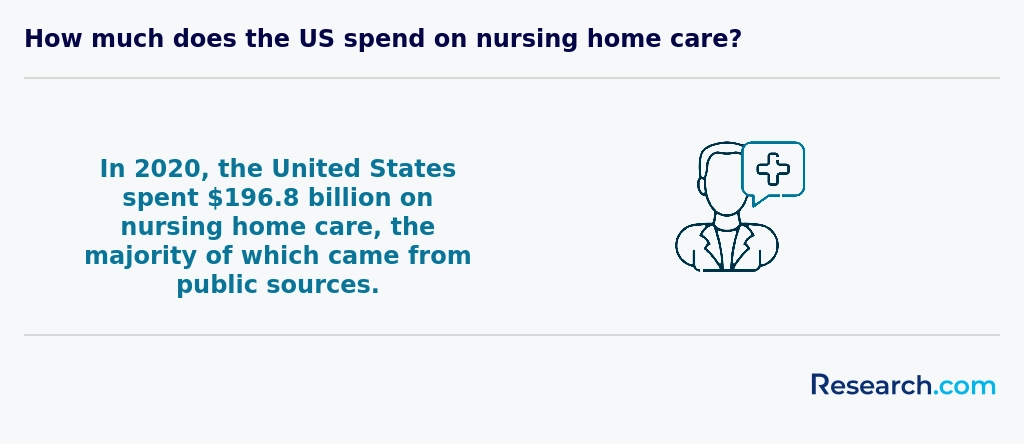
Others find their path in outpatient clinics, nursing homes, or home health care, especially with the aging population in places like New Jersey and Massachusetts. It's really rewarding to visit patients in their homes, building strong, personal connections. Plus, public health roles in state agencies let nurses make a real community impact through education and prevention programs.
Some graduates take it further by becoming nurse practitioners or specialists, often working with underserved communities in more rural parts of the Northeast. And if you're into academics or research, nursing faculties at universities like New York University offer chances to teach or jump into innovative health studies. There's really something for everyone here.
If you've just wrapped up a nursing degree at a top school in the Northeast-think places like Boston College or the University of Pennsylvania-you're probably wondering what kind of paycheck to expect. The good news? Registered Nurses and Clinical Nurse Educators around here pull in a mean annual wage of about $94,480, which is pretty solid for starting your career.
Imagine landing your first job in a busy Boston hospital, working alongside seasoned pros while earning close to $45 an hour. That's the reality for many grads, and it feels great seeing those numbers after all the late-night study sessions. Public Health Nurses and Emergency Room Nurses in the Northeast are also hitting that same $94,480 yearly mark, which means there's steady demand across different fields.
If you're eyeing a bit more specialization, like becoming an Operating Room Nurse, you're looking at a much higher salary, around $128,490 a year. That jump really shows how getting extra certifications can pay off big time.
- Nursing programs in the Northeast typically cost between $40,000 and over $70,000 for a BSN degree, with private and out-of-state tuition being the most expensive.
- Starting salaries for new registered nurses in the Northeast range from $65,000 to $75,000 annually, higher than the national average.
- Experienced nurses in the region can earn between $85,000 and $100,000 or more, especially in cities like New York, Boston, and Philadelphia.
- Job growth for registered nurses in the Northeast is faster than average, with particularly high demand in Massachusetts, New Jersey, and New York.
- Many nursing programs offer clinical experience in large hospitals and research facilities, along with accelerated and flexible scheduling options.
If you're thinking about nursing school in the Northeast, the time it takes to finish really depends on the program you choose. For example, many students who start with an Associate Degree in Nursing (ADN) at a community college can wrap up in about 2 to 3 years. Graduates from schools like those around New York find this route fast and practical, especially if they want to start working sooner.
On the other hand, if you're aiming for a Bachelor of Science in Nursing (BSN) at a university in Massachusetts or New York, expect to spend around 4 years full-time. This longer path gives you a broader education and more chances for clinical experience, which many graduates say helped them feel super confident stepping into their nursing roles.
There are also accelerated BSN programs designed for those who already have an ADN. These can cut down your time to just 12 to 18 months. Lots of students juggling jobs love this option. Plus, part-time options are common here, so you can stretch your studies over a few more years if life gets busy.
Accreditation should be one of the first checks you make when comparing nursing programs in the Northeast. An affordable program is only a good investment if it meets recognized academic and clinical standards and supports your eligibility for licensure after graduation.
Two major nursing accrediting organizations are the Commission on Collegiate Nursing Education (CCNE) and the Accreditation Commission for Education in Nursing (ACEN). These agencies review nursing programs for factors such as curriculum quality, faculty qualifications, student outcomes, clinical learning experiences, and continuous improvement. State board approval is also essential because nursing licensure is regulated at the state level.
Why accreditation affects your nursing career
- NCLEX eligibility: Graduates of accredited and state-approved programs are positioned to take the National Council Licensure Examination (NCLEX) and pursue nurse licensure.
- Employer recognition: Hospitals, clinics, and health systems often prefer or require graduates from accredited nursing programs because accreditation signals that the program follows accepted professional standards.
- Financial aid access: Accreditation can affect eligibility for federal financial aid and other funding sources.
- Credit transfer and degree progression: If you plan to move from an ADN to a BSN or later pursue graduate nursing education, credits from accredited programs are more likely to be accepted.
- Program reputation: Accreditation helps students separate legitimate nursing pathways from programs that may not fully prepare graduates for licensure or employment.
Before applying, confirm both institutional accreditation and nursing program accreditation. Also check whether the program is approved by the state board of nursing in the state where you intend to seek licensure. This is especially important for online and hybrid nursing programs with clinical placements outside the school’s home state.
If you're thinking about a nursing degree in the Northeast, the big difference between online and on-campus programs is how you experience learning. Online degrees give you flexibility to study from anywhere, which is perfect if you're juggling a job or family. Imagine taking classes from the comfort of your home-like many grads from schools near Boston and New York who say it saved them tons on commuting and housing. You still have to do clinical hours in person, usually arranged close to where you live, so you get that hands-on experience without daily campus visits.
On the flip side, on-campus programs, like those at colleges in Philadelphia, offer face-to-face classes, labs, and easy access to study groups and libraries. Students love the vibe of being right there with their instructors and peers, which can make all the difference for those who thrive on direct interaction. Plus, the strong connections with local hospitals help with networking and landing jobs after graduation.
Online students need to be self-motivated and tech-savvy, while on-campus learners benefit from structure and immediate support. Both routes lead to solid nursing careers, just picked depending on your lifestyle and learning style.
Accreditation and NCLEX performance are essential when deciding whether an affordable nursing program is worth your time and money. Accreditation confirms that a program meets accepted academic and clinical standards, while NCLEX-RN pass rates show how effectively the program prepares graduates for the licensing exam.
What to verify before enrolling
- CCNE or ACEN accreditation: Look for recognition from the Commission on Collegiate Nursing Education or the Accreditation Commission for Education in Nursing.
- State board approval: Confirm that the program is approved in your state of residence or the state where you plan to seek licensure.
- First-time NCLEX-RN pass rates: Aim for programs above 85%, and review several years of data when available.
- Student support: Ask about tutoring, simulation labs, remediation plans, practice exams, and faculty-led NCLEX review.
- Clinical placement quality: Strong clinical partners can improve readiness for real patient care and future employment.
Most schools publish NCLEX data on their websites, and state boards often release pass-rate reports. If a program does not make outcomes easy to find, ask admissions for the most recent figures and clarify whether the rate reflects first-time test takers.
After earning an RN license, many nurses continue into advanced roles such as Family Nurse Practitioner. Students planning that route can compare cheapest FNP programs online for affordable graduate pathways after meeting the necessary academic and licensure requirements.
If you're thinking about nursing school in the Northeast, you'll want to know the average cost before diving in. On average, a nursing degree here runs around $50,651 total. This number reflects both in-state and out-of-state costs, but if you're a resident, you might expect something closer to $33,751, which is definitely a big factor in choosing where to apply.
For many students attending well-known universities or colleges in this region, tuition can feel steep. But keep in mind, these schools often come with strong programs and great networks, which can make the investment worth it. Graduates frequently share how their quality education in nursing prepared them to confidently step into their careers, and many found financial aid options that helped ease the burden.
Community colleges and public schools often offer more affordable nursing programs tuition Northeast, which can be easier on your wallet while still giving you a solid foundation. And if you're balancing work or family, you might want to check out options like online bsn nursing programs for non nurses that some local schools provide.
Remember, the average cost covers tuition mainly, but additional expenses like books and supplies add up too. Still, many students say that approaching this with a plan and tapping into scholarships really helps make the dream of a nursing degree in the Northeast possible.
NCLEX-RN performance and state licensure rules directly affect how quickly a nursing graduate can enter the workforce. A program with strong instruction but weak licensure support can delay your career start, while a program with clear board approval, strong exam preparation, and transparent outcomes can make the transition from student to nurse smoother.
High first-attempt NCLEX pass rates-ideally above 85%-indicate that a program’s curriculum is aligned with national licensing expectations and that students are receiving sufficient academic and test-preparation support. Top-ranked programs in Massachusetts and Pennsylvania consistently report pass rates exceeding 90%, reflecting intensive test-prep workshops and dedicated faculty mentorship.
Typical licensure tasks after graduation
- Submit official transcripts and fingerprinting results.
- Complete the state board of nursing application and required background checks.
- Pass the NCLEX-RN within the required timeline after graduation.
- Meet continuing education units (CEUs) or renewal requirements to keep the license active.
Licensure rules vary by state, so applicants should verify requirements with the state board where they intend to practice. Some states participate in the Nurse Licensure Compact (NLC), while others require separate applications or additional documentation. If you are considering programs outside the Northeast for cost comparison, our Low Cost Online Nursing Degree Programs Ranking in Arkansas can help you review tuition and program outcomes in another region.
If you're aiming for a nursing degree in the Northeast, there's a good mix of financial aid that can really lighten the burden. Many students at schools like Boston College or the University of Pennsylvania lean heavily on the FAFSA, unlocking access to grants like the Pell Grant, which can cover up to $7,395 without needing to be paid back. That kind of help feels like a game-changer when tuition can sometimes top $40,000 a year.
State-specific scholarships also play a big role. For example, kids studying at SUNY or Northeastern University often tap into the Excelsior Scholarship or MassGrant, which target residents with limited income, making those pricey nursing programs way more doable.
And don't forget employer tuition assistance. Graduates often share stories about hospitals that chipped in for their schooling in exchange for a few years of work-basically getting paid to learn and then launch their careers! Plus, work-study jobs tied to nursing departments provide both cash and hands-on experience, which is a sweet combo.
Between federal loans, scholarships from nursing groups, and smart state aid, lots of folks find ways to make their nursing dreams affordable right here in the Northeast.
A nursing degree alone does not authorize you to practice as a registered nurse. In the Northeast, RN graduates must complete the appropriate degree program, pass the National Council Licensure Examination for Registered Nurses (NCLEX-RN), and meet the requirements of the state board of nursing where they plan to work.
Core licensure steps for RN graduates
- Complete an approved nursing program: Your program should be accredited and approved by the relevant state nursing board.
- Apply to the state board: State applications commonly require official transcripts, background checks, fingerprinting, and fees. Processing can take 4–8 weeks, so students should start early.
- Pass the NCLEX-RN: Many accredited programs build NCLEX review workshops, simulation labs, and practice question banks into the final semester.
- Maintain your license: RNs must renew their licenses on the state’s schedule and may need continuing education units (CEUs) or clinical practice hours every 2–3 years, depending on the state.
Certification options after licensure
Specialty certification is not the same as initial RN licensure. Certifications are typically pursued after nurses gain experience in a specialty area. Examples include Critical Care Nurse (CCRN), Oncology Nurse (ONC), and Certified Nurse Educator (CNE). These credentials may require additional coursework, clinical hours, professional experience, and a certification exam.
Students entering nursing from another field should pay close attention to program type. Some applicants exploring online BSN nursing programs for non nurses look for structured prerequisite support, clinical placement guidance, and NCLEX-RN preparation built into the curriculum. Before enrolling, confirm that the program meets licensure requirements in your state of residence.
Getting into a nursing program in the Northeast means you'll need to tick off a few important boxes first. Most schools want you to have finished high school with solid grades, especially in subjects like biology, chemistry, and math - stuff that really helps when you start diving into nursing courses. For instance, graduates from popular schools like Boston College or the University of Pennsylvania often mention how nailing their anatomy and physiology courses before applying gave them a big confidence boost.
Some programs ask for SAT or ACT scores, though a few public universities might waive that if you have other strong qualifications. Having some healthcare experience, like volunteering at a local clinic, can really make your application pop and show you're serious about nursing.
You'll also likely need to clear background checks and provide vaccination records. Plus, many schools want personal essays and recommendation letters to get a feel for who you are beyond the grades - graduates often say these helped them express their passion and land interviews.

Accreditation and NCLEX pass rates are two of the most useful quality signals when evaluating affordable nursing programs. Accreditation shows that a program meets external academic and clinical standards. NCLEX pass rates show how well graduates perform on the licensing exam that leads to RN practice.
Programs accredited by the Commission on Collegiate Nursing Education (CCNE) or the Accreditation Commission for Education in Nursing (ACEN), and approved by state nursing boards, are generally better positioned to prepare students for licensure and employment. In the Northeast, top affordable nursing programs maintain first-time NCLEX-RN pass rates above 90%, with many institutions reporting rates as high as 95–98%.
How to use NCLEX pass rates correctly
- Look for first-time pass rates: These rates are more useful than overall pass rates because they show how graduates perform on their first attempt.
- Compare multiple years: A single strong year may not reflect long-term program quality. Look for consistency.
- Check the source: Use state board dashboards, institutional reports, or official program pages whenever possible.
- Ask about support: High pass rates often reflect structured test preparation, simulation labs, tutoring, faculty advising, and early academic intervention.
NCLEX pass rates should not be the only factor in your decision. Also compare clinical placement quality, graduation rates, admissions selectivity, student support, tuition, and whether the program fits your schedule. Students seeking a shorter entry point into nursing may also compare an LPN accelerated program, which can provide foundational clinical training in as little as 12 months and may later support progression toward RN study.
If you're thinking about a nursing degree in the Northeast, you'll find a mix of courses that really prepare you for the real world. Graduates from well-known colleges in the region often talk about starting with human anatomy and physiology, which helps you get a solid handle on how the body works-super important when you're caring for patients.
Many also mention microbiology as a key class, where you learn about germs and infection control-skills that come in handy during clinical shifts at local hospitals. Pharmacology is another favorite; understanding medications and how to safely manage them gives you confidence when you're finally on the floor helping patients.
Students from top Northeast programs often share how nursing fundamentals classes, packed with communication tips and ethics, made them feel ready to truly connect with patients and healthcare teams. Plus, hands-on clinical practice in hospitals or community settings is where everything clicks, turning theory into action.
It's common to add courses like health assessment, nutrition, and psychology to round out your education, making sure you're ready for any challenge in today's busy healthcare environments.
Nursing degrees in the Northeast offer a bunch of great specializations that let you really focus your career. Think about Family Nurse Practitioner (FNP), which lots of graduates from schools like Boston College love because it lets them provide care for entire families-super rewarding stuff. Then there's Psychiatric-Mental Health Nursing, which is getting more attention as mental health becomes a bigger part of healthcare. If working with kids sounds more your vibe, Pediatric Nursing is always a popular pick among students at places like University of Pennsylvania.
Specialized nursing programs Northeast region schools offer also include Gerontological Nursing, perfect if you're passionate about helping the elderly manage chronic conditions with empathy. Critical Care Nursing and Oncology Nursing are also common paths, often found at top nursing colleges across New York and Massachusetts. Many grads say these programs prepare them well for intense hospital settings.
Plus, if you're juggling work and school, some schools' flexible tracks make it easier to earn your degree. For folks looking for a quicker route, checking out a lpn accelerated program might be just the thing.
Picking the best nursing degree in the Northeast can feel overwhelming, but focusing on a few key points helps a lot. Graduates from well-known colleges often mention how important accreditation was-it's what makes sure your program actually prepares you for real nursing life. For example, schools accredited by CCNE or ACEN guarantee you're learning what counts, especially for passing the NCLEX exam.
It also helps to think about cost and flexibility. Lots of students juggling work and family love programs offering evening or online classes, which you'll find at various Northeast universities. If budget is a concern, exploring options like Low Cost Online Nursing Degree Programs Ranking in Arkansas can give you a clearer picture of affordable nursing degree programs Northeast.
Clinical experience really makes a difference too-graduates rave about hands-on training at hospitals linked with their schools, which helps build confidence. Finally, if you're thinking long term, choose a program that lets you grow into advanced degrees with ease; many nursing schools around here offer smooth RN to MSN pathways to keep your career moving forward.
If you're aiming for a nursing degree in the Northeast, you're stepping into a field full of vibrant career options. Many graduates from well-known schools in this region find themselves working as Registered Nurses, often earning salaries higher than the national average. Picture yourself in a busy Boston hospital or a community clinic in New York, where your role could range from bedside care to managing patient treatments.
There's also a growing demand for advanced roles like Nurse Practitioners and Clinical Nurse Specialists, especially in states like Massachusetts and New York. Graduates from top nursing programs here often talk about how rewarding it is to take on these specialized positions, helping older adults or working in emergency care-two specialties that are booming in the Northeast job market.
Many nursing career opportunities in the Northeast also include public health and community health roles, which let you focus on education and prevention in diverse settings. If research or education interests you, the region's universities provide chances to get involved in cutting-edge nursing studies.
For those juggling work and school, plenty of students explore options like quickest online undergraduate degrees for working adults to keep their career momentum going.
The nursing job market in the Northeast is buzzing with opportunity right now. Graduates from well-known universities like those in Boston or New York often find themselves in high demand, thanks to the region's dense healthcare networks and large cities. It's not uncommon to hear from recent grads who've quickly landed roles in busy hospitals or specialty clinics, where their skills are needed to manage everything from patient care to chronic disease support. This strong demand makes the northeast nursing degree employment outlook pretty encouraging, especially as populations age and healthcare needs grow.
Many nursing grads also point out how competitive salaries, often between $70,000 and $85,000, help offset the cost of living. Union presence in states like New Jersey also boosts confidence about job security and working conditions. If you're looking to build your career rapidly, picking up some quick online certifications that pay well alongside your nursing degree can open doors to specialty roles in tech-driven healthcare settings.
2027 Most Affordable Nursing Degree Programs Ranking in the Northeast
Investing in your education is a significant decision that can shape your future, and the Research.com team understands the importance of making informed choices. To assist prospective students, we have carefully developed the "2027 Most Affordable Nursing Degree Programs Ranking in the Northeast." Our dedication to quality, credibility, and accuracy is demonstrated through thorough research and analysis undertaken to create this ranking.
We utilized the following reputable data sources to ensure a comprehensive evaluation of nursing programs:
By exploring this ranking, readers will gain valuable insights into the most affordable and reputable nursing degree programs available in the Northeast, empowering them to make well-informed decisions about their educational paths. For more information on how this ranking was created, please visit our Research.com methodology page.

# 2 position
Thomas Edison State University
Master of Science in Nursing

# 3 position
Thomas Edison State University
Bachelor of Science in Nursing
# 4 position
University of New Hampshire College of Professional Studies Online
Master of Science in Nursing
# 5 position
University of New Hampshire College of Professional Studies Online
Bachelor of Science in Nursing


# 7 position
Pennsylvania State University-World Campus
Master of Science in Nursing


# 15 position
Pennsylvania State University-World Campus
Bachelor of Science in Nursing


Frequently Asked Questions About nursing
Nursing degree students in the Northeast can maximize their learning experience by combining classroom knowledge with practical application. Many accredited nursing programs in this region, such as those listed by the New England Board of Higher Education, emphasize clinical hours in diverse healthcare settings. Engaging in internships and cooperative education placements at local hospitals, like Massachusetts General or NewYork-Presbyterian, helps students develop essential skills.
Additionally, students should take advantage of simulation labs, which are widely available in Northeast nursing schools, providing hands-on experience in a controlled environment. Participating in nursing organizations and workshops increases networking opportunities and professional growth. According to the American Association of Colleges of Nursing, programs in the Northeast graduate roughly 20% more nurses annually than the national average, reflecting strong educational support in the region.
The nursing field in the Northeast is expanding into several emerging niches that reflect broader healthcare trends. One significant area is gerontological nursing, addressing the needs of an aging population. According to the U.S. Census Bureau, the Northeast has a higher percentage of residents aged 65 and older compared to other regions, increasing demand for specialists in elderly care.
Another growing niche is psychiatric-mental health nursing. The National Alliance on Mental Illness reports rising mental health concerns across Northeastern states, driving need for advanced practitioners in this specialty. Additionally, informatics nursing, which integrates technology with patient care, is gaining traction in the region's many renowned academic medical centers.
Preparing for the job market after completing a nursing degree in the Northeast involves several key steps. First, graduates should obtain licensure by passing the NCLEX-RN exam, which is mandatory across all states. According to the National Council of State Boards of Nursing (2024), the pass rate in Northeast states averages around 85%, reflecting strong program quality in the region.
Next, gaining relevant clinical experience through internships or residencies in local hospitals improves employability. The Northeast's healthcare sector is among the largest in the US, with institutions like Massachusetts General Hospital and NewYork-Presbyterian offering extensive opportunities.
Networking through professional organizations such as the Massachusetts Nurses Association or the New Jersey State Nurses Association also supports job placement efforts.
Employers in the Northeast highly value nursing graduates who demonstrate strong clinical skills and critical thinking abilities. According to the American Association of Colleges of Nursing (AACN), proficiency in patient assessment, care planning, and evidence-based practice is essential for new nurses.
Communication skills are also crucial because nurses must coordinate with diverse healthcare teams and support patients from varied backgrounds. The Bureau of Labor Statistics notes that interpersonal skills significantly impact employment opportunities in the region.
Additionally, technological competence-such as familiarity with electronic health records (EHR)-is increasingly demanded, given the Northeast's adoption of advanced healthcare systems. Adaptability and cultural competence remain top priorities for employers in this diverse area.
Finding nursing internships in the Northeast involves strategic research and leveraging local resources. Many nursing programs in states like New York, Massachusetts, and Pennsylvania partner with hospitals and healthcare facilities to offer clinical placements. According to the National Council of State Boards of Nursing (NCSBN), nearly 70% of nursing students in the Northeast gain internships through their schools.
Students should also explore internships at large healthcare systems such as Mass General and Mount Sinai, which frequently offer summer internship opportunities. Additionally, utilising job boards specific to healthcare and nursing can help identify openings near you.
Networking through professional organizations like the American Nurses Association (ANA) Northeast chapter can provide valuable contacts and internship leads.
A nursing degree in the Northeast significantly enhances career mobility and advancement opportunities within the healthcare sector. According to the U.S. Bureau of Labor Statistics (2023), registered nurses in states like New York, Massachusetts, and Pennsylvania benefit from higher median salaries compared to the national average, reflecting regional demand for qualified professionals.
Completing an accredited nursing program can enable graduates to pursue advanced roles such as Nurse Practitioners or Nurse Educators. Employers in the Northeast highly value Bachelor of Science in Nursing (BSN) degrees, with over 60% of hospitals in the area seeking BSN-prepared nurses, facilitating upward mobility.
Additionally, many Northeastern states have established Nurse Licensure Compact participation, allowing nurses to practice across state lines, thus expanding geographic career options. This regional flexibility combined with growing healthcare needs supports continuous professional growth for nursing graduates.
Studying for a nursing degree in the Northeast offers a strong foundation for interdisciplinary healthcare roles. Many nursing programs in this region emphasize collaborative learning, integrating coursework with other health professions such as medicine, social work, and pharmacy. According to the American Association of Colleges of Nursing (2023), northeastern schools lead in offering interprofessional education (IPE), preparing students for teamwork in diverse clinical environments.
Students gain practical experience through clinical rotations across hospitals and community settings, often working alongside varied healthcare specialists. This exposure helps develop communication skills and adaptability-key for interdisciplinary roles.
Regional healthcare systems in the Northeast increasingly prioritize coordinated care, making graduates well-equipped to meet evolving patient needs.
When choosing between a thesis and a non-thesis nursing degree program in the Northeast, consider your career goals first. Thesis programs focus on research and prepare students for doctoral studies or roles in academic nursing. Non-thesis programs emphasize practical skills and clinical experience, fitting those aiming for advanced practice or leadership positions.
Many Northeast nursing schools, including those in New York and Massachusetts, offer both options. According to the National League for Nursing, about 40% of graduate nursing students prefer non-thesis tracks for faster completion. Cost and time are also factors: thesis programs often take longer and may have higher tuition.
Review faculty expertise and available resources when deciding. Schools with strong research funding provide better thesis support. The Bureau of Labor Statistics expects a 15% growth in nursing jobs through 2030, especially in clinical roles, which may favor non-thesis paths.
Students based in the Northeast who wish to study nursing abroad can explore several structured options through partnerships between U.S. nursing programs and international institutions. Many universities in the Northeast, such as those in New York and Massachusetts, offer study-abroad programs or clinical placements in countries like the United Kingdom, Ireland, and Canada.
These programs provide opportunities to gain global healthcare perspectives while earning credits toward their degree. According to the American Association of Colleges of Nursing, nearly 25% of nursing students in the Northeast participate in international experiences during their studies.
Additionally, some accredited online nursing programs in the region allow students to complete coursework remotely while arranging international clinical rotations through affiliated hospitals abroad.
Students pursuing nursing degrees in the Northeast can benefit from several part-time job opportunities that complement their studies. Common roles include Certified Nursing Assistant (CNA), patient care technician, and medical scribe positions, which offer hands-on experience in clinical settings. According to the U.S. Bureau of Labor Statistics (BLS) Regional Data, these jobs provide valuable skills while allowing flexible hours suited for academic schedules.
Hospitals and long-term care facilities in states like New York, Massachusetts, and Pennsylvania frequently seek part-time CNAs due to a regional nurse shortage. Working in these settings enhances practical knowledge of patient care and healthcare protocols. Additionally, roles in outpatient clinics and home health support services provide exposure to diverse patient populations and nursing practices prevalent in the Northeast.
Nursing students in the Northeast benefit from numerous networking opportunities through universities, hospitals, and professional organizations. Schools often host career fairs and alumni events, facilitating connections with healthcare employers in cities like Boston and New York. The Northeast has a dense healthcare industry, providing students access to internships and clinical rotations in prominent medical centers.
The Massachusetts Nurses Association and New York State Nurses Association offer student memberships, granting access to conferences, workshops, and mentorship programs. According to the American Association of Colleges of Nursing, over 60% of nursing students find jobs through networking in their clinical placements.
Alumni networks offer significant benefits to nursing degree students in the Northeast by fostering professional connections that can ease job placement after graduation. Many nursing alumni associations in this region organize events and provide mentorship opportunities, which help students gain insights into local healthcare systems and licensing requirements. According to the Northeast Regional Nursing Workforce Center, 68% of nursing graduates find jobs through alumni referrals within their first year.
Additionally, alumni often share job openings and continuing education resources, supporting career advancement in a competitive market. These networks also serve as platforms for advocacy and keeping students informed about evolving nursing practices in the Northeast.
Customizing a nursing degree program in the Northeast often begins with choosing the right educational pathway, such as an Associate Degree in Nursing (ADN), Bachelor of Science in Nursing (BSN), or advanced degrees like MSN and DNP. Many institutions offer flexible options, including part-time, online, or hybrid formats to fit different schedules.
Students can tailor their studies by selecting electives or specialty tracks aligned with career goals, such as pediatric nursing, gerontology, or nurse leadership. According to the New England Board of Higher Education, nearly 40% of nursing programs in the region provide specialization options to enhance job market readiness.
Clinical placement opportunities vary by institution, allowing students to gain experience in hospitals, community health settings, or specialized care units, which is crucial for career focus. Additionally, partnerships between colleges and healthcare providers in the Northeast often enable networking and job placement aligned with desired fields.
Nursing students in the Northeast often face several challenges throughout their education. A major issue is the high cost of tuition, as states like New York and Massachusetts frequently rank among the most expensive for college education, impacting student debt levels (College Board, 2023). Additionally, clinical placement availability is limited due to the dense population and competition among nursing programs for spots in hospitals.
Students also encounter intense academic demands, with rigorous coursework and clinical hours. The COVID-19 pandemic has intensified stress levels, as many programs shifted to hybrid models, creating challenges in hands-on learning. Finally, balancing part-time work to manage expenses while completing studies remains difficult for many.
With a nursing degree in the Northeast, graduates can pursue multiple professional certifications that enhance their career options and earning potential. Popular certifications include the Registered Nurse Certified (RN-BC) credential and the Certified Nurse Practitioner (CNP) qualification. Specialized certifications such as the Certified Emergency Nurse (CEN) and Oncology Certified Nurse (OCN) are also common. According to the American Nurses Credentialing Center (ANCC), nurses in New England increasingly pursue certifications to meet growing healthcare demands.
Certifications often require passing an exam and maintaining continuing education credits. These credentials can lead to roles in advanced practice, administration, or specialty care within the region's hospitals and clinics.
Writing a winning application for a nursing program in the Northeast requires careful attention to both academic and personal elements. Most programs in this region, including those in New York, Massachusetts, and Pennsylvania, expect a minimum GPA of 3.0 and prerequisite coursework in biology, chemistry, and anatomy. Highlighting clinical experience or volunteer work in healthcare can significantly strengthen your profile.
Many nursing schools in the Northeast value a well-crafted personal statement that clearly explains your motivation for nursing and your career goals. According to the Commission on Collegiate Nursing Education, applicant pools here tend to be highly competitive, so demonstrating commitment and understanding of the profession is crucial.
Additionally, strong letters of recommendation from academic or healthcare supervisors add credibility. Some programs also require standardized tests like the TEAS, so preparing thoroughly for these can improve your chances.
Research individual school requirements carefully, as they can vary widely across the Northeast, and ensure your application is submitted well before deadlines to avoid last-minute issues.
Nursing is recognized worldwide as a vital and growing profession, with strong demand driven by aging populations and healthcare needs. In the United States, particularly the Northeast, nursing degrees are highly valued, reflecting the region's robust healthcare infrastructure and academic institutions. According to the Bureau of Labor Statistics, registered nursing jobs in the Northeast are projected to grow by 12% from 2022 to 2032, slightly above the national average.
Globally, nursing standards vary, but U.S. nursing qualifications are often considered rigorous and transferable. Many international healthcare employers respect degrees earned from accredited Northeast schools due to their emphasis on clinical experience and research-based practice. This regional advantage can provide graduates with opportunities to engage in global health initiatives or pursue advanced roles.
Gaining practical experience is essential while studying for a nursing degree in the Northeast. Many accredited programs incorporate clinical rotations, allowing students to work in hospitals, community health centers, and long-term care facilities under professional supervision.
These clinical hours, often totaling between 500 and 1,000, are required by the American Association of Colleges of Nursing (AACN) and state nursing boards to prepare students for licensure.
Additionally, some schools partner with local healthcare systems in states like New York, Massachusetts, and Pennsylvania, offering internships or externships that provide hands-on experience.
Students may also engage in simulation labs equipped with advanced technology to practice vital nursing skills safely.
According to the New England Journal of Medicine, experiential learning directly improves job readiness and patient care outcomes in the region.
Choosing the right concentration within a nursing degree program in the Northeast involves evaluating your interests, career goals, and local job market demands. Popular specialties include gerontology, pediatric nursing, and nurse practitioner tracks, reflecting regional healthcare needs. According to the Bureau of Labor Statistics, New York and Massachusetts have high demand for advanced practice nurses, especially in primary care and mental health.
Accreditation by organizations like the Commission on Collegiate Nursing Education (CCNE) ensures program quality. Consider clinical placement opportunities nearby, as these vary across metropolitan and rural parts of the Northeast. Lastly, review licensing requirements for your chosen specialty in your state to ensure smooth career progression.
See What Experts Have To Say About Studying Nursing
Read our interview with Nursing experts


- Interdisciplinary Education and Practice https://www.aacnnursing.org/news-data/position-statements-white-papers/interdisciplinary-education-and-practice
- How to Choose a Nursing Program: A Comprehensive Guide - Madonna ABSN https://absn.madonna.edu/blog/how-to-choose-a-nursing-program/
- Nurse Salary https://nursinglicensemap.com/resources/nurse-salary/
- Top Nursing Skills U.S. Employers Want to See on Your Resume | O'Grady Peyton https://www.ogradypeyton.com/blog/job-seeker-resources/top-nursing-skills-u.s.-employers-want-to-see-on-your-resume
- How Much Can I Earn With a BSN? https://www.allnursingschools.com/bsn/salary/
- From our readers…Strengthening nursing networks https://www.myamericannurse.com/from-our-readersstrengthening-nursing-networks/
- Tuition & Fees https://northeast.edu/costs-aid/tuition/
- Nursing Internship and Externship Programs https://jobs.mayoclinic.org/nursinginternexternprograms
- Nursing Internships Abroad: An Introduction - RealStep https://www.real-step.com/en/articles/nursing-internships-abroad/
- Work-life balance | Careers Crossroads | RCN Careers Resources | Royal College of Nursing https://www.rcn.org.uk/Professional-Development/Your-career/Nurse/Career-Crossroads/Career-Ideas-and-Inspiration/work-life-balance


